


Your older dog gets up a little slower. Sleeps a little longer. Smells a little funkier. And every time, someone in the house says the same four words: “He’s just getting old.” It’s the most comforting sentence in dog ownership, and one of the easiest to hide behind.
That’s why these 14 changes are worth a closer look. Each one has an innocent-sounding excuse and a far less innocent possible cause. Joints don’t quietly give out for no reason, and a personality that held steady for ten years doesn’t flip overnight “just because.” Some of these signs are so sneaky that owners only spot them in hindsight. A few have surprisingly simple fixes. And the one waiting at #1 may be the quiet thread connecting almost everything else on this list.
#14 – Sleeping More… or Suddenly Sleeping Differently
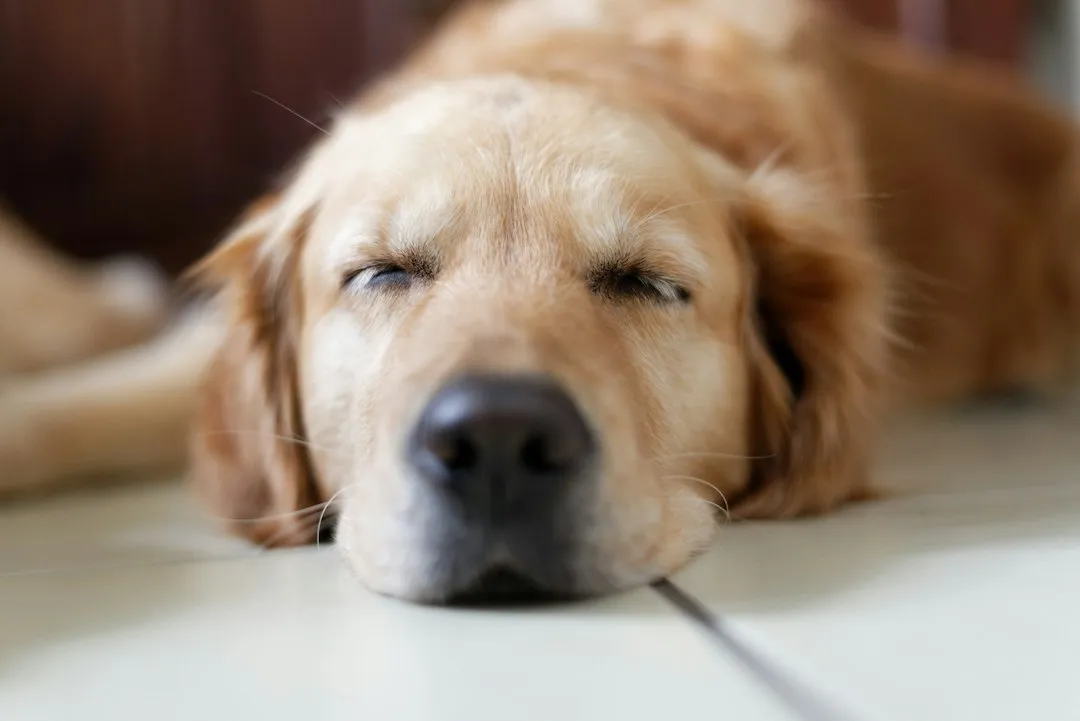
Most owners shrug when their older dog starts napping more. “He’s old, he’s tired.” Sometimes that’s true. But big shifts in sleep patterns are one of the earliest clues that a senior dog is uncomfortable or unwell, not just lazy.
Pacing at night, sleeping all day, or flipping the usual schedule can point to canine cognitive dysfunction (doggy dementia), chronic pain, or even heart or thyroid trouble. Dogs in pain often sleep more because lying still is the only way to escape the ache. Yet they rarely reach truly deep sleep, so they look exhausted around the clock.
The small clues are easy to miss:
- Moving beds more often
- Restless circling before finally lying down
- Choosing cooler spots or rooms far from the family
That last one gets misread as “becoming antisocial.” More often, a dog who feels achy or nauseous simply retreats so nobody bumps into the sore spot.
And the next one hides inside a habit you probably see every single day…
#13 – Drinking and Peeing “Just a Bit More Than Before”

“Oh, he drinks more now.” It gets said like a personality quirk, but increased thirst and urination are classic early signs of serious disease in senior dogs, including kidney disease, diabetes, and Cushing’s disease.
If you’re refilling the water bowl more often, opening the back door more often, or mopping up “accidents” from a dog who was spotless for years, something is off. The kidneys may be struggling to concentrate urine, or hormones may be out of balance. The body responds by demanding more water and producing more urine to flush out excess sugar, toxins, or cortisol.
Watch for:
- Soaked pee pads or bigger puddles than usual
- New leaks during sleep
- Panting and restlessness alongside heavy drinking
Plenty of families scold a dog for these accidents, assuming stubbornness. But a dog with kidney or endocrine disease often literally can’t hold it.
Now for the one owners blame on the stairs, the weather, and the dog’s “attitude”…
#12 – “Slowing Down” on Walks and Stairs
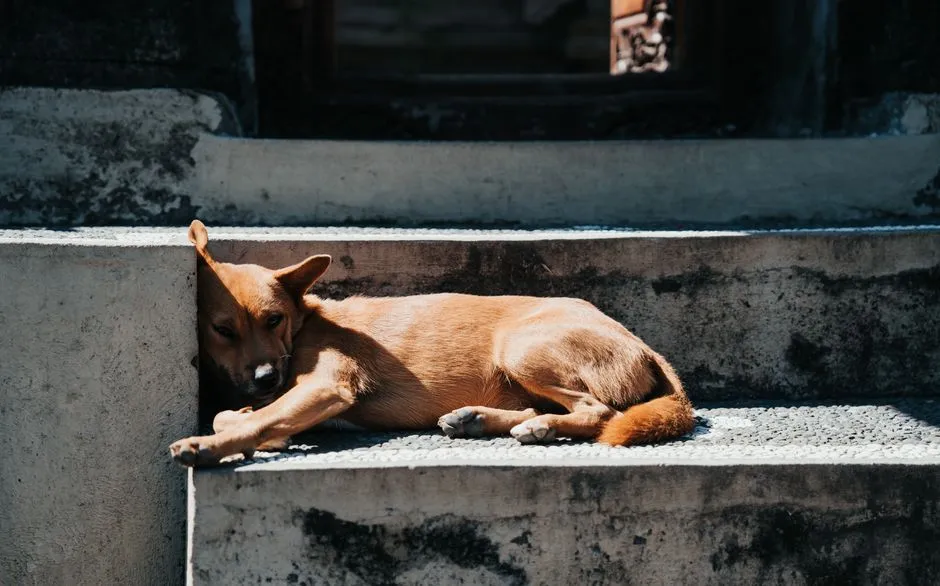
If one senior-dog myth refuses to die, it’s this: “Old dogs just slow down.” They do lose some athletic ability. But painful joints and spine problems are among the most common reasons older dogs move less, not some mysterious “age fairy.”
Arthritis, ligament damage, worn discs, and old undiagnosed injuries turn simple tasks into a workout. You’ll see it when a dog hesitates at the stairs, climbs into the car with extra care, or stops mid-walk and stares as if deciding whether the next block is worth it. Owners often read that as stubbornness or being out of shape. Often, every step costs something.
Key red flags:
- Bunny-hopping with the back legs
- Slipping on hard floors
- Sitting sideways or lowering into a sit very slowly
Quick Compare: Aging or Aching?
- Typical aging: A gradual dip in stamina, but your dog still eagerly joins in favorite activities.
- Possible pain: Stiffness after rest that eases as they warm up, or sudden reluctance to jump, climb, or play.
- Worth a vet visit: Any change that shows up within weeks rather than years.
Stoic dogs are the hardest to read. They power through the pain, so by the time owners notice, life has already been quietly reorganized around it. A visible limp is often a late sign, and refusing a favorite game is usually the earliest clue.
The next change is the one that makes families feel like they’ve lost the dog they knew…
#11 – Becoming “Grumpy” or Snappy Out of Nowhere
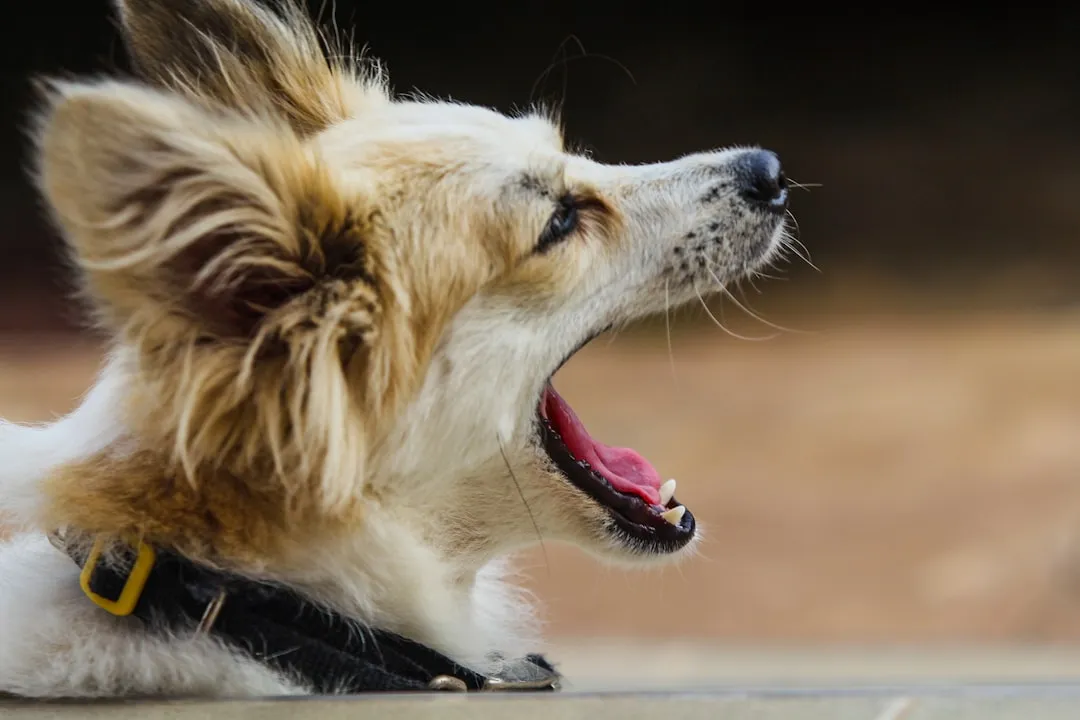
A dog who has been gentle for a decade doesn’t wake up “mean.” When a tolerant senior suddenly growls, air-snaps, or avoids touch, pain and anxiety are far more likely than a random personality flip.
Imagine getting poked in a sore hip every time someone hugged you. That’s what it can feel like for an arthritic dog when a child leans on them or an owner scoops them up under the belly. Dogs don’t have words, so they use the tools they have: a growl, a snap, a walk-away. Many people punish that, which only teaches the dog that warnings aren’t safe.
Common hidden triggers:
- Brushing, grooming, or nail trims on certain spots
- Being picked up, especially small dogs
- Climbing on furniture or being steered by the collar
Cognitive decline can pile on, lowering a dog’s frustration tolerance so confusion turns to panic faster. What looks like a bad attitude can be a brain struggling to process what’s happening.
Next up: a sound that gets brushed off as “he’s just tired”…
#10 – Breathing Heavier, Panting More, or Slowing on Flat Ground
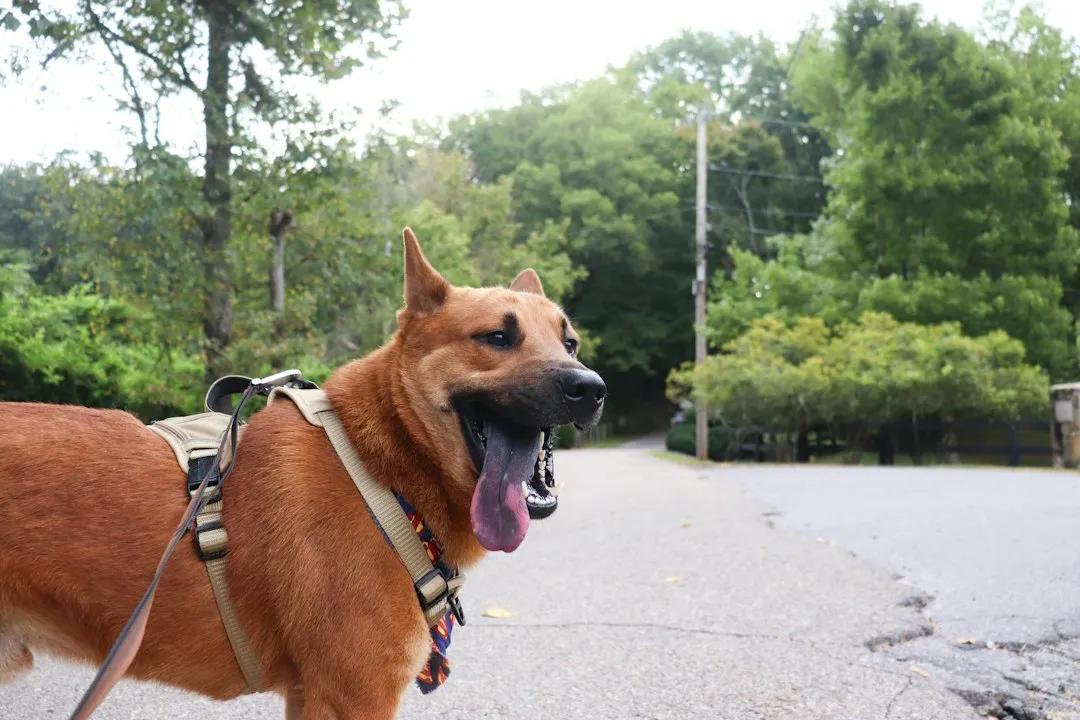
“He just gets winded faster now. He’s old.” It’s a dangerously common line. Changes in breathing, exercise tolerance, or panting patterns can signal heart disease, lung trouble, obesity-related strain, or chronic pain.
If your senior stops halfway through an easy walk, lies down mid-play, or pants hard while resting, the heart and lungs may be working overtime just to keep up. Some owners notice a soft cough at night or after light activity, or a weird “throat clear” they ignore. Those can be early hints of heart failure or airway disease.
Pay special attention to:
- Panting in cool temperatures or at night
- A belly that moves noticeably with each breath
- Reluctance to lie flat on one side
Extra weight makes everything harder, stressing joints, lungs, and heart alike. Many dogs labeled “lazy seniors” are really struggling to move their body comfortably, not choosing the couch.
The next one has launched a thousand jokes at family dinners…
#9 – “Selective Hearing” That’s Actually Hearing Loss
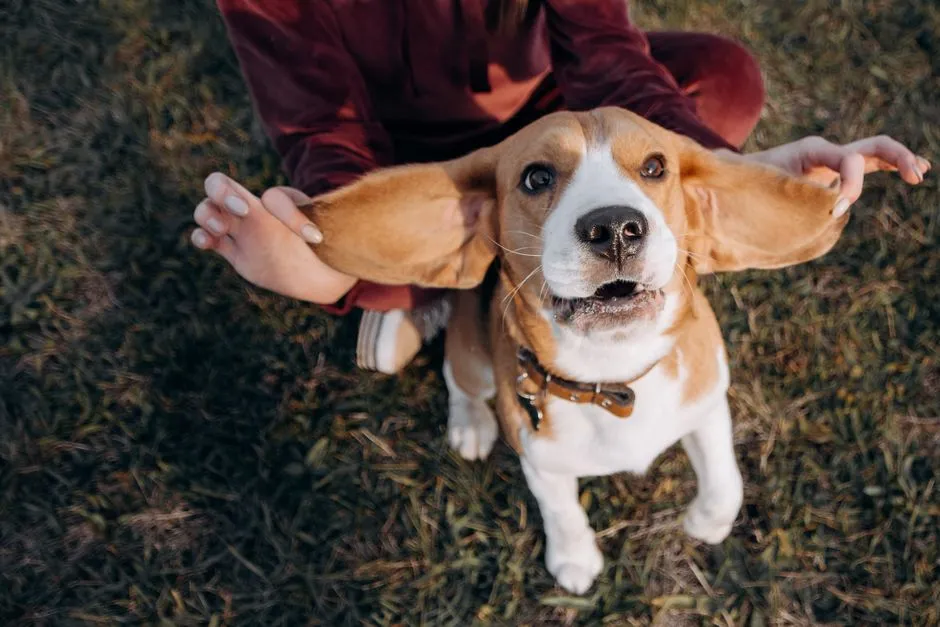
Plenty of owners joke that their old dog has gone “selectively deaf.” In reality, age-related hearing loss is common and progressive, and its first signs look exactly like disobedience.
Your dog may startle when you walk up behind them, sleep through noises that once woke the whole house, or ignore the doorbell. Many still respond to a loud clap or a deep voice while missing higher-pitched sounds. That’s how families end up convinced the dog hears “only when he wants to.”
Key clues:
- No response to their name unless you’re close
- Overreacting when touched suddenly
- Barking more, since they can’t hear their own volume
The real danger is safety. A dog who can’t hear well is more vulnerable near roads, around kids, and in new places because they’re missing so much information. Most households don’t change how they communicate soon enough, leaving the dog scared and confused.
The next one looks like love. Sometimes it is something else entirely…
#8 – Vision Changes and the “Clingy” Shadow Dog
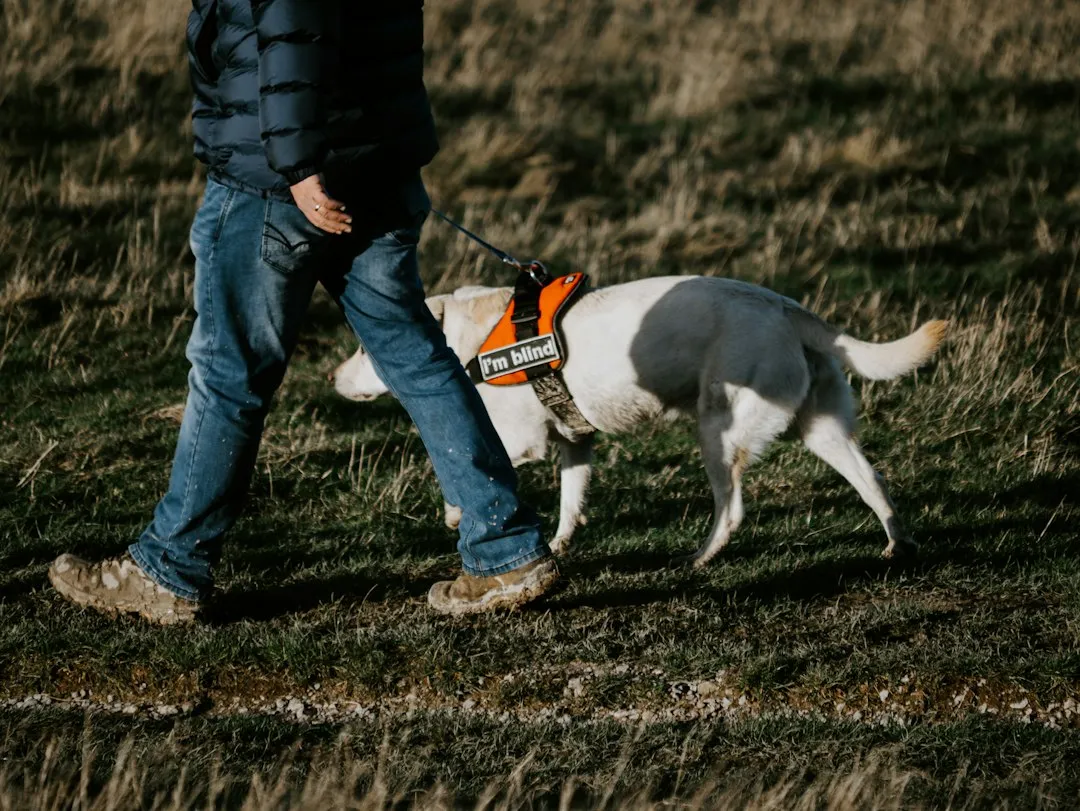
Many older dogs start following their people everywhere, glued to doorways, bathrooms, and hallways. Families call it “clingy” or “needy.” Often, it’s a dog who can’t see as well anymore and is using you as an anchor point.
Cloudy eyes, bumping into furniture, missing treats you toss, and hesitating at dark thresholds all point to vision changes. Dogs cope surprisingly well in familiar rooms, so the early signs show up in new places. They freeze at a curb, refuse nighttime walks, or panic when you move too far away.
Early vision-loss signs often written off as quirks:
- Avoiding shiny floors or shadows
- Misjudging jumps onto the couch
- Getting “lost” behind furniture or in corners
Eye disease like cataracts or retinal problems can be the cause. So can cognitive dysfunction, which can scramble a dog’s mental map and make even familiar rooms feel confusing in low light. A sudden fear of stairs can be about depth perception, and nighttime anxiety often ramps up with vision loss.
And once the lights go down, the next change takes over the house…
#7 – Weird Nighttime Behavior and “Sundowning”
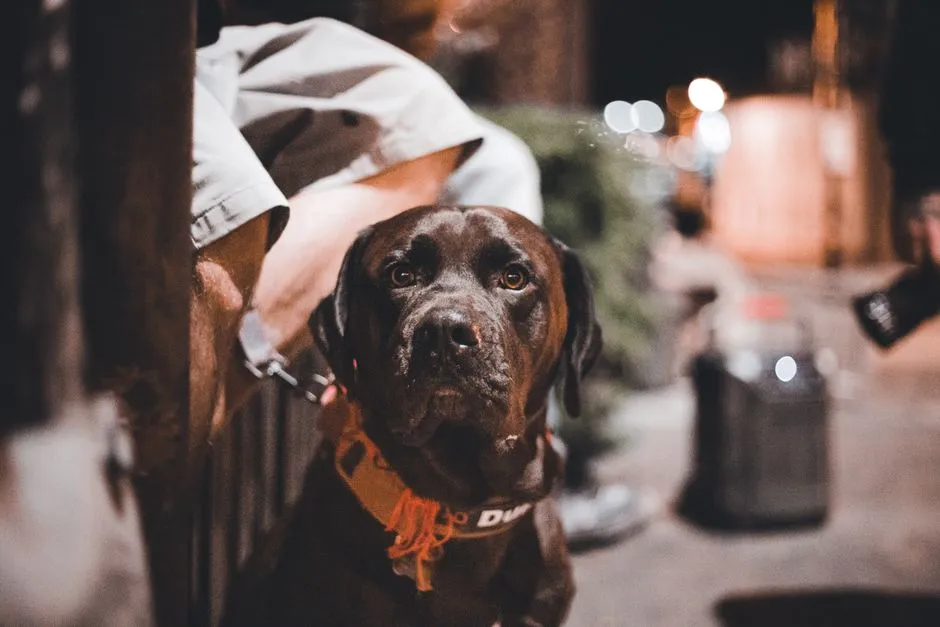
Owners often say their old dog is “losing his mind at night.” He paces, whines, gets stuck behind furniture, or wakes the whole house. They chalk it up to restlessness from age. What they’re describing sounds a lot like canine cognitive dysfunction, the dog version of dementia.
As the brain changes, the internal clock can break and night becomes confusing. A dog may stand facing a corner, stare at walls, bark at nothing, or be unable to settle. House-training can fall apart too, because the dog forgets the routine or can’t get the message from brain to bladder in time.
Common dementia-like signs:
- Getting stuck in small spaces
- Seeming “lost” in familiar rooms
- Failing to recognize familiar people at first
Portable Dog Water Bottle Foldable Dog Travel Water Bottle
Check Price on AmazonAs an Amazon Associate, we earn from qualifying purchases.
10/7/2026 1:29 pm GMTi

Hand Blown Glass Hummingbird Feeders for Outdoors Hanging, 24oz Wild Bird Nectar Feeder
Check Price on AmazonAs an Amazon Associate, we earn from qualifying purchases.
10/7/2026 1:23 pm GMTi
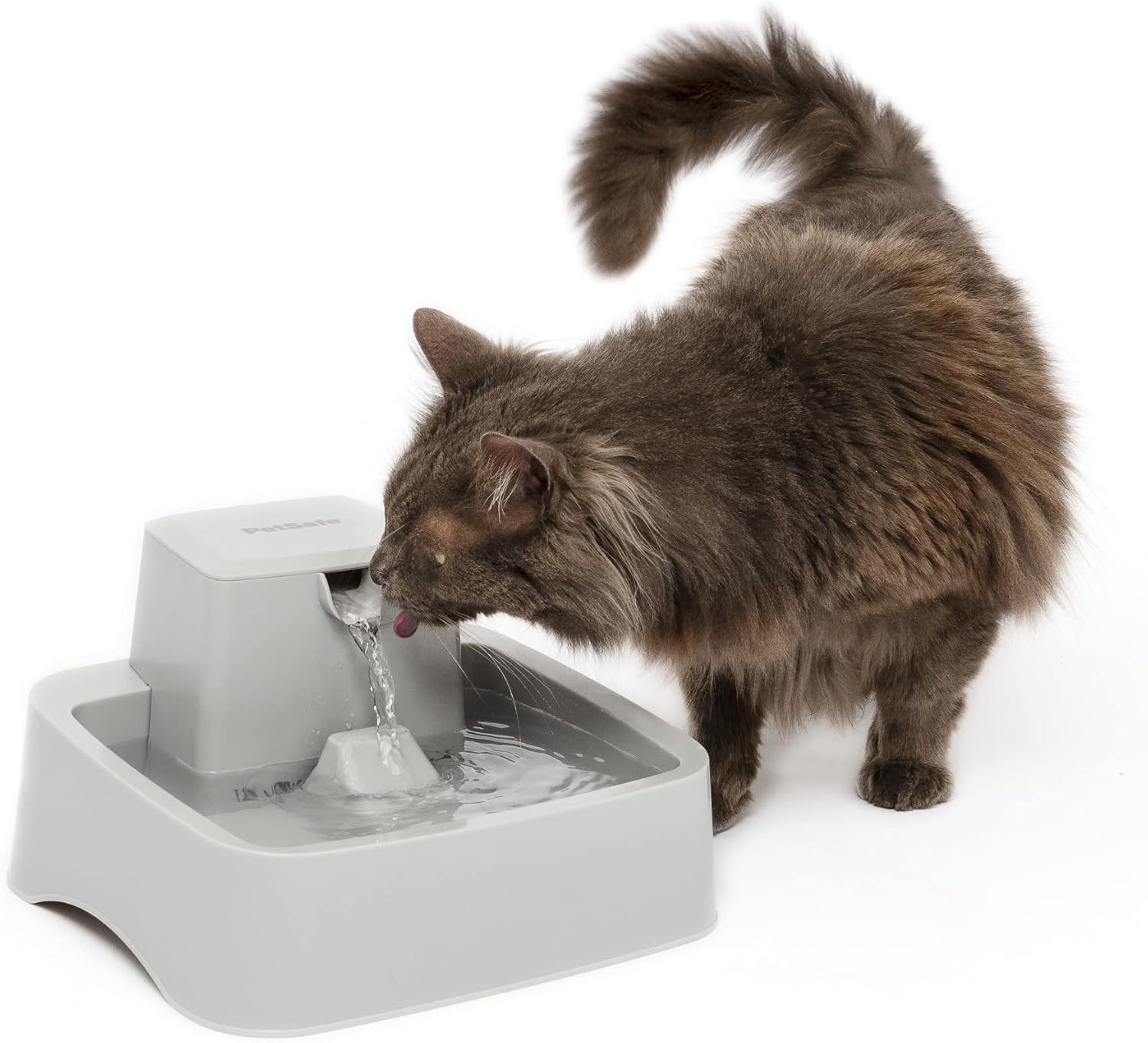
PetSafe Oasys Pet Fountain, 1/2 Gallon (64 oz), Small Dogs & Cats
Check Price on AmazonAs an Amazon Associate, we earn from qualifying purchases.
10/8/2026 8:14 am GMTi
Glass Hummingbird Feeder for Outdoors Hanging
Check Price on AmazonAs an Amazon Associate, we earn from qualifying purchases.
10/7/2026 1:21 pm GMTi
Glass Hummingbird Feeder for Outdoors Hanging, 16 oz Leak-Proof Nectar Feeder with Bee Guards & Ant Moat
Check Price on AmazonAs an Amazon Associate, we earn from qualifying purchases.
10/7/2026 1:22 pm GMTi
At a Glance: The DISHAA Checklist
- Disorientation: staring at walls, getting stuck, wandering aimlessly
- Interactions: less interest in greeting family or being petted
- Sleep-wake changes: awake and anxious at night, sleepy by day
- House soiling: accidents in a previously reliable dog
- Activity and Anxiety: pacing, restlessness, new fears
This isn’t just “being old.” It’s a neurological process. It can’t be fully reversed, but routines, enrichment, diet changes, and vet-prescribed medication can often slow it and improve quality of life. Waving it off as age leaves both dog and humans suffering more than they need to.
Next, the food bowl tells a story most people read wrong…
#6 – Changes in Appetite, From “Bottomless Pit” to “Picky Senior”
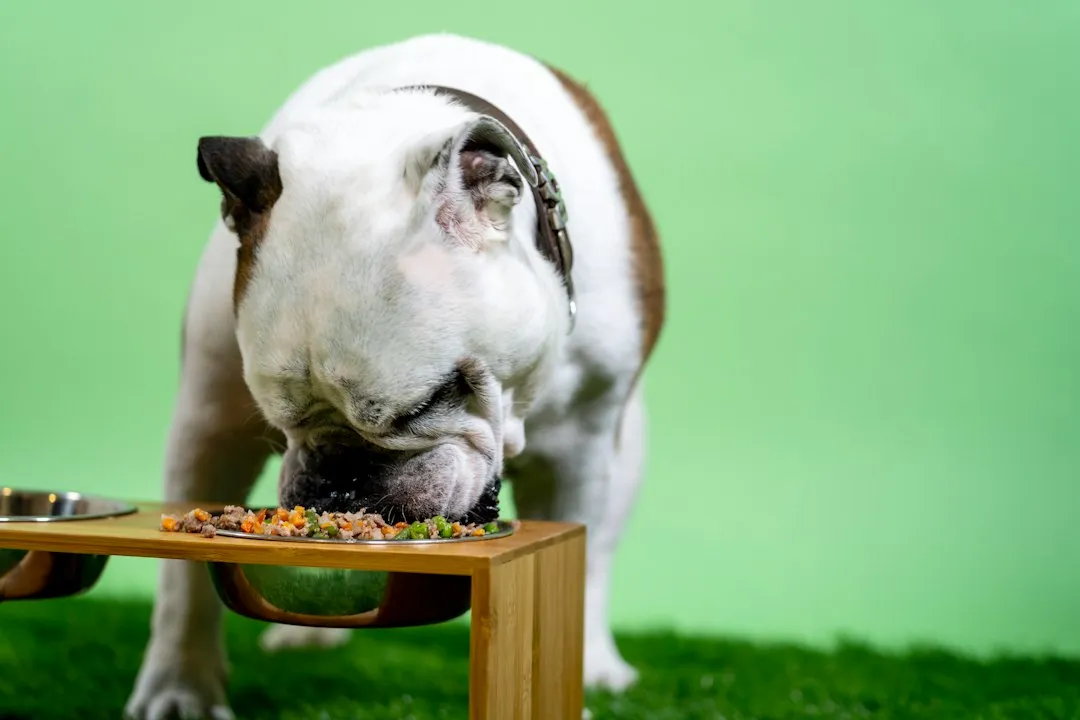
Most people notice when a dog stops eating well. They rarely connect it to something serious until the weight loss is obvious. Any shift in appetite, up or down, in a senior dog deserves attention, not excuses.
Loss of appetite can signal dental pain, nausea from kidney or liver disease, stomach and intestinal problems, or even certain cancers. On the flip side, an older dog who is suddenly ravenous and begging nonstop may be dealing with an endocrine disorder like diabetes or Cushing’s disease. In diabetes, for example, the body can’t use the food it’s getting properly.
Look beyond the bowl:
- Dropping kibble or chewing on one side
- Gulping, lip-licking, or repeated swallowing
- Begging for food, then walking away from it
Many owners start cycling through brands, assuming a “picky eater” has emerged. That can burn weeks. Taste and smell do dull with age, but most seniors still want to eat if they feel well enough. Weight loss is a late symptom, and drooling or pawing at the mouth can point to oral pain.
The next clue doesn’t show up on a scale. It shows up when your dog leans in for a cuddle…
#5 – New Smells, Bad Breath, and That “Old Dog Odor”
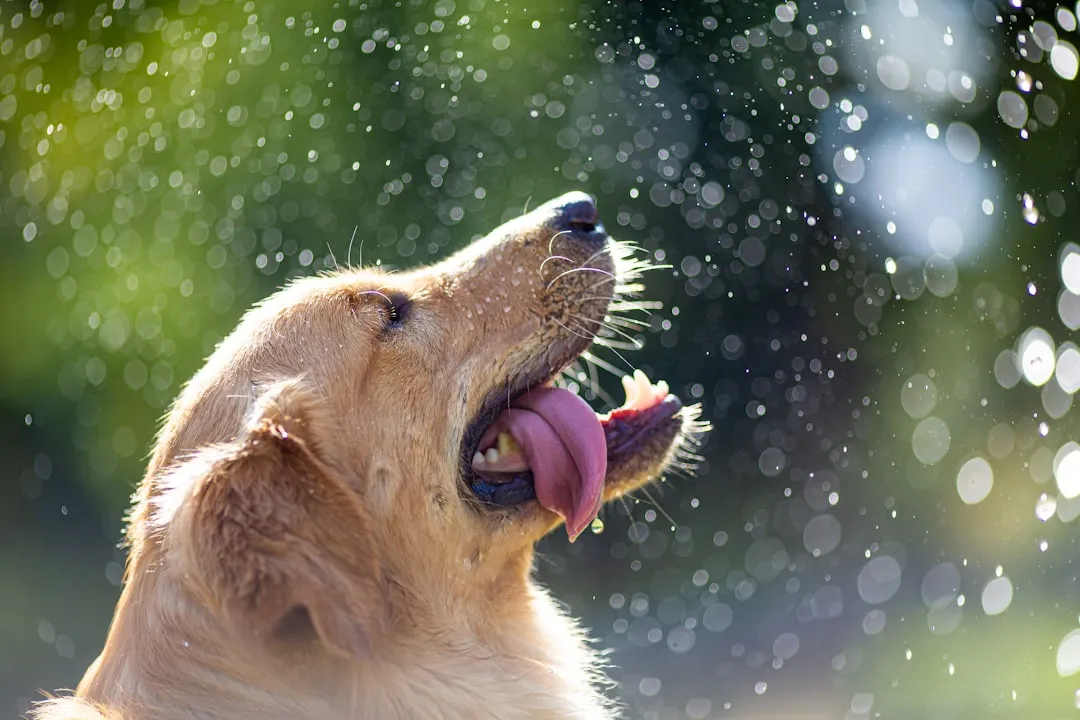
“Old dog smell” gets tossed around like it’s unavoidable. In reality, most strong odors have a fixable cause: dental disease, skin infections, ear infections, anal gland problems, or chronic yeast overgrowth.
Rotten or metallic breath often points to advanced dental disease or a systemic illness. The bacteria thriving in a neglected mouth don’t necessarily stay there, and over time they can affect the heart, liver, and kidneys. Yet owners often decide bad breath is “normal at his age” and never schedule a cleaning.
Other smell sources that get overlooked:
- Musty or cheesy odor from skin folds or paws
- Sour or fishy smell from the ears or anal glands
- Strong urine or coat odor from reduced grooming
Fast Facts: The Mouth Connection
- Veterinary dental groups commonly report that most dogs have some degree of dental disease by around age 3, so seniors often carry years of buildup.
- Much of the damage sits below the gumline, where you can’t see it without a professional exam and dental X-rays.
- Drooling, dropped food, and a sudden dislike of hard treats are often pain signals, not pickiness.
Metabolism and grooming habits do shift with age, but dogs aren’t meant to smell foul. Treat a suddenly smelly dog like a walking clue, not a candle shopping trip.
The next one is hiding in plain sight, right under your hand every time you pet them…
#4 – Coat, Skin, and Nail Changes Nobody Talks About
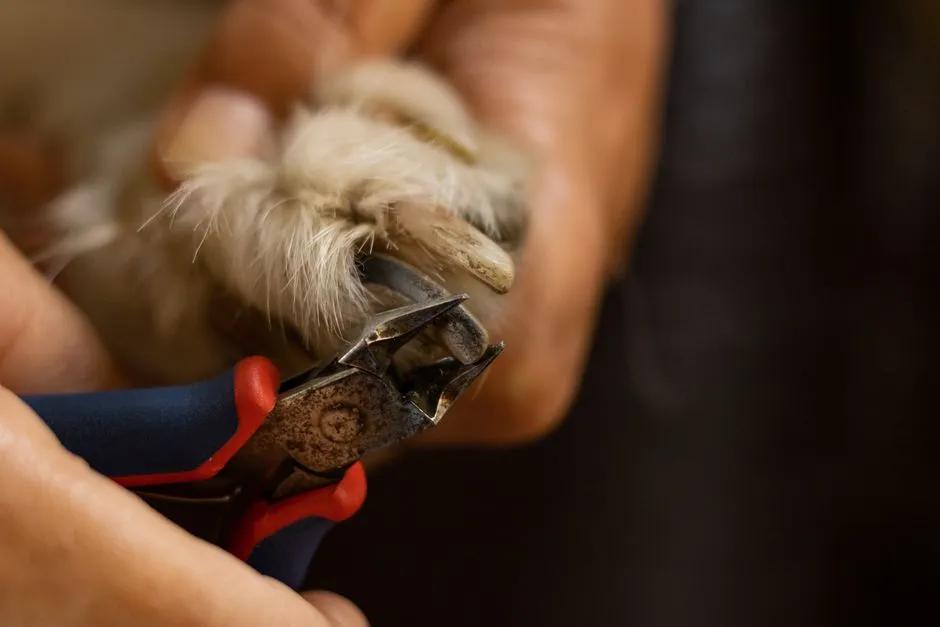
Graying fur around the muzzle is normal. Sudden thinning, flaking, or a greasy coat is not. Owners often say their senior’s fur has “gone dull” and blame age, when it can reflect underlying disease, nutrition problems, hormonal imbalance, or pain that’s interfering with grooming.
A stiff, sore dog may stop twisting around to groom the back or hindquarters. That’s where you’ll find matting, dandruff, or oily patches. Skin can also become more fragile, with sores or slow-healing spots, especially in dogs with allergies or endocrine conditions.
Warning signs to watch:
- Bald patches or symmetrical hair loss
- Thickened or darkened skin on the belly or armpits
- Nails growing thicker or curling into the pads
Most owners only act when skin is visibly red and raw. But skin is an organ, and often the first to show stress when something internal is off. Constant licking or chewing is an itch or pain signal, and seniors often need nail trims more, not less, since less activity means less natural wear.
Now we get to the one that breaks hearts, because it changes who your dog seems to be…
Dog Stairs for Bed 18" H, 4-Step Dog Steps for High Bed
Check Price on AmazonAs an Amazon Associate, we earn from qualifying purchases.
10/9/2026 2:42 pm GMTi

Professional 7 in 1 Dog Paw Cleaner for Dogs & Cats - Includes 1 Portable Paw Washer, 1 Bath Brush
Check Price on AmazonAs an Amazon Associate, we earn from qualifying purchases.
10/7/2026 1:26 pm GMTi
Halloween Dog Collar with Bow, Orange Cute Ghost Collar,
Check Price on AmazonAs an Amazon Associate, we earn from qualifying purchases.
10/9/2026 2:43 pm GMTi
2 Pcs Halloween Pet Hat Bandana Set, Witch Pumpkin Costumes for Dogs
Check Price on AmazonAs an Amazon Associate, we earn from qualifying purchases.
10/9/2026 2:45 pm GMTi

Smart Bird Feeder with Camera Solar Powered, 2K HD Live Video, 10,000+ Bird Species AI Identification
Check Price on AmazonAs an Amazon Associate, we earn from qualifying purchases.
10/7/2026 1:22 pm GMTi
#3 – Personality Flips and “He’s Just Old and Set in His Ways”
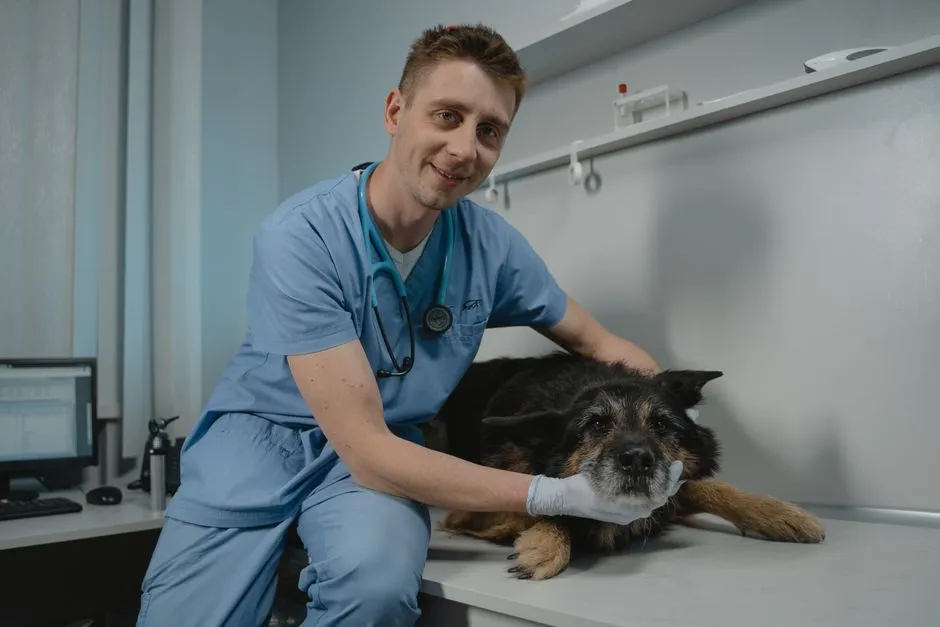
A dog who’s been bombproof for years suddenly turns clingy, fearful, or withdrawn, and the family shrugs: “He’s just old and cranky.” In truth, personality shifts in seniors are often a message about discomfort, confusion, or sensory loss.
You might see a once-independent dog glued to your hip, or a social butterfly hiding when guests arrive. A formerly confident dog may startle at small noises or a new object on the floor. These aren’t quirks. They’re fallout from reduced hearing, vision, cognitive changes, or chronic pain.
Look for:
- Losing interest in play but not in you
- Startling awake more easily, even with gentle touch
- New fear of surfaces, thresholds, or car rides
There’s also a quieter truth: an aging brain still needs stimulation. Retirement without enrichment doesn’t feel peaceful to every dog. For some, it feels like being quietly shelved. The simple rule is that personality changes are data, not drama. Assume “can’t” or “hurts,” not “won’t.”
The next pattern is the one that quietly strains households the most…
#2 – “Accidents” and House-Training Falling Apart
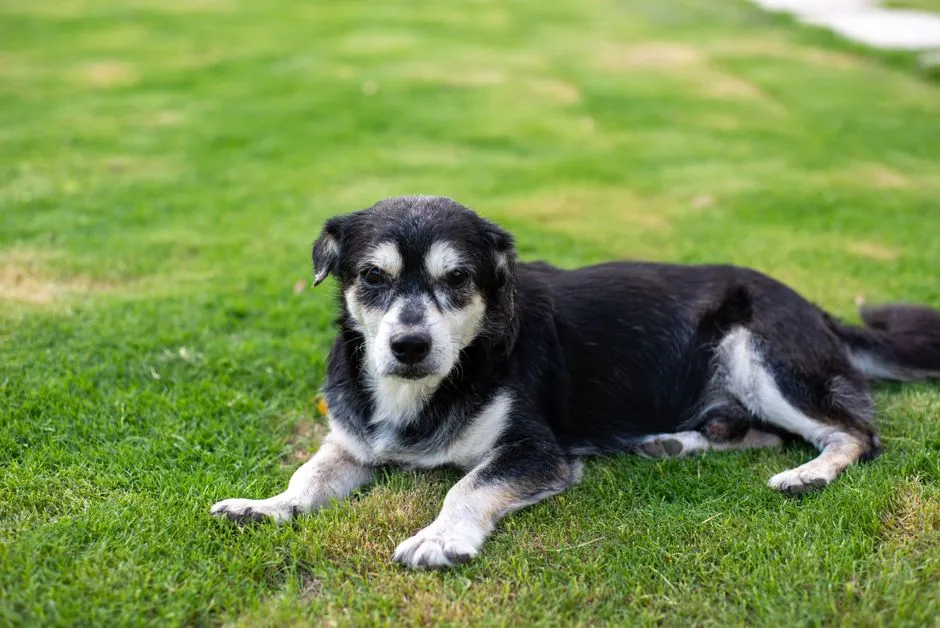
One of the saddest patterns: a perfectly house-trained senior starts having accidents, and the family quietly grows frustrated, even resentful. They assume “he’s old, he doesn’t care anymore.” That’s almost never what’s happening.
Loss of house-training can come from several places:
- Pain that makes it hard to get up fast enough
- Arthritis or stairs between the bed and the door
- Kidney disease, diabetes, or urinary infections
- Cognitive decline that muddles routes and routines
Some dogs lose the ability to fully empty their bladder, leading to dribbling or frequent small puddles. Others can’t hold it overnight anymore, not because they forgot the rules but because their bodies can’t comply. It helps to notice the difference between full-bladder floods and small repeated leaks, or leaks while lying down versus walking. Your vet will want to know which you’re seeing.
Worth Knowing: Reading the Puddle Clues
- Large puddles plus heavy drinking: may point toward kidney or hormonal disease.
- Small leaks while lying down or sleeping: may suggest weak bladder control.
- Accidents right after waking, with a dazed look: may be linked to cognitive changes.
- Accidents only near the stairs or door: may simply mean getting there hurts.
Punishing a senior for accidents is one of the fastest ways to break trust at the exact stage when they need you most. More frequent potty breaks, ramps, easy-access doors, and sometimes medication can transform life for everyone.
And the last one may explain half of what you just read…

Earth Rated XL Dog & Puppy Pee Pads, Discreet Top, Max Absorbency
Check Price on AmazonAs an Amazon Associate, we earn from qualifying purchases.
10/7/2026 1:28 pm GMTi

Orthopedic Extra Large Dog Bed, Waterproof Washable XL Pet Bed 44"
Check Price on AmazonAs an Amazon Associate, we earn from qualifying purchases.
10/7/2026 1:32 pm GMTi
Halloween Cat Costume Cloak Witch Hat Pet Accessories
Check Price on AmazonAs an Amazon Associate, we earn from qualifying purchases.
10/9/2026 2:44 pm GMTi
Air Purifiers for Home Pets Large Room Up to 3000 Ft²,HEPA Air Cleaner with Washable Double-Side Filter, PM2.5 Air Quality Monitor,15dB Sleep Mode for Bedroom Odor Dust Pollen,White
Check Price on AmazonAs an Amazon Associate, we earn from qualifying purchases.
10/8/2026 8:23 am GMTi
#1 – Quiet Behavioral “Whispers” That Add Up to Pain
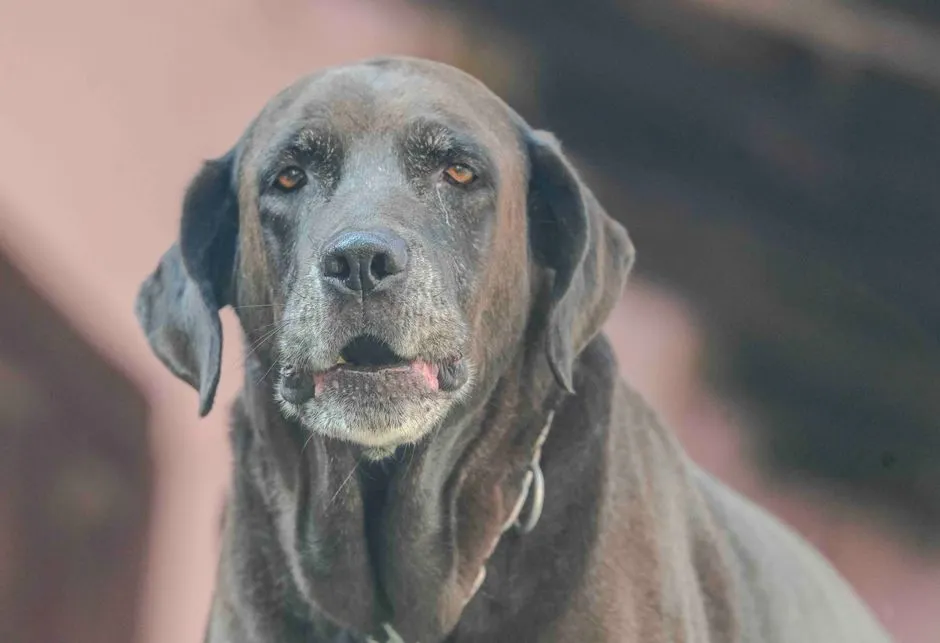
Here’s the uncomfortable truth: far more senior dogs are living with chronic pain than their owners realize, and much of it has never been properly recognized or treated. Not dramatic, screaming pain. Just relentless, grinding discomfort they slowly build their lives around.
It shows up in whispers:
- Taking longer to lie down or stand up
- Licking one joint obsessively
- Skipping play bows or full-body shakes
- Choosing cool, firm floors over soft beds, which can be easier to rise from
Individually, each change looks minor. Together, they paint a clear picture of a dog protecting sore spots and silently asking for help. Many owners say, “If he were hurting, he’d cry.” That’s human thinking. Most dogs don’t cry. They adapt.
This is where you, the person who knows your dog best, make the difference between an uncomfortable old age and a comfortable one. Vets can’t watch your dog 24/7. They depend on you to report these tiny whispers.
Here’s my blunt take: “just age” is the most dangerous excuse in dog ownership. It sounds gentle and sounds like acceptance, but too often it’s a polite way of not looking closer. Sleeping more, drinking more, slowing down, smelling worse, snapping, having accidents: none of these are personality failures or the price of a long life. They’re signals.
When you stop explaining everything away, patterns appear: pain, confusion, sensory loss, organ strain. That isn’t depressing. It’s empowering, because so much of it can be eased with better pain control, home tweaks, enrichment, and earlier vet care. Some people will insist “it’s just what happens.” Others quietly decide their dog’s last years will be the most comfortable of their life.
Which camp are you in, and what small change have you been chalking up to “just age” in your own dog?

- Feline Psychology Says Kittens Usually Don’t React to Catnip Until Several Months Old – and Up to a Third of Cats Never React at All - November 11, 2026
- How a Tiny Snail Takes Down a Fish With Bullet-Like Acceleration - November 11, 2026
- 8 Unexpected Triggers That Can Upset a Dog’s Stomach - November 11, 2026