


Picture the worst Monday in a vet clinic and you probably imagine a hissing, scratching cat wrapped in a towel. That’s rarely the real problem. No veterinary association publishes a “most dreaded breeds” list, but vets do see clear patterns: inherited heart disease, airway trouble, painful joints, and handling challenges that turn a 15-minute slot into a 45-minute one.
Here’s the twist: some of the sweetest cats on this list make the hardest appointments. Sweet doesn’t cancel out a fragile heart or a squashed airway. Keep reading, because #1 stacks more problems onto a single chart than any other cat here, and #2 raises a question that divides the veterinary world.
#16 – Siberian: The Fluffy Giant With a Hidden Heart Question
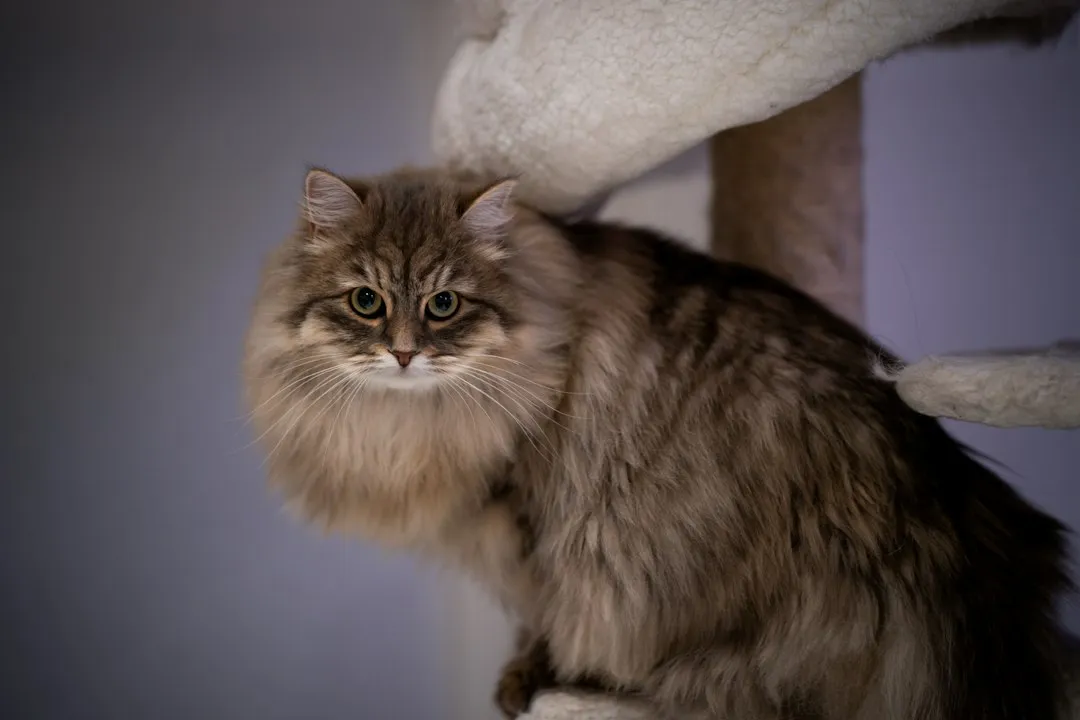
Siberians have a reputation as sturdy, easygoing cats. On the exam table, that gorgeous coat is half the challenge.
The dense triple coat hides body condition, so weight gain and weight loss can go unnoticed at home. It also mats near the armpits and belly. Vets often have to part or clip fur just to listen to the chest, find a vein, or run an ultrasound probe.
The other half is the heart. Researchers have linked a variant in the ALMS1 gene to hypertrophic cardiomyopathy (HCM) in some Siberian lines. That doesn’t mean every Siberian is affected, but it explains why breeders and vets talk so much about screening.
- Thick fur slows down every hands-on exam
- Heart screening may be recommended for breeding cats
That’s a fluffy surprise. The next cat has a wild parent hiding in its family tree.
#15 – Savannah: When the Pedigree Includes a Serval
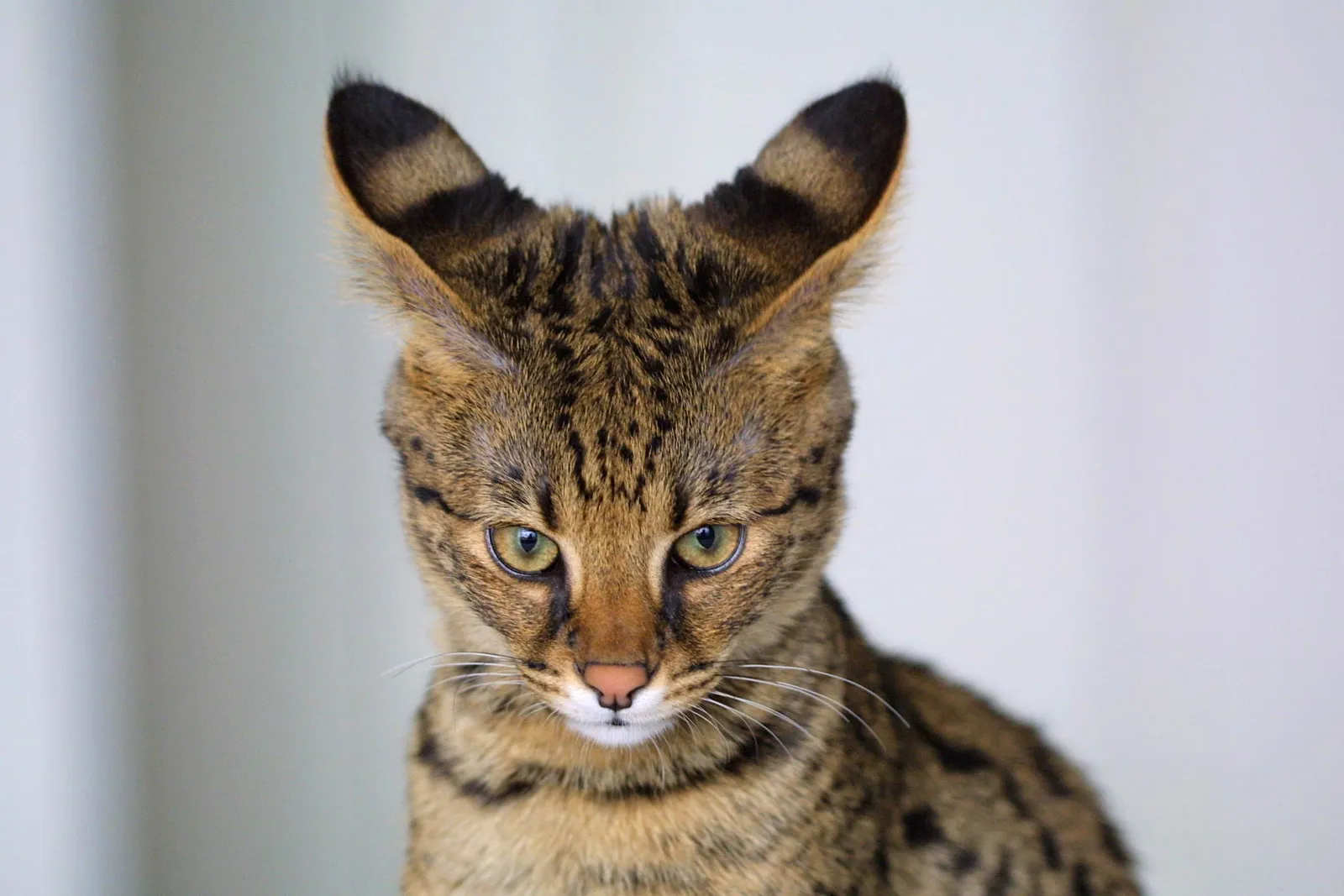
Savannahs are bred from domestic cats crossed with servals, and that changes the entire appointment.
Early-generation Savannahs can be larger, faster, and more reactive than typical house cats. A frightened one can turn a routine nail trim into a safety problem for the whole team. Handling plans, sedation, and carrier training matter far more than usual.
Then there’s the paperwork. Rules on owning hybrid cats vary by state and country, and that can complicate vaccination records and medical decisions. Some clinics also set their own policies on which hybrids they’ll see at all.
- Generation matters: the closer to the wild parent, the more unpredictable the cat can be
- Call ahead and be upfront about your cat’s lineage
Quick Compare: Savannah Generations
- F1: One parent is a serval, so these cats are usually the largest and most wild-leaning
- F2: A serval grandparent, still powerful but often a bit easier to manage
- F3 and later: Typically more domestic in temperament, though individuals vary widely
“Exotic-looking” and “exam-room friendly” rarely go together. It’s worth talking to a vet before you bring one home, not after.
Next up is a breed with a muscle problem that can look like a personality quirk.
#14 – Devon Rex: Big Ears, Bigger Medical Footnotes
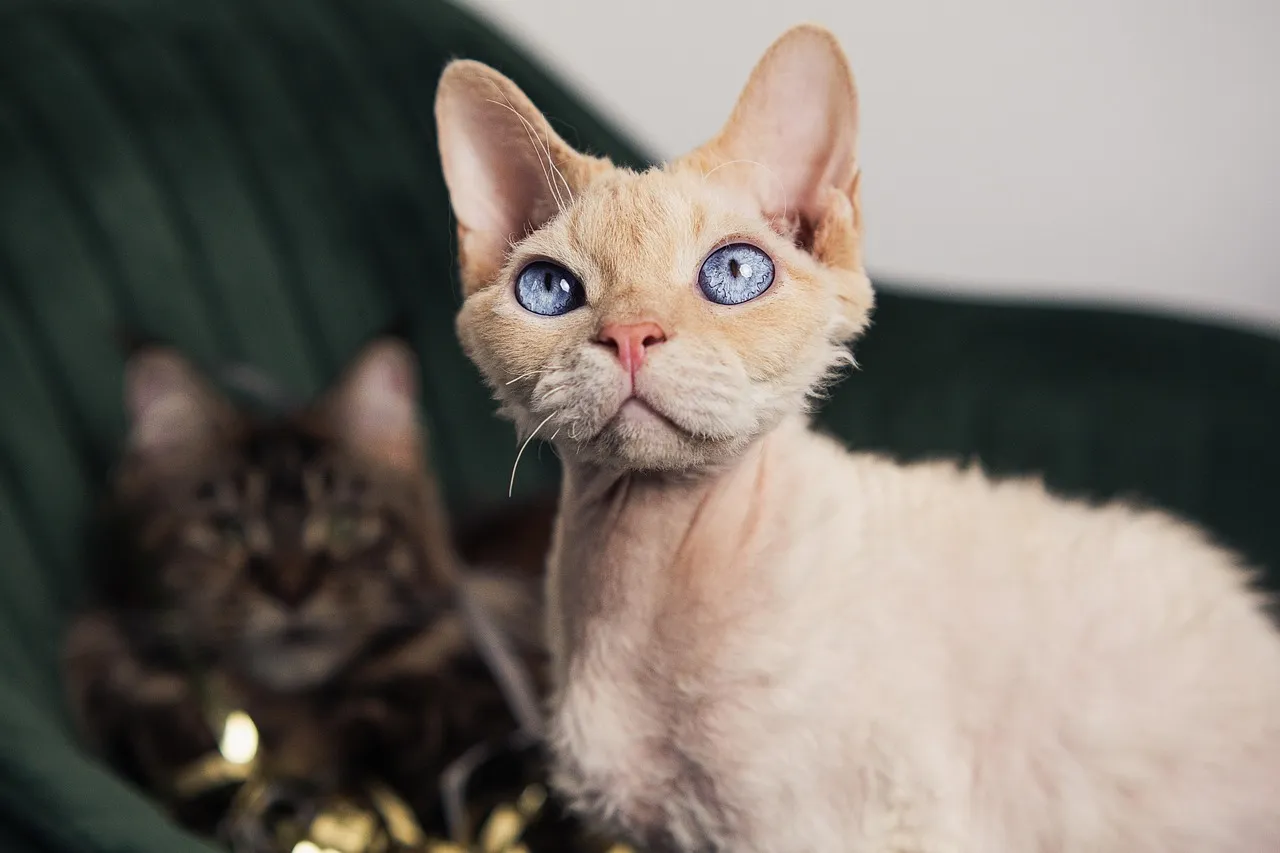
Devon Rex cats look like pixies, and some carry a genetic muscle disorder.
A condition called hereditary myopathy has been described in the breed. Signs can include head tremors, a drooping neck posture, weakness, and trouble swallowing. A DNA test exists for the COLQ variant behind it, and the same variant has been found in Sphynx cats.
Devon Rex cats also have a reputation for patellar luxation, where the kneecap slips out of place. Vets check for it by feel during a routine exam, often catching what owners wrote off as a funny little skip in the step.
- Muscle weakness can look like “just a quirky cat” to owners
- Kneecap problems often show up as an occasional skip in the step
Another fluffy breed hides a very different kind of inherited risk at #13.
#13 – Norwegian Forest Cat: Gorgeous Coat, Rare but Serious Risks
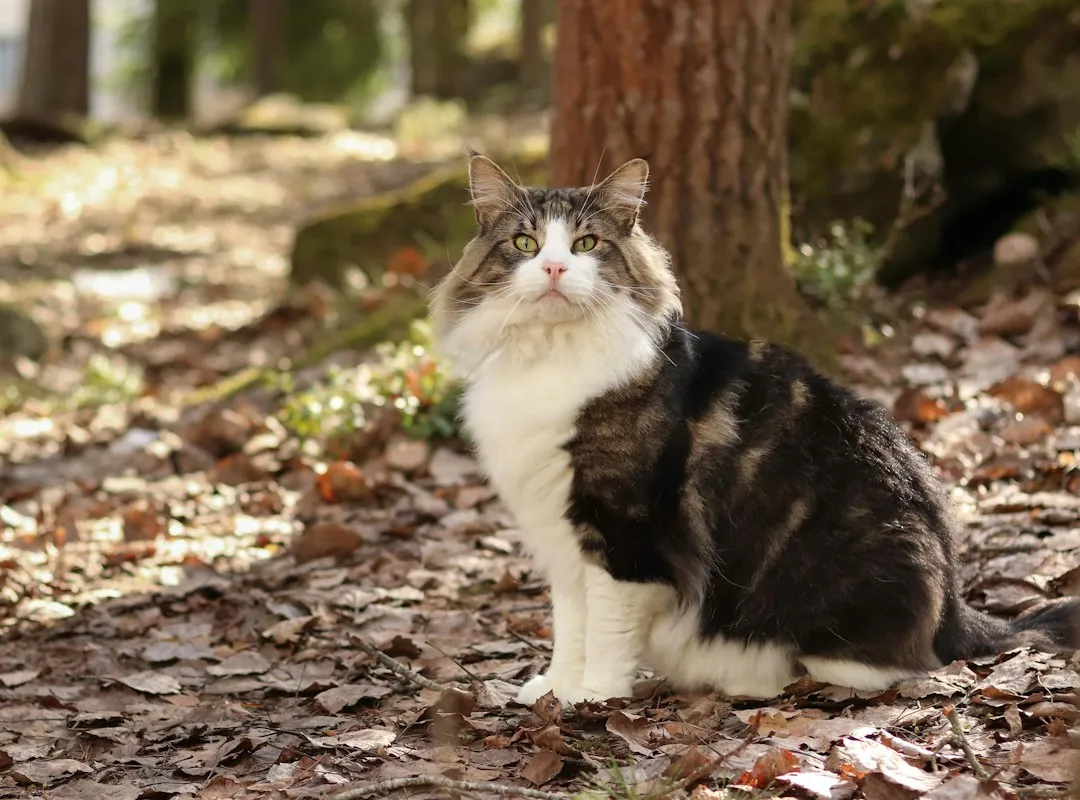
The Norwegian Forest Cat looks like a rugged survivor, but one inherited disease has shadowed the breed.
Glycogen storage disease type IV is a rare inherited disorder that affects how the body stores sugar. Affected kittens can be born weak or die young, and there is a DNA test for it. Vets who see the breed know about it, and responsible breeders test for it.
Adult cats bring other issues. Like Maine Coons, they can be large, with heavy double coats that hide mats and skin problems. Hip dysplasia and HCM have also been reported in the breed.
- Ask breeders for genetic testing paperwork
- Expect a coat check at every visit
Big, fluffy cats eat up appointment time. But the next cat proves you don’t need a coat to cause trouble. Its problem is sugar.
#12 – Burmese: The Sweet Cat With a Sugar Problem
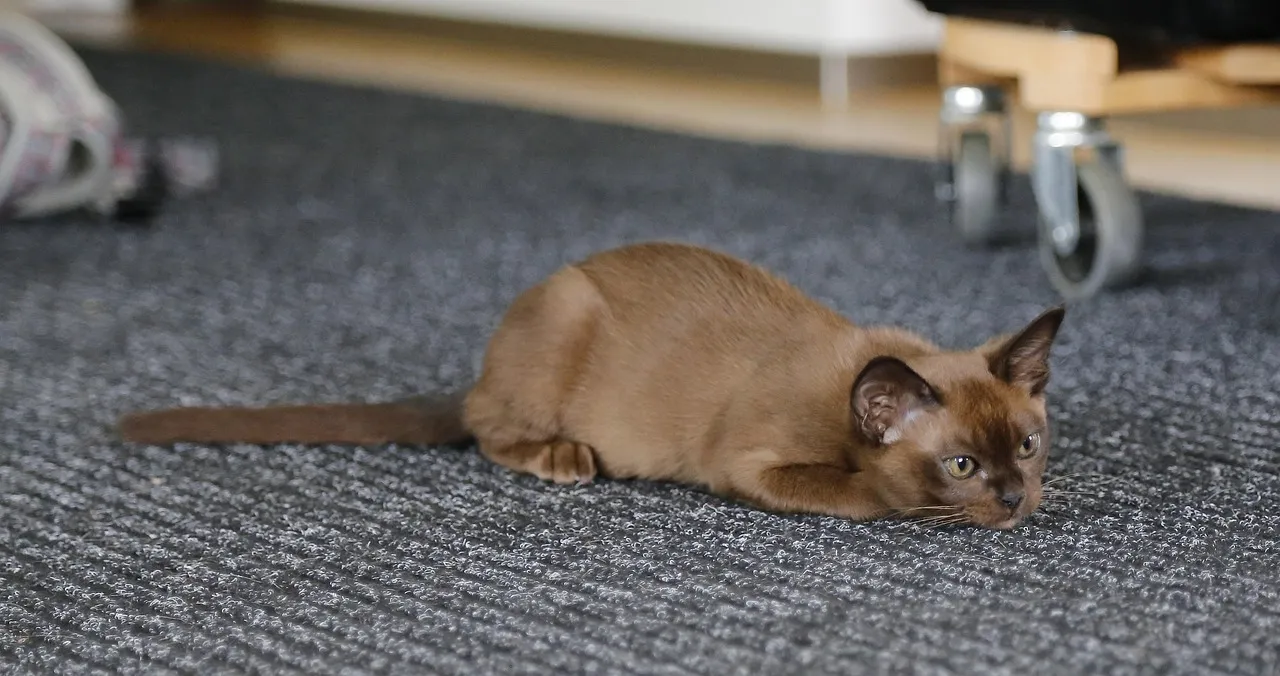
Burmese cats are famously people-oriented, and that charm hides a metabolic risk.
Studies from Australia, New Zealand, and the UK found Burmese cats overrepresented among diabetic cats. That doesn’t mean every Burmese gets diabetes. It does mean vets keep a close eye on weight, thirst, and urination, especially in middle age.
The breed has also been associated with a potassium-related muscle weakness, which can show up as a drooped head and neck. These episodes look dramatic and often send frightened owners rushing to the clinic.
- Excess drinking and urination are early warning signs
- Weight control is the most practical prevention
The next breed is one that vets say owners underestimate on blood work day.
#11 – Abyssinian: Fast, Curious, and Genetically Complicated
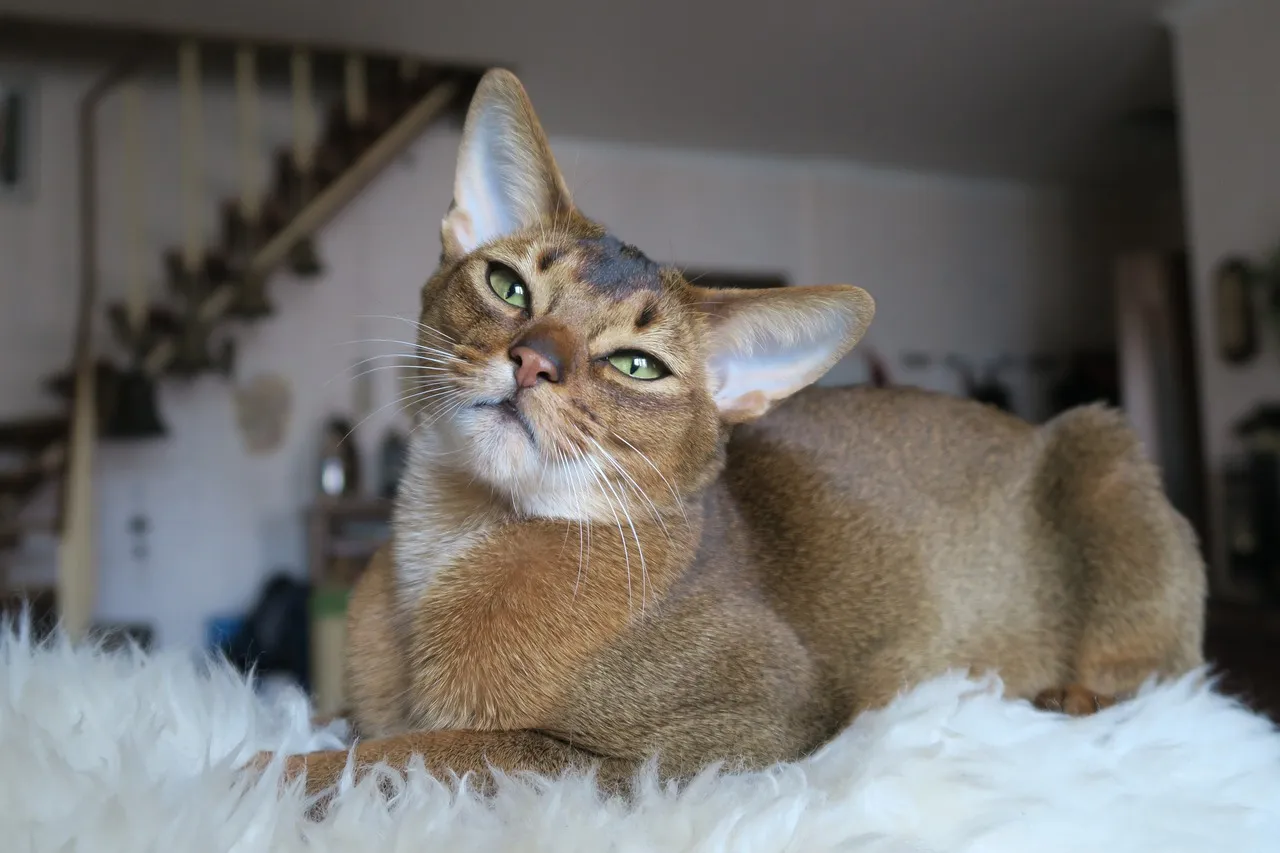
Abyssinians are active and curious, and their medical file can be surprisingly thick.
Pyruvate kinase deficiency, an inherited problem that causes anemia, has been reported in the breed. So has a form of kidney disease linked to amyloid deposits, along with retinal degeneration. Several of these conditions have DNA tests, but they can stay silent until a cat is already sick.
Add a high-energy temperament and the exam gets harder. Abys tend to explore the exam room rather than sit still for it, which makes listening to the heart a challenge.
- Dental and gum disease have also been reported more often in the breed
- Genetic testing helps breeders, but it doesn’t replace routine blood work
A healthy-looking young cat is the easiest one to under-screen. And the next breed has a blood type that can turn into a real emergency.
#10 – British Shorthair: The Teddy Bear With a Blood Type Twist
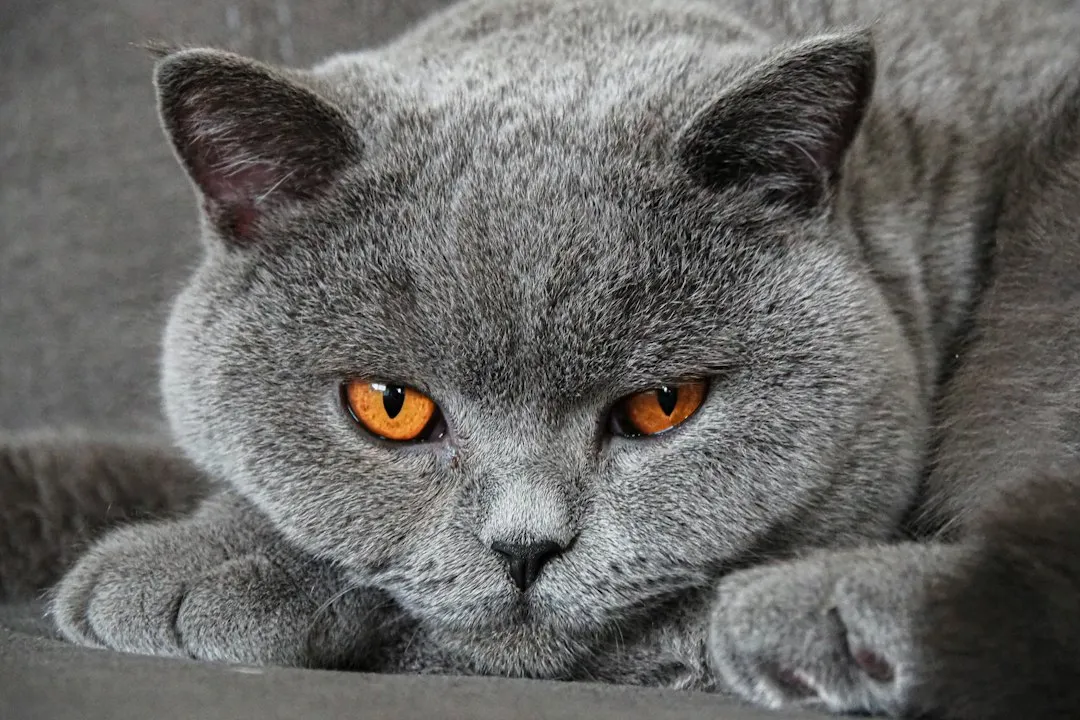
British Shorthairs look calm, stocky, and low drama.
Their risk sits behind the scenes. Blood type B is far more common in British Shorthairs than in most cats, and a mismatched transfusion can be fatal. Vets who work with the breed know to check type before any transfusion.
HCM has also been reported, and neutered cats can gain weight easily. Extra weight puts more strain on joints and raises diabetes risk.
- Blood typing is a smart pre-emptive step for breeders and emergency planning
- Weight management is a daily job, not a once-a-year one
Now for a breed that starts arguments in veterinary circles.
#9 – Munchkin: The Short-Legged Cat Vets Argue About
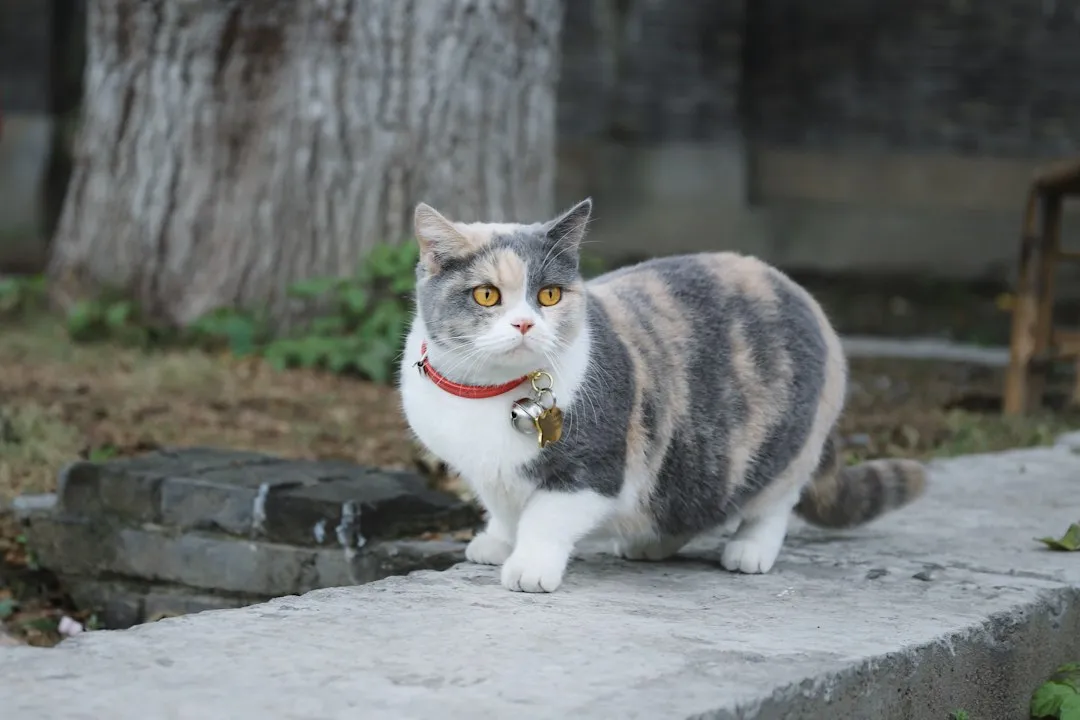
Munchkins are adorable, and that’s exactly what makes the debate so heated.
The short legs come from a dominant genetic mutation. Welfare groups, including International Cat Care, have raised concerns about spinal and chest conformation problems. Not every major registry recognizes the breed, and the long-term evidence is still limited.
Plenty of fans call Munchkins the cutest cats alive. Many vets counter that deliberately breeding a mutation that alters limb development is hard to justify. Reasonable people disagree, but the welfare question is real.
- Check how your cat jumps and climbs
- Ask your vet about spine and chest checks
Glass Hummingbird Feeder for Outdoors Hanging
Check Price on AmazonAs an Amazon Associate, we earn from qualifying purchases.
10/7/2026 1:21 pm GMTi
Dog Stairs for Bed 18" H, 4-Step Dog Steps for High Bed
Check Price on AmazonAs an Amazon Associate, we earn from qualifying purchases.
10/9/2026 2:42 pm GMTi
2 Pcs Halloween Pet Hat Bandana Set, Witch Pumpkin Costumes for Dogs
Check Price on AmazonAs an Amazon Associate, we earn from qualifying purchases.
10/9/2026 2:45 pm GMTi
Air Purifiers for Home Pets Large Room Up to 3000 Ft²,HEPA Air Cleaner with Washable Double-Side Filter, PM2.5 Air Quality Monitor,15dB Sleep Mode for Bedroom Odor Dust Pollen,White
Check Price on AmazonAs an Amazon Associate, we earn from qualifying purchases.
10/8/2026 8:23 am GMTi
Halloween Dog Collar with Bow, Orange Cute Ghost Collar,
Check Price on AmazonAs an Amazon Associate, we earn from qualifying purchases.
10/9/2026 2:43 pm GMTi
Worth Knowing
- The short-leg trait is dominant, so a kitten needs only one copy of the gene to have it
- Registry opinions split: TICA recognizes the breed, while the CFA does not
- Concerns focus on the spine and chest, not just the legs
- Long-term studies are still limited, which is part of why the debate continues
The next breed is one many owners call “low-maintenance.” Vets use a very different word.
#8 – Sphynx: Naked Skin, Full Maintenance
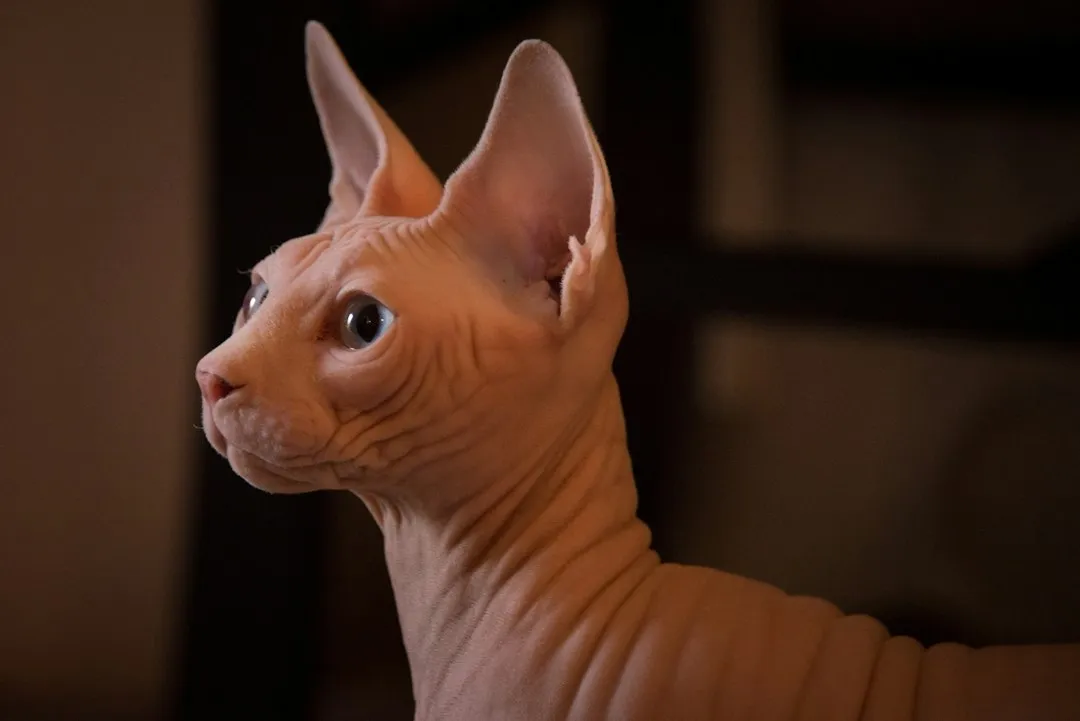
The Sphynx isn’t hairless in the way people think, and that changes everything about its care.
Without fur to absorb oils, a Sphynx’s skin can get greasy. Dirt builds up in the skin folds and ears, and some cats need regular bathing. Hairless cats also lose heat quickly and burn in the sun, so even an air-conditioned waiting room can be a problem.
Medically, HCM is a major concern, and the COLQ myopathy variant has been found in the breed. Skin problems round out the list.
- Regular ear and skin care is non-negotiable
- Cardiac screening is commonly recommended for breeding cats
But the next cat doesn’t need a coat to make noise.
#7 – Siamese: The Cat That Files Complaints
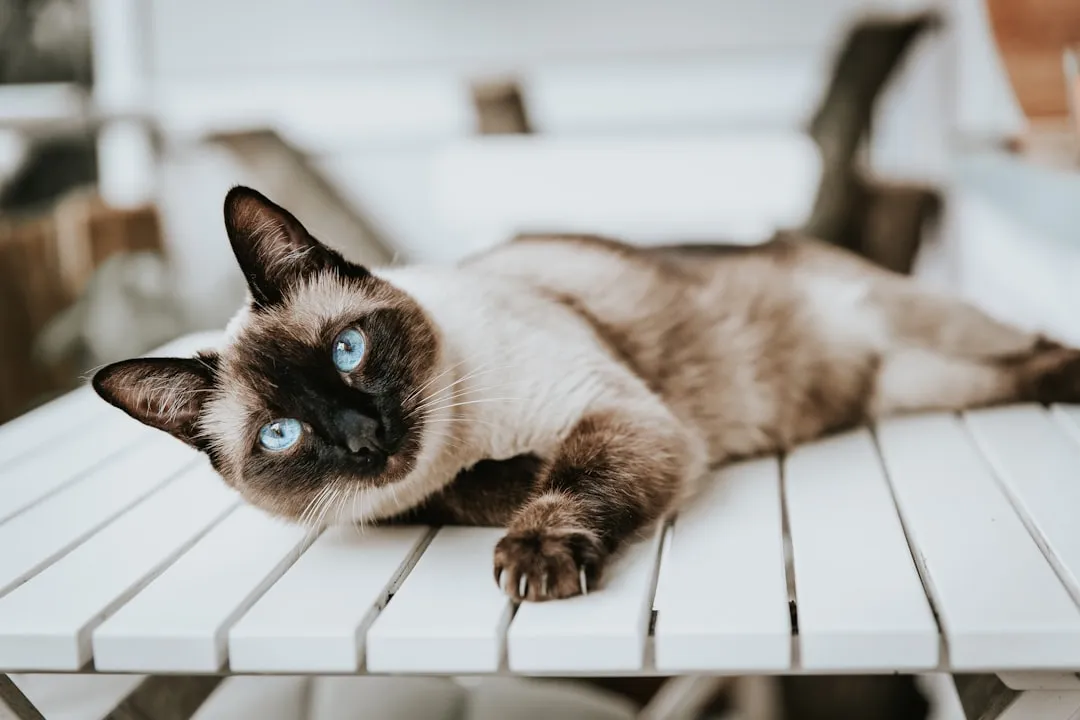
Siamese cats are loud, and a clinic waiting room is a terrible place for a complaint.
Their vocal, demanding reputation is well documented in breed guides. That’s not a medical problem, but it adds stress for everyone in the building. Siamese cats are also reported to be overrepresented in certain respiratory conditions, including bronchial disease.
Amyloidosis, a protein-deposit disease that can affect organs like the liver, has also been described in Siamese and related breeds. Eye conditions such as progressive retinal atrophy round out the file.
- A chronic cough should never be ignored
- Vocal changes in a talkative breed can signal pain or illness
Next, a breed whose confidence gets mistaken for defiance.
#6 – Bengal: Athlete Meets Exam Table
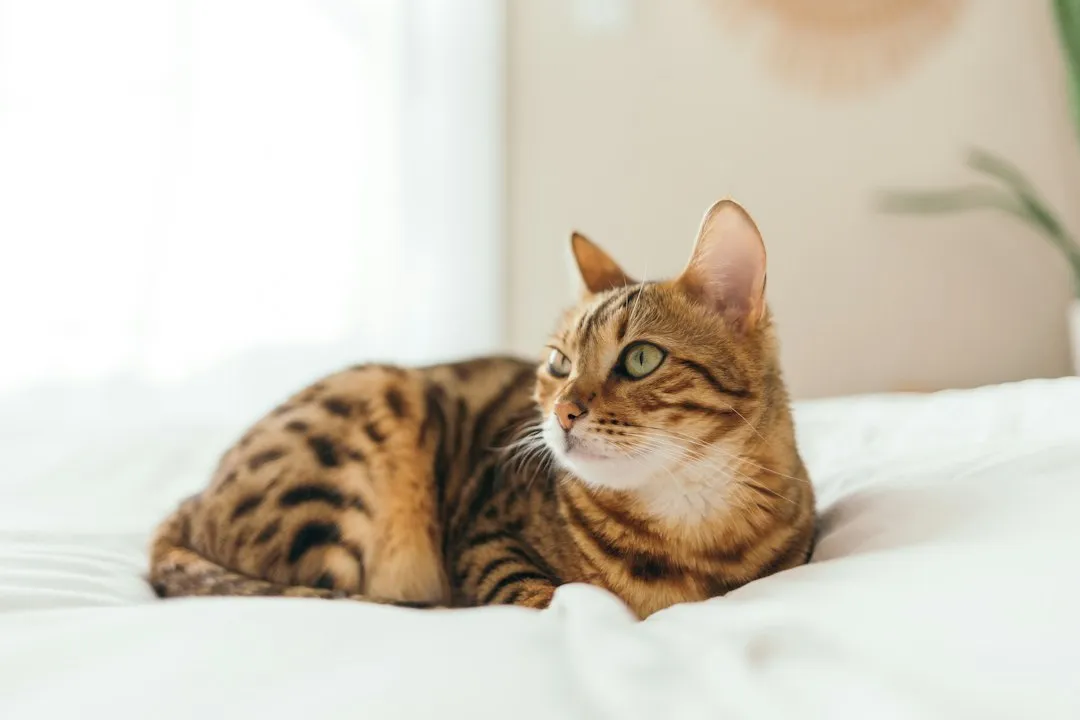
Bengals treat the exam table like an obstacle course.
They’re athletic, strong, and often confident, which can look like defiance to the people holding them. A stressed Bengal can be hard to restrain, so many clinics use calm handling and towel wraps instead of force.
Genetically, Bengals have their own file. A Bengal-specific form of progressive retinal atrophy, known as PRA-b, has a DNA test. Pyruvate kinase deficiency and HCM have also been reported.
- Train your cat to love the carrier before the appointment
- Ask for a low-stress handling approach in advance
The next breed is famous for doing the opposite, and that’s the trap.
#5 – Ragdoll: The Calm Cat That May Be Hiding Something
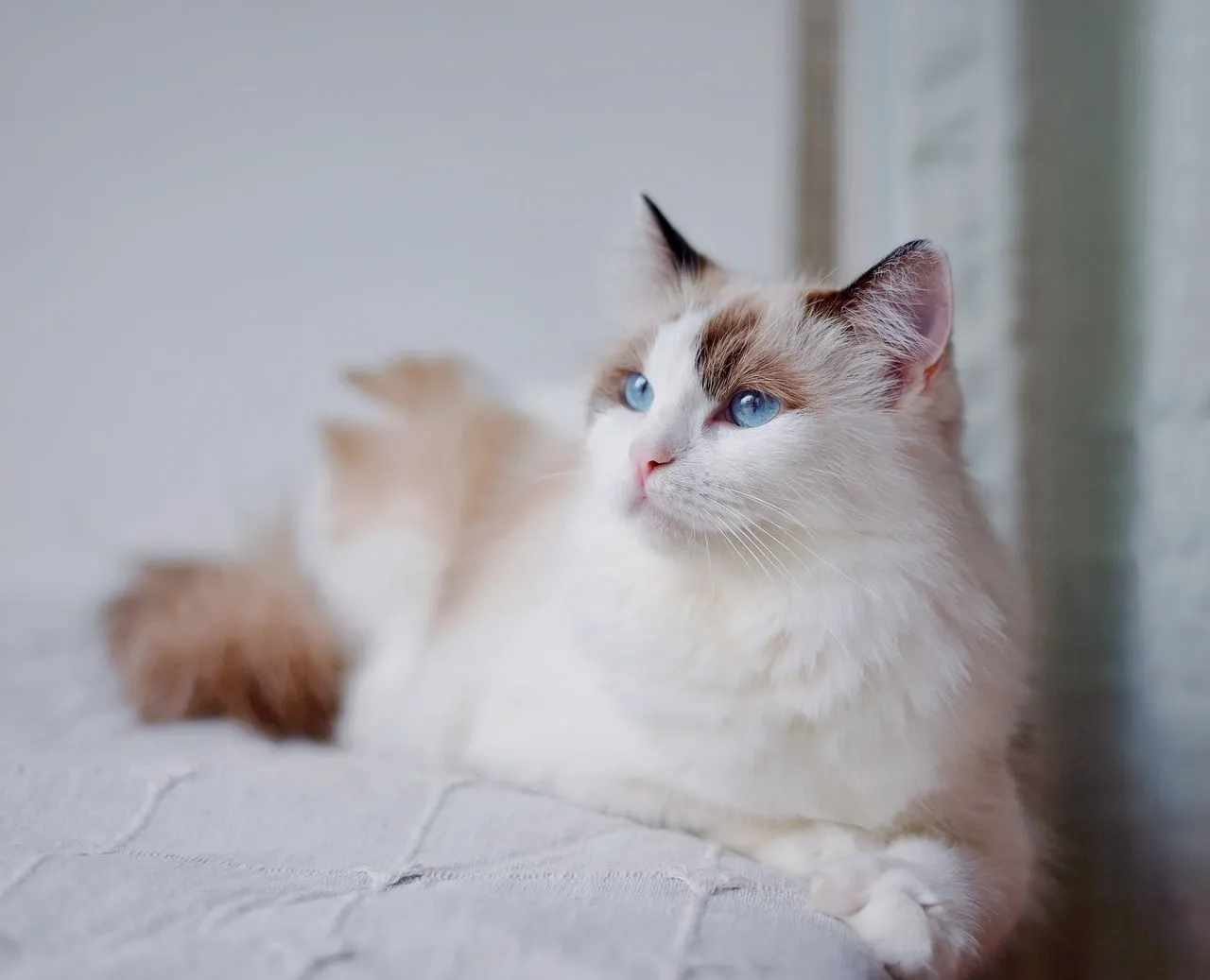
Ragdolls are famous for going limp when picked up, and that calm can be misleading.
Many owners see them as the ideal low-drama pet. But a calm cat isn’t always a comfortable one, and some cats freeze when frightened. A Ragdoll can look relaxed while masking pain or stress, which makes a careful exam important.
Medically, HCM is the big one. A variant in the MYBPC3 gene (R820W) has been linked to the disease in Ragdolls, and a DNA test exists. Because HCM can be silent, ultrasound is often recommended.
- A genetic test shows risk, not whether the heart is currently affected
- Heart ultrasound is the only way to check the muscle itself
Fast Facts: Cat HCM
- HCM is the most common heart disease seen in cats overall, not just in pedigree breeds
- Ragdolls and Maine Coons carry different MYBPC3 variants (R820W and A31P), so one breed’s test doesn’t apply to the other
- Carrying a variant raises risk, and severity varies from cat to cat
- A heart ultrasound, ideally read by a veterinary cardiologist, is the standard way to check the muscle
Next up is a breed with an airway problem built into its face.
Glass Hummingbird Feeder for Outdoors Hanging, 16 oz Leak-Proof Nectar Feeder with Bee Guards & Ant Moat
Check Price on AmazonAs an Amazon Associate, we earn from qualifying purchases.
10/7/2026 1:22 pm GMTi
Hand Blown Glass Hummingbird Feeders for Outdoors Hanging, 24oz Wild Bird Nectar Feeder
Check Price on AmazonAs an Amazon Associate, we earn from qualifying purchases.
10/7/2026 1:23 pm GMTi

Smart Bird Feeder with Camera Solar Powered, 2K HD Live Video, 10,000+ Bird Species AI Identification
Check Price on AmazonAs an Amazon Associate, we earn from qualifying purchases.
10/7/2026 1:22 pm GMTi

Earth Rated XL Dog & Puppy Pee Pads, Discreet Top, Max Absorbency
Check Price on AmazonAs an Amazon Associate, we earn from qualifying purchases.
10/7/2026 1:28 pm GMTi
PetSafe Oasys Pet Fountain, 1/2 Gallon (64 oz), Small Dogs & Cats
Check Price on AmazonAs an Amazon Associate, we earn from qualifying purchases.
10/8/2026 8:14 am GMTi
#4 – Exotic Shorthair: A Persian in a Short Coat
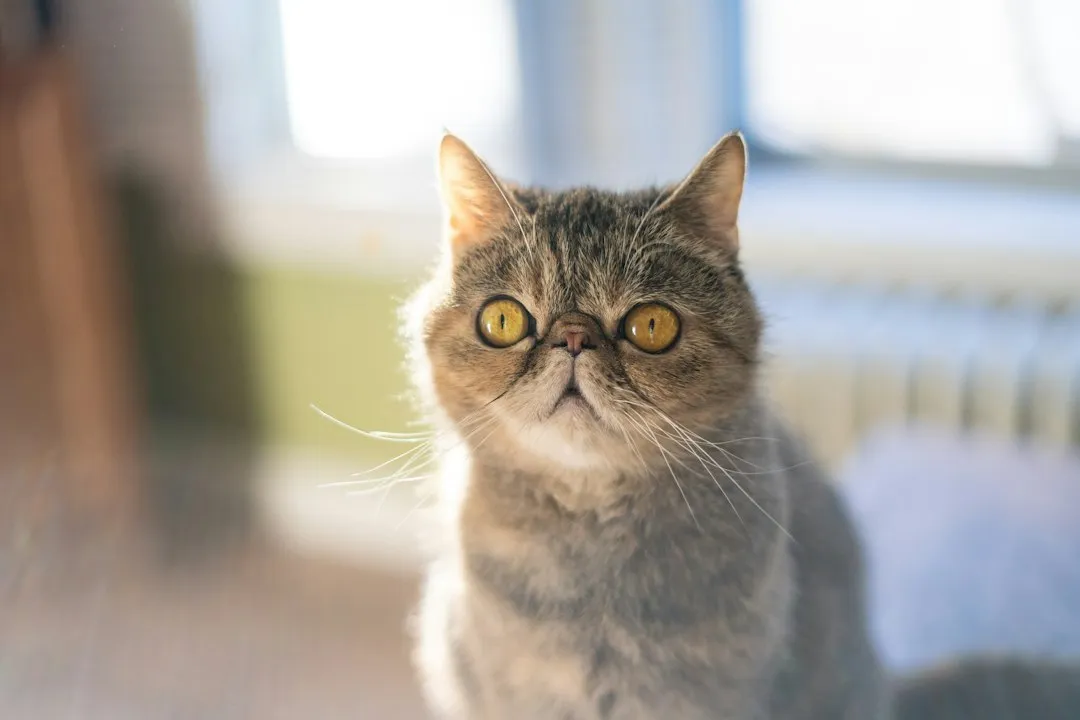
The Exotic Shorthair gets its looks from the Persian, and many of its problems too.
The flat face is the issue. Brachycephalic cats can have narrow nostrils and compressed airways, which can mean noisy breathing and trouble under anesthesia. Vets treat these patients with extra caution during sedation and recovery.
Eyes and teeth are also a concern. Shallow eye sockets mean tear staining and a higher risk of corneal ulcers, while crowded teeth make dental care more difficult. PKD, an inherited kidney disease, has also been seen in the breed.
- Noisy breathing at rest isn’t normal
- Any eye squinting needs a prompt check
Now meet the heavyweight.
#3 – Maine Coon: Big Cat, Big Cardiac Conversation
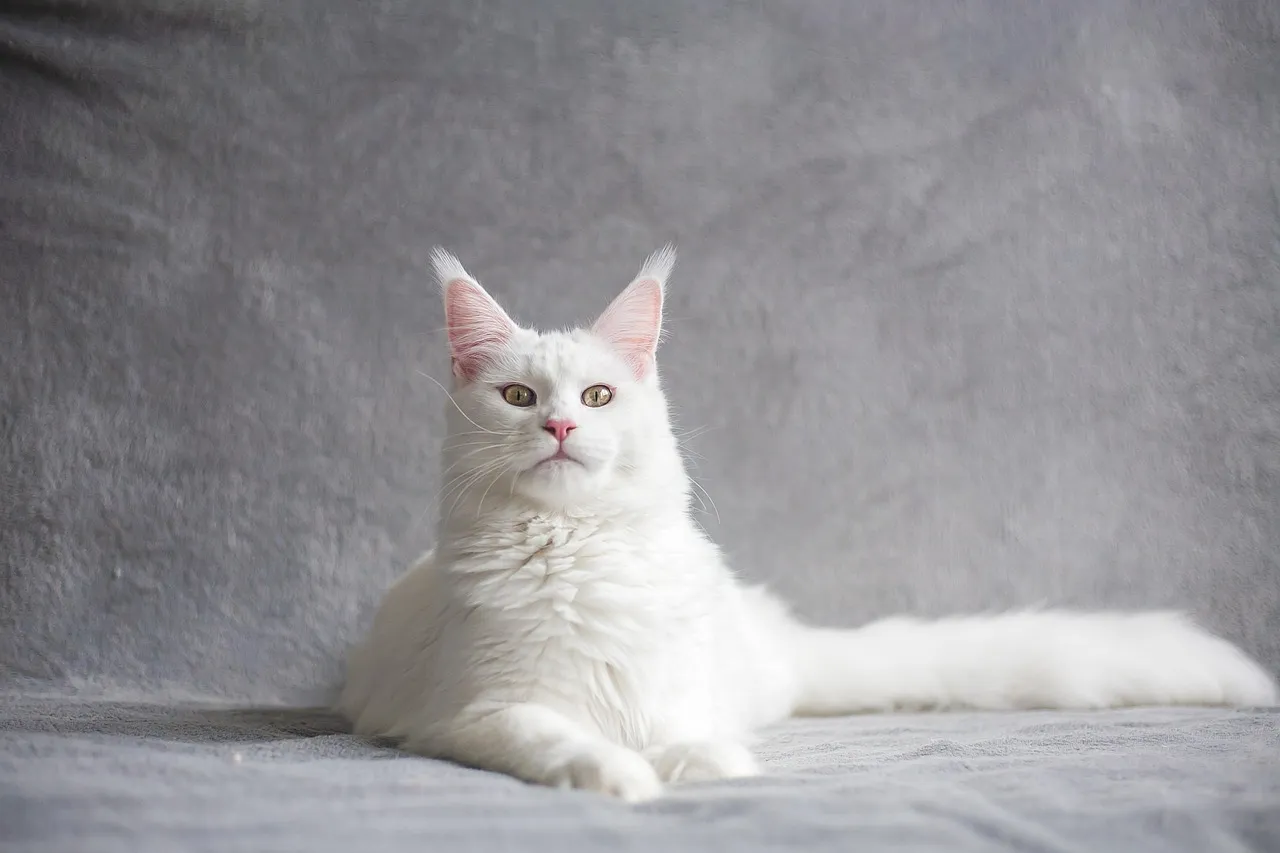
Maine Coons are the largest domestic breed, and size makes everything harder.
Heavy cats are tougher to lift, weigh, and examine. A variant in the MYBPC3 gene (A31P) is linked to HCM in Maine Coons, which is why heart screening comes up so often with this breed.
Spinal muscular atrophy, which causes weakness in the hind legs, has also been described, along with hip dysplasia. A DNA test exists for SMA.
- Medication dosing depends on accurate weights
- Gait changes deserve early attention
“Gentle giant” doesn’t mean “healthy giant.” The next breed is where the debate turns ethical.
#2 – Scottish Fold: The Ears Come With a Price
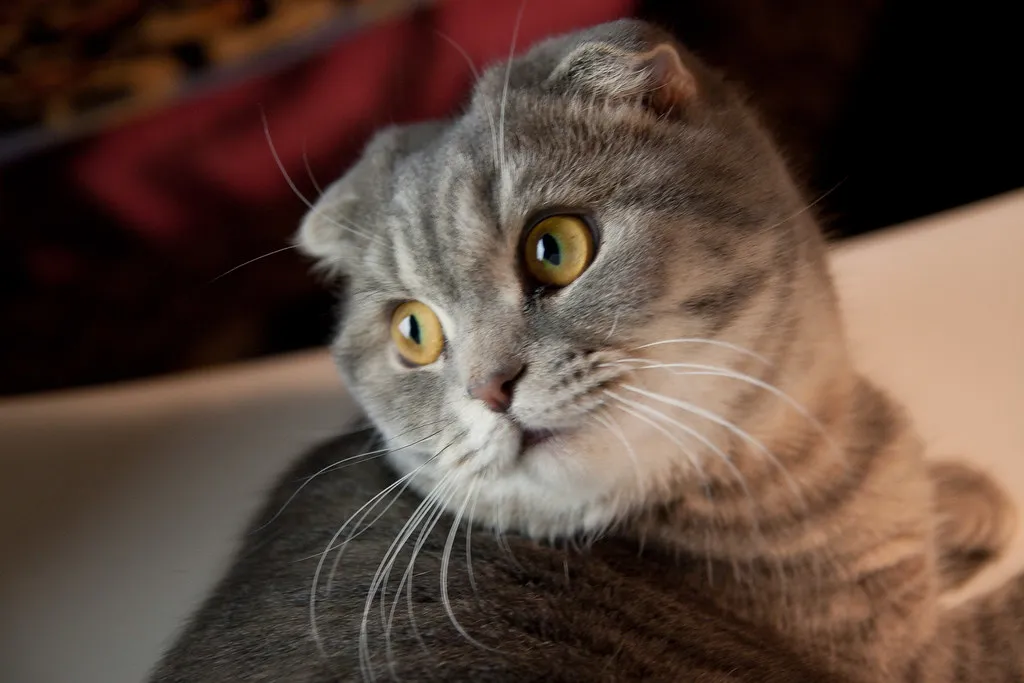
The folded ear is the reason this breed is so controversial.
The gene that folds the ears also affects cartilage throughout the body, causing osteochondrodysplasia. Every Fold carries the gene responsible for the ear shape, and the condition can cause painful joint disease. Severity varies from cat to cat, and some show signs early.
Many vets now argue the breed shouldn’t be bred at all. Some major registries refuse to register Folds, and welfare organizations have raised concerns. Vets often notice stiff movement, a reluctance to jump, and a stubby, inflexible tail.
- Watch for stiffness or reluctance to jump
- Pain control may be a long-term need
The last breed has the longest list of vet-room headaches.
Halloween Cat Costume Cloak Witch Hat Pet Accessories
Check Price on AmazonAs an Amazon Associate, we earn from qualifying purchases.
10/9/2026 2:44 pm GMTi
Orthopedic Extra Large Dog Bed, Waterproof Washable XL Pet Bed 44"
Check Price on AmazonAs an Amazon Associate, we earn from qualifying purchases.
10/7/2026 1:32 pm GMTi

Professional 7 in 1 Dog Paw Cleaner for Dogs & Cats - Includes 1 Portable Paw Washer, 1 Bath Brush
Check Price on AmazonAs an Amazon Associate, we earn from qualifying purchases.
10/7/2026 1:26 pm GMTi

Portable Dog Water Bottle Foldable Dog Travel Water Bottle
Check Price on AmazonAs an Amazon Associate, we earn from qualifying purchases.
10/7/2026 1:29 pm GMTi
#1 – Persian: The Cat With Almost Everything on the Chart
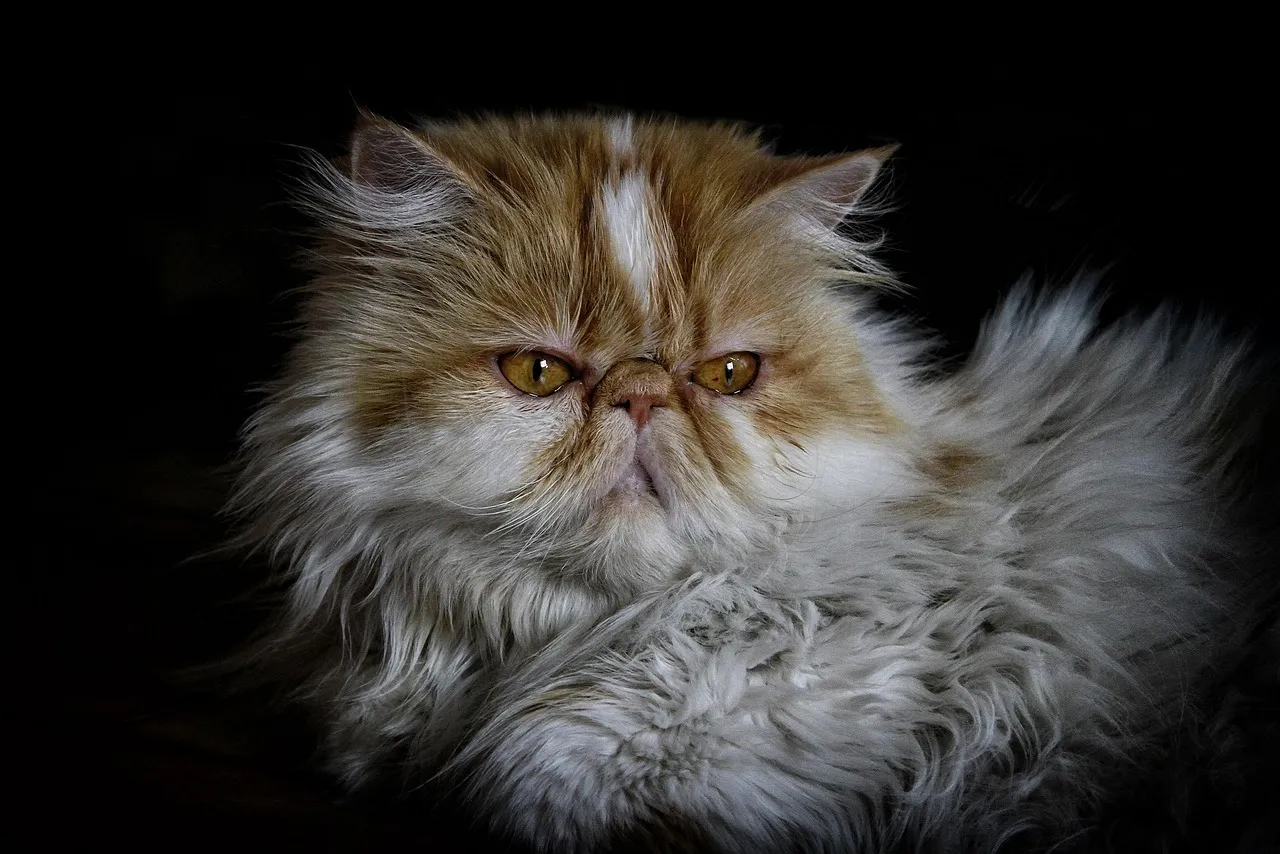
The Persian tops the list because so many challenges converge in one cat.
Polycystic kidney disease (PKD) is an inherited condition in which cysts form in the kidneys. A DNA test has helped breeders reduce its spread, but the disease remains a breed hallmark. Persians also have flat-face airway and eye problems and need daily grooming to prevent painful mats.
Skin is another issue. Persians have been reported as susceptible to ringworm, a contagious fungal infection. Combine that with a long coat and a sensitive temperament, and a Persian visit can take far more time than the schedule allows.
- Request kidney screening and ultrasound if your vet recommends it
- Daily brushing is part of the care plan, not an extra
Why It Stands Out
- Kidneys: inherited PKD can quietly shape a cat’s whole health timeline
- Airway and eyes: a flat face means breathing, tearing, and ulcer risks
- Coat and skin: daily grooming and ringworm vigilance
- Handling: a long coat plus a sensitive temperament slows every exam
None of these cats is “bad.” The problem is human choices. Extreme faces, folded ears, and shortened legs are health problems we bred in on purpose. Heart disease, kidney disease, and metabolic risks follow some breeds too, but DNA tests and screening can help.
My view: if you want one of these cats, buy only from breeders who test and publish results. If you just want a healthy companion, consider a mixed-breed cat from a shelter. Vets would still see you, but their Monday schedule would look a lot lighter. Which breed on this list did your vet warn you about first?

- 15 Things a Dog Does Only for the Household Member It Trusts Most of All - November 11, 2026
- 23 Warm Corners an Elderly Cat Keeps Returning To All Winter - October 29, 2026
- 16 Behaviours Showing a Cat Considers a House Permanent Now - October 29, 2026