

Worried about unexpected vet bills?
Pet insurance can cover thousands in unexpected vet costs. Get a free quote from Lemonade in under 2 minutes.
Get My Free Quote →Sponsored · Opens Lemonade.com
The United States is home to a wide array of fascinating wildlife, ranging from majestic mammals to tiny insects. While many small creatures in the US are harmless, some pack a punch that can endanger humans and other animals. This article explores 14 small but definitely dangerous animals you might encounter across the country. Understanding these creatures can help you appreciate them from a safe distance and take necessary precautions if you find yourself in their habitat.
Brown Recluse Spider
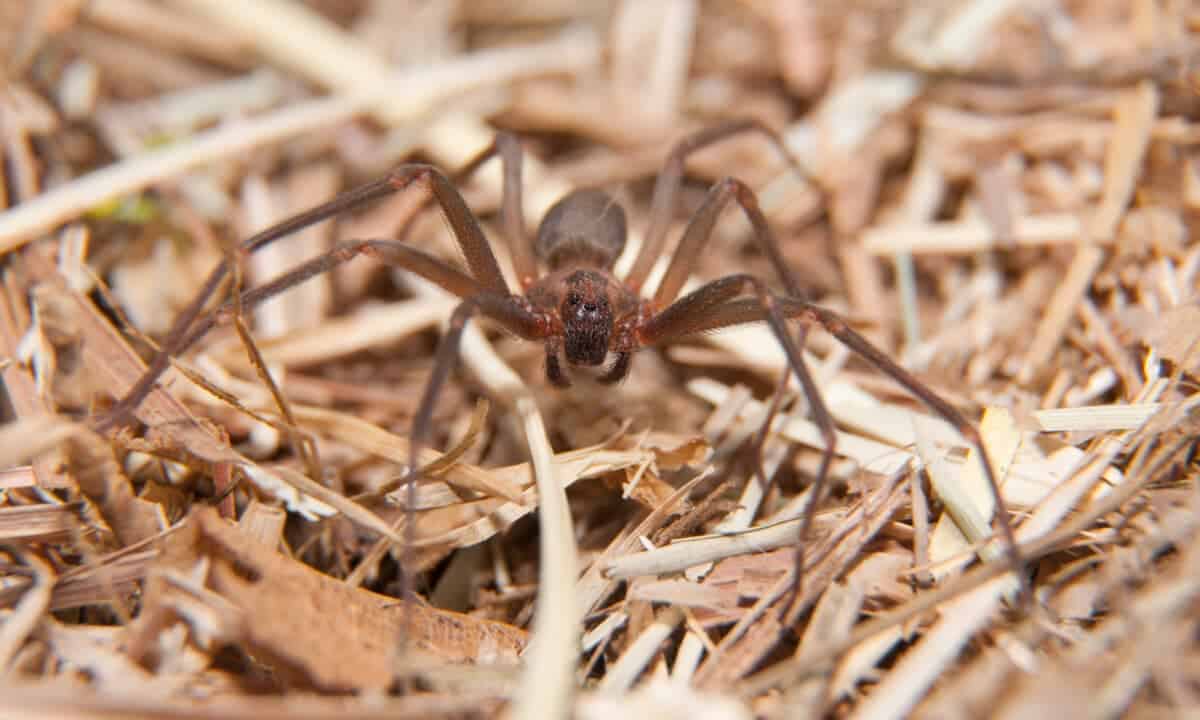
Among the most feared spiders in the US, the brown recluse is small but venomous. Identified by its violin-shaped mark on its back, this spider is primarily found in the southern and central states. Its bite can cause severe skin irritation and, in rare cases, more serious health issues. Despite their dangerous reputation, brown recluse spiders are shy and often retreat to protect themselves.
Black Widow Spider

Easily recognizable by the red hourglass marking on its abdomen, the black widow spider is notorious for its potent venom. Found throughout the US, particularly in the South, these spiders prefer dark, undisturbed areas. Though not usually fatal to humans, a black widow bite can cause severe pain, muscle cramps, and systemic illness, requiring medical attention.
Fire Ant
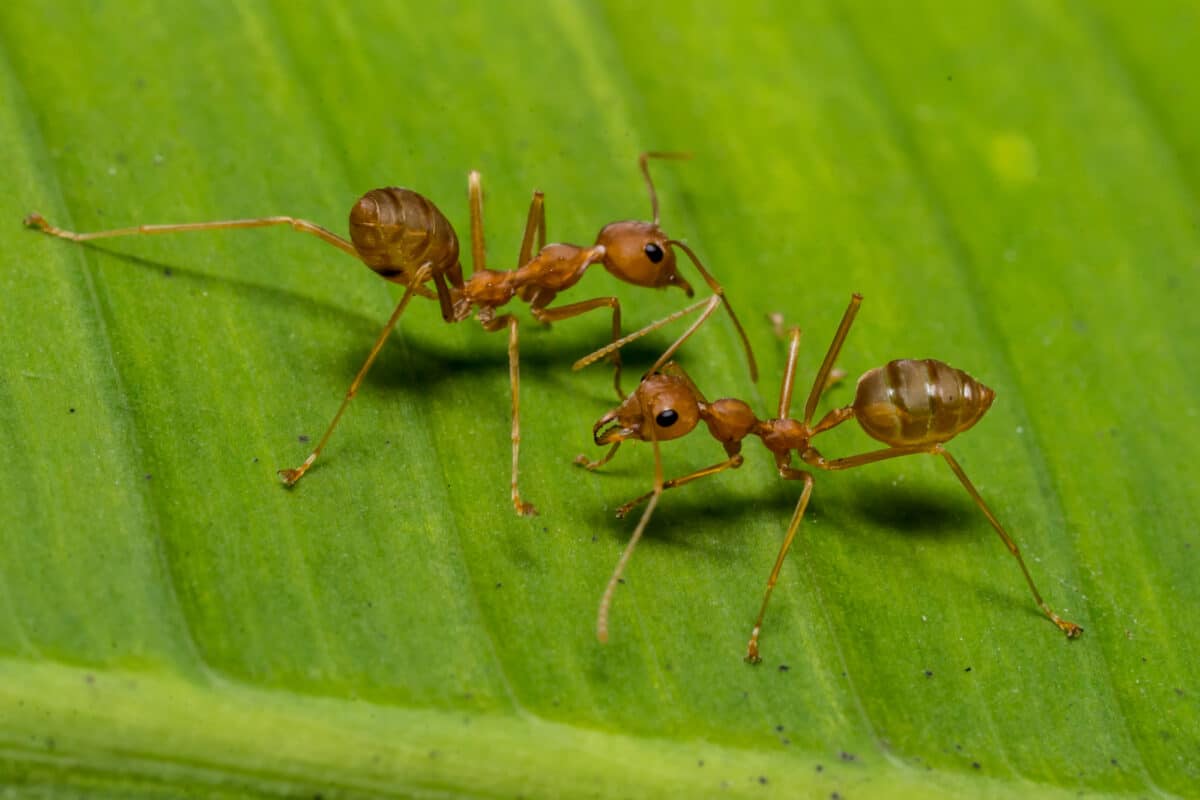
Fire ants are small, aggressive insects prevalent in the southern US. Known for their fiery sting, these ants deliver painful bites that can result in itchy, red welts. In some cases, individuals may experience severe allergic reactions or anaphylaxis, requiring immediate medical treatment. Fire ants often attack in swarms when their nests are disturbed, so caution is advised when outdoors in their territory.
Deer Tick

Also known as the black-legged tick, deer ticks are carriers of Lyme disease and other tick-borne illnesses. Commonly found in the northeastern and northern midwestern regions, these tiny parasites can latch onto humans and animals alike. Early detection and removal are crucial, as tick bites can lead to long-term health complications if left untreated.
Western Rattlesnake

While most rattlesnakes are recognizable and respected, the western rattlesnake – a smaller species – can be just as dangerous. These snakes are venomous, and their bite can cause tissue damage, bleeding disorders, and even fatalities if untreated. Found in the western US, they generally prefer arid environments but can also be found in grasslands and forests.
Puss Caterpillar
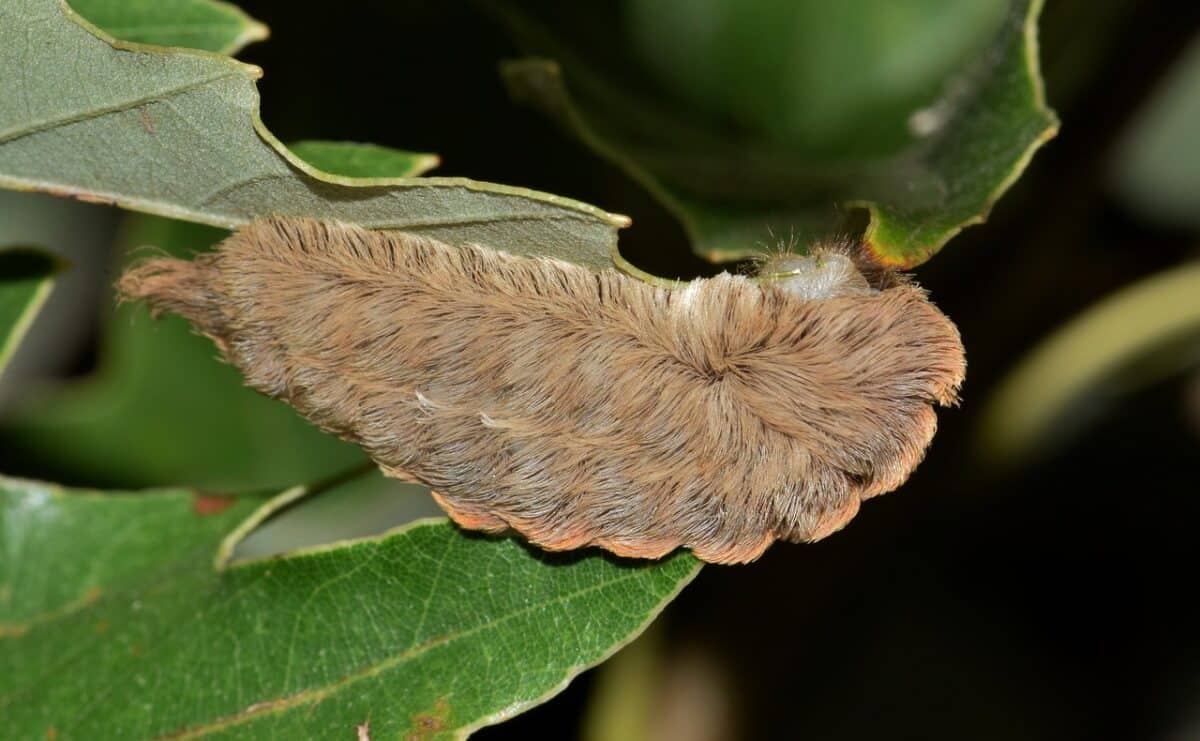
The innocuously named puss caterpillar is one of the most venomous caterpillars in the country. Its fluffy appearance belies hidden toxic spines that can cause intense pain upon contact. Found primarily in southern states, this caterpillar can cause symptoms ranging from skin irritation to nausea and difficulty breathing in severe cases.
Kissing Bug
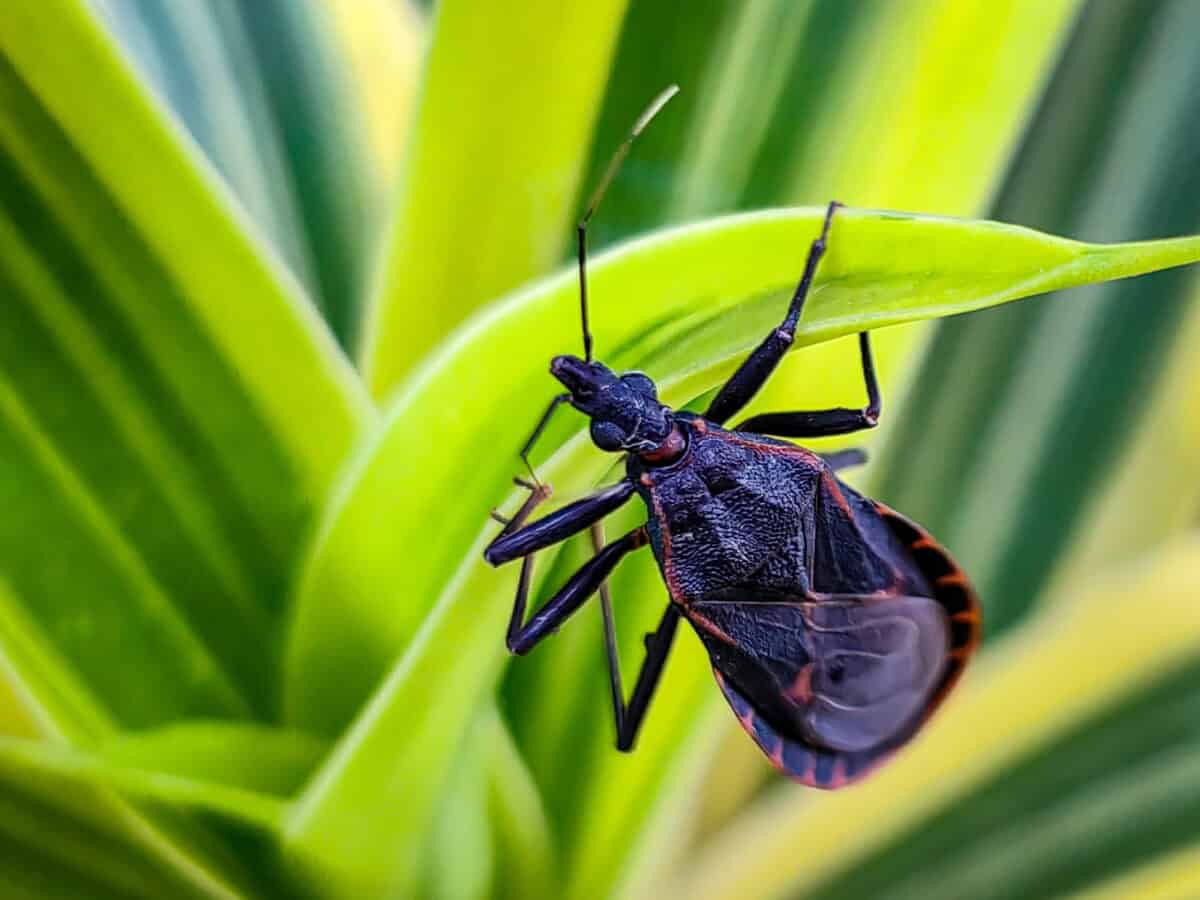
Kissing bugs, or triatomine bugs, get their nickname from their habit of biting around the mouth and eyes at night. Beyond the itchy welts they leave behind, these bugs are known to carry the parasite that causes Chagas disease, which can lead to chronic heart and digestive system issues if untreated. They are found mainly in the southern United States.
Hooded Pitohui
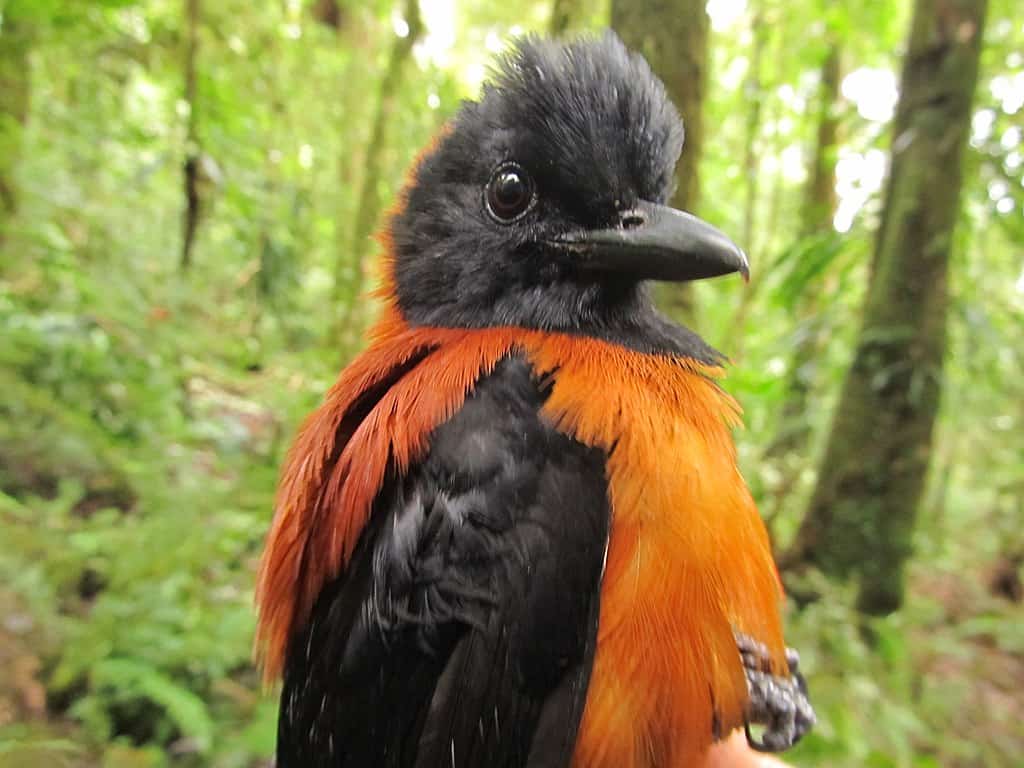
While not common knowledge, the hooded pitohui, a small bird, is poisonous. Native to New Guinea, it has been sighted in parts of the US. The bird’s skin and feathers contain potent toxins, likely acquired through their diet. While rare in the US, its presence serves as a reminder of nature’s complex and potentially hazardous food webs.
Dobsonfly Larva

Known as hellgrammites, dobsonfly larvae lurk beneath rocks in fast-flowing streams across the US. They may look intimidating, but the larger danger lies in their powerful jaws used to pinch perceived threats. Fishermen often encounter these larvae, as they are celebrated as bait. While the pinch is non-venomous, it can be painful and startling.
Cone Snail

Although primarily a marine creature, the cone snail’s presence in coastal regions warrants inclusion. Small and beautifully patterned, the cone snail harbors a venomous harpoon capable of delivering a sting that can be fatal to humans. While incidents are rare, beachgoers are advised to avoid handling these striking creatures.
Tsetse Fly
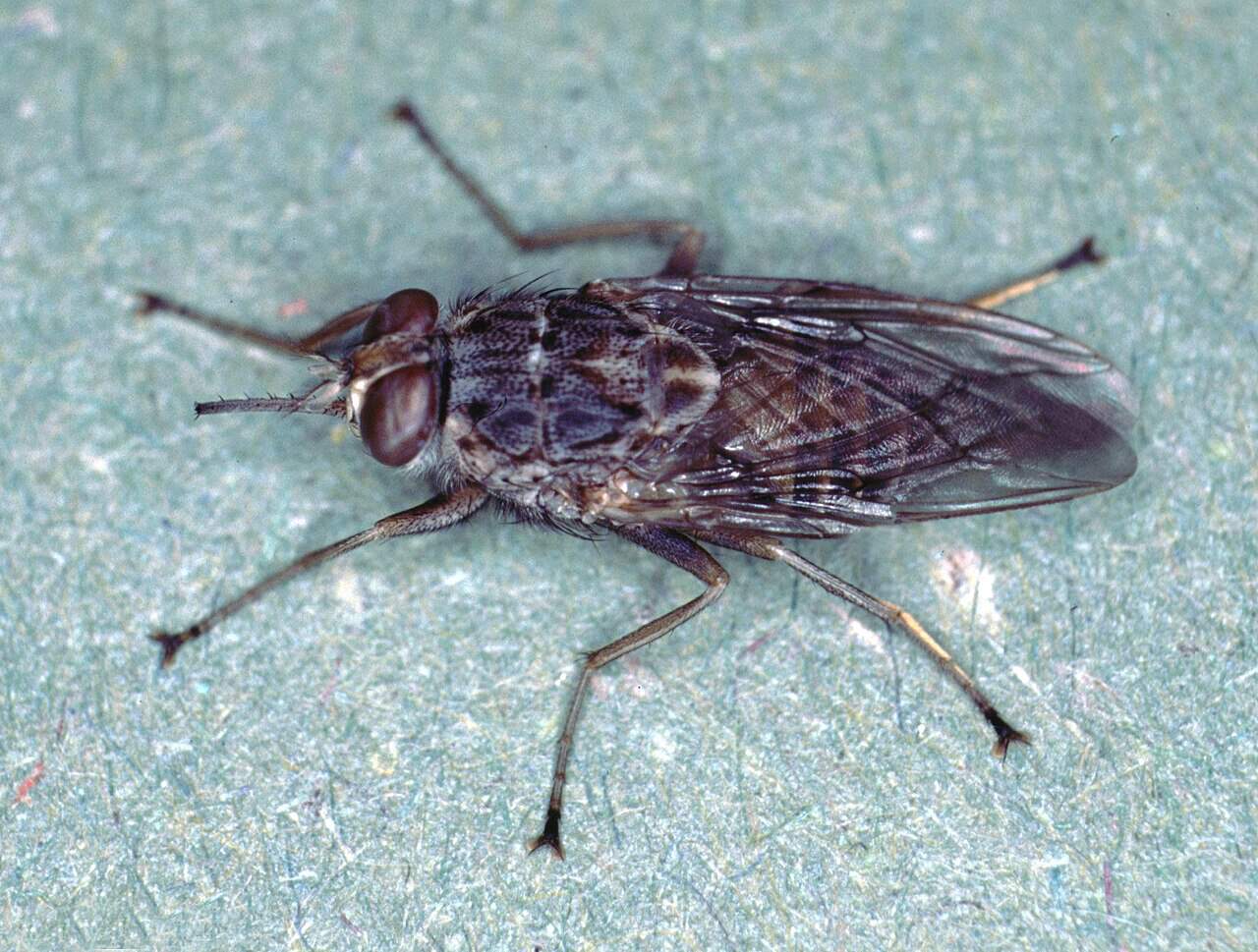
Tsetse flies do not inhabit the US naturally, but they can sometimes be found as visitors. Famous for spreading sleeping sickness in Africa, their bites are painful and can result in swelling or allergic reactions. Although they rarely transmit diseases in the US, their presence is a reminder of the interconnectedness of global ecosystems.
Puss Moth Caterpillar

The puss moth caterpillar, not to be confused with its cousin, also causes painful reactions upon contact. Found in forested areas throughout the eastern US, its enticing hairy appearance conceals venomous spines. While not life-threatening, contact can lead to dermatitis and uncomfortable irritation. Awareness is key to avoiding encounters.
Yellow Jacket

Yellow jackets are aggressive wasps that become particularly threatening when provoked. Unlike bees, they can sting multiple times, injecting venom that causes significant pain and potential allergic reactions. These wasps are found across the US and are particularly active late in the summer and early fall as they forage for food to sustain their colonies.
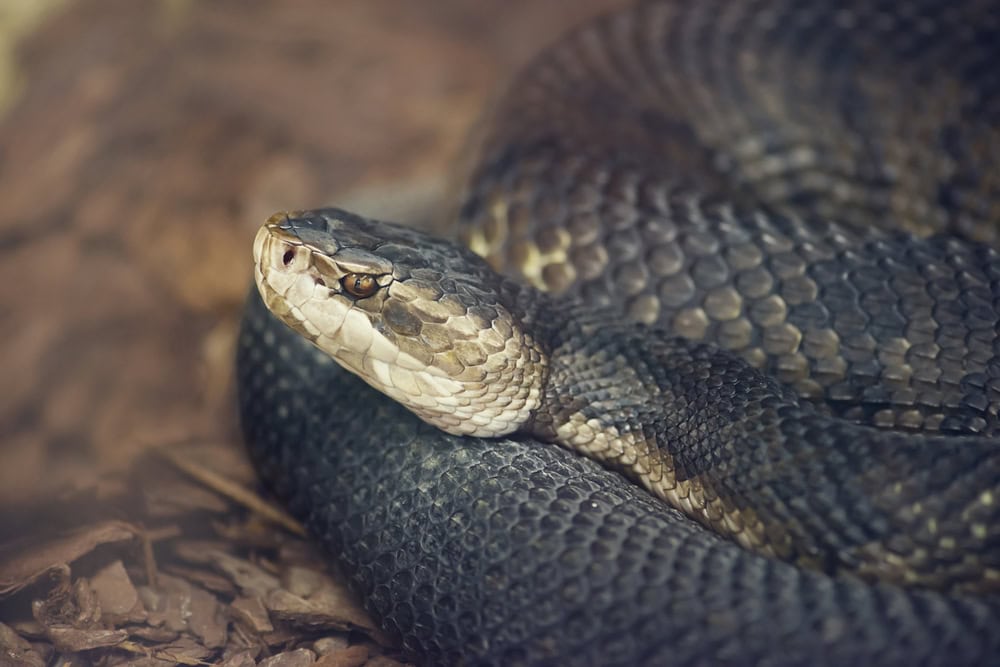
Cottonmouth Snake
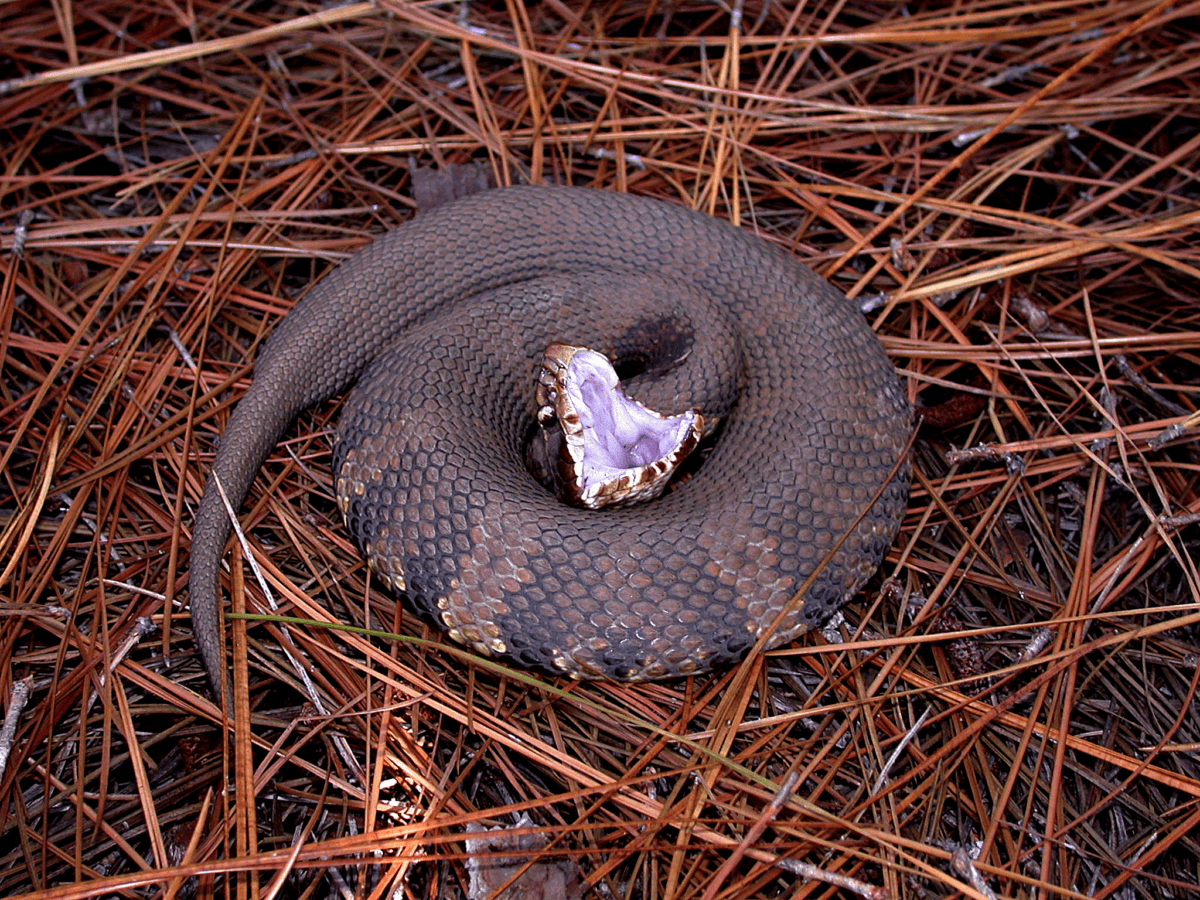
Also known as water moccasins, cottonmouths are semi-aquatic venomous snakes found in the southeastern US. Although usually shy, they can be dangerous when threatened, delivering a bite that causes intense pain, swelling, and, in severe cases, systemic effects. Their distinctive white “cotton” mouth display is a warning to stay away.
Conclusion:

In conclusion, while these small creatures may require caution and respect, understanding their behavior and habitats can significantly minimize risk. These animals play essential roles in their respective ecosystems—it’s crucial to appreciate nature’s complexity while maintaining safety. Awareness and education are your best tools when sharing environments with these pint-sized powerhouses.
Worried about unexpected vet bills?
Pet insurance can cover thousands in unexpected vet costs. Get a free quote from Lemonade in under 2 minutes.
Get My Free Quote →Sponsored · Opens Lemonade.com

As a little kid, I fell in love with nature, wildlife, and animals. Living in the USA, South Africa, Italy, China and Germany gave me the opportunity to discover the world's Wildlife. My favorite animals are Mountain Gorillas, Siberian Tigers, and Great White Sharks.
I'm a certified PADI Open Water Diver, went to Everest Base Camp and Trekked Gorillas in Uganda. I hold a Master of Science in Economics and Finance.
Please send any feedback to feedback@animalsaroundtheglobe.com
- 12 Ways to Tell If Your Dog Is Actually Happy - June 9, 2026
- 13 Low Allergy Pets for People Who Still Want Cuddles - June 9, 2026
- The 7 Most Unusual Animals That Can Survive Freezing Temperatures - June 9, 2026