


Worried about unexpected vet bills?
Pet insurance can cover thousands in unexpected vet costs. Get a free quote from Lemonade in under 2 minutes.
Get My Free Quote →Sponsored · Opens Lemonade.com
America’s vast landscape hosts a variety of remote locations where the natural world reigns supreme. These hidden corners of the country provide sanctuary for an array of wild creatures, thriving in their untamed ecosystems. From rugged mountains to dense forests, these remote areas play a crucial role in preserving biodiversity and offering a glimpse into the natural world as it once was—untouched and wild. Join us as we explore ten of the most remote US locations where wild animals still hold dominion.
Denali National Park, Alaska
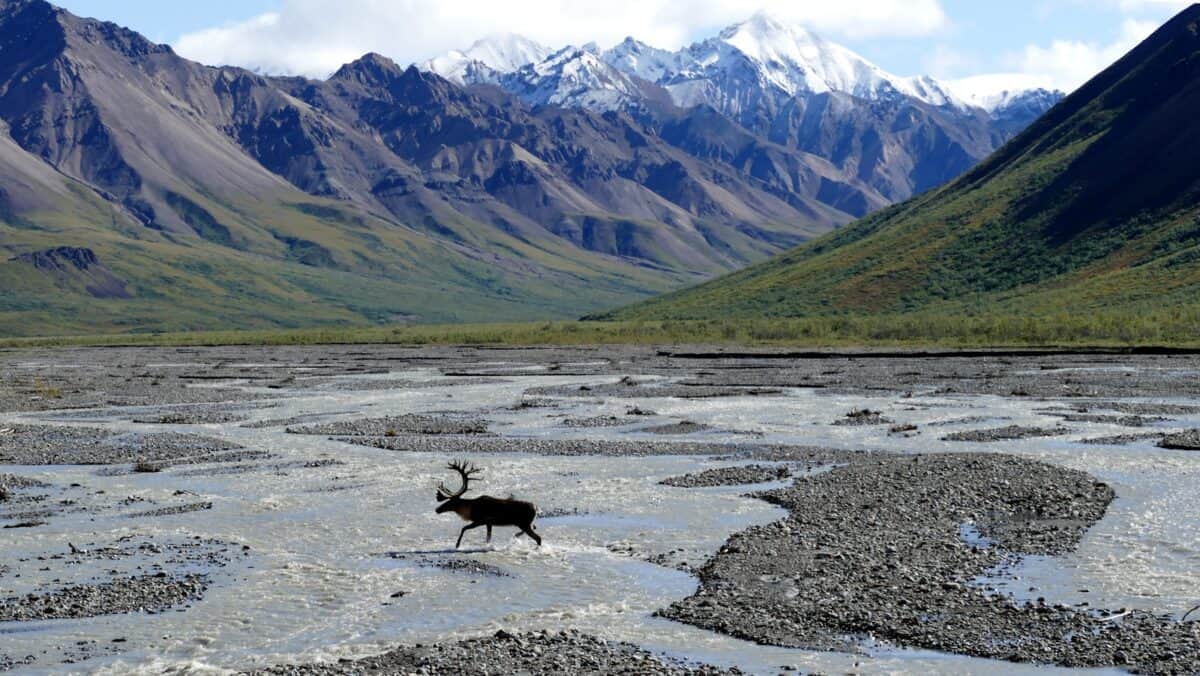
Denali National Park in Alaska is a pristine wilderness that spans over six million acres. This extraordinary park is home to the tallest peak in North America: Denali itself. The remote location provides a sanctuary for a variety of wildlife, including grizzly bears, wolves, caribou, and moose. Visitors to Denali often witness these magnificent animals in their natural habitat, thanks to the park’s rigorous preservation efforts. The park’s challenging terrain and extreme weather make it one of the most remote yet rewarding locations for wildlife enthusiasts.
Gates of the Arctic National Park, Alaska

This national park is the epitome of isolation, devoid of roads and trails, truly embracing the wild spirit of Alaska. The Gates of the Arctic cover an expansive and rugged landscape that shelters creatures like the elusive muskoxen and the majestic Dall sheep. As the least visited park in the United States, it offers an undisturbed haven for an abundance of wildlife, allowing these species to thrive away from human interference.
Boundary Waters Canoe Area Wilderness, Minnesota

Located in northeastern Minnesota, this extensive wilderness area is renowned for its network of lakes and rivers. It spans over a million acres and shares a border with Canada, offering solace to a variety of wildlife species. The elusive gray wolf roams these forests alongside black bears and bobcats. Canoeing through these waters provides a rare opportunity to observe wildlife in a serene setting, far removed from urban life.
Mauna Loa, Hawaii

While many associate Hawaii with vibrant beaches, Mauna Loa reveals a different kind of natural splendor. This remote and colossal volcano on the Big Island offers an unpredictable and wild landscape home to unique bird species like the Hawaiian honeycreeper. The authenticity of Mauna Loa’s wildlife is preserved due to the volcanic terrain, which limits human encroachment, allowing endemic species to proliferate undisturbed.
Bob Marshall Wilderness Complex, Montana
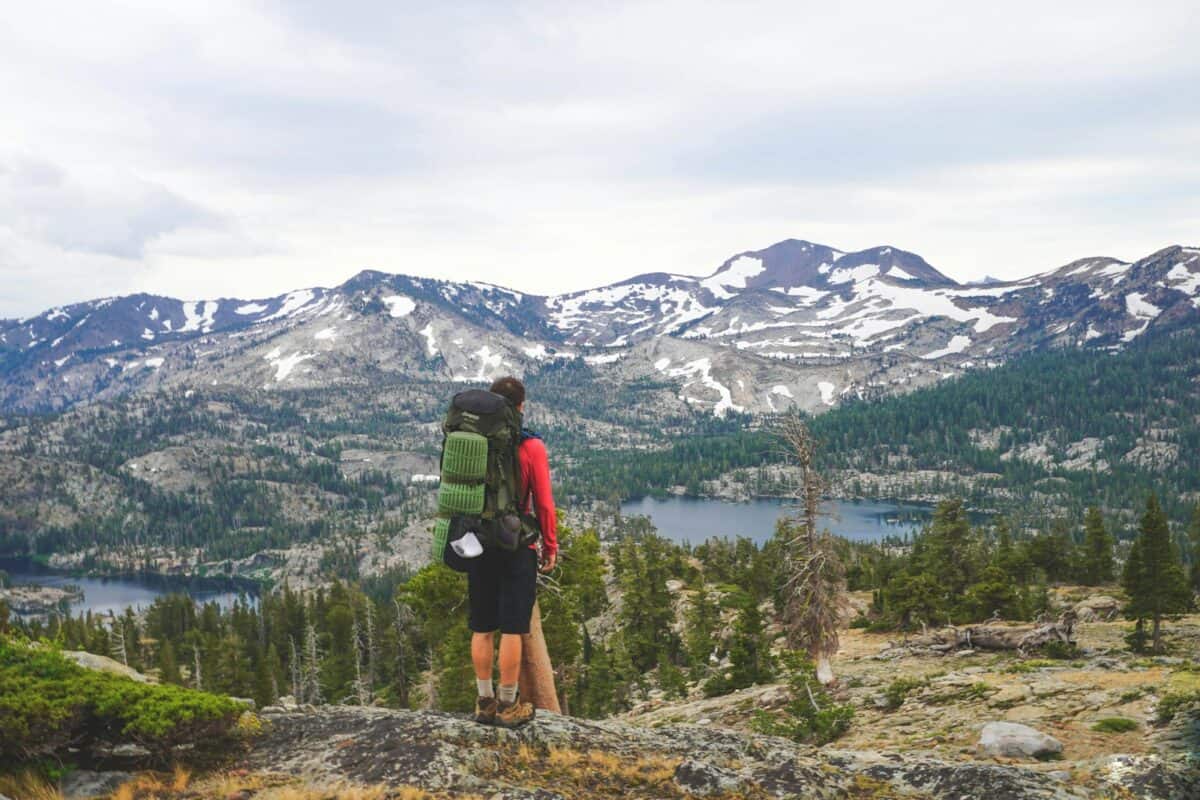
Composed of several wilderness areas, the Bob Marshall Wilderness Complex is a vast and untamed expanse in the heart of Montana. Known for its rugged mountains and expansive forests, the area supports diverse wildlife, including elk, mountain lions, and numerous bird species. Its remoteness helps to maintain the delicate balance of nature, where these creatures continue to roam freely.
Haleakalā National Park, Hawaii
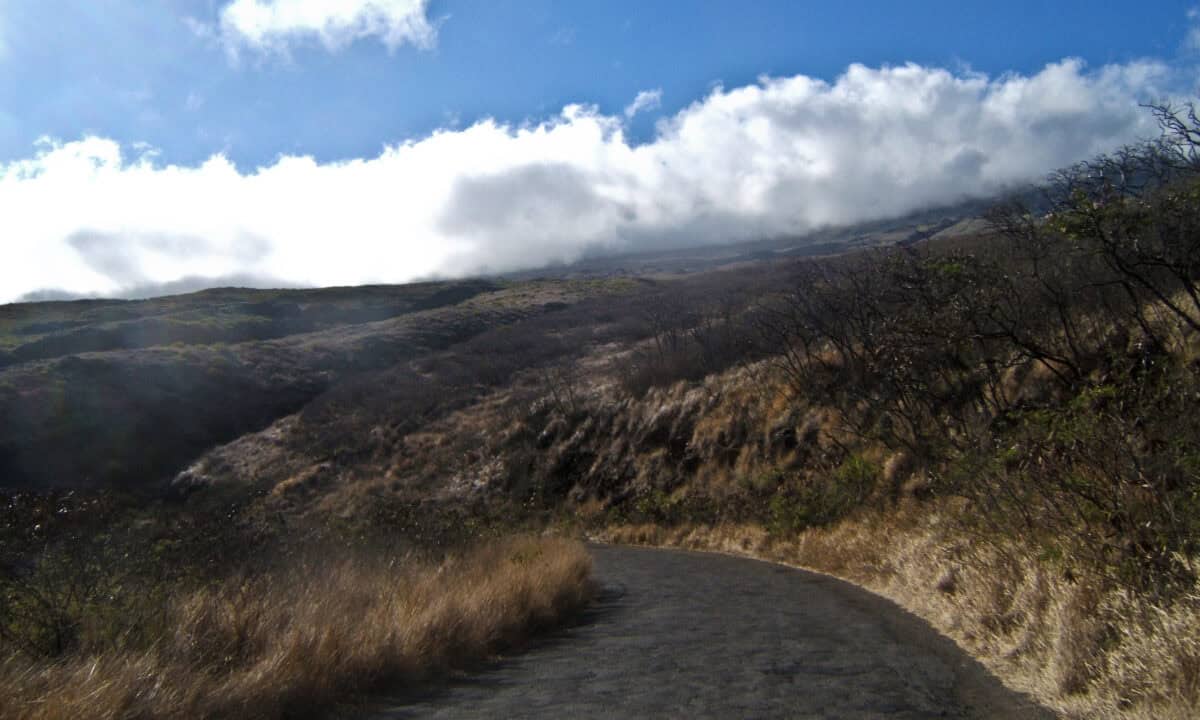
Haleakalā on the island of Maui offers an otherworldly experience, extending from the summit of the volcanic crater to lush coastal areas. This diversity in ecosystems fosters a unique habitat for rare species like the Hawaiian petrel. The park’s isolated geographical location has allowed these native species to develop naturally, undisturbed by the advances of humankind.
Big Thicket National Preserve, Texas
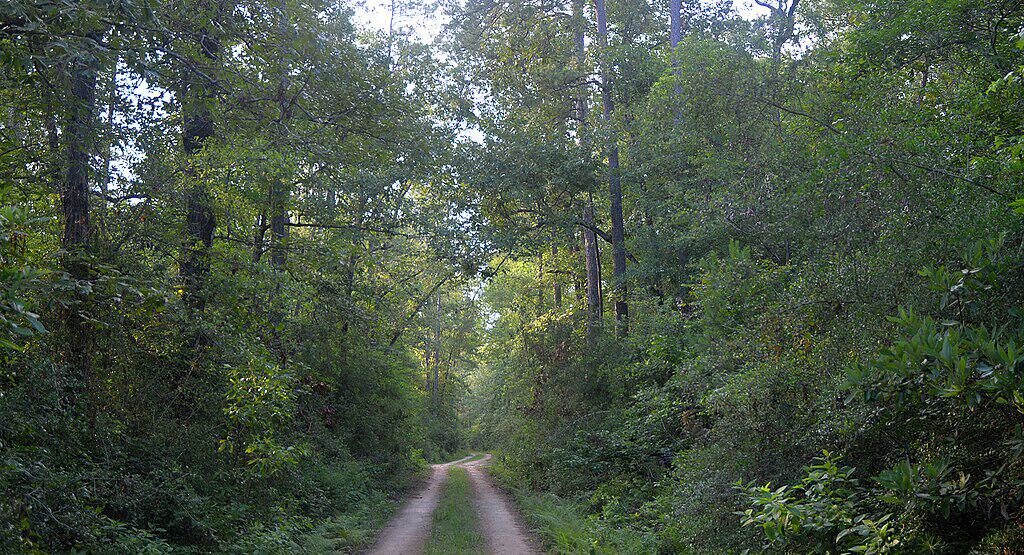
Earning the name ‘biological crossroads of North America,’ this preserve in Texas is a tapestry of diverse ecosystems. Here, wildlife such as alligators, beavers, and various migratory birds thrive. The remoteness and biodiversity offer a snapshot of the original wildness of the Gulf Coast before human settlement altered the natural landscape.
Selway-Bitterroot Wilderness, Idaho and Montana
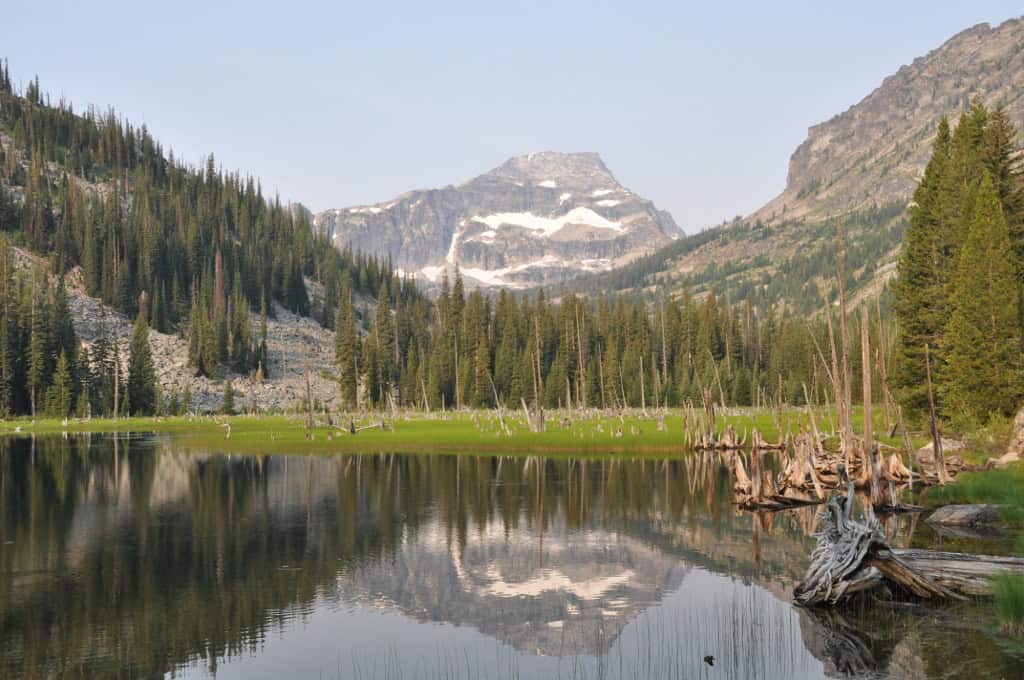
Straddling the border between Idaho and Montana, the Selway-Bitterroot Wilderness is one of the largest protected areas in the contiguous United States. It encapsulates a range of elevations and climates that sustain a rich variety of wildlife. Grizzly bears and wolverines find refuge in this rugged terrain, representing the pinnacle of North American wilderness.
Wrangell-St. Elias National Park and Preserve, Alaska
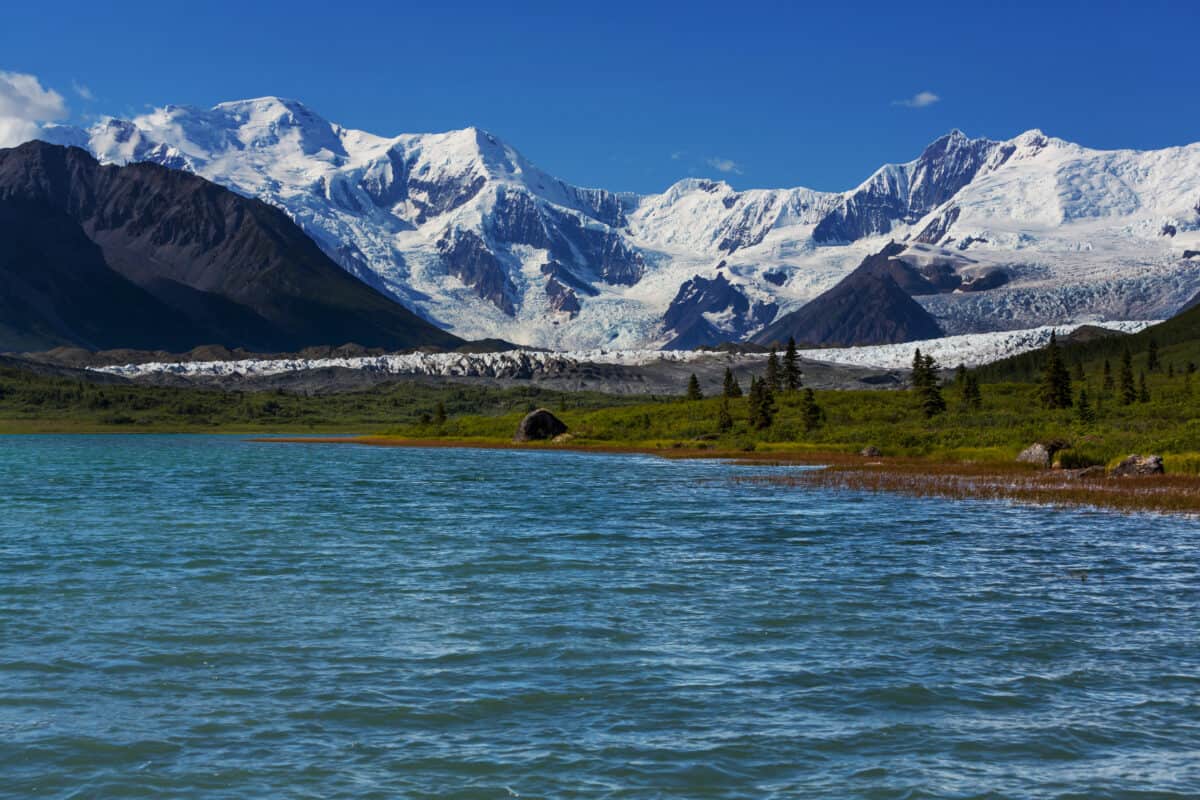
As the largest national park in the United States, Wrangell-St. Elias embodies remote wilderness on a grand scale. This park spans over 13 million acres and incorporates stunning mountain ranges, glaciers, and deep river valleys. Wildlife such as mountain goats, moose, and lynxes reside here, thriving in an environment that appears untouched by time and human development.
Oregon Coast Range, Oregon

The Oregon Coast Range, though more subtle in elevation compared to other mountain ranges, forms an intricate network of habitats. Its remoteness fosters an ideal environment for species such as black bears and Roosevelt elk. This lush and misty wilderness is a testament to Oregon’s diverse ecosystems, where nature’s rule is evident at every turn.
Conclusion:

In conclusion, these remote US locations embody the essence of untamed wilderness, offering vital habitats for a broad spectrum of wildlife. Amidst the pressures of modern development, such sanctuaries are crucial for maintaining biodiversity and serving as living examples of what the world might resemble without human influence. Exploring these remote stretches of America not only provides a sense of adventure but also an invaluable glimpse into the resilience and beauty of nature at its most undisturbed.
Worried about unexpected vet bills?
Pet insurance can cover thousands in unexpected vet costs. Get a free quote from Lemonade in under 2 minutes.
Get My Free Quote →Sponsored · Opens Lemonade.com

As a little kid, I fell in love with nature, wildlife, and animals. Living in the USA, South Africa, Italy, China and Germany gave me the opportunity to discover the world's Wildlife. My favorite animals are Mountain Gorillas, Siberian Tigers, and Great White Sharks.
I'm a certified PADI Open Water Diver, went to Everest Base Camp and Trekked Gorillas in Uganda. I hold a Master of Science in Economics and Finance.
Please send any feedback to feedback@animalsaroundtheglobe.com
- 10 Common Pet Health Problems and How to Prevent Them - June 8, 2026
- The Spider as a Spirit Animal Weaving Your Own Destiny - June 8, 2026
- 14 Human Foods That Are Actually Safe for Dogs - June 8, 2026