
Worried about unexpected vet bills?
Pet insurance can cover thousands in unexpected vet costs. Get a free quote from Lemonade in under 2 minutes.
Get My Free Quote →Sponsored · Opens Lemonade.com
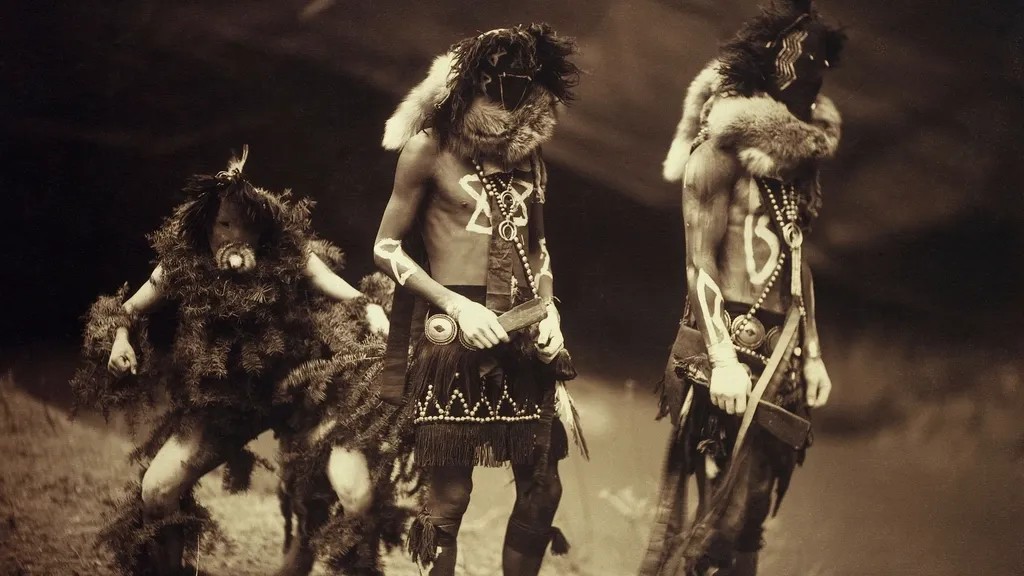
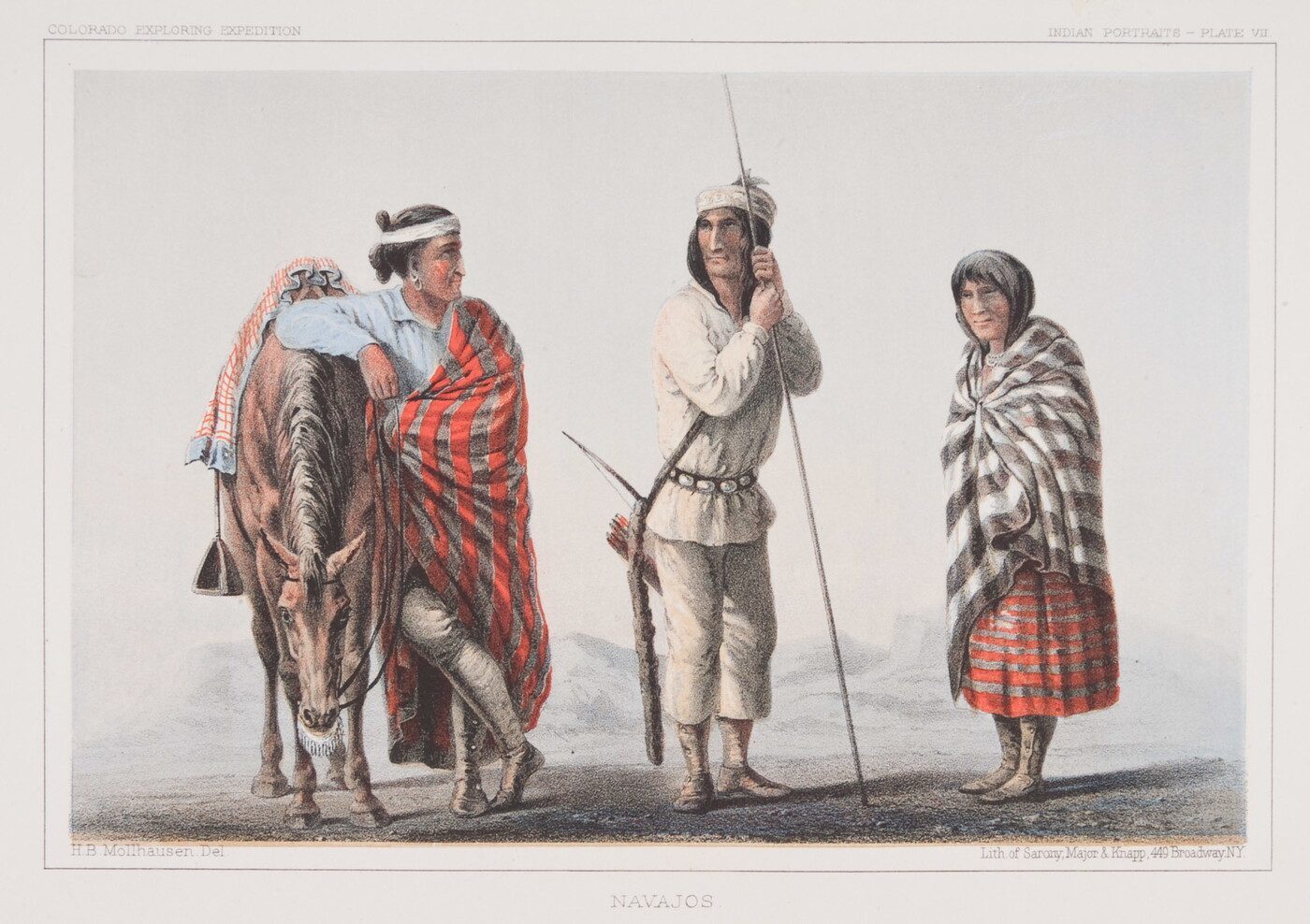
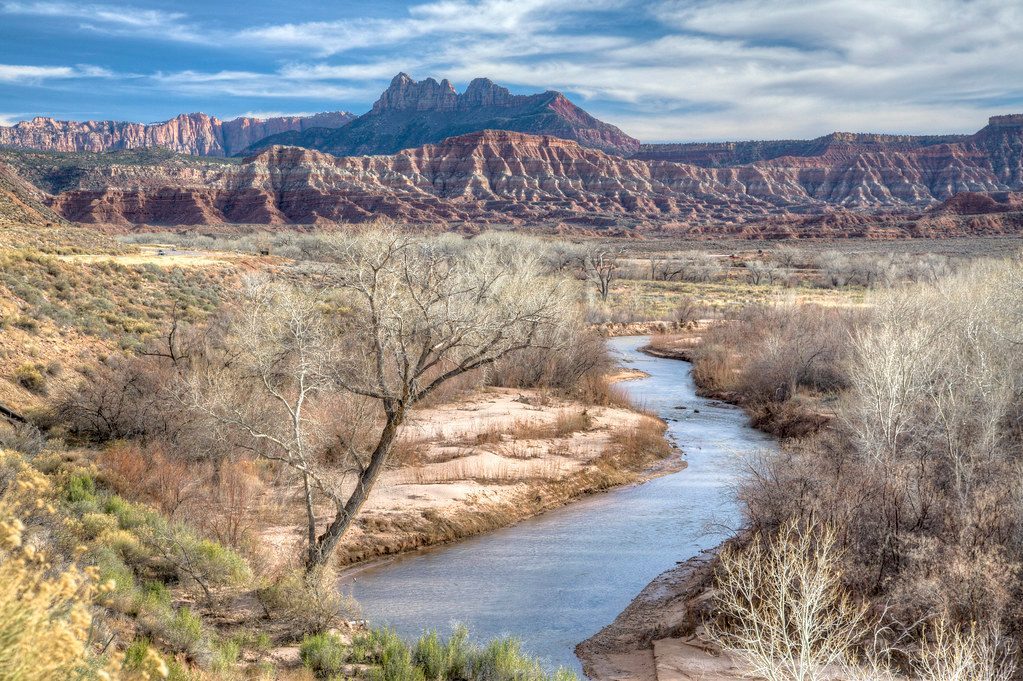
Deep in the Southwest United States, where red sandstone cliffs meet endless blue skies, lives the largest Native American tribe in North America. The Navajo people, who call themselves Diné meaning “the people,” have maintained their cultural identity for centuries while developing one of the most profound connections to wildlife found anywhere on the continent. Their traditional homeland spans across Arizona, New Mexico, and Utah, encompassing more land than some entire states.
What makes the Navajo relationship with animals truly fascinating isn’t just their size or geographic reach. It’s the way they’ve woven every creature from the tiniest insect to the mightiest eagle into their creation stories, healing ceremonies, and daily spiritual practices. This isn’t simply about respecting nature – it’s about understanding that humans and animals share the same sacred journey through multiple worlds to reach this earth we all call home.
They Are America’s Largest Native American Nation
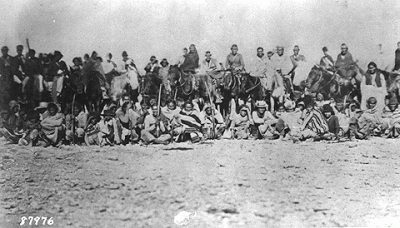
With over 300,000 enrolled tribal citizens, the Navajo Nation is the second largest federally recognized tribe in the United States. The Navajo Nation has the largest reservation in the country. Think about this for a moment – their reservation alone could swallow West Virginia whole and still have room to spare.
The reservation straddles the Four Corners region and covers more than 27,325 square miles (70,770 square kilometers) of land in Arizona, Utah, and New Mexico. This vast expanse isn’t just impressive for its size – it represents one of the most biodiverse regions in North America. The nature sanctuary is home to injured or orphaned wildlife, as well as over 50 animal species native to the Navajo Nation and the Southwest.
Their Creation Story Places Animals at the Center of Existence
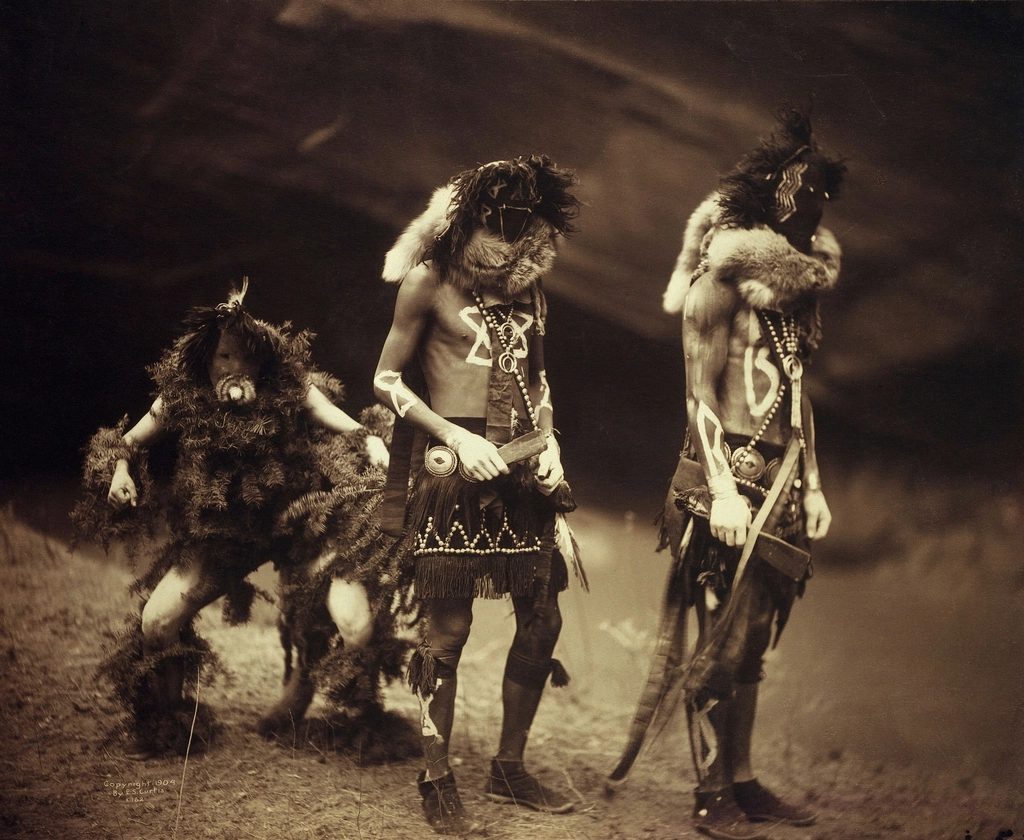
Diné Bahaneʼ (Navajo pronunciation: [tɪ̀né pɑ̀xɑ̀nèʔ], Navajo: “Story of the People”), is a Navajo creation story that describes the prehistoric emergence of the Navajo as a part of the Navajo religious beliefs. It centers on the area known as the Dinétah, the traditional homeland of the Navajo, and forms the basis of the traditional Navajo way of life and ceremony. Unlike many creation myths, the Navajo story doesn’t separate humans from animals – they emerge together from previous worlds.
The First or Dark World, Niʼ Hodiłhił, was small and centered on an island floating in the middle of four seas. The inhabitants of the first world were the four Diyin Dineʼé, the two Coyotes, the four rulers of the four seas, mist beings and various insect and bat people Even in that primordial darkness, animals weren’t just present – they were essential participants in the spiritual journey that would eventually bring all beings to this Fourth World we inhabit today.
Bears Are Considered Sacred Relatives Who Live Among Them
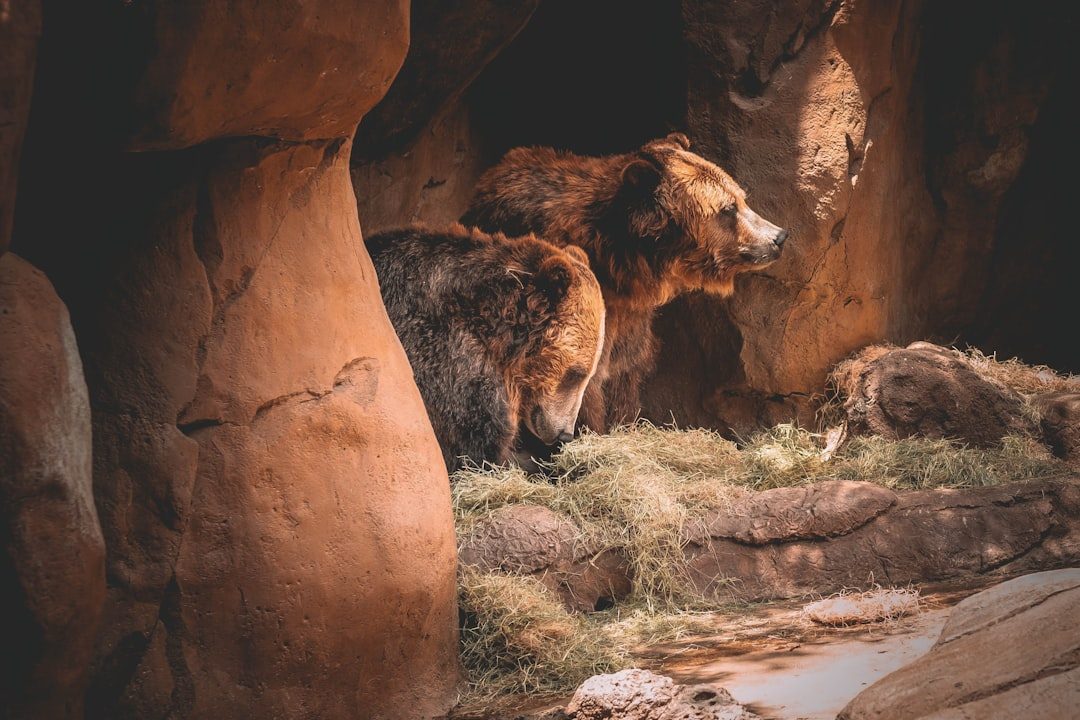
“They are seen as our relatives with whom we share the land, and it’s respectful to give them a safe distance.” “They represent knowledge, strength and healing … it’s why they hold such an important place in our prayers and ceremonies.” This isn’t just poetic language – there are actual black bear populations living within Navajo territory right now.
Bears, for instance, are referred to as the “mountain people.” Sickness related to bears is cured by the Mountainway Ceremony, which lasts for nine days… The bear is seen as very powerful, both physically and spiritually, and bear meat is almost never eaten. There are still bears on the Navajo Nation land, especially in the Chuska and Lukachukai mountains. When Navajo researcher Deandra Jones studies these bears, she begins each research session with traditional ceremonies and leaves corn pollen offerings at collection sites as a sign of respect.
Eagles Hold Divine Status in Their Spiritual Practices
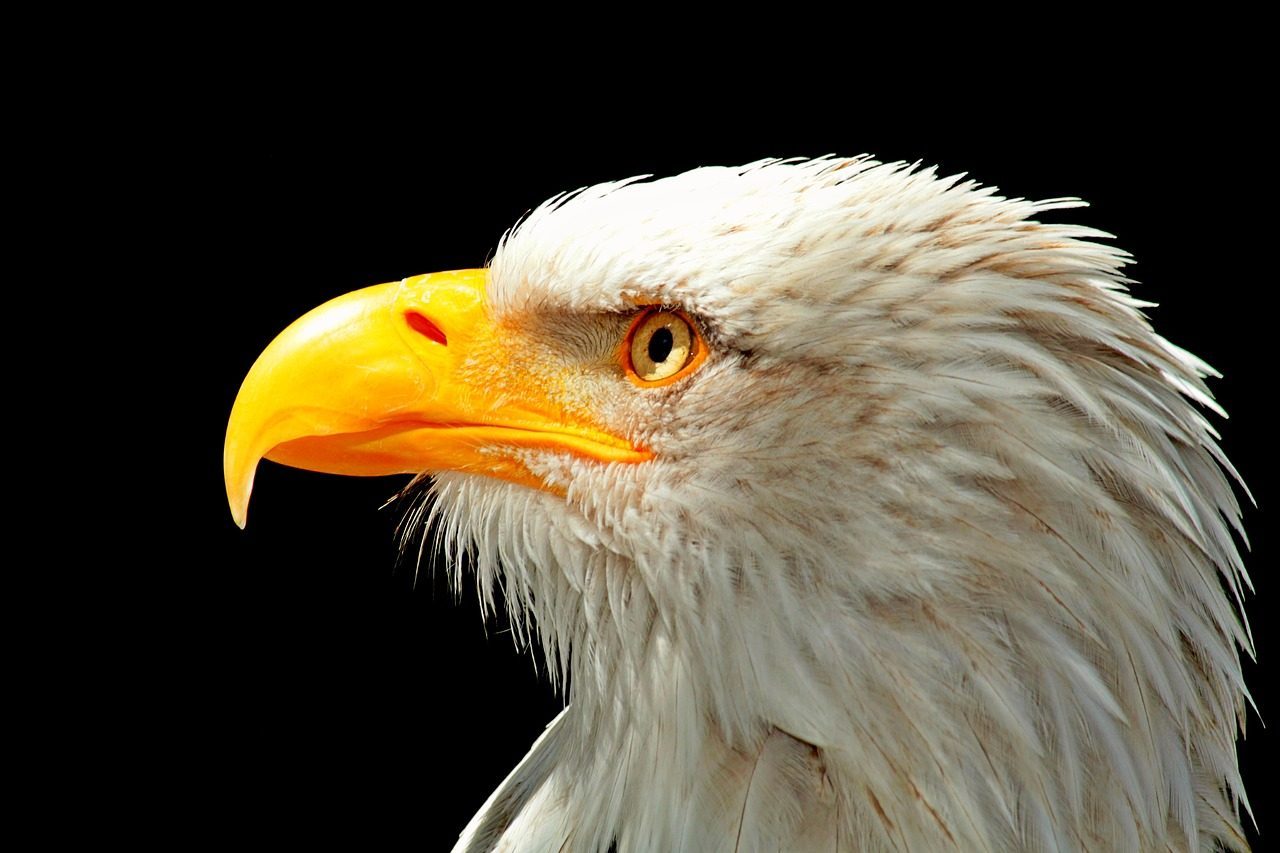
Among the most sacred animals to the Navajo are eagles, bears, buffalo, and wolves. These powerful creatures are believed to possess special wisdom and strength and to be mediators between the physical and spiritual realms. Eagles and owls are said to be their children, and hunting eagles was previously highly ritualized, but it is not done anymore. Eagle feathers … hold great power, especially if they came from a living bird, i.e. naturally molted. The feathers are used by medicine men for a number of ceremonies as are the claws.
Also nearby is the Navajo Nation Zoo and Botanical Park, the only Native American-owned and -operated zoo in the country. The nature sanctuary is home to injured or orphaned wildlife, as well as over 50 animal species native to the Navajo Nation and the Southwest. This facility isn’t just about conservation – it provides a legal source of eagle feathers for ceremonial use, since eagle feathers – worth thousands on the black market – lift prayers to the heavens.
Sheep Became Sacred Through Centuries of Spiritual Partnership
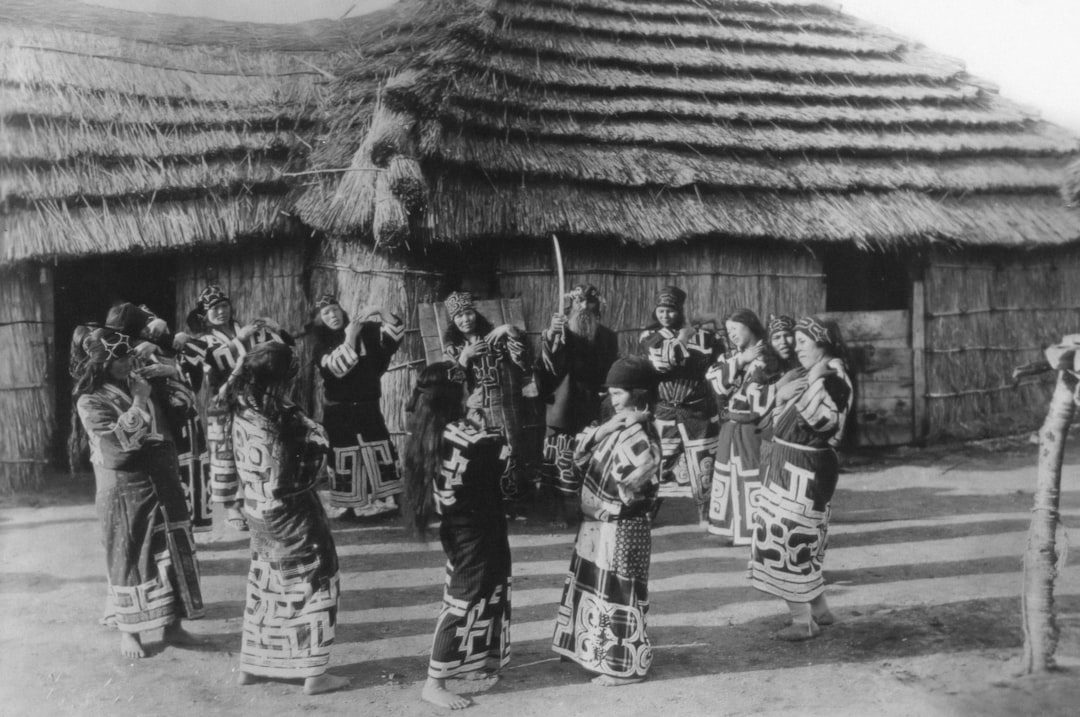
For as long as anyone can remember, Churro sheep have been central to Navajo life and spirituality. Yet the animal was nearly exterminated by the federal government, which deemed it an inferior breed. Sheep were introduced by Spanish colonizers in the 1600s. What’s remarkable is how completely the Navajo integrated these animals into their spiritual worldview.
In a corral with a few dozen Churro, weaver Tahnibah Natani gathers her ewes and rams as her husband prepares for a ceremony to bless and protect the sheep… He sings an ancient prayer, then Natani fills a sacred pipe and blows smoke into the face of each sheep. This is a family that shows its gratitude for the gift of life that is given each time it takes an animal for food. “The eradication of this particular sheep breed — because we are connected to it with songs and prayers and ceremonies — when it was taken from us, that part of our life was also destroyed,” explains one traditional shepherd.
Coyote Plays a Cosmic Role in Their Origin Stories
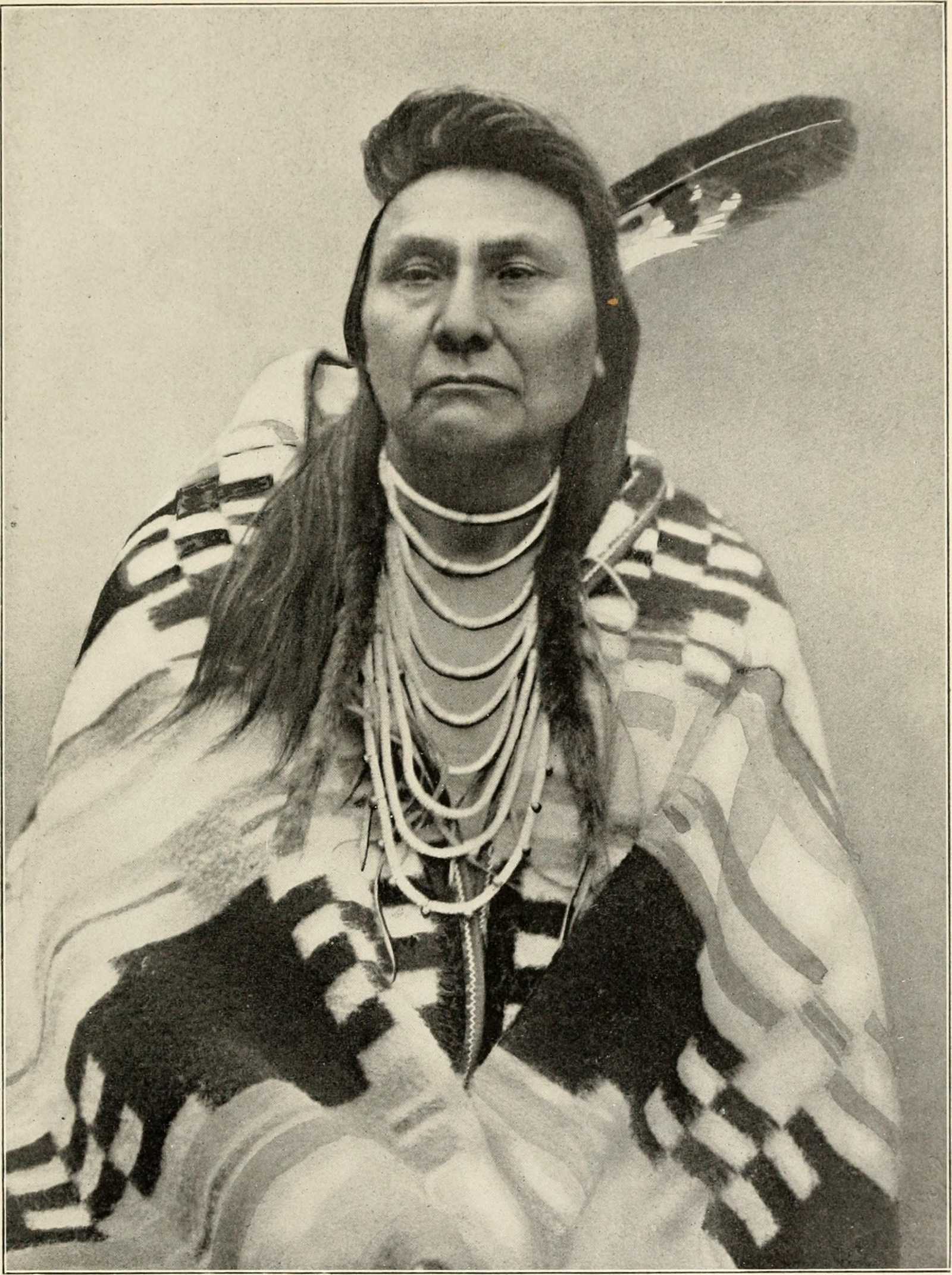
The coyote is a major figure in the creation stories and plays the role of scattering the stars and bringing fire to the people. A host of stories revolving around the coyote are used to show proper behavior by telling warning individuals about what happens when a person behaves improperly. It was here that true death came into existence when Coyote tossed a stone into a lake, declaring that if it sank then the dead would go back to the previous world.
This trickster figure isn’t just a character in old tales – coyote encounters still hold deep spiritual significance today. After a lengthy discussion about the coyote’s size, color, direction of travel (very important), speed, direction of gaze (very important), and whether or not it stopped before, during, or after crossing in front of them, we concluded the positives outweighed the negatives and there was no need to feel anxious or to have a cleansing ceremony performed by a medicine man. Auntie M. sprinkled a little sacred corn pollen where the coyote’s tracks left the road, and said a brief prayer.
They Use Euphemisms When Speaking About Powerful Animals
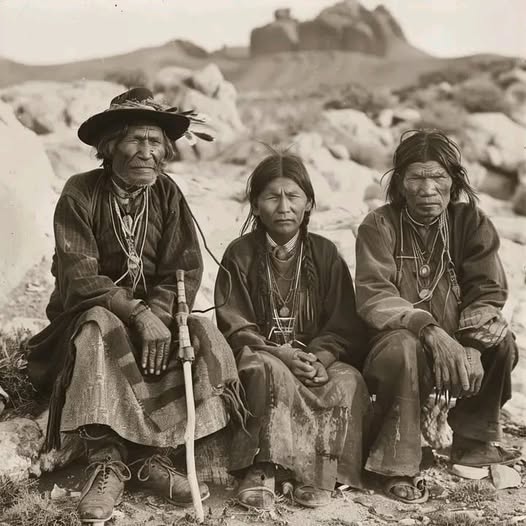
In order not to offend an animal, each one is referred to by a euphemism and the real name being used only for ceremonial purposes. Bears, for instance, are referred to as the “mountain people.” “The wolf is referred to as “large coyote” in common speech and as “big trotter” ceremonially.” This linguistic tradition shows how deeply respect for animals is embedded in everyday Navajo conversation.
“The mountain lion (sometimes called the cougar) is called euphemistically “the one who walks silently.”” This practice isn’t about superstition – it’s about maintaining proper spiritual relationships. Speaking an animal’s true name outside of ceremony could potentially disrupt the delicate balance between humans and the animal world that Navajo philosophy holds as essential for harmony.
Sand Paintings Feature Animals as Sacred Symbols
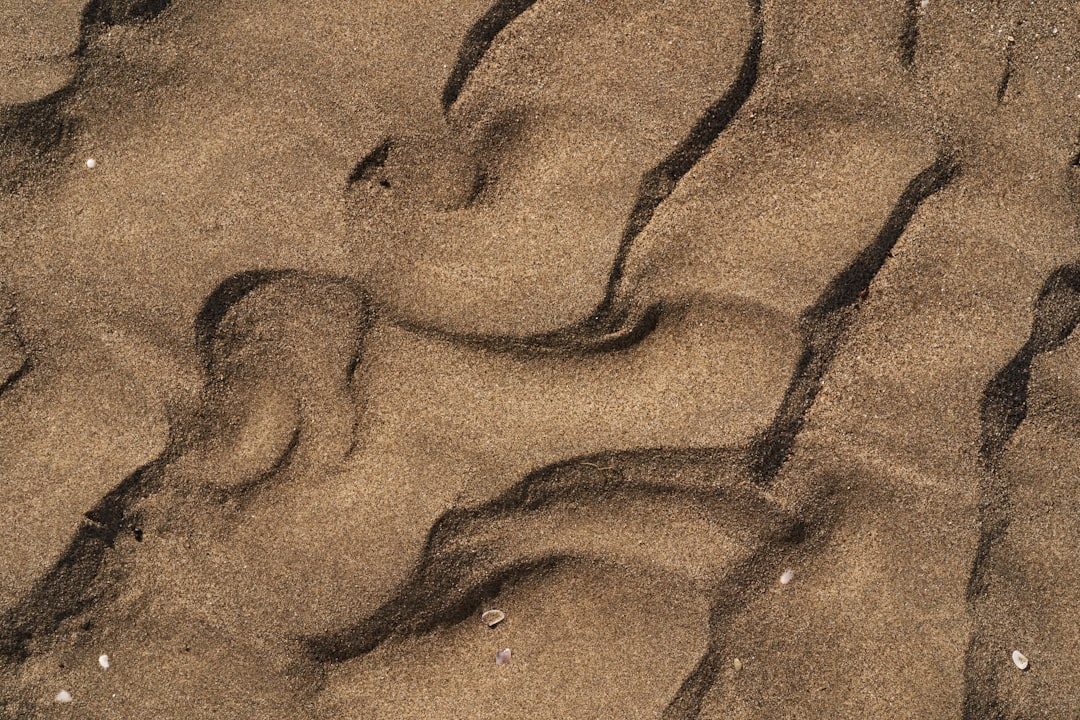
Sand painting is an art practiced by the Navajo, and it is valued for religious reasons. It is mostly done in connection with healing ceremonies. The paintings are created by trickling small amounts of crushed, colored sandstone, charcoal, pollen, or other dry materials on a background of clean, smoothed sand. The sand paintings represent animals, plants, lightning, rainbows, and other symbols.
Navaho zoolatry includes practically the entire native fauna, which accordingly enters largely into ritual and worship by the use of skins, feathers, claws, tissues, and the like. Then, too, the figures of many animals appear in the sand drawings, as that of the eagle, the deer, the antelope, prairie dog, turkey, and others. These aren’t just artistic decorations – each animal figure carries specific healing power and spiritual meaning that connects the patient to the natural world’s restorative forces.
Deer Symbolize Grace and Spiritual Interconnection
Among the many symbols in Navajo culture, the deer holds a special place. Revered as a sacred animal, the deer embodies qualities that resonate with the Navajo worldview, representing grace, gentleness, and a profound connection to the natural world. The deer holds significant value in Navajo healing practices. Various parts of the deer are used in traditional rituals for their believed healing properties. For instance: Deer Antlers: Often used in healing ceremonies to invoke strength and protection.
The rare game animals (dini’) – deer, antelope, elk, and mountain sheep – are especially valued ritualistically, even though today they are so scarce that many children have never seen one. Throughout mythology and ritual, vegetable and flesh food are felt to belong together. Traditional stories tell of contests between heroes and Deer Owner, where knowledge of agriculture was traded for the release of game animals – showing how plant and animal worlds are forever linked in Navajo understanding.
They Maintain Living Wildlife Through Traditional Knowledge
The Navajo people have a deep spiritual connection to the natural world and accord great reverence to animals… The Navajo believe that all life is interconnected and that humans must learn to live in harmony with nature. This philosophy translates into real conservation work today. Studying black bears on the Navajo Nation – a territory that spans over 27,000 square miles across parts of Arizona, New Mexico and Utah – was a subject ripe for research… With black bear habitats shrinking due to threats like climate change, how can communities encourage positive interactions between humans and bears as they live closer together? Jones’ five-year project is investigating these and more
They were taught to live in harmony with Mother Earth, Father Sky and the many other elements such as man, animals, plants, and insects… Since Earth People of the Diné are an integral part of the universe, they must do everything they can to maintain harmony or balance on Mother Earth. It is believed that centuries ago the Holy People taught the Diné how to live the right way and to conduct their many acts of everyday life. They were taught to live in harmony with Mother Earth, Father Sky and the many other elements such as man, animals, plants, and insects.
The Navajo relationship with American wildlife represents something far deeper than environmental stewardship – it’s a complete worldview where animals are relatives, teachers, and sacred partners in the ongoing creation of the world. From the bears in the Chuska Mountains to the eagles soaring over Monument Valley, every creature plays an essential role in maintaining the spiritual balance that keeps both human and natural communities thriving. In our modern world facing environmental challenges, perhaps we could all learn something from this ancient wisdom that sees no separation between the wellbeing of people and the wellbeing of the animals who share our planet.
What do you think about this profound connection between culture and wildlife? Tell us in the comments.
Worried about unexpected vet bills?
Pet insurance can cover thousands in unexpected vet costs. Get a free quote from Lemonade in under 2 minutes.
Get My Free Quote →Sponsored · Opens Lemonade.com
