
Worried about unexpected vet bills?
Pet insurance can cover thousands in unexpected vet costs. Get a free quote from Lemonade in under 2 minutes.
Get My Free Quote →Sponsored · Opens Lemonade.com
They’re black, they’re white, they’re massive, and they’re often feared. Orcas have long carried the menacing nickname “killer whales,” a title that conjures images of ruthless ocean predators. Yet these magnificent creatures are so much more than their reputation suggests. Honestly, the deeper you dig into their world, the more fascinating they become.
Let’s be real, most of us think we know what orcas are all about. Powerful hunters? Absolutely. Mysterious ocean giants? Sure. Still, there are aspects of their lives that remain hidden beneath the surface, aspects that reveal intelligence, emotion, and social complexity that rivals our own. So let’s dive in and explore what makes these animals truly extraordinary.
They’re Actually the Largest Dolphins on the Planet
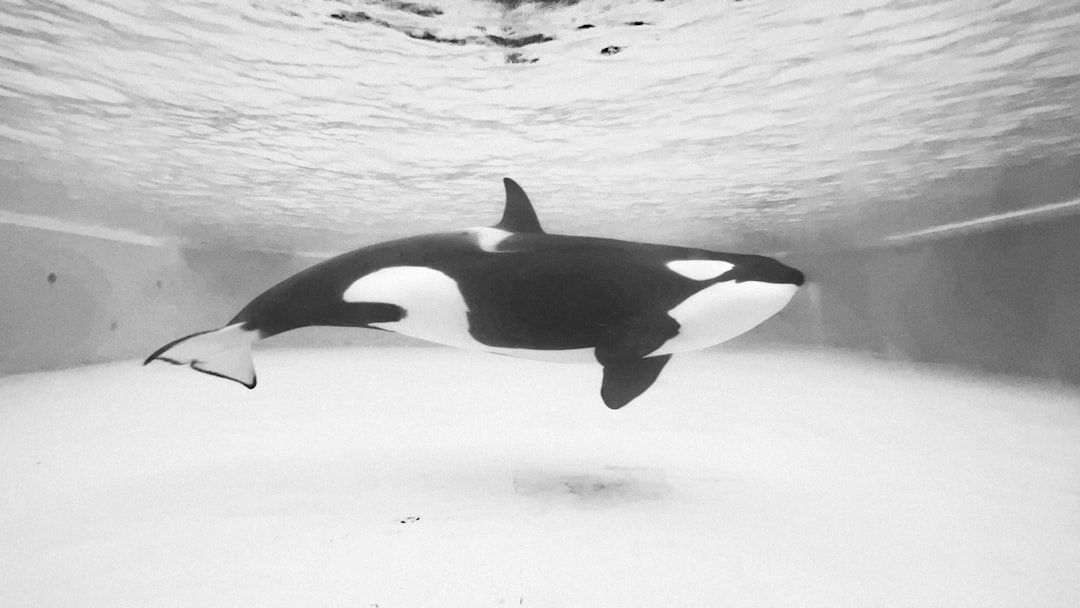
Orcas are the largest member of the Delphinidae family, or dolphins. That’s right. Despite the name killer whale, these animals are technically dolphins, not whales at all. Orcas measure 5.5 to 9.8 metres in length, with females usually smaller than males, and they weigh up to 5,500 kg.
The confusion isn’t accidental. Ancient sailors gave them the name “killer whale” when they saw them preying on large whales, and they called orcas ballena asesina, or ‘killer whale.’ Over the centuries, that fearsome label stuck. Yet if you think about it, their membership in the dolphin family explains so much about their behavior: their playfulness, their social bonds, their incredible intelligence.
It’s hard to say for sure, but this misclassification might be one reason we’ve misjudged them for so long. Once you realize they’re closer to bottlenose dolphins than to humpback whales, you start seeing them through a completely different lens.
Orca Grandmothers Are the Ultimate Leaders
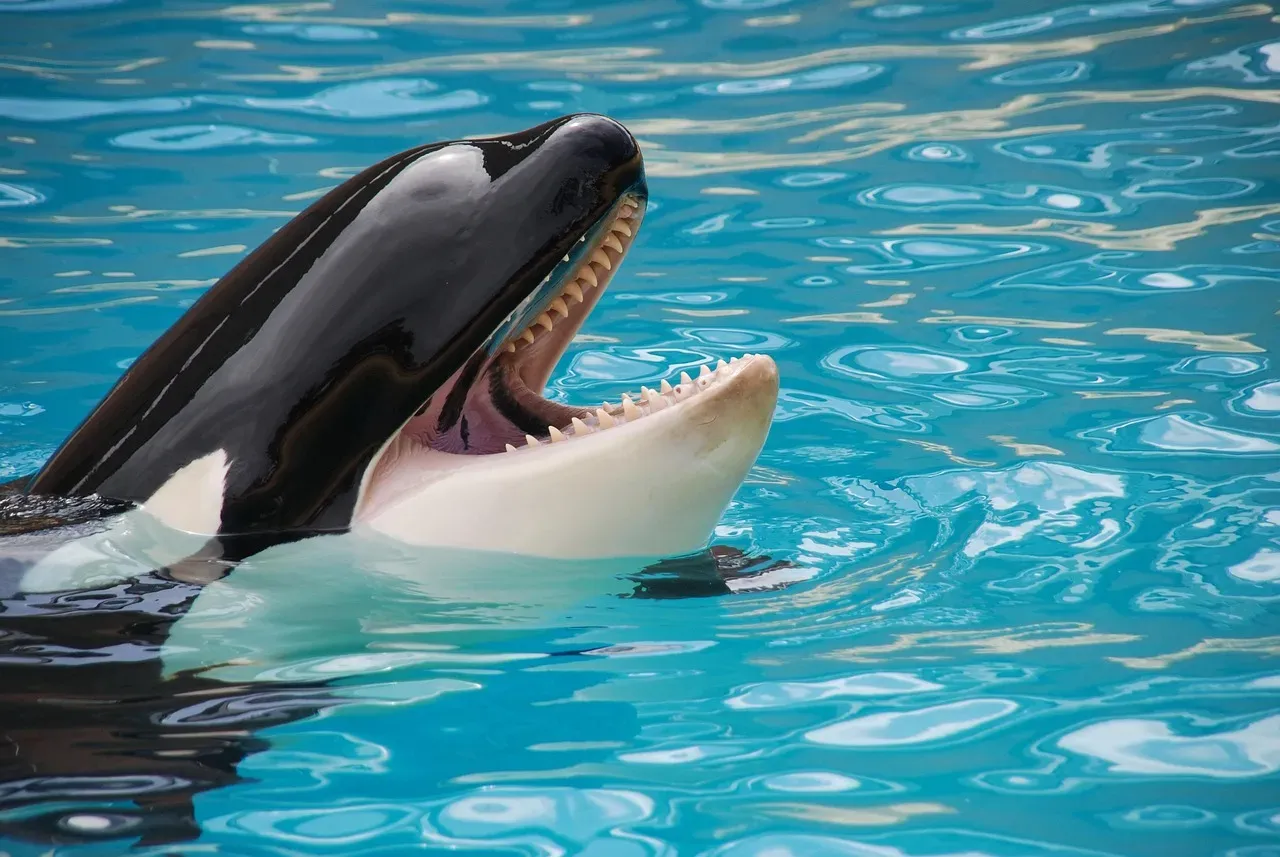
Orca pods are matriarchal and always led by the oldest female in the group. These grandmother orcas don’t just hold a ceremonial title. The survival of the pod depends on the most skilled hunter: the grandmother, who will model behaviors, pass down wisdom, babysit younger generations, share meals, and even feed others.
What’s truly remarkable is that orcas are just one of a handful of mammals that go through menopause, and scientists think grandmother orcas may have evolved this trait to help raise their “grandcalves.” Think about that for a moment. These matriarchs stop reproducing so they can dedicate their energy and knowledge to ensuring the survival of the next generations.
Offspring stay with their mother for their entire lives, though male orcas swim out to mate with females from other pods. Even adult sons remain dependent on their mothers. This level of family loyalty and structure is almost unheard of in the animal kingdom.
They Have Unique Dialects and Cultural Traditions
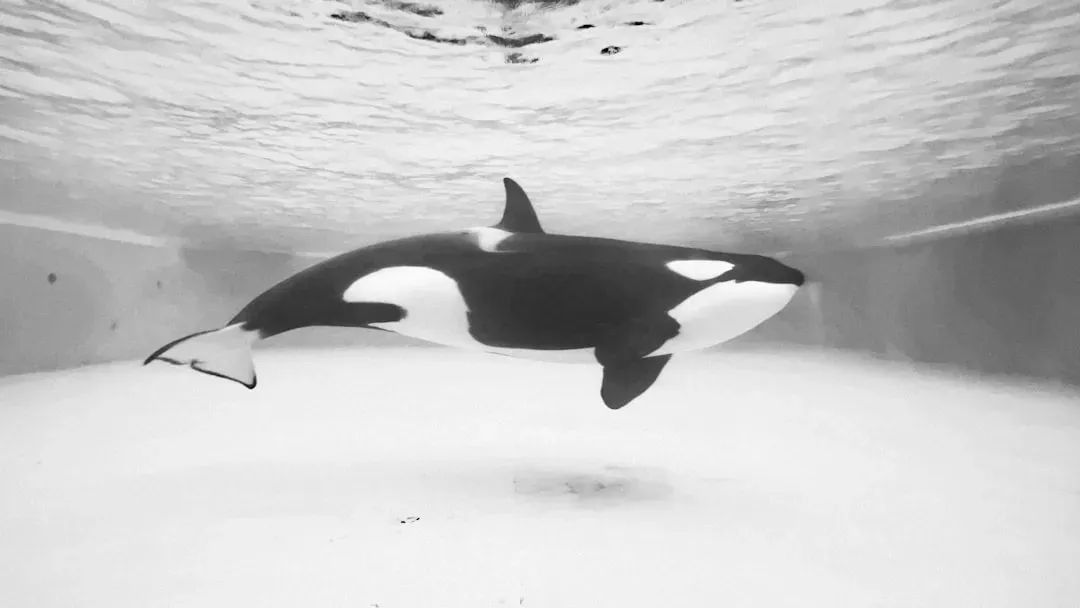
Here’s the thing: not all orcas speak the same language. Each pod has distinctive noises that its members will recognize even at a distance. Each pod in the eastern North Pacific possesses a unique set of calls that are learned and culturally transmitted among individuals, and these calls maintain group cohesion and serve as family badges.
It’s not just about communication. Within their pods, orcas are capable of creating a unique “culture” specific to their pod alone, and each pod has their own method of communication and even traditions. Some populations have been observed engaging in behaviors that can only be described as fads.
A population in the Pacific went through a phase of wearing salmon as hats in the 1980s when a female orca began carrying around dead salmon on her head, and in the weeks that followed, the behavior spread to two other pods. Researchers spotted the salmon-wearing orcas doing the same behavior the following year and then never saw them carry fish on their heads again. Let’s be real, that sounds a lot like a human trend going viral and then disappearing. Who knew orcas had their own version of fashion statements?
Their Hunting Techniques Are Terrifyingly Brilliant
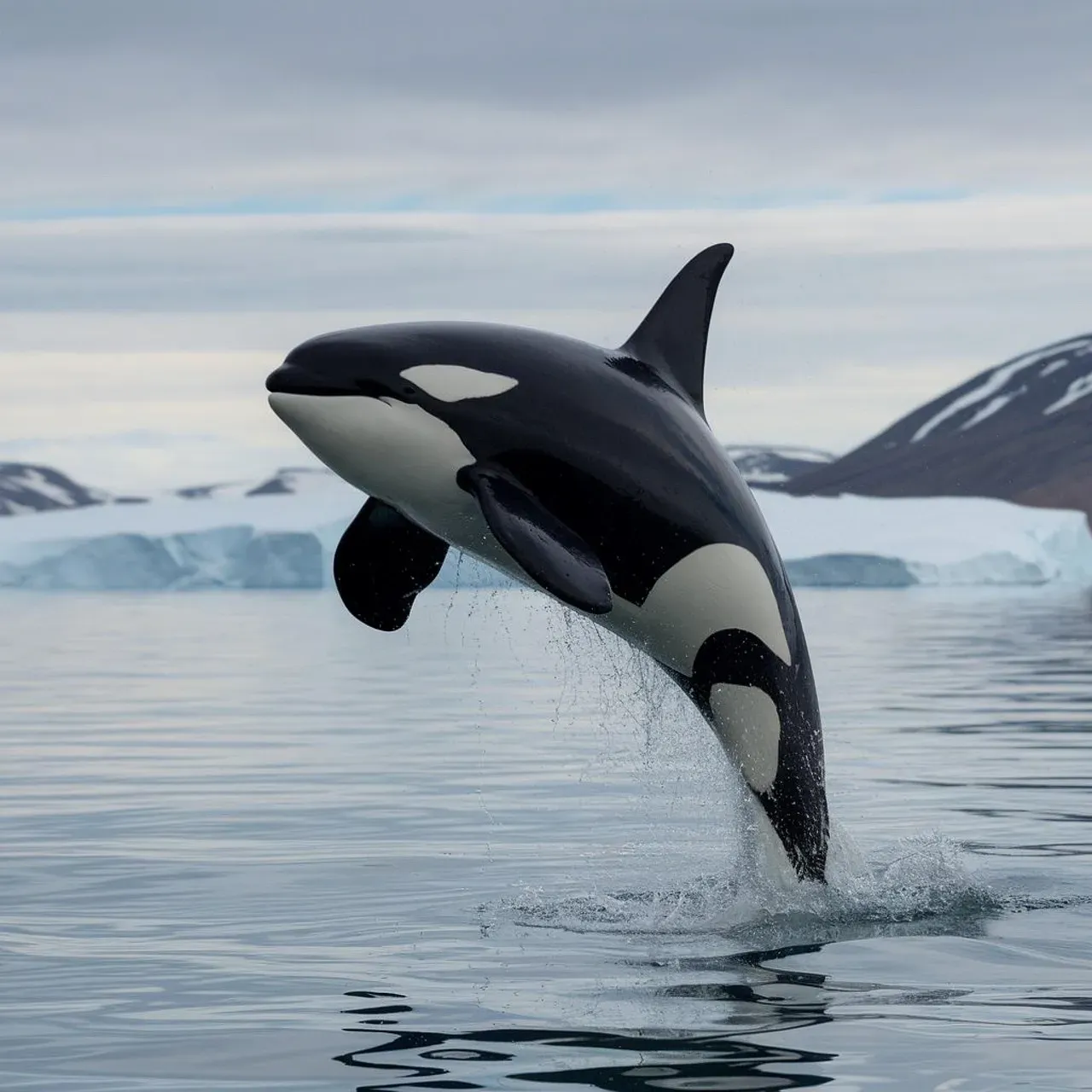
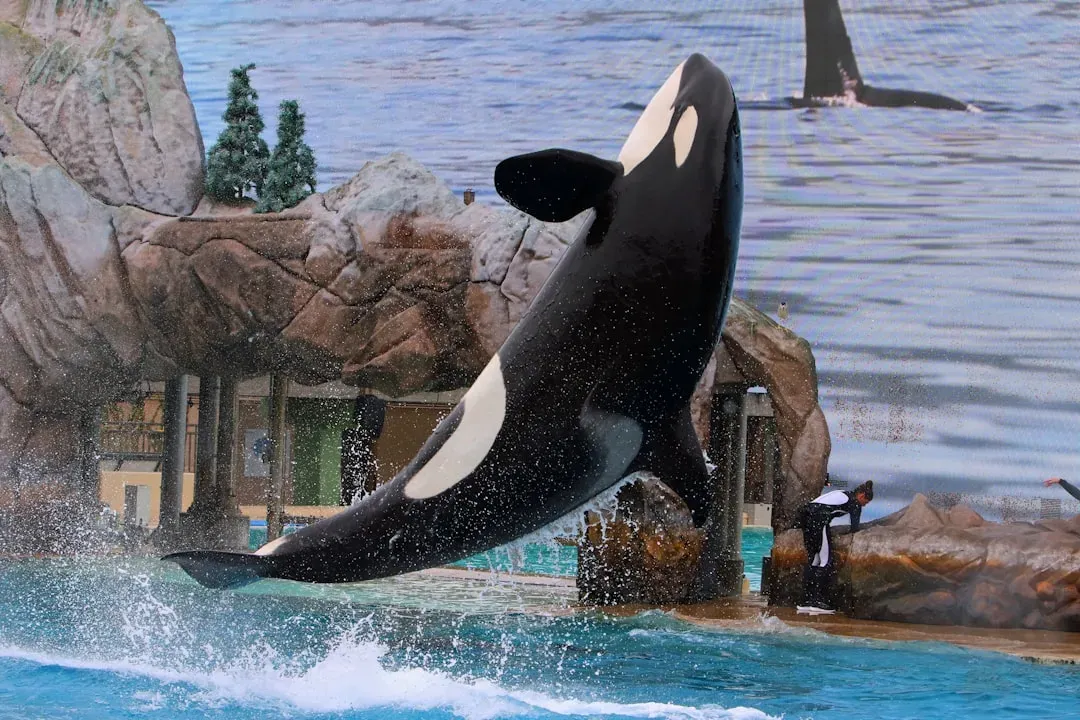
When it comes to hunting, orcas are basically underwater geniuses. Outer coast whales are a distinct subpopulation that has developed specialized hunting techniques to catch marine mammals in deep-water habitat, and their distinct foraging behaviors may be culturally transmitted from generation to generation.
Different populations have perfected different strategies based on what’s available in their environment. Orcas in Argentina swim close to shore, waiting for the perfect alignment of tides, seals, and shore to strike, then surf a wave onto the shore, grab a seal pup in their teeth, roll their body and use another wave to pull back to deeper water, with none of the observed whales stranded permanently and 34.4% of their attempts ending successfully.
Then there’s the wave-washing technique. Orcas charge ice floes in tight formation, creating a huge wave front, and just before reaching the ice, they dive underneath, giving a last-second push to the wave with their tails. Seals resting on the ice don’t stand a chance. Two South African orcas, Port and Starboard, have been observed removing sharks’ livers with near surgical precision. It’s brutal, yes, but it’s also a testament to their problem-solving abilities and tactical coordination.
They Experience Deep Emotions Like Grief and Joy
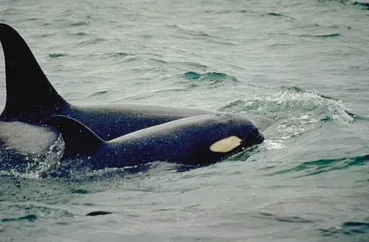
Scientists have long debated whether animals truly feel emotions the way humans do. When it comes to orcas, the evidence is compelling. Based on neuroanatomical indices such as brain size and encephalization quotient, orcas are among the most intelligent animals on Earth.
In 2018, an orca identified as J35 carried her dead calf for 17 days, pushing it over 1,000 miles, which was the longest display of grief and mourning ever recorded by an orca. Watching that unfold was heartbreaking. She refused to let go, even as her own health suffered. Grief and love are complex emotions present in both orcas and humans, and scientists believe that the more complex an emotion, the more intelligent a species must be in order to present it.
They also celebrate. Killer whales have complicated social rituals and even engage in “greeting ceremonies,” with orcas lining up in two rows and then tumbling together. These interactions aren’t just functional; they’re joyful, social, and deeply connected to the bonds within their pods.
They’re Facing Critical Threats to Their Survival
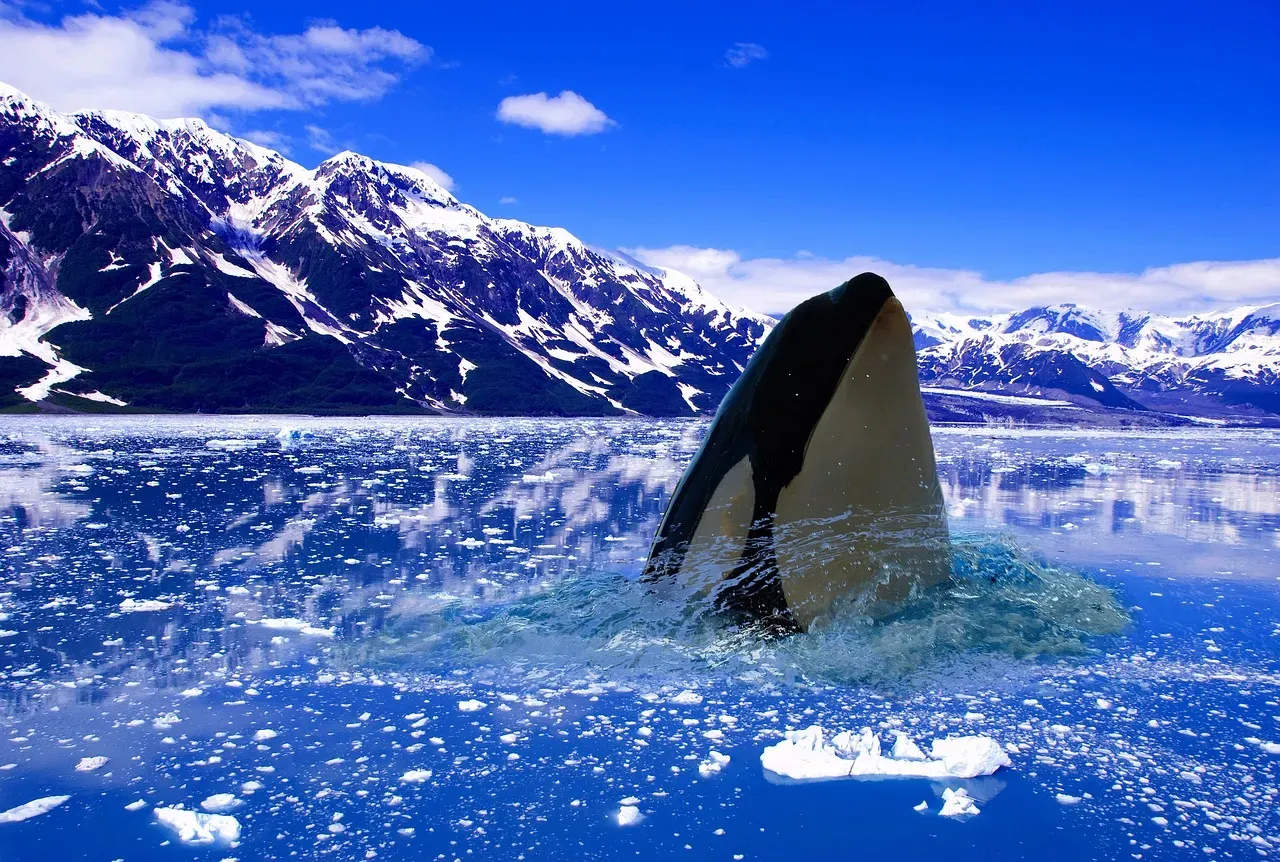
Despite their power and intelligence, orcas aren’t invincible. While collectively around 50,000 orcas roam the planet’s waters, the southern resident ecotype found in the Pacific Northwest faces extinction, and as of 2025, there are only 73 animals left across three pods. That number should alarm anyone who cares about ocean health.
Vessel traffic and noise from ships disturbs their feeding habits, ocean pollution harms their reproductive and immune systems, and populations of Chinook salmon, the main food source of southern residents, have declined over the past decade. These threats are entirely human-made, and they’re pushing one of the ocean’s most iconic species to the brink.
Conservation efforts are underway, yet time is running out. The survival of these animals depends on our willingness to protect their habitat, reduce ocean noise, and restore prey populations. It’s not just about saving orcas. It’s about preserving the intricate web of life that keeps our oceans thriving.
Conclusion
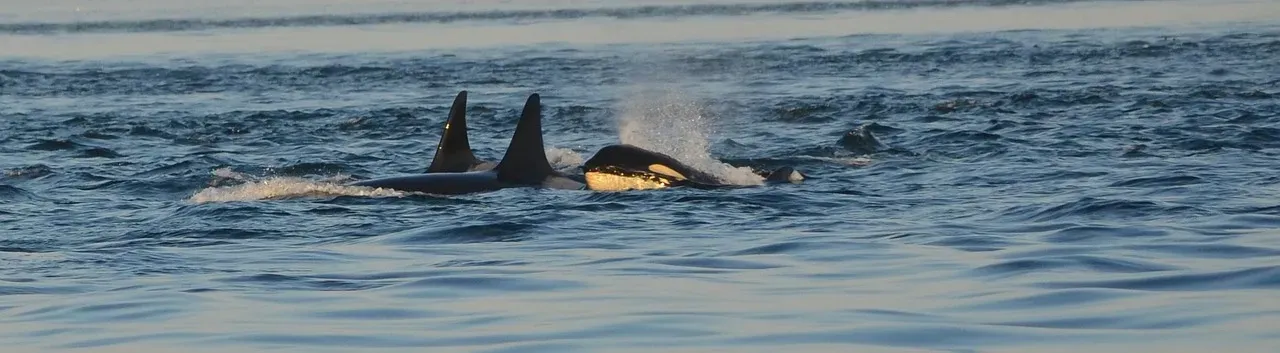
Orcas aren’t just powerful predators swimming through our oceans. They’re complex, emotional, and culturally rich beings who live in tight family units, communicate through unique dialects, and pass down knowledge across generations. They grieve, they celebrate, they innovate, and they adapt.
The more we learn about them, the harder it becomes to see them as anything other than fellow inhabitants of this planet deserving of respect and protection. So what do you think? Did these facts ? What would it take for us to truly coexist with these magnificent animals?
Worried about unexpected vet bills?
Pet insurance can cover thousands in unexpected vet costs. Get a free quote from Lemonade in under 2 minutes.
Get My Free Quote →Sponsored · Opens Lemonade.com
