
Worried about unexpected vet bills?
Pet insurance can cover thousands in unexpected vet costs. Get a free quote from Lemonade in under 2 minutes.
Get My Free Quote →Sponsored · Opens Lemonade.com
There’s something about watching a crow that makes you pause. Maybe it’s the way they tilt their heads, observing you with those dark, calculating eyes. Or perhaps it’s the way they seem to understand things that other birds simply don’t notice. These black-feathered creatures have been living alongside humans for thousands of years, and they’ve been paying far more attention to us than we might have realized.
The more scientists study crows, the more they discover that these birds possess cognitive abilities that rival some of the most intelligent mammals on Earth. From crafting sophisticated tools to remembering individual human faces for years, crows are rewriting what we thought we knew about animal intelligence. Their problem-solving skills aren’t just impressive for a bird. They’re impressive, period. What can these feathered geniuses teach us about thinking, learning, and adapting to challenges?
Tool Use That Rivals Our Ancient Ancestors
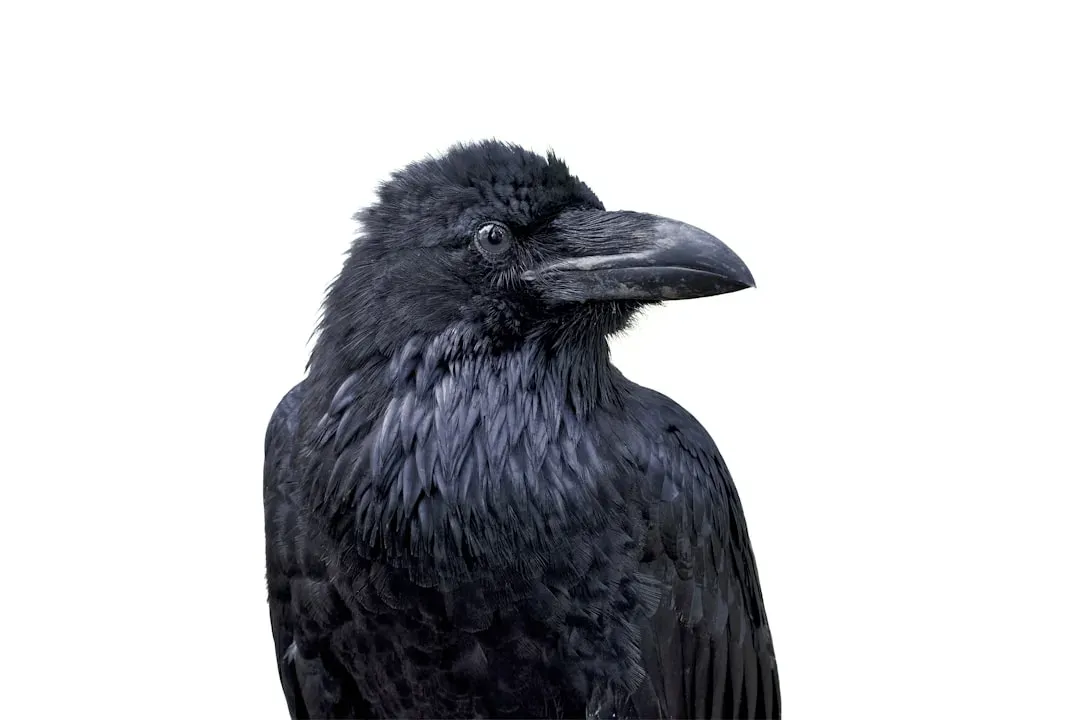
New Caledonian crows are the only nonhuman species known to craft hooks in the wild, a feat that anthropologists consider one of the key technological advances in human evolutionary history. Think about that for a moment. These birds are creating tools that our own ancestors took millennia to develop.
Laboratory crows have purposely bent wire to make hooks, a manipulation of new materials that is beyond even chimps and other nonhuman primates. What makes this even more remarkable is that they’re not simply using what they find. They’re modifying materials with a specific purpose in mind, demonstrating an understanding of cause and effect that we rarely see outside of humans.
Habitually tool-using New Caledonian crows can combine objects to construct novel compound tools, with four crows spontaneously combining elements to make functional tools, and one making three and four-piece tools when required. Let’s be real here, that level of forward thinking and innovation is something most people assume belongs exclusively to humans and perhaps our closest primate relatives.
Planning for the Future Like a Chess Master
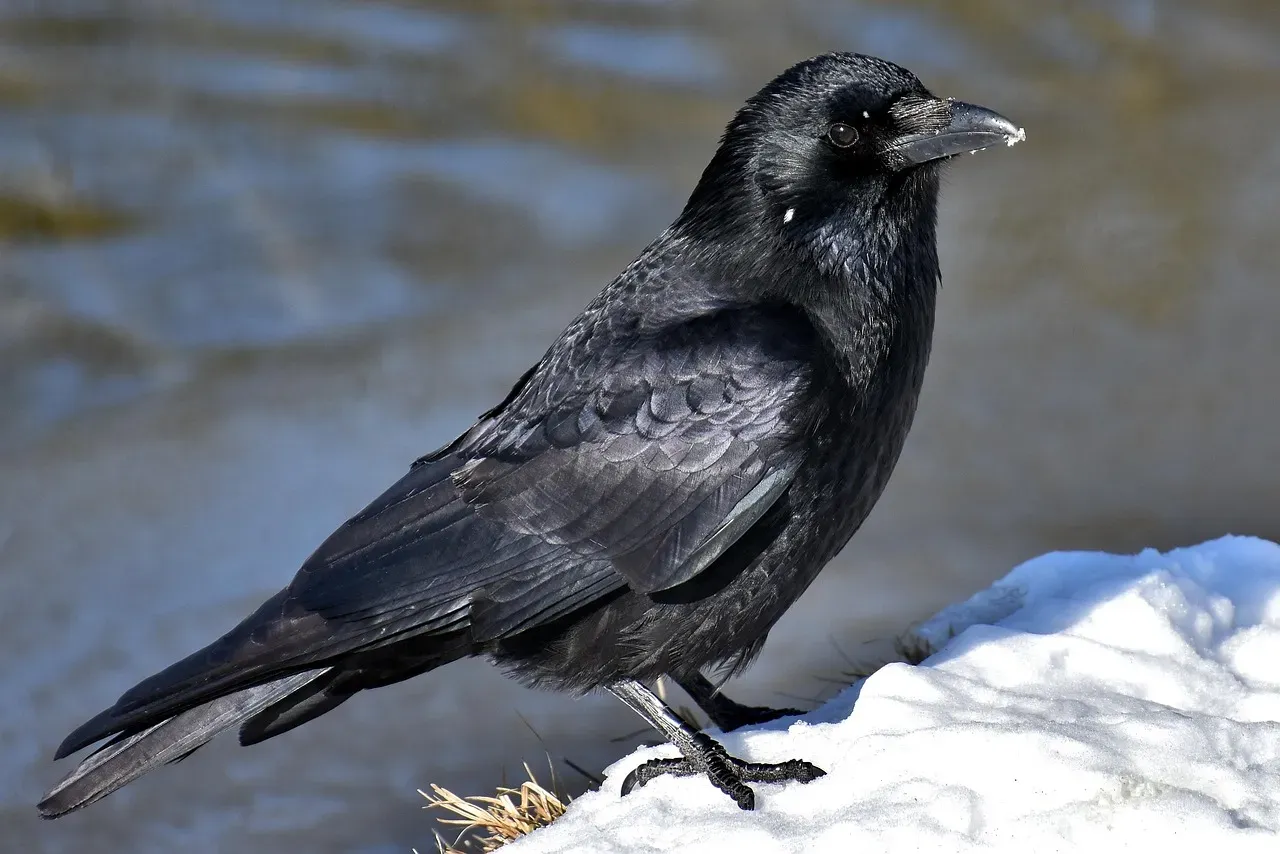
Here’s where things get truly fascinating. New Caledonian crows can use tools to plan for specific future events, choosing the right tool for the right future task while ignoring previously useful tools and a low-value food item. The crows in these experiments had to remember what apparatus they’d seen, wait several minutes, then select the correct tool knowing they wouldn’t get to use it for another ten minutes.
Crows mentally represent the sub-goals and goals of metatool problems, keeping in mind the location and identities of out-of-sight tools and apparatuses while planning and performing a sequence of tool behaviors. This is the kind of mental gymnastics we do when planning our day or working through complex problems. It’s hard to say for sure, but it seems these birds might actually be thinking several steps ahead.
The implications are staggering. These aren’t robotic responses or simple trial and error. This is genuine planning, the kind of abstract thinking that was once believed to separate humans from the rest of the animal kingdom.
A Memory That Never Forgets a Face
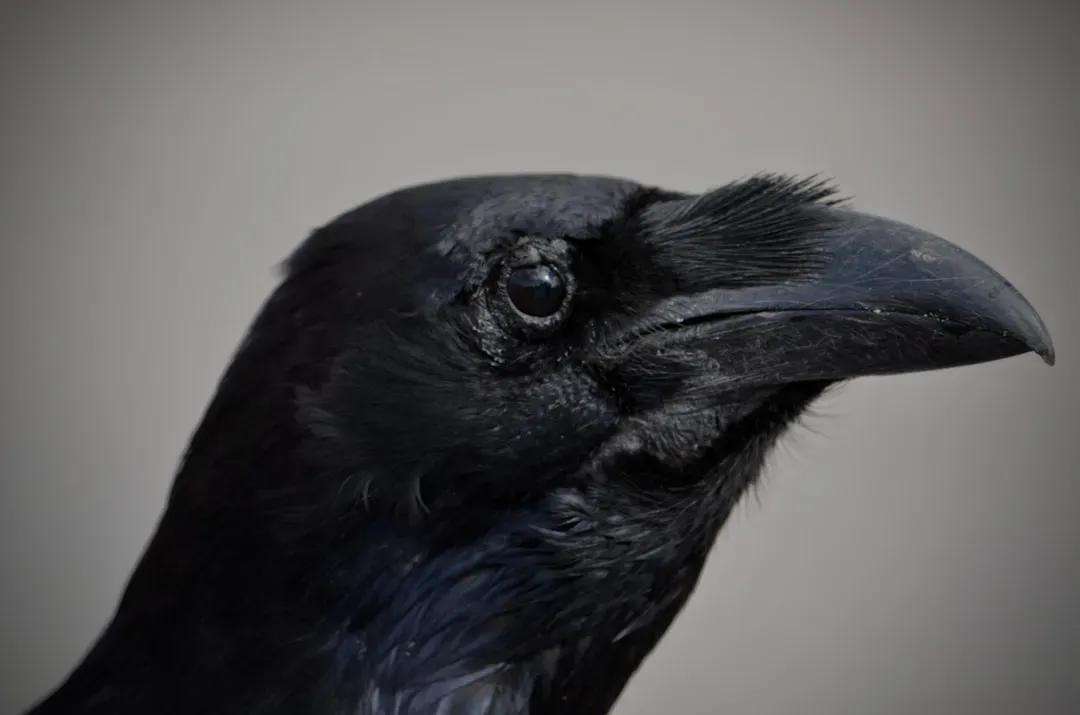
If you’ve ever wronged a crow, you might want to watch your back. American crows quickly and accurately learn to recognize the face of a dangerous person and continue to do so for at least 2.7 years. In the famous University of Washington mask experiments, researchers wore specific masks while trapping and banding wild crows, then observed how the birds reacted to those masks later.
While a control mask drew a muted response, the caveman mask used during trapping prompted rounds of angry squawking and flapping, not only from birds previously captured but also from crows that had witnessed the initial trapping. Even more remarkable, this knowledge spreads through crow communities. Birds that never experienced the threat themselves learned to recognize and respond to dangerous individuals simply by watching other crows.
Studies have shown that crows are able to hold grudges, remembering people who have wronged them for as long as 17 years in some cases. That’s longer than many humans remember their childhood friends. The crows aren’t just remembering faces either. Similar to humans, crows use sophisticated visual sensory systems to recognize faces and modulate behavioral responses by integrating visual information with expectation and emotion.
Brain Power That Challenges Evolution
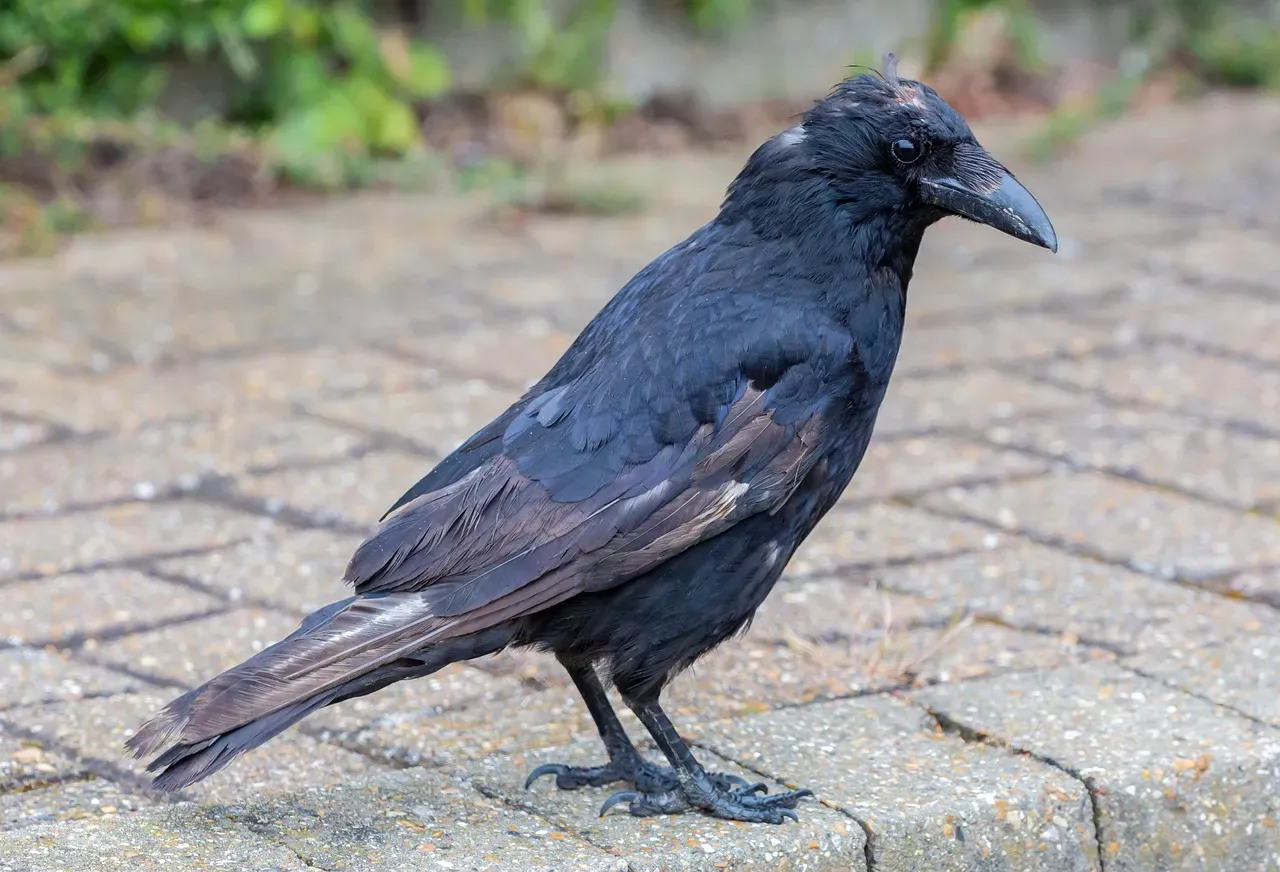
Because bird brains appear less developed than primate brains, scientists long believed birds were incapable of high-level functions, but research suggests that in the 320 million years since birds and primates split, each has developed different brain structures with similar cognitive capabilities. This is convergent evolution at its finest. Two completely different paths leading to remarkably similar destinations.
Crows use their renowned intelligence to learn to use a tool initially, but they switch to circuits associated with motor learning and memory as they grow more familiar with it, a shift comparable to changes in human brain activity after mastering a skill. When we first learn to drive or play an instrument, we’re thinking consciously about every move. Eventually, it becomes automatic. Crows do the exact same thing.
Relative to their body size, crow brains are some of the largest among birds, and they are able to use tools, understand analogies and plan multi-step solutions, abilities once thought to be uniquely human-like. Honestly, the more we learn about these birds, the more we have to reconsider what intelligence actually means.
Social Learning and Cultural Transmission
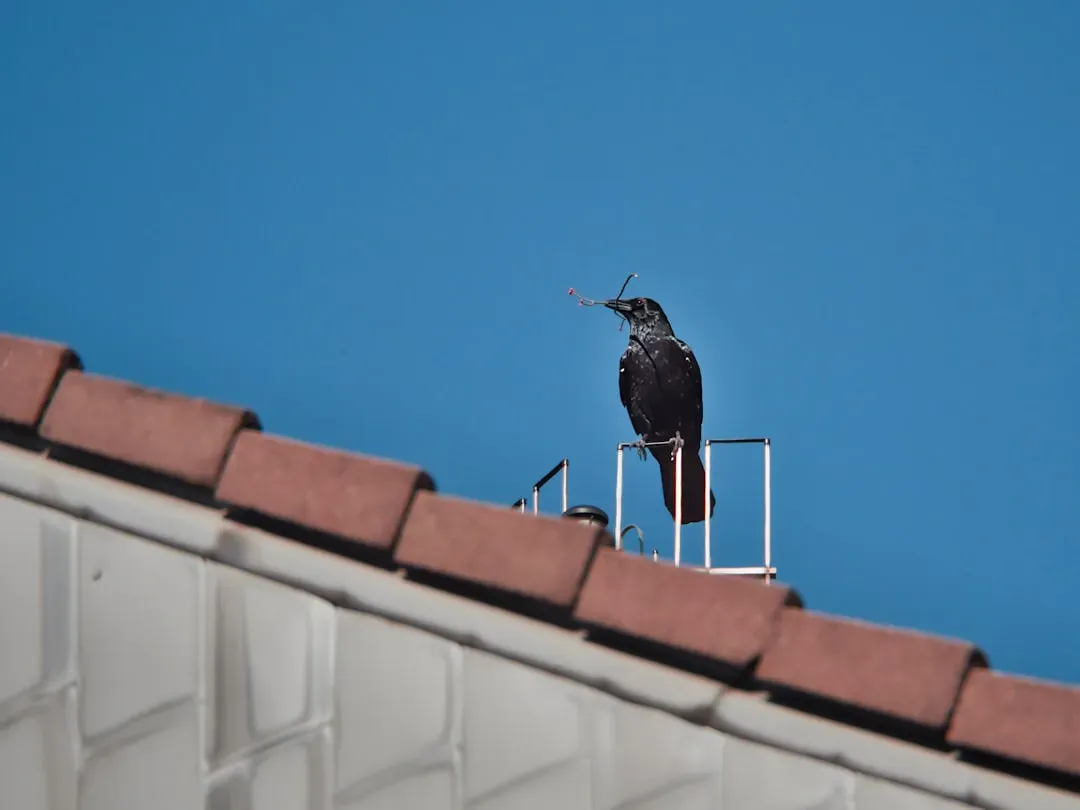
Horizontal and vertical transmissions of information about danger for months to years after the dangerous act was committed appeared to account for much of the scolding observed, while direct experience with danger accounted for less, albeit immediate, learning in the population. This is culture in action. Young crows learn from their parents which humans to trust and which to avoid, passing knowledge down through generations.
Urban crows thrive due to cognitive flexibility, as shown in an ongoing experimental project in India, which highlights their strategic foraging, memory and ability to learn and adapt in human-dominated environments. They’re not just surviving in our cities. They’re thriving, using their intelligence to exploit new opportunities and avoid new dangers.
In urban environments where crows often thrive, their problem-solving skills such as utilizing anthropogenic wastes as building materials for their nests, using poles for hiding food, exploiting human food, and social awareness may serve as indicators of how wildlife adapts cognitively to anthropogenic change. We often think of urbanization as a threat to wildlife, but crows have turned it into an opportunity, demonstrating an adaptability that puts many species to shame.
The Joy of Problem-Solving
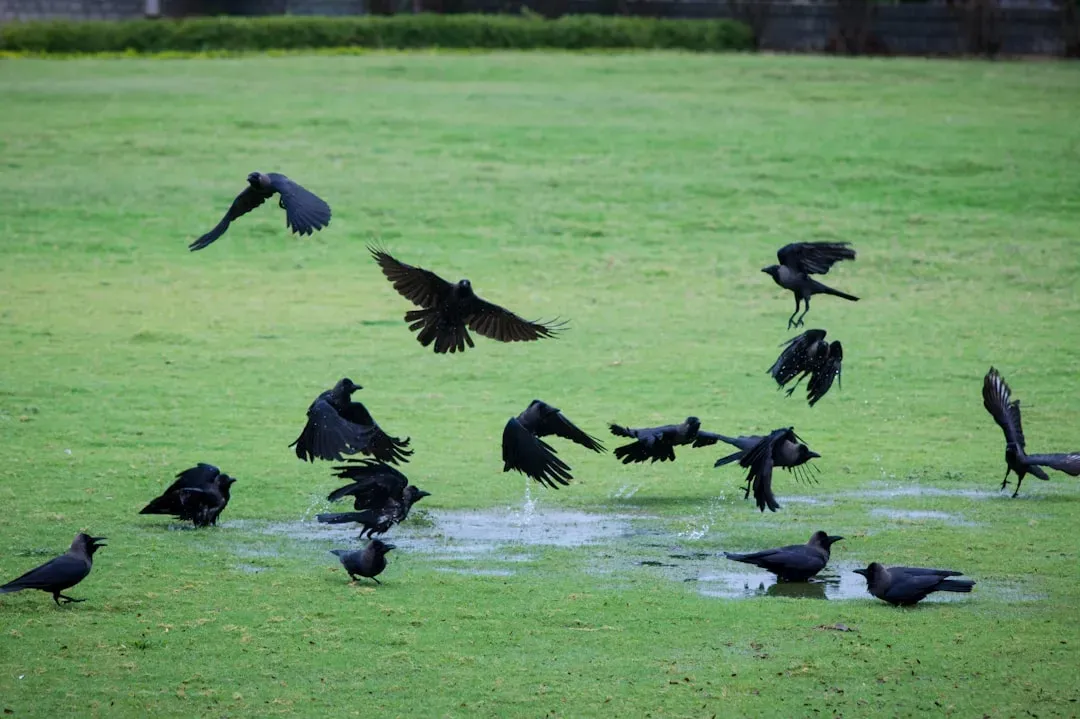
Here’s something that might surprise you. Crows behaved more optimistically after using tools, suggesting these birds might actually enjoy the challenge of problem-solving. Researchers discovered this by measuring how quickly crows approached an ambiguous reward after completing different tasks.
Clearly, crows don’t just like tool use because it’s difficult, as researchers controlled for difficulty and that wasn’t what was motivating their interest, there is something specific about tool use they’re enjoying. Maybe crows are just like humans in that sense. When we solve a difficult puzzle or master a new skill, there’s an intrinsic satisfaction that goes beyond the external reward.
The fact that tool use made crows feel good encouraged them to keep at it, refining and developing the behavior further, with crows perhaps being just like humans and other primates in that they’re reinforced not just by getting a prize but because they actually enjoy the process itself. This emotional component to learning might be one of the keys to understanding how complex behaviors evolve and spread through populations. It’s not just about survival. Sometimes, it’s about the thrill of figuring things out.
Conclusion
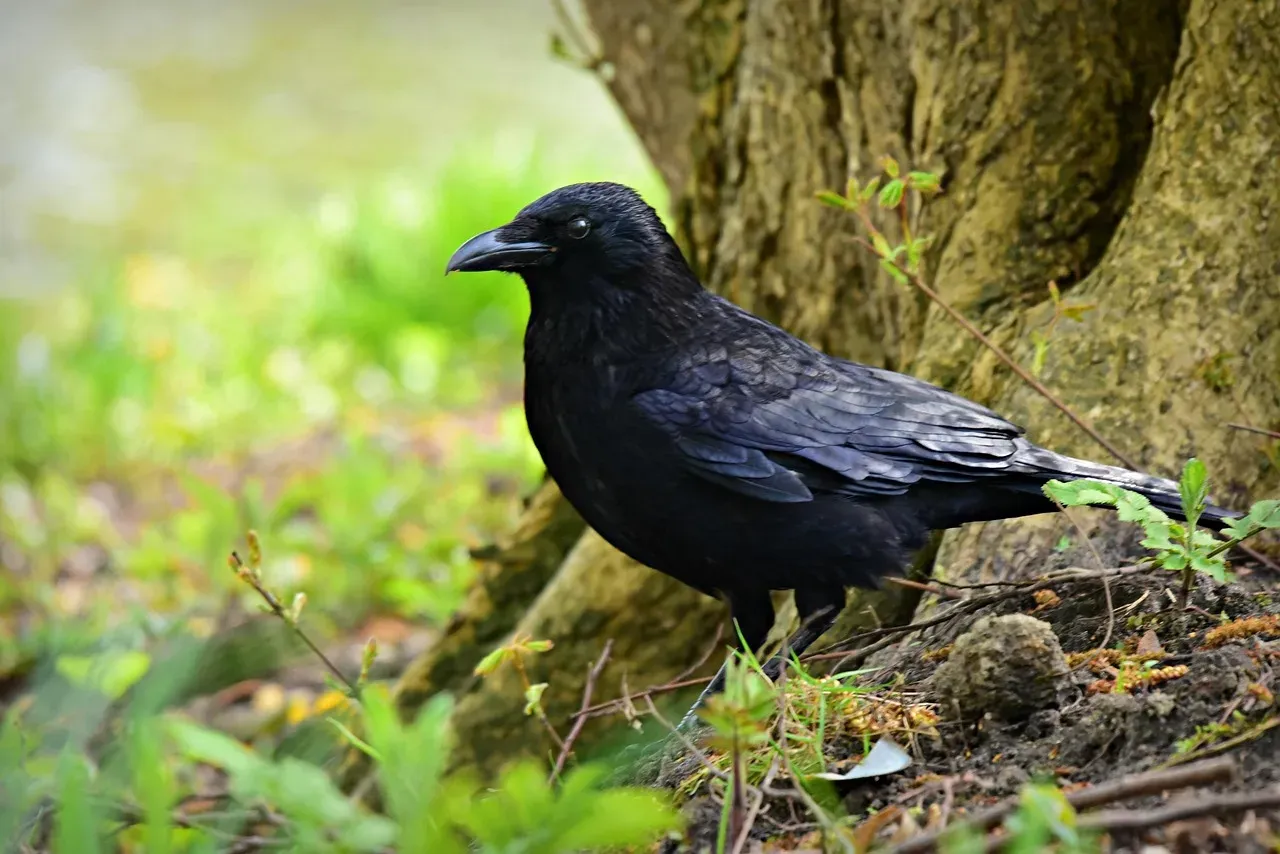
Crows have taught us that intelligence isn’t confined to large-brained mammals or species with hands. They’ve shown us that with the right motivation and cognitive flexibility, remarkable problem-solving abilities can emerge in unexpected forms. Their capacity for tool use, future planning, facial recognition, and social learning challenges our understanding of what minds can do and how they evolved.
Perhaps most importantly, crows remind us to look more carefully at the world around us. The next time you see a crow watching you from a tree branch or walking confidently through a parking lot, remember that you’re in the presence of one of nature’s most gifted problem solvers. What other lessons might they have to teach us if we pay closer attention?
Worried about unexpected vet bills?
Pet insurance can cover thousands in unexpected vet costs. Get a free quote from Lemonade in under 2 minutes.
Get My Free Quote →Sponsored · Opens Lemonade.com
