
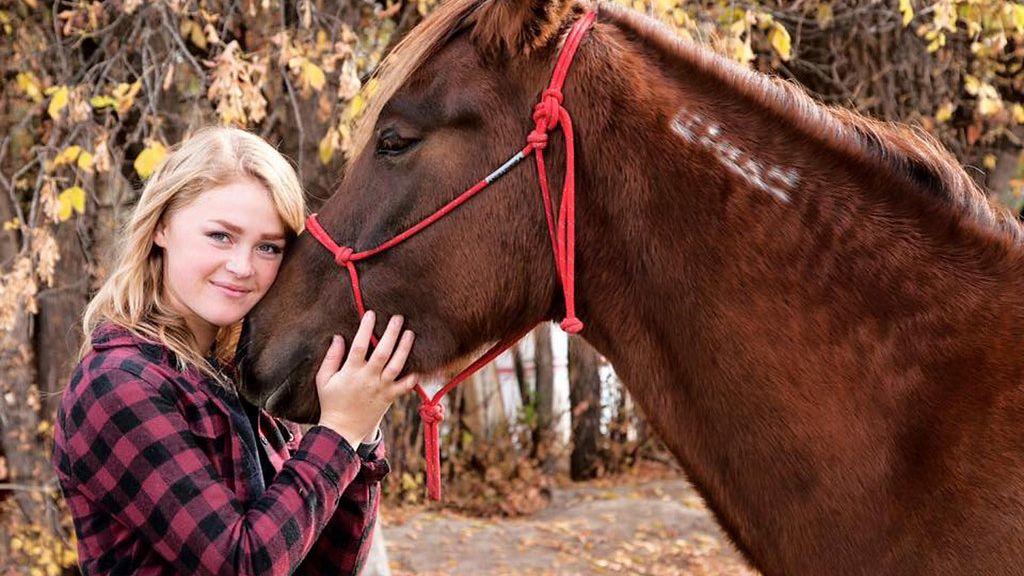
Worried about unexpected vet bills?
Pet insurance can cover thousands in unexpected vet costs. Get a free quote from Lemonade in under 2 minutes.
Get My Free Quote →Sponsored · Opens Lemonade.com
You can share a saddle with a horse, but that doesn’t mean you’ve truly connected. There’s a world of difference between simply riding an animal and building a relationship rooted in mutual respect and genuine understanding. Horses are incredibly perceptive creatures who can sense our intentions, read our emotions, and respond to the subtlest shifts in our energy. When you invest time in developing trust with your horse, you’re not just training an animal. You’re forging a partnership that transforms every interaction, from groundwork sessions to trail rides, into something deeper and more meaningful. So let’s dive into how you can build this kind of connection.
Understanding Your Horse’s Silent Language
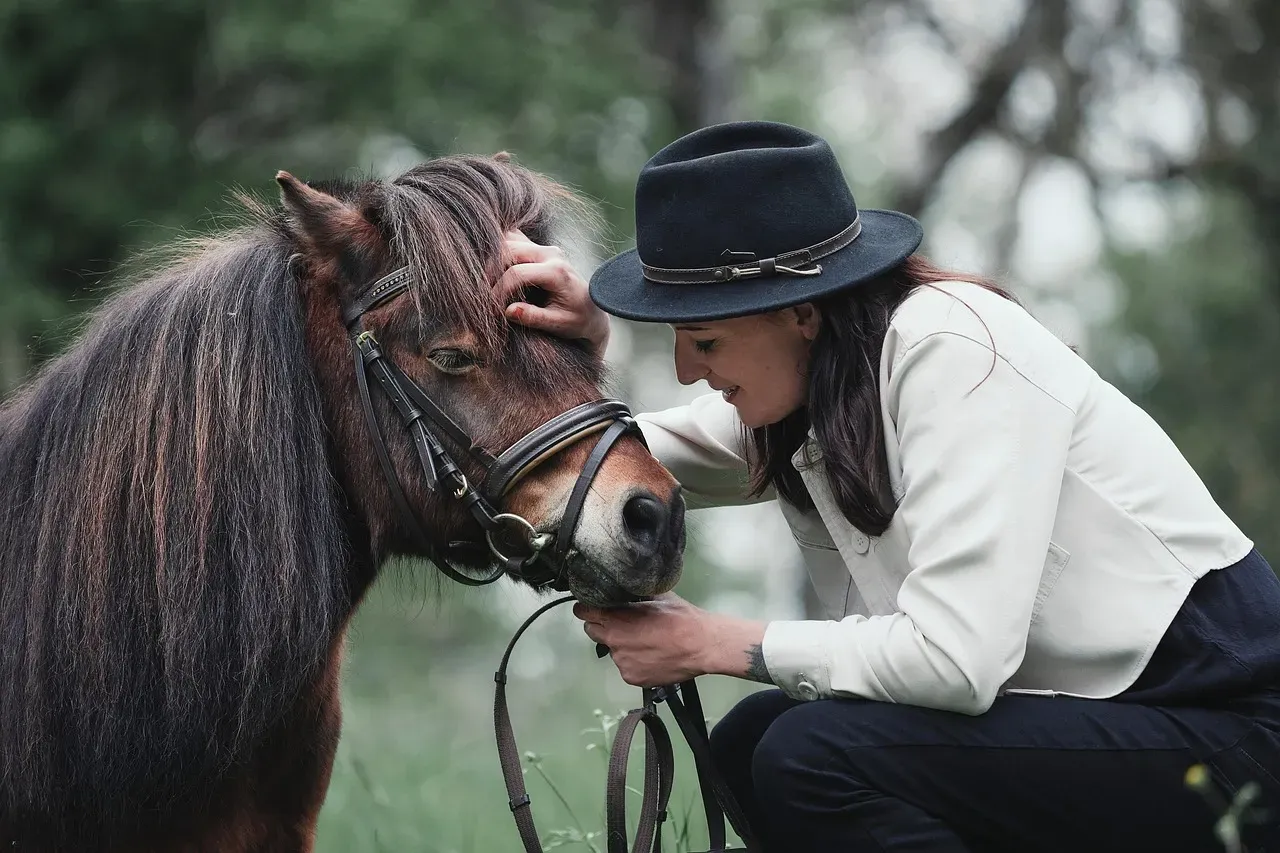
Clear and consistent communication cues create a language of understanding between humans and horses, with the importance of establishing trust through reliable and precise signals. Horses don’t rely on words like we do. Instead, they express their emotions and intentions through body language, sounds, and facial expressions, with observing these subtle cues greatly improving the rapport you build with your equine partner.
Handlers must be adept at recognizing subtle cues such as tense muscles, pinned ears, swishing tails, or avoidance behaviors. A horse with ears forward is curious and engaged, while pinned ears signal irritation or discomfort. Learning to read these signals allows you to respond appropriately before tension escalates. Honestly, once you start paying attention to these details, you’ll realize just how much your horse has been trying to tell you all along.
The Power of Quality Time Beyond the Saddle
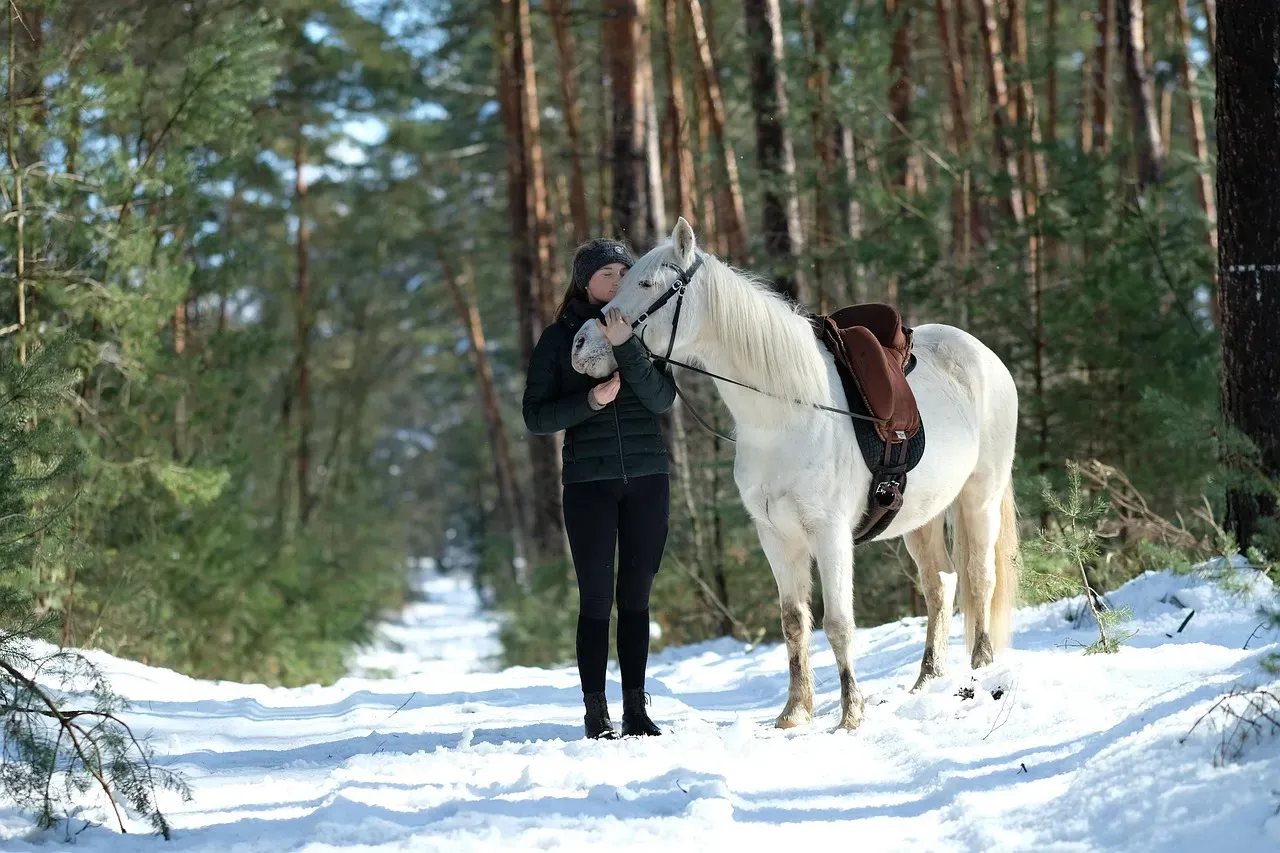
One of the most effective ways to build trust with your horse is by spending quality time together outside of training sessions, with grooming, hand grazing, or simply being present in the horse’s company helping build a sense of companionship and trust. These seemingly small moments matter more than you might think. When you show up without an agenda, without asking anything in return, your horse learns that your presence itself is safe and comfortable.
It builds mutual confidence and trust between horse and owner, and you will be more confident when facing new challenges, with you starting to understand your horse’s body language and being able to read what they are thinking, creating quality time together without pressure. I think this is where many riders miss out. They focus so intensely on training goals that they forget the relationship needs breathing room too. Take your horse for a walk. Just hang out in their stall. Let them investigate you without any pressure to perform.
Groundwork as the Foundation of Trust
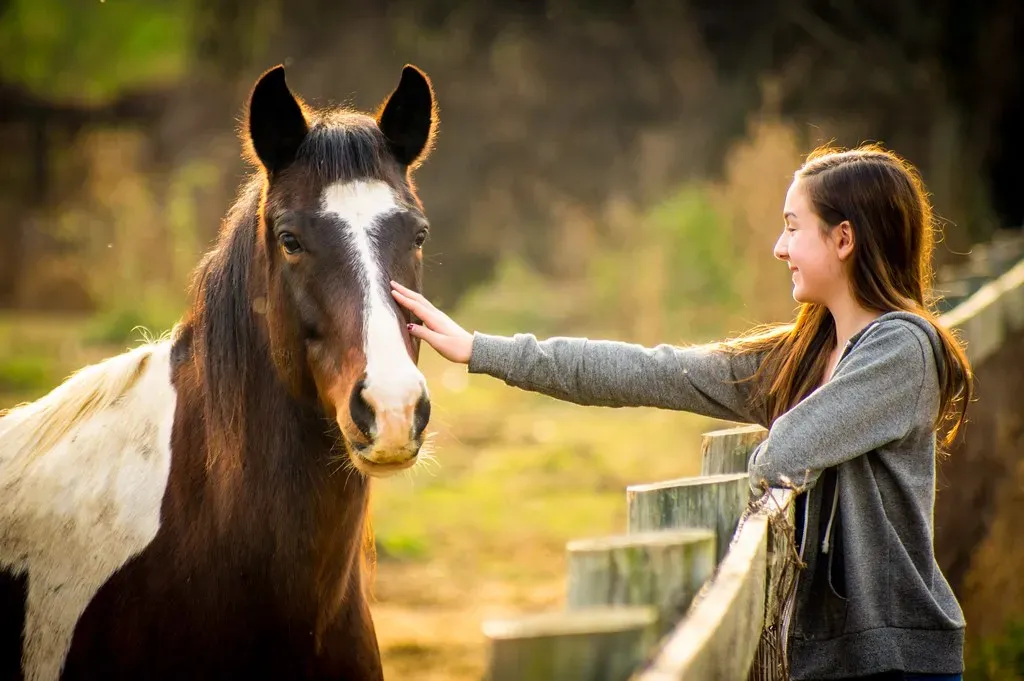
Groundwork enables you to continually make sure you and your horse are doing the same thing at the same time, with both thinking in the same direction and being ready for the work in that moment, which will carry over to your time in the saddle. Working with your horse from the ground isn’t just about teaching commands. It’s about establishing a dialogue where both of you learn to listen and respond.
One of the most important concepts to understand about groundwork is how to utilize pressure and release, because horses learn through this process, but it’s not the pressure that teaches them; it’s the moment that we remove the pressure that they actually learn. Always start with the lightest pressure possible, as your horse can feel a fly land on his side. Think about that for a moment. If they can detect something that delicate, imagine how much they’re picking up from your body language and energy. The key is responding the instant your horse tries, then releasing all pressure immediately.
Mastering Pressure and Release Techniques
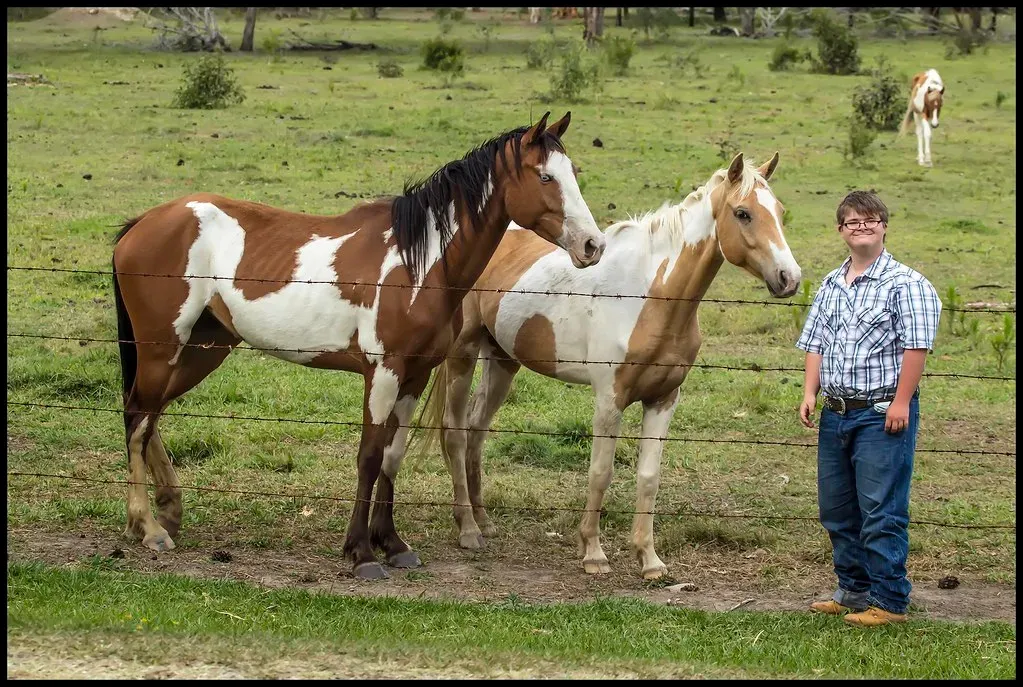
Proceeding slowly and purposefully while watching the horse closely all the while, presenting items and removing them the instant the horse shows concern, builds trust in a way that differs from traditional methods. Let’s be real, many traditional training approaches focus on pushing through a horse’s fear. However, there’s a gentler approach that actually strengthens your bond more effectively.
With repetition, your horse learns to trust that you’re going to stay under his threshold of anxiety, and knowing that, he relaxes and then gets curious about whatever you’re desensitizing him to, at which point it’s just a question of gradually increasing the length of time you keep the pressure on while he remains calm and interested. This method tells your horse that you see their concerns and respect them. It’s not about forcing compliance. It’s about building confidence through patience and understanding.
Consistency and Positive Reinforcement
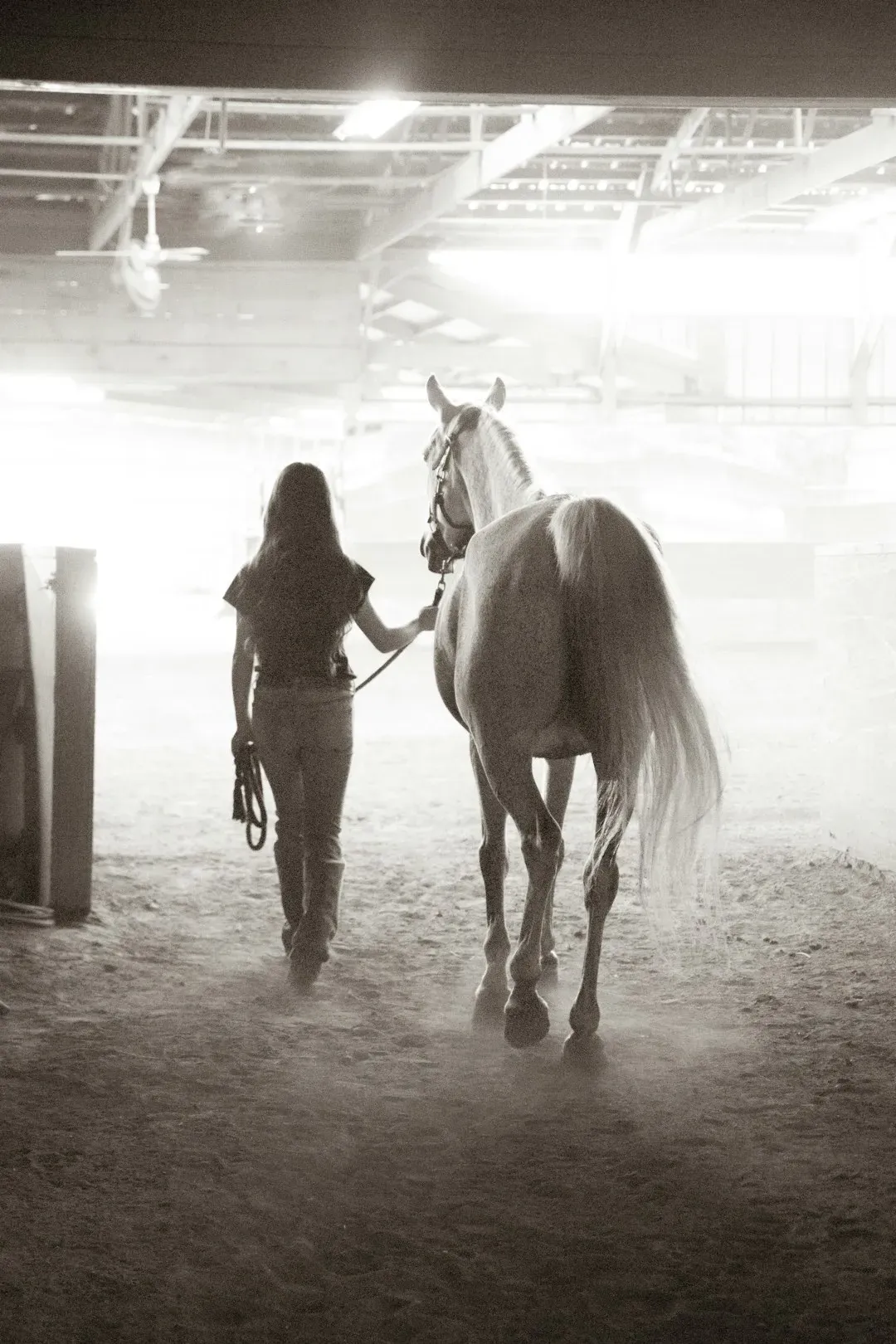
Consistency is the cornerstone of successful positive reinforcement training, with being clear and concise with your cues and always following through with rewards when your horse responds correctly, as consistency breeds trust and reliability. Your horse thrives on predictability. When they know what to expect from you, when they understand that certain behaviors always lead to positive outcomes, their confidence grows exponentially.
Being patient and consistent when developing communication skills is essential, as horses learn through repetition and consistency, and it may take time for your horse to understand and respond to your cues, with remaining calm and consistent helping your horse build confidence and trust in your leadership. Rewards don’t always need to be treats. Sometimes a release of pressure, a soft word, or a gentle rub on the neck communicates more than food ever could. What matters most is timing. Reward the instant your horse offers the behavior you want, not five seconds later when the moment has passed.
Creating Challenges That Build Confidence
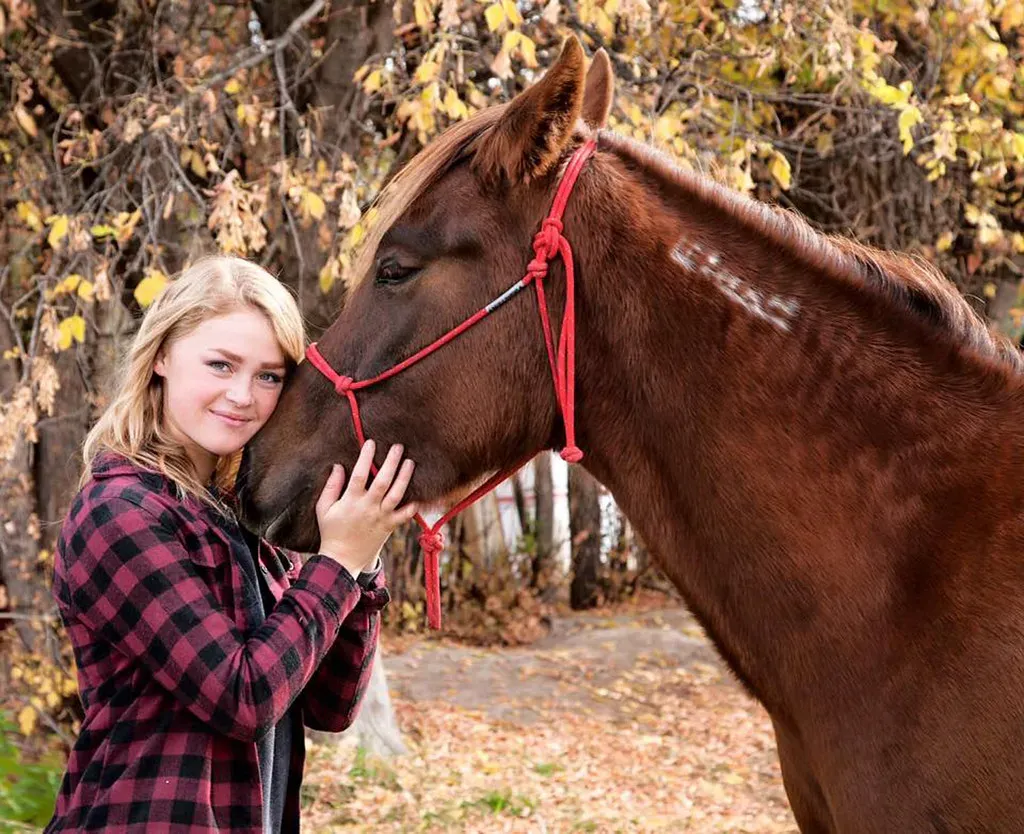
If your horse responds well with something challenging, then you can trust him or her, with the word challenging being the key, because if you only ask for simple things on sunny days, you’ll build a false sense of trust, and this is where people get hurt. Here’s the thing: real trust develops when you work through difficulties together, not when you avoid them.
Trust in a horse develops because you’ve spent more time with him, asking him to perform tasks in challenging environments and staying until it all worked out. The goal is not just to walk over obstacles like a tarp, but to help your horse feel safe doing something that felt scary at first, which is where real trust starts to grow. Introduce new objects, different terrain, unexpected sounds. Stay calm, offer support, and celebrate every small victory. Your horse needs to know that when things get difficult, you’ll be the steady presence they can count on.
Trust between you and your horse doesn’t appear overnight. It’s built through countless small interactions, through your willingness to listen, your patience when progress feels slow, and your commitment to seeing the world through their eyes. Groundwork is so important because it forms a bond of trust that is the result of both horses and humans remaining emotionally balanced and focused on the present moment. When you prioritize this connection over quick results, something magical happens. Your horse stops being just a riding partner and becomes a true companion who trusts you completely. So what’s one small change you could make today to deepen your bond with your horse?
Worried about unexpected vet bills?
Pet insurance can cover thousands in unexpected vet costs. Get a free quote from Lemonade in under 2 minutes.
Get My Free Quote →Sponsored · Opens Lemonade.com
