

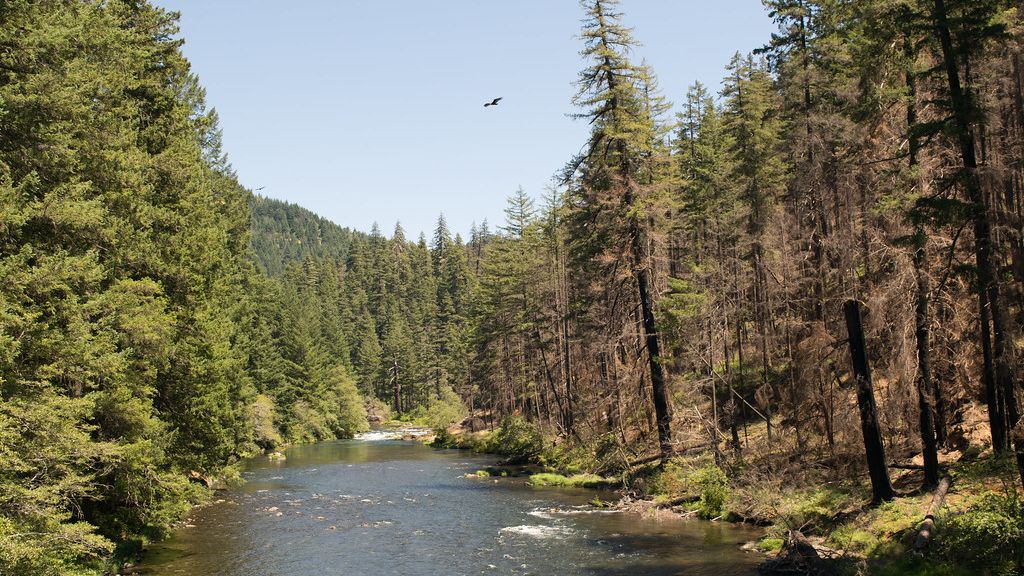
Worried about unexpected vet bills?
Pet insurance can cover thousands in unexpected vet costs. Get a free quote from Lemonade in under 2 minutes.
Get My Free Quote →Sponsored · Opens Lemonade.com
Walk into a forest that was logged bare a few decades ago and you might feel something quietly astonishing: the soft hush of new trees, the flash of a bird that “shouldn’t” be there, the sense that the land is exhaling after a long, hard century. Across the United States, once-battered landscapes are beginning to recover in ways that would have sounded wildly optimistic to earlier generations. It’s not a fairy-tale rebound and it’s definitely not happening everywhere, but in many places, nature is proving far more resilient than we gave it credit for.
From wolves howling again in the Rockies to beavers rewiring entire watersheds, America’s wild lands are telling a complicated, hopeful story. Some species are rebounding under the shelter of smart policy and tireless local work; others are still on the edge. Think of it like an injured athlete starting to run again: the progress is real, but one bad fall could change everything. Let’s walk through some of the most striking ways the land is healing – and the hard truths that keep this from being a simple “happy ending” story.
Forest Comebacks: From Cut-Over Hills to Growing Green
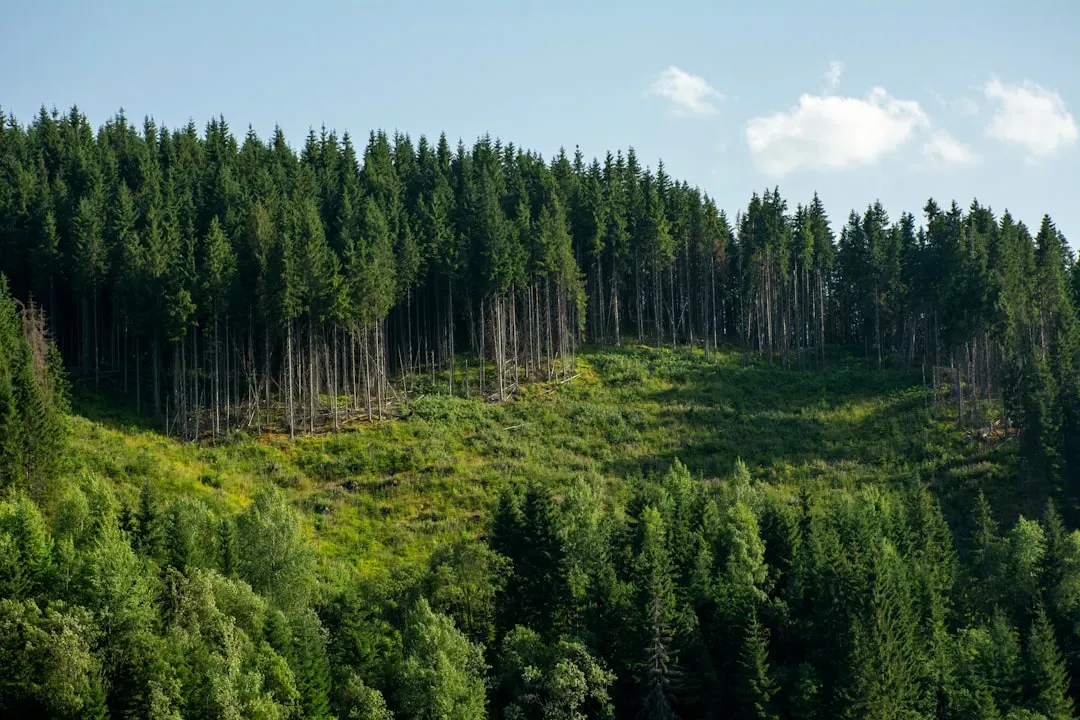
It shocks a lot of people to learn that, compared to the early twentieth century, there’s now more forest in the eastern United States, not less. As farming retreated from rocky hills and marginal lands, especially in New England and the Mid-Atlantic, trees quietly took back abandoned fields. Walk through parts of Pennsylvania or Vermont today and you’re strolling over former pastures, now shaded by oak, maple, and pine that were barely saplings when your grandparents were kids.
This regrowth isn’t perfect wilderness – much of it is second- or third-growth, often interrupted by roads, houses, and power lines – but it still matters enormously. Regrowing forests store carbon, filter water, cool local temperatures, and give wildlife breathing room to move and adapt. You can see wild turkey flocks in places where they almost vanished, or bobcats slipping along new treelines that didn’t even exist a generation ago. The catch is that development and climate stress can still unravel these gains, so the story of healing forests is powerful but fragile.
Rivers Running Freer: Dams Down, Life Back Upstream
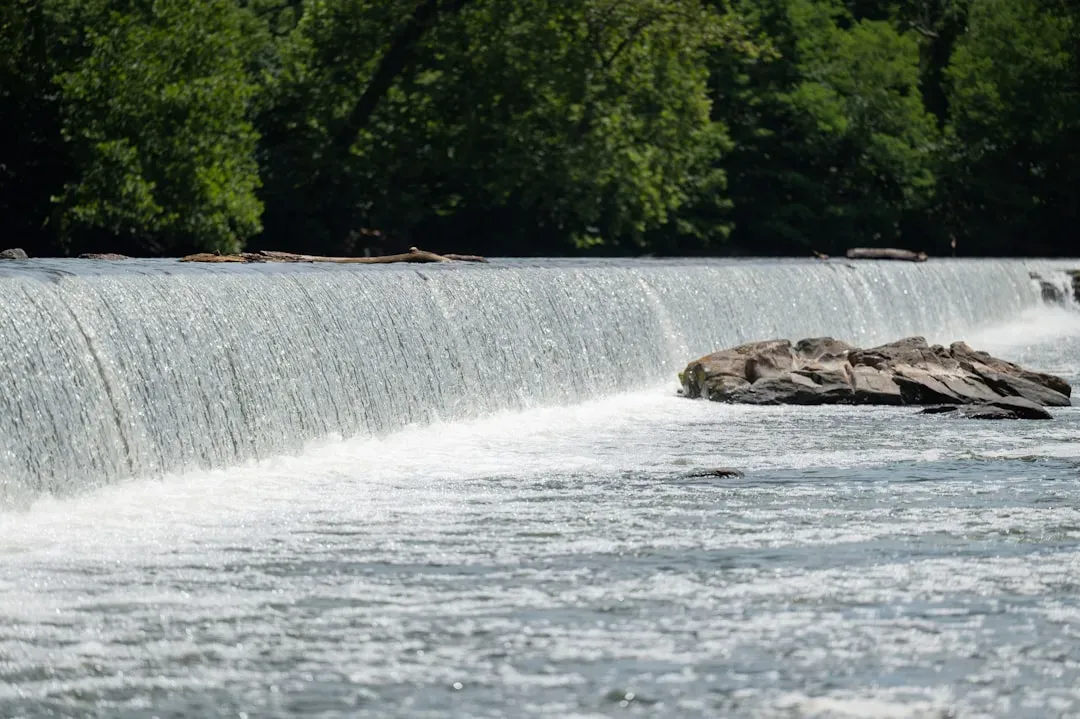
For more than a century, American rivers were chopped into pieces by countless dams, big and small, built for power, flood control, or old millworks. In the last few decades, though, an increasingly visible movement has focused on taking down outdated or unsafe dams, from New England brooks to Western rivers. Every time an old concrete wall comes out, something quietly spectacular often follows: water levels shift, sediment moves, and long-blocked fish races open like an interstate unjammed after a traffic accident.
Salmon, alewives, shad, and other migratory fish have started to push farther upstream in several rivers where dams have been removed, allowing them to reach old spawning grounds for the first time in many decades. That matters not only for the fish themselves but for everything that eats them, from eagles to bears to coastal communities that rely on healthy fisheries. This isn’t happening everywhere and plenty of big, controversial dams persist, but the idea that rivers can and should be restored is no longer fringe – it’s mainstream, and the water is visibly changing because of it.
Predator Returns: Wolves, Cougars, and the Quiet Balance
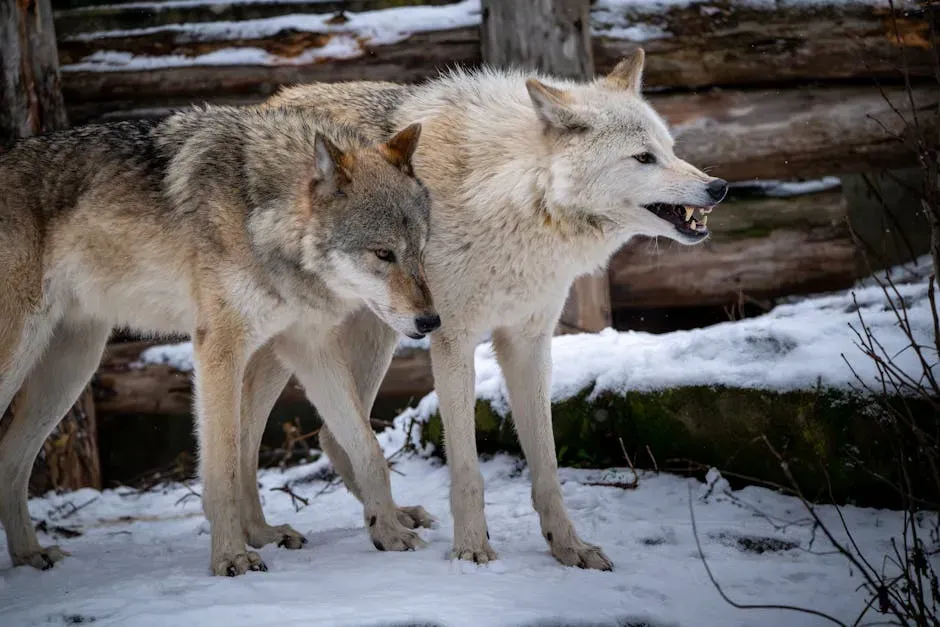
The idea of large predators coming back used to fill people with dread; now it mostly sparks debate and, in some places, quiet pride. Gray wolves, once erased from most of the lower forty-eight states, have recolonized parts of the Northern Rockies and upper Midwest, helped by legal protections, targeted reintroductions, and sheer persistence. In the West, cougars have been slowly reclaiming territory along mountain ranges and wild corridors that cross surprisingly close to suburbs and cities.
When these predators return, they don’t just add drama to the landscape; they shift the entire food web. Elk and deer move differently when wolves are around, which can give riverbanks and young trees a chance to recover. Scavengers benefit from leftover carcasses, and a more natural rhythm returns to forests and meadows that had tilted heavily in favor of herbivores. At the same time, ranchers and rural communities shoulder real costs and fears, from livestock losses to worries about safety, which means any celebration of predator comebacks has to be paired with honest, on-the-ground solutions and compensation programs.
Wetlands Reborn: Nature’s Sponges Making a Comeback
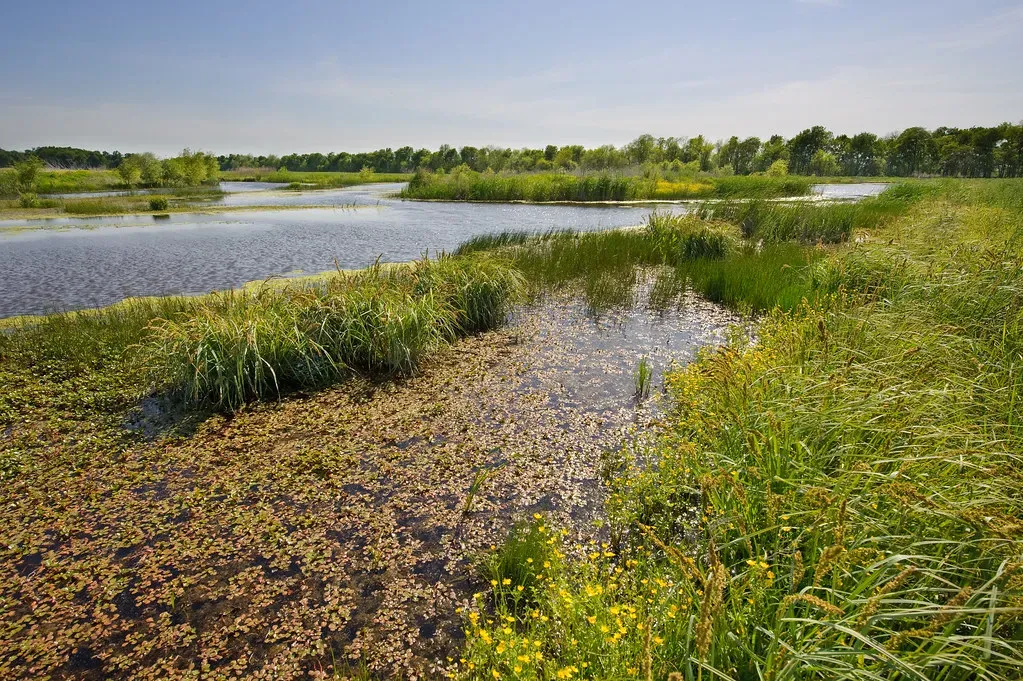
For a long time, wetlands were treated like a mistake on the landscape – something to drain, fill, and build over. The United States lost a huge share of its original wetlands through the twentieth century, especially in agricultural regions and coastal zones. But in recent decades, there’s been a slow flip in thinking: wetlands are now recognized as natural sponges that soak up floodwater, filter pollution, store carbon, and provide irreplaceable habitat for birds, amphibians, and fish.
That shift in mindset has led to a wave of restoration projects, from re-flooding drained marshes to removing levees in select areas so rivers can reconnect with their floodplains. In places like parts of the Gulf Coast, the Great Lakes region, and some Atlantic estuaries, you can already see more ducks and wading birds, more frogs calling at dusk, and clearer water where plants have stabilized the shoreline. The tension, of course, is that many of the same places best suited for wetlands are also coveted for housing, farming, or industry, so every acre saved or restored feels like both a victory and a reminder of how much was lost.
Grasslands and Prairies: Quiet Recoveries on the Open Range
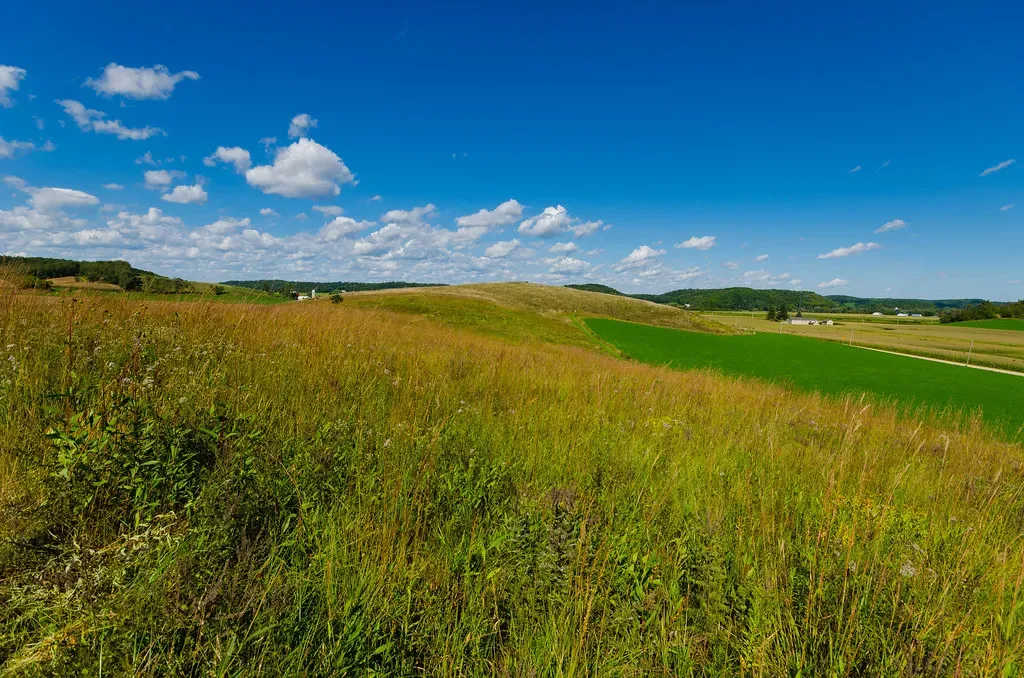
If forests are the dramatic comeback story, grasslands are the quieter sibling still struggling for attention. North America’s prairies once rolled across the heart of the continent, but plows, fences, and development carved them down to fragments. In recent years, conservationists, ranchers, and tribes have been working to restore patches of native grassland, sometimes by changing grazing practices, sometimes by actively replanting native species, and sometimes by simply letting the land rest.
Healthy grasslands support an incredible mix of life, from grassland birds and pollinators to bison and pronghorn where they still roam. They also store a surprising amount of carbon belowground in their root systems, which means that letting a pasture grow a bit wilder can quietly help with climate resilience. Still, the pressures are intense: row-crop farming, energy development, and exurban sprawl can chew up habitat faster than it recovers. The healing we see on some ranches and reserves proves what’s possible, but scaling it up is the real test of whether America’s open landscapes can truly bounce back.
Big Mammal Rebounds: Bison, Bears, and the Power of Protection
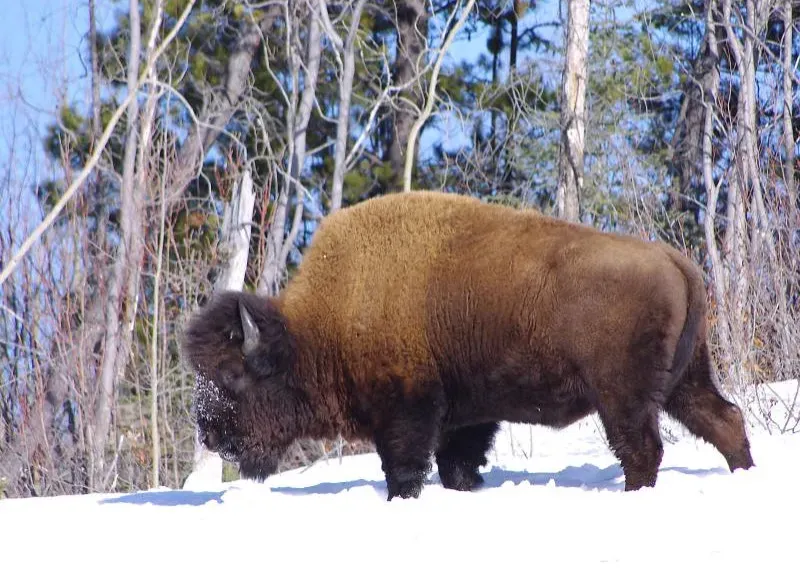
Imagine explaining to someone in the late eighteen hundreds that wild bison would still roam the American West in the twenty-first century. At one point, that felt nearly impossible; the species had been driven to the brink of extinction. Thanks to a mix of tribal leadership, conservation work, and a few forward-looking ranchers and public agencies, bison now exist in multiple protected herds and on tribal and private lands, serving as both a cultural symbol and a practical force for restoring grassland health.
Other big mammals tell a similar cautious success story. Black bears have expanded their ranges in parts of the East and South, and grizzly bears have held on in several core Western ecosystems despite ongoing conflict and controversy. These recoveries did not happen by accident; they are the direct result of legal protection, habitat conservation, and decades of often-contentious work. At the same time, more bears and bison mean more overlaps with roads, farms, and towns, making coexistence not a slogan but a daily negotiation between people and wildlife.
Tribal Stewardship: Old Knowledge Guiding New Healing
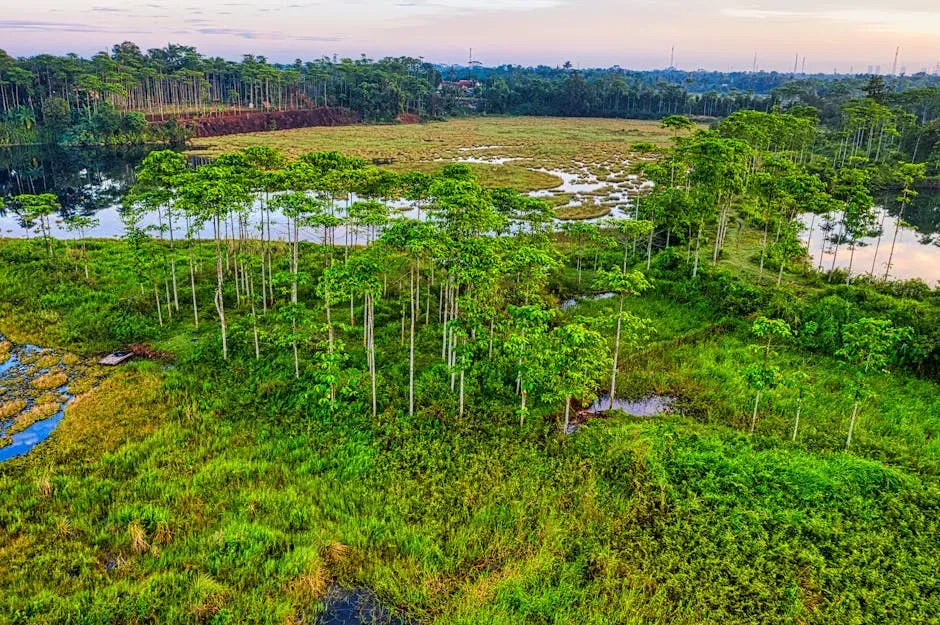
One of the most hopeful shifts in America’s wild lands story is the growing recognition of Indigenous leadership and knowledge. Tribal nations have managed and cared for these landscapes for thousands of years, using practices like cultural burning, seasonal migrations, and careful harvesting that kept ecosystems vibrant and resilient. In many places, those same communities are now at the forefront of restoration, from bringing fire back to overgrown forests to reintroducing bison on tribal lands.
Co-management arrangements between tribes and federal or state agencies are slowly becoming more common, especially for national parks, wildlife refuges, and culturally important species. This isn’t just a gesture; it often leads to more nuanced, place-specific management that understands the land as a living partner rather than a resource to be extracted. You can see the results in healthier forests after better-planned burns, or in revived fisheries where Indigenous perspectives on timing and harvest are taken seriously. It’s not a solved story – historic injustices and land dispossession are very real – but it is a deeply meaningful part of how America’s wild lands are beginning to heal.
Fire Used Wisely: From Disaster to Regeneration
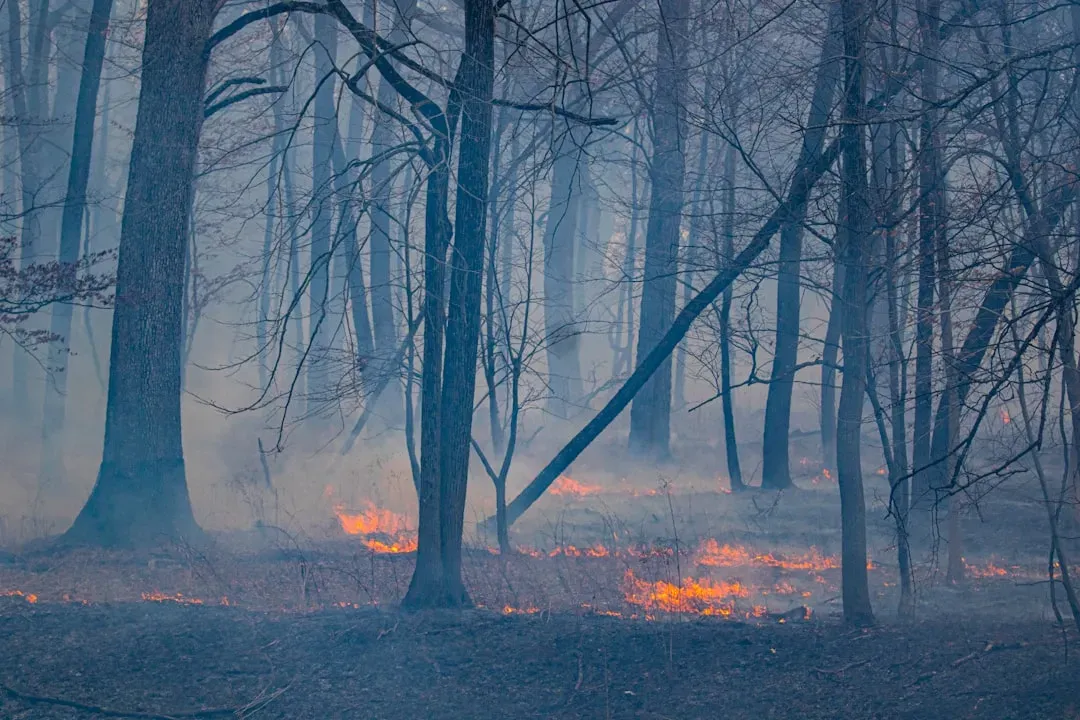
Wildfire in the American West has become a terrifying topic, especially with hotter, drier conditions feeding megafires that devastate communities. But fire itself is not the enemy; the way we used it – and then tried to banish it – created many of the conditions we’re now struggling with. For decades, aggressive fire suppression allowed fuel to pile up in forests that had once burned regularly at lower intensities, setting the stage for the monster fires we see today.
In recent years, more agencies and local communities have started to lean into prescribed burns and cultural burning led by tribes as a way to reduce fuels and restore more natural fire cycles. When done carefully, these managed fires open up choked forests, recycle nutrients, and create mosaics of habitat that many species depend on. You can already see healthier, more diverse forests in areas that have been burned thoughtfully versus those that have just been left to accumulate fuel. The challenge is scaling this kind of work safely while climate change keeps making fire seasons longer and more volatile.
Urban Wild Spaces: Nature Sneaking Back into the City
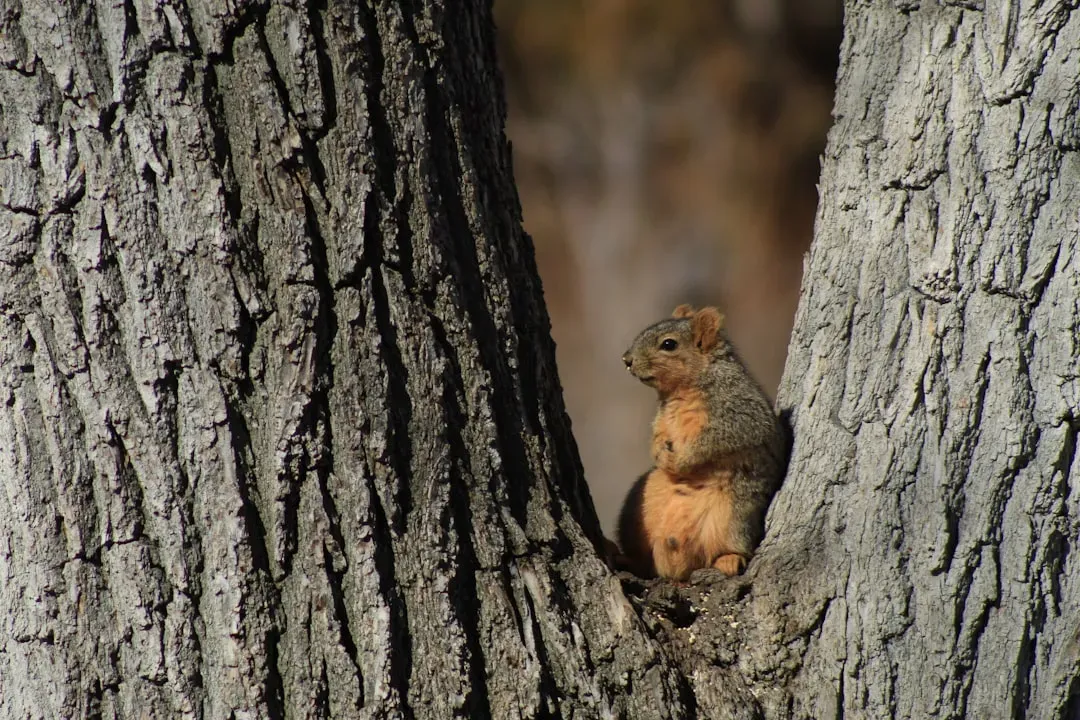
Healing wild lands aren’t only found in remote mountains or vast deserts; they’re also showing up in old rail lines turned greenways, reclaimed industrial sites, and surprisingly wild corners of city parks. Many American cities have been restoring riverbanks, daylighting buried streams, or converting vacant lots into native plant gardens and mini-forests. These spaces might be small on a map, but for migratory birds, pollinators, and urban wildlife, they can act like stepping stones through a concrete maze.
For people, especially kids who may rarely leave the city, these pockets of wildness are often their first direct experience with nature that feels unscripted and alive. A heron standing in a restored wetland next to a highway, or a fox trotting along a rail trail at dawn, can change how someone sees their own neighborhood. While urban nature won’t replace large protected landscapes, it can help knit together fragmented habitats and build the political and emotional support needed to protect wilder places farther away. In a way, these city wilds remind us that healing is not only something happening “out there” but also right outside our front doors.
Climate Resilience: Wild Lands as a Living Safety Net
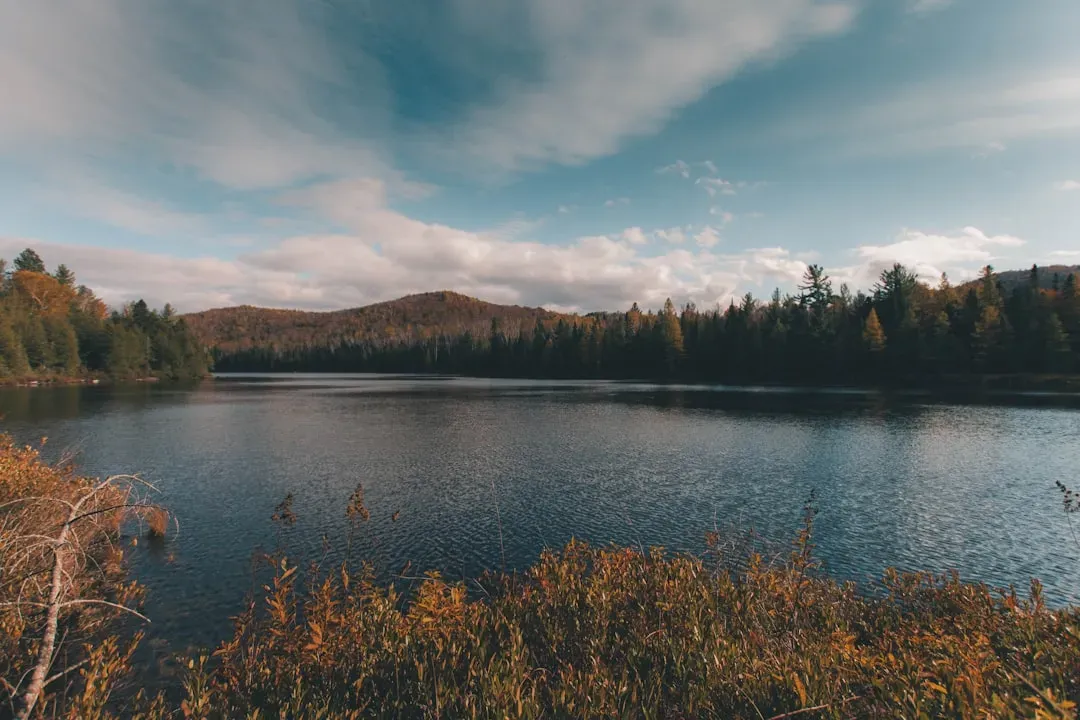
As climate change reshapes weather patterns, melts mountain snowpack, and pushes species out of their comfort zones, America’s wild lands are becoming something like a living safety net. Intact forests, wetlands, and grasslands can buffer floods, cool heatwaves, and give plants and animals room to move as conditions shift. Corridors that connect protected areas – ridges, river valleys, and even restored roadside strips – make it easier for species to migrate northward or upslope instead of just disappearing.
At the same time, climate stress is testing the very systems we’re counting on, from drought-hit forests susceptible to pests and fire to coral reefs and coastal marshes squeezed between rising seas and development. The fact that many wild landscapes are healing in spite of these pressures is both inspiring and a little humbling. It suggests that when we remove some of the heaviest burdens – overharvest, pollution, outright destruction – nature can still do a lot of the repair work on its own. The open question is whether we’ll give it enough time and space to keep doing that as the climate dial keeps turning.
Conclusion: A Wounded, Resilient Country of Wild Places
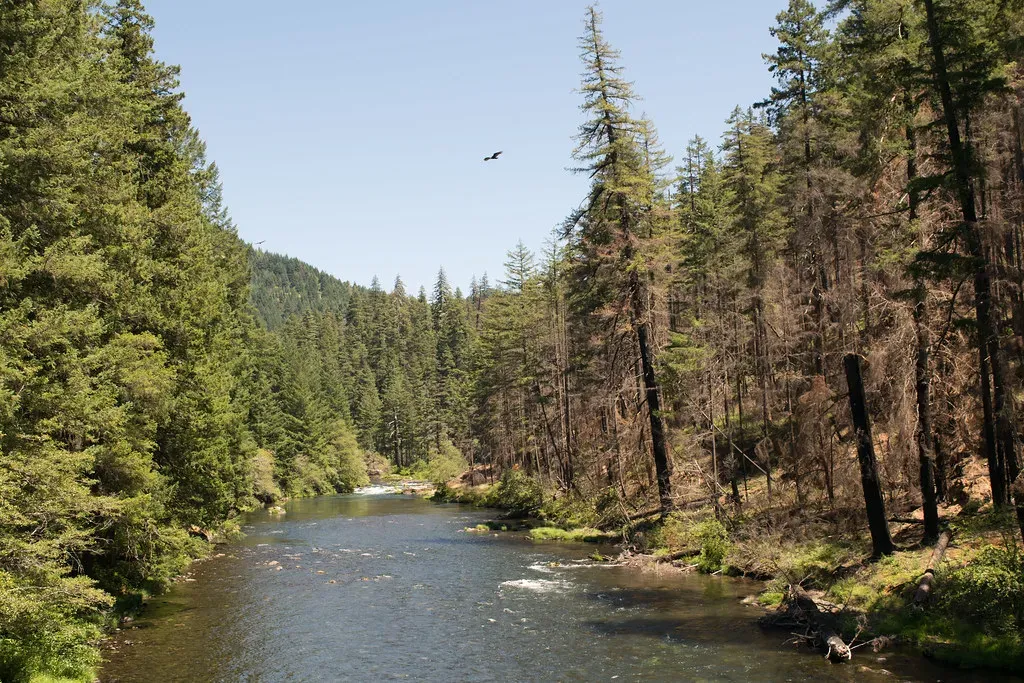
America’s wild lands today are a paradox: wounded and fragmented in many places, yet stubbornly resilient and, in some pockets, undeniably on the mend. Forests regrow on old farms, rivers breathe easier without obsolete dams, predators reclaim ancient ranges, and urban neighborhoods quietly sprout their own modest wilderness. None of this erases the damage already done or the communities that still bear the heaviest burdens from pollution, extraction, or climate-driven disasters, but it does prove that decline is not the only direction available.
For me, the most moving part of this story is how many people, often far from any spotlight, choose to help: a rancher changing grazing practices, a tribal crew lighting a careful burn, a city volunteer planting native trees along a trash-strewn creek. Nature’s comeback is not magic, and it’s not guaranteed; it’s a relationship we renegotiate every day with our laws, our land use, and our habits. The land is showing us that, given a chance, it wants to heal – sometimes faster than we dare to hope. The real question is whether we’re willing to keep making room for that recovery, or will we look back one day and wish we had listened more closely to what the wild places were trying to tell us?
Worried about unexpected vet bills?
Pet insurance can cover thousands in unexpected vet costs. Get a free quote from Lemonade in under 2 minutes.
Get My Free Quote →Sponsored · Opens Lemonade.com
