

Worried about unexpected vet bills?
Pet insurance can cover thousands in unexpected vet costs. Get a free quote from Lemonade in under 2 minutes.
Get My Free Quote →Sponsored · Opens Lemonade.com
Picture this: you’re enjoying a peaceful hike when suddenly the air fills with an ominous buzzing sound. Your blood runs cold as hundreds of angry bees surge toward you like a dark, pulsating cloud. Would you know what to do? Most people don’t, which is why you probably don’t know much about escaping bees. There’s a world of misinformation out there, and the wrong move could cost you your life.
Recent tragic incidents remind us that these encounters aren’t just movie scenarios. They’re real threats that require real knowledge to survive. So let’s dive into what entomologists actually recommend when facing nature’s most aggressive defenders.
The Terrifying Reality of Killer Bee Encounters
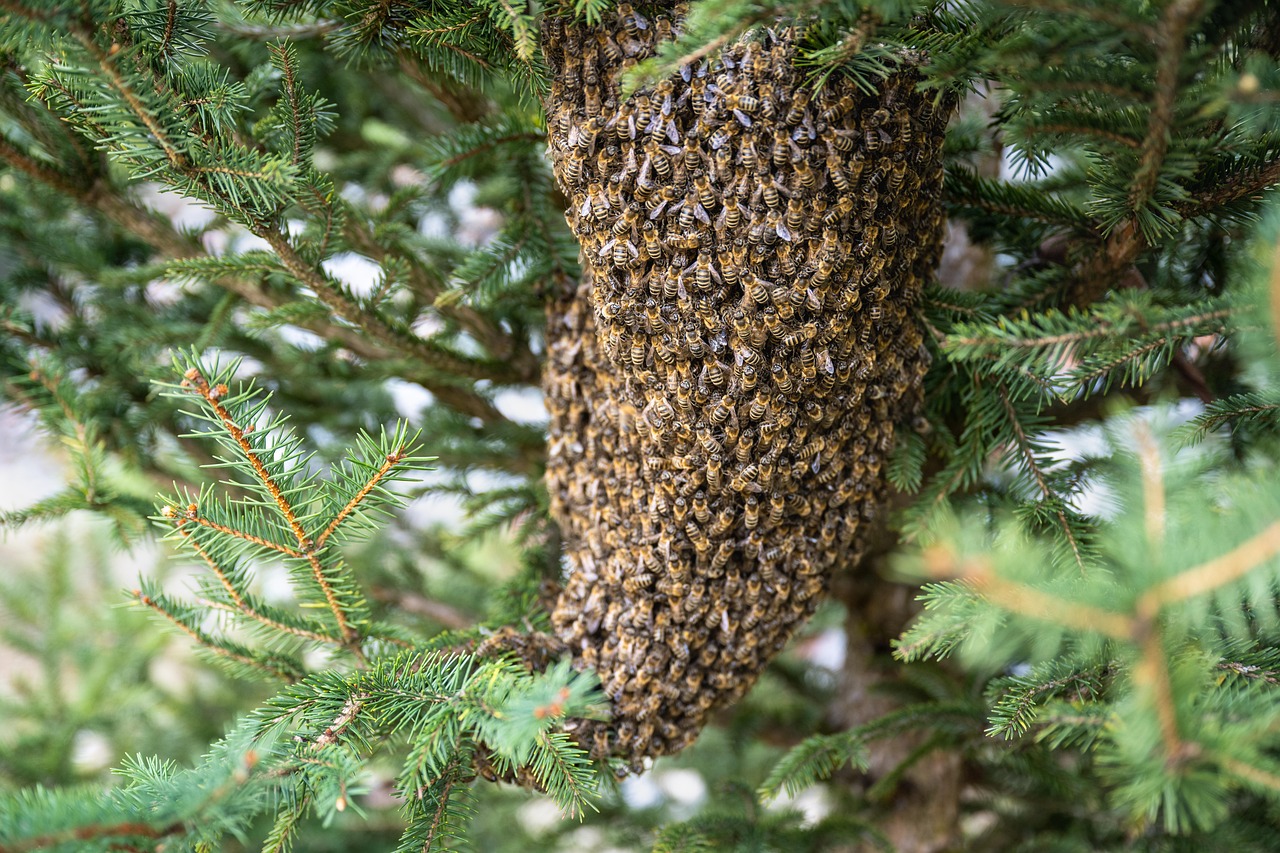
Since they broke out of quarantine in Brazil in 1957, Africanized bees have taken more than 1,000 human lives in the Americas, up to 8 of them in the United States. Currently the death toll from Africanized honey bees is around 1000 people – roughly 16 a year. Fortunately, as years go by, this number seems to be dropping a bit. While that might sound manageable, consider this: this ranks the killer bee higher than shark deaths per year, which is only about 4 a year.
They are relentless, sometimes chasing their quarry for up to a quarter mile. This combination of swarming numbers and tenacious pursuit often results in a lethal outcome for unlucky trespassers, long before the bees give up. The intensity of these attacks is beyond what most people can imagine.
Why Traditional Escape Methods Will Get You Killed
Your instincts will betray you in the worst possible way. “When you see a bee buzzing near your head, I know it’s very satisfying to flap your arms,” said Schmidt. He added, “It just feels so good to swat at it – don’t do it! It’ll make everything worse.” This natural reaction transforms a manageable situation into a deadly one.
Never jump into a body of water to escape bees. They will wait for you to surface. Schmidt points to a case in which a swarm of bees hovered for hours over a man in a lake, stinging him whenever he came up for air. The man only survived because the bees returned to their hive after sunset. Water becomes a death trap, not salvation.
Even holding your breath won’t help much once you’re swarmed. “If you take that away, you are making them blind, so to speak,” he said. “It’s almost like you are invisible to them.” Yet this only works briefly with just a few bees hovering nearby.
The Critical Warning Sign Most People Miss
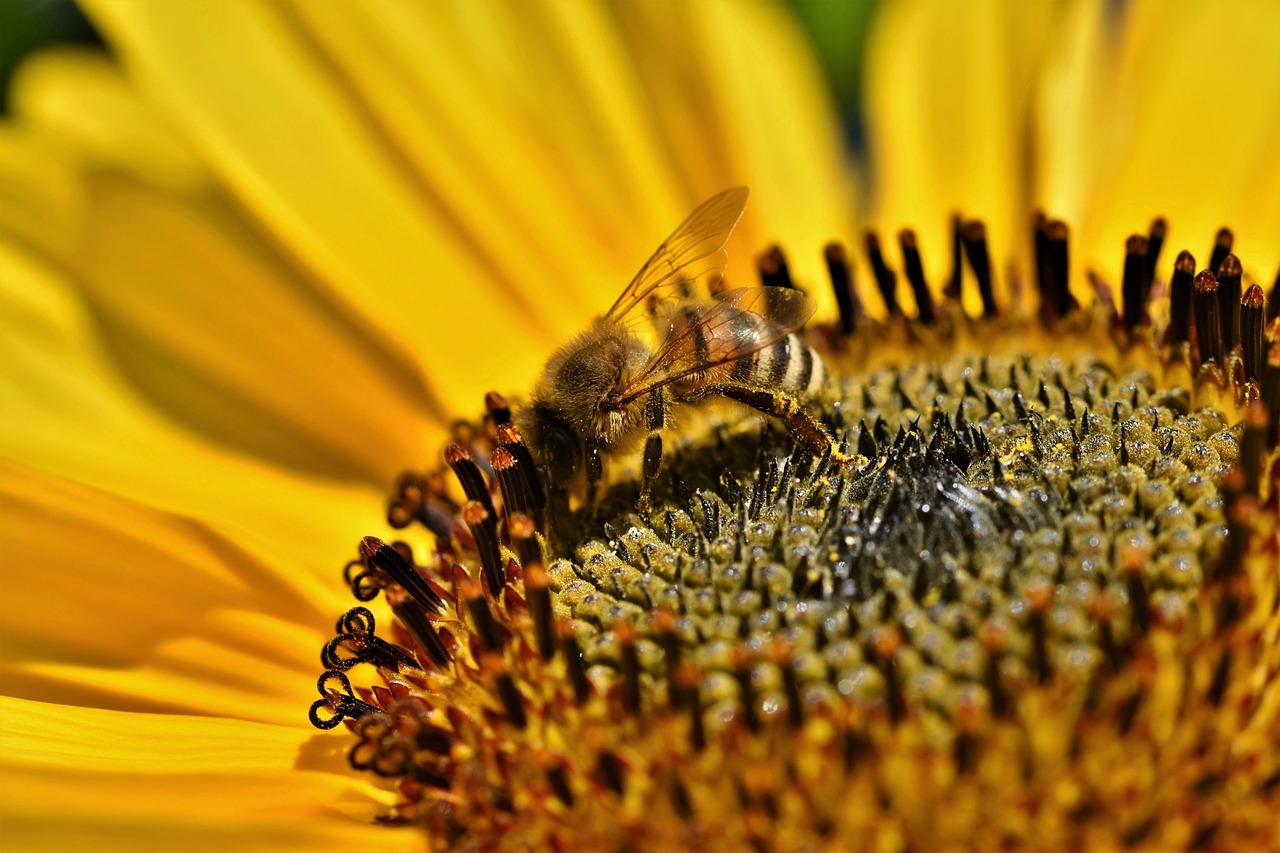
If a colony of bees thinks you’re a predator, it first sends out a few guard bees to warn you away by “head butting” you, according to a guide by the U.S. Department of the Interior National Park Service’s Saguaro National Park. If you feel a “head butt,” run, because the next thing that comes is a full-scale attack by the entire hive.
This bumping isn’t accidental contact. “Honeybees are pretty good at warning people away,” he says. “Just as a rattlesnake will vibrate its tail as a warning, the first honeybees out of a hive will bump the person invading, saying ‘Leave!'” Ignore this warning at your peril.
If a bee bumps into you, it’s a warning sign, indicating that the bees perceive you as a threat. The initial response of a bee colony often involves guard bees “head butting” to warn off a perceived predator. These precious seconds could save your life if you act immediately.
The Only Survival Move Entomologists Agree On
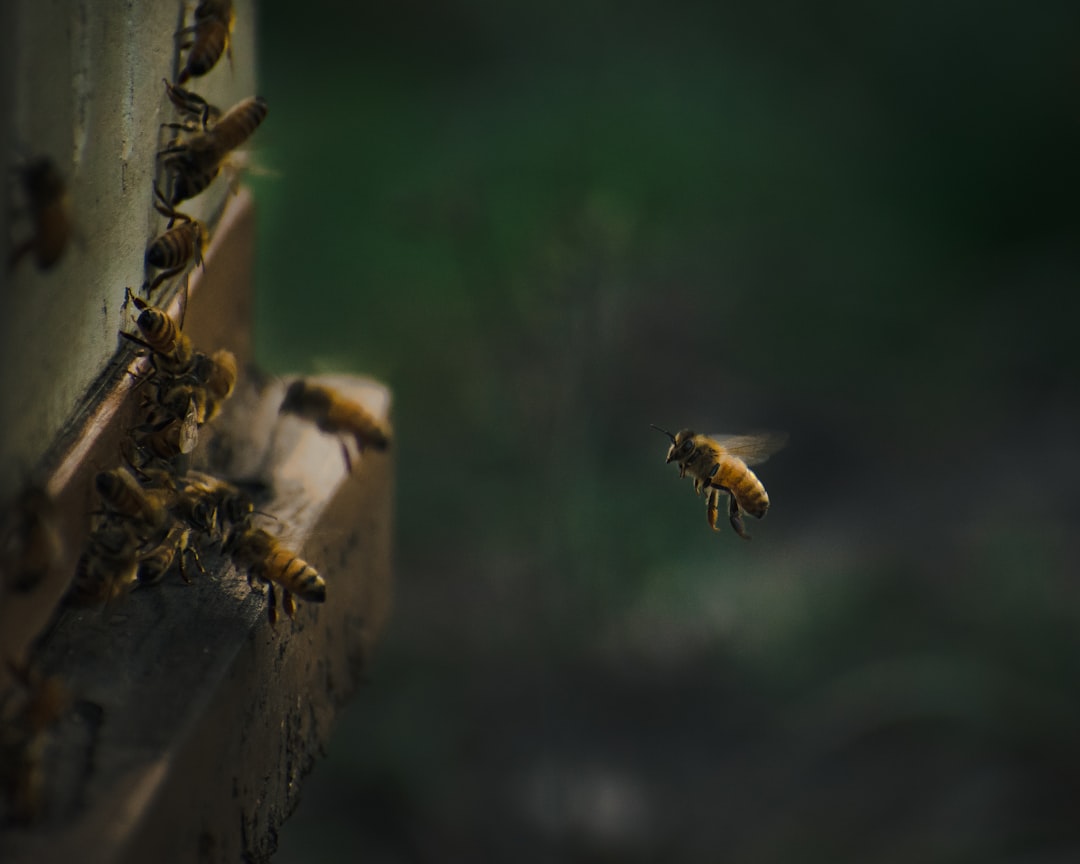
When facing an aggressive swarm, there’s only one option that works: The best strategy is to RUN away as fast as you can. Get to the shelter of a house or car as quickly as possible. Because the bees target your head and eyes, try to cover your head as much as you can, without slowing your progress.
A bee can obtain speeds of from 12 to 15 miles per hour, but most healthy humans can outrun them. So, RUN! And when you run Keep Running! Africanized honey bees have been known to follow people for more than a quarter mile. Don’t underestimate the distance they’ll chase you.
When running away from a bee swarm attack, do not stop running until the bees stop following you. Africanized honey bees typically chase their victims for about a quarter mile before giving up. Your stamina might be tested to its absolute limits.
Why Indoor Shelter Is Your Lifeline
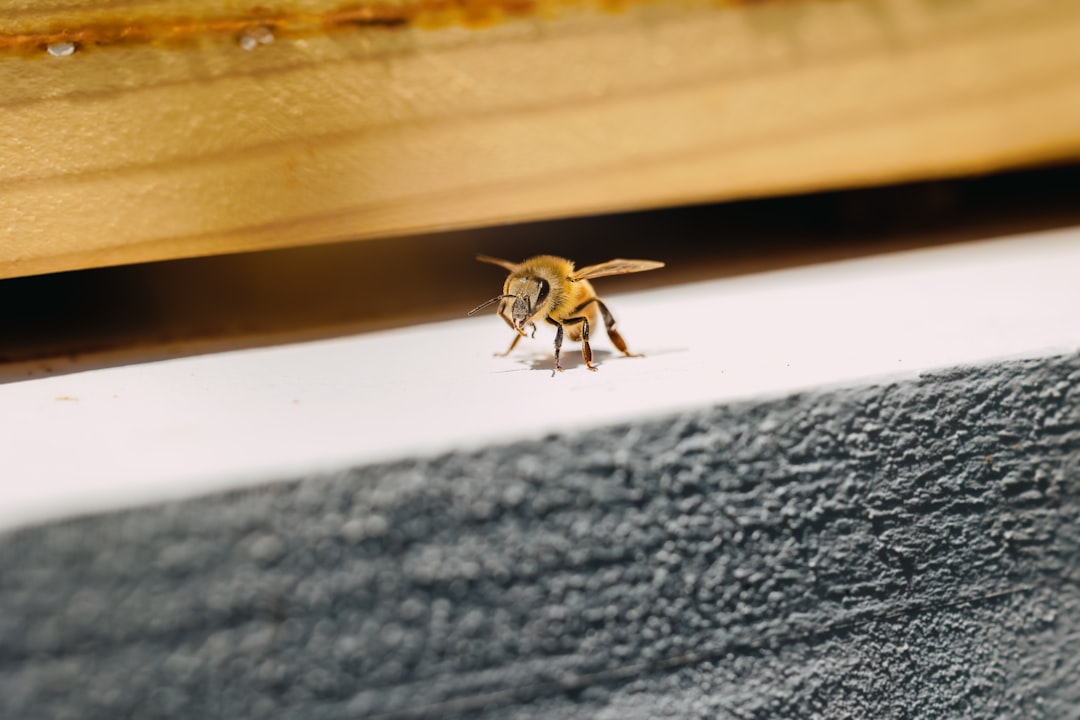
The bees will follow you indoors, but will become confused by bright lights and windows, and tracking you will become more difficult. Once inside, get under thick blankets and sheets until the bees dissipate. This will help give you cover and make bee navigation more difficult.
If you’re near a garage, house, or a car you should head there. You may have a couple of bees with you who slipped through the door before you get into the shelter, but most will be kept outside once you are in a shelter. The few remaining bees can be killed while you’re inside the shelter. Be sure to hunker down in the shelter for a decent period of time to give the bees a chance to go back to their business and forget about you.
The physics of indoor confusion works in your favor. Once inside, close doors and windows, and turn on lights. Bees see light as exit points, so dimming lights can keep them from following indoors. This disorientation gives you precious time to deal with any stragglers.
What to Do When There’s No Shelter in Sight

Sometimes you’ll find yourself in the worst possible scenario with no buildings or vehicles nearby. In these cases, it’s important to head for any brush or trees you can find. Sometimes, I’ll run into the tree line. Dense vegetation can slow down and confuse pursuing bees.
If no shelter is available, evade the swarm by running through brush or shrubs to decrease your chances of being stung. While escaping, maintain a straight path away from the bees, and if possible, get indoors as soon as you can. Always run away against the wind to minimize agitation from the bees.
The key is disrupting their flight patterns and creating obstacles between you and the swarm. Thick brush forces them to navigate around barriers, potentially breaking up their coordinated attack pattern.
The Deadly Chemistry Behind Bee Attack Escalation
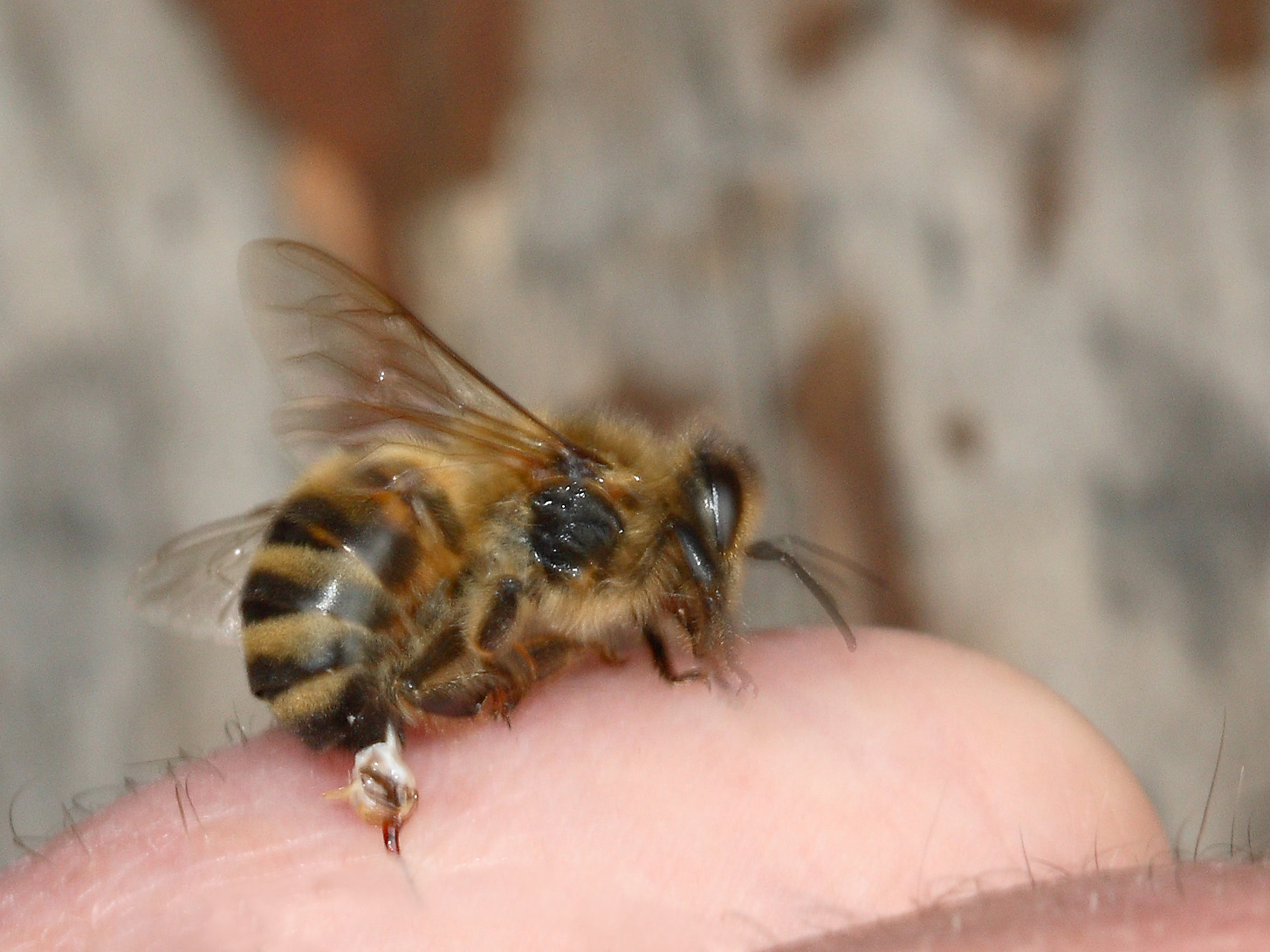
Understanding why bee attacks spiral out of control reveals the true horror of these encounters. Once embedded in the skin stingers also release tagging pheromones, potent chemical signals that attract and arouse other bees. When released near a colony, these pheromones can provoke a massive defensive swarm from the females guarding the nest. “The chemical signal says, ‘Here, sisters, here is where I found a chink in the armor of this big attacking predator,'” Schmidt says.
This chemical warfare means every sting makes the situation exponentially worse. When a bee stings, it not only injects toxins into the victim, it also releases alarm pheromones. When these chemical signals are given off near a hive or swarm, they can trigger other bees to come to their colony mate’s defense
The terrifying reality is that these bees will attack the offending person or animal by the hundreds, sometimes thousands, to deliver a lethal payload of venom. Each sting becomes a beacon calling more attackers to join the assault.
Emergency Medical Response You Need to Know
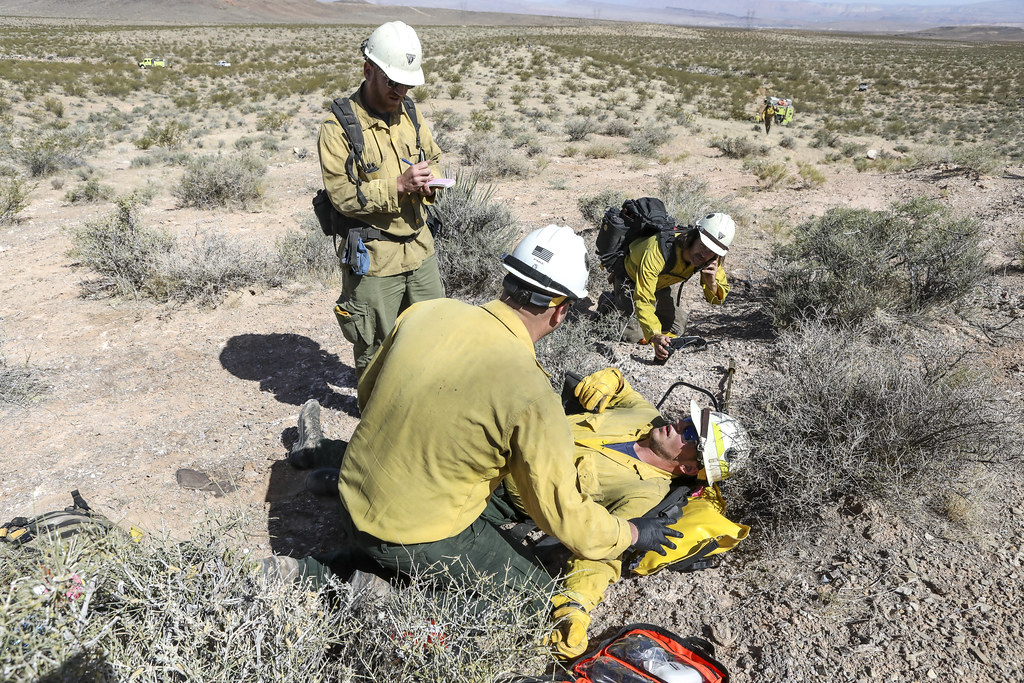
Once you are away from the bees, take a second and evaluate the situation. If you have been stung more than 15 times, or if you are having any symptoms other than local pain and swelling, seek medical attention immediately. If you see someone else being stung or think others are in danger, call 9-1-1 immediately.
The number of stings that can be dangerous varies greatly by individual, with some sources suggesting that 500-1000 stings could be potentially fatal for an average adult. However, this doesn’t account for allergic reactions or the cumulative toxic effects.
When you have a severe allergic reaction, your skin could break out into hives, you could have difficulty breathing or swallowing, your heart could race, dizziness can occur, nausea and vomiting can occur, and some will even faint. When you begin experiencing these symptoms, you’re in trouble. Therefore, it’s important to seek medical treatment after a bee attack.
The truth about surviving killer bees isn’t complicated, though it goes against every instinct your body will scream at you to follow. With bees, your most primal instinct – to run – is always exactly the right one. Don’t fight, don’t hide underwater, don’t swat wildly. Just run toward the nearest shelter and keep running until they give up the chase. Your life depends on remembering this when panic tries to take over.
What surprised you most about these survival tactics? Tell us in the comments if you’ve ever had a close encounter with aggressive bees.
Worried about unexpected vet bills?
Pet insurance can cover thousands in unexpected vet costs. Get a free quote from Lemonade in under 2 minutes.
Get My Free Quote →Sponsored · Opens Lemonade.com
