
Worried about unexpected vet bills?
Pet insurance can cover thousands in unexpected vet costs. Get a free quote from Lemonade in under 2 minutes.
Get My Free Quote →Sponsored · Opens Lemonade.com
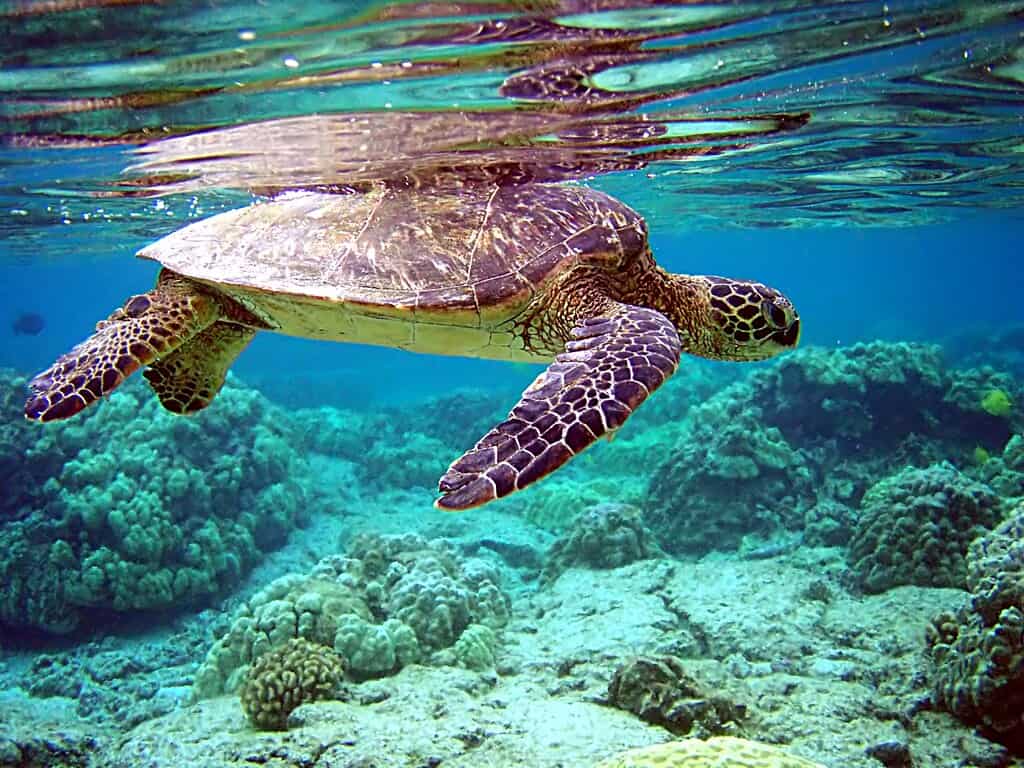
Sea turtles are some of the most fascinating and resilient creatures inhabiting our oceans. Despite facing numerous natural and human-induced challenges, these reptiles have successfully navigated the world’s oceans for over 100 million years. Their slow but steady movement across vast distances is a subject of great interest to scientists and nature enthusiasts alike. In this article, we will explore the unique adaptations and behaviors that enable sea turtles to traverse large stretches of the ocean, how they contribute to marine ecosystems, and the conservation efforts in place to protect them.
Anatomy and Evolutionary Advantages

Sea turtles belong to the family Cheloniidae and Dermochelyidae and are uniquely adapted for life at sea. Their streamlined shells reduce water resistance, enabling more efficient swimming. Unlike their terrestrial relatives, sea turtles cannot retract their heads and limbs into their shells. However, their elongated flippers are powerful tools that enable them to glide through the water effortlessly. These evolutionary advantages make sea turtles well-suited for long-distance travel, even if at a relatively slow pace compared to other marine animals.
Navigation Skills and Migration Patterns

One of the most remarkable aspects of sea turtle behavior is their migration. Sea turtles are known to travel thousands of miles between their feeding grounds and nesting beaches. They have an innate ability to navigate using the Earth’s magnetic field; this geomagnetic mapping helps them locate specific locations in the ocean with remarkable precision. The endurance of sea turtles is crucial as they undertake these epic voyages, swimming about 1 to 1.5 miles per hour.
The Role of Ocean Currents

While sea turtles are slow swimmers, they are expert hitchhikers. They skillfully use ocean currents to aid their travel, allowing them to conserve energy. Currents like the Gulf Stream in the Atlantic Ocean or the Kuroshio Current in the Pacific provide sea turtles with a “conveyor belt” that helps them move across vast distances more efficiently. By riding the currents, sea turtles can maintain a relatively low energy expenditure while traversing their extensive migratory routes.
Feeding and Foraging Habits

Sea turtles are opportunistic feeders, with diets that vary significantly depending on the species. For instance, the green sea turtle is primarily herbivorous, feeding on seagrasses and algae, while the loggerhead turtle has a diet rich in crustaceans and mollusks. As sea turtles slowly move from one feeding ground to another, they play a vital role in maintaining the health of their ecosystems. For example, their grazing helps maintain seagrass beds, contributing to a healthy marine environment.
Conservation Challenges

Despite their evolutionary success, many sea turtle species face significant threats today. Human activities such as coastal development, pollution, and poaching have had severe impacts on sea turtle populations. Climate change, resulting in rising sea levels and warmer ocean temperatures, also poses a threat by affecting their nesting sites and sex ratios. Conservation efforts, including protected areas, tag-and-release programs, and community education, aim to mitigate these threats and ensure that sea turtles continue their journeys across the oceans.
Conclusion: The Steady Traveler of the Seas
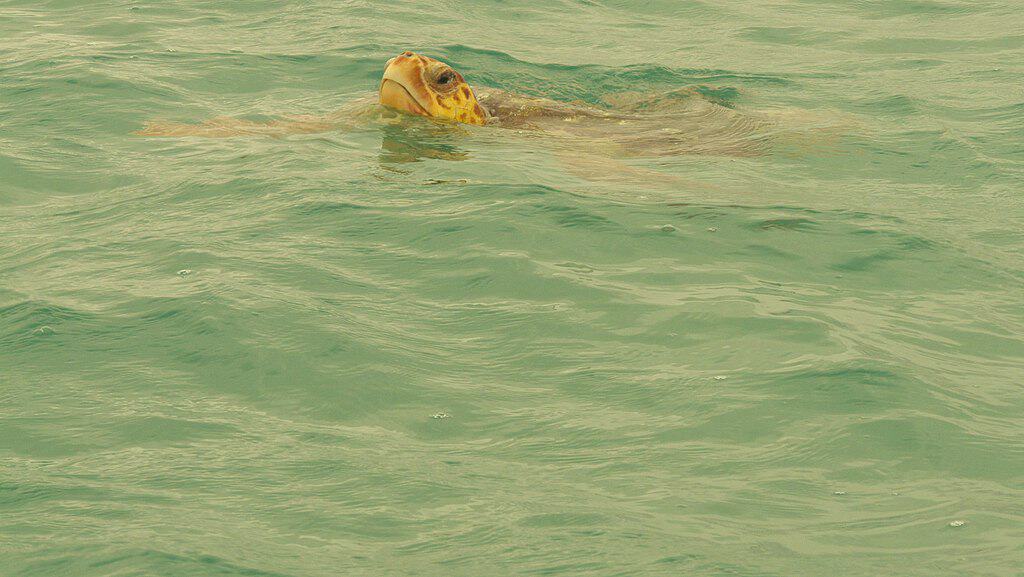
The sea turtle’s ability to move slowly but steadily across the ocean is a testament to its adaptability and resilience. Its unique evolutionary traits, remarkable navigation skills, and strategic use of ocean currents enable it to thrive where many might not. However, the continued survival of these ancient mariners depends significantly on concerted conservation efforts. By understanding and appreciating the sea turtle’s life and challenges, we can foster actions that support their continued presence in the world’s oceans for generations to come.
Worried about unexpected vet bills?
Pet insurance can cover thousands in unexpected vet costs. Get a free quote from Lemonade in under 2 minutes.
Get My Free Quote →Sponsored · Opens Lemonade.com

- 12 Animals That You Hardly Ever Hear Of - June 8, 2026
- 18 Dog Breeds with the Strength to Face Any Challenge - June 8, 2026
- Top 10 Animals and Wildlife in the Himalayas - June 8, 2026
Leave a comment
You must be logged in to post a comment.