

Worried about unexpected vet bills?
Pet insurance can cover thousands in unexpected vet costs. Get a free quote from Lemonade in under 2 minutes.
Get My Free Quote →Sponsored · Opens Lemonade.com
In the dense rainforests of the Amazon basin, an extraordinary spider has evolved one of the most sophisticated survival strategies in the animal kingdom. The spider architect, scientifically known as Cyclosa mulmeinensis, creates elaborate decoys of itself using forest debris, dead insects, and silk. These fake spiders serve as clever decoys that confuse predators and increase the real spider’s chances of survival. This remarkable behavior, first documented by scientists in 2012, represents one of the most advanced examples of deception in invertebrates. Unlike simple camouflage, these spiders create three-dimensional models that specifically mimic their own body shape and size—a rare example of potential self-recognition and representation in the arthropod world.
The Cyclosa Spider Family

The decoy-building spider belongs to the Cyclosa genus within the orb-weaver family Araneidae. These small arachnids typically measure only 5-9mm in body length and are distributed across tropical and subtropical regions worldwide. While several Cyclosa species incorporate debris into their webs (known as “trash-line” decoration), only a few species, particularly Cyclosa mulmeinensis, create actual spider-shaped decoys.
Other notable decoy-builders include Cyclosa octotuberculata and Cyclosa argenteoalba. The genus is characterized by their elongated abdomens, modest size, and remarkable web-decorating behaviors that have evolved as sophisticated anti-predator adaptations in environments with high predation pressure.
The Ingenious Construction Process
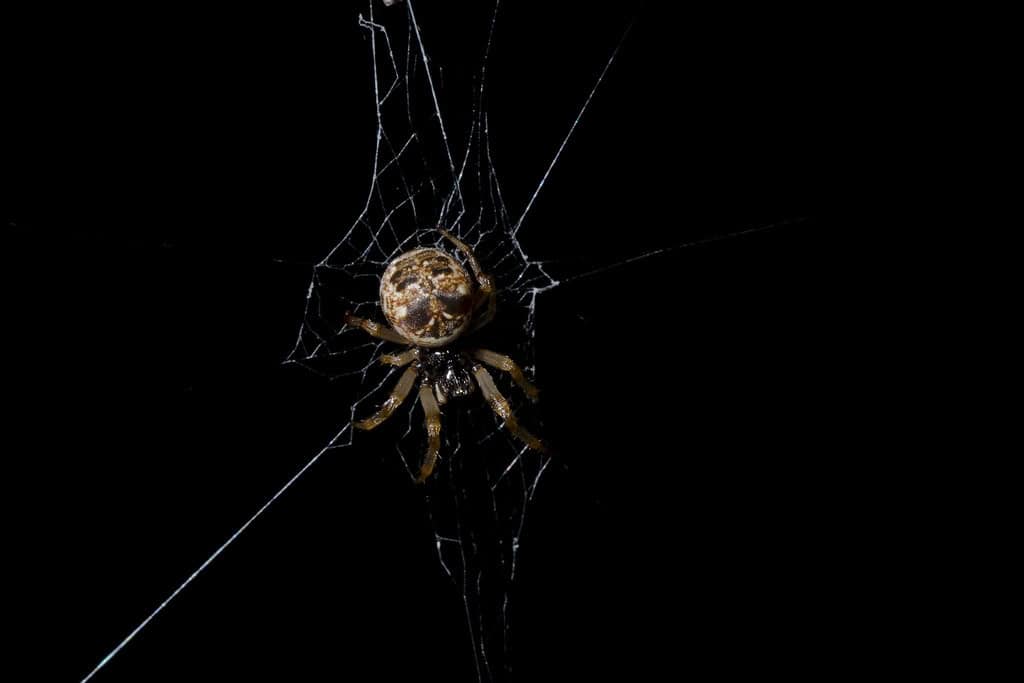
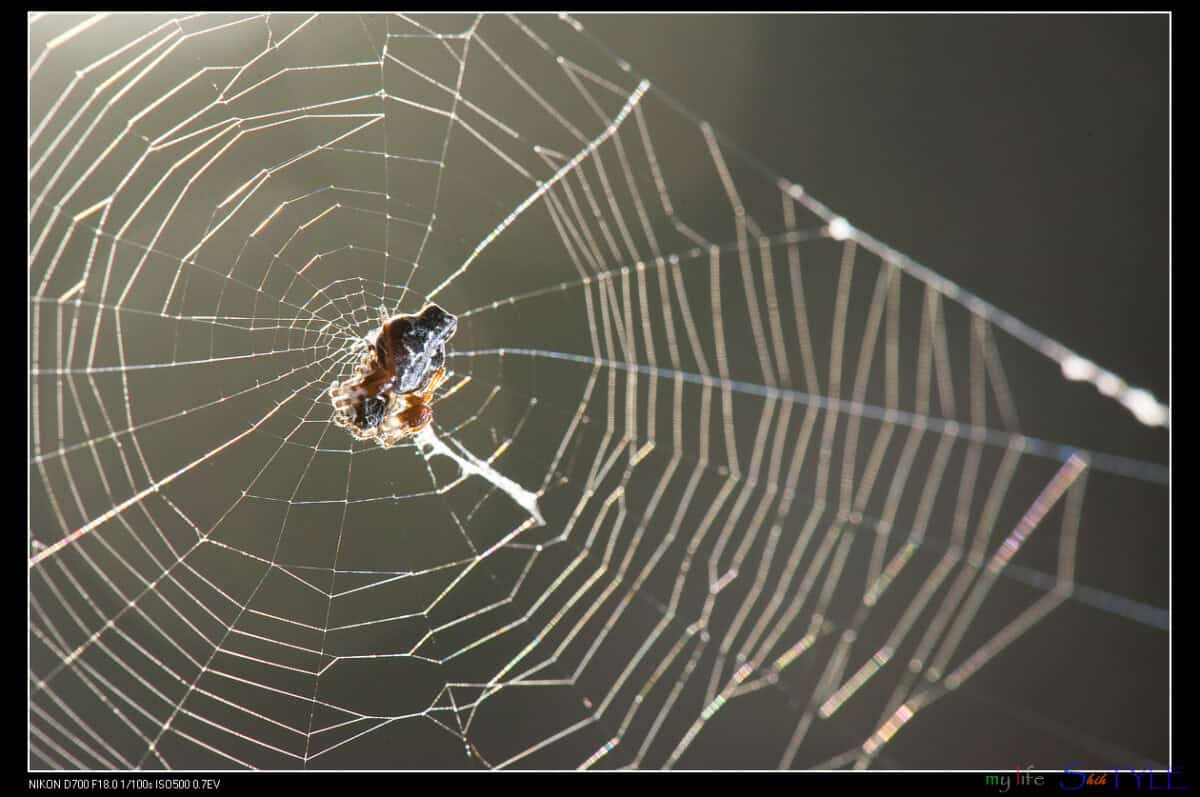
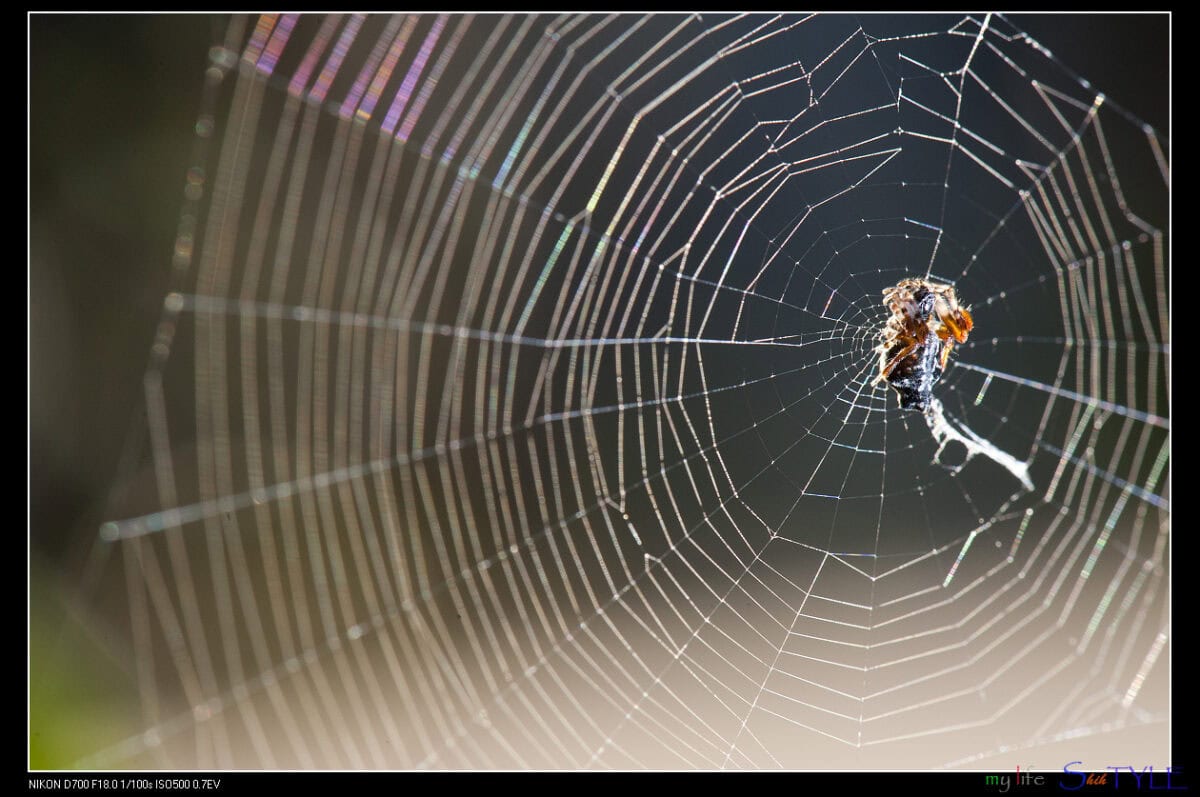
The construction of spider decoys is a meticulous process that demonstrates remarkable behavioral complexity. The spider begins by creating a standard orb web with the characteristic spiral and radial pattern. Once the basic web structure is complete, the spider collects materials including dead insect parts, plant debris, egg sacs, and molted exoskeletons. Using precise movements and silk as an adhesive, it arranges these materials into a spider-shaped form along one of the web’s radial lines.
The spider carefully positions these materials to create a structure with a central body and extending leg-like projections. Most impressively, the decoy is typically constructed to be larger than the actual spider—a strategic exaggeration that draws predator attention while making the real spider appear to be just another, less significant decoy.
Scientific Discovery and Research

The decoy-building behavior was first scientifically documented in 2012 by biologist Phil Torres in Peru and later studied in detail by researchers from the National University of Singapore. In a groundbreaking study published in the journal Animal Behaviour, scientists conducted field experiments that confirmed these structures were indeed functioning as decoys rather than simply being random web decorations.
The research team used video recordings to observe predator interactions and manipulated webs by removing either the real spiders or the decoys. Their findings demonstrated that webs with intact decoys suffered significantly fewer predator attacks on the real spider, confirming the adaptive value of this remarkable behavior. Subsequent studies have revealed that different Cyclosa species vary in their decoy-building sophistication, suggesting this behavior has evolved independently multiple times within the genus.
Evolutionary Advantages of Spider Decoys

The evolution of decoy-building behavior represents a fascinating case of adaptation under intense predation pressure. This behavior provides several distinct survival advantages. First, it creates a “multiple-choice effect” that confuses predators—when faced with multiple potential targets, predators must spend time and energy determining which is the actual prey. Second, the decoys serve as “sacrificial targets,” absorbing attacks that would otherwise be directed at the spider. Third, the decoys often exaggerate the apparent size of the spider, potentially deterring smaller predators who prefer easier prey.
Biomimicry experts consider this a remarkable example of extended phenotype—where an animal’s genes express themselves beyond its body into environmental structures that enhance fitness. Evolutionary biologists estimate this behavior likely developed over millions of years through natural selection favoring spiders that created increasingly convincing decoys.
Predators That Target These Spiders

The primary predators that have driven the evolution of decoy-building behavior include various wasps, birds, and larger spiders. Mud-dauber wasps and spider-hunting wasps (Pompilidae) are particularly significant threats, as they specifically target spiders to paralyze and use as living food sources for their larvae. These wasps have excellent vision and hunting skills, making them formidable predators that can distinguish subtle visual cues.
Various tropical birds, particularly wrens and flycatchers, also regularly prey on web-building spiders. Jumping spiders (Salticidae), with their exceptional vision and hunting prowess, represent another major threat. The decoy-building behavior has evolved specifically to counter the visual hunting strategies of these predators, creating confusion that gives the real spider precious seconds to escape when the web is disturbed.
The Psychology Behind Predator Deception
The success of the decoy strategy relies on exploiting specific psychological and neurological limitations in predator cognition. Predators make split-second decisions based on visual pattern recognition. The decoys create what scientists call a “cocktail party problem”—when multiple similar stimuli are present, it becomes difficult for the brain to focus on just one. This cognitive challenge is compounded by the fact that the decoys are often more visually apparent than the real spider.
Research in predator psychology suggests that when confronted with multiple potential targets, predators typically attack the most conspicuous one first. The decoy-building spider exploits this tendency by creating large, obvious decoys while the real spider remains motionless and less visible. This represents a sophisticated form of psychological manipulation that suggests these small arachnids have evolved to exploit specific weaknesses in their predators’ neural processing.
Variations Across Spider Species

While Cyclosa mulmeinensis creates the most sophisticated decoys, several related species exhibit variations of this behavior. Cyclosa octotuberculata typically creates simpler, less defined shapes that nevertheless resemble spider forms when viewed by predators. Cyclosa argenteoalba constructs decoys primarily from egg sacs arranged in a line, creating the impression of multiple spiders.
Cyclosa confusa incorporates debris into spiral patterns that disrupt the web’s visibility without creating specific spider shapes. These variations suggest that decoy-building has evolved along a spectrum of complexity within the genus. Environmental factors appear to influence the sophistication of decoys, with spiders in areas of higher predation pressure generally creating more elaborate structures. This diversity of approaches to a similar defensive strategy provides evolutionary biologists with valuable insights into how complex behaviors develop and diversify.
Web Decorations vs. True Decoys
Not all structures created by spiders qualify as true decoys. Many orb-weaver spiders, including those in the Argiope genus, create zigzag patterns of dense silk called “stabilimenta” in their webs. While these decorations may provide some defensive benefits by making webs more visible to birds (preventing accidental damage) or by attracting prey, they don’t specifically mimic the spider itself. True decoys, as created by certain Cyclosa species, specifically imitate the spider’s form in three dimensions.
Scientists distinguish between these behaviors by examining the structure’s placement, composition, and resemblance to the spider. True decoys are typically positioned where the spider would normally sit, contain materials that create a spider-like silhouette, and are arranged to mimic the spider’s body plan with a central mass and radiating “legs.” This distinction is important for understanding the cognitive complexity required for true decoy construction versus simpler web decoration.
Habitat and Geographic Distribution

Decoy-building Cyclosa species are primarily found in tropical and subtropical forests across Southeast Asia, South America, and parts of Oceania. Cyclosa mulmeinensis is native to forests in Southeast Asia, with significant populations documented in Singapore, Malaysia, and the Philippines. The South American decoy-builder, sometimes classified as a distinct species, inhabits the Amazon basin, with notable populations in Peru, Ecuador, and Colombia.
These spiders prefer humid forest environments with abundant vegetation, typically building their webs between branches at heights of 1-3 meters above the ground. The geographic distribution of decoy-building behavior correlates strongly with areas of high predator diversity, particularly regions with abundant insectivorous birds and hunting wasps. Climate change and deforestation threaten these spiders’ habitats, potentially impacting the future study and conservation of this remarkable behavioral adaptation.
Technological and Biomimetic Applications
The decoy-building behavior of Cyclosa spiders has inspired various applications in technology and security systems. Military researchers have studied these spiders to develop improved decoy systems that can protect valuable assets by creating multiple false targets. In cybersecurity, the concept has informed the development of “honeypot” systems that create fake network resources to attract and identify attackers while protecting real data.
Robotics engineers have drawn inspiration from the spiders’ construction techniques to develop autonomous systems that can build structures using available materials. The concept of creating convincing decoys from minimal resources has applications in resource-constrained environments, including space exploration, where robots might need to construct protective structures from local materials. As biomimicry continues to influence technology development, these spiders represent a valuable model for creating efficient deception systems using minimal resources.
Observing These Spiders in the Wild

For nature enthusiasts hoping to observe decoy-building spiders, several ecotourism locations offer guided experiences. The Tambopata Research Center in Peru, where these spiders were first scientifically documented, conducts specialized arthropod walks where visitors can observe Cyclosa spiders constructing and maintaining their decoys. In Southeast Asia, the forest reserves of Singapore and Malaysia offer opportunities to see Cyclosa mulmeinensis. When searching for these spiders, look for small orb webs with debris concentrated in the center or along a radial line.
The best viewing times are early morning when spiders typically repair and enhance their decoys after nighttime damage. Observers should maintain a respectful distance of at least one meter to avoid disturbing the web or triggering defensive responses. Photographers will achieve best results using macro lenses with focal lengths of 100mm or greater, ideally with ring flash systems that provide even illumination without casting harsh shadows that might obscure the subtle details of the decoys.
The Marvel of Spider Engineering

The decoy-building behavior of Cyclosa spiders represents one of nature’s most remarkable engineering feats. These tiny arachnids, with brains smaller than a pinhead, create sophisticated structures that effectively manipulate the behavior of much larger predators with complex brains. This challenges our understanding of what constitutes intelligence and conscious design in the animal kingdom. The precision and consistency of decoy construction suggest these behaviors are largely instinctual rather than learned, yet they show variation and adaptation to specific circumstances that hint at more complex decision-making processes.
The spider’s ability to create a representation of itself raises fascinating questions about self-recognition and body awareness in invertebrates. As we continue to study these remarkable architects, they remind us that intelligence and adaptation take many forms in nature, and that even small creatures can evolve remarkably sophisticated solutions to survival challenges through the powerful process of natural selection.
Worried about unexpected vet bills?
Pet insurance can cover thousands in unexpected vet costs. Get a free quote from Lemonade in under 2 minutes.
Get My Free Quote →Sponsored · Opens Lemonade.com

From exploring the marine wonders in the Azores and witnessing the vast savannas of Kenya, to delving deep into the rich biodiversity of South Africa and traversing iconic landscapes in Australia and the US like Yellowstone, Chris's experiences are vast.
With a penchant for diving alongside sharks, the ocean holds a special place in his heart.
Through his academic insights, he champions wildlife conservation, striving with 'Animals Around The Globe' to cultivate a profound connection between humans and animals, enhancing our mutual appreciation.
Connect with him at Feedback@animalsaroundtheglobe.com.
- 20 Most Fearsome Creatures of the Amazon Rainforest - June 8, 2026
- America’s Most Radioactive Town Still Emits Dangerous Levels - June 8, 2026
- Are Rising Temperatures Affecting Saudi Arabia’s Oil Industry? - June 8, 2026