

Worried about unexpected vet bills?
Pet insurance can cover thousands in unexpected vet costs. Get a free quote from Lemonade in under 2 minutes.
Get My Free Quote →Sponsored · Opens Lemonade.com
If you think your backyard is quiet when you are not looking, you are wildly underestimating the drama happening just beneath the grass and between the leaves. While we rush through our days, tiny neighbors hunt, court, build, sing, argue, and clean up our messes in ways that are surprisingly complex and, honestly, a bit humbling.
I used to see my yard as just a patch of green that needed mowing. Once I started slowing down and actually watching, it felt more like a miniature city, packed with residents on tight schedules and strange routines. The more you learn about who is living just outside your door, the harder it is to see that space as “empty” ever again.
The Night Shift: Moths, Crickets, and Other After-Dark Regulars
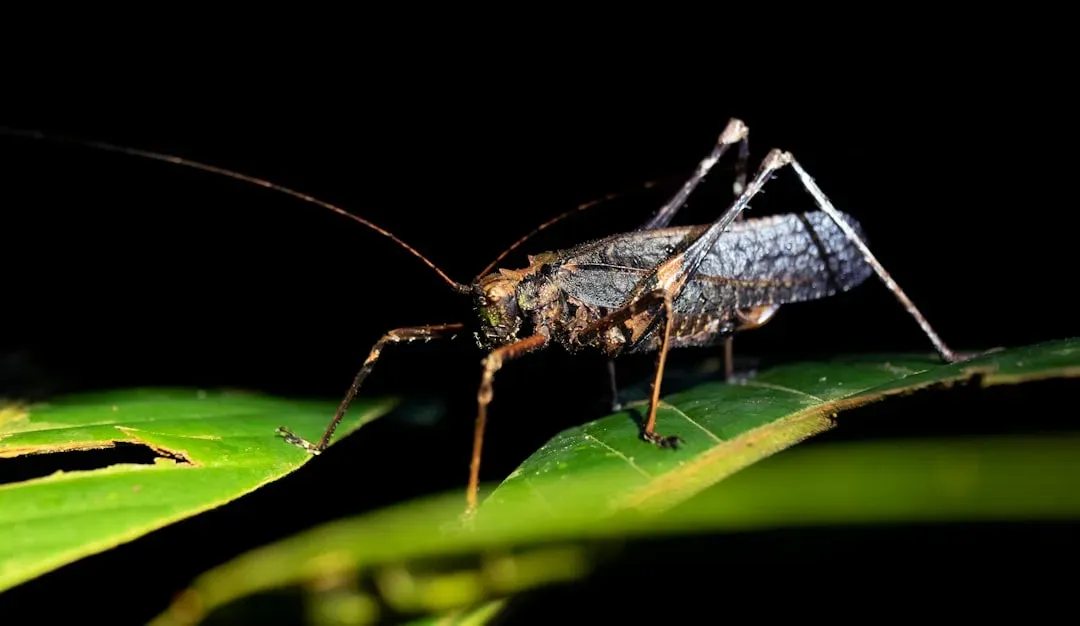
Have you ever stepped outside at night and realized the yard sounds completely different than it does during the day? When the sun goes down, a whole separate world clocks in: crickets start their steady chirping, moths drift in like dusty ghosts, and beetles patrol the soil and leaf litter. Many of these creatures are avoiding daytime predators, so their lives are built around darkness as a kind of protective blanket.
Crickets, for example, use their songs to attract mates and defend territories, with different species producing slightly different rhythms, a bit like musical signatures. Moths, often dismissed as “boring butterflies,” are key pollinators, visiting flowers that bloom or release scent at night. If you leave a small porch light on and stand quietly, you might be shocked by how many winged visitors spiral into that soft glow, each carrying out a night job most of us never even think about.
Ant Empires Beneath Your Feet
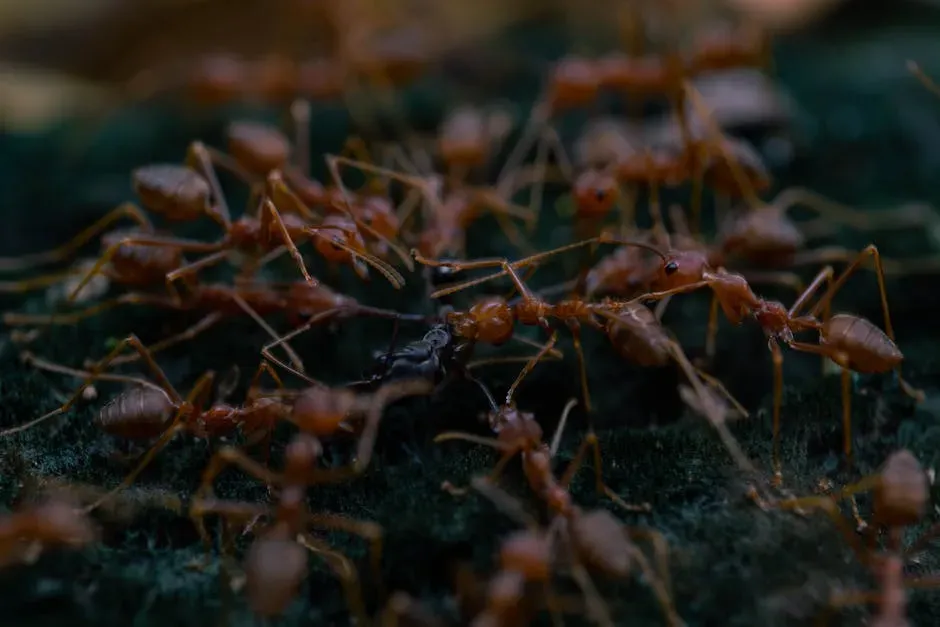
Under a single square meter of lawn, there can be entire ant cities, with carefully organized tunnels, nurseries, and food storage chambers. Ant colonies function less like random crowds and more like tightly run factories, with different individuals specializing in scouting, caring for young, defending the nest, or gathering food. The queen is not really a ruler in the human sense; she is more like a dedicated egg-laying machine that keeps the population going.
When you see a line of ants carrying crumbs or bits of leaves, you are watching a highway system in action, laid out with chemical trails that tell others exactly where to go. Some species tend tiny sap-sucking insects the way humans tend cattle, protecting them so they can “milk” the sugary droplets they produce. Next time you are tempted to stomp on an anthill, it is worth pausing to realize you are standing over a social network that rivals a small town in complexity.
Earthworms: The Silent Soil Engineers
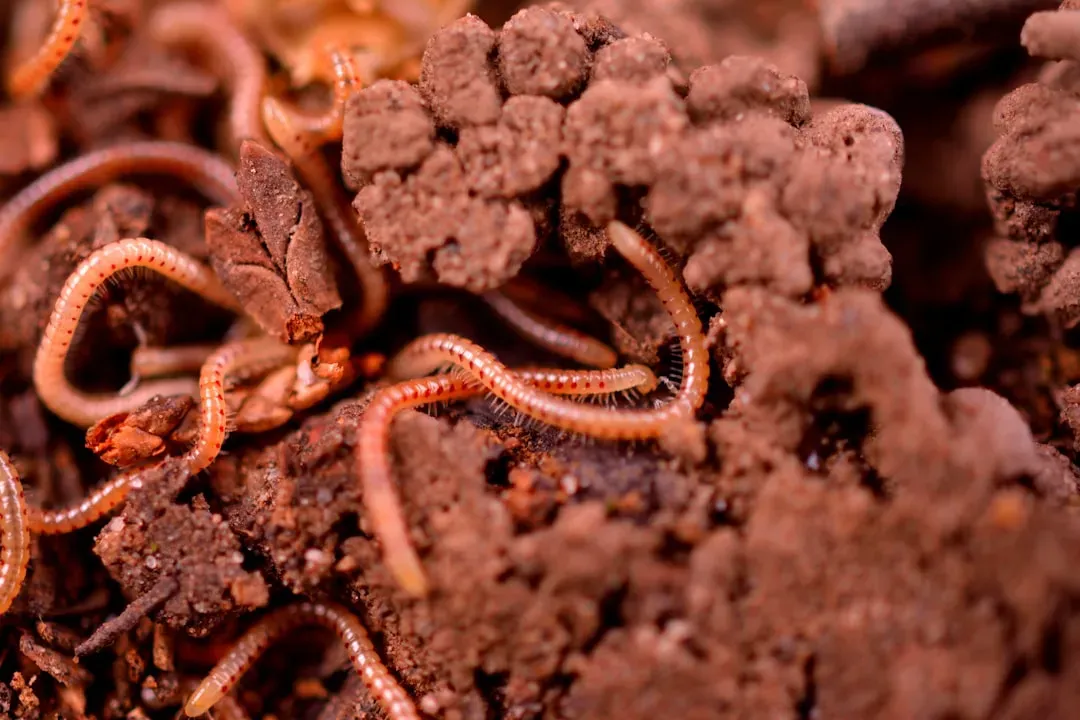
Earthworms do not look impressive at first glance, but these soft, anonymous diggers are quietly keeping your yard alive. As they tunnel through the soil, they create little passageways that let air and water reach plant roots, which is essential for healthy grass, trees, and flowers. Their constant feeding and excreting turn dead leaves and organic scraps into nutrient-rich castings that function like a natural fertilizer.
In many temperate backyards, the majority of soil mixing and recycling is done by just a few worm species working around the clock. Without them, soil can become compacted and less able to support robust plant growth, especially in heavily used or mowed areas. It is oddly comforting to know that even when everything looks still on the surface, there are hidden crews just below your feet, quietly rebuilding the ground you walk on.
Spiders: Misunderstood Guardians of the Garden
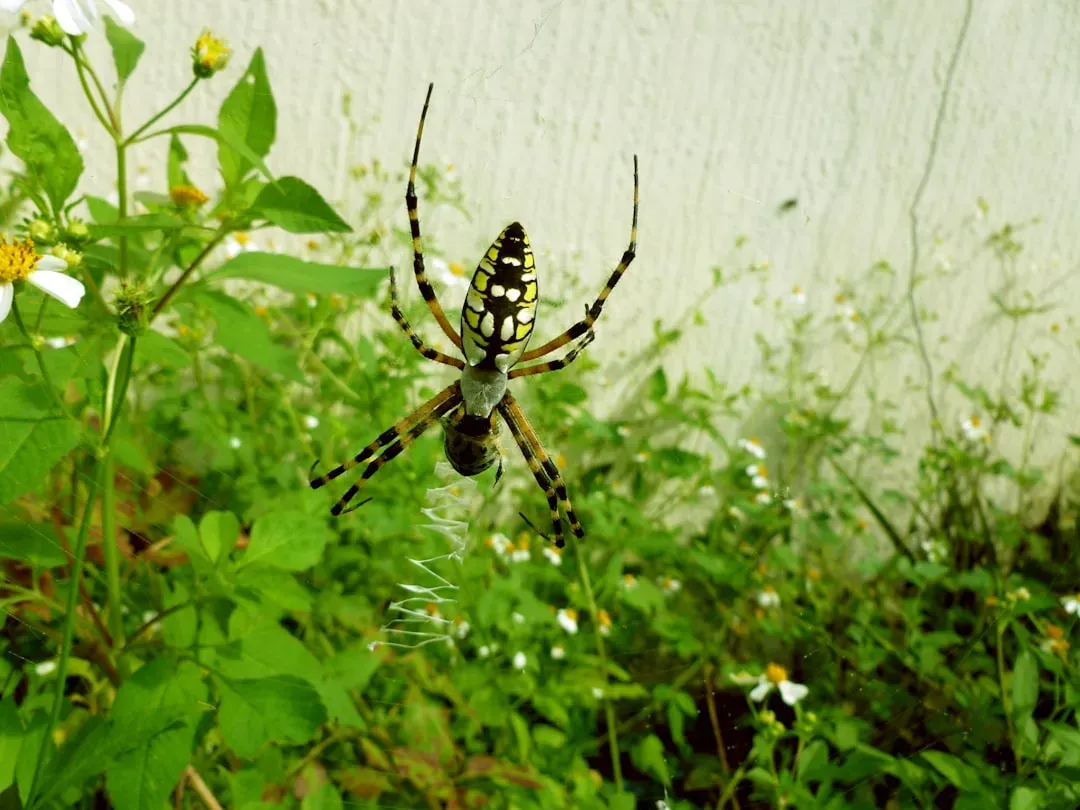
Spiders might be the most unfairly hated residents of the backyard, even though many of them are actually keeping the place livable for us. By snaring flies, mosquitoes, and plant-munching insects, they act like miniature pest control units that never send a bill. Web-building spiders carefully choose anchor points on branches, fences, and even lawn furniture, creating intricate traps that can be rebuilt in a single night if damaged.
Then there are the wandering hunters, like small jumping spiders, that stalk their prey with surprising accuracy rather than waiting passively in webs. Most backyard spiders are harmless to humans and will go out of their way to avoid contact, despite their slightly alarming looks. If you can resist the urge to squash every web you see, you might notice fewer nuisance insects over time and gain front-row seats to some unexpectedly fascinating behavior.
Bees, Wasps, and the Busy World of Pollinators
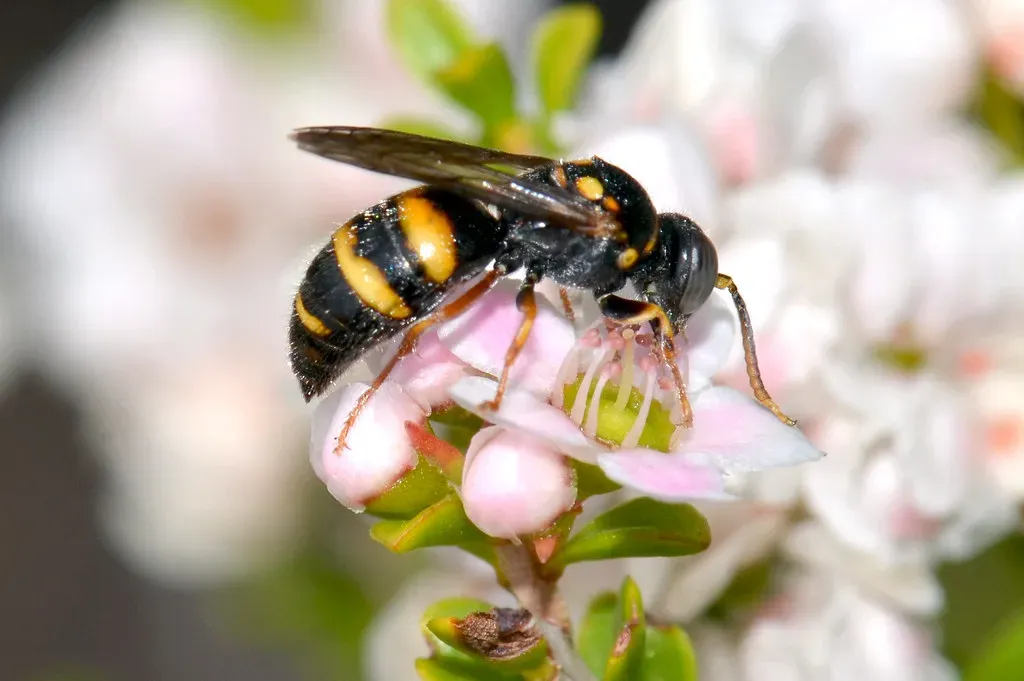
When people think of pollination, they often picture honey bees, but backyards are also visited by countless wild bees, hoverflies, and wasps quietly doing the same critical job. Many native bees are solitary and nest in the ground or in hollow stems, not in big hives, so you might never notice them unless you look closely at flowers. These small specialists often target particular plants, making them vital for garden biodiversity and fruit production.
Wasps have a rough reputation, but a lot of backyard species are more interested in hunting caterpillars and other insects than in stinging people. By regulating populations of potential pests, they help keep your plants healthier without the need for chemical sprays. Sitting still near a flower patch on a warm day is like watching a busy marketplace, with each species arriving on its own schedule, grabbing what it needs, and darting away again.
Birds: Backyard Visitors With Secret Agendas
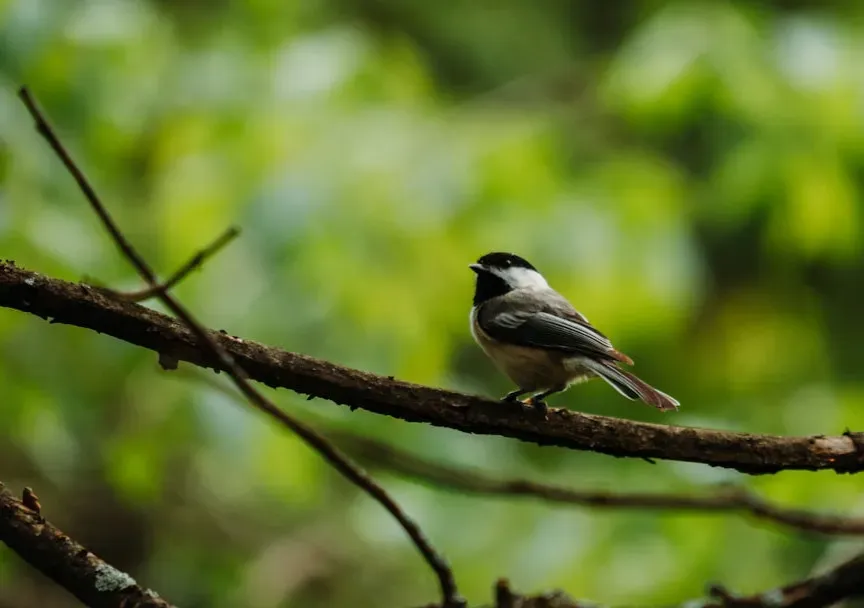
Birds might be the most noticeable backyard animals, but it is easy to underestimate how much they are actually doing when they flit through your trees. Many small songbirds spend their days tirelessly hunting for caterpillars, beetles, and other insects to feed themselves and their chicks. In nesting season, a single pair can carry hundreds of insect meals a day, turning your yard into both a pantry and a nursery.
Beyond insect control, birds help spread seeds by eating berries and dropping them in new locations, shaping what plants may appear in your yard over time. Different species use different layers of the space: some stay high in the canopy, others hop through the grass, and a few prefer dense shrubs. Once you start recognizing their calls and habits, the bird traffic in your backyard starts to look less random and more like a well-practiced routine.
Squirrels, Chipmunks, and the Great Nut Economy
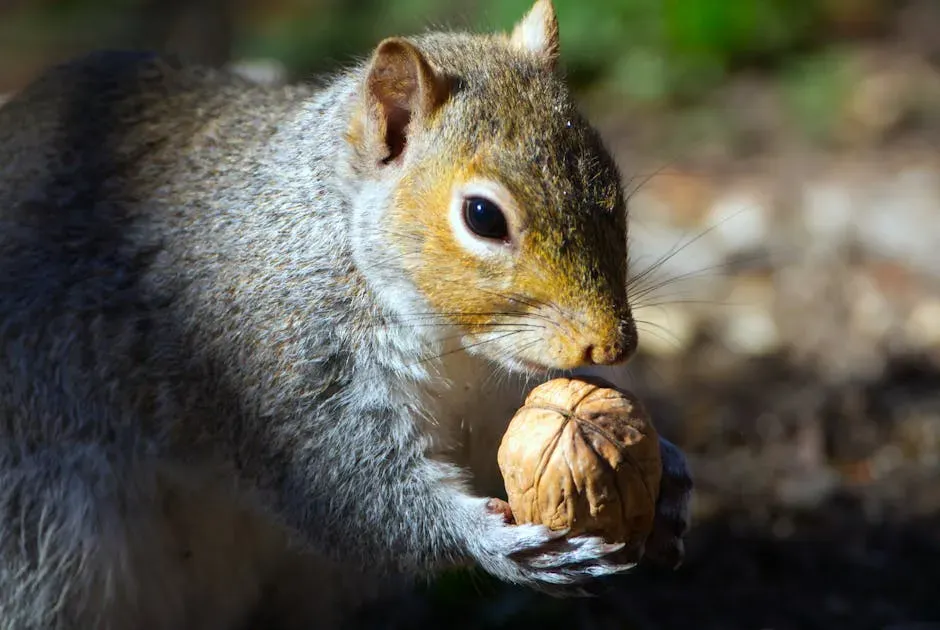
Squirrels and chipmunks can seem like mischievous thieves raiding bird feeders and digging holes in flower beds, but their hidden role goes far beyond minor chaos. By burying nuts and seeds as winter insurance, they unintentionally plant trees and shrubs when they forget some of their stockpiles. Forests and wooded areas often owe a surprising portion of their regeneration to these scatterbrained hoarders.
Their daily routines are built around constant risk and reward, balancing the need to find food against the danger from predators like hawks and neighborhood cats. You can often see them pause mid-run, assessing threats and escape routes, always ready to bolt. Watching a squirrel map out a path across fences, branches, and wires is like watching a parkour athlete who never stops calculating the next jump.
Slugs, Snails, and the Slow Clean-Up Crew
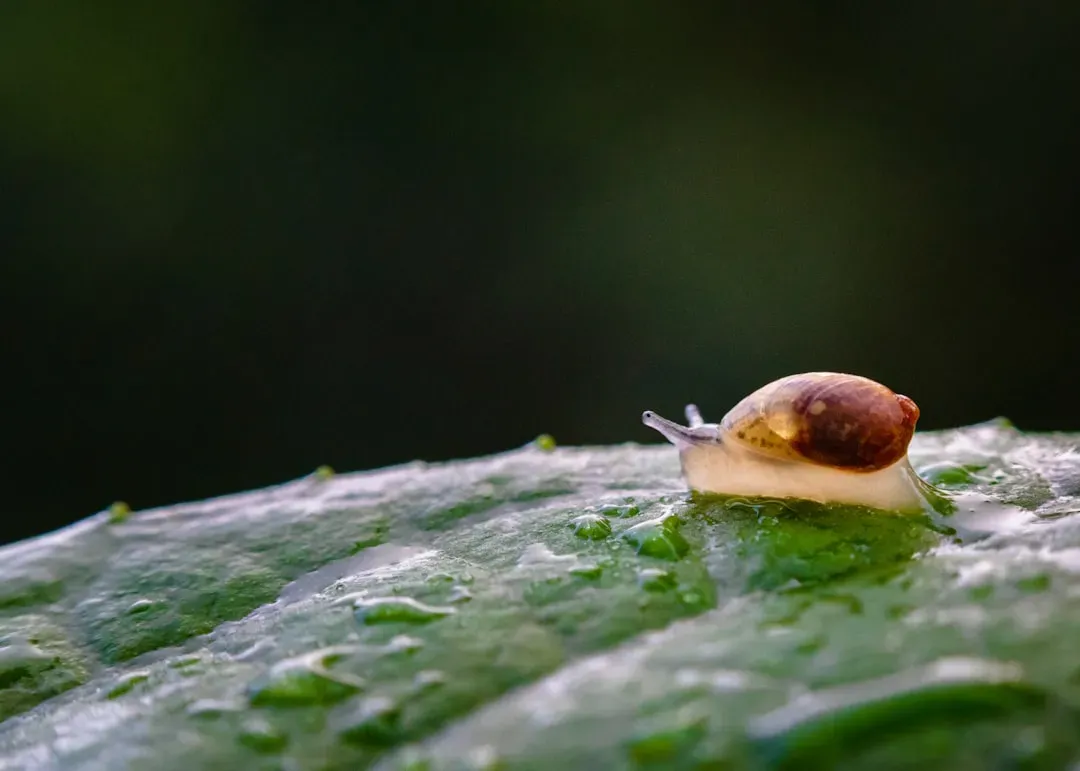
Slugs and snails rarely make anyone’s list of favorite creatures, especially if you grow tender vegetables or flowers, but they are more than just plant chewers. These slow movers help break down decaying leaves, soft stems, and other organic material, returning nutrients to the soil. In damp corners of the yard, they are part of a larger recycling team that includes fungi and bacteria, all working together to clear away what is dying.
They are also important food for many other animals, including birds, beetles, frogs, and even some mammals. Their soft bodies and steady habits make them easy targets, which sounds harsh but is essential for the health of the food web. If you look at the silvery trails they leave behind in the early morning, it is like seeing a record of nighttime journeys, a slow-motion map of where the quiet workers went.
Hidden Hunters: Mantises, Ladybugs, and Other Tiny Predators
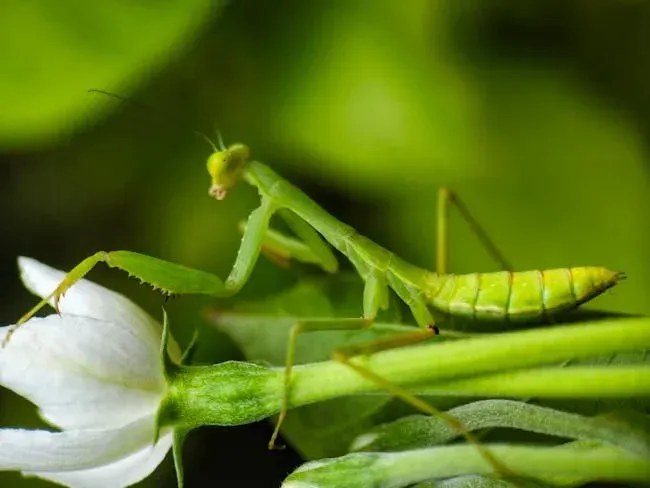
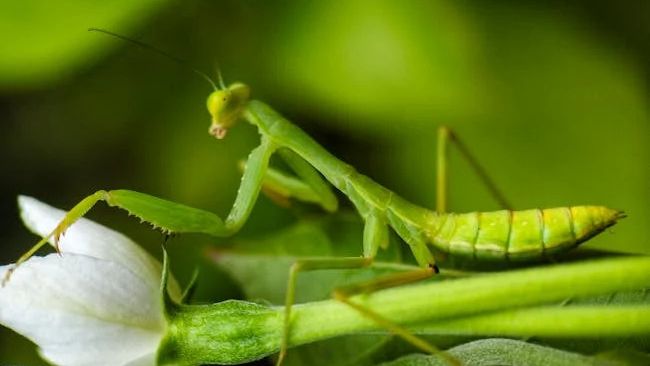
Predators are not just big animals with sharp teeth; some of the most efficient hunters in your backyard can fit on a coin. Praying mantises wait perfectly still, rocking gently like leaves in the breeze, then strike so quickly that your eyes almost cannot follow it. Ladybugs, especially in their larval stage, can devour large numbers of aphids, protecting your roses and vegetables far better than many sprays.
There are also ground beetles that roam at night, ambushing soil-dwelling pests, and dragonflies that snatch mosquitoes out of the air with almost unfair precision. All of these tiny hunters help keep other populations in check, preventing outbreaks that could damage plants or make your yard less pleasant. When you walk through the grass or sit near a garden bed, there is a good chance you are surrounded by a network of silent enforcers maintaining balance.
Amphibians and Reptiles: The Shy Neighbors in the Shade
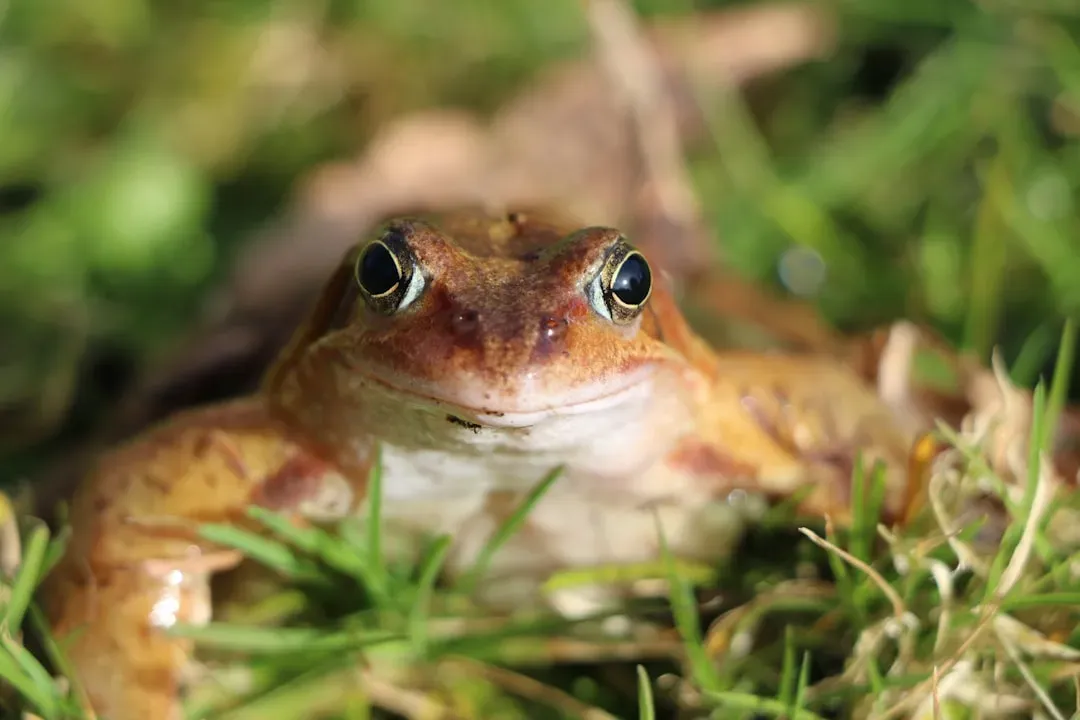
In many regions, small frogs, toads, lizards, and sometimes harmless snakes quietly slip through gardens and under decks, almost invisible unless you know how to look. These creatures usually prefer cool, damp, or sheltered spots, hunting insects, slugs, and other small animals that thrive near ground level. Their presence is often a sign that your backyard has enough hiding places, moisture, and food to support more sensitive wildlife.
Amphibians, in particular, tend to be good indicators of environmental health because their delicate skin reacts strongly to pollution and chemical changes. If you find a toad tucked into a shady corner or spot a lizard sunning itself on a stone, it suggests your yard offers something worth staying for. Giving them a bit of space and avoiding heavy pesticide use can turn your outdoor area into a quiet refuge these shy neighbors can rely on.
Conclusion: Seeing Your Backyard With New Eyes
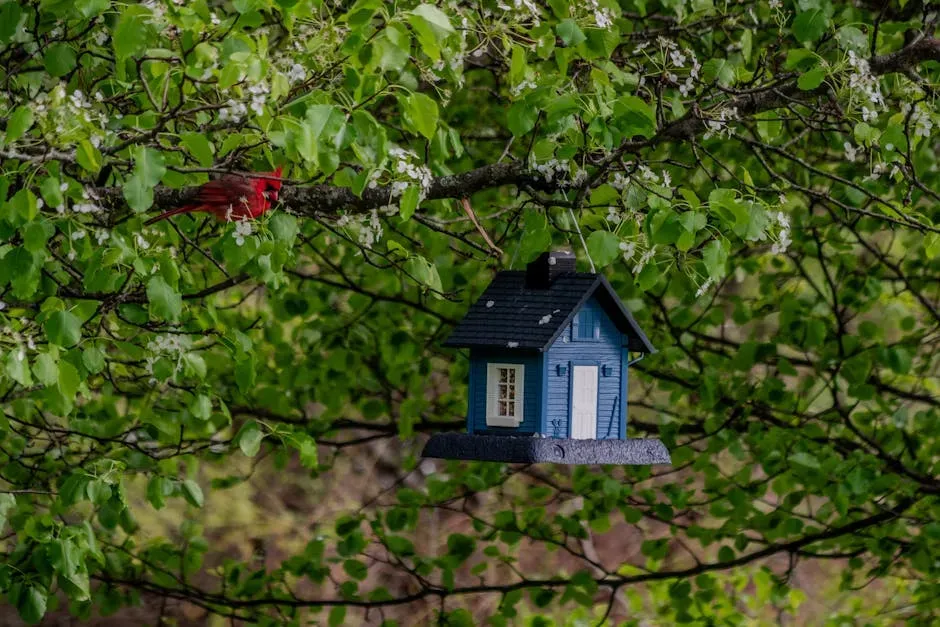
Once you realize how much is happening in even a small patch of grass, it is hard to see your backyard as just a backdrop for barbecues and lawn chairs. Every ant trail, bird call, spider web, and rustle in the leaf litter is part of a constant flow of life that is shaping the space in ways you might never have imagined. You do not need special equipment to witness it; a bit of stillness, curiosity, and time can turn any yard into a living documentary.
By planting a few native flowers, leaving a corner a little wild, or cutting back on chemicals, you can make your backyard more welcoming to the unseen wonders already trying to live there. In return, they offer quieter nights, healthier soil, fewer pests, and a daily reminder that nature is not “out there” somewhere far away; it is right under your nose. Next time you step outside, will you rush past the grass, or will you stop and see who has been there all along?
Worried about unexpected vet bills?
Pet insurance can cover thousands in unexpected vet costs. Get a free quote from Lemonade in under 2 minutes.
Get My Free Quote →Sponsored · Opens Lemonade.com
