


Worried about unexpected vet bills?
Pet insurance can cover thousands in unexpected vet costs. Get a free quote from Lemonade in under 2 minutes.
Get My Free Quote →Sponsored · Opens Lemonade.com
Owls are among the most captivating subjects for wildlife photographers. Their mysterious nature, striking features, and nocturnal habits make them highly sought-after subjects. However, photographing these magnificent birds of prey comes with unique ethical considerations. The use of flash photography, in particular, can be harmful to owls and counterproductive to capturing their true essence. This article explores the numerous reasons why photographers should avoid using flash when photographing owls, offering alternative approaches that prioritize both the welfare of these birds and the quality of your images.
The Sensitivity of Owl Eyes
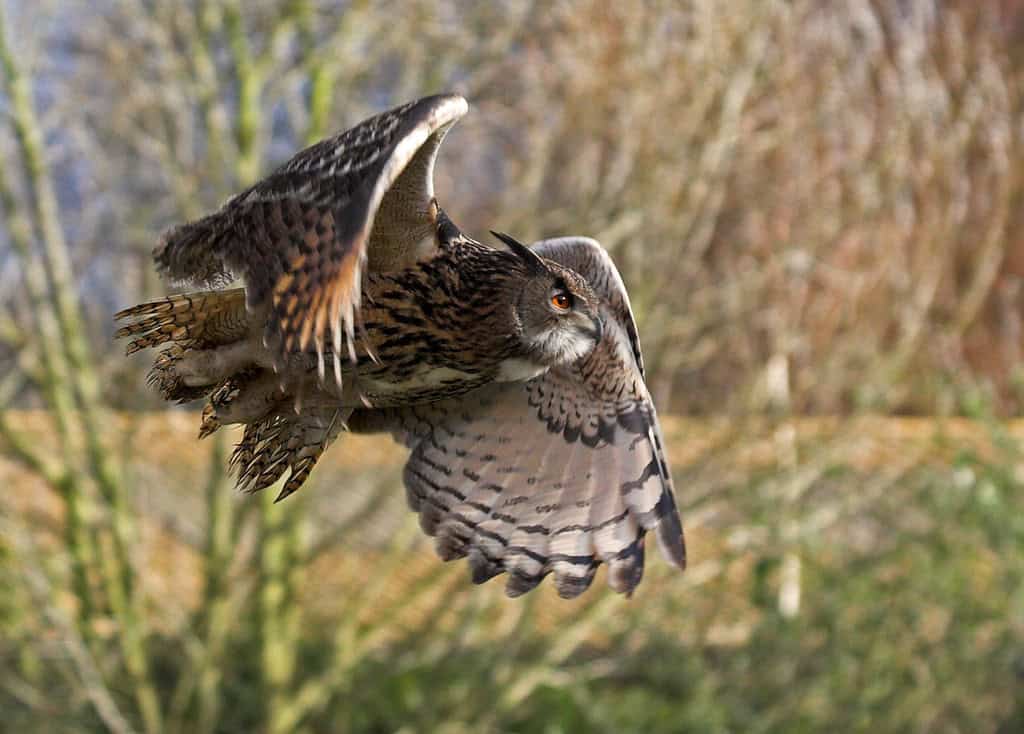
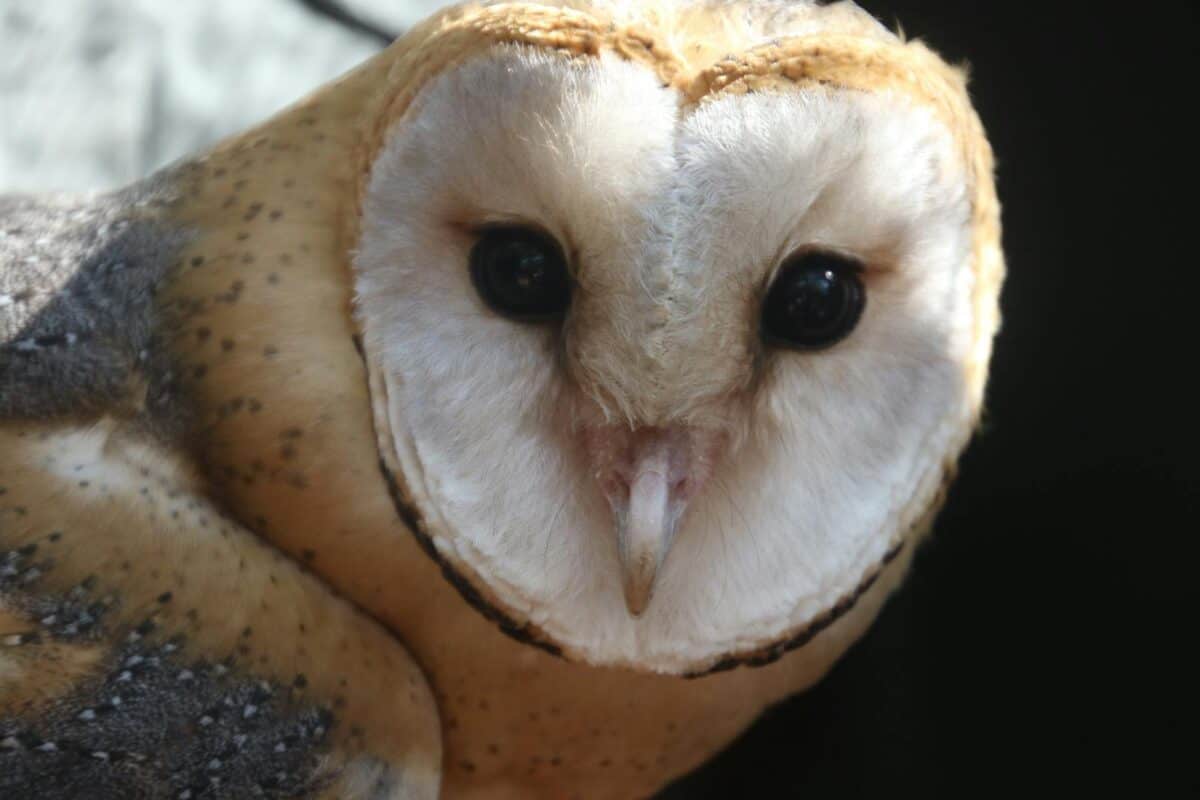
Owls possess incredibly specialized eyes that are fundamentally different from human vision. These birds have evolved exceptional night vision capabilities that allow them to hunt effectively in near-darkness. The anatomy of an owl’s eye includes an extraordinary concentration of rod cells—photoreceptors responsible for low-light vision—making them up to 100 times more sensitive to light than human eyes.
This adaptation gives owls their remarkable ability to detect prey in minimal light conditions but also makes them particularly vulnerable to sudden, intense light sources. When a camera flash goes off, what might seem like a brief moment of brightness to us can be overwhelmingly intense and potentially damaging to an owl’s highly sensitive retinal structure.
Potential Physical Harm to Owls
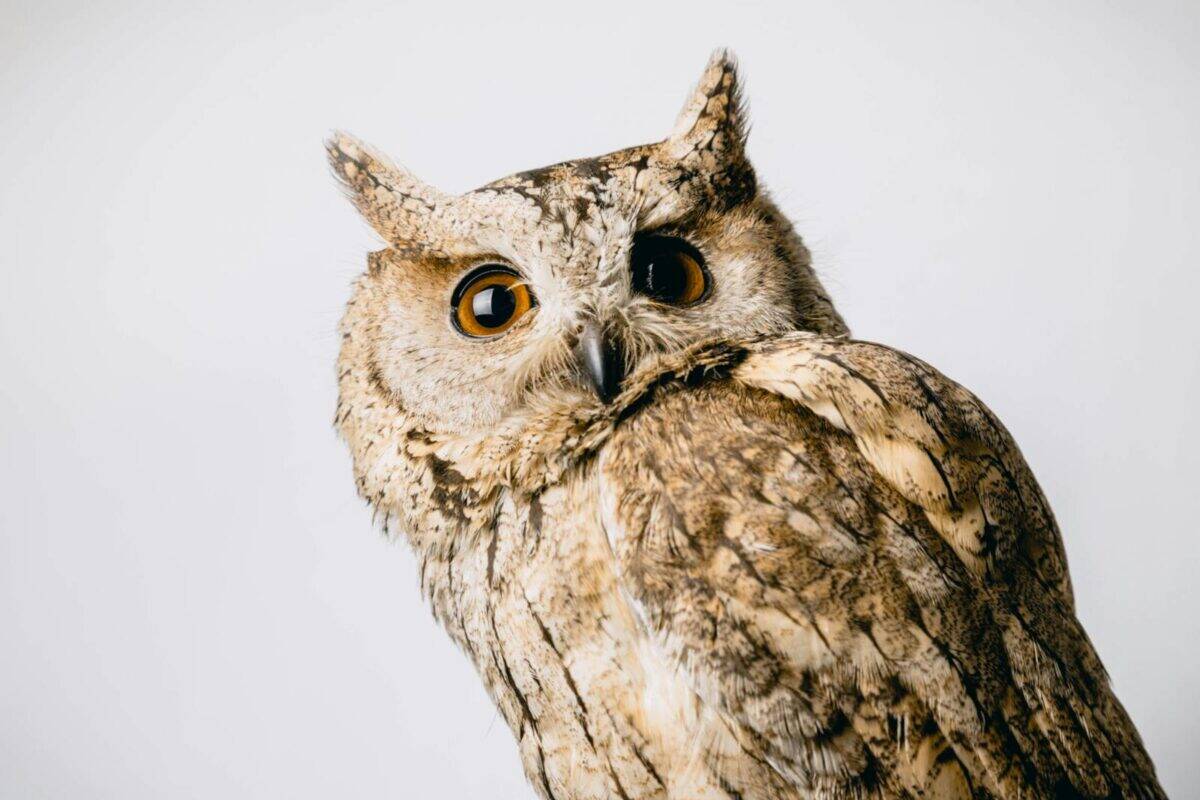
The physical impact of camera flash on owls extends beyond momentary discomfort. Research in avian ophthalmology suggests that repeated exposure to bright, artificial light can cause temporary blindness in owls. Even more concerning, there’s evidence that intensive flash photography might contribute to longer-term damage to the retinal tissues.
For nocturnal predators that rely almost exclusively on vision for hunting, such impairment could be catastrophic, potentially affecting their ability to locate prey and ultimately leading to nutritional stress or starvation. The risk of physical harm alone should be sufficient reason for ethical wildlife photographers to avoid using flash when photographing these magnificent birds.
Behavioral Disruption and Stress Response
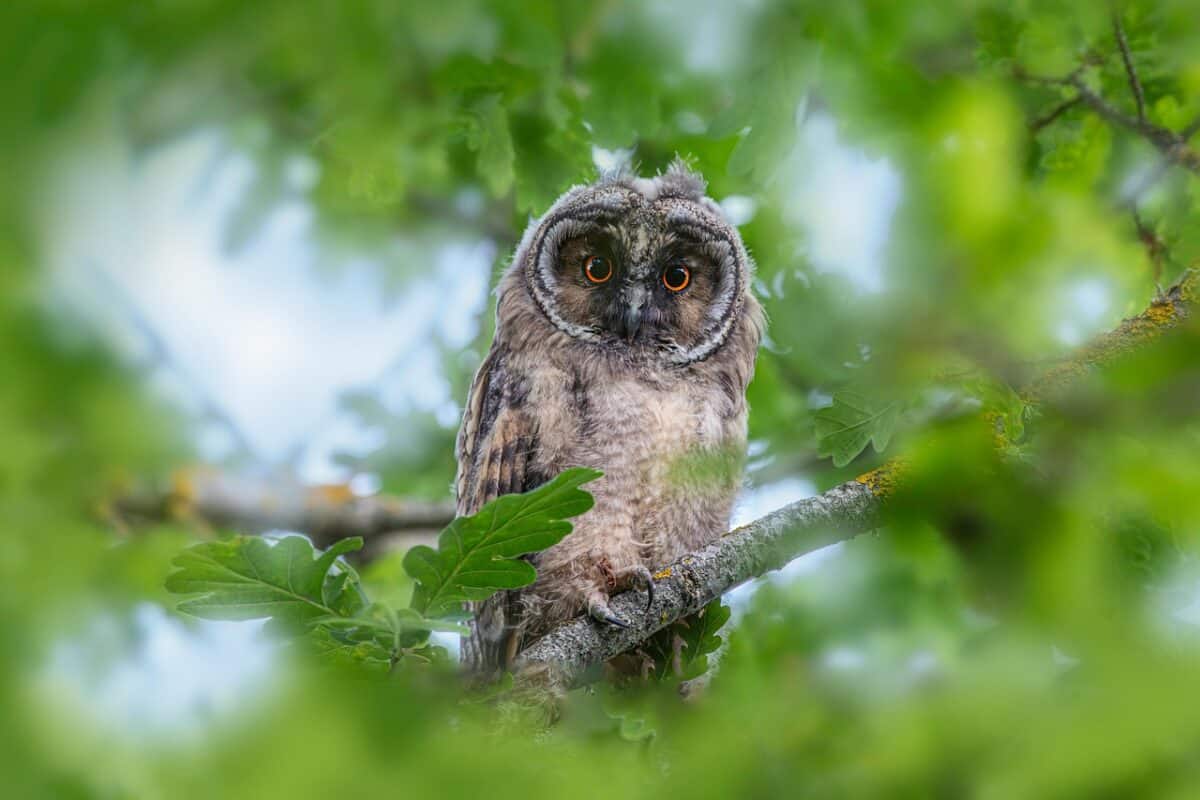
Beyond the physical effects, flash photography can trigger significant behavioral disruptions and stress responses in owls. When startled by a sudden flash, owls may exhibit defensive postures, alarm calls, or flee the area entirely. This fight-or-flight response increases their heart rate and stress hormone levels, depleting valuable energy reserves.
For nesting owls, flash disturbance can be particularly problematic, potentially causing them to abandon their eggs or young. Ornithologists have documented cases where excessive photographer activity around nest sites has led to breeding failure. Such stress responses can have cascading effects on owl populations, especially for species already facing habitat loss and other anthropogenic pressures.
Disruption of Natural Hunting Patterns
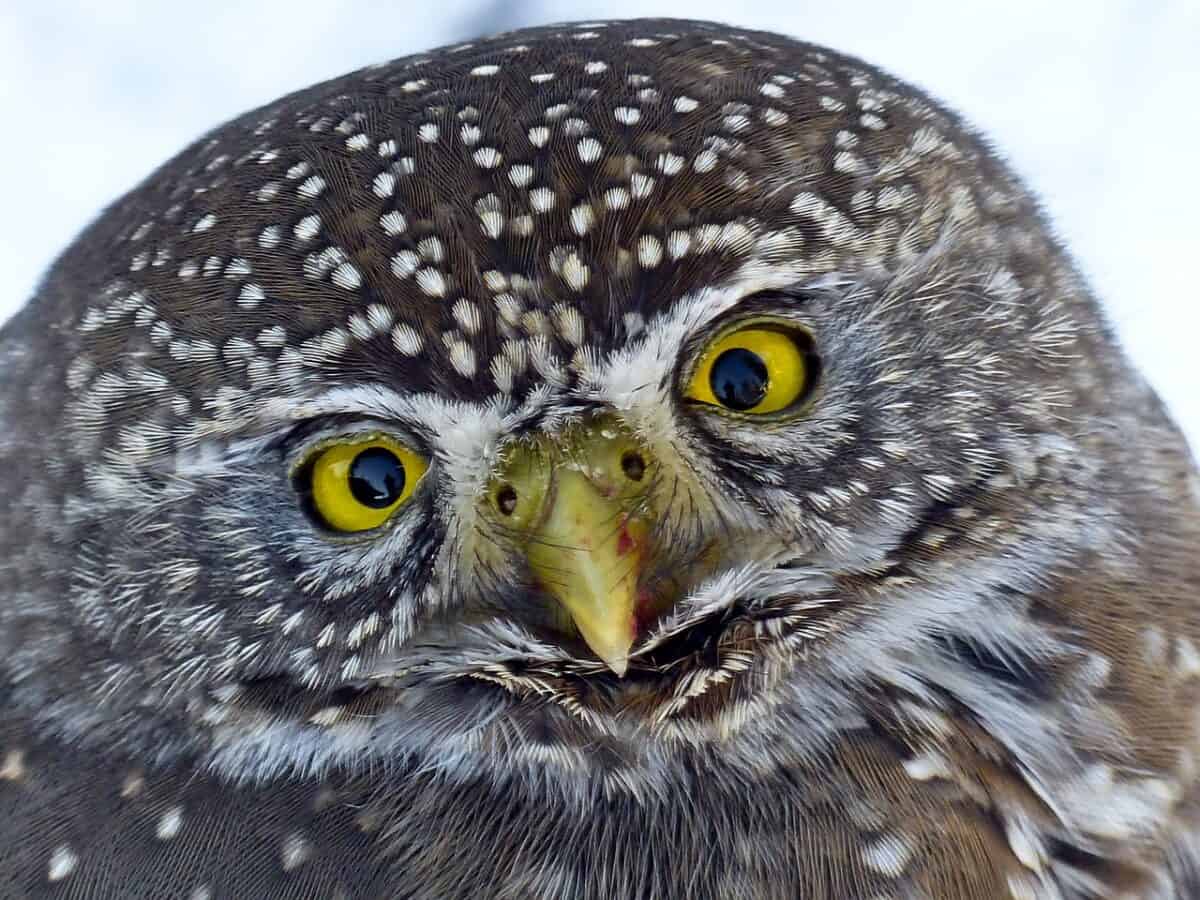
Owls are primarily crepuscular or nocturnal hunters, with feeding activities concentrated during dawn, dusk, or nighttime hours. Using flash during these critical hunting periods can severely disrupt their natural behavior. The sudden burst of light may cause prey animals to scatter or become more vigilant, directly impacting the owl’s hunting success. Additionally, the temporary vision impairment following exposure to flash can render owls unable to track moving prey effectively.
For species with narrow feeding windows or during breeding seasons when energy demands are high, such disruptions can have serious consequences for survival and reproductive success. Responsible wildlife photographers recognize that capturing an image is never worth compromising an animal’s ability to meet its basic needs.
Impact on Owl’s Circadian Rhythms
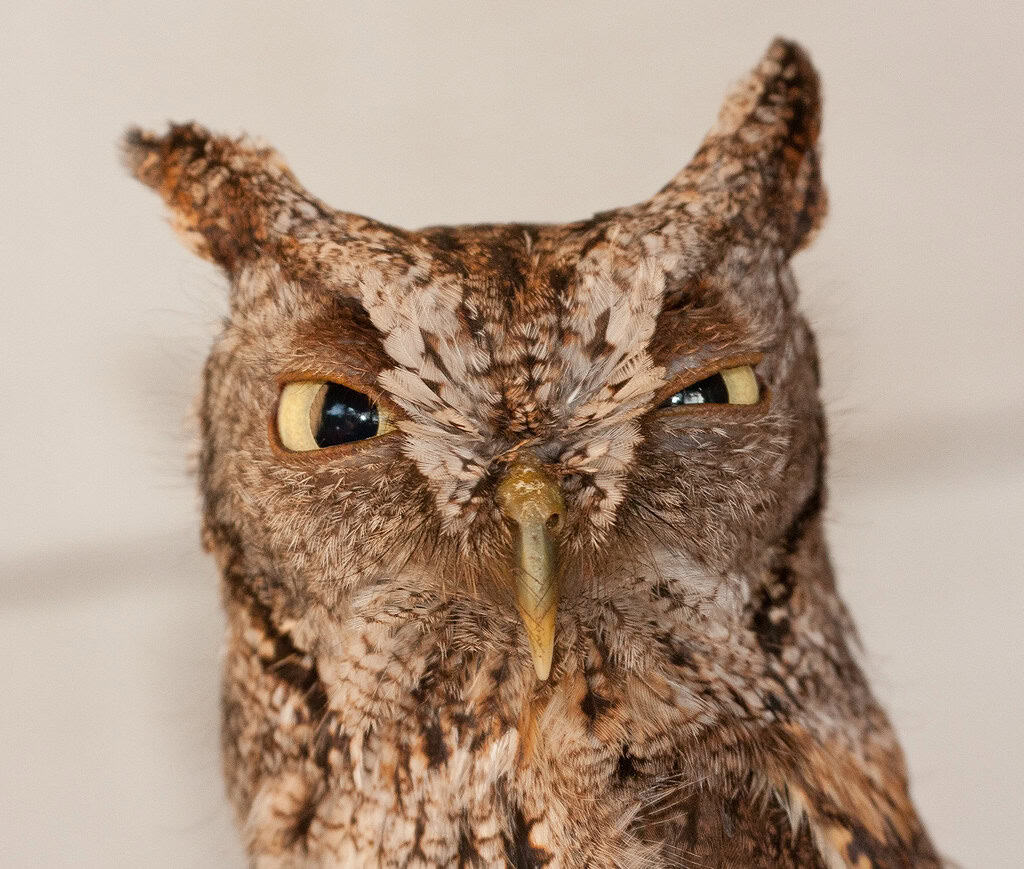
The internal biological clocks of owls are finely tuned to natural light cycles. Artificial light exposure, including camera flashes, can disrupt these circadian rhythms with potentially far-reaching consequences. Research on nocturnal birds has shown that exposure to artificial light at night can alter hormone production, particularly melatonin, which regulates sleep-wake cycles.
These disruptions can affect various physiological processes, including metabolism, immune function, and reproductive timing. For photographers working with owls during twilight hours—when these birds are most active—using flash can contribute to this type of chronodisruption, potentially affecting the owl’s health and behavior long after the photographer has departed.
Diminished Natural Behavior Documentation

From a purely photographic perspective, using flash often defeats the purpose of wildlife photography: to document animals in their natural state exhibiting natural behaviors. Flash photography typically produces images that look artificial, with unnatural lighting that fails to capture the atmospheric context in which owls thrive.
The startled or defensive reactions that flash often provokes result in photographs that misrepresent how these birds naturally appear and behave. Wildlife photography at its best serves as visual documentation of natural history, providing insights into species behavior and ecology. Images captured with artificial lighting fail to fulfill this documentary function and may even spread misleading information about owl behavior and habitat.
Legal and Ethical Considerations

In many jurisdictions, the use of flash photography for owls and other sensitive wildlife species is explicitly prohibited or restricted. Protected areas, wildlife refuges, and bird sanctuaries often have specific regulations against disruptive photography practices. In the United States, for instance, harassing wildlife (which can include causing stress through photography) in National Wildlife Refuges is prohibited under federal law.
Additionally, many professional wildlife photography organizations, including the North American Nature Photography Association and the Ethical Photography Group, have established clear guidelines discouraging the use of flash for nocturnal wildlife. Adhering to these legal and ethical frameworks is essential for responsible wildlife photography that contributes positively to conservation efforts rather than undermining them.
Superior Alternatives to Flash Photography
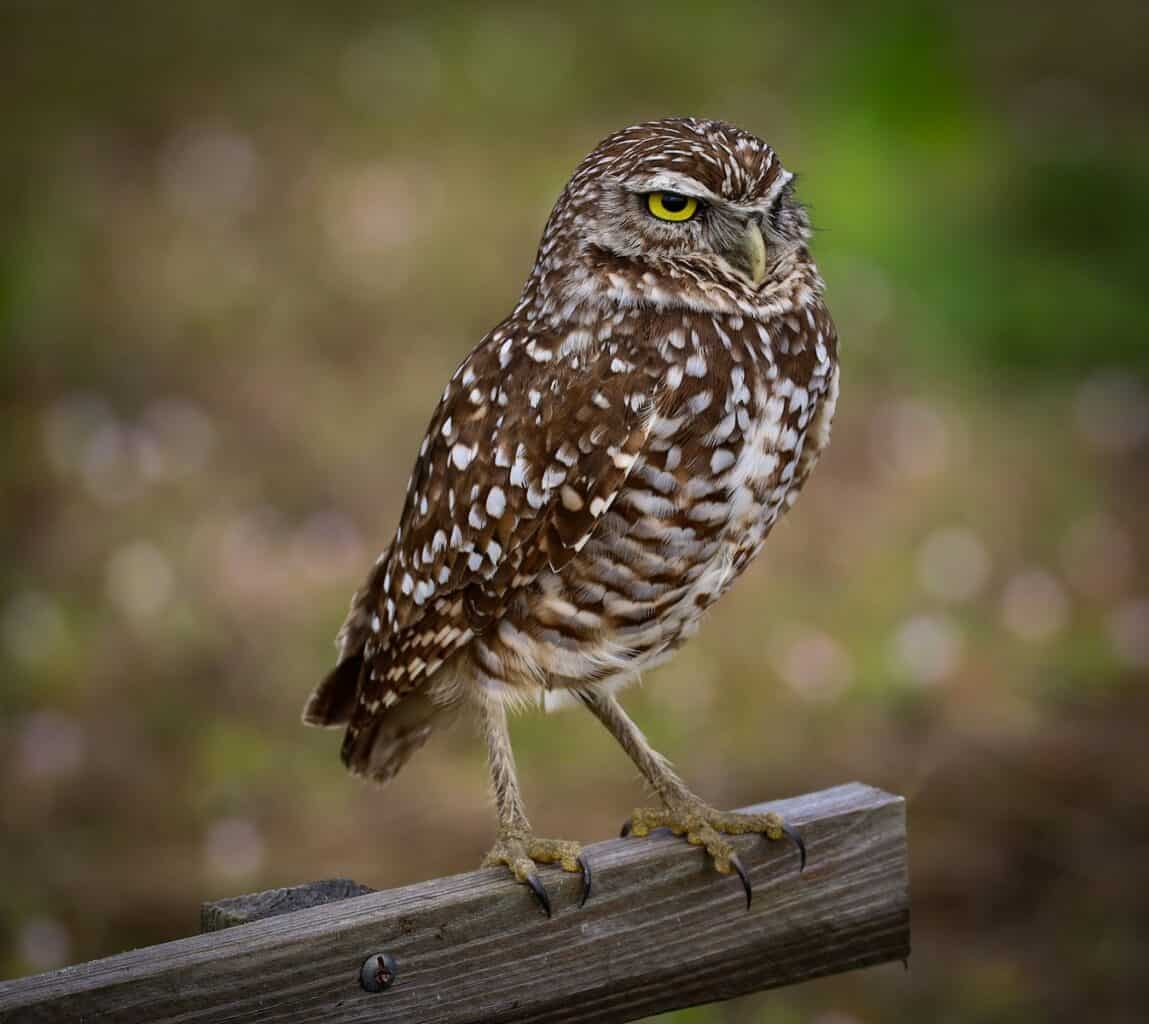
Modern camera technology offers numerous alternatives to flash that can produce stunning owl photographs without causing distress. Advanced digital cameras with improved high-ISO performance allow photographers to capture detailed images in low-light conditions with minimal noise. Fast prime lenses with wide apertures (f/2.8 or wider) gather more available light, enabling shorter exposure times even in dim conditions.
Image stabilization, whether in-lens or in-camera, helps overcome camera shake during longer exposures. For photographers determined to document nocturnal owl behavior, specialized equipment like infrared or thermal imaging cameras can capture fascinating insights without visible light disturbance. These technological alternatives not only protect owl welfare but often result in more atmospheric, natural-looking images that better represent these birds in their authentic habitat.
Techniques for Low-Light Owl Photography
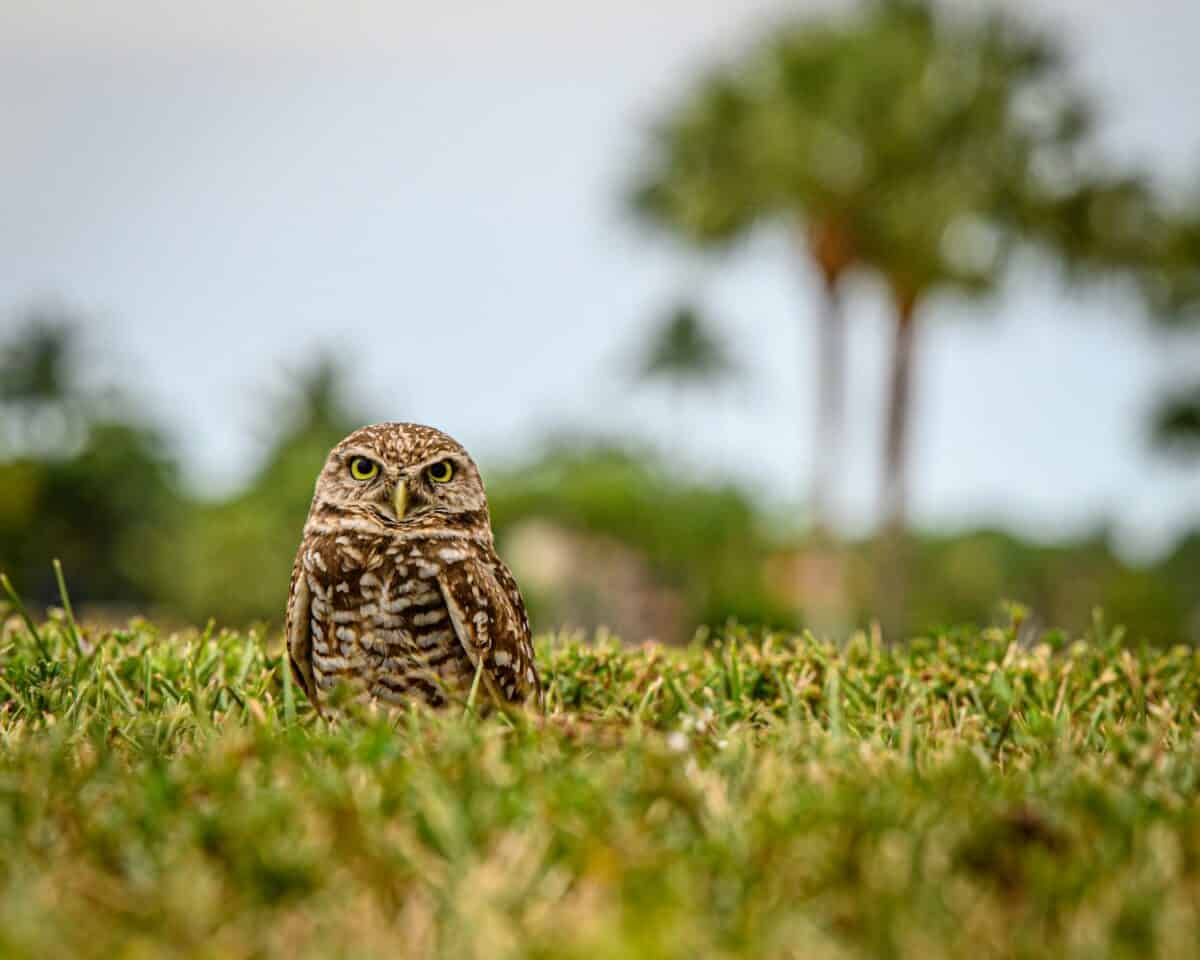
Successful owl photography without flash requires specialized techniques and preparation. Photographers should research owl habitats and behaviors thoroughly, allowing them to anticipate where and when these birds might appear. Arriving early to establish a position and allowing owls to become accustomed to your presence can result in more natural behavior documentation. Using a sturdy tripod is essential for stability during longer exposures, while remote triggers or cable releases minimize camera movement.
Exposure techniques like exposure bracketing can help ensure proper light capture in challenging conditions. Many professional wildlife photographers recommend the “expose to the right” technique—slightly overexposing the histogram without blowing out highlights—to capture maximum detail in low-light scenarios while minimizing noise in post-processing. Patience becomes perhaps the most valuable tool, as waiting for the right moment of natural light can yield results far superior to flash-illuminated shortcuts.
Conservation Impact of Ethical Photography
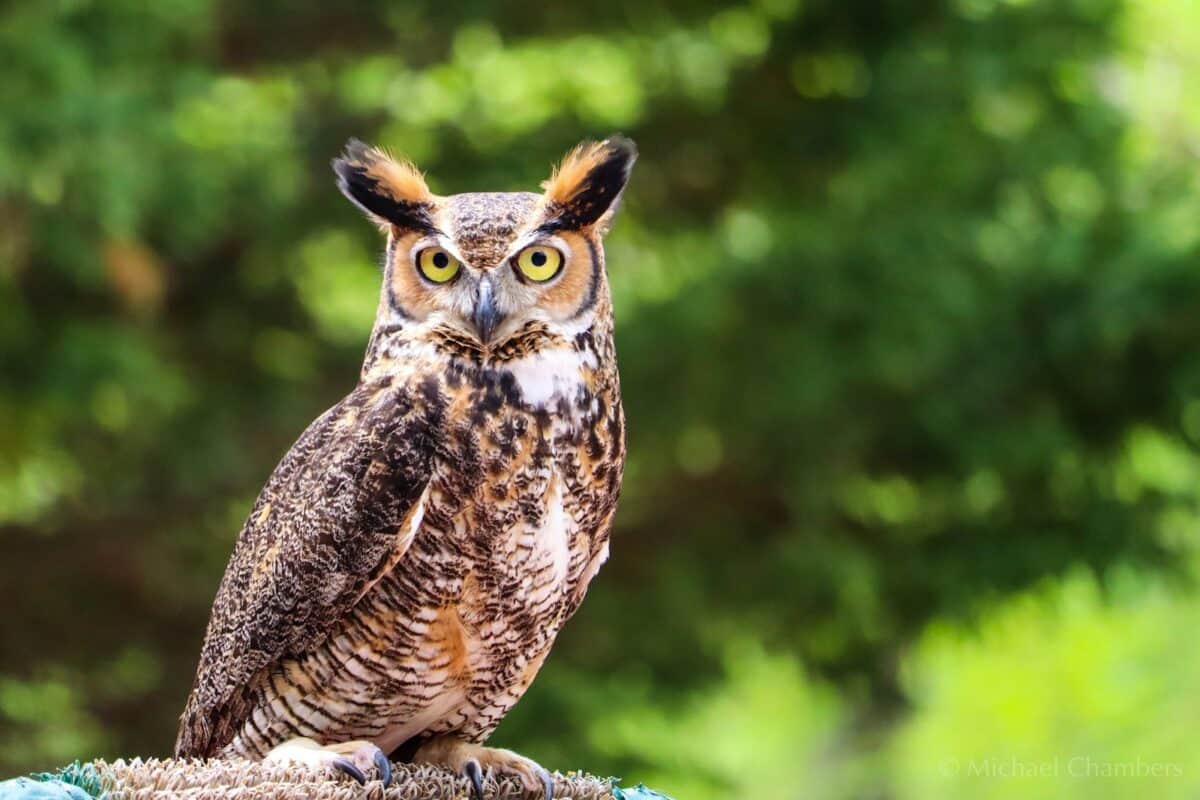
The choices photographers make extend beyond individual images to affect broader conservation efforts. Ethical owl photography can serve as a powerful conservation tool, raising awareness about these birds and the habitats they depend on. Images that respectfully document natural owl behavior can educate viewers about these species’ ecological importance and conservation needs.
Conversely, disruptive photography practices not only harm individual birds but can damage public perception of wildlife photography and lead to restricted access to important natural areas. Many wildlife refuges have implemented stricter photography regulations specifically in response to disruptive practices like flash photography. By adopting and promoting ethical approaches, photographers become allies in conservation, using their work to foster appreciation and protection for owls rather than contributing to their disturbance.
Educational Responsibility of Wildlife Photographers
Wildlife photographers bear a significant educational responsibility through the images they create and share. Every photograph published potentially influences viewers’ understanding of wildlife and appropriate human-wildlife interactions. When photographers use flash on owls and share those images, they inadvertently normalize this harmful practice, potentially encouraging others to attempt similar techniques.
Alternatively, by openly discussing ethical approaches, explaining the techniques used to achieve flash-free images, and highlighting the welfare considerations for owls, photographers can educate their audience about responsible wildlife observation. Many influential wildlife photographers and organizations now include ethical statements with their work, explaining how images were obtained without disturbing the subjects. This transparency helps establish higher standards within the wildlife photography community and educates the broader public about respectful wildlife appreciation.
The Aesthetic Advantage of Natural Light

Beyond ethical considerations, natural light simply produces more compelling and authentic owl images. The harsh, direct light of a flash creates flat, two-dimensional photographs that fail to capture the subtle textures of owl plumage or the atmospheric quality of their natural environment. Natural light—whether the golden glow of sunset, the soft blue light of dusk, or even moonlight—creates depth, dimension, and mood that artificial lighting cannot replicate.
The ethereal quality of an owl silhouetted against a twilight sky, or the subtle detail of facial feathers illuminated by the warm light of dawn, conveys the true essence of these birds far more effectively than the stark, artificial appearance of flash-lit subjects. The most celebrated owl photographs in wildlife photography competitions and publications consistently demonstrate that patience and mastery of natural light yield results vastly superior to flash-dependent approaches.
Conclusion: Prioritizing Owl Welfare in Wildlife Photography
The decision to avoid flash when photographing owls represents a fundamental commitment to ethical wildlife photography that prioritizes subject welfare over photographic convenience. By understanding the unique sensitivity of owl vision, the potential for physical and behavioral harm, and the legal and ethical frameworks that govern wildlife photography, photographers can make informed choices that support conservation rather than undermine it.
The technological alternatives and specialized techniques available today make flash photography of owls not only harmful but unnecessary, as superior results can be achieved through patience, skill, and respect for natural conditions. As stewards of both wildlife imagery and the wildlife itself, photographers have a responsibility to educate others about ethical practices while demonstrating through their work that the most powerful and authentic wildlife photographs come from approaches that honor the natural behavior and welfare of these magnificent birds.
Worried about unexpected vet bills?
Pet insurance can cover thousands in unexpected vet costs. Get a free quote from Lemonade in under 2 minutes.
Get My Free Quote →Sponsored · Opens Lemonade.com

From exploring the marine wonders in the Azores and witnessing the vast savannas of Kenya, to delving deep into the rich biodiversity of South Africa and traversing iconic landscapes in Australia and the US like Yellowstone, Chris's experiences are vast.
With a penchant for diving alongside sharks, the ocean holds a special place in his heart.
Through his academic insights, he champions wildlife conservation, striving with 'Animals Around The Globe' to cultivate a profound connection between humans and animals, enhancing our mutual appreciation.
Connect with him at Feedback@animalsaroundtheglobe.com.
- The Most Common Backyard Wildlife in Pennsylvania - June 9, 2026
- The Surprising Way Sea Otters Use Rocks as Tools - June 9, 2026
- Squirrels Adopt Orphaned Babies Like Their Own - June 9, 2026