

Most of us have seen them – a confident pair crossing a parking lot, goslings waddling close behind, the gander eyeing every passerby with quiet suspicion. Canada geese are one of the most recognizable birds in North America, yet most people never look past the honking to appreciate what’s actually going on. Beneath the boldness is a family unit operating with a level of loyalty, coordination, and emotional depth that genuinely surprises most people who study them.
These birds don’t just tolerate their mates and offspring. They form commitments that last decades, grieve when partners are lost, and teach their young everything they need to know about the world. The more closely you observe Canada geese, the more their behavior seems less like instinct and more like something deliberate, even purposeful.
#1: They Mate for Life – and Mean It
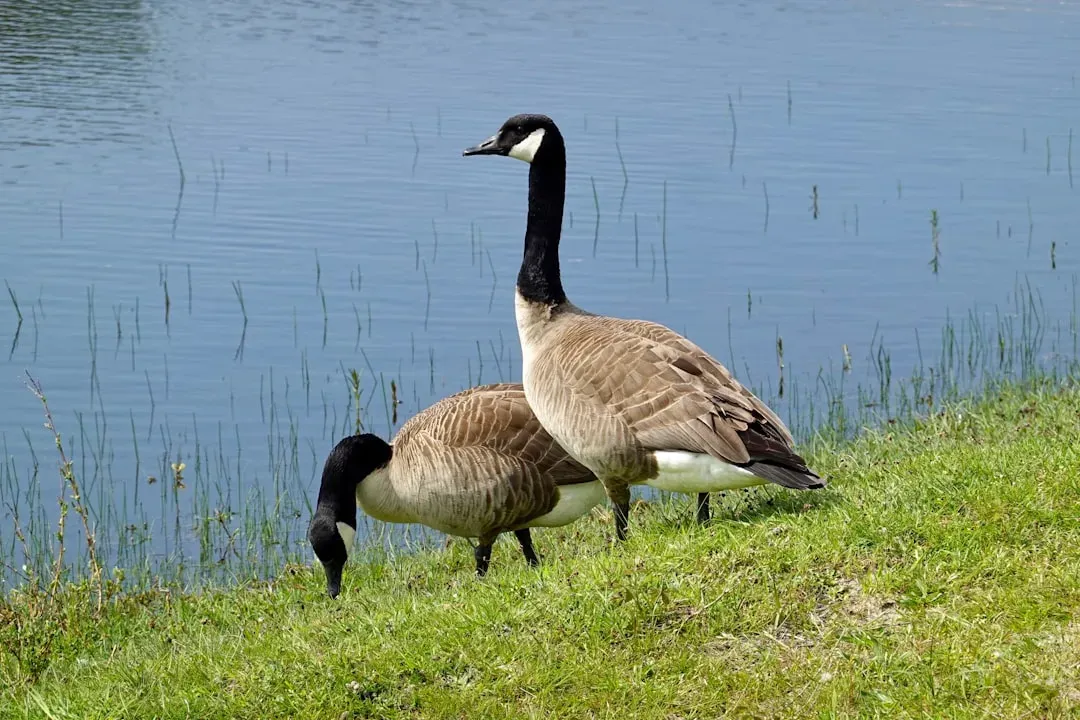
Once a goose and gander mate, their bond is for life, which spans ten to twenty-five years in the wild. Unlike other waterfowl, mated geese stay together year-round, not just in mating and nesting season. That’s a meaningful distinction. Many bird species only pair up temporarily during breeding, but Canada geese are committed partners through every season and migration.
They mate for life with very low “divorce rates,” and pairs remain together throughout the year. Geese mate “assortatively,” with larger birds choosing larger mates and smaller ones choosing smaller mates. There’s something almost methodical about the way they choose – size compatibility appears to be a genuine factor, not just a coincidence. The bond, once formed, becomes the structural center of their entire lives.
#2: Courtship Is a Serious, Ceremonial Affair
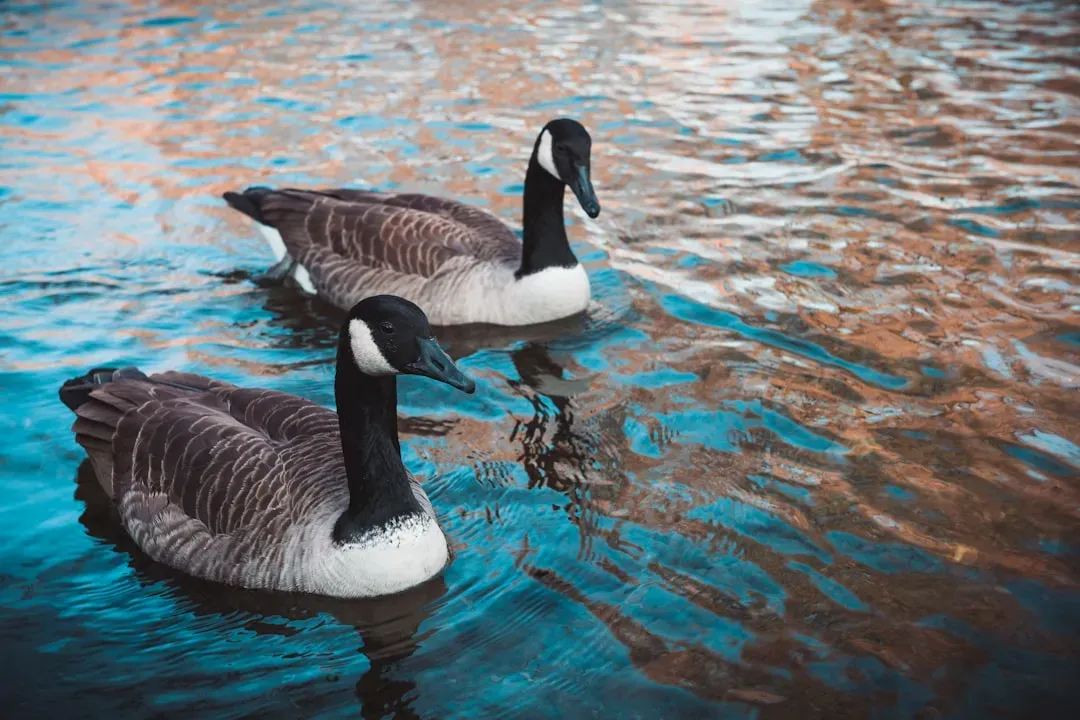
Once it is clear that the commitment is mutual, a “greeting ceremony” occurs. During this ceremony, the two geese sing together with such unity of timing that their separate calls back and forth sound like one continuous call. It’s a kind of duet that functions as both affirmation and public declaration. The synchrony required is remarkable and signals genuine coordination between partners.
The initial courting behavior involves mutual neck dipping between the two – they then swim out and turn to face each other, both beginning to dip their necks up and down. It is the female who chooses her mate based on his displays of behaviors and how well he demonstrates he can protect her. The female is not passive in this process. She watches, evaluates, and ultimately decides. Once she follows him, the contract is essentially sealed.
#3: Both Parents Guard the Nest – Together
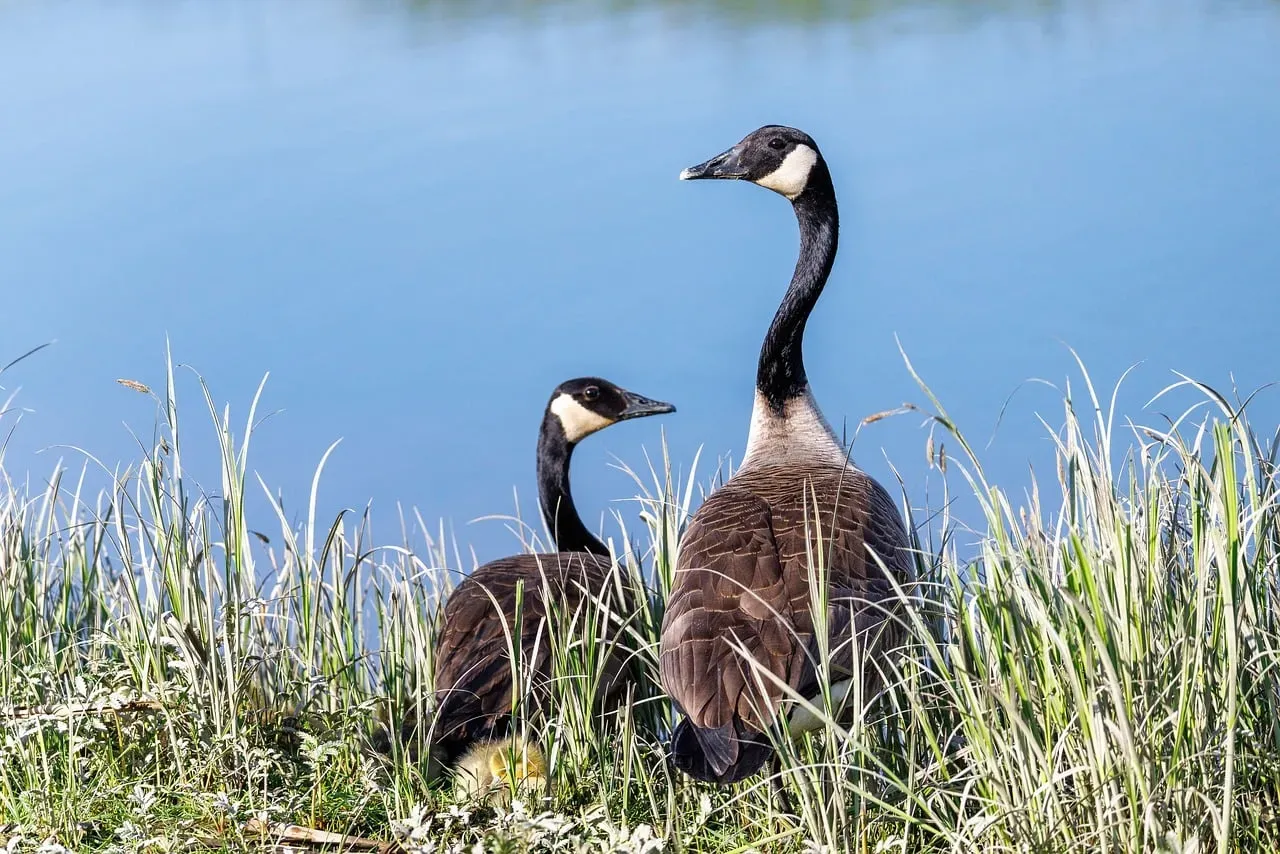
The female incubates the eggs for about twenty-eight days while the male stands guard. Once goslings hatch, both parents remain highly vigilant for ten to twelve weeks until the young can fly. The division of labor is clear and consistent, with each parent knowing exactly their role. It’s teamwork rooted in deep familiarity.
After the eggs hatch, males continue their protective role, keeping an eye out for predators and leading the family to safe foraging areas. Females are more focused on the goslings, guiding them and ensuring they learn essential survival skills like foraging and swimming. Neither parent is simply along for the ride. Each contributes distinct, complementary skills to the raising of their young, which is part of why their broods tend to fare so well.
#4: Longer Partnerships Actually Produce Better Outcomes
Studies show that geese with strong familial bonds produce more offspring than those without such bonds. Due to the “mate familiarity effect,” paired geese see their reproductive success increase for the first six to eleven years of the partnership. Biologists think this occurs because they’re able to fine-tune their behaviors and coordinate their efforts to acquire optimal resources. Experience as a couple, it turns out, genuinely matters in the wild.
Established pairings also share a familiarity with frequently visited sites, so they can draw on each other’s expertise of the sites’ associated predators, available food, and nesting areas. Pairs that remain together for multiple seasons tend to raise more successful broods, as they refine their cooperative strategies and develop a deeper understanding of their roles. A couple who has nested together for five or ten years isn’t starting from scratch each spring. They arrive with a shared map of the world.
#5: Goslings Imprint on Their Parents Within Hours of Hatching
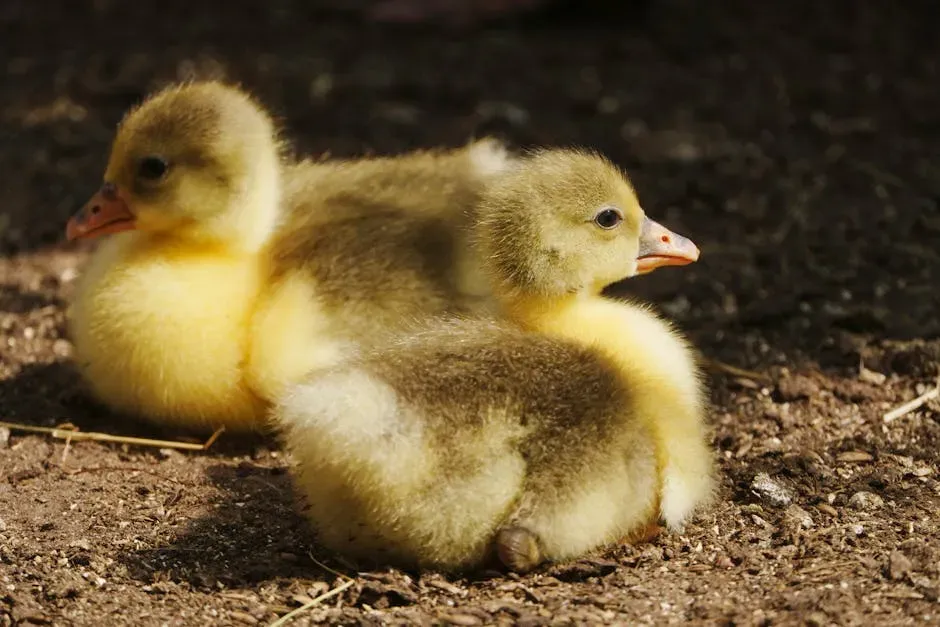
Canada goose goslings are precocial, emerging from their eggshells with eyes open, fully feathered in fine down, and able to walk, swim, and feed themselves within hours of hatching. They immediately form a strong attachment with their parents and follow them wherever they go in a process called “imprinting.” That first bond is established almost instantly, and it shapes everything that follows. The parents become the gosling’s entire world.
Imprinting happens very soon after birth, so if goslings are not in the care of their parents, they may imprint on the wrong species. Once imprinting occurs, the animal will identify with that species for life. This is why the immediate presence of a parent matters so profoundly. Shortly after they hatch, their parents lead them down to the water for the first time, with one parent taking the lead and the other “riding drag” on the goslings to prevent straggling. From their very first moments, the family moves as one.
#6: They Grieve the Loss of a Mate
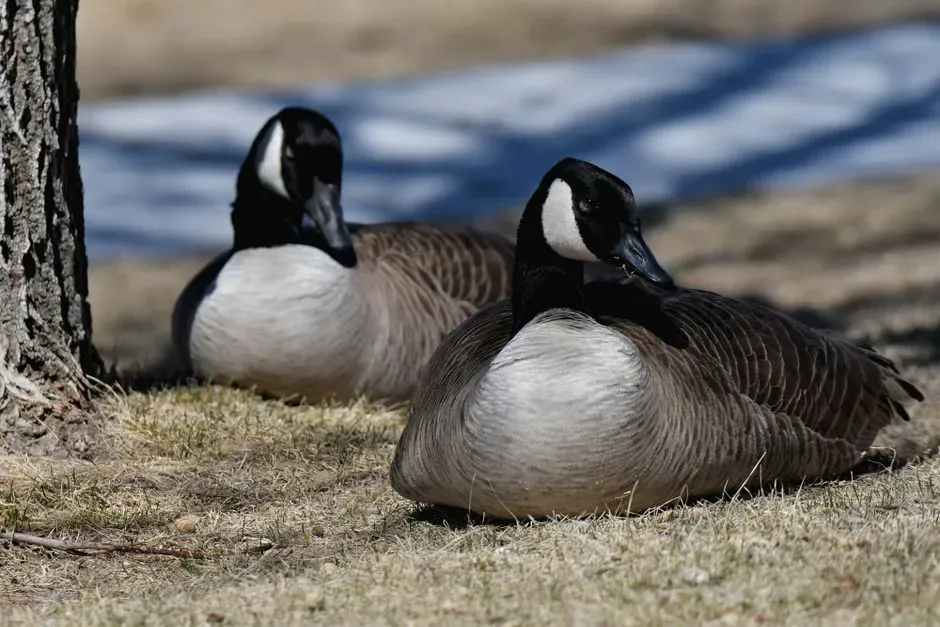
Those who have spent time observing geese will tell you that they are, indeed, very emotional creatures. There is little doubt that geese deeply mourn not only the loss of their mates, but also the destruction of their eggs. This isn’t sentimental projection. The behaviors that follow a loss are consistent, observable, and distinct from normal activity. Something real is happening in these birds.
Dr. Konrad Lorenz, an animal biologist, noted that geese possess a veritably human capacity for grief, expressing a “mourning behavior” when they lose their mating partner or their eggs. That includes hanging their heads dejectedly, appetite loss, and indifference to environmental stimuli. The remaining goose may mourn for a period of time and then mate again. Or they may mourn for the rest of their lives and never seek another mate. Much like people, the experience of loss is individual. No two geese respond exactly the same way.
#7: They Don’t Abandon an Injured Family Member
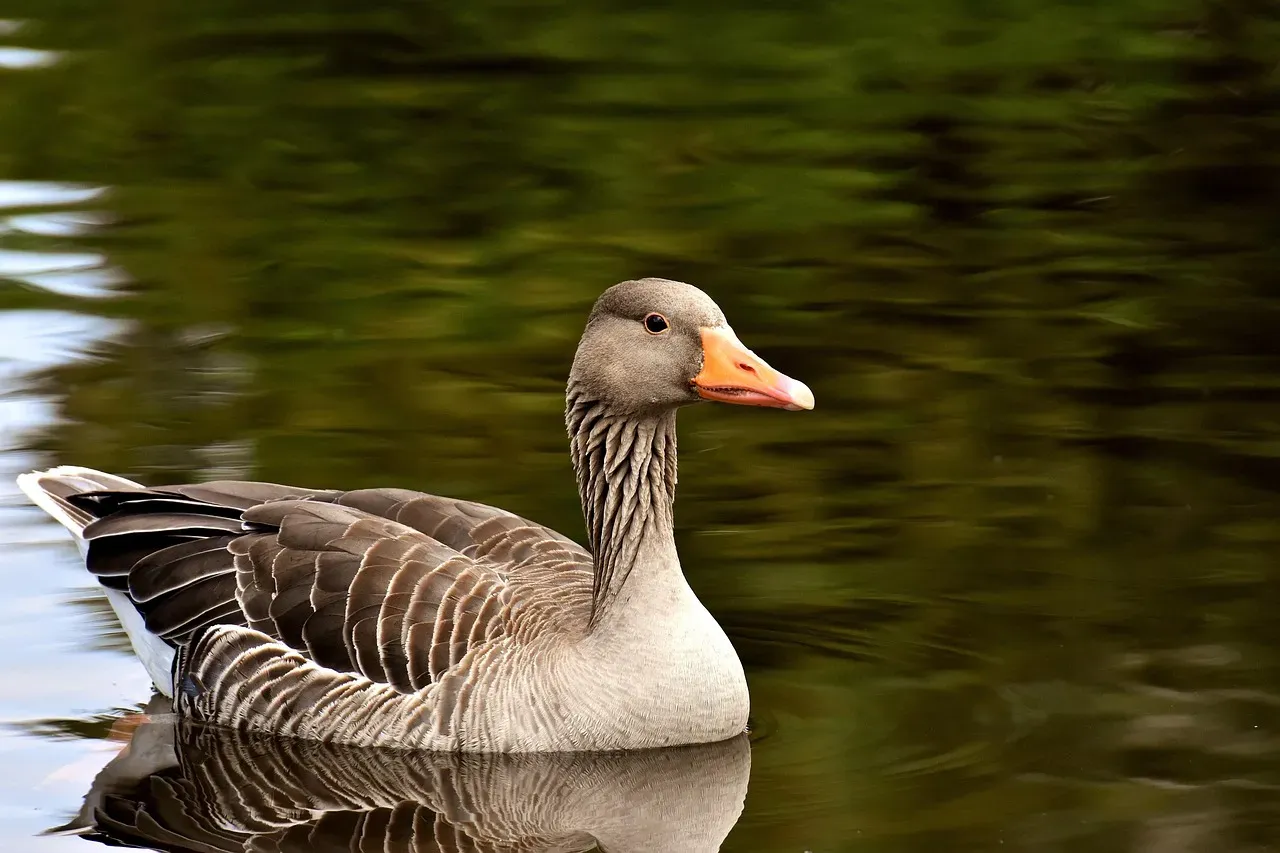
A mate will put itself in danger to protect the other, and parents will also place themselves in danger to protect the young. If one of a mated pair or a family member is injured, a goose will go down with the injured goose and guard it until it recovers or dies. This behavior has no obvious survival benefit for the healthy goose. It’s a cost, not a reward. Yet they do it consistently.
Geese express a mourning behavior when they lose their mating partner or their eggs. If a goose gets sick or is wounded, a couple of other geese may drop out of formation to help and protect it. Even during migration, when energy conservation is critical, some geese will break ranks to stay with a struggling companion. Family, for them, isn’t a fair-weather arrangement.
#8: Young Geese Stay With Their Family for Nearly a Full Year
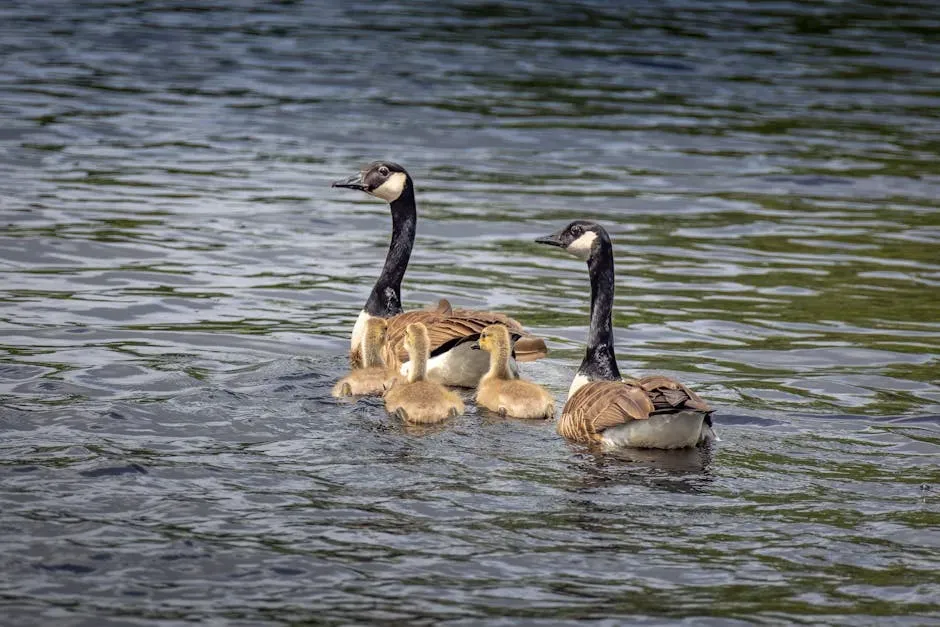
Young often remain with their parents for their entire first year, especially in the larger subspecies. Each migrating flock consists of several family groups and individuals. The goslings born the previous spring stay with their parents until they return to the breeding grounds the following spring. They migrate together, winter together, and return together. The family unit is the base from which the young will eventually launch into independence.
Young geese stay with their parents and siblings most of their first year and sometimes well into their second. If they try to mate in their second year and the pairing fails, they just return to their family and try again later. There’s something quietly reassuring about that. The family group isn’t abandoned the moment things get complicated. It remains a real safety net, available when it’s needed.
#9: The V Formation Is a Family Affair Built on Cooperation
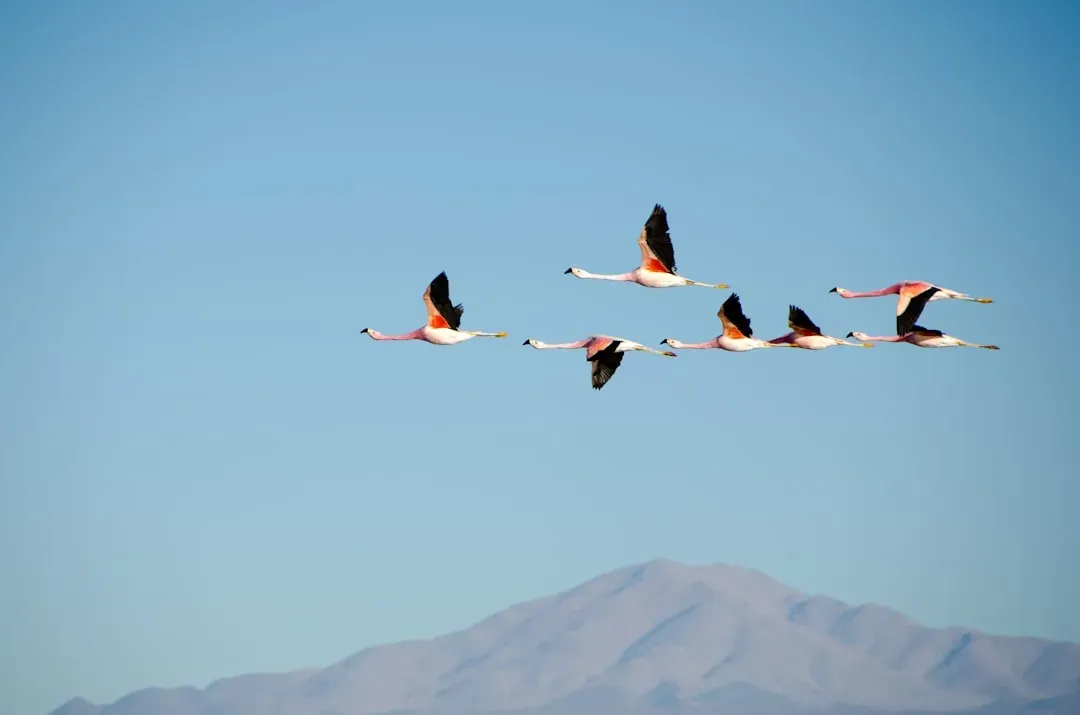
Family groups of parents and young stay together for a year and migrate together. As geese begin to call louder and louder and point their beaks towards the sky, a flock takes off – a loose group of families and individuals headed south. Flocks usually arrange themselves in a V-formation to reduce wind resistance and conserve energy. The iconic V shape isn’t just efficient. It’s a structure held together largely by family bonds.
Studies of geese flying in small family groups have shown that typically the more experienced flyers tend to take the lead. Because young birds can be more strongly affected by the strenuous migration and are less experienced flyers, it’s thought it might be more essential for them to save energy by following and relying on the guidance of a leading parent. Younger geese learn migratory routes by following their parents. It’s a form of inherited and learned behavior that guides them across continents year after year. Navigation itself is something passed down within the family.
#10: Family Status Shapes Their Place in the Flock
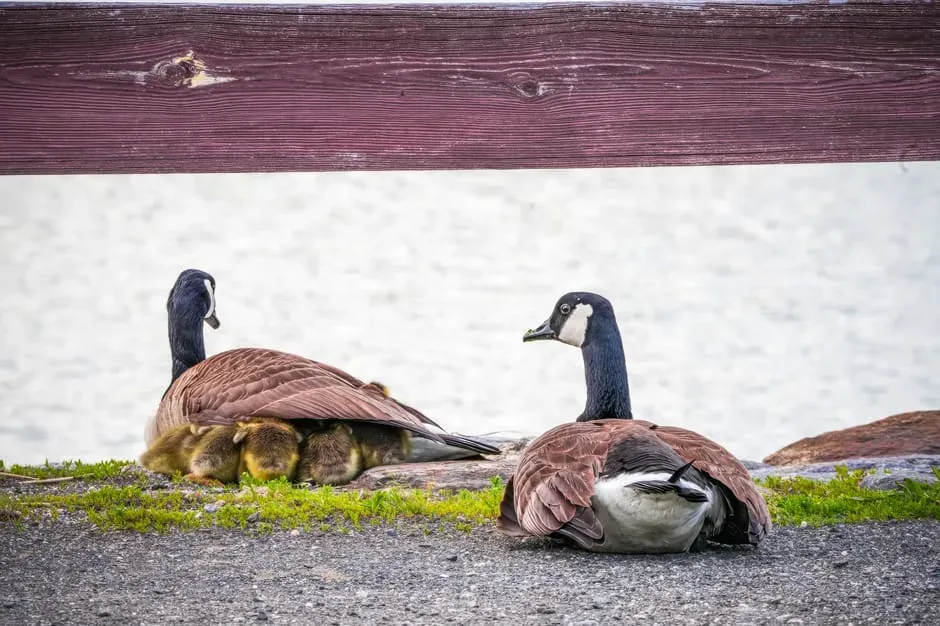
Families of Canada geese combine to make up flocks. A small flock may contain just one goose family. Larger flocks will include some single geese and some mated pairs, but the larger the family, the more status it holds within the flock. Social standing in goose society isn’t arbitrary. The family is the unit of influence, and its size signals stability and experience to the broader group.
Families are easy to see when a flock is landing, because single geese veer off to land solo, pairs land near each other, and family members all touch down very close to each other. The Canada goose hierarchy runs along family lines, from the parents to the most recent clutch of goslings, and then to grown goslings from previous years. Even the way they land tells you everything about who belongs to whom. The family doesn’t drift apart at the end of a long flight. It lands together, as it always has.
A Closer Look at the Bird We Think We Know
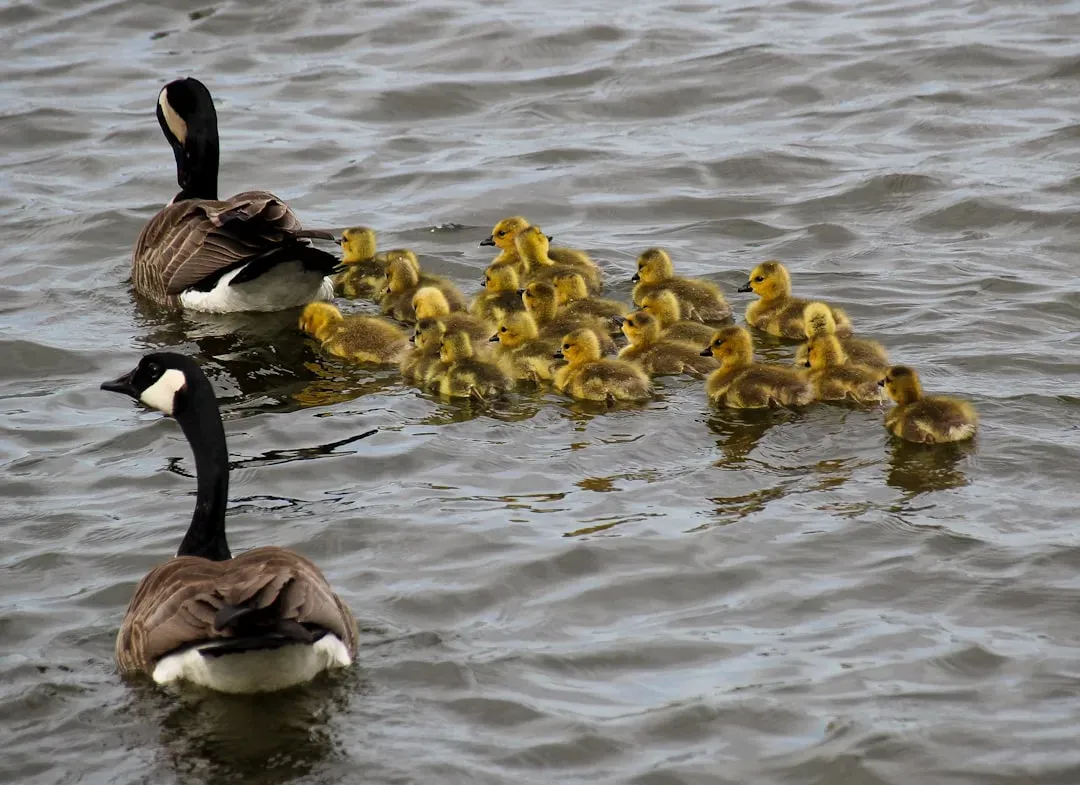
Canada geese are easy to overlook precisely because they’re so common. They show up in parks, on golf courses, and along any body of water willing to accommodate them. But familiarity has a way of making us blind to what’s actually in front of us.
What research and careful observation consistently reveal is a species with a remarkably sophisticated approach to family life. The pair bonds, the coordinated parenting, the mourning, the loyalty to injured companions – none of these behaviors are accidental. They’re the product of a social system refined over thousands of generations.
The next time a pair of Canada geese crosses your path, it’s worth pausing. Somewhere nearby, almost certainly, are their young. And wherever they’re headed, they’re going there together.

- 9 Common Myths About Wild Animals That Are Simply Not True - July 18, 2026
- 15 Signs Your Pet Is Secretly a Genius (And How to Spot Them) - July 18, 2026
- Is Earth Already In Its 6th Extinction? - July 18, 2026