
Your horse steps off the trailer, lowers its head and starts pulling at hay. Everyone exhales. Job done, right? Not quite. That peaceful picture is one of the most misleading moments in horse care, because a horse can look calm while its body runs a full security check. The real story of trust plays out …
Horses
Learn all about the amazing world of Horses here.
Everyone tells you the same thing before your first winter with a horse: “Don’t worry, they grow a coat and handle it just fine.” Then the first hard freeze hits. Your water trough is a solid block of ice at 6 a.m., your hay pile is shrinking faster than your bank account, and your horse …
Most people assume a retired horse has stopped caring about the job, the schedule and the world around him. Turns out that’s the mistake. Spend a season watching an older horse and you’ll see him guard a strict set of habits long after the last saddle left his back. Below are 13 of them, and …
You’d think a new horse’s first day is simple: a clean stall, fresh hay, maybe a nervous sniff over the stall door. But in the barns that almost never get hit with outbreaks, something much less cozy is going on. Someone is watching, quietly and constantly, with a mental checklist most owners never see. Here’s …
You bring home a rehomed horse expecting a clean slate. Then he flinches at a raised hand, plants his feet at a trailer he has supposedly loaded on a hundred times, or panics at one specific corner of the arena. Nobody on earth can tell you why. That’s the strange truth behind this list. Horses …
Most people who spend time around horses eventually notice something odd. Two riders can work with the same animal, use the same tack, and ask for the same movements, yet the horse responds to each of them in a completely different way. The gap often has little to do with skill alone. It has to …
Anyone who has stood in a paddock at dawn knows the odd hush that settles when a horse notices you. Its ears swivel, its breathing shifts, and somehow you feel read before you’ve said a word. It’s a small moment, yet it tends to stay with people long after they’ve left the barn. Horses don’t …

Imagine walking into a stable after months away, only to find a horse reacting to you with a familiarity – or wariness – that mirrors your past interactions. This isn’t mere coincidence or anthropomorphism; it’s a testament to the profound emotional memory system horses possess, one that challenges our understanding of animal cognition. The Depth …
Picture a barn at dusk. You call out from the doorway, still hidden behind a stall wall, and a head swings around before you’ve appeared. Most horse people have seen something like it. It feels like proof that the horse knows exactly who you are. Researchers have spent years testing that hunch with careful experiments, …
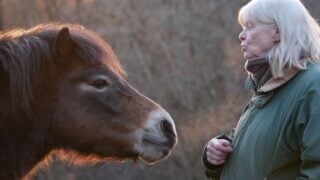
Most owners think winter just makes an old horse “a bit stiffer.” It’s a comfortable explanation, and it fits neatly into a barn conversation. The reality is stranger. Cold quietly rewrites how a senior body eats, drinks, moves, sleeps and even where it stands in the herd. Below are 17 shifts, counted down from the …

Imagine walking into a stable after a long, stressful day, and your horse immediately senses your mood, offering a comforting nuzzle. Recent research reveals that horses are not just passive observers; they actively read and respond to human facial expressions, often more swiftly than we might expect. Horses’ Sensitivity to Human Emotions Studies have demonstrated …
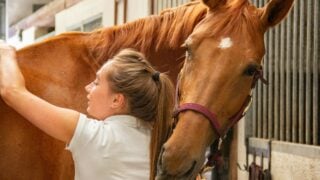
Picture the classic barn greeting: a loud nicker, a quick trot to the gate, a head swinging over the stall door the second your car pulls in. It feels like love. Often, though, it is the sound of a horse who has learned that your arrival means dinner. Real attachment is usually much quieter, and …
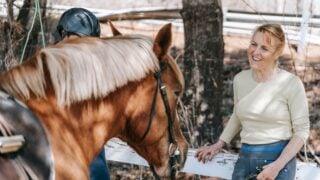
Most people think an old horse “slows down” in a field and leaves it at that. It’s a neat, comforting explanation, and it’s mostly wrong. Look closer and you’ll see an animal quietly rewriting its map: where it walks, where it eats, who it stands beside and even how it lowers its head to the …
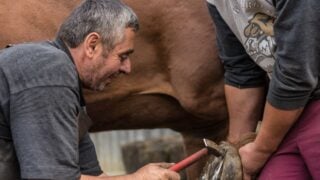
Most owners think a farrier visit is about the feet. It isn’t. While the rasp is moving, the farrier is also reading your property, your horse’s body, your habits and the way you behave around a 1,200-pound animal. They almost never say any of it out loud. But hoof care is a long-term relationship, and …
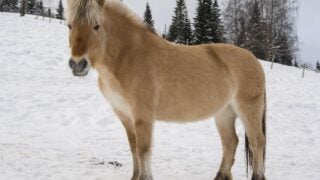
Most first-time buyers pick a horse the way they pick a used car: by color, looks and price tag. Experienced yard managers say that’s the quiet mistake that sends nervous owners home in tears within a year. This list was worth the click because it skips the pretty-picture breeds and shows you the ones yards …
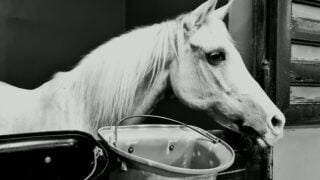
Picture an old horse at first light. His coat is damp with dew, one hip sits a little lower than the other, and he’s standing at the same fence post he has claimed for years. It looks like patience. It’s actually a list. That list has 11 items, and once you can read it, you’ll …
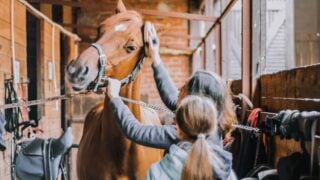
Most of us picture horses at their most dramatic: thundering across a field, or standing polished under show-ring lights. But before the grain buckets rattle and the barn fills with chatter, something much quieter happens. The first person through the door meets a version of the horse that almost nobody else gets to see. That …

Walking into any veterinary clinic, you’ll notice the subtle eye rolls when certain breed names come up during appointments. While every horse deserves love and care, some breeds have become veterinary nightmares due to decades of poor breeding practices and genetic predispositions that create ongoing health challenges. Many horse enthusiasts choose breeds based on appearance, …

There’s something almost otherworldly about watching a white stallion perform a perfect levade, balancing its entire weight on its hind legs at a precise angle. These aren’t just horses. They’re living pieces of history, trained through methods that have been refined over centuries. The Lipizzaner stallions of Vienna’s Spanish Riding School represent one of the …
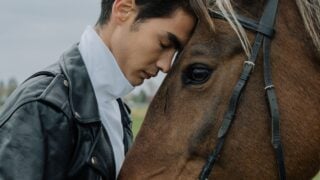
Every barn has one: the horse that melts into a single person and treats everyone else like a stranger at a bus stop. People call it magic, destiny, or “she just chose him.” It feels so unexplainable that nobody bothers to ask what the horse is actually doing. Researchers have been asking. They have measured …

Ever watched a horse playfully toss its head or come trotting over to you with that unmistakable spark of excitement in its eyes? There’s something magical about the way certain horses seem to genuinely enjoy human company. They’re not just tolerating us for the treats, they actually seek out our attention and interaction. These breeds …
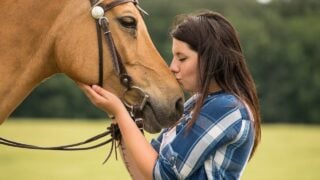
Most people picture senior horse care as a softer life and a scoop of extra feed. That’s the brochure version. The real version is stranger, because the best yards rebuild their whole routine around an old horse, usually without a single meeting about it. Feeding order shifts. Bedding gets deeper. Water gets warmer. Even the …

Wyoming is home to some of the most stunning landscapes in the United States, from its vast prairies to its rugged mountains. Among these natural wonders reside the iconic wild horses, descendants of domestic horses brought by European explorers centuries ago. Revered by many, these animals represent the spirit of the American West, symbolizing freedom …
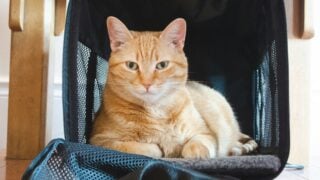
Most owners think a vet visit begins when the exam room door closes. It doesn’t. It begins the moment the carrier comes through the clinic door, and a veterinary nurse has often read it like a headline before you reach the front desk. Size, sound, grip, smell, and the way the animal inside is sitting …

When you think of American horses, the Quarter Horse or perhaps the wild Mustang likely comes to mind. These iconic breeds dominate rodeos, racetracks, and Western films. Yet hidden across the vast American landscape, from the swamps of South Carolina to the badlands of North Dakota, are horse breeds most people have never encountered. …
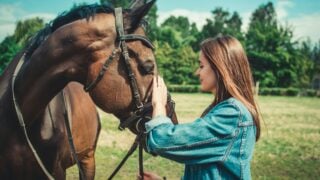
Picture a horse you haven’t seen in a couple of years. You walk up to the fence, and its head lifts, its ears swivel toward you, and it gives a low, soft nicker. Was that real recognition, or just a hopeful guess that you’ve brought a snack? Researchers have been poking at that question for …
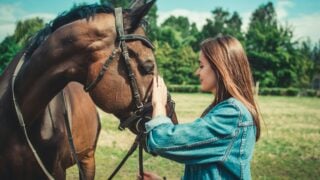
Horses rarely announce how they feel. There’s no tail wag, no purr, nothing that reads as obvious affection to someone new to them. What they offer instead is subtle, and it’s easy to miss if you’re busy looking for something bigger. Once you know what to watch for, though, the barn starts to feel different. …
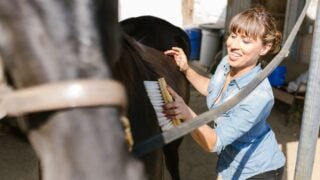
Most people never see trust break. There’s no slammed door, no dramatic moment, just a horse that gradually gets a little slower to walk up at the gate, a little tighter in the jaw, a little more watchful when you reach for the halter. Horses don’t hold grudges the way people do, but they do …

Thrush is one of the most common hoof conditions affecting horses, characterized by a bacterial infection that thrives in moist, anaerobic environments. This unpleasant condition typically develops in the sulci (grooves) alongside the frog of the horse’s hoof, causing a distinctive foul odor, black discharge, and potentially painful deterioration of hoof tissues. For horse owners …

The relationship between horse breeds and riding techniques is a fascinating intersection of biology, history, and artistry. For thousands of years, humans have selectively bred horses for specific traits and purposes, resulting in breeds with distinct conformations, temperaments, and movement patterns. These genetic differences significantly impact how riders communicate with their equine partners and the …

Horses, with their expressive eyes and nuanced behaviors, communicate their emotions in ways that attentive owners can learn to interpret. Recognizing the signs of a content horse, as well as those indicating distress, is crucial for fostering a healthy and trusting relationship. Let’s explore ten indicators that your horse is truly happy, followed by ten …

Long before horses galloped into human history and millennia before dogs became man’s best friend, donkeys were quietly revolutionizing human civilization. These remarkable animals, often overlooked in favor of their more glamorous equine relatives, have been steadfast companions to humans for over 5,000 years. The humble donkey has played an indispensable role in agricultural development, …
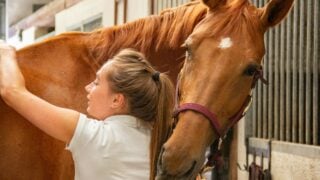
Picture a 28-year-old gelding standing at the gate at 6:45 a.m., ears forward, waiting for a breakfast he knows is coming. No saddle, no arena, no job. Most people look at that scene and see a horse with nothing left to do. Look closer and the picture flips. A horse in its twenties or thirties …
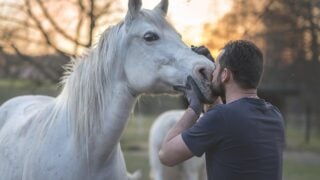
Ask most people how a horse’s life ends and they picture a crash: a midnight colic, a bad fall, a vet’s truck rolling up the driveway. For many horses, it doesn’t happen that way. It arrives in whispers, in where he stands, how he chews, and whether he still walks to the gate when you …
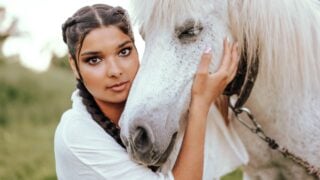
Most people picture a rehomed horse stepping off the trailer as a blank slate. He isn’t. He arrives with a hidden rulebook covering when food appears, which humans are safe and what a gate really means. These 13 habits show up again and again, and once you know what you’re looking at, they stop looking …
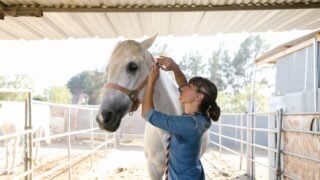
Roughly 20–25% of senior horses, ponies, and donkeys are affected by one hormonal disease alone. Most people expect an old horse to announce trouble with a limp or a refused feed bucket. The real first warnings are much quieter: a dull coat, a half-empty water trough, a slightly different expression. Yards walk past these signs …

The vast, untamed landscapes of Nevada are home to a unique chapter of American history—wild mustangs. These resilient animals are more than just symbols of freedom; they embody the spirit of adventure and discovery that has shaped the United States. Through centuries of changes, these wild horses have become an integral part of America’s cultural …

Horses have a way of slowing everything down without saying a word. Spend time around them and the rush of daily life starts to feel unnecessary, almost noisy. Their quiet steadiness invites a different pace, one that rewards noticing small shifts rather than chasing big results. Standing Still Without Needing to Move Horses often remain …
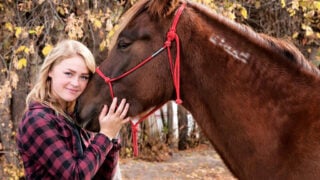
Picture the classic retirement scene: a grey muzzle over the gate, a peppermint on a flat palm, a field of long grass. It looks like paradise, and it’s exactly where plenty of old horses quietly slip through the cracks. Older horses lose teeth, muscle, heat control and joint comfort, and they rarely make a fuss …
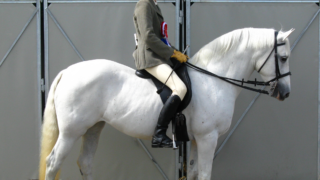
Ask a few horse people what makes a horse “independent,” and you’ll get a few different answers. Some mean a horse that thinks for itself on the trail. Others mean one that stays calm when it’s left alone, or one that doesn’t need constant direction. It’s a loose idea, and that’s part of the fun. …

In the heart of southern France, where the Rhône River meets the Mediterranean Sea, a mythical landscape unfolds—the Camargue. This vast wetland sanctuary isn’t just remarkable for its flamingos and salt flats, but also for its most iconic inhabitants: the legendary white horses that have roamed these marshlands since time immemorial. The Camargue horses, …

Dressage, often described as “horse ballet,” is an elegant discipline that demands precision, harmony, and artistry from both horse and rider. Behind the seemingly effortless performance lies years of dedicated training and meticulous preparation. For competitors seeking to excel, understanding how to impress dressage judges is paramount. These officials, with their discerning eyes and comprehensive …
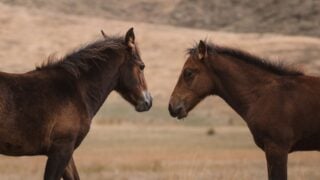
You’re grooming in the aisle, and your horse is staring hard at the far end of the arena. Yet one ear is angled back toward you, tilted like a tiny satellite dish. It’s an odd look, and it’s easy to wonder whether he’s ignoring you or secretly tuned in. That split attention is common, and …

Starting your journey with horses can feel overwhelming, especially when you’re standing at the fence watching these magnificent 1,200-pound animals move with such grace and power. The truth is, choosing the right horse breed can make the difference between falling in love with riding forever or walking away after a few scary experiences. While every …
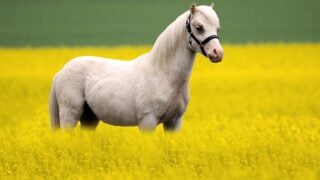
Walk into almost any lesson barn and you’ll notice something odd. The horses carrying nervous first-timers around the arena often aren’t the flashiest ones on the property. They’re the steady, slightly unbothered types that seem to take everything in stride. That’s not an accident. Trainers tend to lean on certain breeds because those horses have …

On the windswept shores of the Outer Banks in North Carolina, an extraordinary sight greets visitors—a herd of wild horses galloping along the pristine beaches. These majestic creatures have roamed this region for centuries, captivating the imagination of locals and tourists alike. However, their origins remain shrouded in mystery, sparking curiosity and debate among historians …
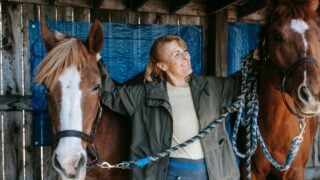
Most yards picture the end of an old horse’s life as one dramatic moment: a collapse in the field, a frantic call to the vet, a clean line between “fine” and “finished.” The reality is far quieter. One vet quoted in PETBOOK says months of gradual change often pass before an animal becomes immobile and …
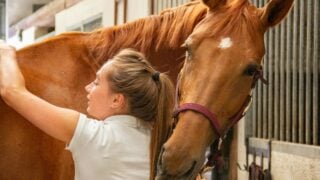
Picture a retired horse. No saddle, no trailer, no training schedule. Most people assume the days blur into one long, empty stretch. Then you watch closely. The same horse is waiting at the gate before you reach it, parked in the same square of sunlight, and guarding the same water trough. Retirement isn’t empty. It’s …
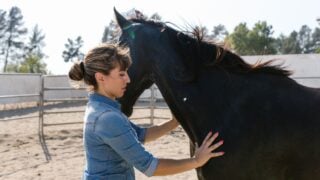
Picture the moment the trailer ramp drops: new yard, new smells, a fresh start. Most people assume the horse steps off with a clean slate. That’s a myth, and it’s why so many “sudden” behavior problems feel like they came out of nowhere. These 17 carryovers are worth your time because the horse in front …
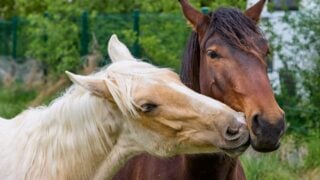
The trailer ramp drops, the horse steps out, and someone nearby says what someone always says: “Look, he’s settling in.” Sometimes that’s true. More often, the horse has been broadcasting a detailed report since his first hoof hit the gravel, and nobody around him is reading it. There really are 14 signals, and most of …