
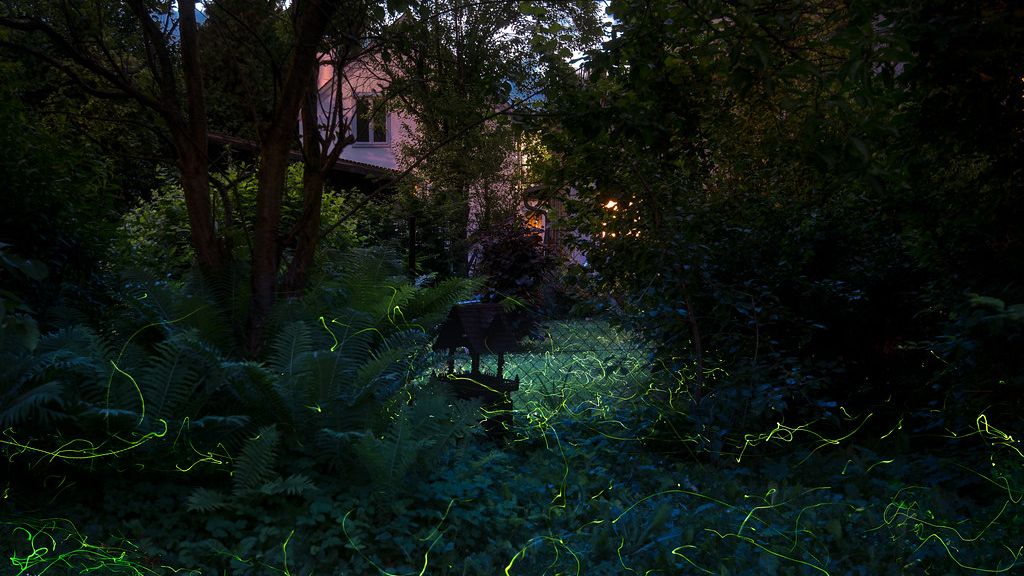
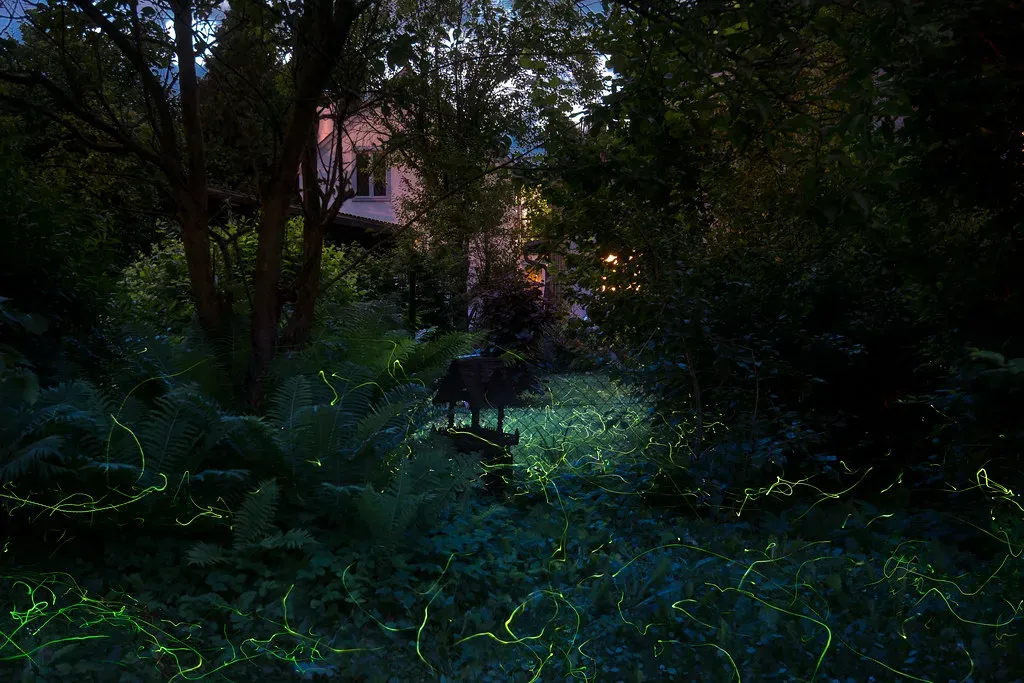
Picture a warm evening in early summer. The air still holds the day’s heat, yet the yard begins to flicker with tiny points of light that drift and pulse like scattered stars come down to earth. Those flashes turn an ordinary backyard into something quietly extraordinary, and the more you learn about the insects behind them, the more the scene feels like a small, living wonder.
Fireflies have evolved over millions of years to create light in ways that still surprise scientists and delight anyone who watches them. Their story mixes chemistry, survival, and seasonal timing into a single glowing performance that repeats each year across many parts of the world.
Fireflies Are Actually Beetles, Not Flies
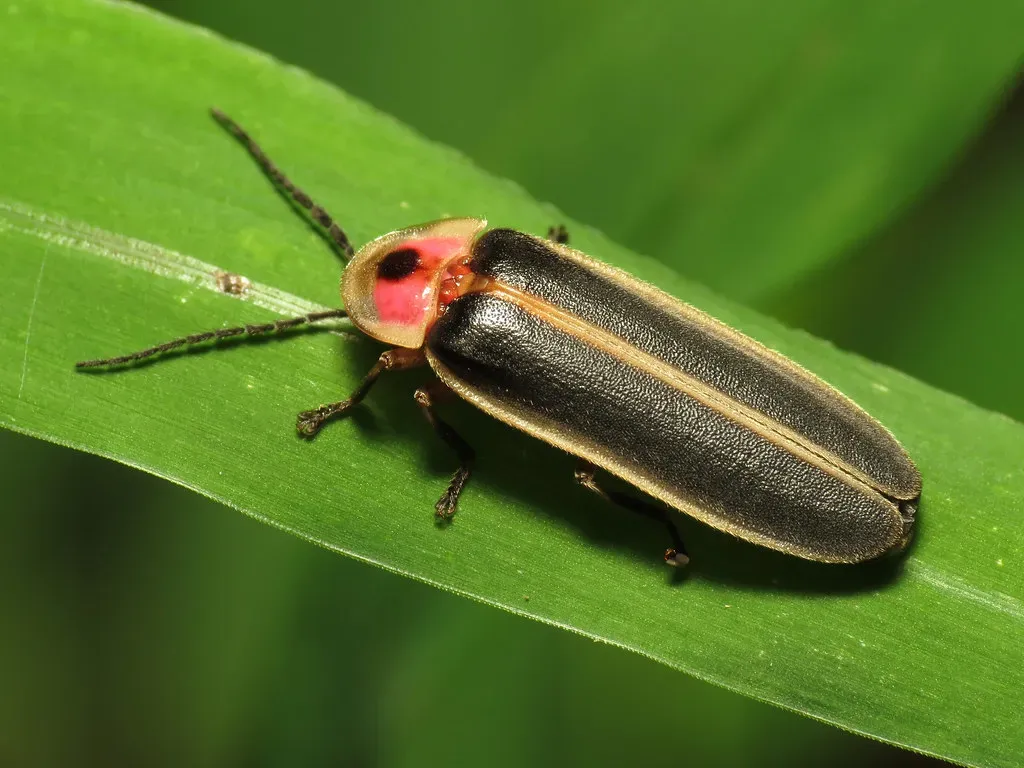
Most people grow up calling them fireflies or lightning bugs, yet they belong to the beetle order Coleoptera. Their hard wing covers and chewing mouthparts set them apart from true flies, which have only one pair of wings. This classification matters because it places them among insects with complete metamorphosis, from egg to larva to pupa to adult.
The beetle identity also explains why their bodies feel sturdy rather than delicate when one lands on your arm. Adults live only a few weeks, focused almost entirely on finding mates before the season ends. That short window makes each glowing evening feel a little more precious.
They Create Light Through A Cold Chemical Reaction
Inside a firefly’s abdomen, a substance called luciferin combines with oxygen, ATP, and an enzyme called luciferase. The reaction releases energy almost entirely as light rather than heat, so the insect stays cool even while shining brightly. This efficiency lets them signal for hours without wasting precious energy stores.
Because the light produces almost no warmth, it can appear in damp grass or on humid nights without drying out the surrounding tissues. Researchers have studied the same reaction for medical imaging tools, yet in nature it remains a private language between the beetles themselves.
Each Species Has Its Own Flash Pattern
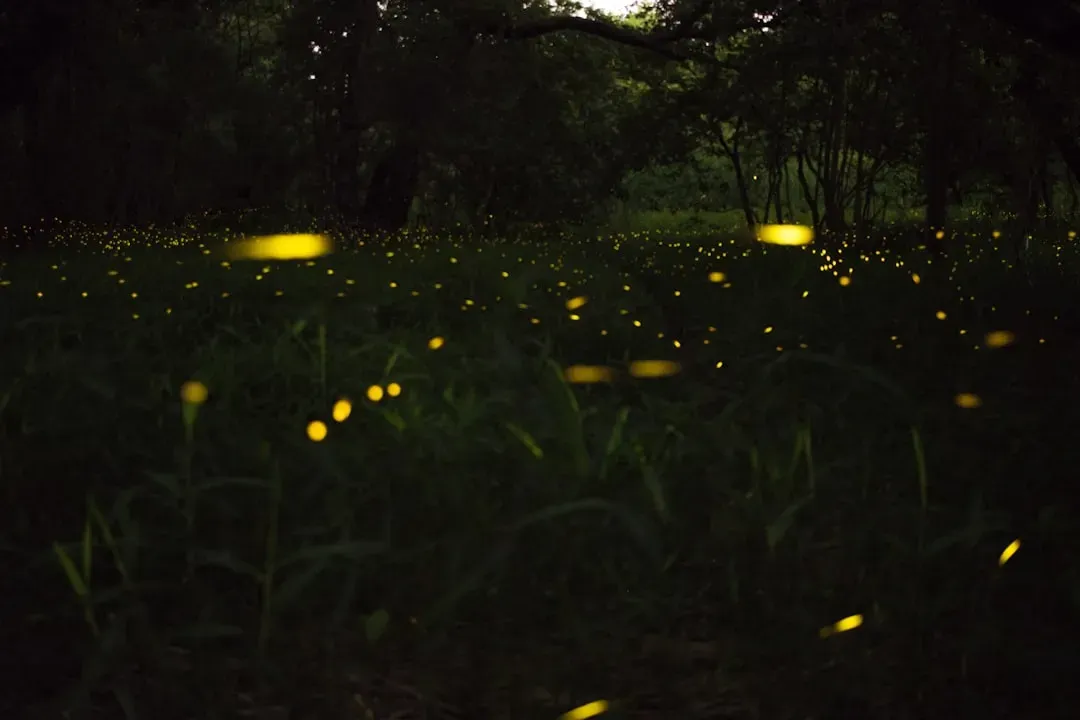
Male fireflies fly in distinctive rhythms, some producing quick double pulses while others trace long, slow glows. Females usually stay on the ground or low vegetation and answer with a precise timing that only their own species recognizes. The result is a layered conversation of light that keeps different groups from mixing.
Observers who sit still long enough can begin to sort the patterns by eye. One species might flash every two seconds in a steady rhythm, while another inserts an extra blink after the first. These small differences turn a single meadow into a living code that changes slightly from one summer to the next.
Some Fireflies Synchronize Their Flashes In Large Groups
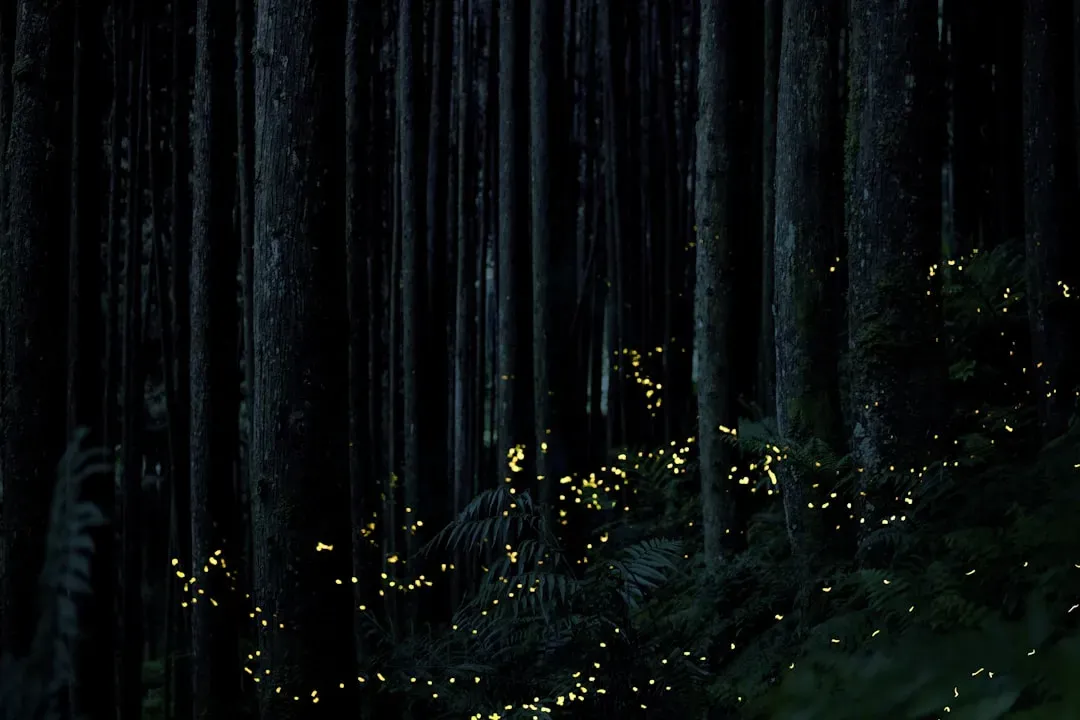
In certain forests and wetlands, hundreds or even thousands of males flash in near-perfect unison for stretches of time. The coordinated display helps females locate the group more easily and may reduce the chance that any single male stands out to predators. The effect looks almost choreographed when viewed from a distance.
Scientists still study exactly how the beetles maintain the rhythm across distances. Temperature, light levels, and the presence of other individuals all seem to play a role. Watching the waves of light move through the trees remains one of the most striking natural sights in regions where these species occur.
Firefly Larvae Glow Too, Though For Different Reasons
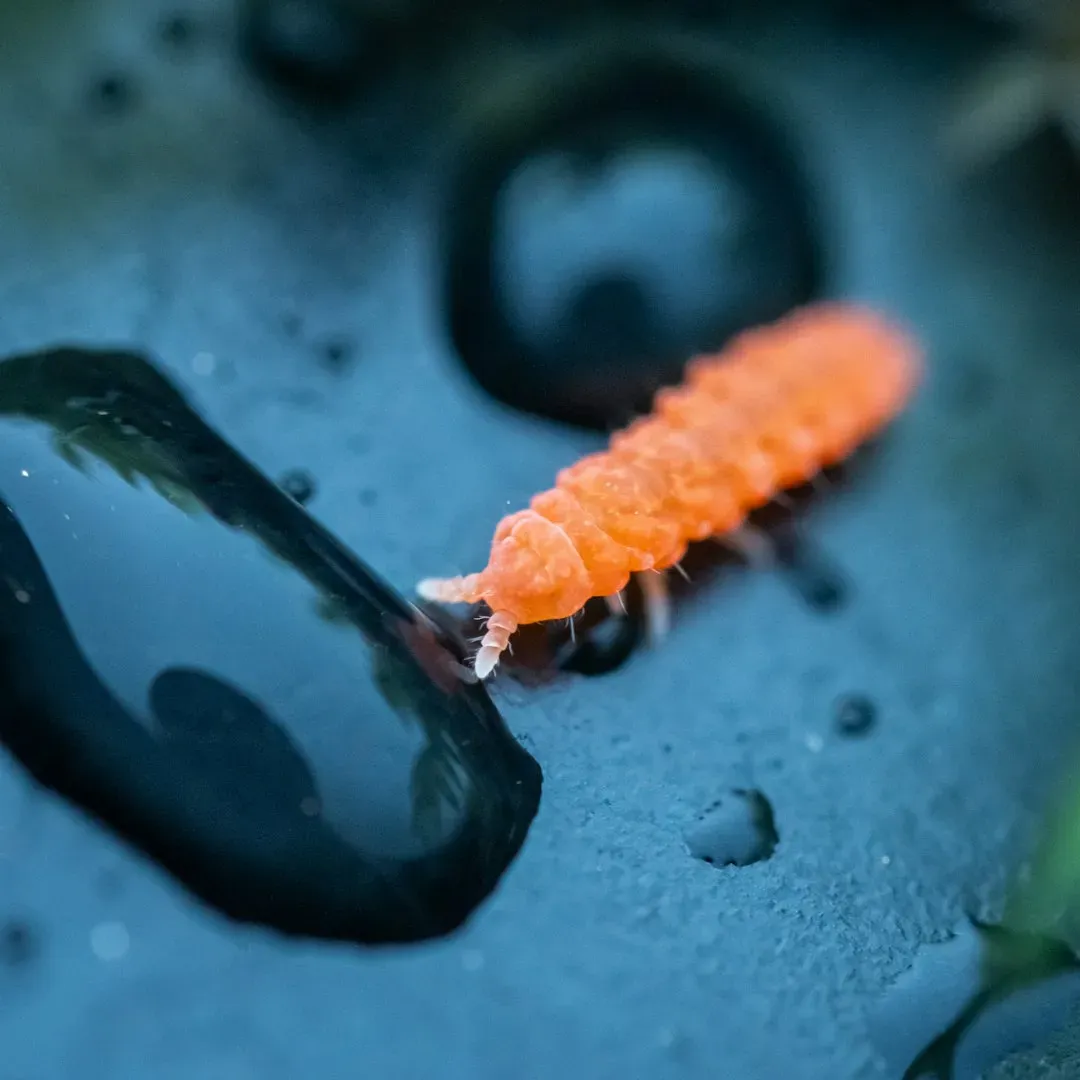
The immature stage, often called glowworms, lives in soil or leaf litter and preys on snails, slugs, and other soft-bodied creatures. Their faint glow may help attract prey or warn predators that they carry defensive chemicals. The light is usually steadier and dimmer than the adult flashes.
Because larvae spend most of their time underground or hidden, people rarely notice them. Yet they represent the longest part of the life cycle, sometimes lasting one or two years before pupation. Their quiet glow connects the dramatic adult display to a hidden, predatory beginning.
Many Fireflies Contain Chemicals That Deter Predators
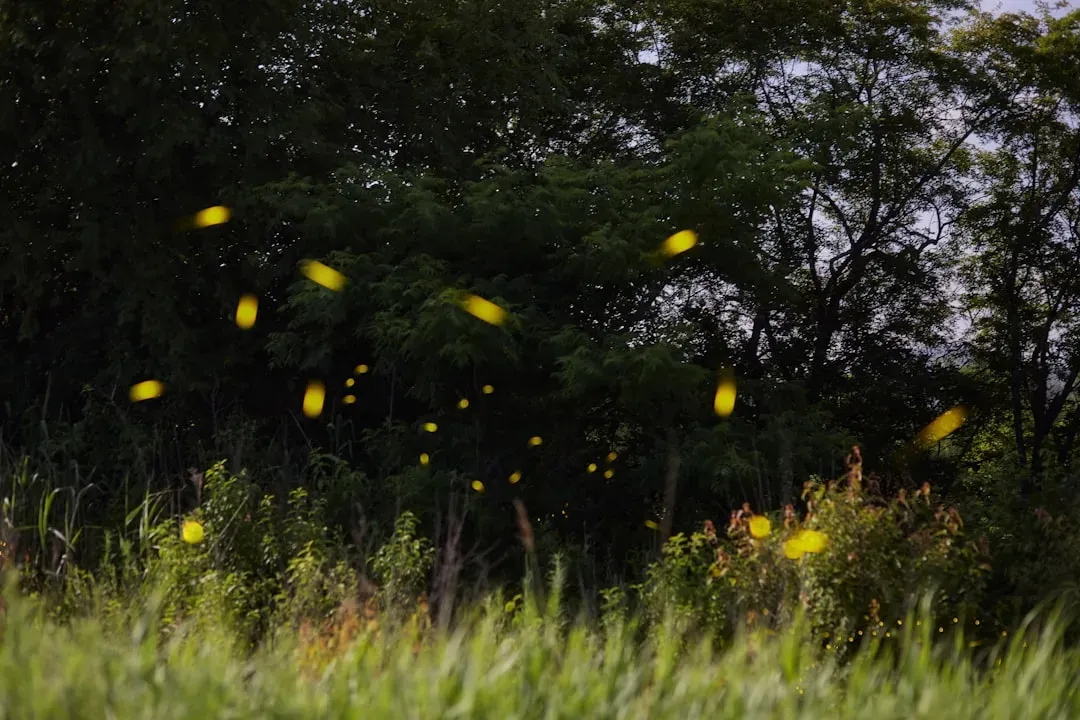
Adults and larvae produce compounds that taste bitter or toxic to birds, spiders, and other hunters. The bright flashes may serve as a warning signal that pairs with the chemical defense, a strategy known as aposematism. Once a predator tries one firefly, it often learns to avoid anything that glows in the same way.
This protection is not absolute, and some species face heavy predation anyway. Still, the combination of light and distasteful chemistry helps explain why fireflies can remain visible and active during twilight when many other insects stay hidden.
Firefly Populations Face Pressure From Habitat Loss And Light Pollution
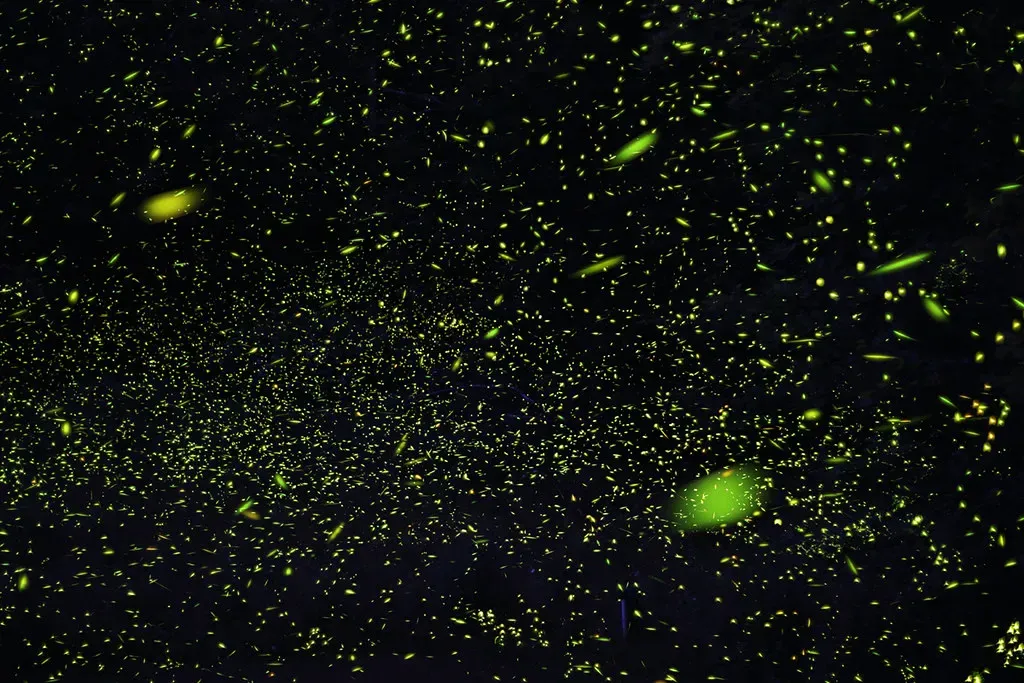
Development that removes moist soil, leaf litter, and native plants reduces the places where larvae can survive. Artificial lights from homes, streets, and vehicles can also interfere with the flash signals that adults rely on to find mates. In some areas, long-term counts show fewer beetles returning each summer.
Simple changes such as turning off unnecessary outdoor lights during peak season or leaving patches of unmowed grass can make a noticeable difference. These adjustments do not require large efforts yet help preserve the conditions that let the annual light show continue.
Their Light Has Inspired Scientific Tools And Medicines
The luciferase enzyme extracted from fireflies powers sensitive tests for detecting bacteria in medical samples and for tracking gene activity in research labs. Because the reaction is so efficient and produces no background heat, it offers a clean way to measure tiny amounts of biological material.
Engineers have also explored ways to mimic the cold-light chemistry for low-energy lighting or sensors. While commercial versions remain limited, the original insect version continues to outperform many human attempts at similar efficiency.
Fireflies Appear In Different Habitats Across The Globe

From temperate meadows in North America to tropical forests in Southeast Asia, various species have adapted to local conditions. Some prefer open fields while others stay near streams or forest edges where humidity stays higher. The timing of their emergence often matches the arrival of warm, moist nights.
Travelers sometimes notice that the flash color or rhythm changes from one region to another. These variations reflect long periods of separate evolution and remind observers that the same common name covers a wide range of distinct beetles.
Watching Fireflies Encourages People To Slow Down And Notice Small Details
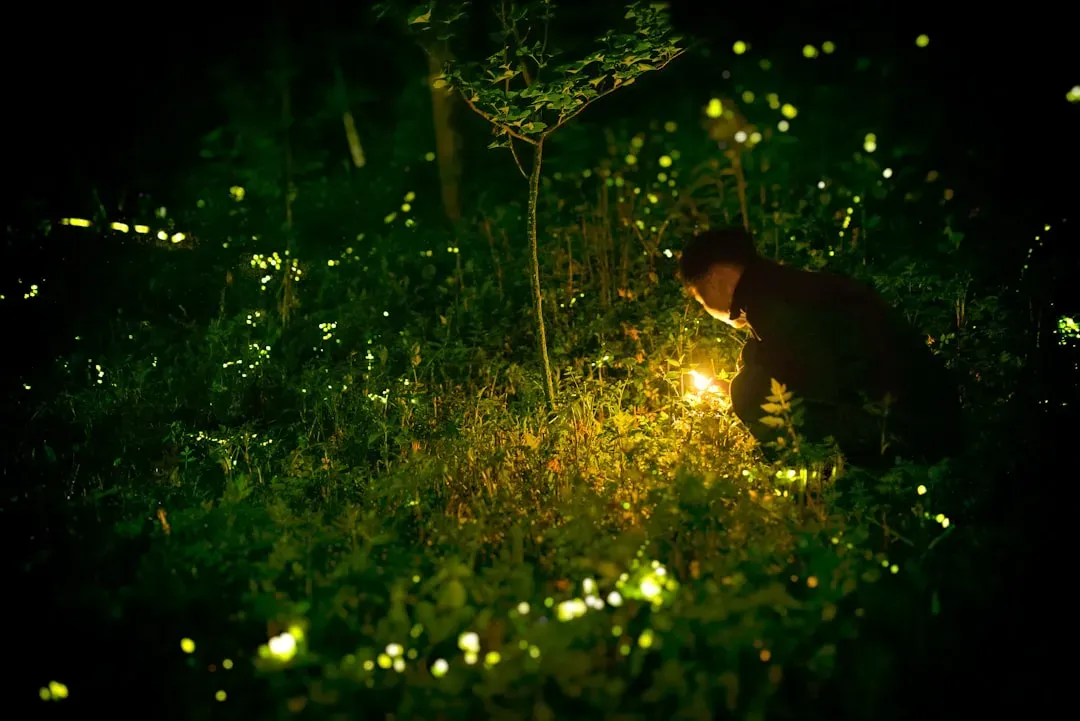
Standing quietly in a darkening yard lets the eyes adjust and the patterns become clearer. The experience often leads to noticing other night sounds and movements that daylight crowds out. Many people describe the activity as calming after a busy day.
Sharing the sight with children or friends turns an ordinary evening into a shared memory. The simple act of looking up and waiting for the next flash creates a gentle rhythm that feels increasingly rare in a world filled with screens and constant motion.
Fireflies remind us that some of the most memorable moments in summer arrive without fanfare or planning. Their brief, glowing language continues year after year wherever the right conditions remain, offering a quiet invitation to step outside and simply watch. In that pause, the ordinary night gains a touch of something lasting.

- 9 Touching Stories of Animal Loyalty That Redefine Family Bonds - July 25, 2026
- 8 Unique Dog Breeds That Are Perfect for Older Owners - July 25, 2026
- The Way You Pet Your Dog Can Make All the Difference to Their Comfort - July 25, 2026