
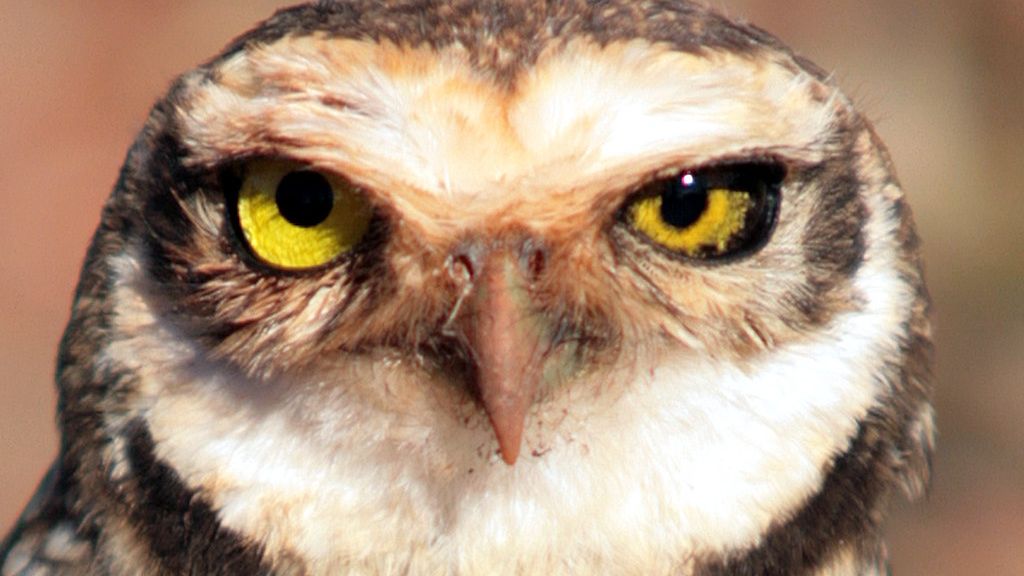
Think you know owls? These mysterious night hunters have been captivating us for centuries with their silent flight and piercing gaze.
Yet most people are walking around with some seriously outdated ideas about these feathered phantoms. Honestly, the more you dig into their biology, the more bizarre and brilliant they become. Let’s be real here, owls are operating on a completely different level than most birds, equipped with adaptations that sound more like science fiction than reality. So let’s dive in and discover what makes these creatures genuinely extraordinary.
Their Eyes Are Not Actually Eyeballs
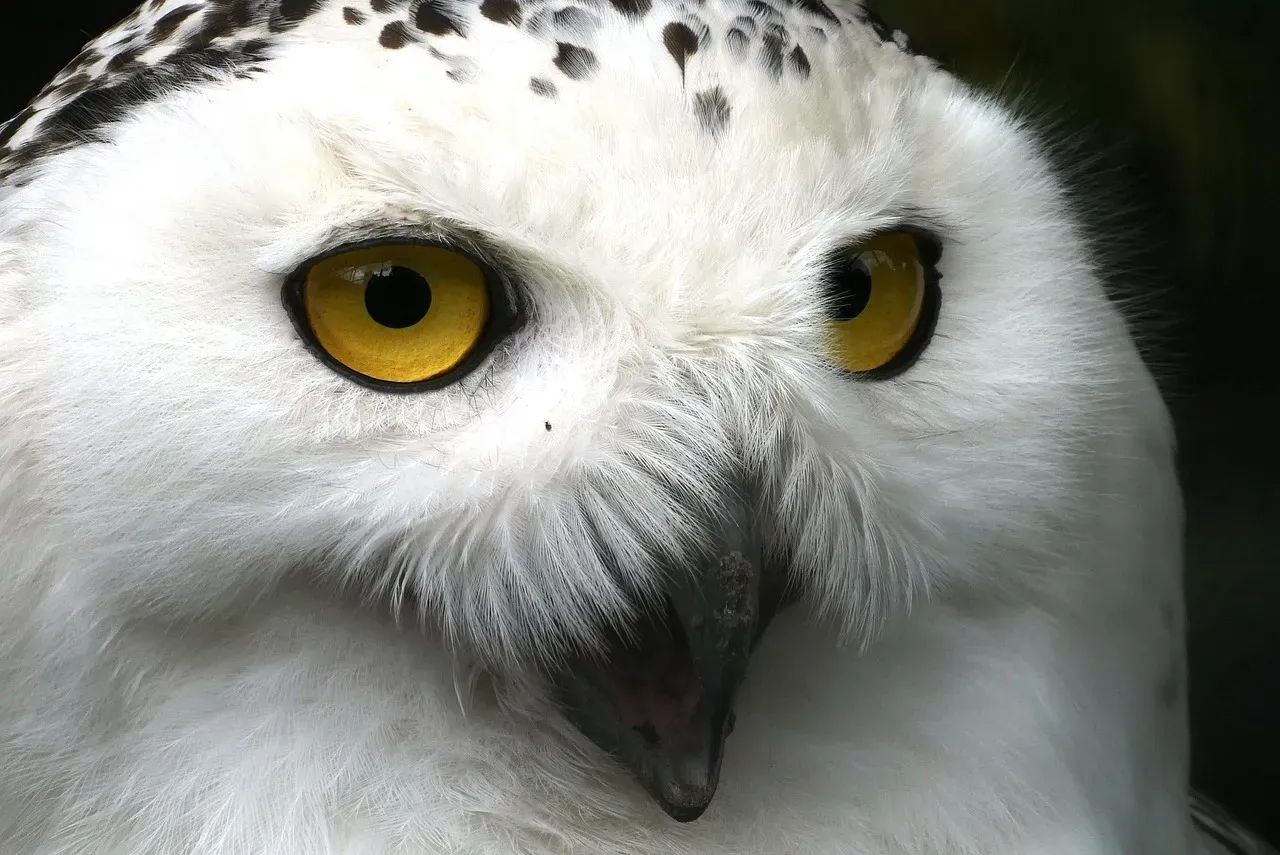
Here’s the thing that blows most people’s minds right off the bat. Owl eyes are actually tube-shaped rather than spherical, providing binocular vision which fully focuses on their prey and boosts depth perception. It’s wild to think about, right? These aren’t the round eyeballs you’d expect at all.
The tubular shape evolved because owls are nocturnal predators and need to see well at night, so owls adapted to have very large eyes in proportion to a small skull. Their eyes had to squeeze into a compact skull while remaining huge for light gathering. In some species, the weight of their eyes is more than that of their brain!
This bizarre anatomy comes with a major trade-off. Their tube-shaped eyes are completely immobile, meaning owls can’t glance sideways like we do. Owls are farsighted and cannot focus on objects within a few centimetres of their eyes. Picture having to turn your entire head just to peek at something beside you.
What’s even more remarkable is how their vision compares to ours in darkness. Some owl species can see objects with as little as 5% of the light humans require to see. That’s a staggering advantage when you’re hunting under a new moon.
They also have three different eyelids to keep those peepers healthy and clean. The third eyelid, called a nictitating membrane, sweeps across the eye like a windshield wiper while still allowing them to see through it.
They Can Spin Their Heads Almost All the Way Around
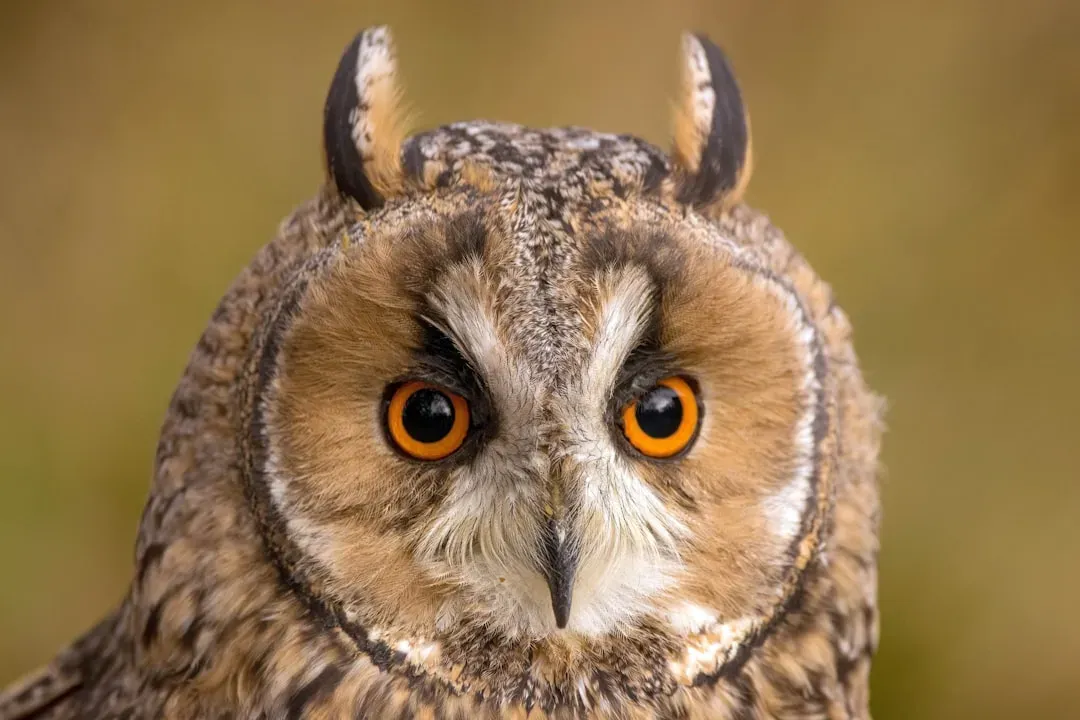
You’ve probably heard the myth that owls can rotate their heads in a complete circle. Not quite true, yet the reality is still jaw-dropping. Owls can rotate their necks 270 degrees. That means they can look directly behind themselves without moving their body at all.
How do they pull this off without snapping their necks or cutting off blood flow to their brains? They have twice as many vertebrae in their neck as humans do, along with special circulatory adaptations to allow blood flow to the head when it’s fully turned. We’ve got seven neck bones while owls are working with fourteen.
The circulatory system alone is engineering genius. Blood vessels in their necks have special reservoirs that pool blood and keep it flowing even when the vessels get twisted during extreme head rotation. Think of it like having backup tanks built right into the system.
This ability keeps bodily movement at a minimum, thus reduces the amount of sound the owl makes as it waits for its prey. Stealth is everything when you’re an ambush predator. Moving just your head instead of your whole body is the ultimate tactical advantage.
I think it’s fascinating how this adaptation compensates perfectly for their immobile eyes. Evolution found a brilliant workaround to a major limitation.
Their Hearing Is Almost Supernatural
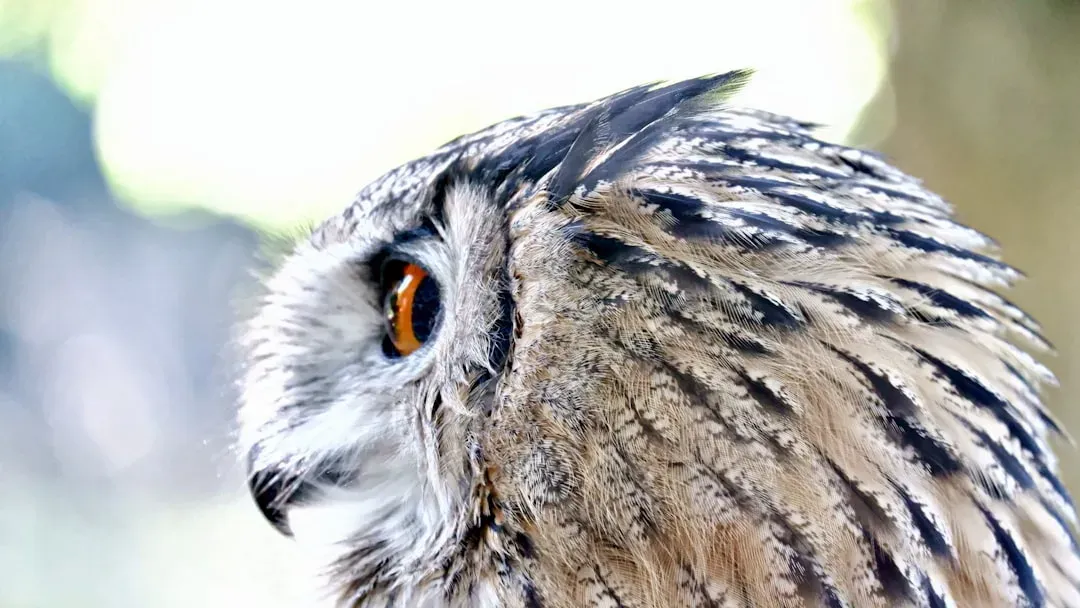
Barn Owl hearing is one of the most sensitive of any animal ever tested! Let that sink in for a moment. Not just among birds, but across the entire animal kingdom.
The secret weapon? Many owl species have asymmetrical ears, with ears located at different heights on the owl’s head, able to pinpoint the location of sounds in multiple dimensions. During flight, the left ear captures sounds below, whilst the right ear focuses on sounds from above.
Owls can detect a left/right time difference of about 0.00003 seconds, which is roughly thirty millionths of a second. That kind of precision is almost incomprehensible. With that information, an owl’s brain instantly triangulates exactly where a mouse is rustling through leaves or snow.
A Barn Owl’s medulla is estimated to have at least 95,000 neurons – three times as many as a Crow. Their brains have dedicated computing power specifically for processing sound. Experiments have shown that Barn Owls are able to capture prey in total darkness by hearing alone.
Their facial disc acts like a satellite dish too. Owl faces are shaped elliptically, like a satellite dish, which allows owls to focus sounds directly on their ears. Every feather on that heart-shaped face is precisely positioned to funnel sound waves toward those asymmetrical ears.
They Fly in Near Total Silence

Imagine a bird with a wingspan of several feet gliding past your ear and you hear absolutely nothing. Sounds impossible, right? Unlike most birds, owls make virtually no noise when they fly. They have special feathers that break turbulence into smaller currents, which reduces sound. Soft velvety down further muffles noise.
The leading edge of their flight feathers has a comb-like fringe that breaks up air turbulence before it can create noise. The trailing edges are soft and ragged, acting like a built-in silencer. Meanwhile, the entire feather surface has a velvety texture that absorbs sound as feathers slide over each other.
These unique structures reduce noise frequencies above 2 kHz, making the sound level emitted drop below the typical hearing spectrum of the owl’s usual prey. In other words, mice and voles literally cannot hear the owl coming, even if it’s swooping down right behind them.
There’s a downside to this superpower though. The adaptations mean that barn owls do not use the uropygial gland as most birds do, making them highly vulnerable to heavy rain when they are unable to hunt. Those special sound-dampening feathers aren’t waterproof, so owls generally avoid hunting in wet weather.
This silent flight combines perfectly with their incredible hearing. They can listen for prey while remaining completely undetected, the ultimate stealth predator of the night sky.
Owls Swallow Prey Whole and Cough Up Pellets
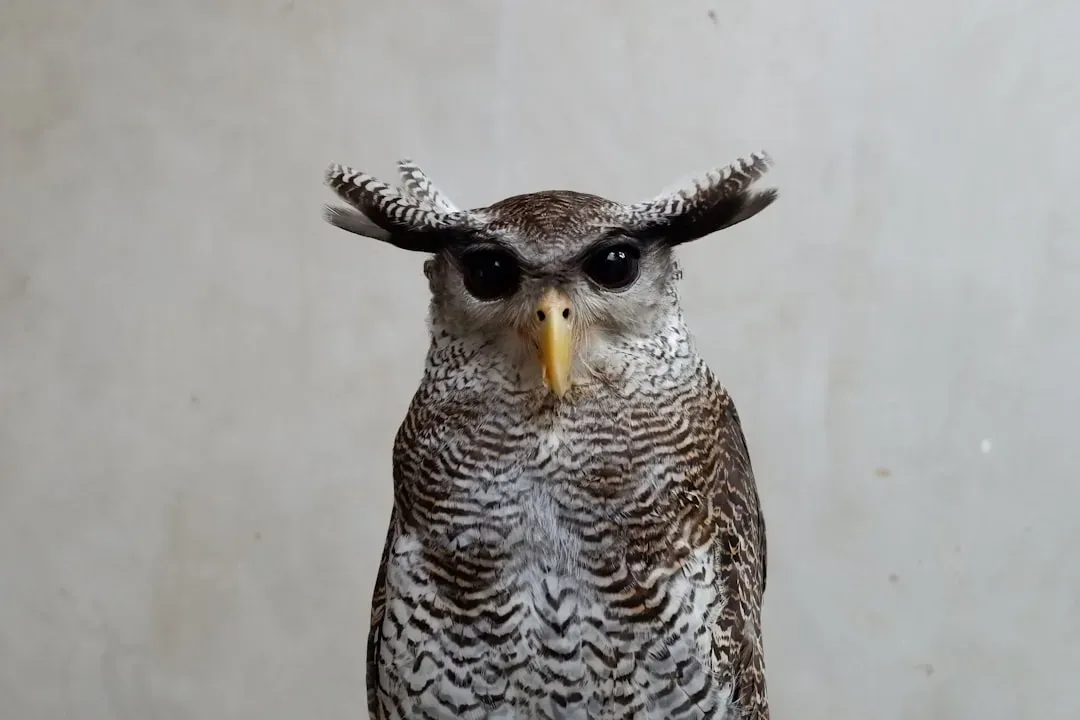
Barn Owls swallow their prey whole – skin, bones, and all – and they eat up to 1,000 mice each year. That’s not a typo. Whole animals, fur and skeletons included, straight down the hatch.
Their digestive system can’t break down everything though. Owls swallow their prey whole or in large pieces, but cannot digest fur, teeth, bones, or feathers. These pieces are regurgitated, typically once a day, in the form of a pellet. Think of it as nature’s recycling program.
These pellets are actually gold mines for scientists and educators. You can dissect an owl pellet and reconstruct entire skeletons of the prey animals inside. It’s like opening a time capsule of the owl’s recent meals, revealing exactly what they’ve been hunting.
The killing itself is brutal but efficient. First the owl grabs the prey and crushes it to death with its strong talons. The impact of landing on their prey kills the prey. Then depending on the size, it either goes down whole or gets torn into manageable chunks.
When clenched, a Great Horned Owl’s strong talons require a force of 28 pounds to open. That’s incredible grip strength for a bird that might weigh less than four pounds itself. Once those talons close, there’s no escape.
Not All Owls Hoot
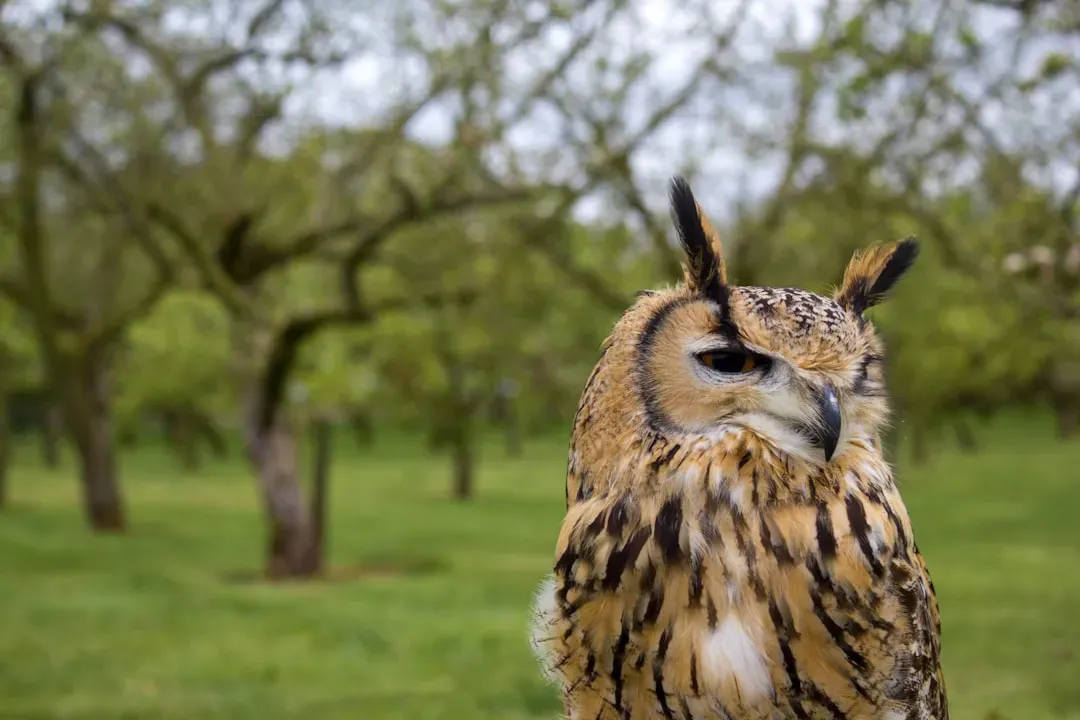
If you think all owls say “hoo hoo,” prepare to have your world rocked. Not all owls hoot! Barn Owls make hissing sounds, the Eastern Screech-Owl whinnies like a horse, and Saw-whet Owls sound like, well, an old whetstone sharpening a saw. The variety of owl vocalizations is genuinely surprising.
The Great Horned Owl delivers that classic deep hoot most people associate with owls. Yet across the roughly 200 species worldwide, you’ll hear everything from whistles to screeches to rattles. Some sound downright eerie or unsettling in the dark.
Barn owls in particular have a bloodcurdling scream that can make your hair stand on end if you hear it unexpectedly at night. It’s no wonder these birds have been associated with supernatural omens in various cultures throughout history.
Great Horned Owls and Barred Owls are vocal birds that make traditional hooting sounds, including the Barred Owl’s famous call “Who cooks for you? Who cooks for you all?” Despite their name, Eastern Screech-Owls do not screech but make sounds of whinnies and soft trills. Names can be deceiving.
Different calls serve different purposes too, from territorial warnings to courtship songs to begging calls from hungry chicks. The vocal repertoire of owls is as diverse and complex as the birds themselves.
They Have Extraordinarily Flexible Feet
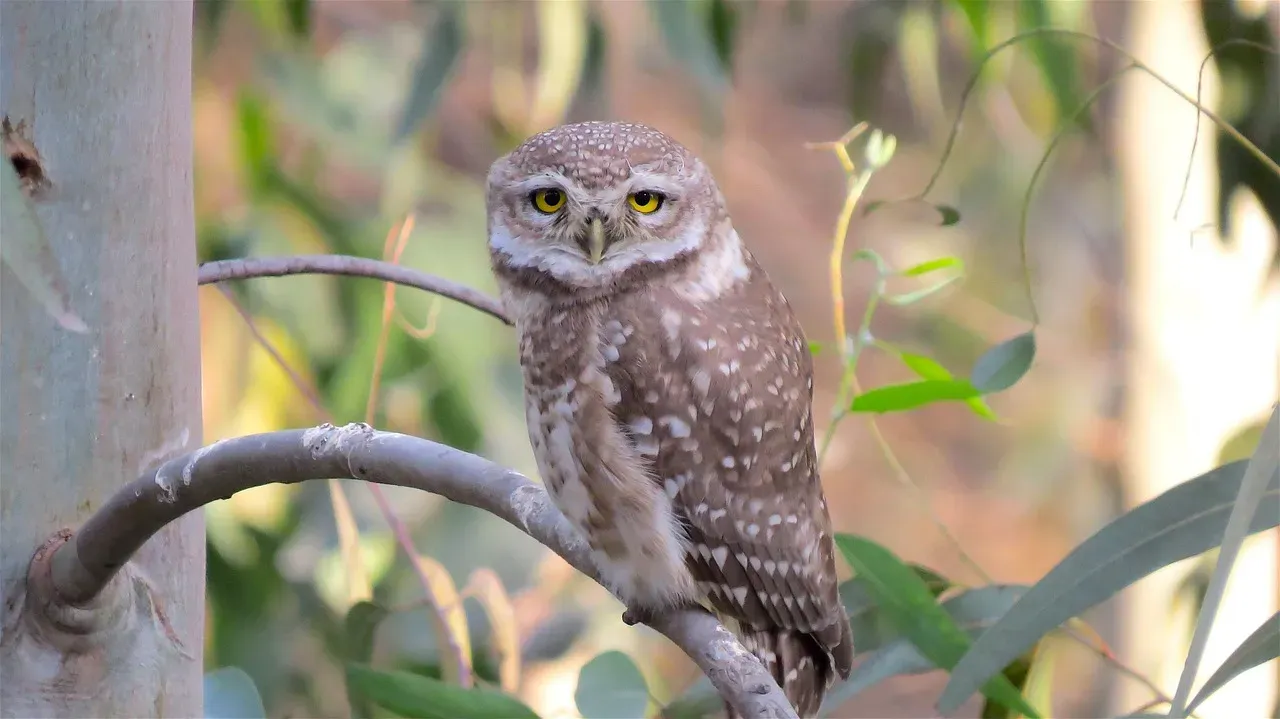
Owls are zygodactyl, which means their feet have two forward-facing toes and two backward-facing toes. Unlike most other zygodactyl birds, however, owls can pivot one of their back toes forward to help them grip and walk. It’s like having a switchable foot configuration.
This gives them incredible versatility when catching prey. An owl can grip with either three toes in front and one behind, or with two toes forward and two behind. This versatility combined with their long, sharp talons gives owls a powerful, sure grasp.
Those talons are no joke either. They’re curved, razor-sharp, and backed by powerful leg muscles designed for piercing and crushing. When an owl strikes, its feet shoot forward with tremendous force right before impact.
The talons are extremely sharp and prey is thought to be killed by foot clenching rather than a peck. The owl’s beak delivers the final blow, yet it’s really those feet doing the heavy lifting during the hunt.
What’s remarkable is how sensitive their feet are despite being lethal weapons. Owls have specialized feathers on their toes that help them feel their prey’s movements, ensuring a secure grip even in complete darkness.
Size Varies Wildly Across Species
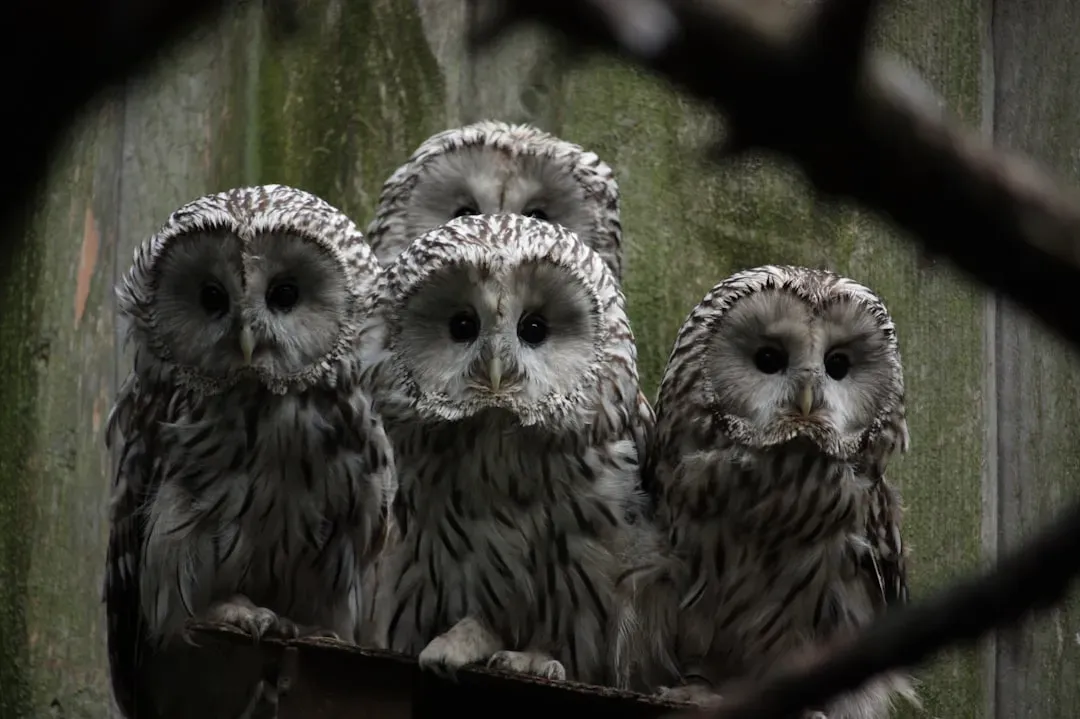
The owl family includes some truly dramatic size differences. The tiniest owl in the world is the Elf Owl, which is 5 – 6 inches tall and weighs about 1 ½ ounces. Picture something smaller than a soda can that can still hunt and kill.
On the opposite end of the spectrum, the largest North American owl, in appearance, is the Great Gray Owl, which is up to 32 inches tall. That’s nearly three feet of feathered predator. The size disparity between the smallest and largest species is absolutely bonkers.
Interestingly, female owls tend to be larger than males in both wingspan and weight, although researchers are unsure why that’s the case. This reverse sexual dimorphism is common among raptors but the exact evolutionary reason remains debated.
Different sizes suit different hunting strategies and prey. Tiny Elf Owls specialize in catching insects and scorpions in desert environments, while massive Great Gray Owls can take down rabbits and hares in northern forests.
The size you are determines what you can hunt, where you can live, and how you navigate your environment. Owls have adapted to fill ecological niches from Arctic tundra to tropical rainforests to desert scrublands.
Owls Hunt Other Owls
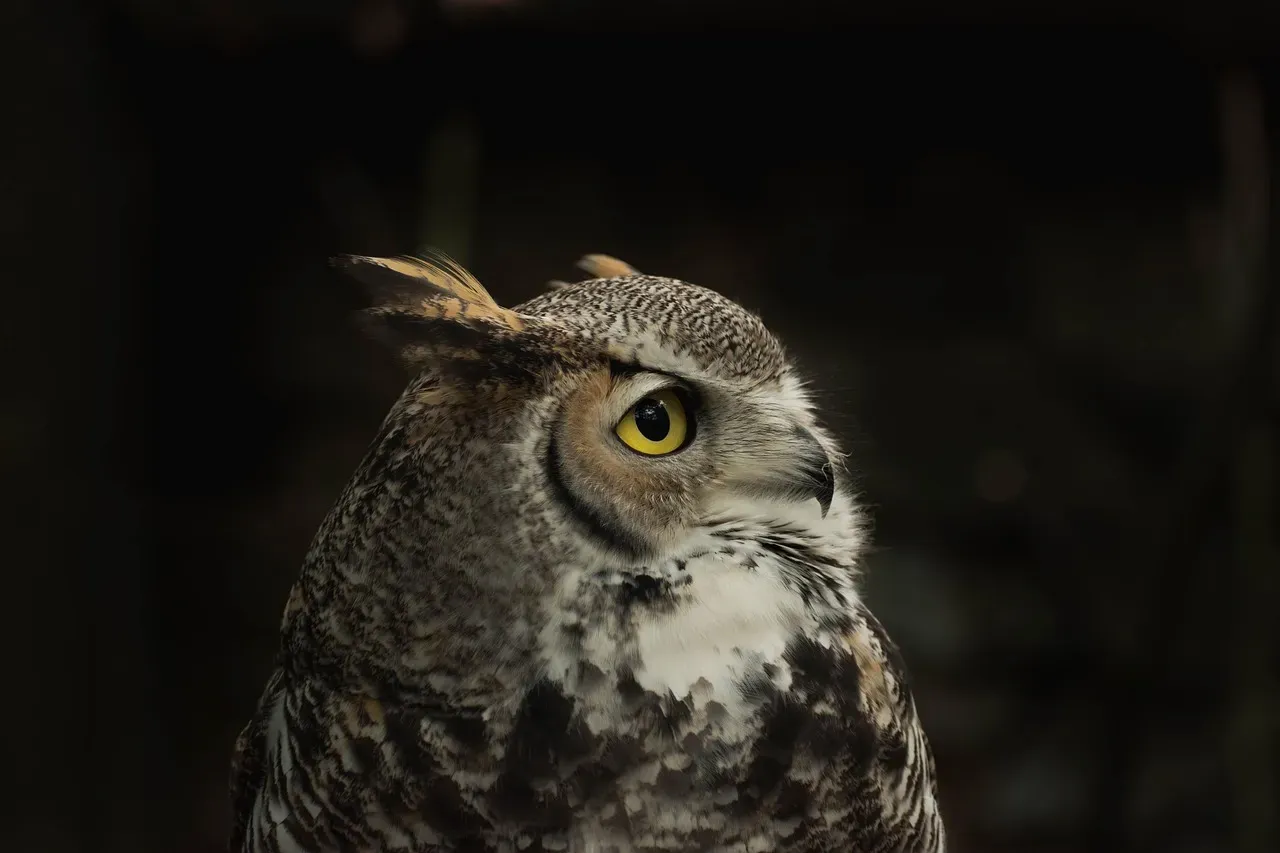
Here’s something that catches people off guard. Owls hunt other owls. Great Horned Owls are the top predator of the smaller Barred Owl. It’s a dog eat dog world out there, or rather, an owl eat owl world.
The barred owl, in turn, sometimes eats the Western screech owl. In fact, owl-on-owl predation may be a reason why Western screech owl numbers have declined. This creates a complex hierarchy among owl species sharing the same territories.
The Great Horned Owl is basically the apex predator of the owl world. They’re powerful enough and aggressive enough to take on almost any other owl species in North America, plus they’ll hunt hawks, other raptors, and even the occasional housecat.
Not only do owls eat surprisingly large prey, like the eagle owl which can even grab small deer, but they also eat other species of owls. Their dietary flexibility and hunting prowess make them formidable predators at multiple levels of the food chain.
Competition for territory and food drives much of this behavior. When resources are scarce, eliminating a competitor who also happens to be a meal makes brutal evolutionary sense, even if it seems harsh to our human sensibilities.
They’re Found Almost Everywhere on Earth
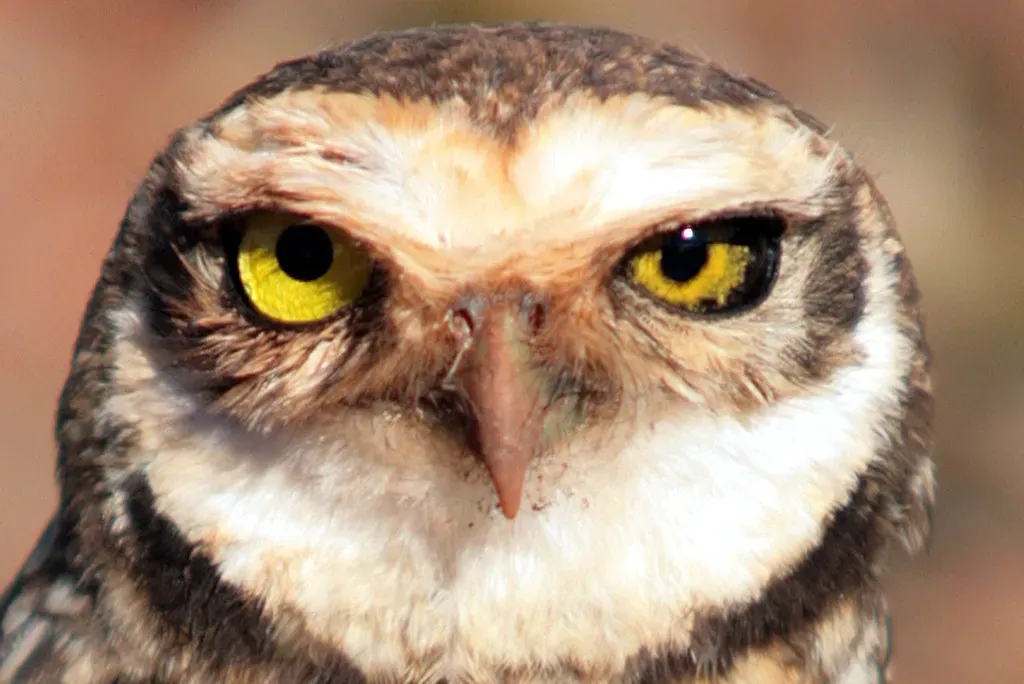
More than 200 species of owls are found all around the world. They make their home on every continent except Antarctica. That’s an impressive global distribution for any animal family.
Owls have adapted to nearly every ecosystem on the planet. They are quite specialized predators, having eyes and ears that are designed for hunting and unique feathers that enable them to fly almost silently. From frozen taiga to steamy jungles, owls have found ways to thrive.
You’ll find owls in urban parks, suburban backyards, farmland, deep forests, grasslands, mountains, and deserts. Some species are incredibly adaptable while others are highly specialized for specific habitats.
The Snowy Owl breeds on the Arctic tundra and occasionally migrates south in winter, while Burrowing Owls nest underground in prairie dog burrows on open grasslands. Tropical species inhabit rainforest canopies while Barn Owls have learned to coexist with humans across much of the world.
This worldwide success speaks to the owl body plan’s fundamental effectiveness. When you’re a silent flying predator with incredible senses, you can make a living almost anywhere prey animals exist.
Conclusion: Masters of the Night Sky
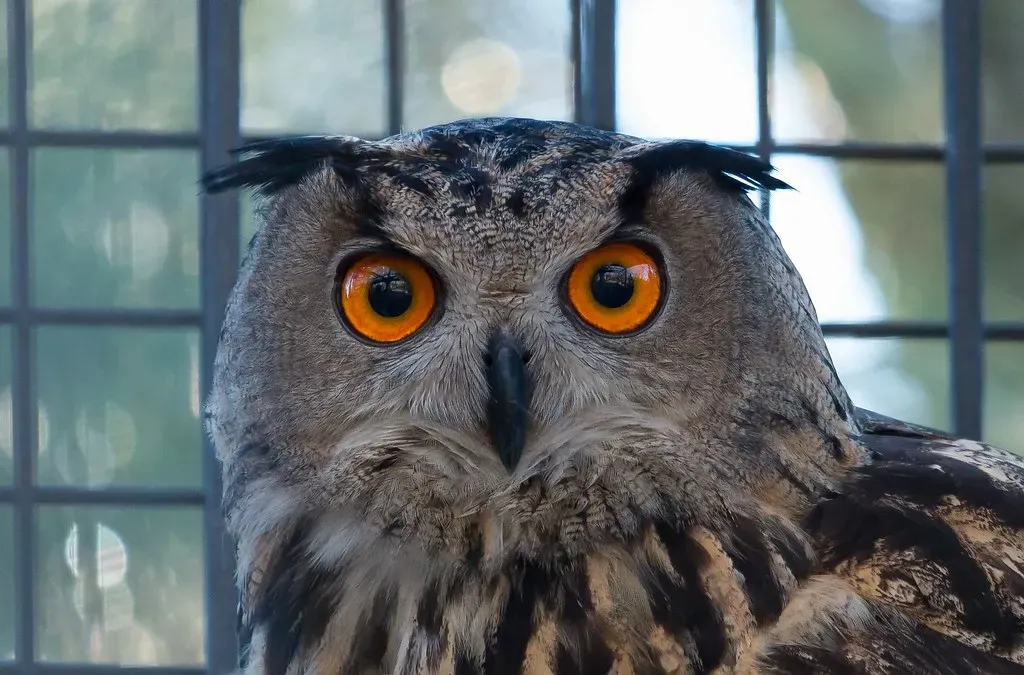
Owls represent some of nature’s most sophisticated adaptations rolled into one remarkable package. From their tube-shaped eyes to their asymmetrical ears, from their silent flight to their bone-crushing talons, every feature works together to create a nearly perfect nocturnal predator.
These aren’t just wise-looking birds from storybooks. They’re complex, specialized hunters with abilities that still astound researchers who’ve spent careers studying them. The next time you hear an owl calling in the darkness or glimpse one swooping through the shadows, you’ll know you’re witnessing millions of years of evolution at work.
Whether they’re hunting mice beneath a blanket of snow using only sound, spinning their heads around to scan for threats, or swallowing their prey whole before coughing up pellets, owls operate on a level that’s both alien and awe-inspiring. Did you expect that these night hunters were quite this extraordinary?

- Your Beliefs About Your Pet’s Intelligence Are Probably Wrong - July 29, 2026
- 10 Essential Tips for New Pet Owners - July 29, 2026
- 11 Silent Messages an Aging Dog Sends That Owners Read Too Late - July 29, 2026