
From a distance, a prairie dog town looks like a patch of grass with a lot of dirt mounds. Up close, it’s more like a busy neighborhood where dozens of other species come and go, borrowing space, food and protection. Many of them never dig a single tunnel themselves.
Ecologists often call prairie dogs a keystone species, and the reasons show up in the animals below. Some of these residents are well documented, while others have a looser connection that scientists still debate. Here are ten that use the towns in meaningful ways.
1. Burrowing Owl
🔥 Would you like to save this?
We'll email this post to you, so you can come back to it later!
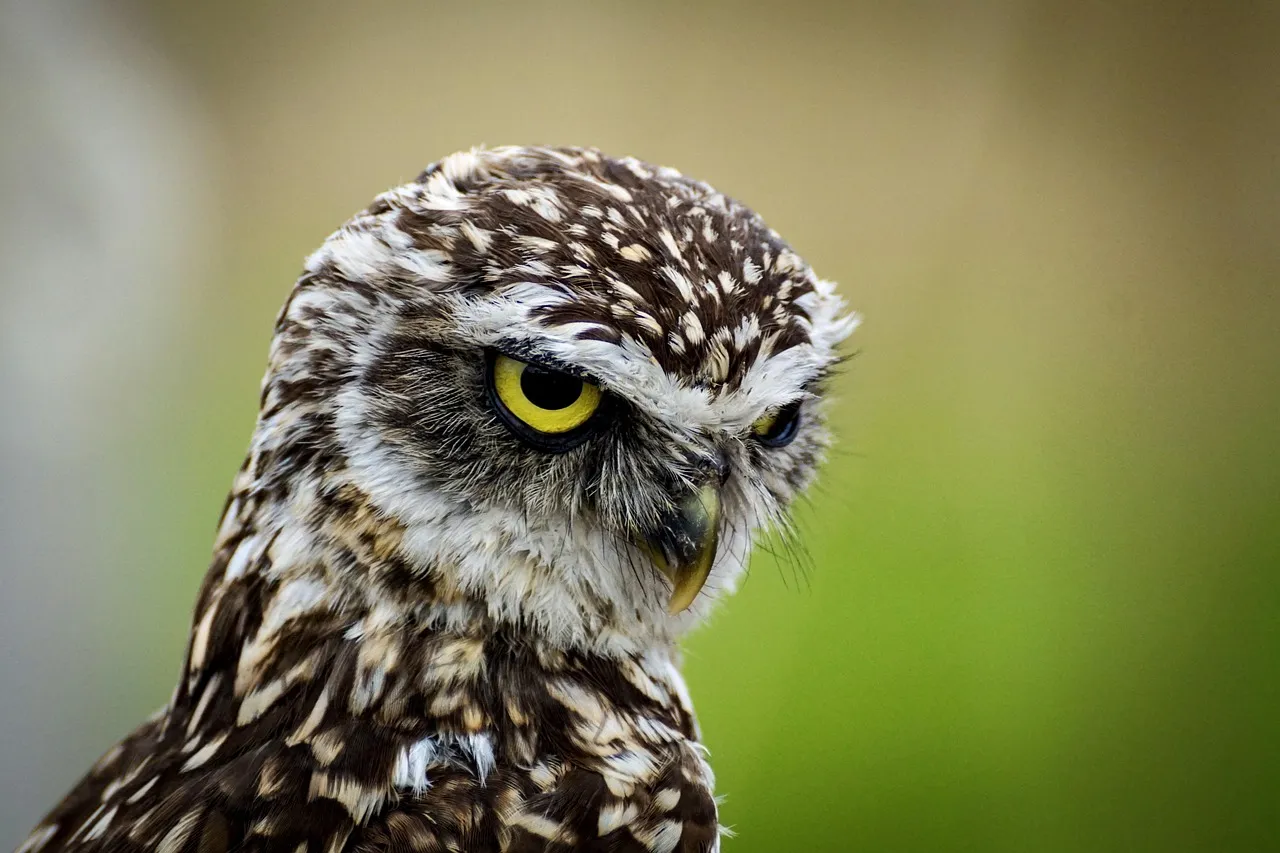
The burrowing owl may be the best known tenant of prairie dog towns. It’s a small, long-legged owl that nests underground, and in much of the Great Plains it often takes over burrows that prairie dogs or other mammals have abandoned. It can dig a little, but it generally prefers to move into something ready made.
The short grass that prairie dogs keep clipped helps the owls spot approaching danger. Where prairie dog towns have been poisoned or plowed under, burrowing owls have declined in many areas. That tight link is one reason conservationists often talk about the two animals together.
2. Black-Footed Ferret
🔥 Would you like to save this?
We'll email this post to you, so you can come back to it later!
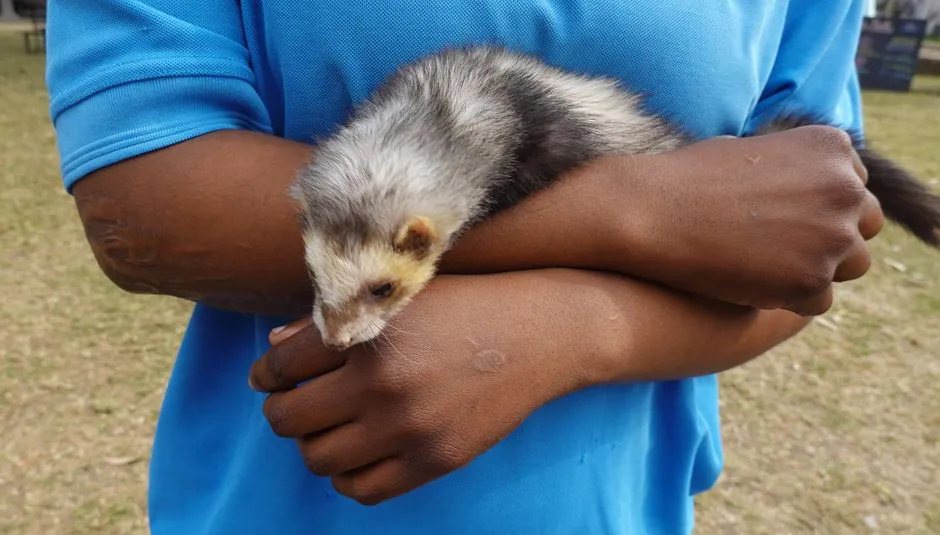
No animal depends on prairie dogs more completely than the black-footed ferret. Prairie dogs make up the bulk of its diet, and the ferret sleeps and raises its young in prairie dog burrows. It doesn’t dig its own network, so without a town, it basically has no home.
The species was once feared extinct, then was rediscovered in Wyoming in 1981. Since then, captive breeding and reintroductions have slowly restored small populations in parts of the West. Their recovery still hinges on protecting large, healthy prairie dog colonies, along with managing plague, which hits both animals.
3. Swift Fox
🔥 Would you like to save this?
We'll email this post to you, so you can come back to it later!
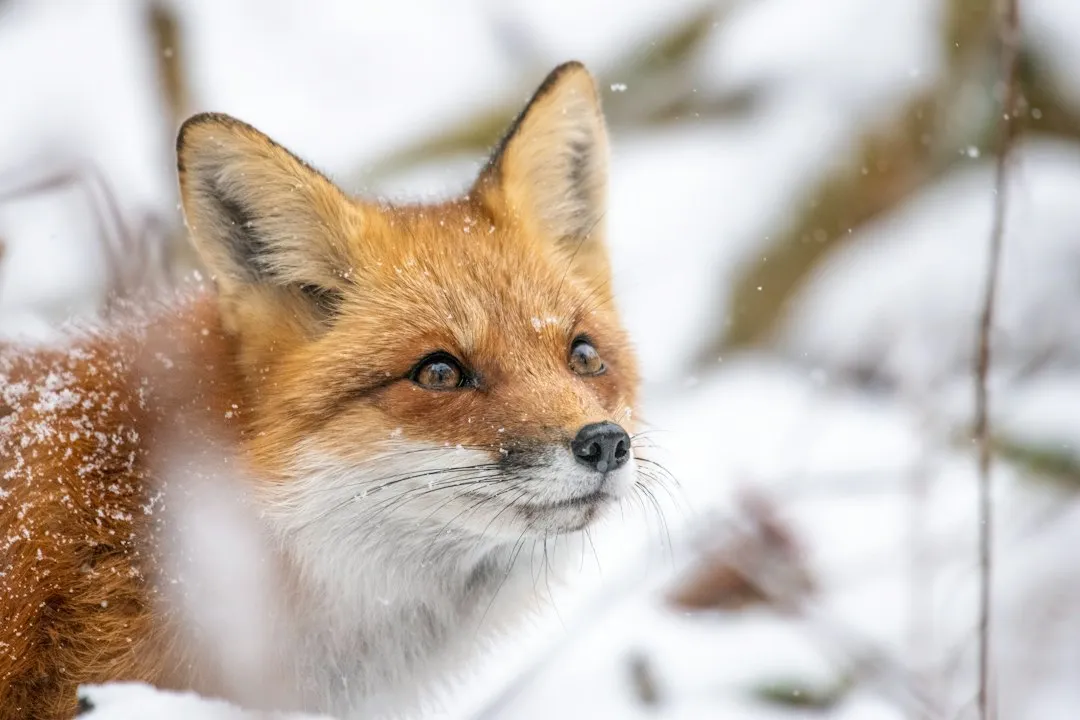
The swift fox is a small, quick prairie canid that uses dens year round. It does dig some of its own, but it also readily uses existing burrows, including those in prairie dog towns. That makes it a more flexible tenant than some others on this list, and it’s worth being clear about that.
Prairie dog towns offer open sightlines and extra prey such as insects and small rodents. The fox’s habitat has shrunk with the loss of native grassland across the Plains. Colonies remain one of several landscape features that help it get by.
4. Mountain Plover
🔥 Would you like to save this?
We'll email this post to you, so you can come back to it later!
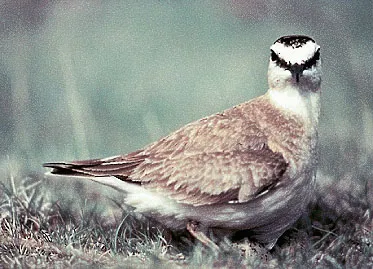
The mountain plover is a plains shorebird that, oddly, avoids water. It prefers bare, short, open ground, and prairie dog towns supply exactly that. Researchers have found that the birds often nest on or near colonies, where grazing and digging keep vegetation low.
Mountain plovers don’t use burrows for nesting the way owls do. Their reliance is on the habitat that prairie dogs create. As that kind of open ground becomes rarer, plover numbers have dropped, and the species has drawn conservation concern for years.
5. Prairie Rattlesnake
🔥 Would you like to save this?
We'll email this post to you, so you can come back to it later!
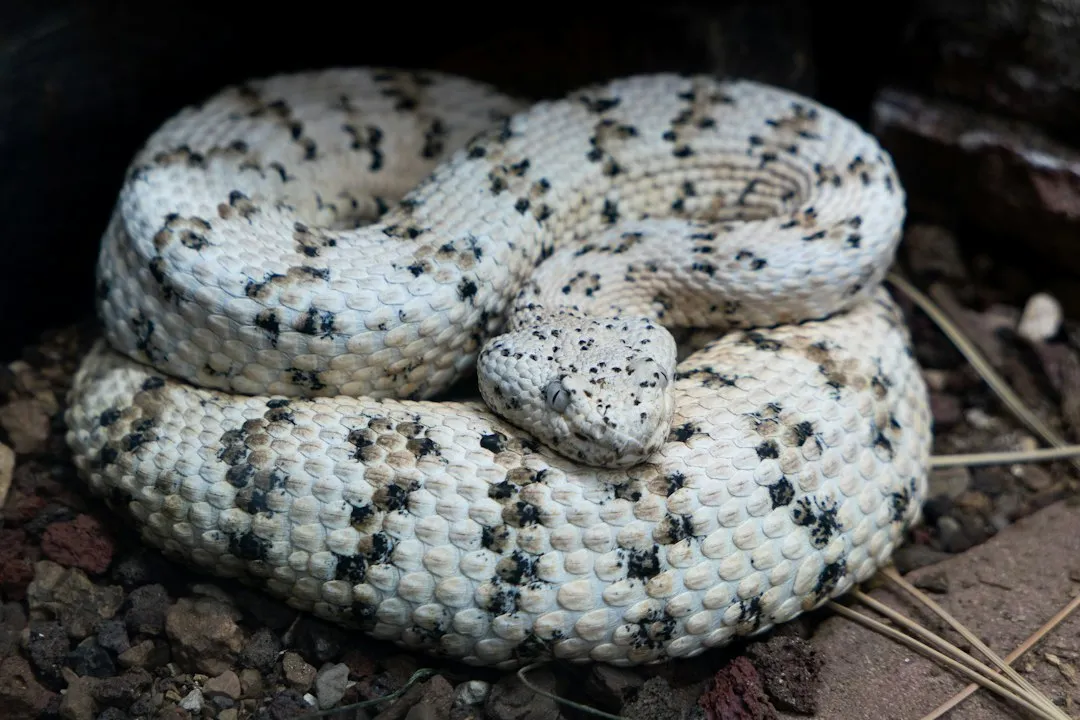
Prairie rattlesnakes are frequent visitors to prairie dog towns, and not just for a quick meal. Burrows give them shelter from heat, cold and predators, and young prairie dogs and other small animals make for convenient prey. Snakes don’t dig tunnels, so they rely on what’s already there.
The relationship is a bit uneasy, since prairie dogs are one of the snake’s potential meals. Still, it shows how a colony supports predators as well as prey. Without those underground spaces, a good number of reptiles would have fewer places to ride out the weather.
6. Tiger Salamander
🔥 Would you like to save this?
We'll email this post to you, so you can come back to it later!
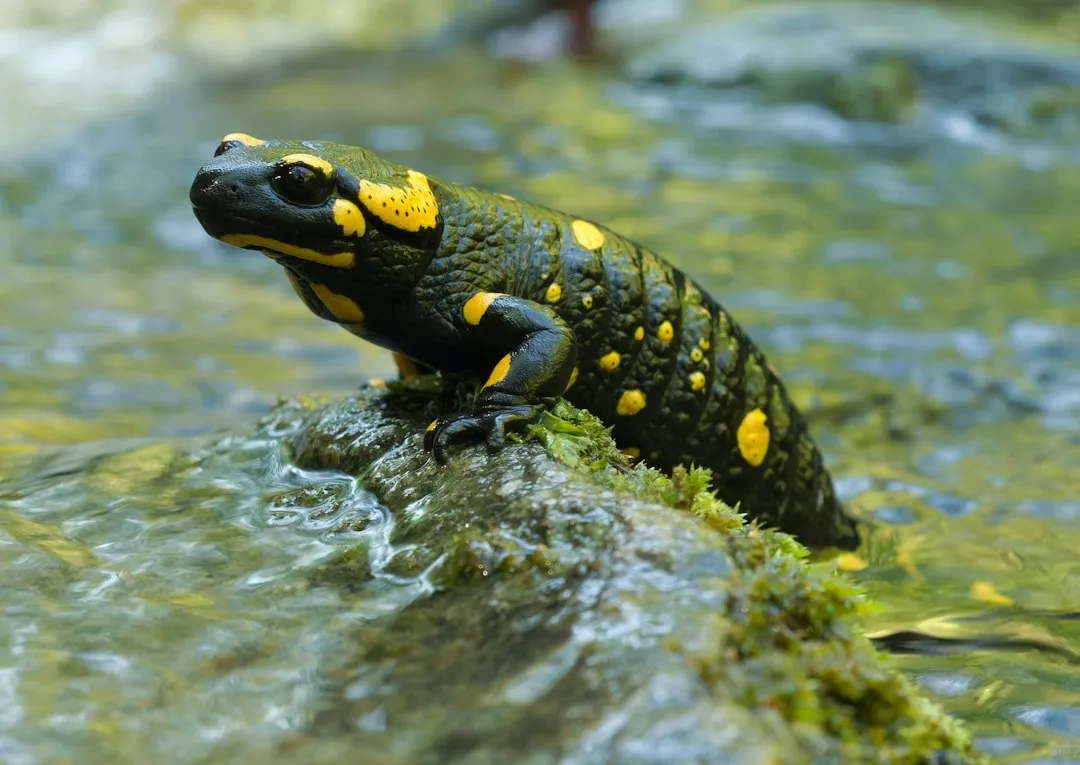
It’s easy to forget that amphibians live in dry grassland too. Tiger salamanders spend much of their adult lives underground, and they use burrows made by other animals, prairie dog tunnels included. The moist, cooler air below the surface helps them avoid drying out.
They emerge when conditions are right, often after rain, to breed in temporary ponds. A colony may not be essential to every salamander, but the burrows provide a handy refuge in a landscape that can be harsh. It’s a quiet example of how one animal’s engineering helps something totally different.
7. Badger
🔥 Would you like to save this?
We'll email this post to you, so you can come back to it later!
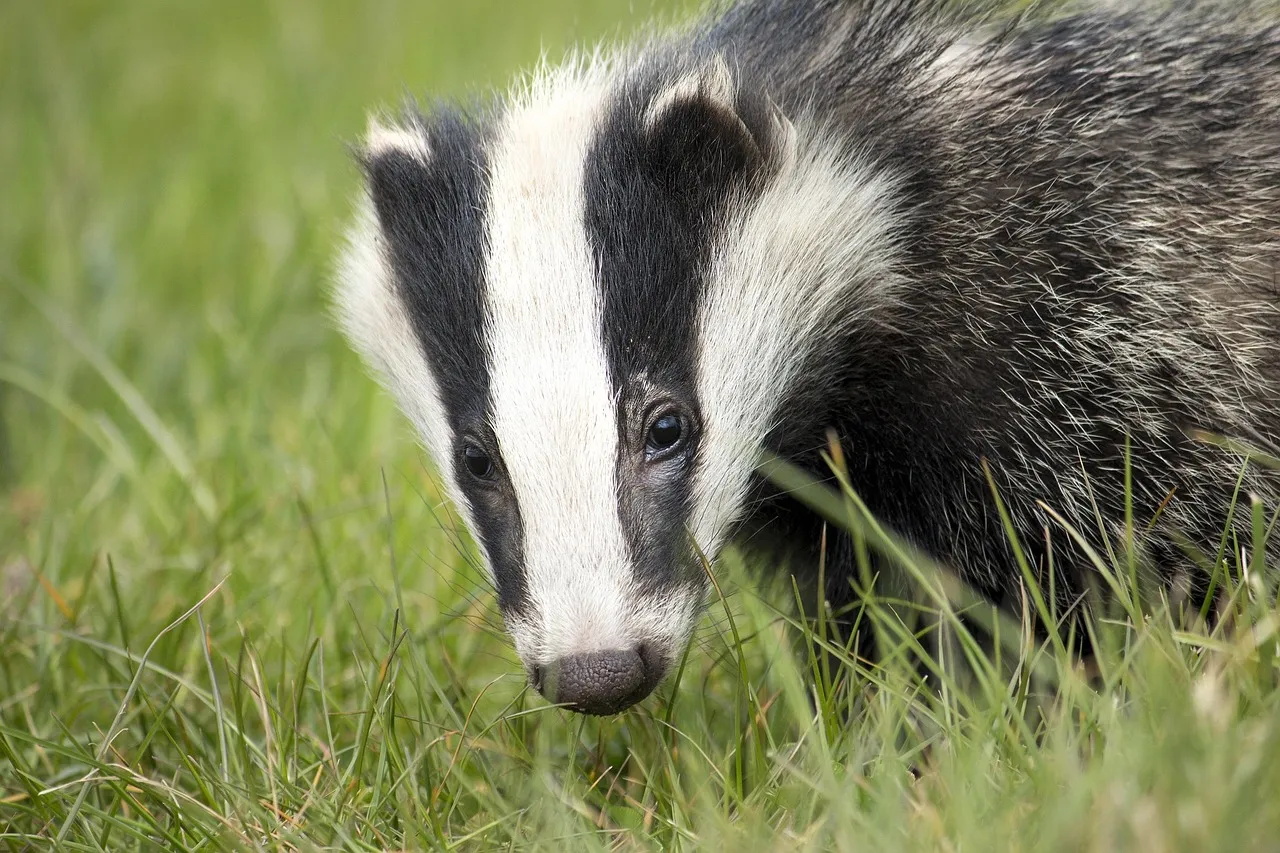
The American badger does dig, and skillfully, so it’s the exception that proves the point here. It doesn’t make its own burrows in the prairie dog sense of a long-term home, but it hunts by digging into them. Prairie dogs are a regular part of its diet where the two overlap.
A badger’s raids also leave behind freshly excavated holes. Those can later be used by other animals, including owls and small mammals. So even a predator can end up adding to the shared housing stock.
8. Golden Eagle and Ferruginous Hawk
🔥 Would you like to save this?
We'll email this post to you, so you can come back to it later!
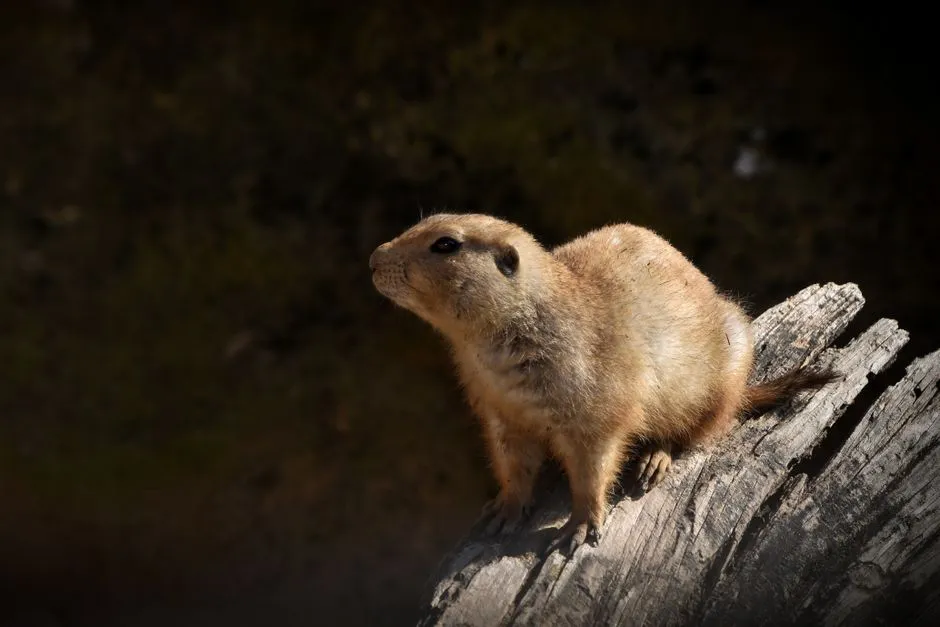
These raptors don’t live in burrows at all. They depend on prairie dog towns as hunting grounds, since the animals gather in dense groups above ground and the short vegetation makes them easier to spot. The ferruginous hawk in particular is often associated with colonies on the Plains.
Prairie dogs have alarm calls to warn each other of danger overhead. Even so, the sheer number of animals makes a town a dependable food source. When colonies disappear, these birds have to look elsewhere for a meal.
9. Bison and Pronghorn
🔥 Would you like to save this?
We'll email this post to you, so you can come back to it later!
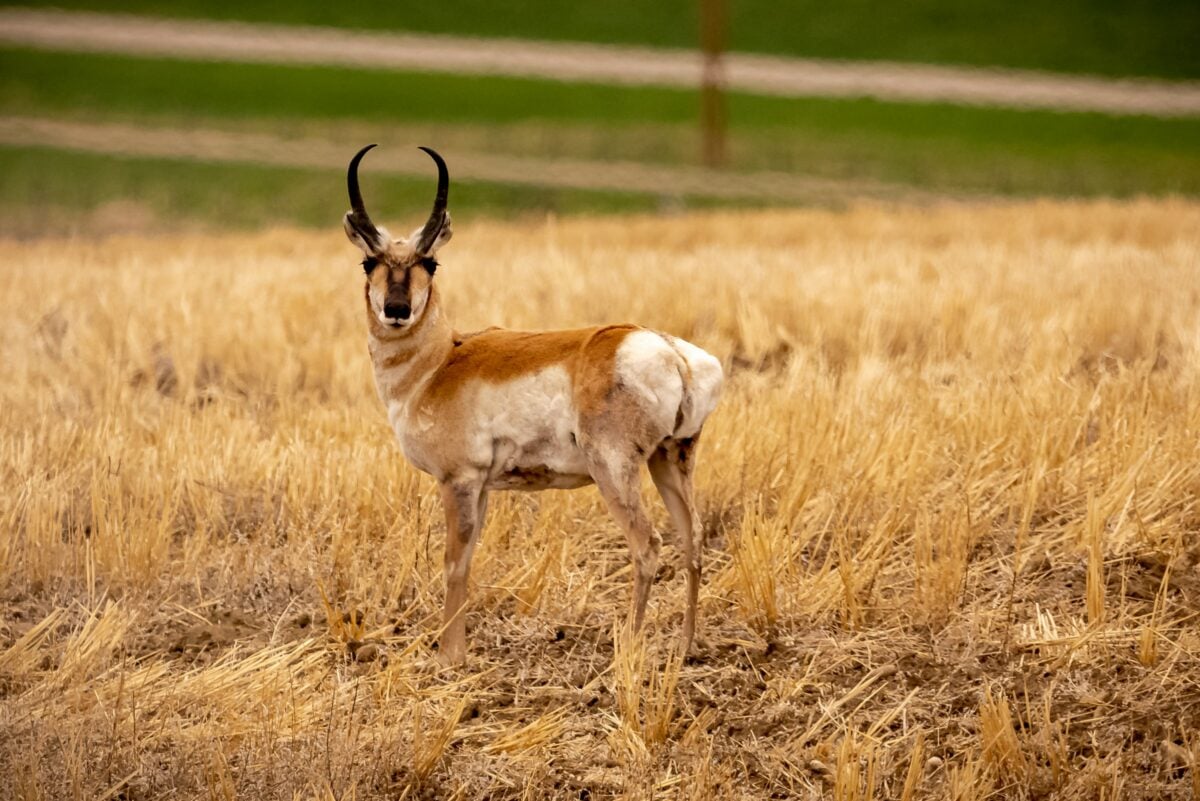
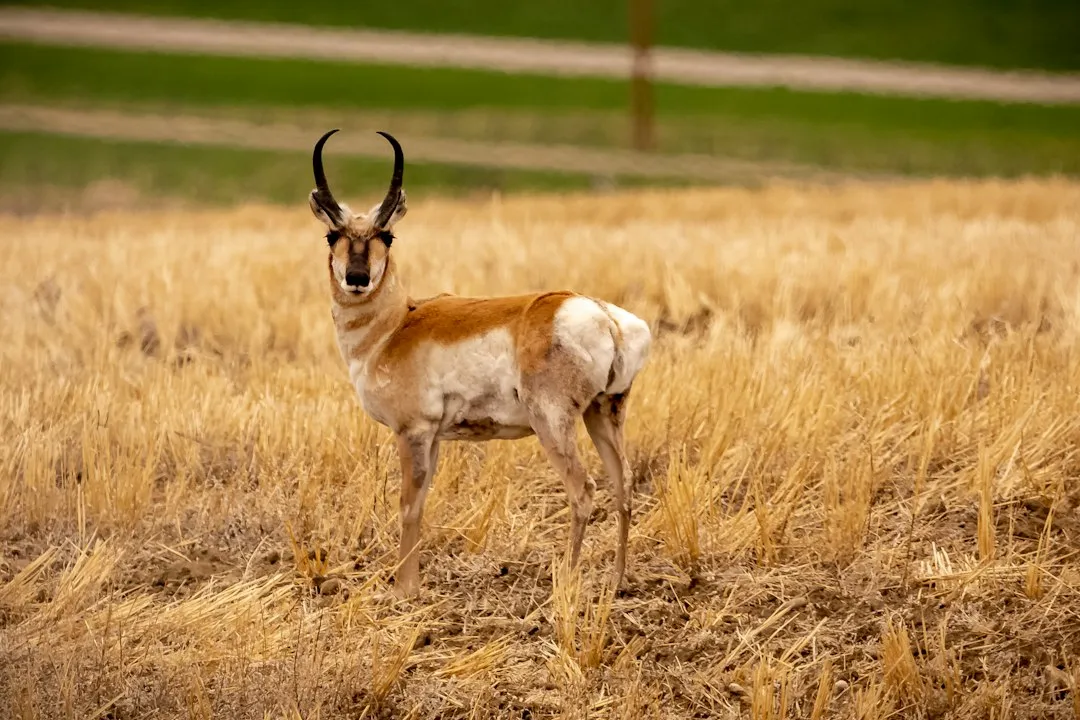
Large grazers use prairie dog towns too, though their connection is less about shelter. Studies have found that bison and pronghorn are often drawn to colonies, apparently because the regrowth of clipped grass can be tender and nutritious. Pronghorn may also benefit from the open views that help them spot predators.
Neither animal digs a burrow, and neither strictly needs a colony to survive. Still, the pattern shows how prairie dogs shape the whole landscape and not only the ground beneath it. Their grazing and digging create a patchwork of habitat that attracts different animals for different reasons.
10. Deer Mouse and Other Small Rodents
🔥 Would you like to save this?
We'll email this post to you, so you can come back to it later!
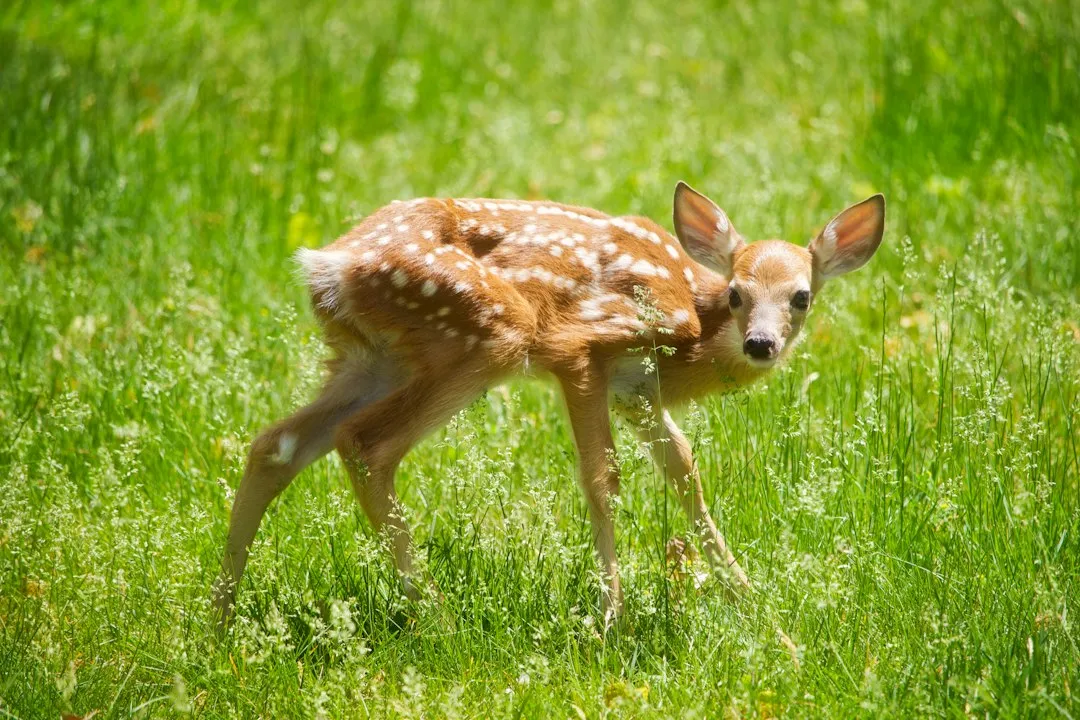
Small rodents such as deer mice, along with insects and other tiny creatures, often make use of prairie dog burrows and the plants around them. They find cover from predators and shelter from weather. Many of these animals also feed the predators higher up the chain.
It’s an easy group to overlook, since nobody tends to put a mouse on a conservation poster. Yet a healthy colony supports a lot of small life that holds the whole system together. That kind of hidden diversity is exactly what gets lost when a town is removed.
Final Thoughts
🔥 Would you like to save this?
We'll email this post to you, so you can come back to it later!
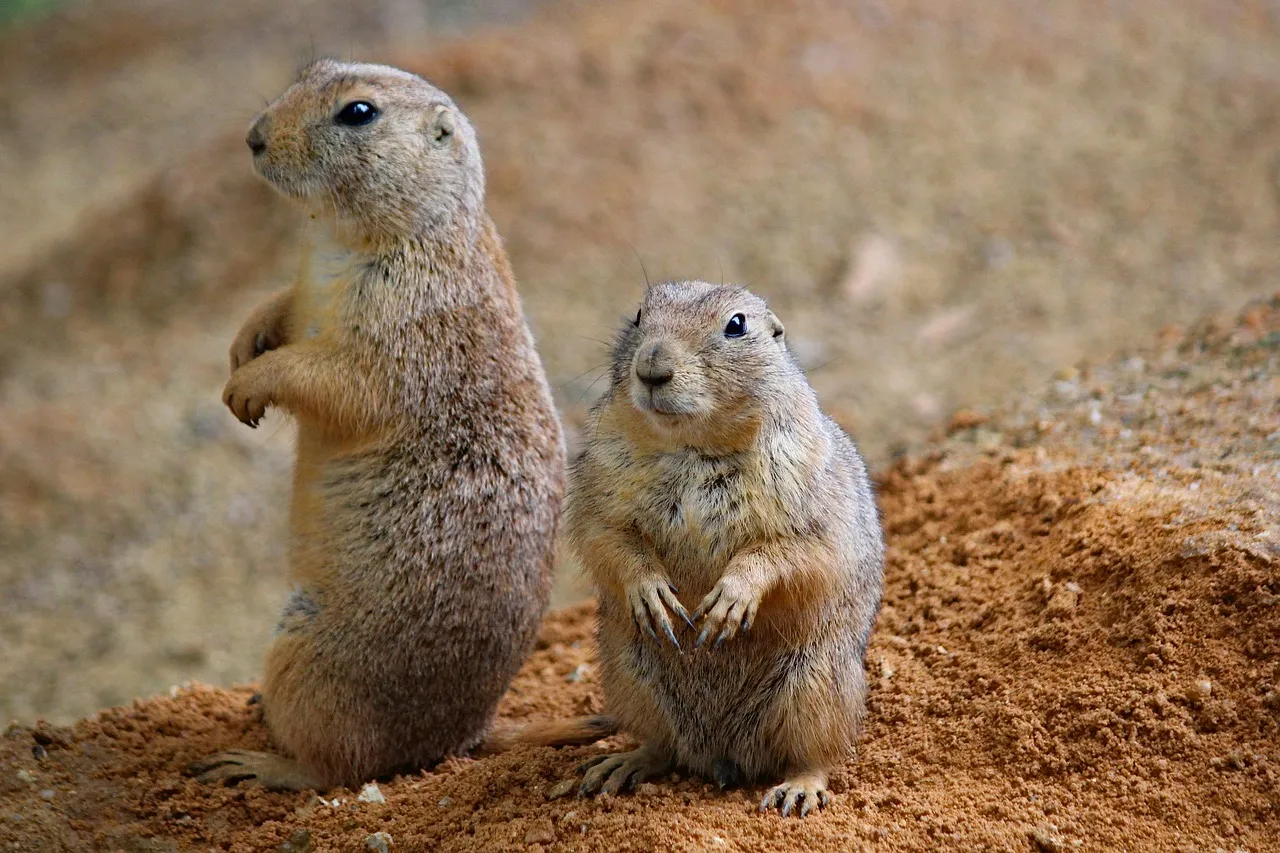
Prairie dogs have long had a poor reputation among ranchers and landowners, and I think that’s a shame. Yes, they compete with livestock for forage in some places, and that conflict is real. Still, it’s hard to look at this list and not see how much else rides on them.
Protecting prairie dog towns isn’t about favoring one rodent. It’s about keeping a whole grassland community intact, from tiny salamanders to soaring hawks. If we can learn to live alongside the animal that builds the neighborhood, a lot of other species get to stay in it.

- 7 Everyday Habits That Can Make Your Senior Dog Happier - November 5, 2026
- 10 Enigmatic Structures That Continue to Puzzle Scientists Today - November 5, 2026
- 10 Strange Ruins in the Americas That Challenge What We Know About Early History - November 5, 2026