
10. Florida Panther
🔥 Would you like to save this?
We'll email this post to you, so you can come back to it later!
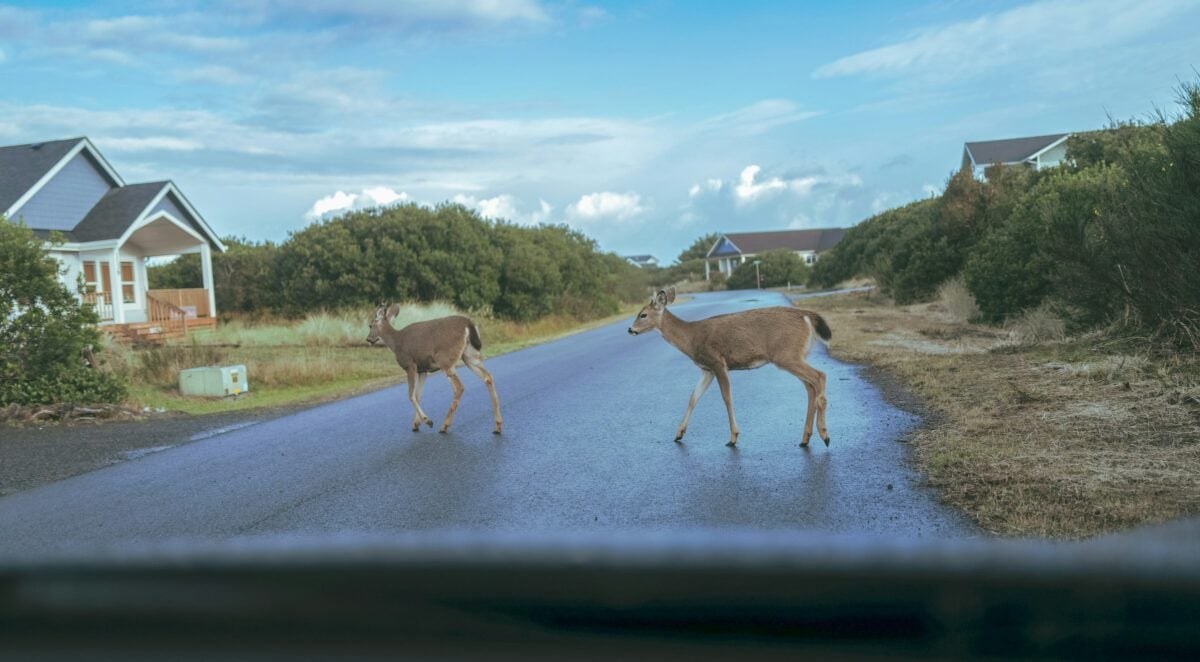
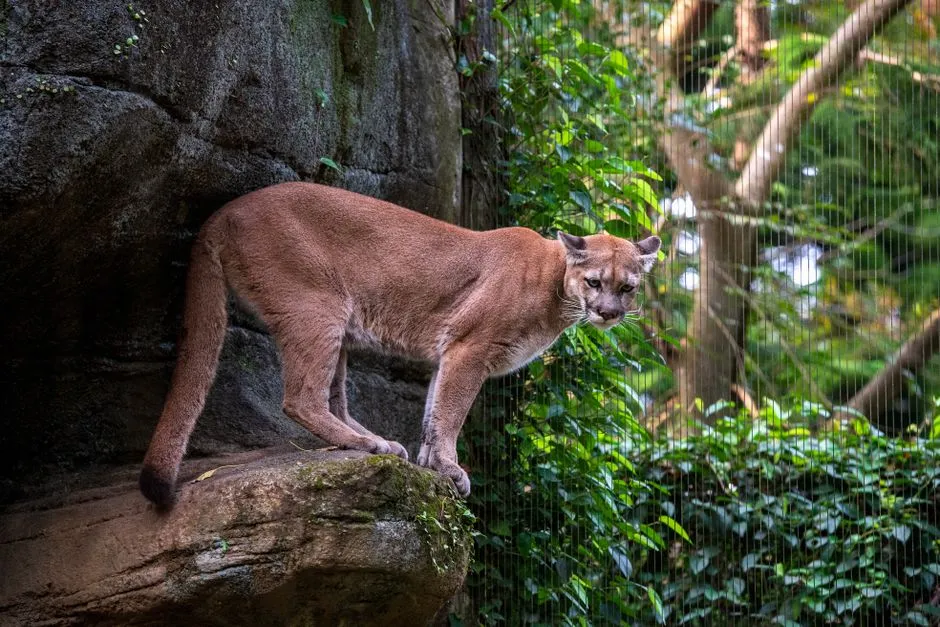
The Florida panther once moved freely across much of the Southeast. Today its remaining population lives mostly in southwest Florida, where roads slice through the last large blocks of suitable habitat. Vehicle strikes account for the majority of known deaths each year, and the animals that survive still face limited options for finding new territory or mates.
Because panthers require hundreds of square miles for a single home range, even a single highway can split a population into smaller groups with little contact. This isolation raises the risk of inbreeding and lowers overall resilience. Wildlife crossings have helped in a few key spots, yet many high risk stretches remain unprotected as development continues to push outward.
9. Key Deer
🔥 Would you like to save this?
We'll email this post to you, so you can come back to it later!
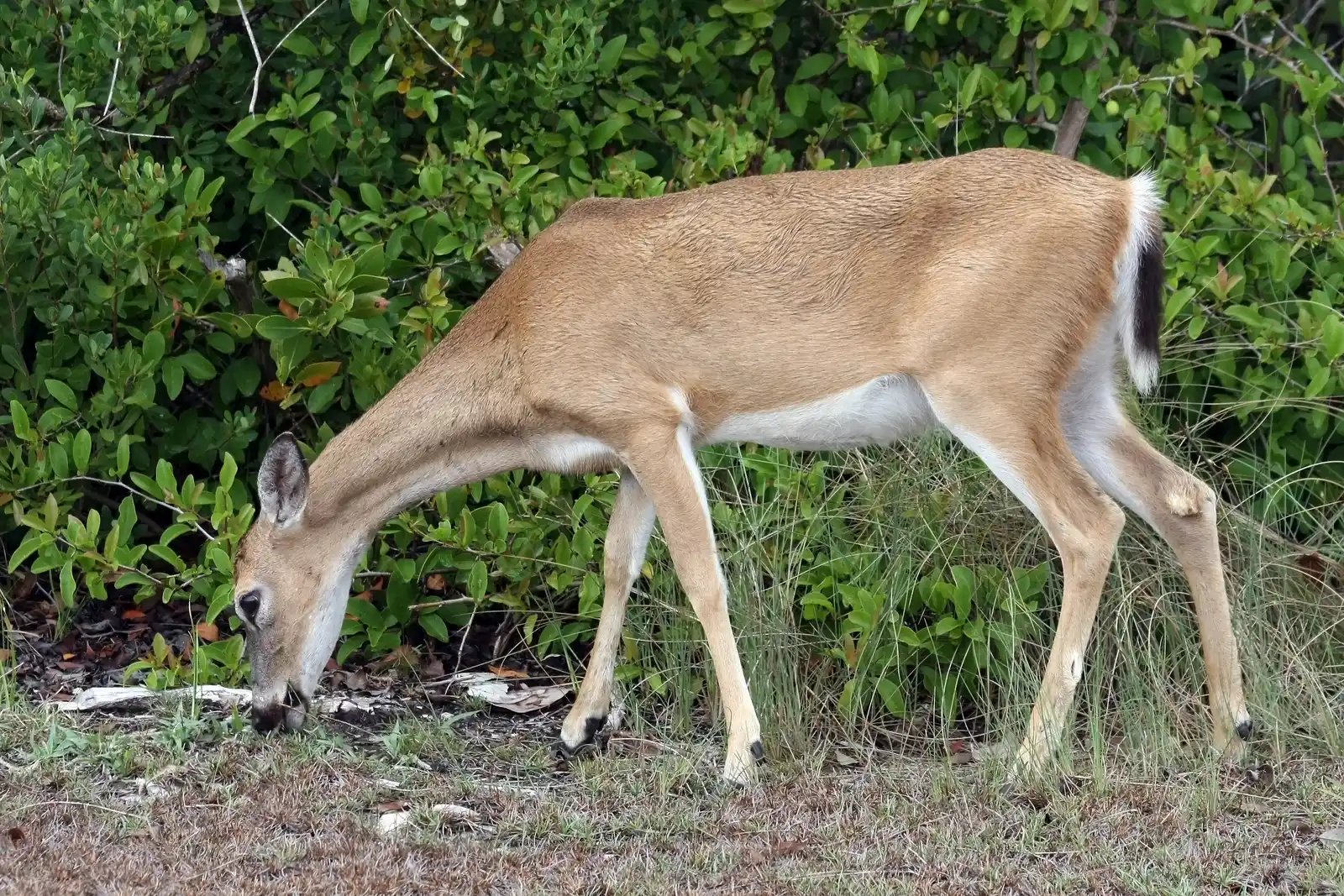
Key deer live only in the Florida Keys, a chain of islands already limited in space. Roads that connect the islands now run straight through their remaining habitat, and collisions have become a leading cause of mortality. The small population cannot easily absorb these losses without long term consequences.
Fragmentation here means deer on one key may have almost no chance of reaching another without crossing pavement. Over decades this has concentrated animals in smaller areas, increasing stress and competition for food. Conservation efforts focus on fencing and slower speed zones, but the basic problem of divided habitat persists.
8. Ocelot
🔥 Would you like to save this?
We'll email this post to you, so you can come back to it later!
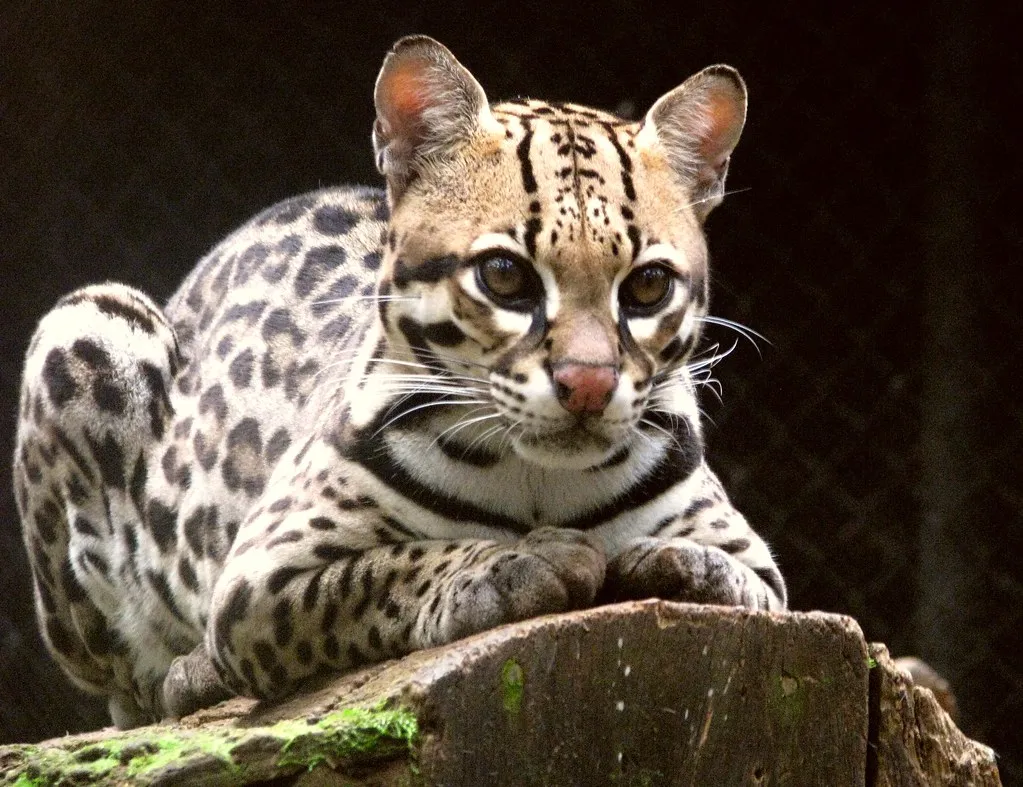
The ocelot, a small spotted cat, survives in only a handful of Texas locations near the border. Roads cut through the dense brush the cats prefer, creating both direct mortality and barriers that prevent young animals from dispersing to new areas. With fewer than one hundred individuals estimated in the United States, every loss matters.
Because ocelots avoid open spaces, a road can act as a permanent wall rather than a temporary obstacle. Populations on either side of major highways have become genetically distinct over time. Recovery plans emphasize connecting remaining patches of habitat, yet traffic volumes keep rising in the same corridors the cats need.
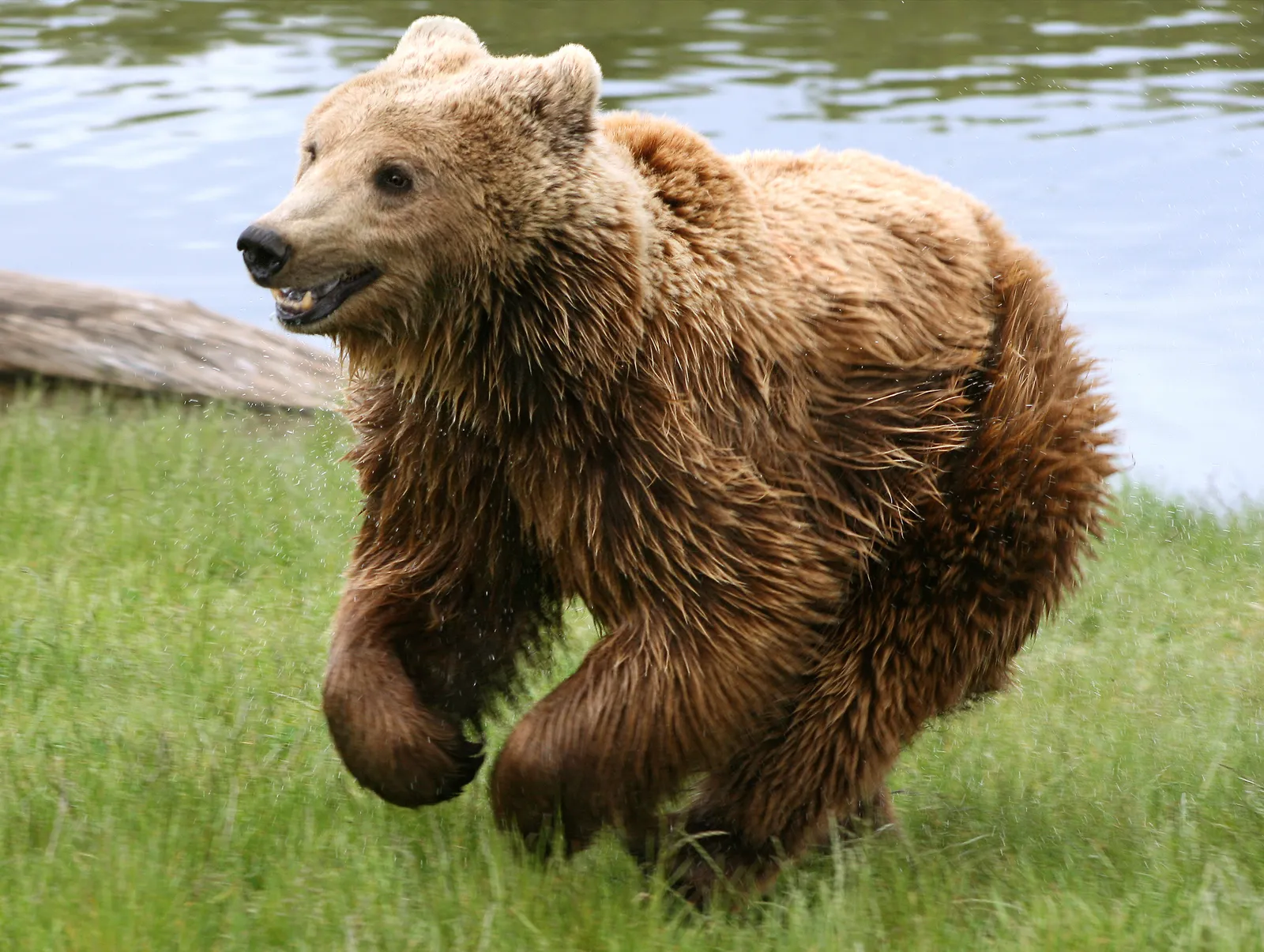
7. Grizzly Bear
🔥 Would you like to save this?
We'll email this post to you, so you can come back to it later!
Grizzly bears in the lower forty eight states occupy only a tiny fraction of their historic range. Roads and the traffic they carry limit movement between mountain ranges and reduce the amount of secure habitat available. Females with cubs in particular tend to stay farther from roads, shrinking the effective living space even more.
Fragmentation increases the chance that bears will encounter people or vehicles while searching for food or mates. In some areas, road density has reached levels that biologists consider unsustainable for long term population health. Efforts to install crossings and reduce attractants along highways have shown promise, but many key linkages remain incomplete.
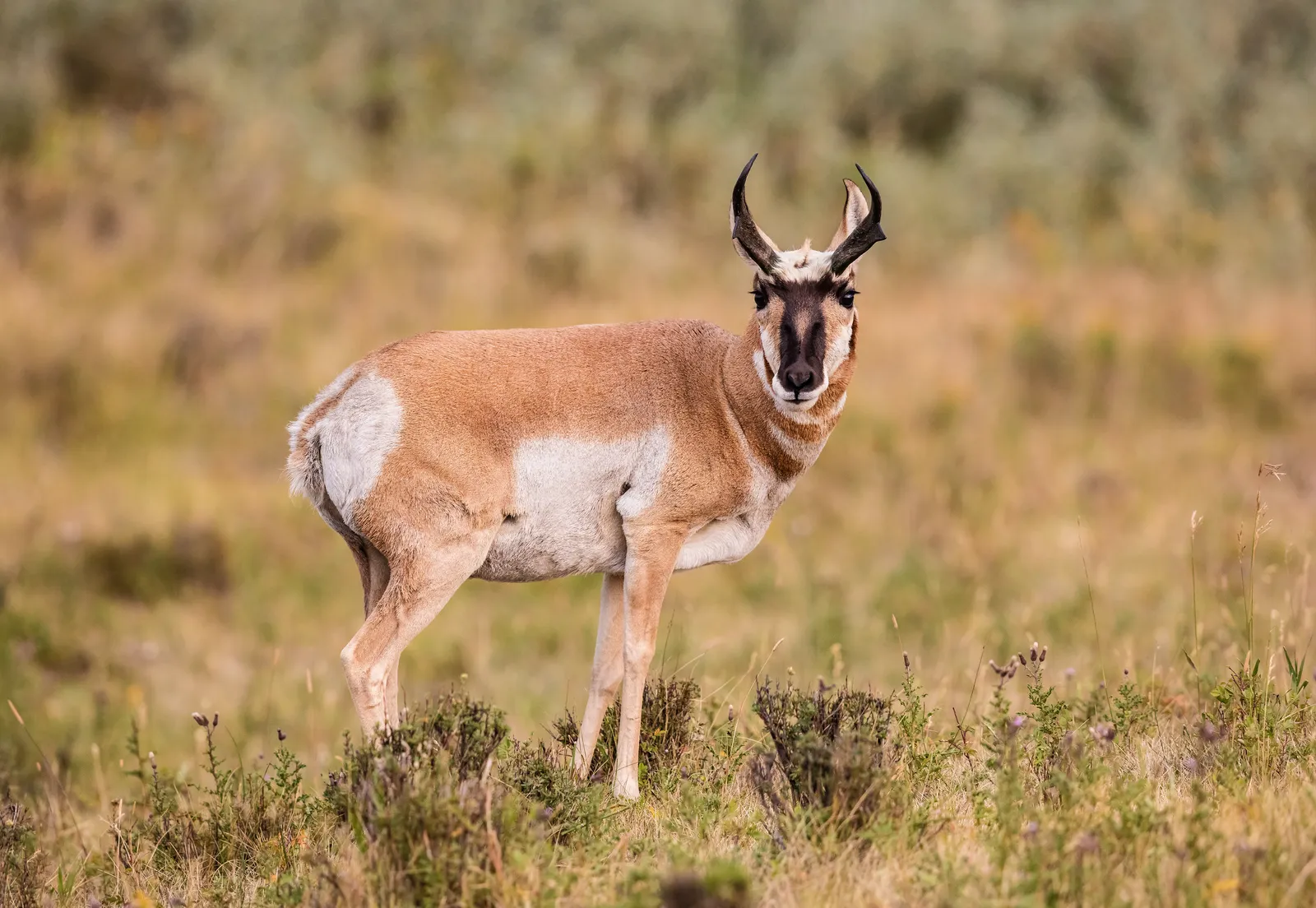
6. Pronghorn
🔥 Would you like to save this?
We'll email this post to you, so you can come back to it later!
Pronghorn rely on long distance migrations to reach seasonal ranges across the West. Highways that cross traditional routes act as hard barriers because the animals rarely jump fences or cross busy pavement. In places like Wyoming and Colorado, some herds have lost access to critical winter or summer grounds.
Over time this forces pronghorn into smaller areas with less nutritious forage and higher competition. Genetic diversity within herds can decline when movement stops. Recent wildlife overpasses have allowed some groups to resume old paths, yet many migration corridors still lack safe passage options.
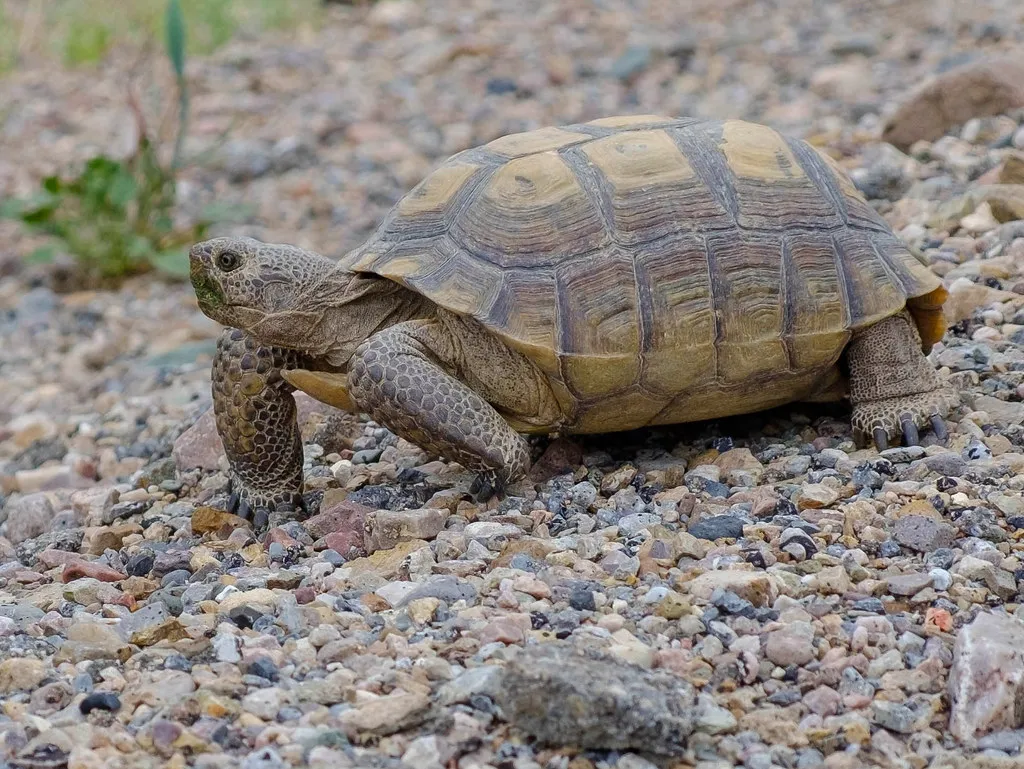
5. Desert Tortoise
🔥 Would you like to save this?
We'll email this post to you, so you can come back to it later!
Desert tortoises move slowly across the Mojave and Sonoran deserts, often traveling between patches of suitable soil and vegetation. Roads now divide these patches, and tortoises that attempt to cross face high mortality from vehicles. Even those that avoid direct strikes may find their home ranges permanently reduced.
Fragmented populations struggle to locate new burrows or mates when roads block natural movement. The species already deals with drought and habitat loss from development, so added barriers compound the pressure. Fencing along highways helps keep tortoises off the pavement, but it can also further isolate groups unless paired with safe crossing structures.
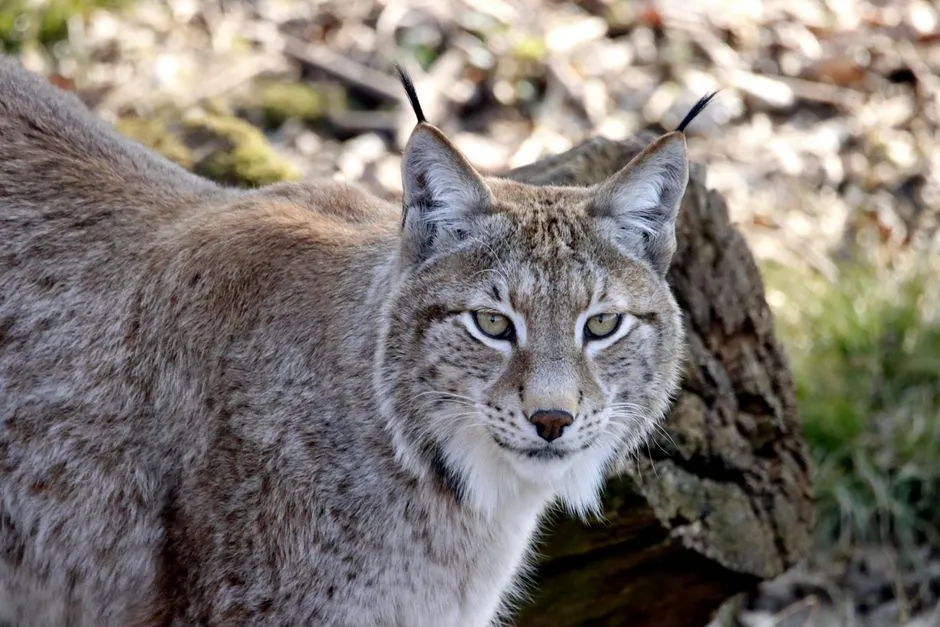
4. Canada Lynx
🔥 Would you like to save this?
We'll email this post to you, so you can come back to it later!
Canada lynx depend on deep snow and dense forests where they hunt snowshoe hares. In the northern states and along the border, roads fragment these specialized habitats and increase the risk of vehicle collisions during dispersal. Lynx populations in the contiguous United States remain small and scattered.
Because lynx avoid open areas, a highway can effectively separate one forest block from another. This limits gene flow and makes it harder for the cats to recolonize areas after local declines. Climate change adds another layer of stress, making connected habitat even more important for the species to adapt.
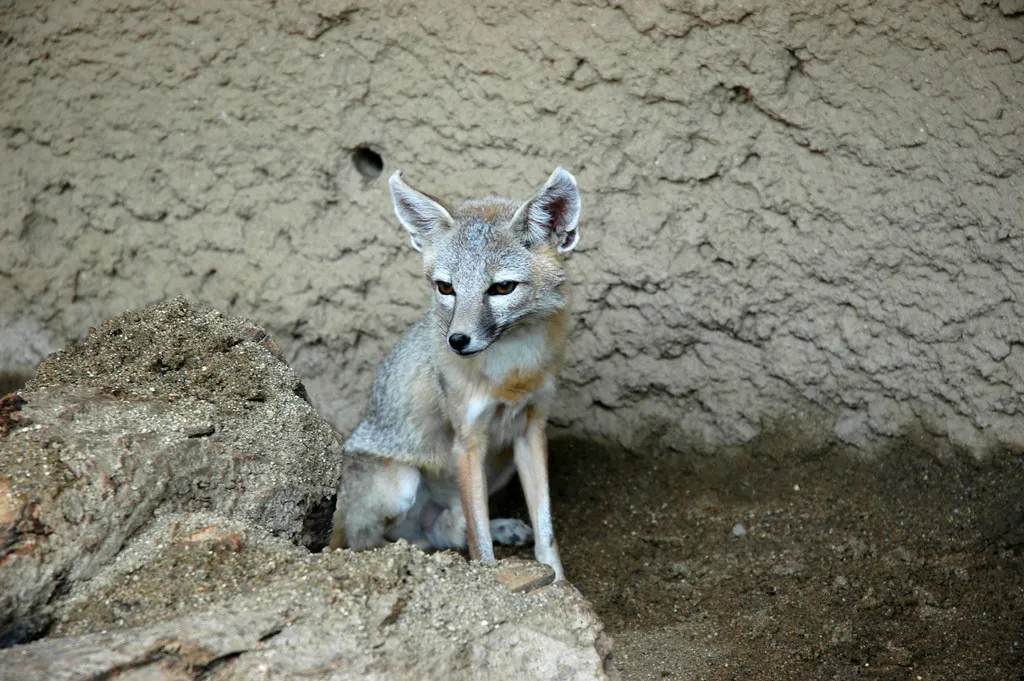
3. San Joaquin Kit Fox
🔥 Would you like to save this?
We'll email this post to you, so you can come back to it later!
The San Joaquin kit fox lives in the agricultural valleys of central California, where roads and canals have carved the landscape into smaller fragments. The foxes must cross these barriers to find prey and den sites, yet traffic and habitat edges raise mortality rates. Urban expansion continues to shrink the remaining open spaces.
Isolated groups face higher chances of inbreeding and local extinction when movement between patches stops. Kit foxes already contend with rodenticides and competition from larger predators, so road related losses add significant pressure. Conservation focuses on preserving corridors and reducing vehicle speeds in key zones.
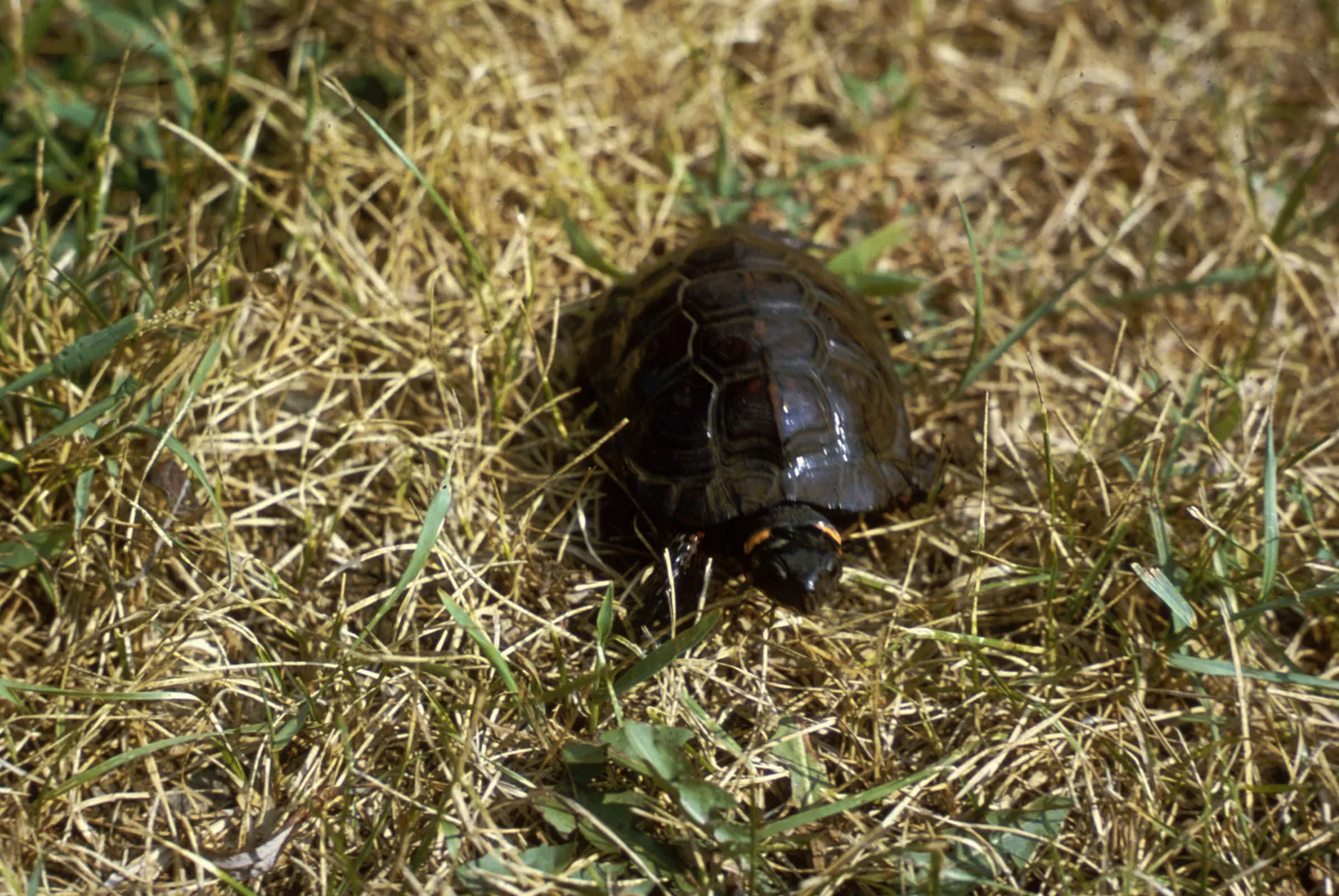
2. Bog Turtle
🔥 Would you like to save this?
We'll email this post to you, so you can come back to it later!
Bog turtles occupy small, scattered wetlands in the eastern states. Roads that cross or border these wetlands destroy habitat directly and prevent turtles from moving between sites to breed or find new territory. The species is already rare, and fragmentation makes recovery slower.
Because the turtles are small and slow, they suffer high road mortality during seasonal movements. Populations separated by highways can become inbred over generations, reducing their ability to adapt. Wetland restoration projects sometimes include underpasses or fencing, yet many important sites still lack these protections.
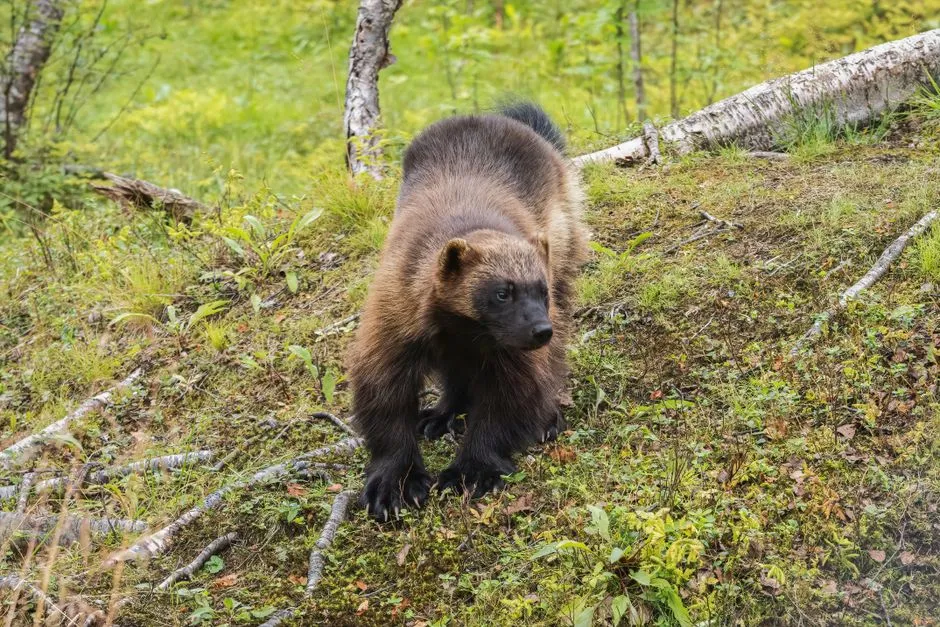
1. North American Wolverine
🔥 Would you like to save this?
We'll email this post to you, so you can come back to it later!
Wolverines roam vast territories in the northern Rockies and require connected landscapes to find food and mates. Roads and associated development fragment these remote areas, and the animals show strong avoidance of high traffic corridors. With very low population densities, even modest barriers can have outsized effects.
Fragmentation limits the ability of young wolverines to disperse and establish new territories, which is essential for maintaining genetic health across the region. Climate change is already shrinking suitable high elevation habitat, making every remaining linkage more valuable. Wildlife crossings designed for larger carnivores can also benefit wolverines when placed in the right locations.
The Path Forward
🔥 Would you like to save this?
We'll email this post to you, so you can come back to it later!
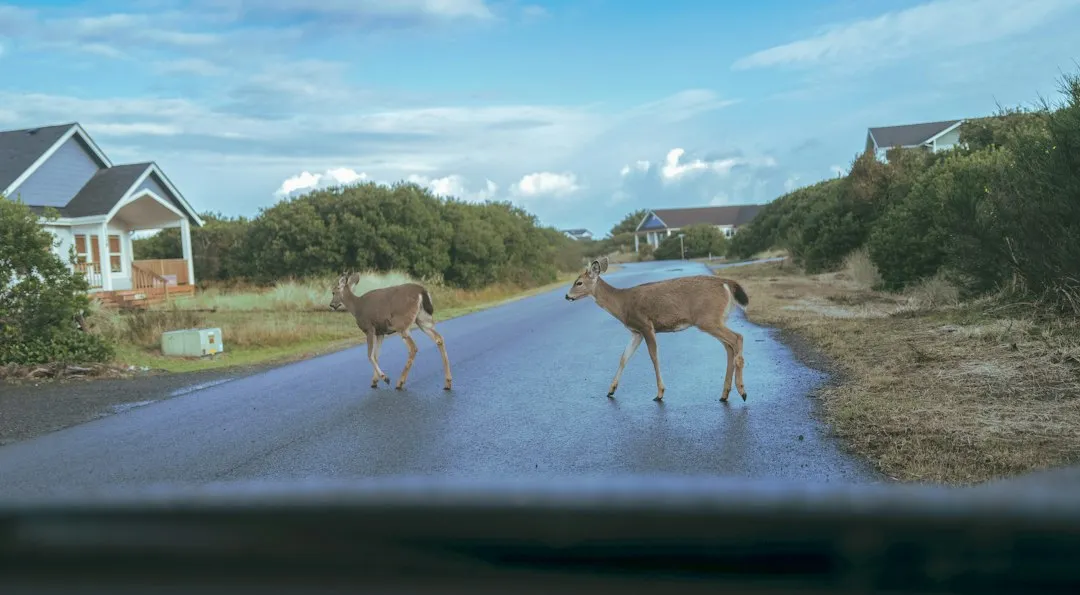
Wildlife crossings, fencing, and smarter road placement offer proven ways to reduce both deaths and isolation. States that have invested in these measures have seen clear drops in collisions and renewed movement for several species. The challenge lies in scaling these solutions across the thousands of miles where they are still needed.
Ultimately the question is not whether roads and wildlife can coexist, but whether society chooses to make room for both. Every new highway or expansion project carries an opportunity to design for connectivity rather than repeat the mistakes of the past. The animals listed here have already shown how quickly fragmentation can threaten survival. With deliberate action, the next generation of roads can begin to repair rather than deepen the divides.

- 10 Enigmatic Structures That Continue to Puzzle Scientists Today - November 5, 2026
- 10 Strange Ruins in the Americas That Challenge What We Know About Early History - November 5, 2026
- Beyond the Bark: Decoding Your Dog’s 12 Most Common Vocalizations - November 5, 2026