
What makes human-caused extinction so different from the natural loss of species over geological time is captured in a striking number. The current extinction rate is estimated to be 100 to 1,000 times faster than natural rates, leading scientists to refer to this period as the sixth mass extinction. We didn’t just nudge these creatures toward the edge. In most cases, we pushed them off it. The ten species below are some of the most vivid examples of what that has looked like throughout history.
1. The Dodo (Mauritius, Extinct c. 1681)
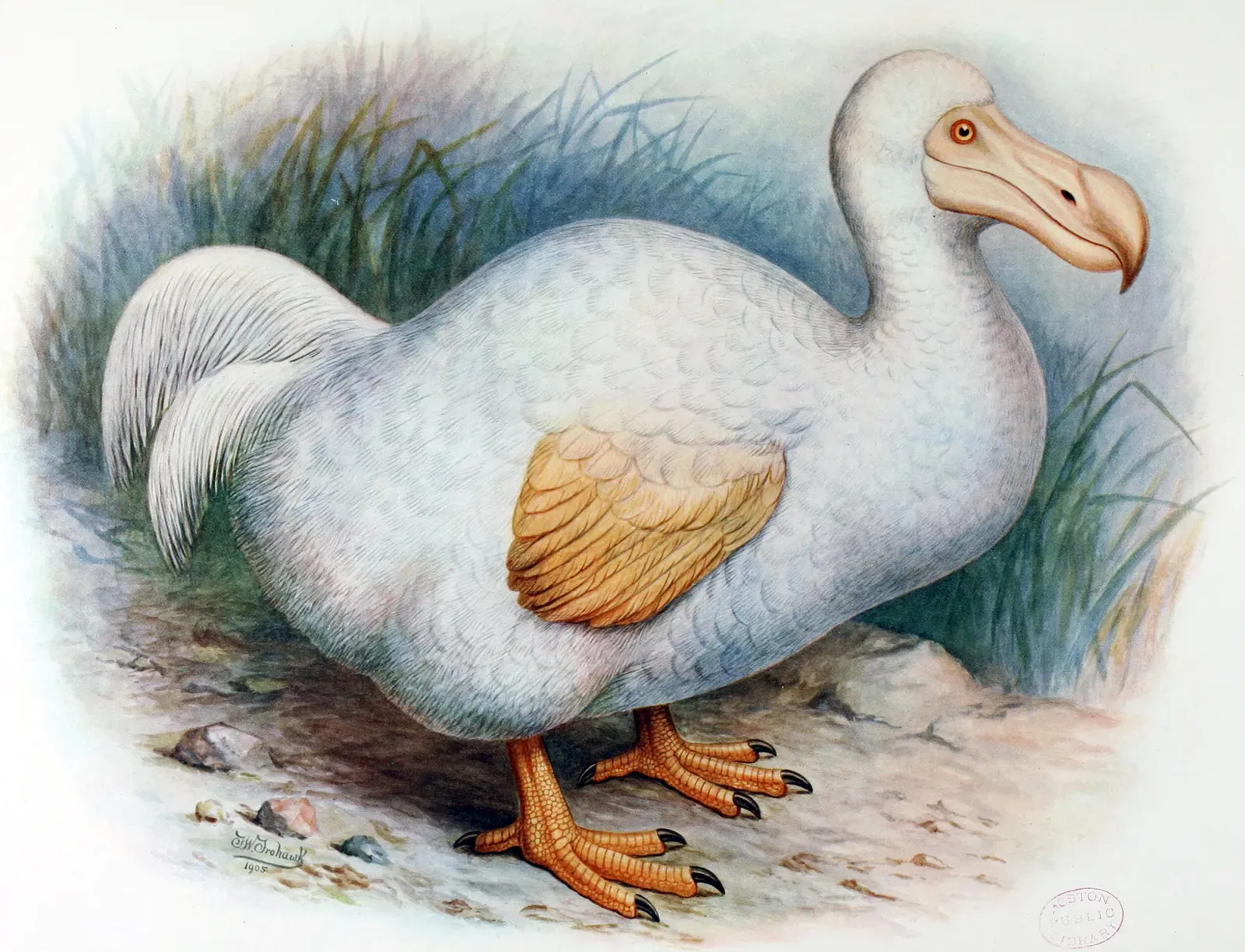
The flightless dodo was the first animal whose extinction was known to have been caused by human beings. With its tragic disappearance occurring less than a century after its first encounter with humans, the dodo has become a cultural icon and symbol of endangered species. It lived exclusively on the island of Mauritius in the Indian Ocean, having evolved over millennia in a predator-free world that gave it absolutely no preparation for what was coming.
Due to its flightless nature and isolation on the island of Mauritius, the bird was not equipped to defend itself against predators and had no natural predators prior to human interference. Dutch settlers reported that dodo birds were so innately trusting that they would actually waddle up to the armed and hungry settlers. Rats, stowaways on Dutch ships, quickly multiplied on the island, raiding dodo nests and eating eggs and hatchlings. Since the dodo nested on the ground and laid only one egg at a time, even modest predation rates severely impacted reproduction. The last confirmed sighting of a dodo in the wild occurred around 1662, less than 70 years after its discovery by Europeans. By the end of the 17th century, the species was gone.
2. The Passenger Pigeon (North America, Extinct 1914)
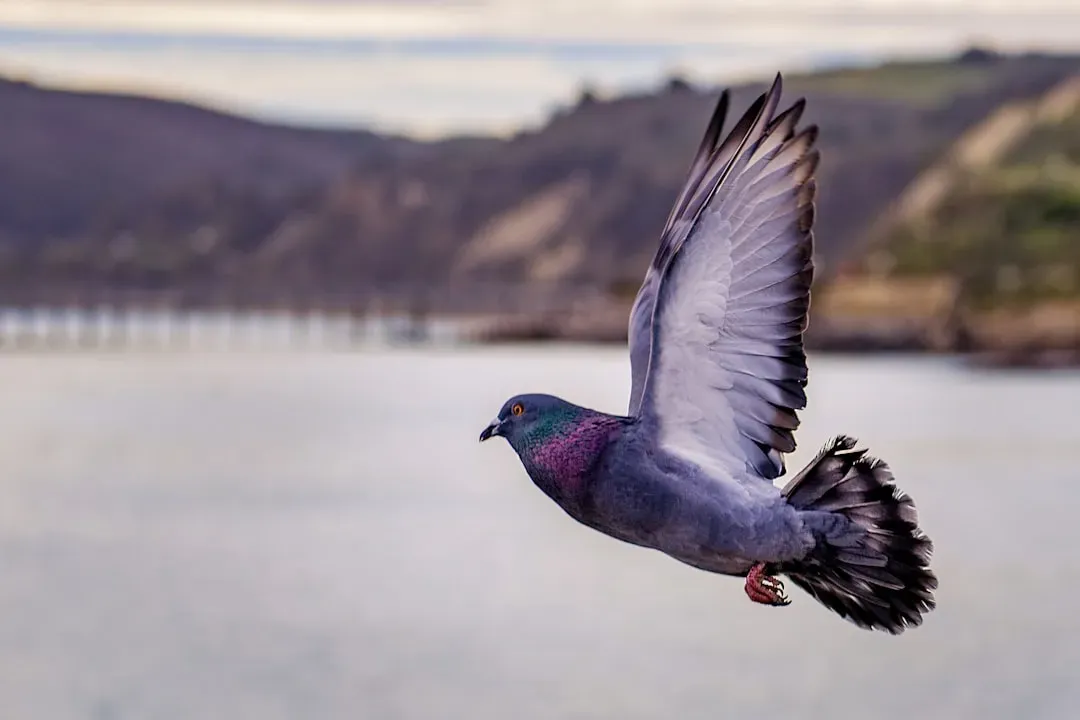
Few extinctions in history illustrate human destructiveness quite as starkly as that of the passenger pigeon. In the mid-1850s, some three and a half to five billion passenger pigeons existed. They went extinct in under 50 years, due to habitat loss and meat consumption. The scale of their numbers had made the idea of their extinction seem almost laughable to those alive at the time.
As American settlers pressed westward, passenger pigeons were slaughtered by the million yearly for their meat and shipped by railway carloads for sale in city markets. Hunters often raided their nesting grounds and annihilated entire colonies in a single breeding season. From 1870, the decline of the species became precipitous and some unsuccessful attempts were made to breed the birds in captivity. The last known passenger pigeon, named Martha, died on September 1, 1914, in the Cincinnati Zoo in Ohio.
3. The Thylacine, or Tasmanian Tiger (Australia and Tasmania, Extinct 1936)
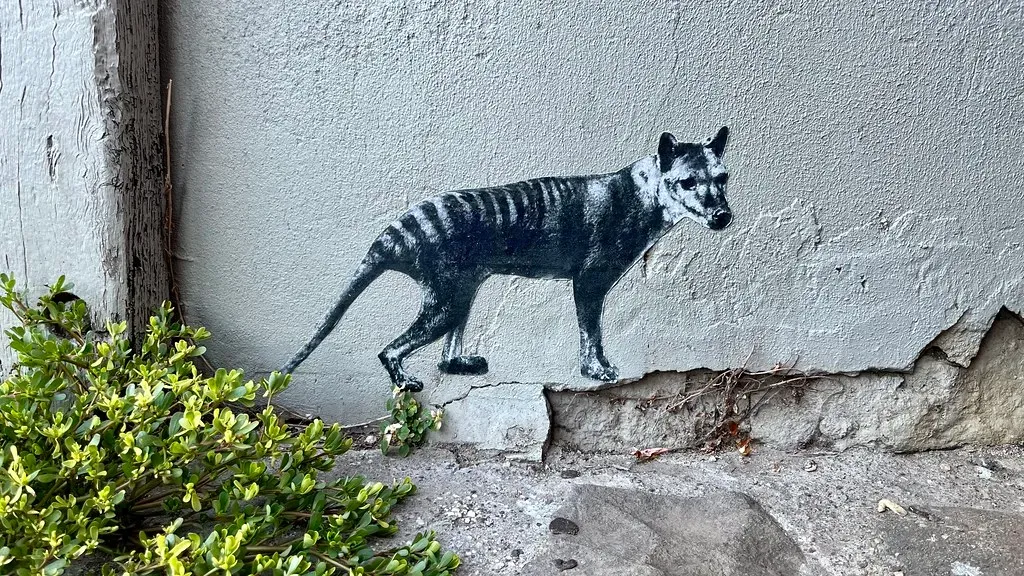
The thylacine, or Tasmanian tiger, was not a tiger or a wolf but a striped, dog-like marsupial. With a sandy-yellow coat and dramatic dark brown stripes, the thylacine was a silent, nocturnal hunter of the Australian bush and Tasmania. It had survived on the continent for millions of years before European settlers arrived and decided it was a threat to their livestock.
Rather than being exploited for fur, fuel, or food, the thylacine was a victim of persecution, notably at the hands of the Van Diemen Land Company, which offered bounties for hunters to kill animals that were found on its land. The last known thylacine, named Benjamin, died on September 7, 1936. It is estimated that a full attempt to bring the thylacine back from extinction through genetic technology could happen as early as 2027. Whether science can undo what bounties accomplished remains to be seen.
4. Steller’s Sea Cow (Bering Sea, Extinct 1768)
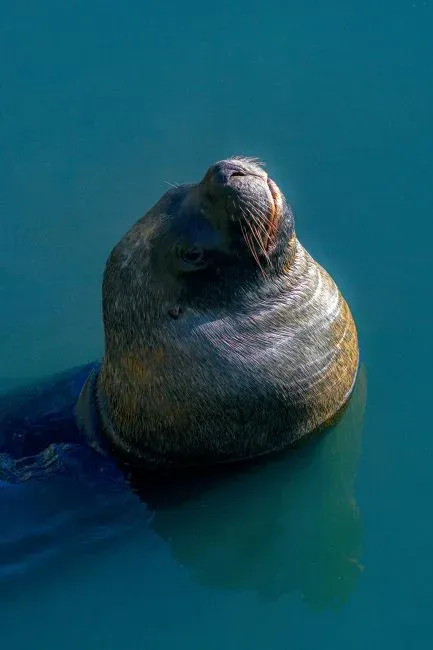
Discovered in 1741 by German naturalist Georg W. Steller, Steller’s sea cows once inhabited the near-shore areas of the Komandor Islands in the Bering Sea. Much larger than present-day manatees and dugongs, Steller’s sea cows reached a length of nine to ten meters and weighed around ten metric tons. They were enormous, peaceful, and completely unprepared for the hunters who would follow their discovery.
These massive, docile animals floated at the surface of the coastal waters but unfortunately had little ability to submerge. This made them easy targets for the harpoons of Russian seal hunters, who prized them as a source of meat on long sea journeys. Killing was often wasteful and the species was exterminated by 1768, less than 30 years after it was first discovered. No preserved specimens exist today. A species that likely numbered in the thousands was reduced to zero in less than three decades.
5. The Great Auk (North Atlantic, Extinct 1844)
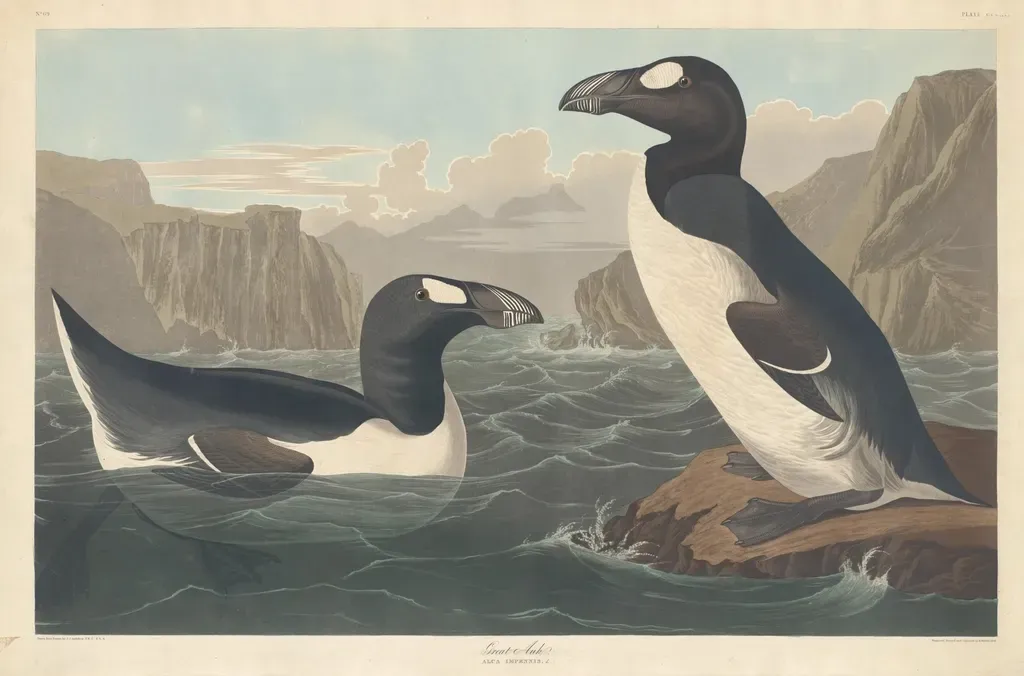
The great auk was a flightless seabird that bred in colonies on rocky islands in the North Atlantic, namely St. Kilda, the Faroe Islands, Iceland, and Funk Island off Newfoundland. The birds were approximately 75 centimeters long and had short wings which were used for underwater swimming. Utterly defenseless, great auks were killed by rapacious hunters for food and bait, particularly during the early 1800s.
As the bird became rarer, collectors wanted it even more. Some of the earliest legislation to protect any animal was written to save the auk, first in 1553 and then 1794 in Britain and Canada, where you could be publicly flogged for killing an auk for its feathers. When hunting them became illegal, their prices soared. Once they were extinct, the few remaining eggs and taxidermic specimens were worth millions. The last known specimens were killed in June 1844 at Eldey island, Iceland, for a museum collection.
6. The Aurochs (Europe, Asia, and North Africa, Extinct 1627)
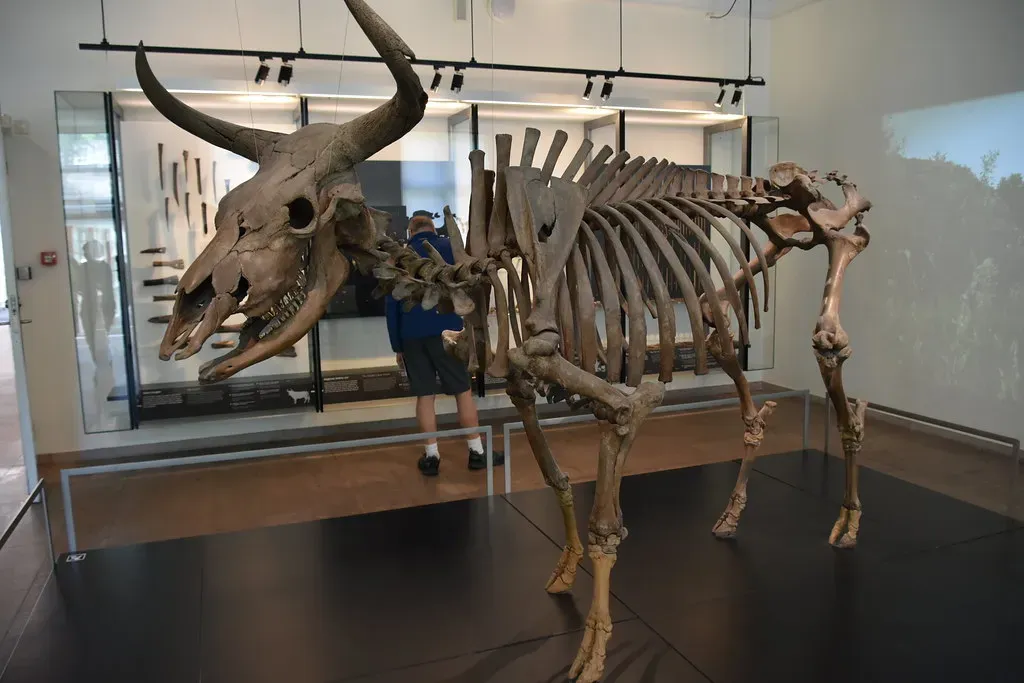
The aurochs is often seen as a mythical animal, but it was very much real. It is the ancestor of domestic cattle and lived throughout Europe, Asia, and North Africa. They died off in 1627. It’s a quietly remarkable fact that the animal from which all domestic cattle descended was simultaneously being hunted out of existence by the very civilization it had helped feed.
The wild ancestor of all domesticated cattle, the aurochs became extinct in the 1600s, the victim of habitat loss and unsustainable hunting. It is hoped that bringing this extinct animal back into the wilds of Europe will benefit the European ecosystem, as the aurochs was a keystone species. Selective breeding programs in Europe have been working for decades to recreate something genetically close to this ancient beast, a quiet admission of what was lost.
7. The Quagga (South Africa, Extinct 1883)
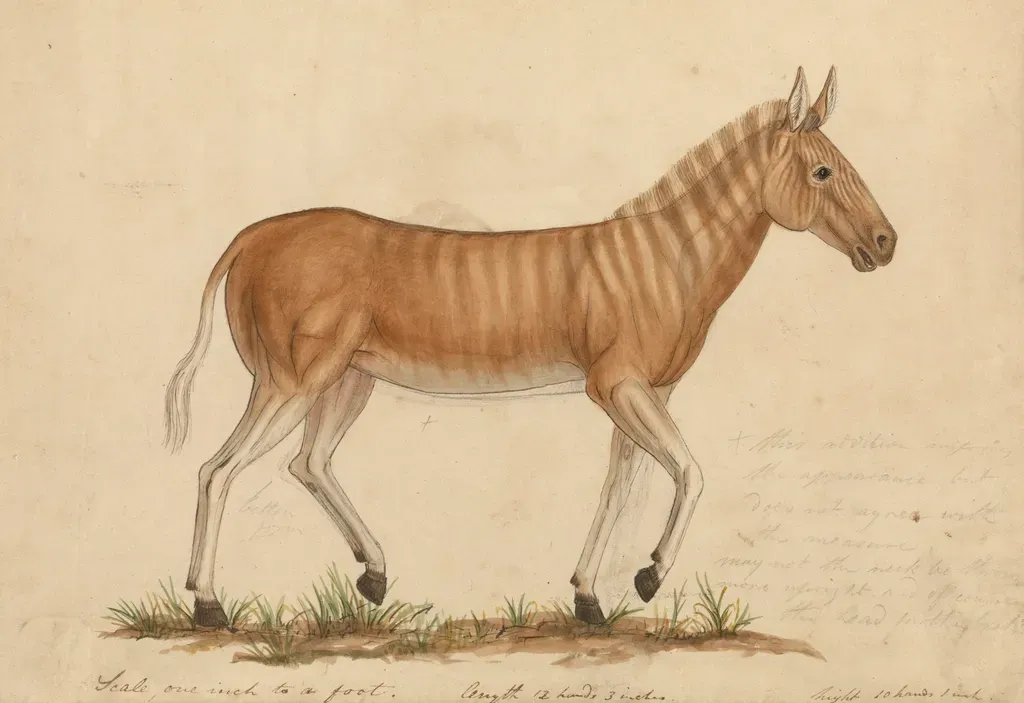
The quagga was a zebra subspecies with striking partial stripes fading into a warm sandy hue towards the rear, setting it apart from other equids. Native to South Africa, it was hunted to extinction for its meat and hide. The last quagga died in captivity in 1883. It was a visually unique animal, somewhere between a zebra and a horse in appearance, and its loss went largely unnoticed by the wider world at the time.
By 1878, the quagga was extinct in the wild. Quagga DNA was the first ancient DNA ever sequenced, the results of which indicated it is a subspecies of extant plains zebras. Stripe-pattern variation in living plains zebras formed the foundation for an artificial selection program to reproduce individuals with similar patterning to the extinct quagga, which has recently been achieved. Dubbed “Rau quagga,” several individuals have been released to roam freely on the Nuwejaaars River Nature Reserve in South Africa.
8. The Woolly Mammoth (Northern Hemisphere, Extinct c. 4,000 years ago)
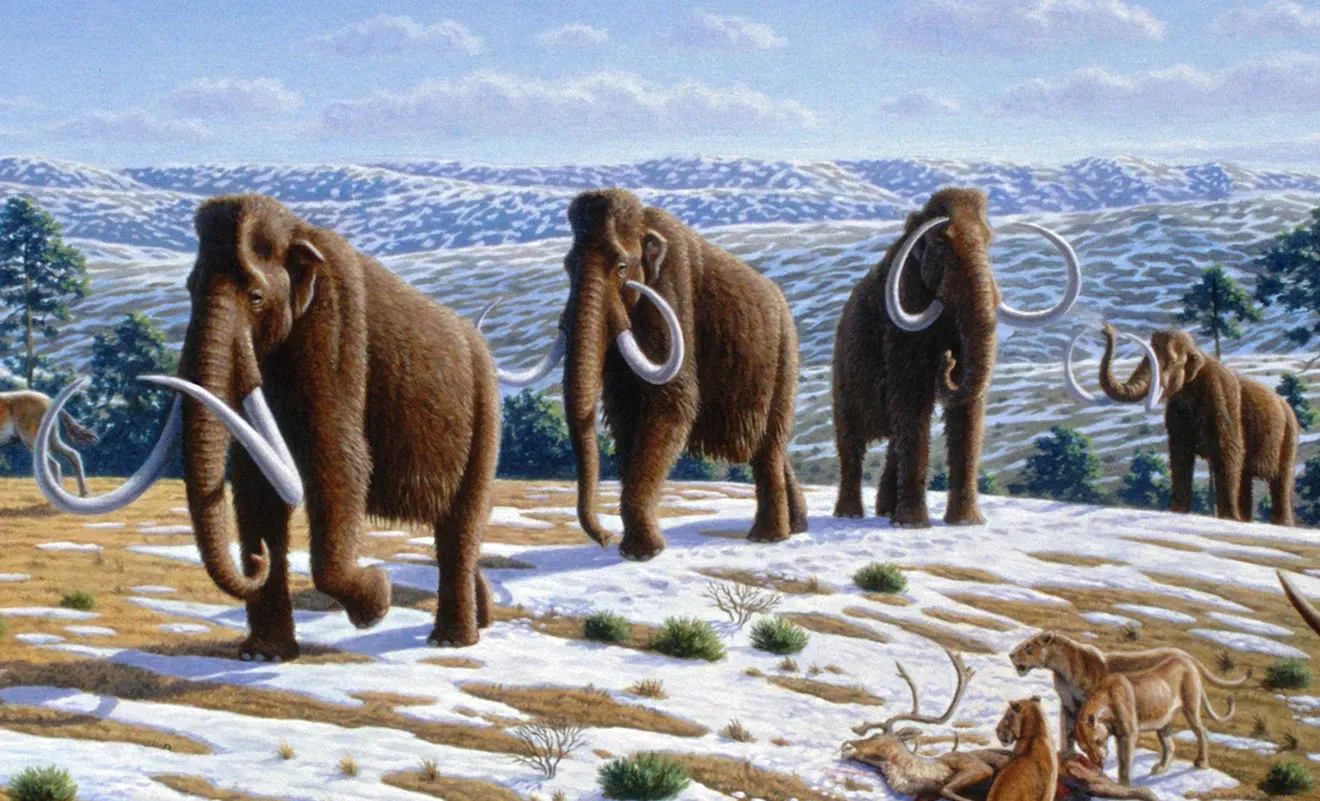
The woolly mammoth resembled a modern elephant but was covered in thick fur to survive the Ice Age. These massive animals roamed across North America, Europe, and Asia thousands of years ago. Climate changes and human hunting likely contributed to their extinction, with the last known population disappearing around 4,000 years ago. The combination of a warming planet and relentless human predation proved fatal, even for an animal this large.
While climate change definitely played a significant role in their extinction, recent studies suggest that humans may have also been a driving force in their demise, or at least the final cause. Extensive hunting and the stresses of a warming climate are a lethal combination, and it seems even the mighty mammoth could not withstand the human appetite in a changing world. Thanks to a number of well-preserved, frozen carcasses in Siberia, the woolly mammoth is the best-known of all mammoth species. It now sits at the center of ambitious de-extinction efforts, with scientists attempting to resurrect something close to it through genetic editing.
9. The Carolina Parakeet (Eastern United States, Extinct 1918)
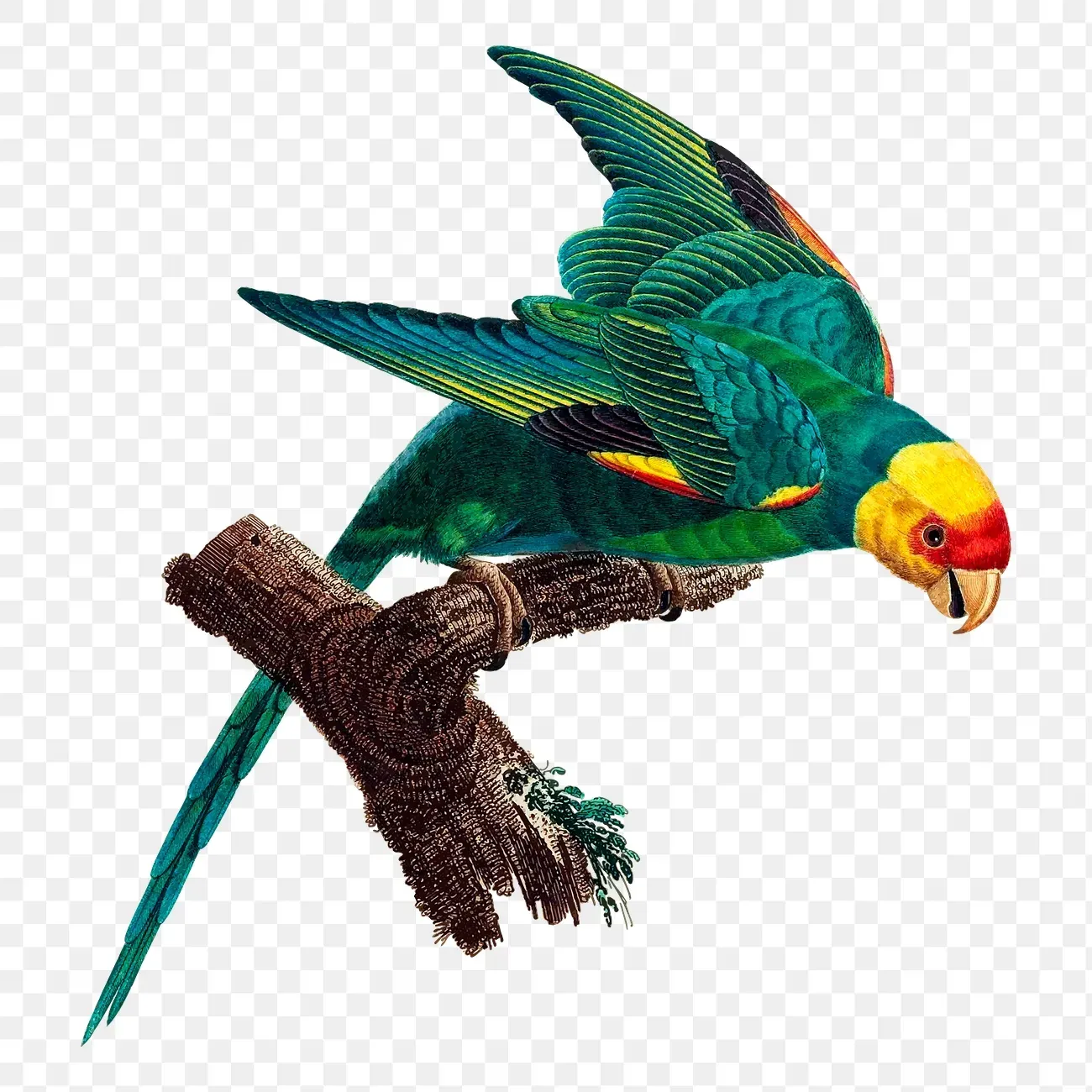
The Carolina parakeet was the only native parrot species in the eastern United States. Known for its bright green feathers and yellow head, it once lived in large flocks. Habitat destruction and hunting led to its extinction. The last captive bird died in 1918. Its disappearance is often overlooked next to more famous extinctions, but it was an equally vivid example of what unchecked exploitation looks like when aimed at a once-common species.
Farmers viewed the Carolina parakeet as a crop pest, and it was shot in enormous numbers. Ironically, the birds had a habit of gathering around their fallen flock members, which made them even easier to kill in large groups. The species was rendered extinct by human persecution. What made the loss particularly painful was that the Carolina parakeet had no real equivalent on the continent. North America’s only native parrot, gone, simply because it was inconvenient.
10. The Pyrenean Ibex (Spain and France, Extinct 2000)
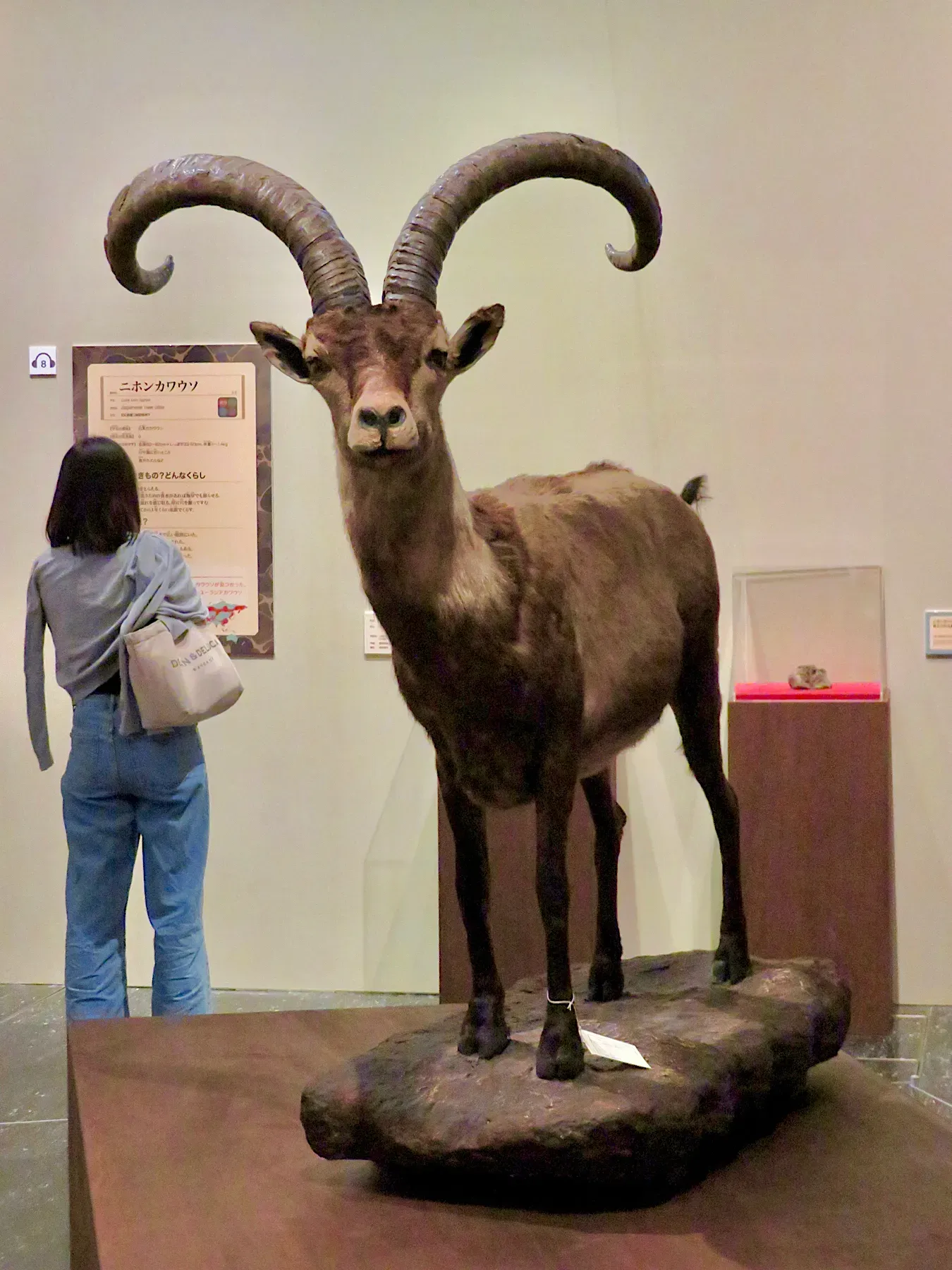
The Pyrenean ibex was a wild mountain goat that lived in the Pyrenees mountains between Spain and France. Overhunting caused its numbers to decline rapidly. The last known individual died in 2000, making it one of the most recent animal extinctions. A subspecies of the Spanish ibex, the Pyrenean ibex disappeared due to overhunting in the 19th and 20th centuries.
In 1999, the last Pyrenean ibex, a female named Celia, was tagged and collared. A tissue sample was taken from her, and she was released back into the wild. A year later, she was found dead, crushed by a tree. In 2003, scientists used the tissue sample to clone Celia. In doing so, they created the first extinct animal ever to be revived, if only temporarily. The clone died of lung failure minutes after birth, but it proved the concept. The Pyrenean ibex thus holds the strange distinction of being both the most recently documented human-caused extinction and the first species ever, briefly, brought back.
What These Ten Species Tell Us
Taken together, these ten extinctions share a common thread that goes beyond hunting or habitat loss. Unlike earlier extinctions, the causative agent is aware of what is happening and could act to reverse current trends. That awareness, present now in a way it wasn’t when Dutch sailors first encountered the dodo, is both the tragedy and the possibility wrapped into one.
Scientists suggest that we’re currently experiencing the sixth mass extinction in our planet’s history, and it’s largely the result of human activity. According to the IUCN Red List, more than 48,600 species are currently threatened with extinction, representing about a third of all species assessed by the list. These numbers are vast enough to feel abstract. The ten species above are not. They had names, behaviors, habitats, and histories.
The honest conclusion here is uncomfortable. We have not simply stumbled into these extinctions through ignorance. In many cases, we had warnings, early laws, visible population collapses, and we continued anyway. The passenger pigeon’s flocks darkened skies within living memory of Martha’s death. The great auk had protective legislation a full century before the last pair was clubbed to death for a museum. What the historical record really shows is not a lack of knowledge. It shows a recurring failure to act on what we already knew. That distinction matters now more than ever.

- The 18 Dog Breeds That Thrive in Small Homes and 8 That Never Truly Settle - August 3, 2026
- What Happened to the Dog Breeds Everyone Once Owned: 17 That Quietly Disappeared - August 3, 2026
- The Real Reason We Exchange Gifts at Christmas - August 3, 2026