
Arctic Fox
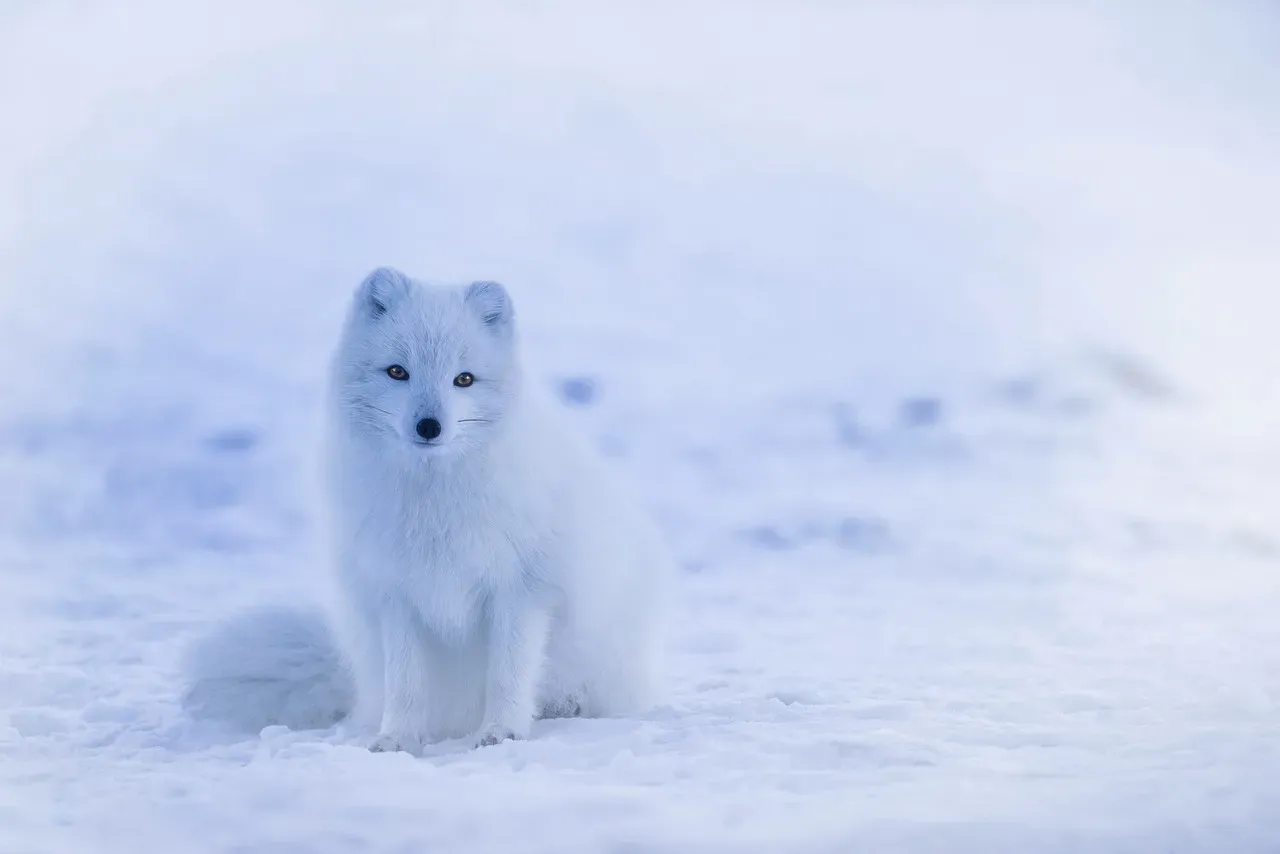
The Arctic fox grows a dense winter coat that traps air close to its body, creating natural insulation against temperatures that can plunge to minus 50 degrees Fahrenheit in Alaska. Its small ears and short legs further reduce heat loss, while its fur changes color from brown in summer to white in winter for camouflage against snow. These foxes often cache food during milder months, returning to buried supplies when hunting becomes impossible.
They also lower their metabolic rate during extreme cold snaps, conserving energy without true hibernation. This combination of physical traits and behavioral habits lets them roam vast tundra regions where few other mammals can persist year round.
Polar Bear
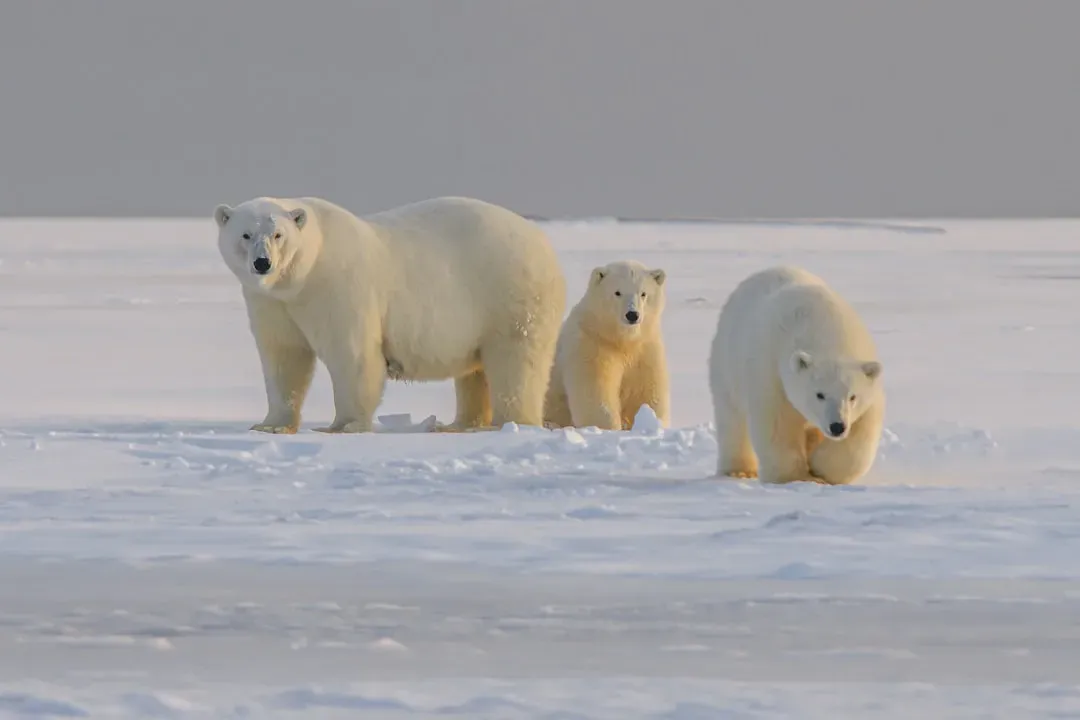
Polar bears in northern Alaska rely on thick layers of blubber and fur that keep them warm even when swimming in icy waters or resting on frozen sea ice. Their large size helps retain body heat, and they spend much of the winter hunting seals from ice platforms. When food is scarce, they can fast for months while drawing on fat reserves built up earlier.
These bears also have specialized paw pads with rough surfaces for traction on slippery ice. Such features allow them to maintain activity through the longest, darkest winters in the United States.
Snowshoe Hare
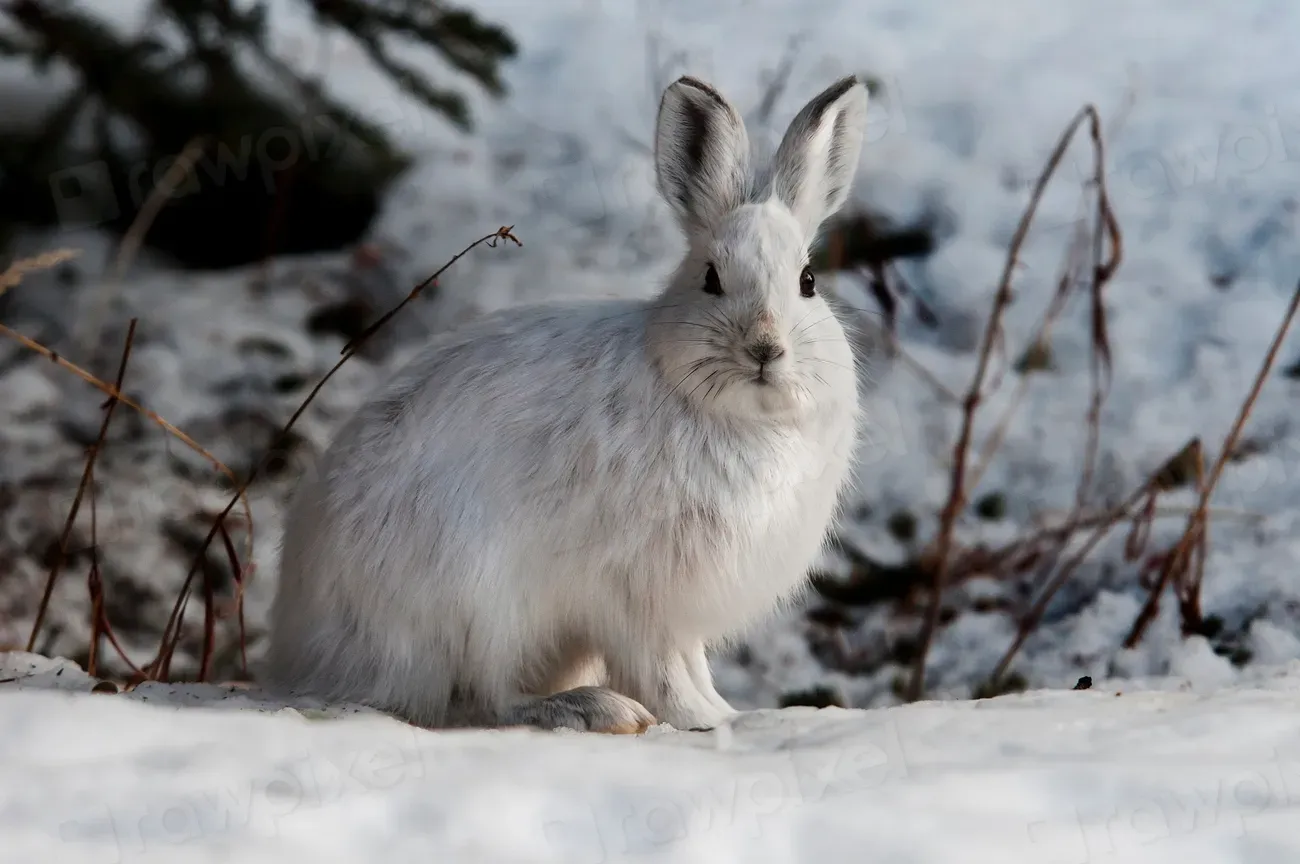
Snowshoe hares develop oversized hind feet that act like natural snowshoes, spreading their weight so they can move easily across deep powder without sinking. Their winter coat turns white for blending into snowy landscapes, and extra fur grows on the soles of their feet for added warmth. They remain active throughout the cold season, feeding on twigs and bark when green plants disappear.
These hares also use dense thickets for shelter, where they rest during the harshest storms. Their ability to stay mobile and hidden helps them avoid predators while surviving months of subzero conditions across northern forests.
Canada Lynx
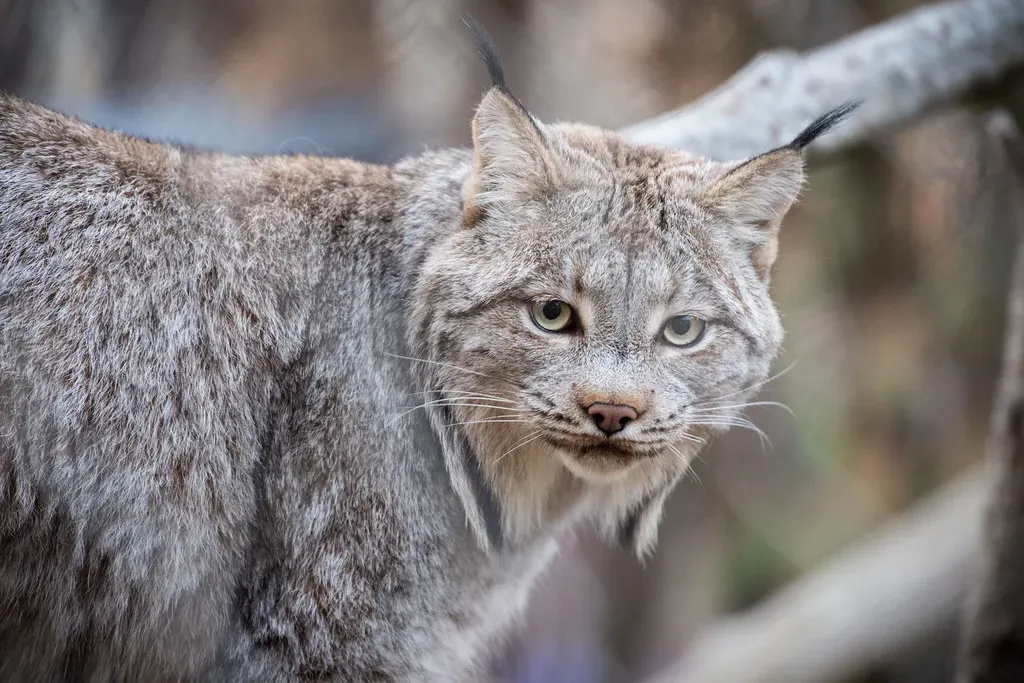
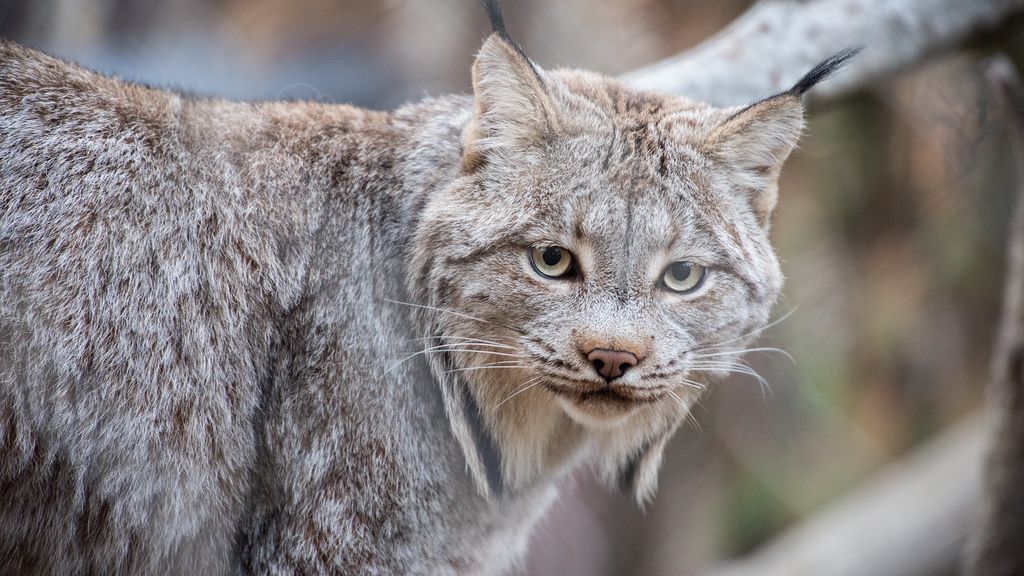
Canada lynx possess oversized paws that function like built in snowshoes, allowing them to chase prey across deep snow where other predators struggle. Their thick fur and tufted ears provide insulation, and they often follow snowshoe hare populations as a primary food source. During especially cold periods, they conserve energy by resting in sheltered dens.
These cats range through the northernmost states and Alaska, adapting their hunting patterns to winter scarcity. Their specialized limbs and coat make them well suited to environments that would overwhelm less equipped animals.
Moose
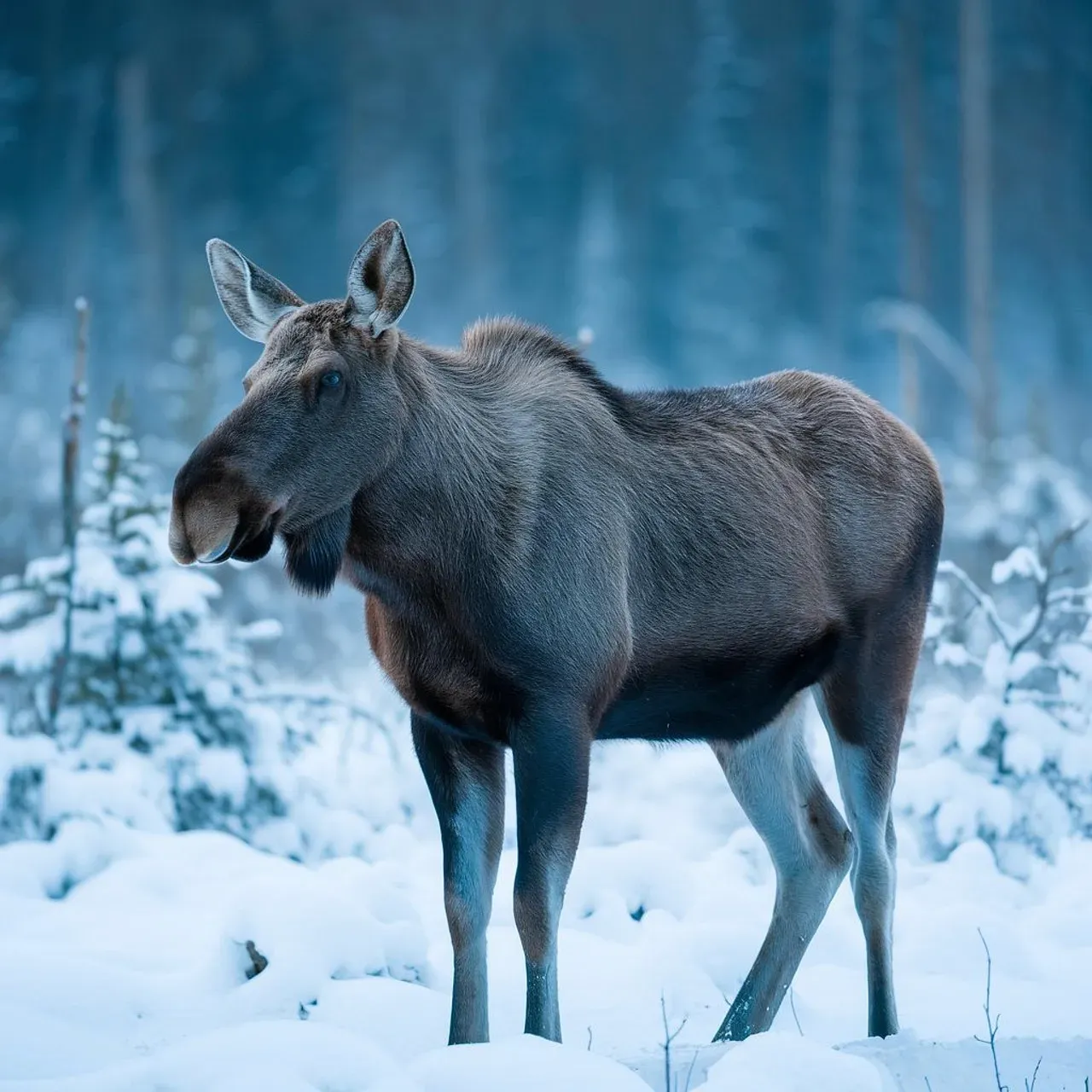
Moose in northern states grow a heavy winter coat of hollow hairs that trap air for insulation, while their long legs help them wade through deep snow to reach food. They browse on twigs and bark when aquatic plants freeze over, and they can lower their body temperature slightly to save energy. Large body mass also helps retain heat during prolonged cold.
These animals often gather in sheltered valleys or conifer stands to escape wind. Their size and dietary flexibility support survival through the toughest winters in places like Maine and Montana.
Gray Wolf
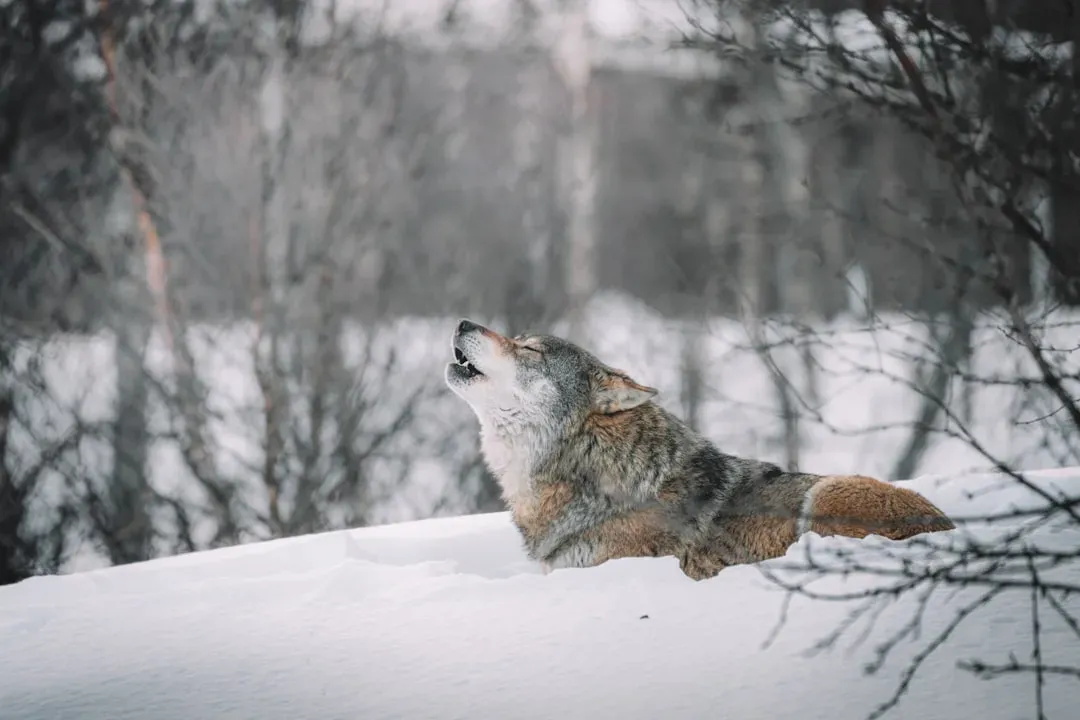
Gray wolves in cold regions develop dense undercoats beneath their outer fur, creating effective barriers against wind and snow. They hunt in packs, which improves success rates when prey is scarce and spread out during winter. Their large paws provide traction on ice and snow, and they travel long distances to find food.
Wolves also use body heat from the pack when resting together in dens or snow beds. These social and physical traits enable them to endure extended freezes across Alaska and the northern Rockies.
Musk Ox
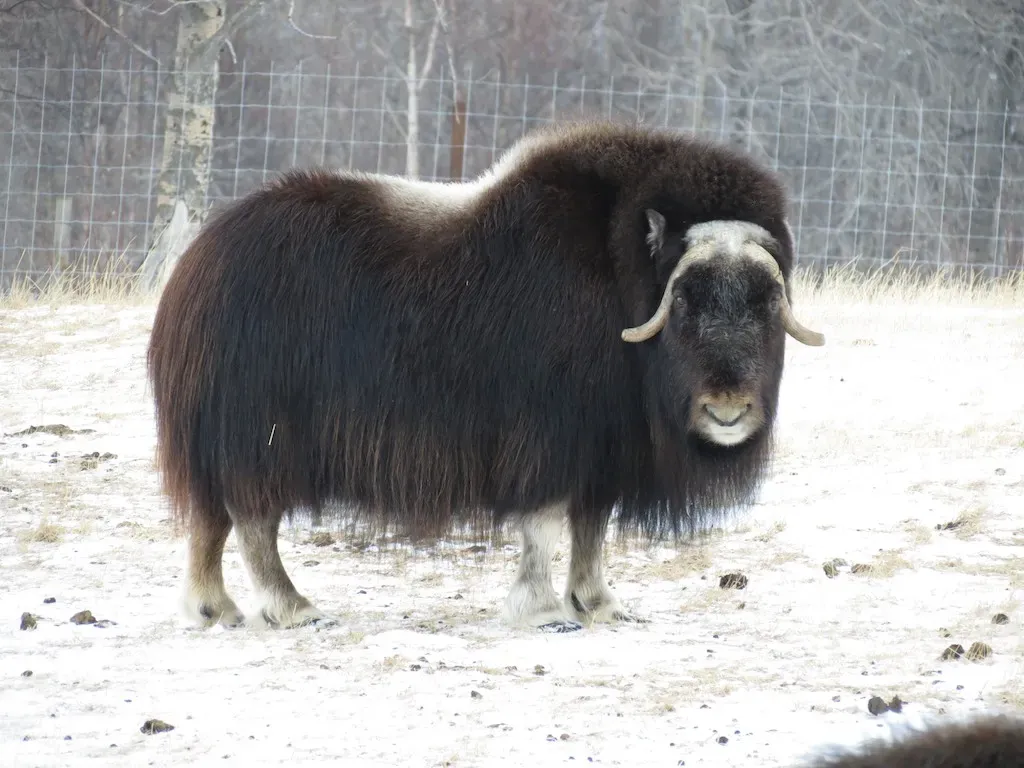
Musk oxen in Alaska form tight groups during storms, sharing body heat while their long, shaggy coats shield them from wind and cold. The woolly underlayer, called qiviut, is exceptionally warm and sheds water. They graze on grasses and willows exposed by wind or dig through snow when needed.
These animals store fat reserves in summer and fall to draw upon through winter. Their herd behavior and specialized coat allow them to remain on the tundra even when temperatures stay far below freezing for weeks.
Snowy Owl
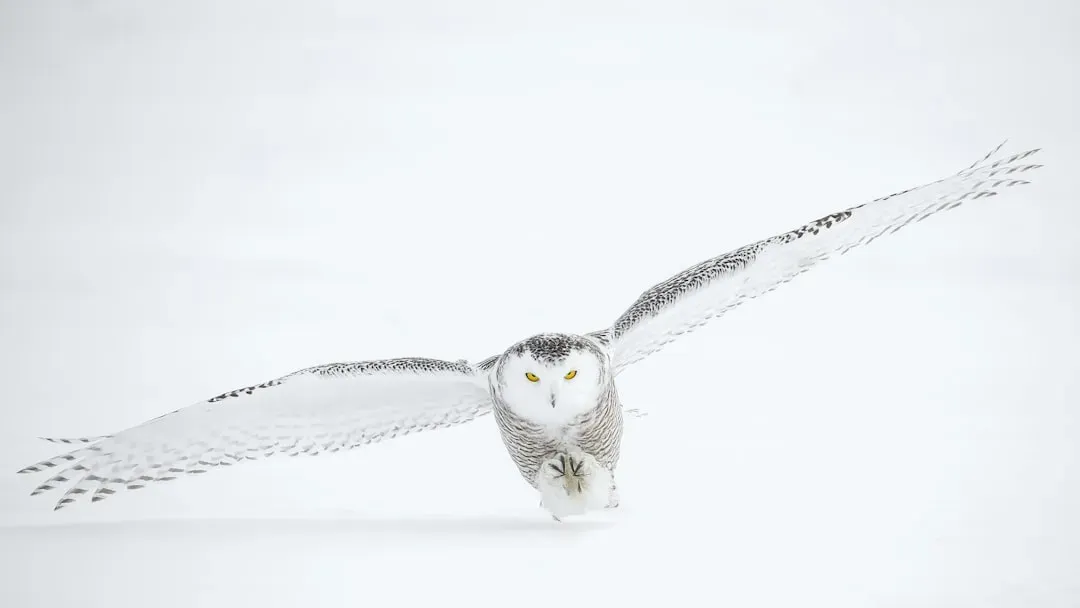
Snowy owls breed in the Arctic and migrate to northern US states in winter, where their thick feathers cover even their legs and feet for insulation. They hunt during daylight hours when rodents remain active under snow, using keen hearing to locate prey beneath the surface. Extra fat layers help them through periods of low food availability.
These owls often perch on exposed spots to watch for movement, conserving energy between hunts. Their adaptations support survival in open, windswept landscapes during the coldest months.
Caribou
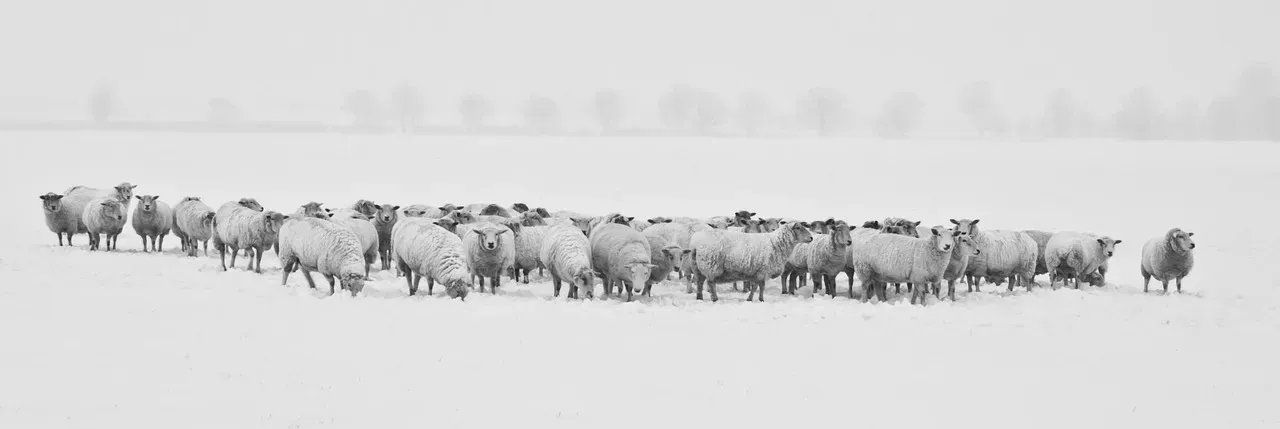
Caribou, also known as reindeer in some contexts, grow thick winter coats and wide hooves that help them dig through snow for lichens and grasses. They migrate long distances to find suitable winter range in Alaska and Canada, often traveling in large herds for protection. Their ability to slow metabolism during food shortages aids endurance.
These animals also have specialized nasal passages that warm incoming air before it reaches their lungs. Such traits let them thrive in regions where snow cover lasts for half the year or more.
American Bison
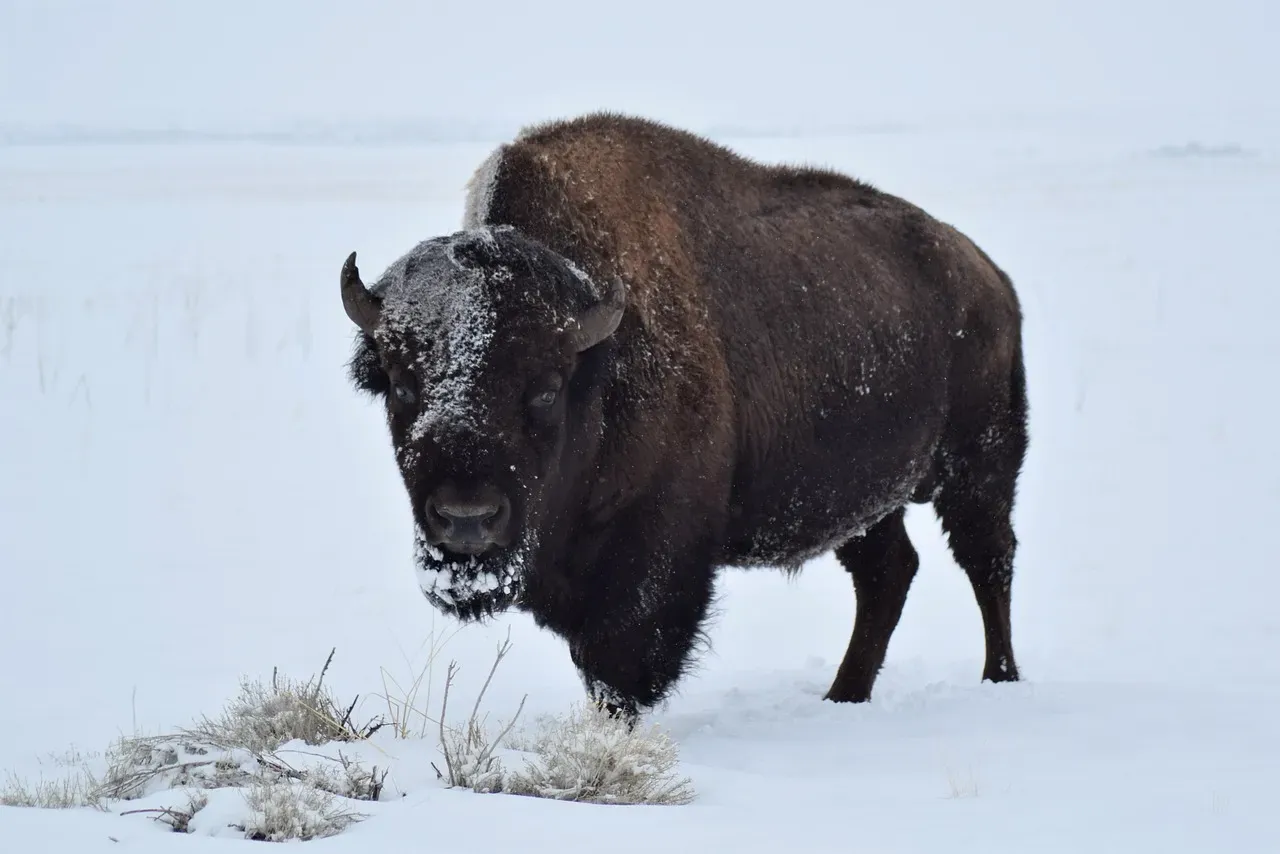
American bison in the northern plains develop heavy winter coats that shed water and trap heat, while their massive heads help them push through deep snow to reach grass. They can survive on low quality forage by slowing activity and relying on stored fat. Herds often move to wind protected areas during storms.
These animals have evolved to handle temperature swings common in places like North Dakota and Montana. Their strength and social structure support persistence through extended cold periods that challenge many other species.
In the end, these animals remind us that survival in extreme cold depends less on brute force and more on precise, time tested adaptations that turn harsh conditions into manageable routines. Watching how they persist year after year offers a grounded perspective on resilience that feels increasingly relevant as winters shift in unpredictable ways.
- The Wild Animal Each Zodiac Sign Would Become Under Pressure - August 5, 2026
- The Desert Town in Nevada Slowly Being Buried by Moving Sand - August 5, 2026
- Do Animals Feel Emotions Like Humans? New Studies Reveal Surprising Truths - August 5, 2026