

Have you ever wondered which creatures pack the most devastating bite in the animal kingdom? Nature has equipped certain animals with jaw power that can crush bones, break through turtle shells, and take down prey many times their size. From the depths of murky rivers to the vast oceans, these apex predators and surprising plant-eaters wield s that would make even the strongest human jaw seem laughably weak.
The science behind measuring has advanced tremendously, giving us fascinating insights into just how powerful these natural weapons really are. Let’s dive in to discover which animals possess the most bone-crushing bites on Earth.
Orca
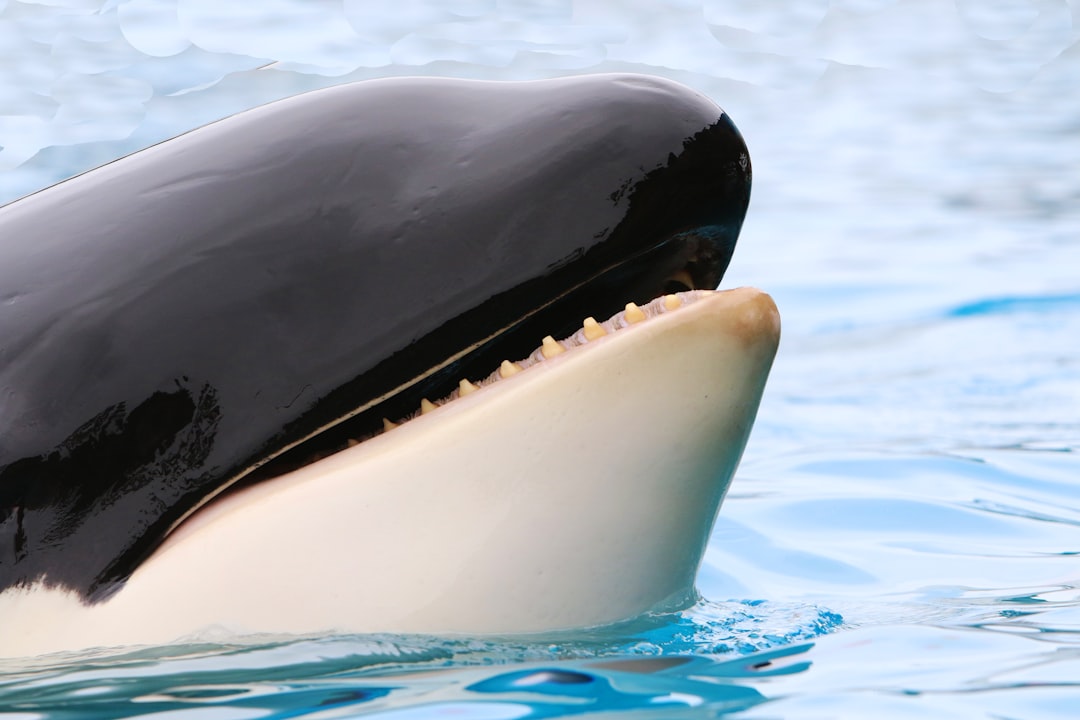
Orcas have an estimated bite force of around 19,000 psi, making them the undisputed champions of bite force in the animal kingdom. To put that into perspective, it takes 2,500 psi to crush a car. These marine giants don’t just rely on brute force alone, however.
Orcas are considered generalist predators and pods (or families) will hunt any number of sea creatures, including fish, squid, dolphins, seals, sea lions, and other whales. They are also apex predators, are at the top of the food chain in their ecosystems, and have no natural predators. Their massive jaws and incredible bite force allow them to take on virtually any ocean creature, making them the ocean’s ultimate predator.
Nile Crocodile
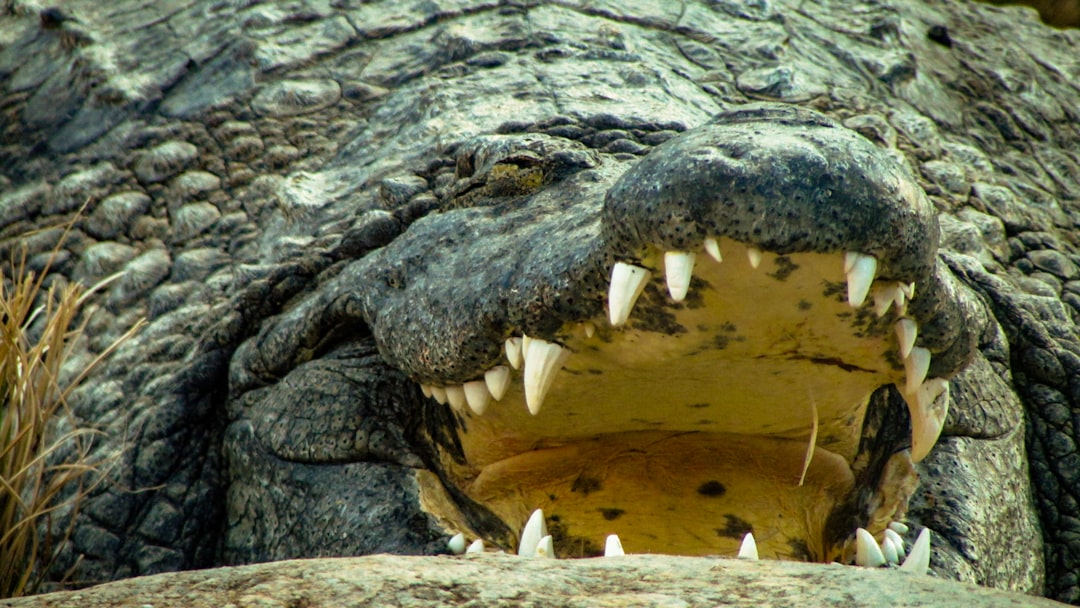
The Nile crocodile (Crocodylus niloticus) and the other related species at the top end of our list were all studied by a renowned biologist who used sensitive instruments to measure the respective bite force of all members of the Order Crocodilia. Given that the average Nile croc grows to 16 feet, it stands to reason that their actual bite strength should measure upwards of 3,000 PSI. Some estimates place their bite force as high as 5,000 psi.
Weighing 500 pounds and inhabiting the river’s edge regions around the Nile River, the Nile crocodile is the single deadliest species of crocodile in the world. They are singlehandedly responsible for more attacks on humans than any other croc. This is primarily due to their extremely territorial and aggressive nature. Their hunting strategy involves patient waiting, sometimes for days, before launching a lightning-fast attack on unsuspecting prey.
Saltwater Crocodile
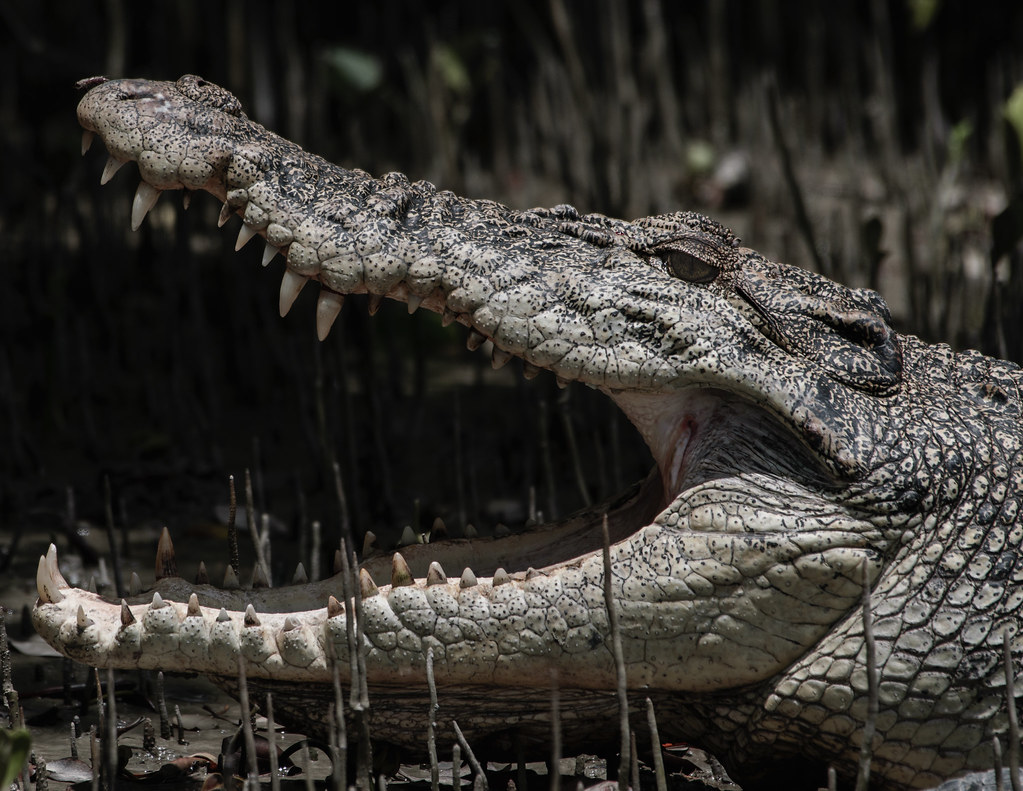
The saltwater crocodile is widely recognized as having the most powerful bite ever directly measured in an animal. The highest reading, 3,700 PSI, was registered by a 17-foot saltwater croc. These massive reptiles are the largest living crocodilian species and can grow over twenty feet in length.
The largest, living reptile, the saltwater crocodile ambushes its prey before drowning it or swallowing it whole. The saltwater crocodile, Earth’s largest living reptile, delivers a bone-crushing bite of approximately 3,700 PSI. While this measurement is sometimes reported as lower than the Nile crocodile’s bite, the saltwater crocodile compensates with sheer size – specimens can reach over 20 feet long and weigh more than a ton. Their massive jaws contain 66 teeth designed to grip rather than chew.
Great White Shark
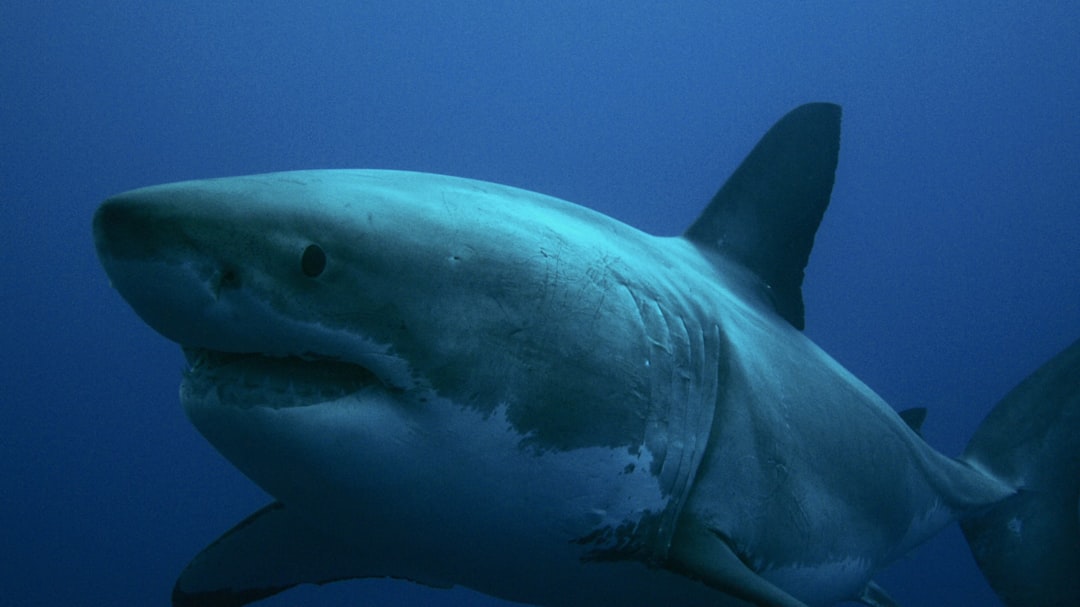
Great white sharks, the apex predators of the ocean, possess an estimated bite force of around 4,000 PSI – though this figure is derived primarily from computer modeling rather than direct measurement. In 2008, a team of Australian scientists led by Steve Wroe used sophisticated computer modeling based on multiple x-ray images of shark skulls to estimate that a 21-foot great white shark can produce nearly 4,000 PSI of bite force.
With large, serrated, triangular teeth set in a powerful jaw, great white sharks are built for slicing through flesh. The great white shark, known for its formidable presence, can have a bite force exceeding 1.8 tons (about 3,600 pounds). This incredible strength allows it to take down large marine mammals such as seals and sea lions. Their hunting strategy often involves explosive ambush attacks from below their prey.
American Alligator
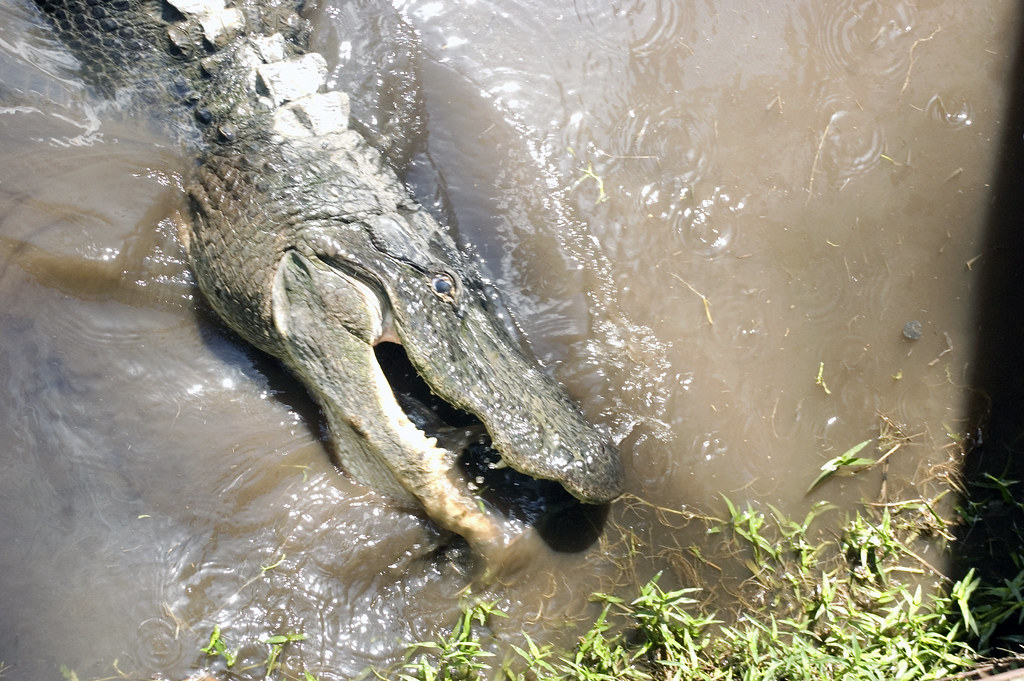
Bite force-wise, however, the predator remains rather potent with a maximum chomp-force of 2,980 PSI. Researchers from Florida State University found that an alligator’s bite could lift a small truck. Despite their formidable biting power, these reptiles have a curious weakness.
They have notoriously weak jaw-opening muscles. Hence it is possible for humans to disarm a reptile by clamping the jaws of the alligator. As opportunistic predators, alligators will lie in wait for the easiest prey. From snakes, fish and turtles to mammals and amphibians, even insects, they’re not fussy. Their patient hunting style and crushing bite make them perfectly suited to their swampy habitats.
Hippopotamus
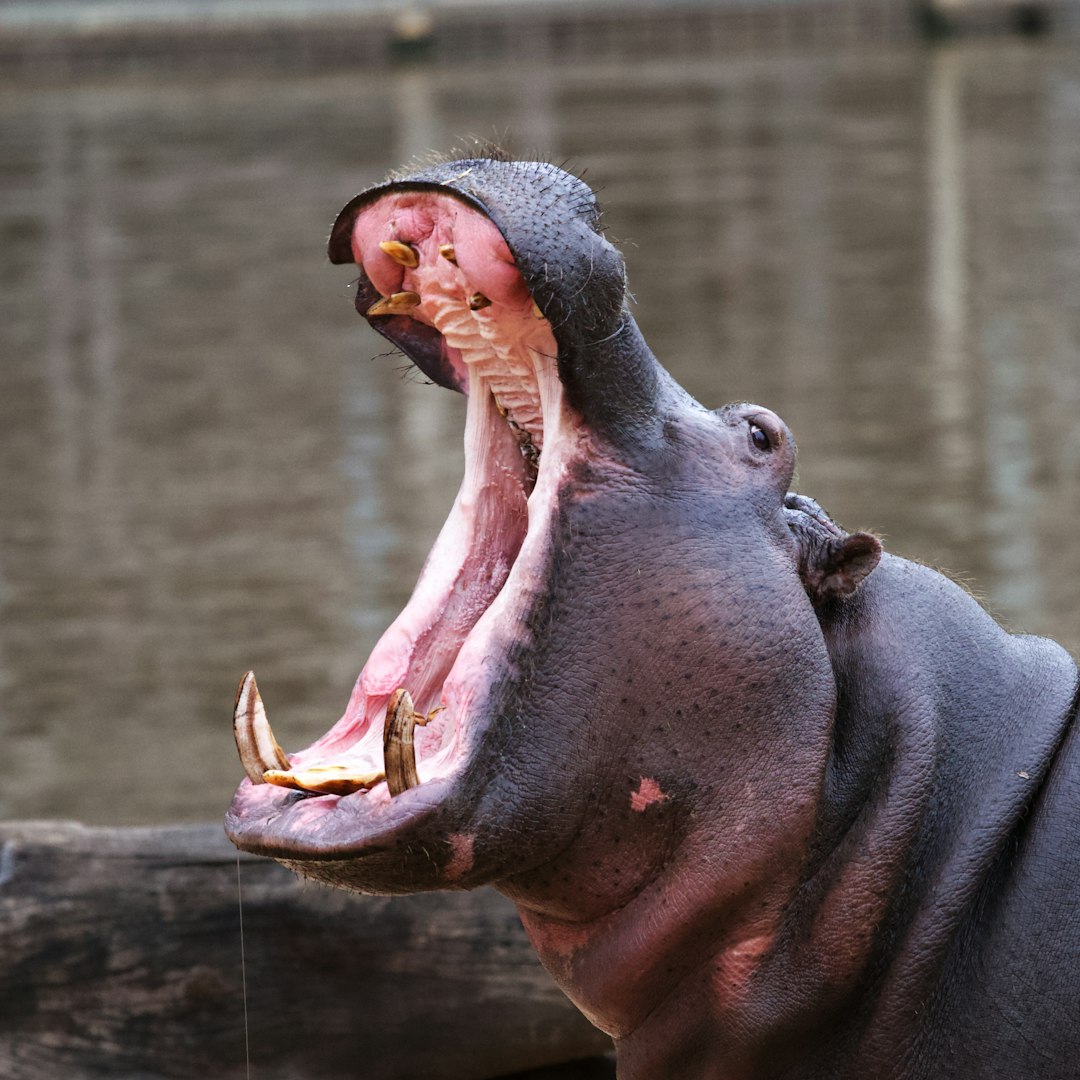
Theirs is measured at around 1,800 psi, making hippos the most powerful biters among all herbivores. With tusks that can grow 2 feet long, a mouth that opens 180 degrees, and a bite that can crush a whole watermelon like a grape, hippos likely have the strongest jaws of any herbivore on the planet. These seemingly docile river dwellers are actually among Africa’s most dangerous animals.
Known for their territorial and unpredictable nature, hippos are responsible for more human fatalities in Africa than most other large animals. They often use their bite force to repel rivals or predators, including crocodiles. Territorial and potentially aggressive, hippos are particularly hostile to crocodiles and are said to be capable of biting a 10-foot croc in half.
Jaguar
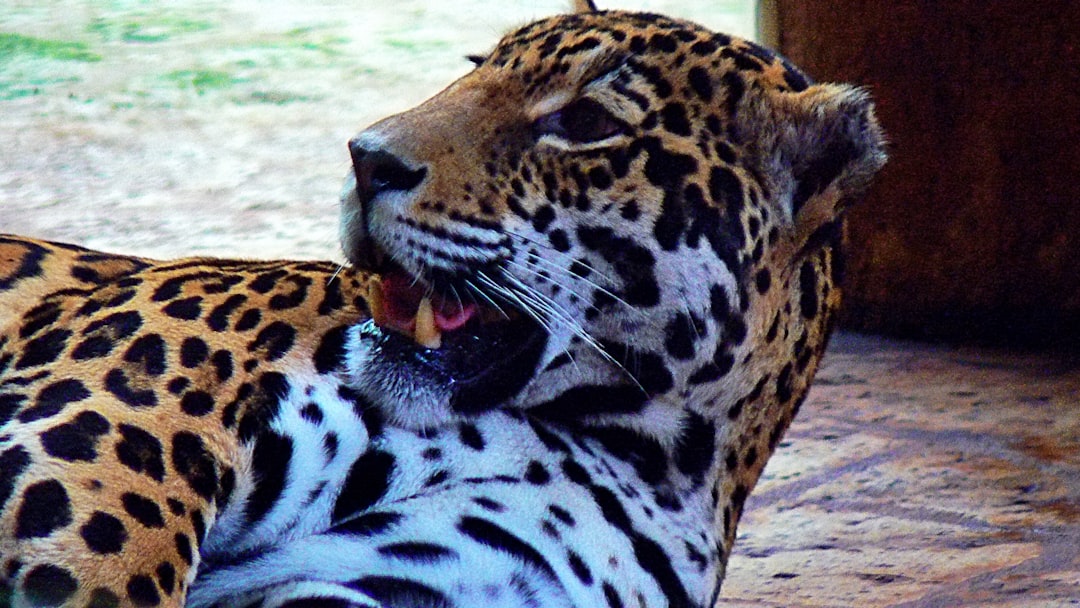
Among the big cats, the jaguar stands out for having relative to its size. This sleek kitty has of any cat in the world, at 1,500 psi. Their bite power serves a very specific purpose in their hunting strategy.
Unlike all other cats, which mostly go for the throat to dispatch their prey, the jaguar kills by biting its victim’s skull and is capable of puncturing a turtle’s shell with its teeth. Jaguars have an unusually broad skull and robust jaw muscles that allow them to deliver a bone-crushing bite. Their large canines are specifically adapted to pierce and fracture the shells of turtles and even the skulls of larger prey.
Gorilla
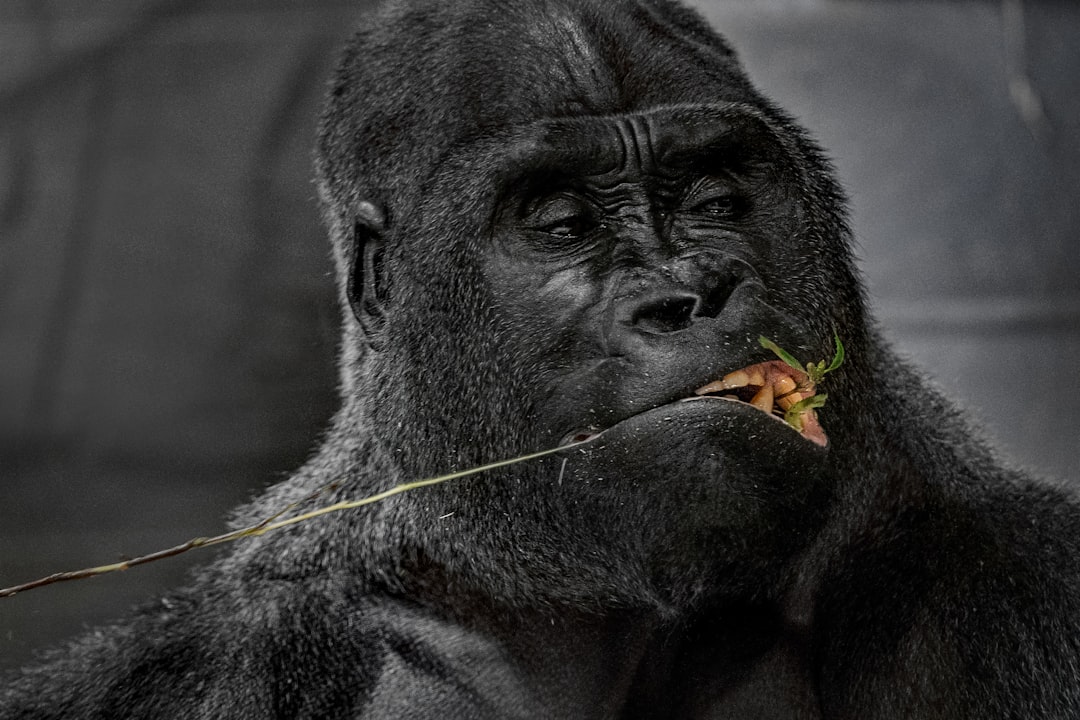
It not so much the teeth, but the massive neck and jaw muscles that give the gorilla one of s in the primate kingdom. Despite being primarily plant-eaters, the bite force of the Western gorilla (Gorilla gorilla) was calculated by one study to be about 3,420 Newtons. This translates to approximately 1,300 PSI of crushing power.
Despite their powerful bite, gorillas are largely vegetarian. They use their powerful jaws to strip bark, first from the tree, then for trees like the Milicia, to separate the outer bark (which is discarded) from the sweet inner bark. Their impressive bite force helps them process tough plant materials that would be impossible for weaker-jawed animals to consume efficiently.
Polar Bear
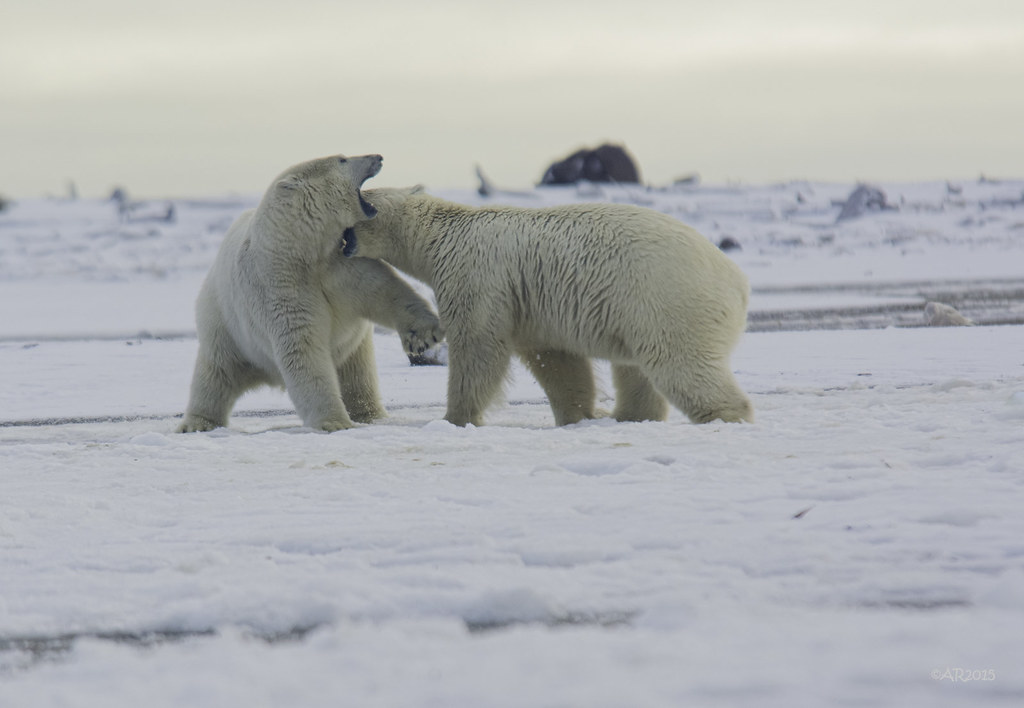
Their bite force is upwards of 1,200 psi and is the strongest in the bear family. Among the bears (Ursidae), polar bears have the strongest bite. They’re also the only bear species to be considered as marine mammals. Their large canine teeth can grow up to 5cm, which they use for their Arctic prey, mainly ringed and bearded seals.
Polar bears live in the Arctic Circle, where they fight for life in some of the harshest temperatures on earth. They are the predators at the top of the food chain in the Arctic marine ecosystem, feasting primarily on ringed seals. Their powerful bite is essential for breaking through the thick blubber of seals and crushing bones to access nutrient-rich marrow.
Spotted Hyena
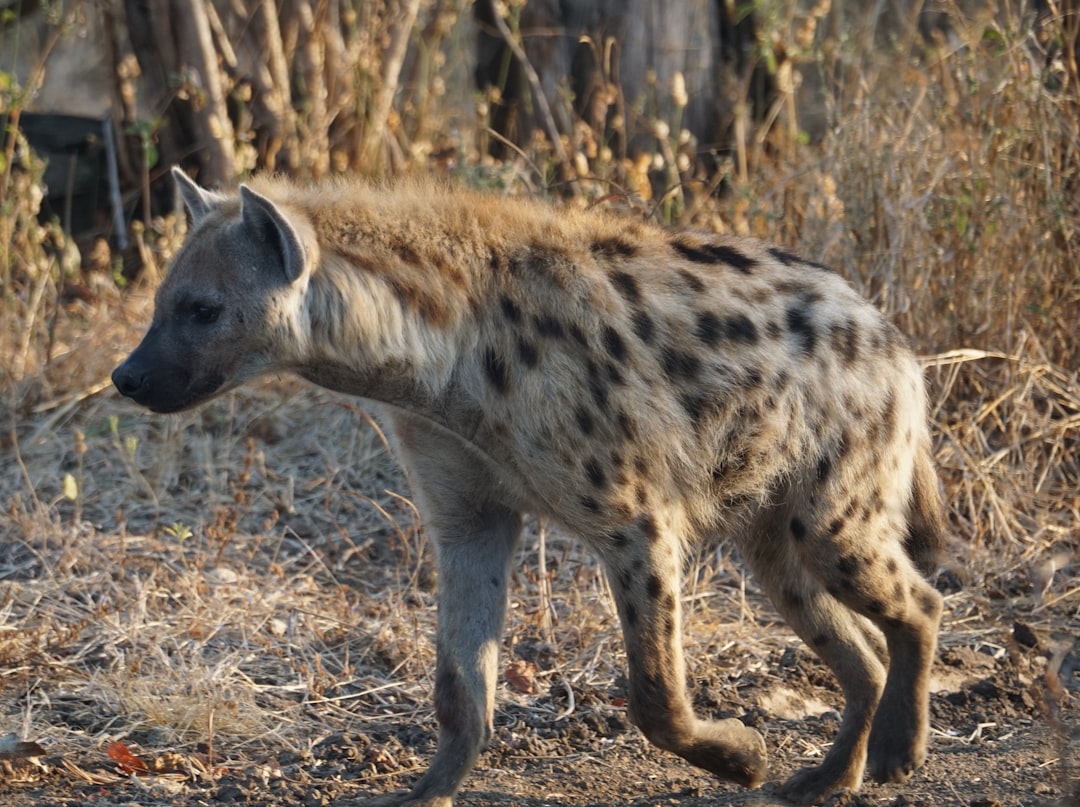
The spotted hyena (Crocuta crocuta) has a bite force of 773 N – more powerful than a bear, according to this review of mammal bites. This translates to approximately 1,100 PSI. They take down prey in these large groups and then celebrate with their trademark laughing bark. They use this bite force to crack bones and hooves and they consume nearly every single part of their prey, leaving nothing to waste.
Spotted hyenas hunt in packs called clans that can number up to 80 members. Their incredible bone-crushing ability allows them to access nutrients that other predators cannot, giving them a significant advantage in the competitive African savanna ecosystem. Often misunderstood as mere scavengers, these powerful hunters are actually skilled pack predators in their own right.
Conclusion
The animal kingdom reveals incredible diversity in bite force capabilities, from the bone-crushing power of crocodiles to the surprising strength of herbivorous hippos and gorillas. These measurements showcase millions of years of evolution, where powerful jaws became essential tools for survival, hunting, and defense.
While measuring bite force presents challenges, particularly with dangerous predators, advancing technology continues to reveal new insights about these natural weapons. The next time you encounter one of these creatures, you’ll have a deeper appreciation for the incredible engineering behind their jaws. What do you think about these amazing bite forces? Tell us in the comments.
