
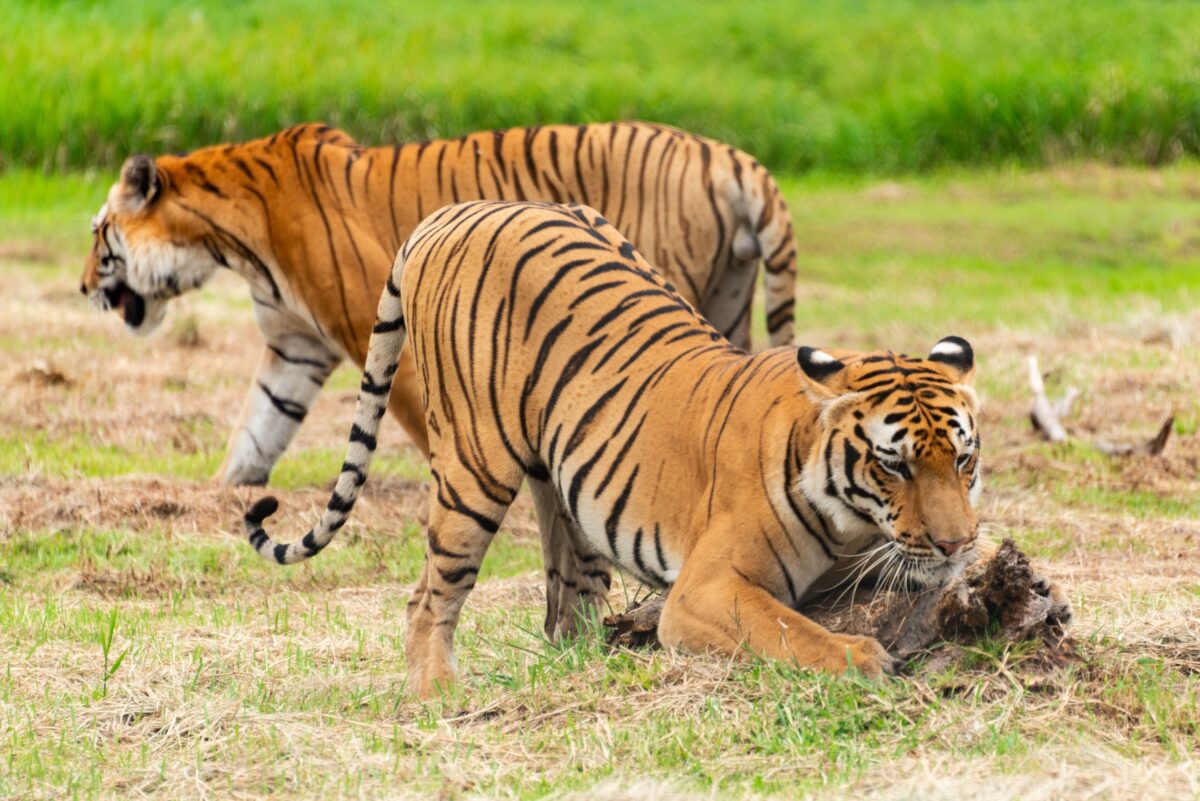
Apex predators are the titans of the natural world, reigning supreme at the top of their respective food chains. Their influence extends far beyond mere predation; they shape ecosystems, control populations, and even alter landscapes. Let’s delve into ten remarkable facts about these formidable creatures that underscore their pivotal roles in nature.
Apex Predators Maintain Ecological Balance
🔥 Would you like to save this?
We'll email this post to you, so you can come back to it later!
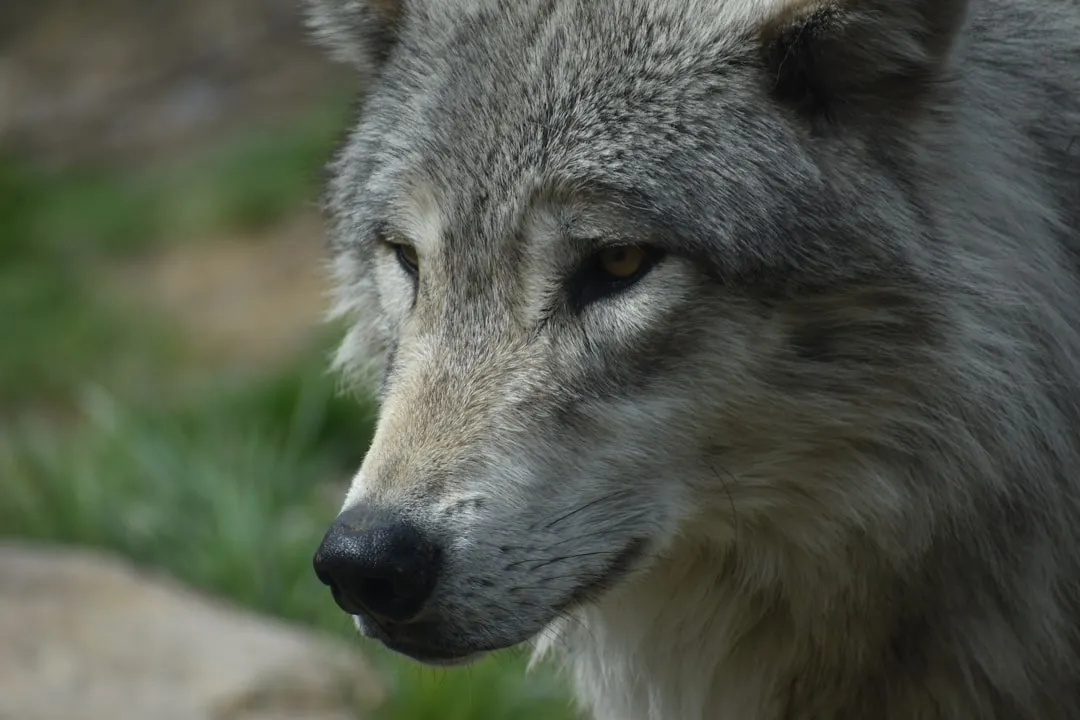
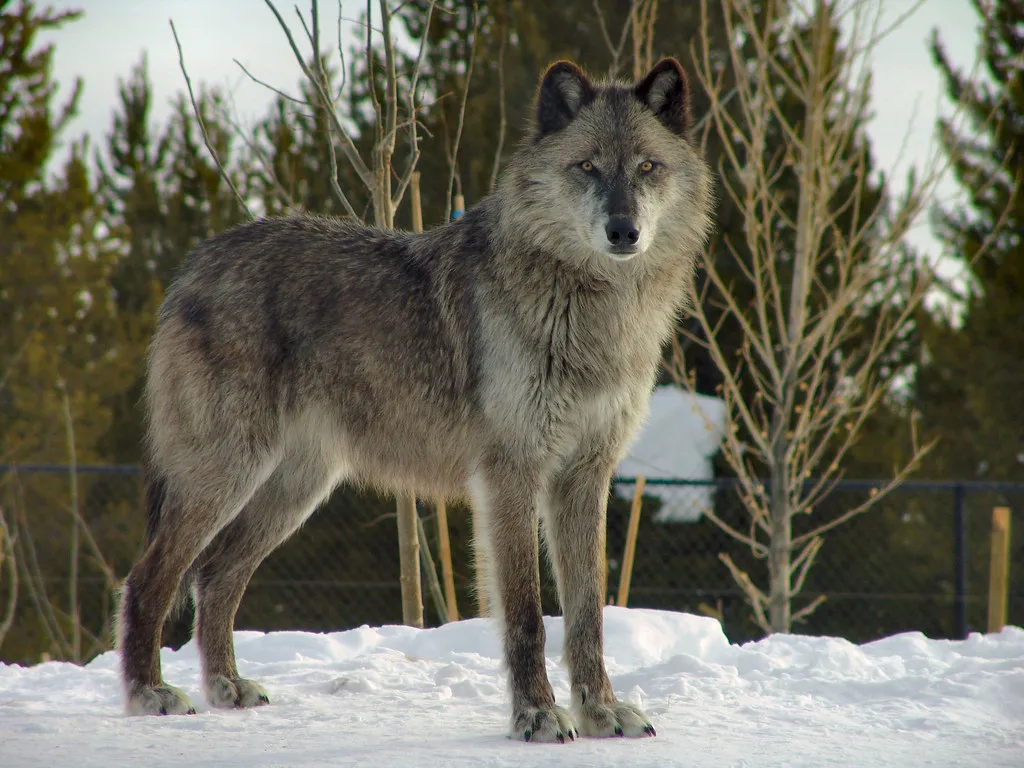
By regulating the populations of prey species, apex predators prevent overgrazing and the depletion of vegetation. This control helps maintain biodiversity and ensures the health of the ecosystem. For instance, the reintroduction of wolves to Yellowstone National Park led to a decrease in elk numbers, allowing overgrazed willow and aspen trees to recover, which in turn benefited other species like beavers and songbirds.
Without these top predators, ecosystems can experience trophic cascades, where the removal of a single species causes a ripple effect throughout the food web, leading to unforeseen consequences and imbalances.
They Exhibit Remarkable Hunting Strategies

🔥 Would you like to save this?
We'll email this post to you, so you can come back to it later!
Apex predators have evolved diverse and sophisticated hunting techniques tailored to their environments. Orcas, for example, are known to create waves to knock seals off ice floes, showcasing their intelligence and teamwork. Similarly, African wild dogs employ coordinated pack hunting to exhaust and capture swift prey over long distances.
These strategies not only demonstrate their adaptability but also their critical role in controlling prey populations and maintaining the health of their habitats.
Some Apex Predators Are Keystone Species
🔥 Would you like to save this?
We'll email this post to you, so you can come back to it later!
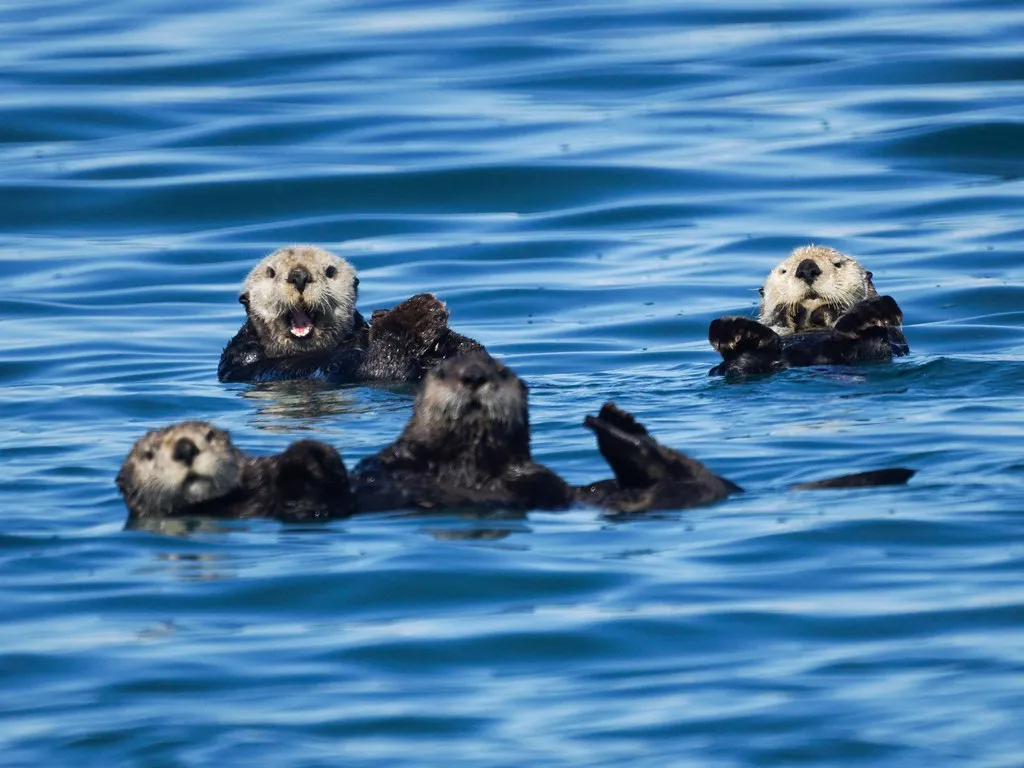
Many apex predators are considered keystone species, meaning their presence and role have a disproportionately large impact on their environment. The removal of such species can lead to significant ecological changes. For example, the absence of sea otters, which are apex predators, can result in unchecked sea urchin populations that overgraze kelp forests, leading to habitat loss for numerous marine species.
This highlights the intricate connections within ecosystems and the importance of apex predators in maintaining ecological stability.
They Can Influence the Physical Landscape
🔥 Would you like to save this?
We'll email this post to you, so you can come back to it later!
The activities of apex predators can lead to physical changes in the environment. In Yellowstone, the presence of wolves altered the behavior of elk, reducing their grazing in certain areas. This allowed vegetation to thrive, stabilizing riverbanks and reducing erosion. Such changes can create new habitats and influence the distribution of other species.
This phenomenon underscores the profound impact that apex predators can have, not just on biological communities, but also on the very geography of their ecosystems.
Human Activities Threaten Apex Predators
🔥 Would you like to save this?
We'll email this post to you, so you can come back to it later!
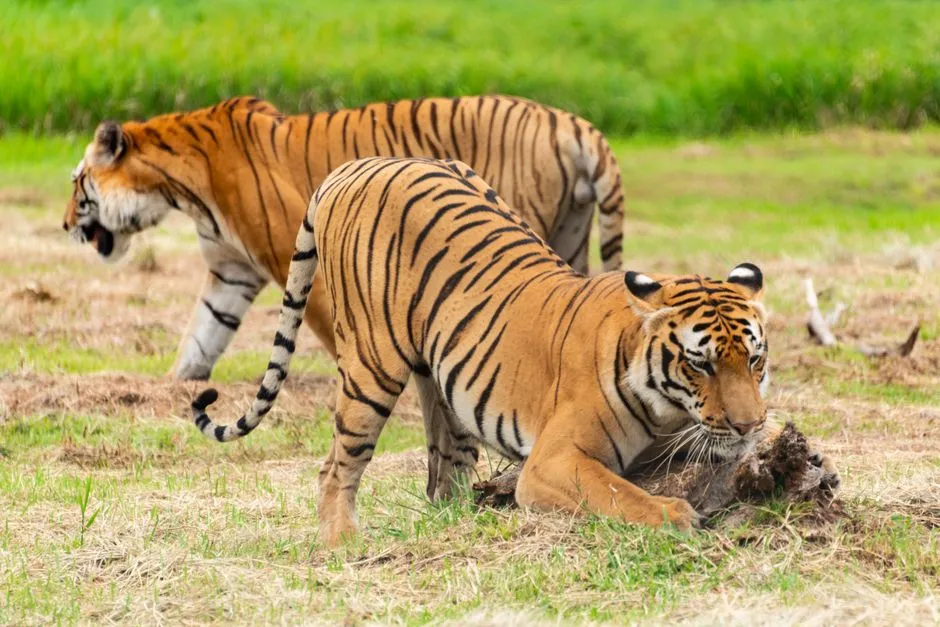
Despite their dominance, many apex predators are vulnerable to human-induced threats such as habitat destruction, climate change, and poaching. The decline of these species can disrupt ecosystems and lead to the loss of biodiversity. Conservation efforts are crucial to protect these predators and, by extension, the health of the environments they inhabit.
The loss of apex predators can trigger cascading effects throughout the food web, demonstrating the interconnectedness of all species within an ecosystem.
They Have Few Natural Predators
🔥 Would you like to save this?
We'll email this post to you, so you can come back to it later!
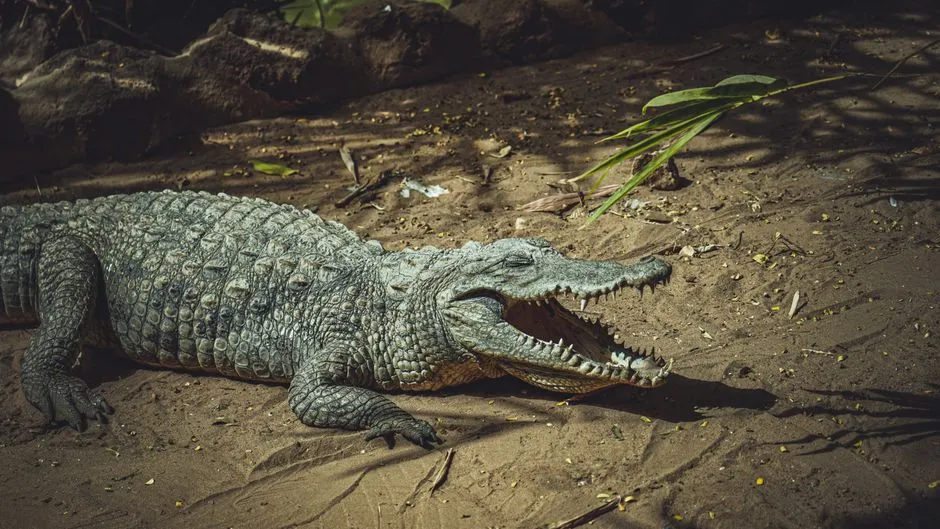
By definition, apex predators occupy the top of the food chain and have no natural predators. This position allows them to play a unique role in their ecosystems, regulating the populations of species below them. However, this does not make them invincible; factors like disease, competition, and human activities can still impact their populations.
Understanding the dynamics that affect apex predators is essential for developing effective conservation strategies and ensuring the stability of ecosystems.
They Can Be Found in Various Habitats

🔥 Would you like to save this?
We'll email this post to you, so you can come back to it later!
Apex predators are not confined to a single type of environment; they thrive in diverse habitats across the globe. From the depths of the oceans, where great white sharks patrol, to the dense jungles inhabited by tigers, and the arctic tundras where polar bears roam, these predators have adapted to a wide range of conditions.
This adaptability highlights the evolutionary success of apex predators and their ability to influence a variety of ecosystems.
Some Apex Predators Are Social Creatures
🔥 Would you like to save this?
We'll email this post to you, so you can come back to it later!
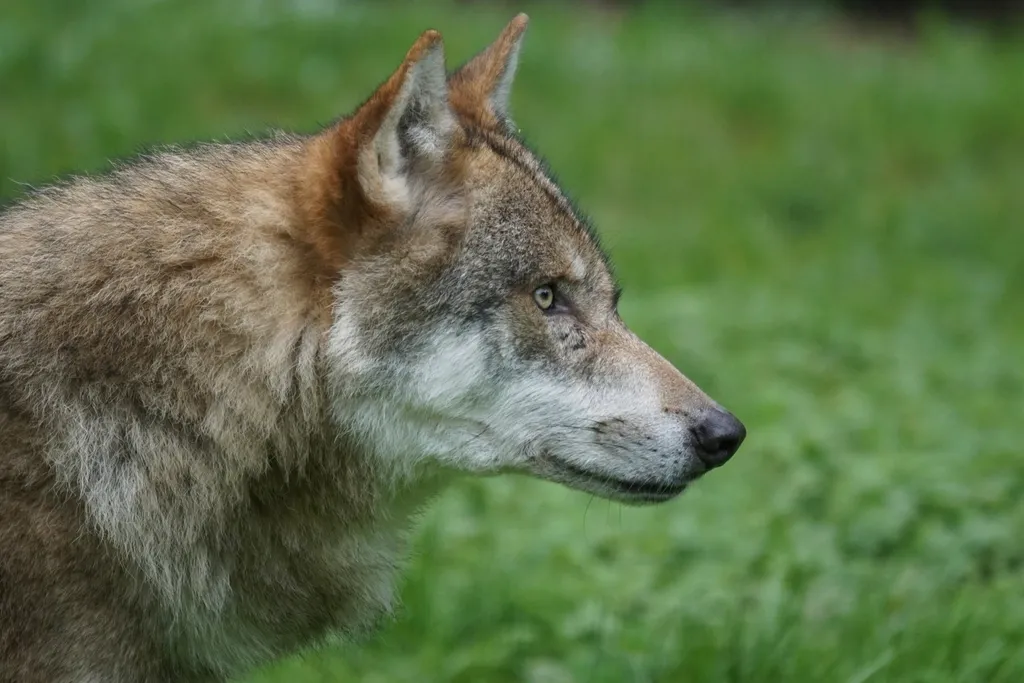
While many apex predators are solitary hunters, others, like wolves and lions, live and hunt in social groups. These social structures can enhance their hunting efficiency and provide protection for members of the group. Pack dynamics in wolves, for example, allow them to take down larger prey and defend their territory more effectively.
The social behaviors of these predators add another layer of complexity to their roles within ecosystems and their interactions with other species.
They Can Impact Disease Dynamics
🔥 Would you like to save this?
We'll email this post to you, so you can come back to it later!
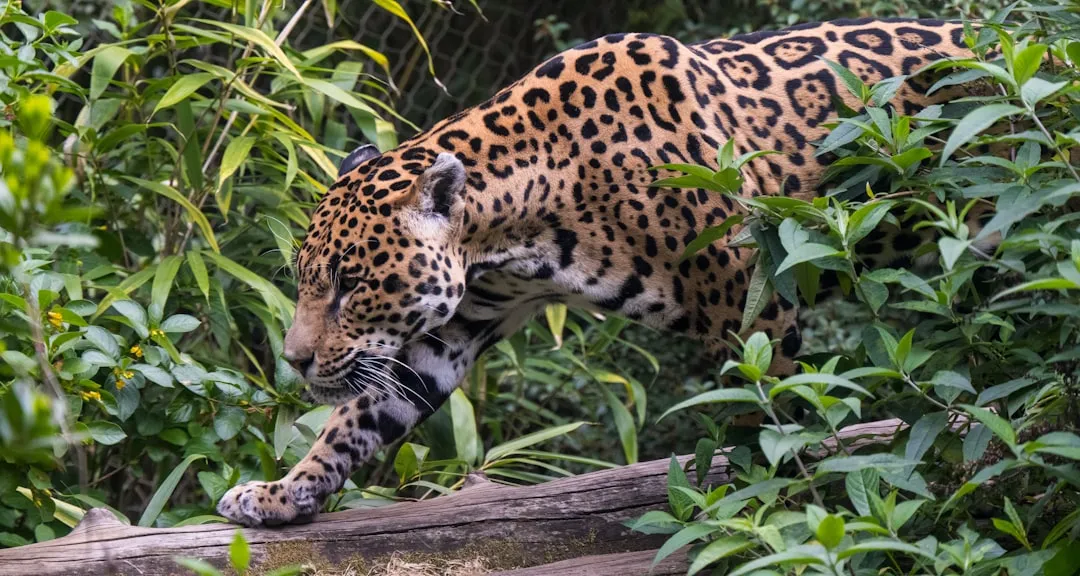
By controlling prey populations, apex predators can influence the spread of diseases. For instance, by reducing the number of herbivores, they can limit the spread of diseases that these animals might carry. This regulatory effect can have significant implications for the health of both wildlife and human populations.
The role of apex predators in disease dynamics is an area of ongoing research, highlighting the multifaceted ways in which these animals contribute to ecosystem health.
They Are Indicators of Ecosystem Health

🔥 Would you like to save this?
We'll email this post to you, so you can come back to it later!
The presence and health of apex predator populations are often indicators of the overall health of an ecosystem. Declines in these predators can signal underlying issues such as habitat degradation or imbalances in the food web. Monitoring apex predator populations can therefore provide valuable insights into the state of the environment.
Protecting these predators is not just about preserving individual species; it’s about maintaining the integrity and resilience of entire ecosystems.
In conclusion, apex predators are more than just formidable hunters; they are essential architects of their ecosystems. Their presence ensures balance, diversity, and health within their habitats. As we continue to understand and appreciate their roles, it becomes increasingly clear that conserving these magnificent creatures is not just about them – it’s about preserving the intricate web of life that sustains us all. Isn’t it time we recognized the true value of these natural

- 7 Everyday Habits That Can Make Your Senior Dog Happier - November 5, 2026
- 10 Enigmatic Structures That Continue to Puzzle Scientists Today - November 5, 2026
- 10 Strange Ruins in the Americas That Challenge What We Know About Early History - November 5, 2026