
Most of us assume the birds at our feeders don’t notice who’s filling them. To a chickadee, we figure, a human is a human, a large, slow shape that sometimes drops seeds. The research on bird cognition suggests that’s probably too simple.
Several common species have been tested, and some have shown they can tell people apart by face, clothing, or behavior. Others are less studied, but there are good reasons to think they adjust to the people they see most. Here are ten backyard birds worth watching more closely, along with what’s actually known about each.
American Crow
🔥 Would you like to save this?
We'll email this post to you, so you can come back to it later!
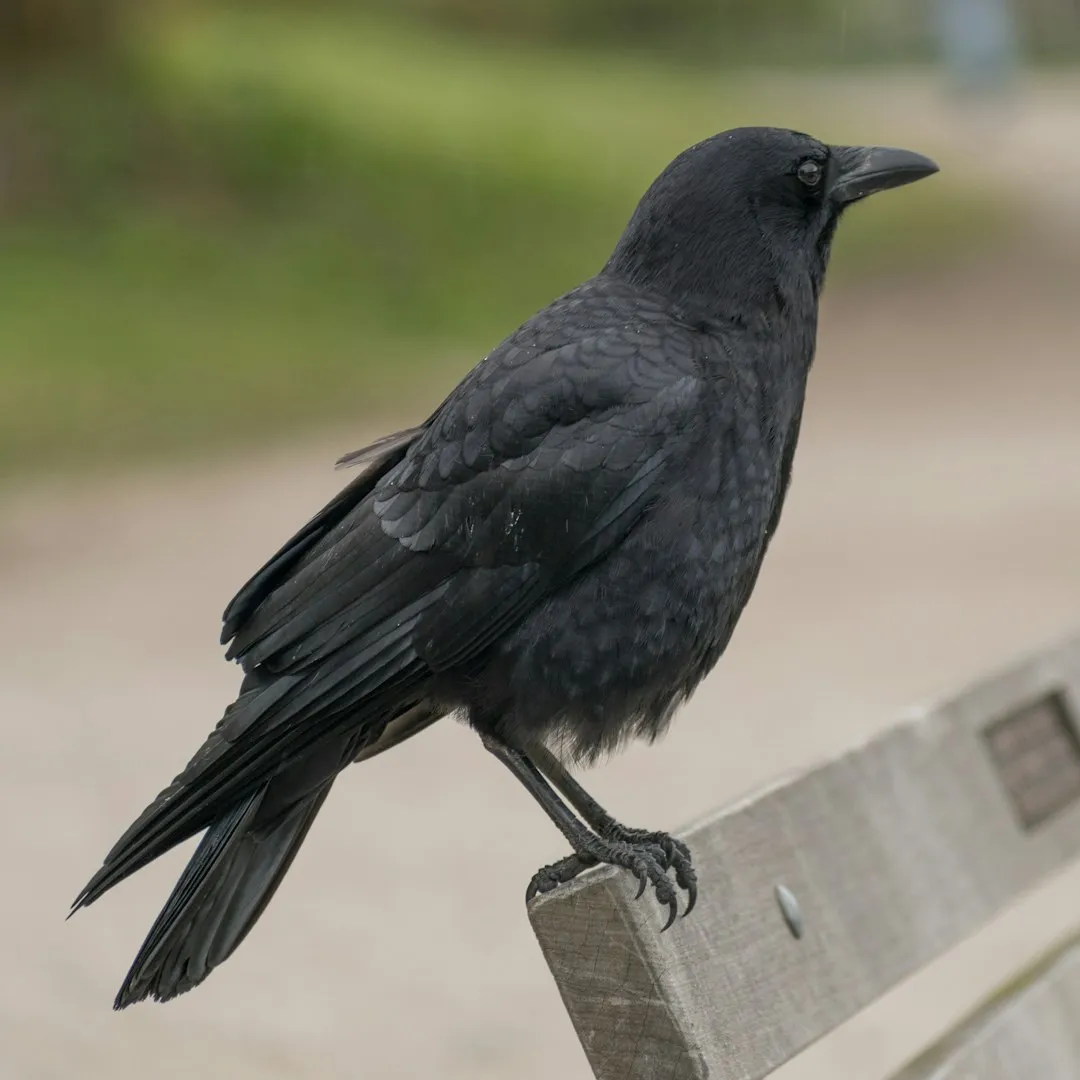
Crows are the standout example. In well known research at the University of Washington, scientists wore a rubber mask while capturing crows, and the birds later scolded people wearing that same mask, even years afterward. Crows who hadn’t been captured also learned to react to the mask, which suggests information spread through the group.
Later work using brain imaging in crows found that seeing a threatening face activated brain regions linked to fear and memory. You don’t need a lab to see the effect, though. If you feed crows regularly, you may find they treat you very differently from a stranger walking by.
Common Raven
🔥 Would you like to save this?
We'll email this post to you, so you can come back to it later!
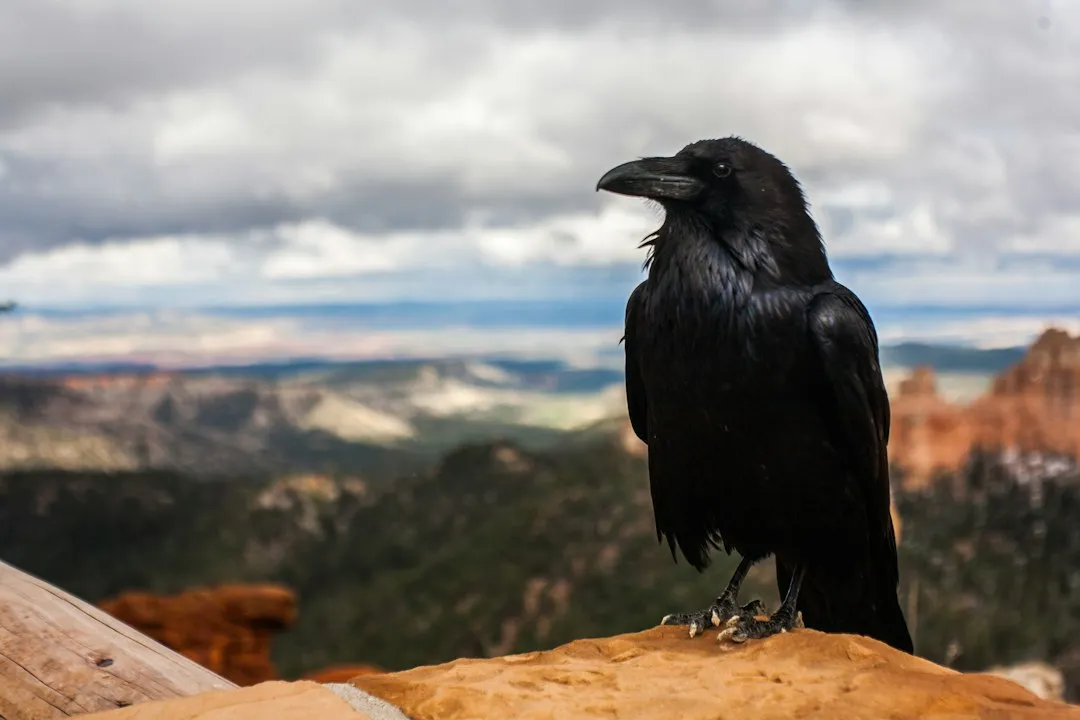
Ravens are close relatives of crows, and they’re often found in rural and mountain backyards. Studies on ravens show they can keep track of individual ravens and remember how others treated them. Their social memory is strong, which makes it plausible they also track humans who’ve been kind or threatening.
The evidence for human recognition specifically is thinner than it is for crows. Still, many people who live near ravens report that the birds behave differently around familiar faces. Treat that as a reasonable hunch rather than a proven fact.
Black-Billed Magpie
🔥 Would you like to save this?
We'll email this post to you, so you can come back to it later!
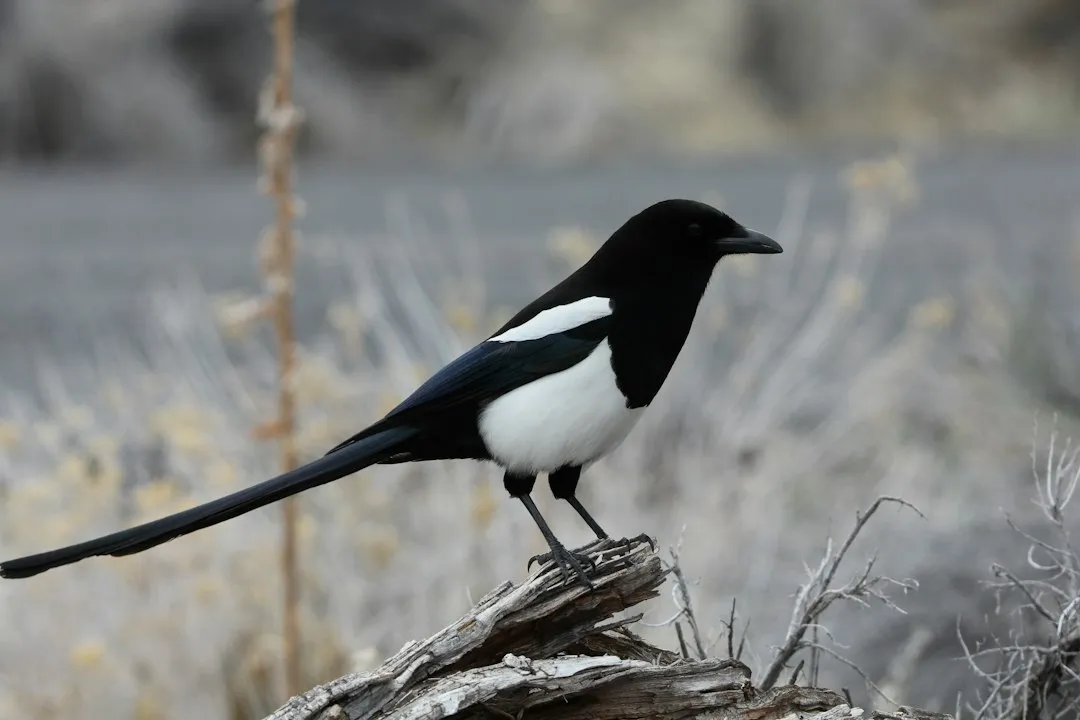
Magpies are another member of the crow family with a reputation for sharp memories. In Australia, the Australian magpie has been studied extensively, and research has found that these birds can learn to recognize individual people. Some swooping magpies in breeding season target particular passersby while ignoring others.
That’s the Australian species, though, not the North American black-billed magpie. The two are not close relatives, so it’s best not to assume the same skills carry over. Still, black-billed magpies are clever and wary, and they quickly learn which yards are safe.
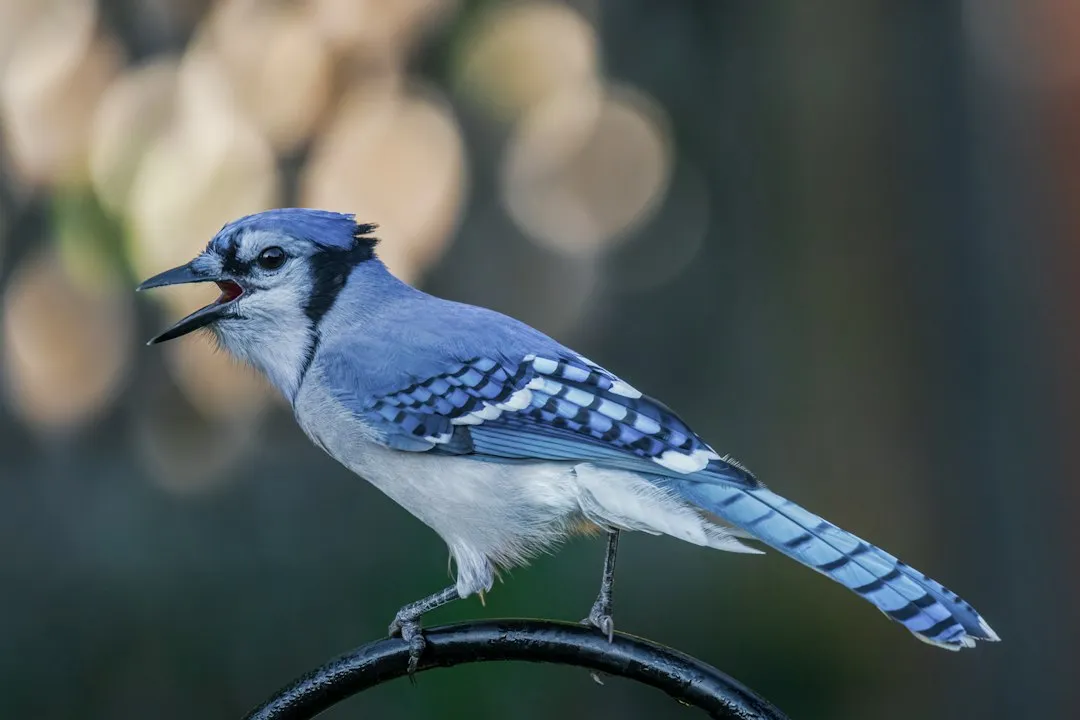
Blue Jay
🔥 Would you like to save this?
We'll email this post to you, so you can come back to it later!
Blue jays are loud, bold, and obviously smart. They’ve been shown to solve problems and remember where food is hidden. Direct studies of them recognizing individual humans are limited, so I’d be careful claiming too much.
Anyone who feeds peanuts to jays, however, knows how fast they learn routines. They’ll show up at the window when a certain person appears, and ignore others. That kind of learned response fits what we know about their intelligence, even if the formal proof is thinner.
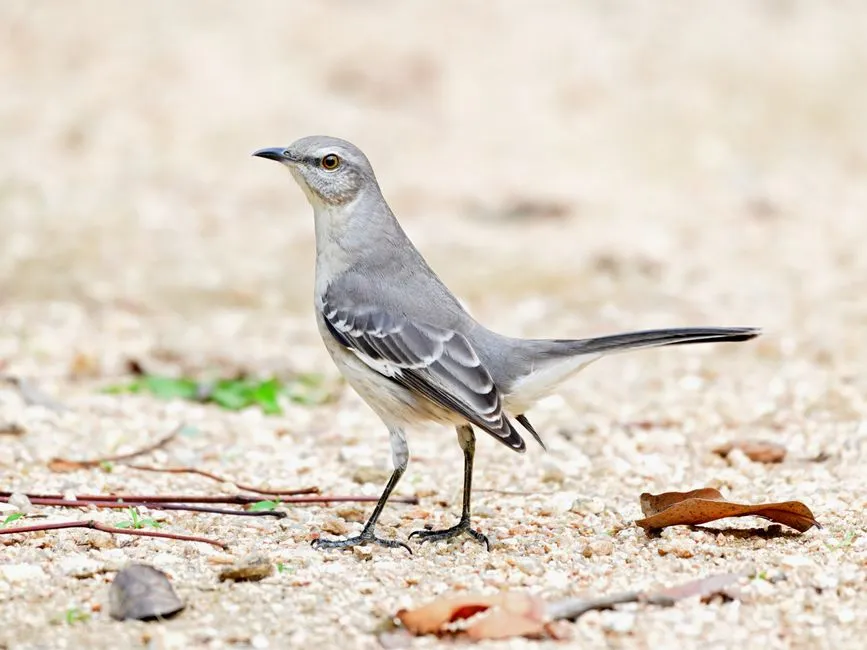
Northern Mockingbird
🔥 Would you like to save this?
We'll email this post to you, so you can come back to it later!
Mockingbirds are among the few backyard birds with solid published evidence. A study in Gainesville, Florida found that mockingbirds responded more aggressively to a person who had approached their nest earlier. They did this within just a few days of the first visit.
The birds even seemed to recognize the person after a stretch of time, and over repeated visits they got faster at identifying the intruder. If a mockingbird has nested near your door, it may well know exactly who you are. That’s something to remember before you blame the bird for its dive bombs.
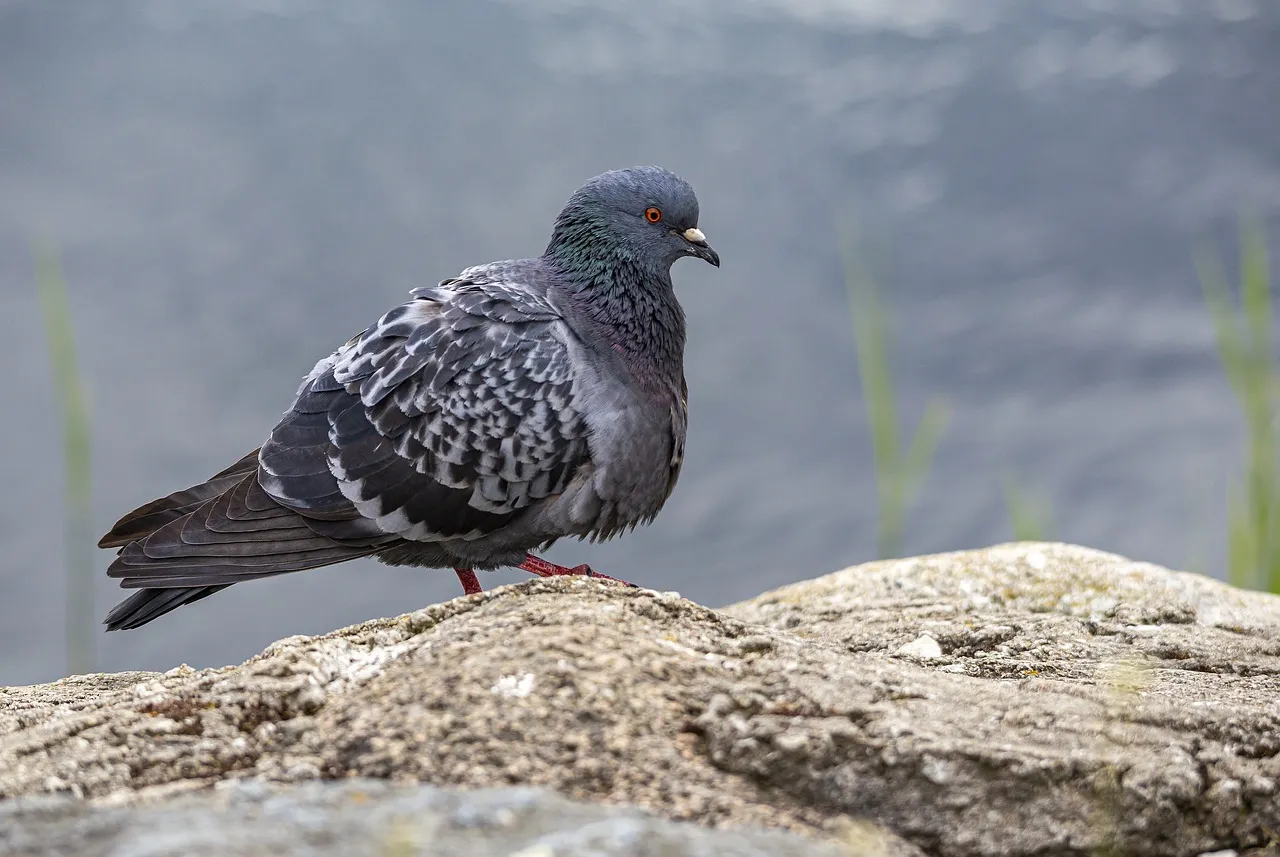
Rock Pigeon
🔥 Would you like to save this?
We'll email this post to you, so you can come back to it later!
Pigeons aren’t exactly glamorous, but they’re clever in the lab. Research has shown pigeons can tell apart photographs of different people, and they can learn to discriminate between human faces and expressions. In some experiments, they also learned to tell paintings by different artists apart.
City pigeons also learn which people carry food and which don’t. If you’ve ever seen a flock drift toward one particular park bench, you’ve seen that in action. It may not be deep recognition, but it’s certainly learned discrimination.
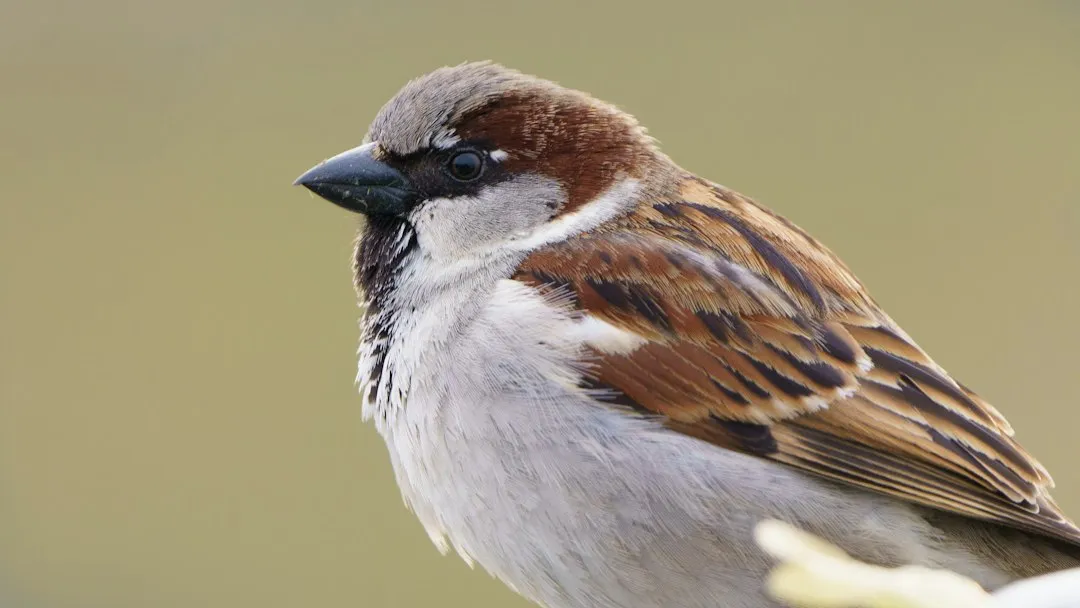
House Sparrow
🔥 Would you like to save this?
We'll email this post to you, so you can come back to it later!
House sparrows live alongside humans nearly everywhere, and that closeness seems to shape their behavior. They’re quick to learn which people are harmless, and they tend to flee less from those who show up predictably. Researchers have studied how urban birds adjust their wariness depending on human behavior.
Whether sparrows can pick out you as an individual is less clear. What’s well supported is that they respond to how people act, such as walking directly toward them versus passing by. In practice, your calm routine probably earns you more trust than any face ever could.
Black-Capped Chickadee
🔥 Would you like to save this?
We'll email this post to you, so you can come back to it later!
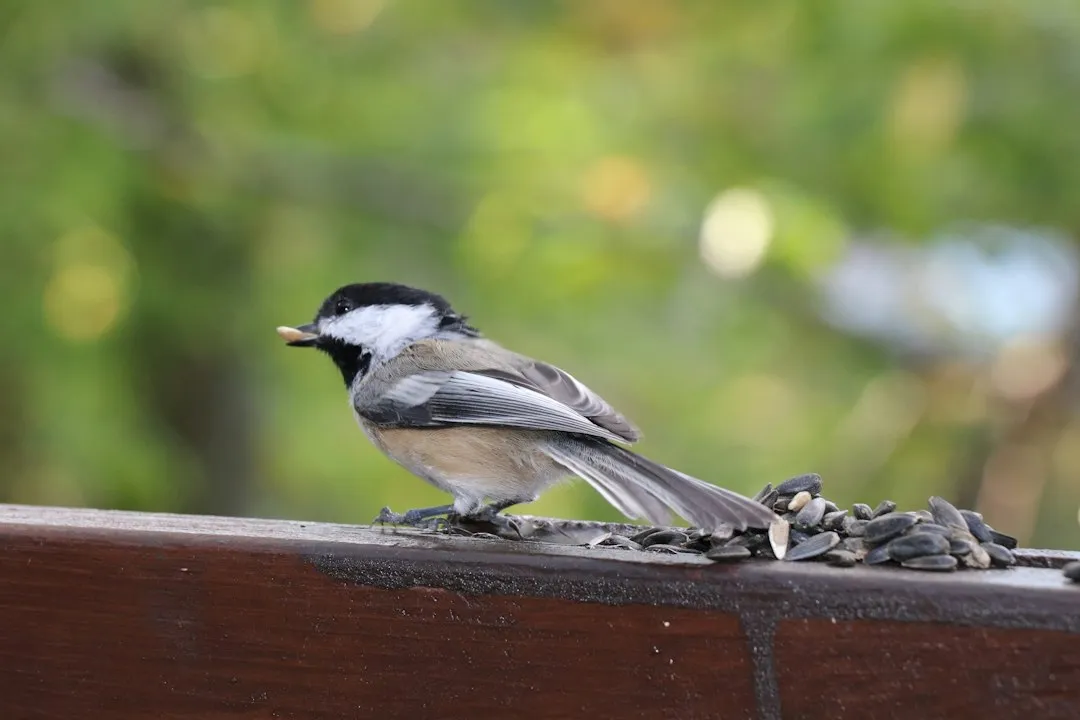
Chickadees are famous for taking seeds right from open hands. That tameness doesn’t appear overnight, and it usually builds as birds get used to a person standing still with food. Many bird lovers say chickadees come more readily to the person who feeds them regularly.
Chickadees also have notable memory, since they cache thousands of seeds and recall where they put them. Their brains even change seasonally to support this. As for proof they identify individual humans, it’s mostly anecdotal, so I’d call it plausible rather than established.
Northern Cardinal
🔥 Would you like to save this?
We'll email this post to you, so you can come back to it later!
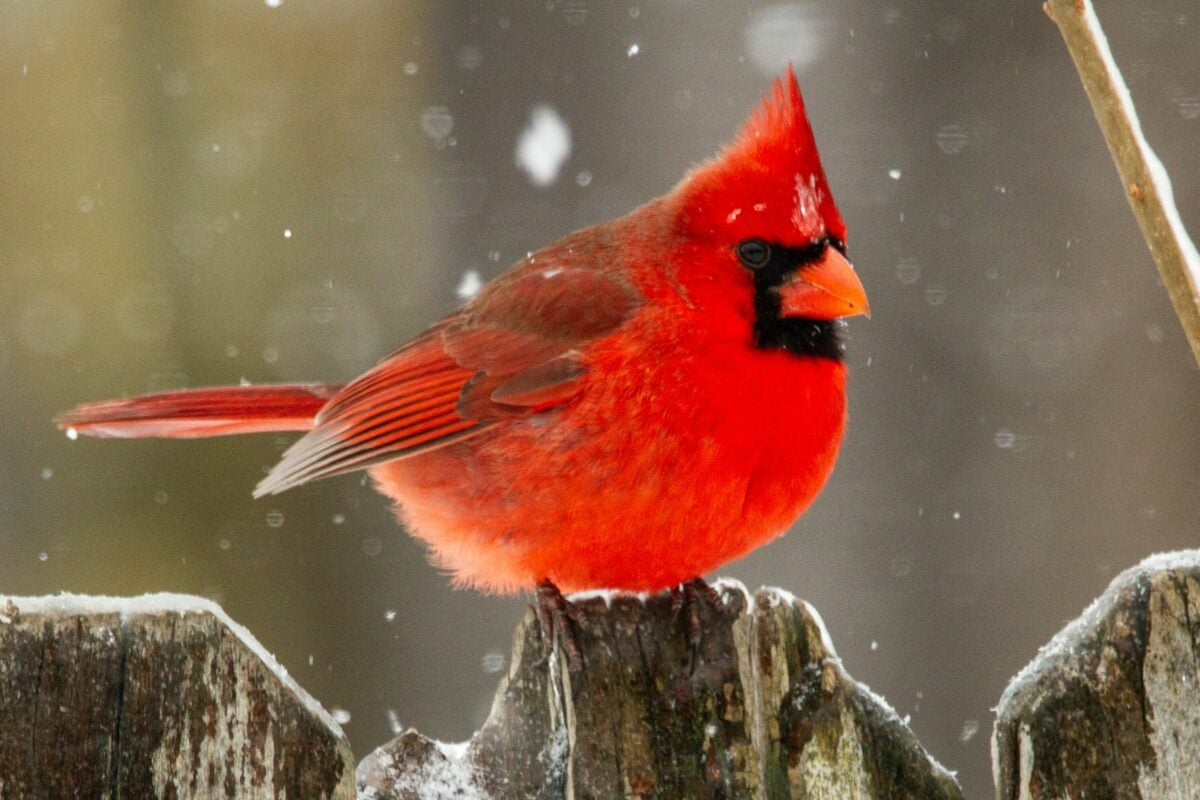
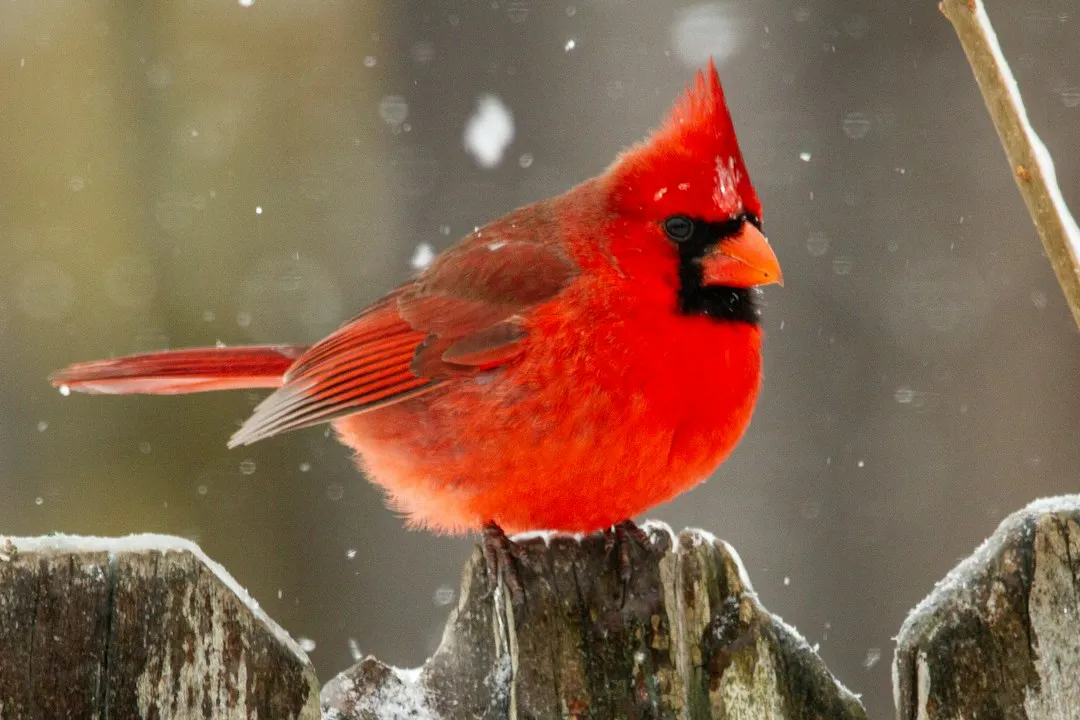
Cardinals tend to be shy, but they do adjust to the people around them. In suburban yards, cardinals often become far less skittish than their country cousins. That’s likely a mix of habituation and learning who poses a threat.
There’s little formal research on cardinals recognizing particular people. What you might notice is that a cardinal feeds more calmly when you’re nearby and behaves nervously around a stranger or a visiting neighbor. Keep that observation modest, since it’s a pattern, not a verified ability.
Mourning Dove
🔥 Would you like to save this?
We'll email this post to you, so you can come back to it later!
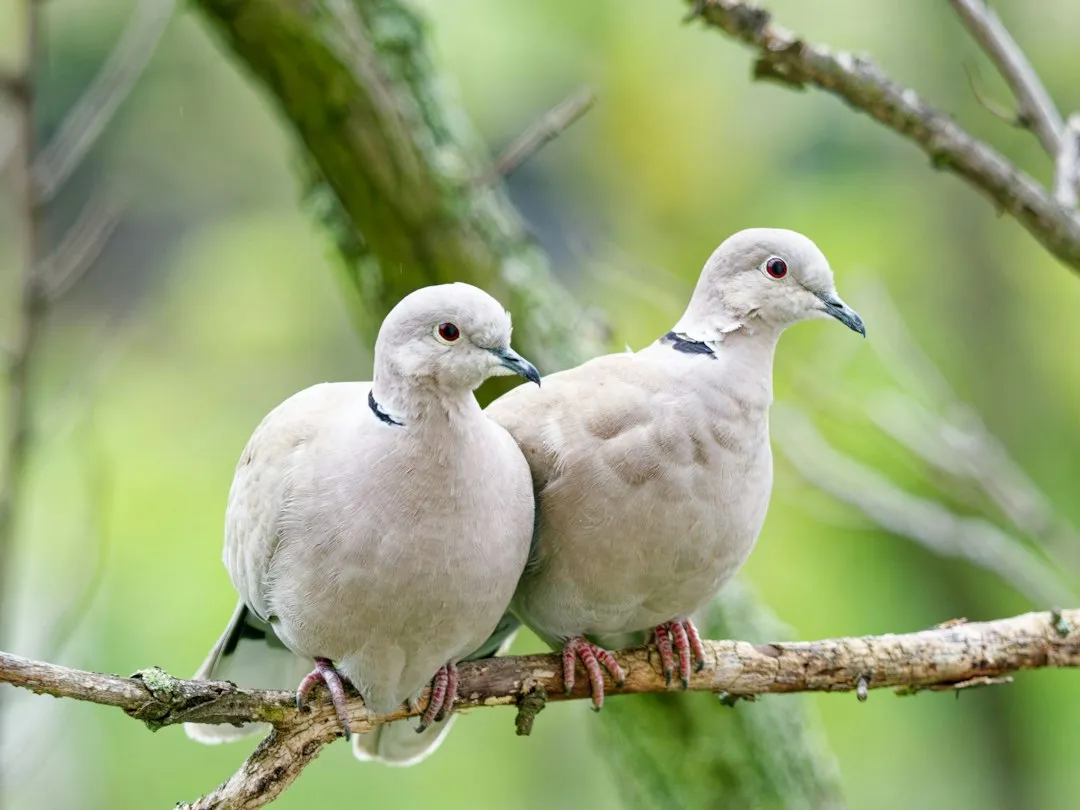
Mourning doves are soft, quiet, and often overlooked. Like most birds, they can learn to ignore harmless people and flush quickly from unfamiliar ones. Evidence shows that doves adjust their flight distance depending on how often they encounter people.
That means a dove that lets you walk within a few feet may be reacting to your repeated, non threatening presence. Whether it knows you personally is an open question. Still, it’s a good example of how even the gentlest backyard bird adapts to the humans nearby.
Final Thoughts
🔥 Would you like to save this?
We'll email this post to you, so you can come back to it later!
Crows and mockingbirds have the strongest proof, and pigeons have impressive lab results. For the rest, the science is either thin or mostly based on what watchers have noticed. I think that’s fine, honestly, because the gap is part of the fun.
My view is that we underestimate backyard birds far more than we overestimate them. If you act consistently and calmly, they notice, whether or not they can name your face. So keep your routine steady, pay attention, and you may find you’ve been recognized all along.

- 7 Everyday Habits That Can Make Your Senior Dog Happier - November 5, 2026
- 10 Enigmatic Structures That Continue to Puzzle Scientists Today - November 5, 2026
- 10 Strange Ruins in the Americas That Challenge What We Know About Early History - November 5, 2026