
Worried about unexpected vet bills?
Pet insurance can cover thousands in unexpected vet costs. Get a free quote from Lemonade in under 2 minutes.
Get My Free Quote →Sponsored · Opens Lemonade.com
Picture this: You step out onto your porch with your morning coffee and hear a symphony of chirping, whistling, and singing that makes your heart skip a beat. The backyard is alive with fluttering wings and colorful feathers, creating a magical scene that rivals any equestrian paradise. Just like caring for your beloved horses creates a special bond with these magnificent creatures, transforming your garden into a bird sanctuary offers that same deeply rewarding connection with nature.
Whether you’re an experienced horse lover who appreciates the beauty of all creatures or someone just starting their journey into wildlife gardening, to your yard doesn’t have to be complicated. Think of it as creating the perfect environment for your feathered friends, much like how you’d ensure your horses have everything they need to thrive. Let’s explore ten proven techniques that will have birds flocking to your outdoor space in no time.
Install Quality Bird Feeders with Premium Seeds
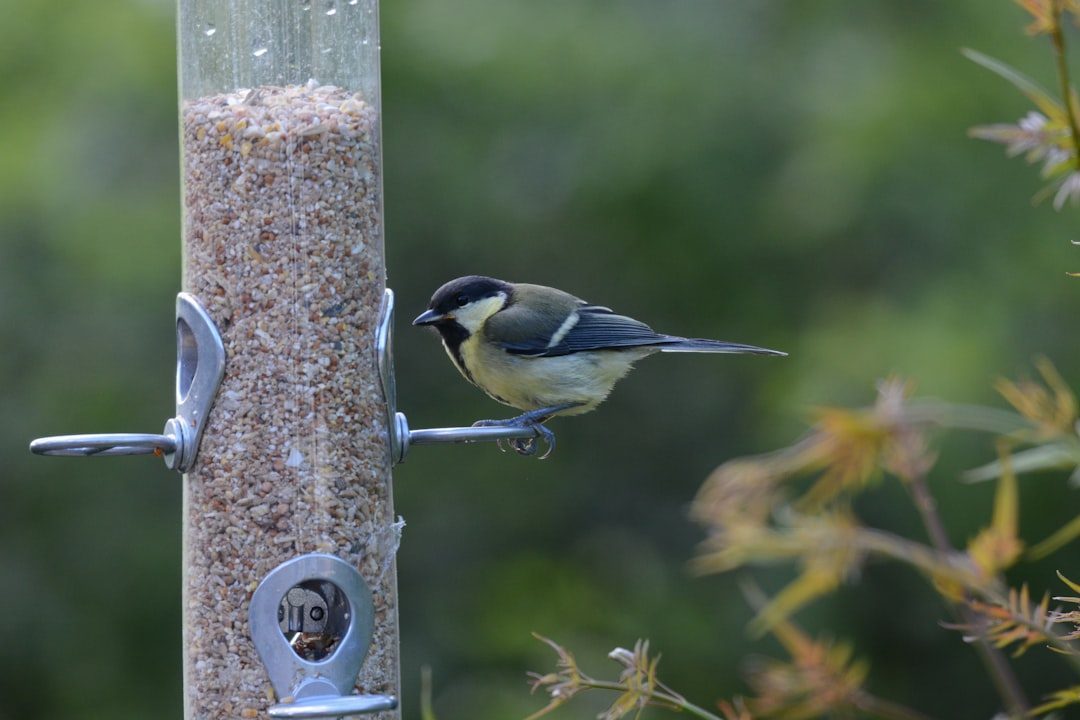
The foundation of any bird-friendly garden starts with reliable feeding stations. One of the best ways to encourage birds to visit has got to be by installing some bird feeders in your garden. There is a wealth of different bird feeds available to attract different bird species, so you’re spoilt for choice when it comes to attracting them to your garden.
Quality matters tremendously here. Buy good quality bird food. It’ll cost a little more, but is well worth choosing bird seed from reputable brands. Cheaper mixes will contain ‘fillers’ such as millet or wheat, which are loved by pigeons but that most garden birds won’t or can’t eat. Think of it like buying premium hay for your horses instead of settling for lower-grade feed.
Experiment with different sorts of feeders and seed mixes. For example, greenfinches adore sunflower feeders whilst goldfinches prefer niger seeds. Creating multiple feeding stations helps accommodate different species and reduces competition, just like having separate feed stations in your paddock.
Provide Fresh Water Sources All Year Round
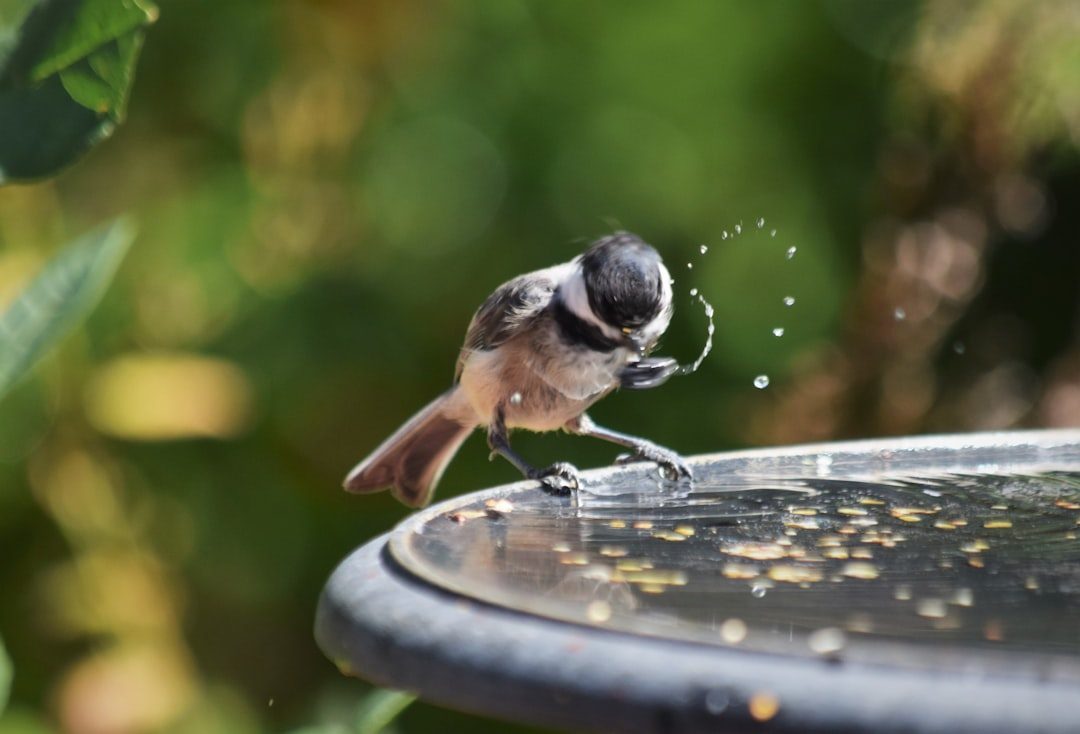
Water is of course vital for birds’ survival, as they need it for drinking and bathing. So, providing them with a fresh, clean water source is a great way to entice them into your garden. Even the most magnificent stallion needs fresh water daily, and birds are no different.
You could place a bird bath in your garden or even putting a bowl of water out will suffice. Place it somewhere shaded and where birds can have a good view of potential predators. Water is best kept in a shallow container, no deeper than two inches.
Regular maintenance is crucial. Refresh it as often as you can and remove any ice during the winter. Consider adding a gentle water feature like a small fountain or dripper, as the sound of moving water acts like a dinner bell for birds.
Create Layered Native Plant Landscapes
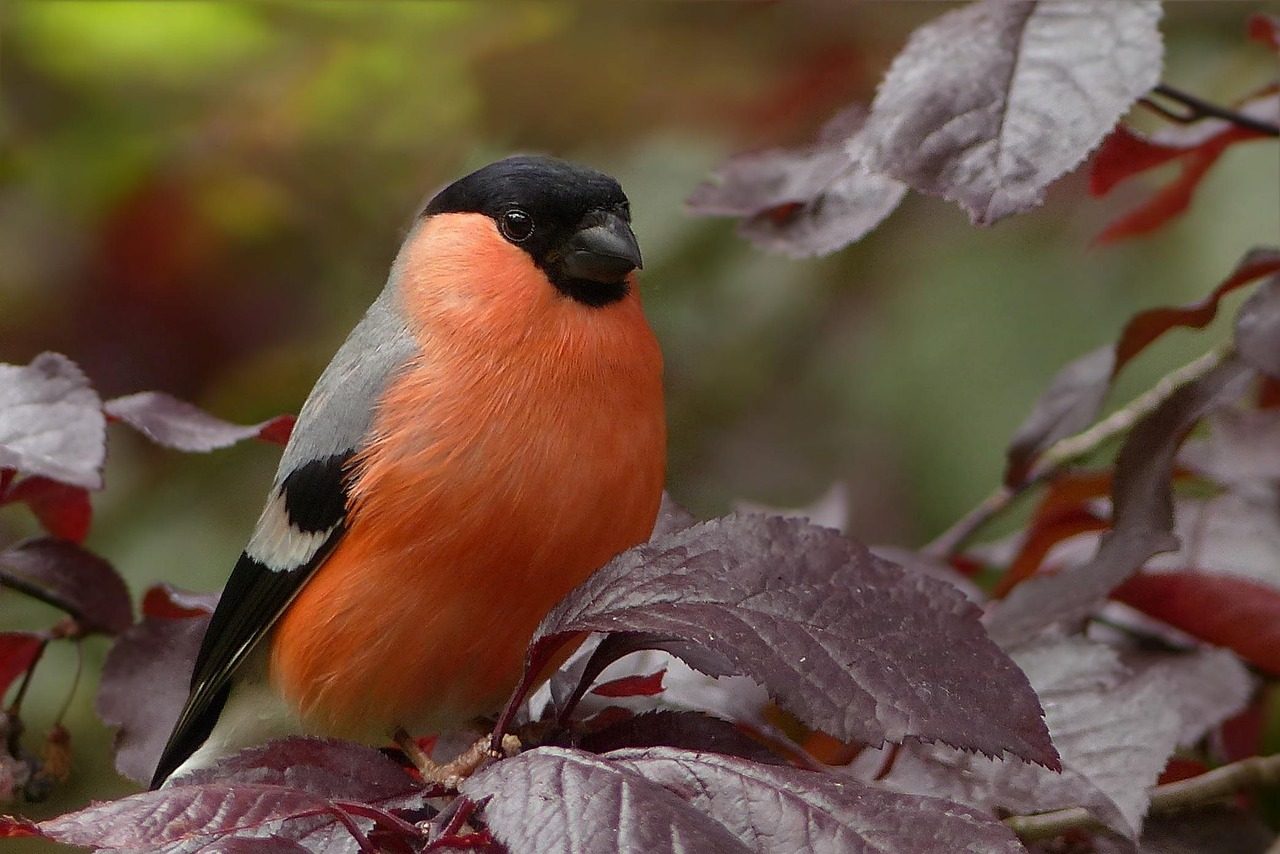
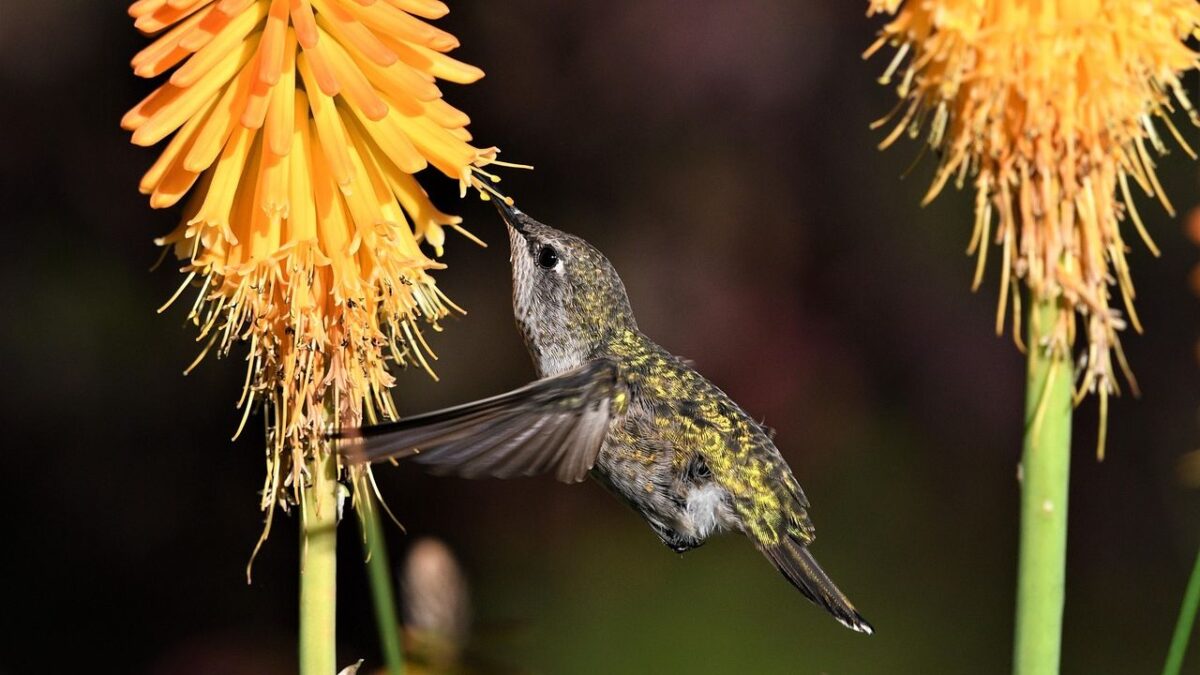
Here’s where the magic really happens. Of course the biggest benefit might be that native plants are great for birds and other wildlife. Native plants provide nectar for hummingbirds, butterflies, and bees. They provide nourishing seeds and irresistible fruits for your feathered neighbors, and they offer places to nest and shelter from harm. They’re also a critical part of the food chain – native insects evolved to feed on native plants, and by and large, backyard birds raise their young on insects.
96% of North America’s landbirds need insects to feed their young. Native plants typically produce significantly more insect biomass compared to non-native plants. If we want to continue to see birds in our yards and natural areas, we must provide the resources they need to reproduce.
By providing a variety of layers in your yard, you can attract a variety of bird species. Plant tall native trees for canopy dwellers, shrubs for mid-level species, and ground covers for birds that forage at ground level.
Plant Berry-Producing Trees and Shrubs
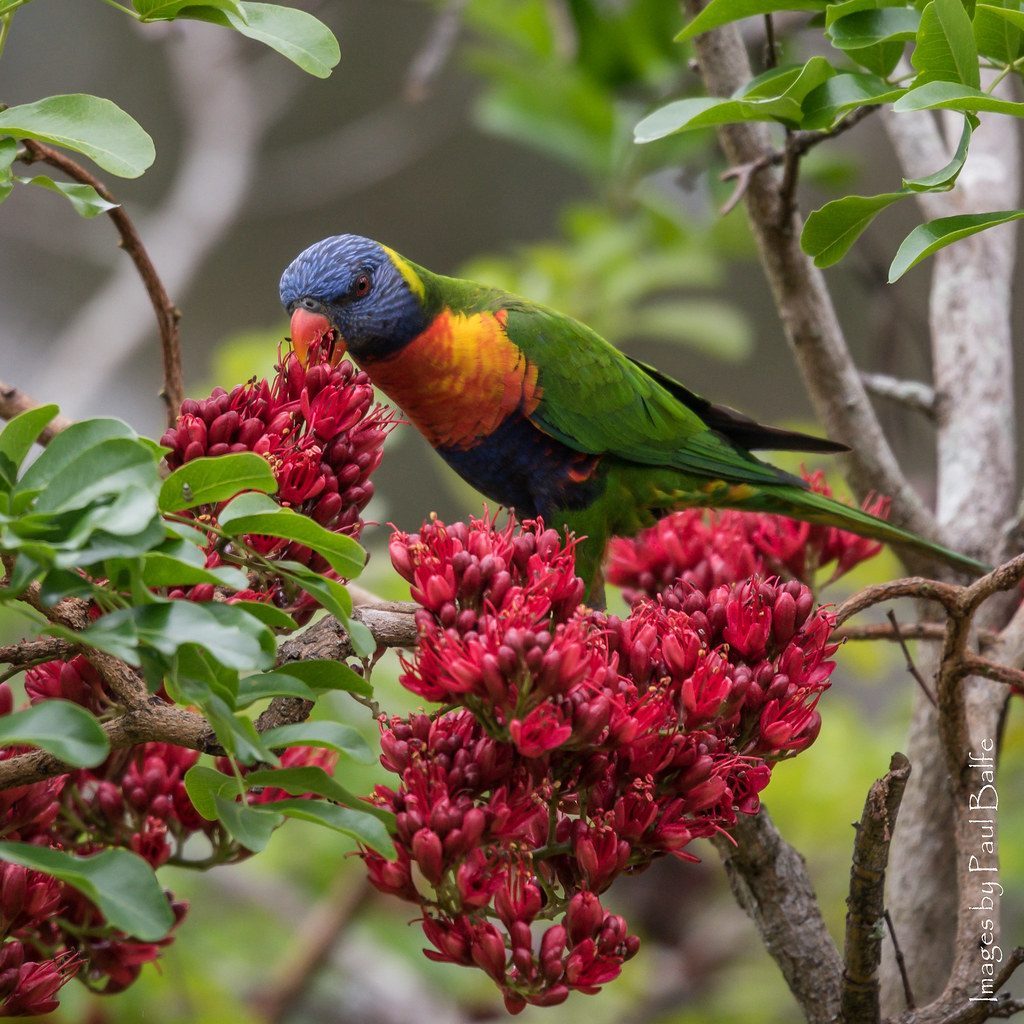
Berry-rich trees and shrubs like rowan, hawthorn, guelder rose and holly are all great natural food sources and also help to provide shelter. Plants with an abundance of seeds are another great choice, such as teasels or sunflowers. These plants work like a natural buffet that serves birds throughout different seasons.
Native fruit bearers are especially valuable. Native trees and shrubs that produce berries (like dogwoods, serviceberries, cherries, blueberry) provide fruit in summer and/or fall and are much more nutritious (high in fats and lipids) than fruits of non-native plants. During the summer when birds are nesting, the young are fed almost exclusively invertebrates like caterpillars.
Viburnums are also excellent for birds, as their nutrient-rich fall berries are crucial fuel for migrating songbirds. Many bird species rely on Winterberry fruit during the winter months. Talk about providing a five-star dining experience!
Establish Safe Nesting Areas
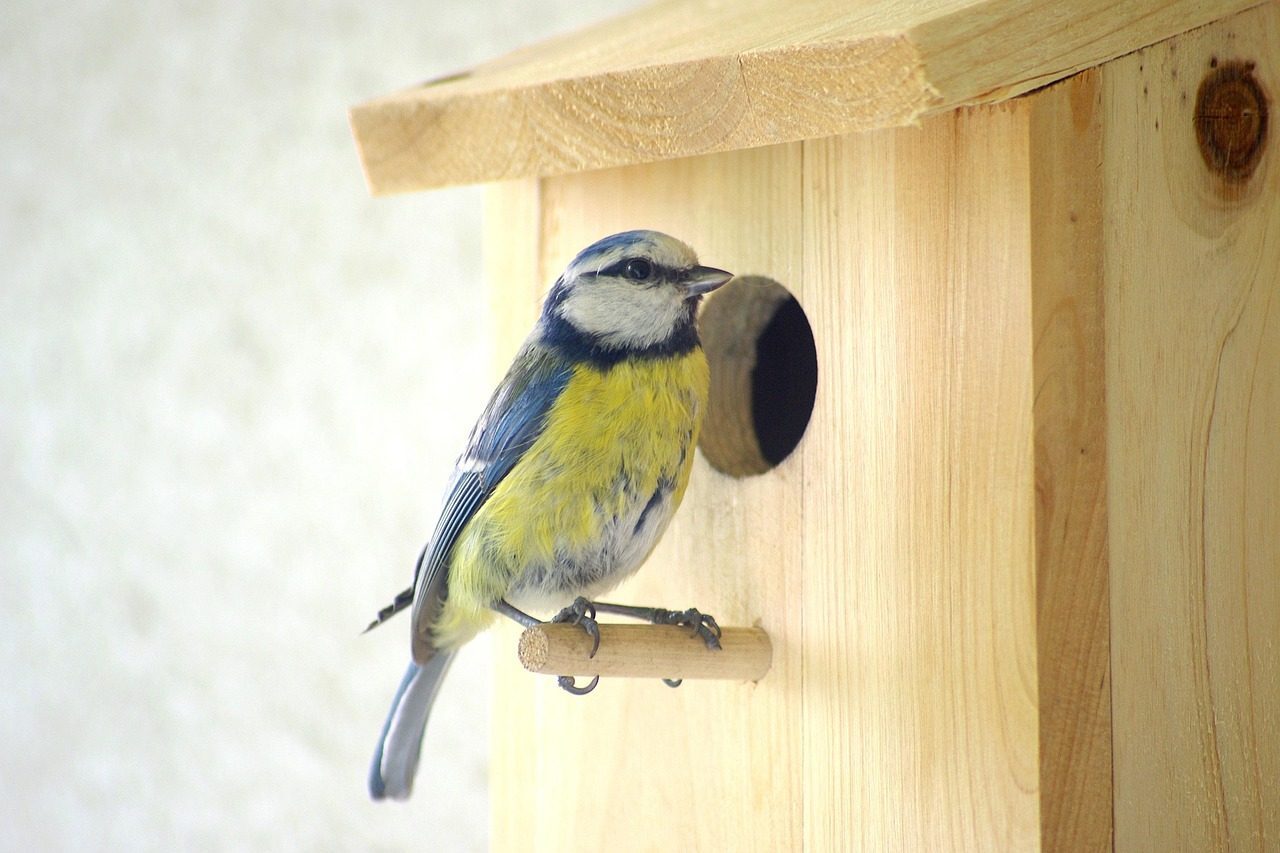
Another great way to encourage birds to your garden is by providing them with somewhere safe and secure to nest. Adding a few nesting boxes in sheltered areas of your garden, away from potential predators, is the best way to do this. Just like horses need secure shelter, birds need safe havens for raising their young.
Location matters immensely. Don’t put your nesting box in direct sunlight or where it will be prone to strong winds – somewhere between north- and east-facing is best. Different species prefer different box styles, so offering variety increases your success rate.
Placing birdhouses in the garden will have them giving up house hunting and moving in right away. You can make your own birdhouses, like we did, or purchase readymade ones at many retail locations. You’ll want to hang them in trees, if you have any around your garden, or on posts in the garden. The optimal height is between four feet and fifteen feet.
Minimize Chemical Use in Your Garden
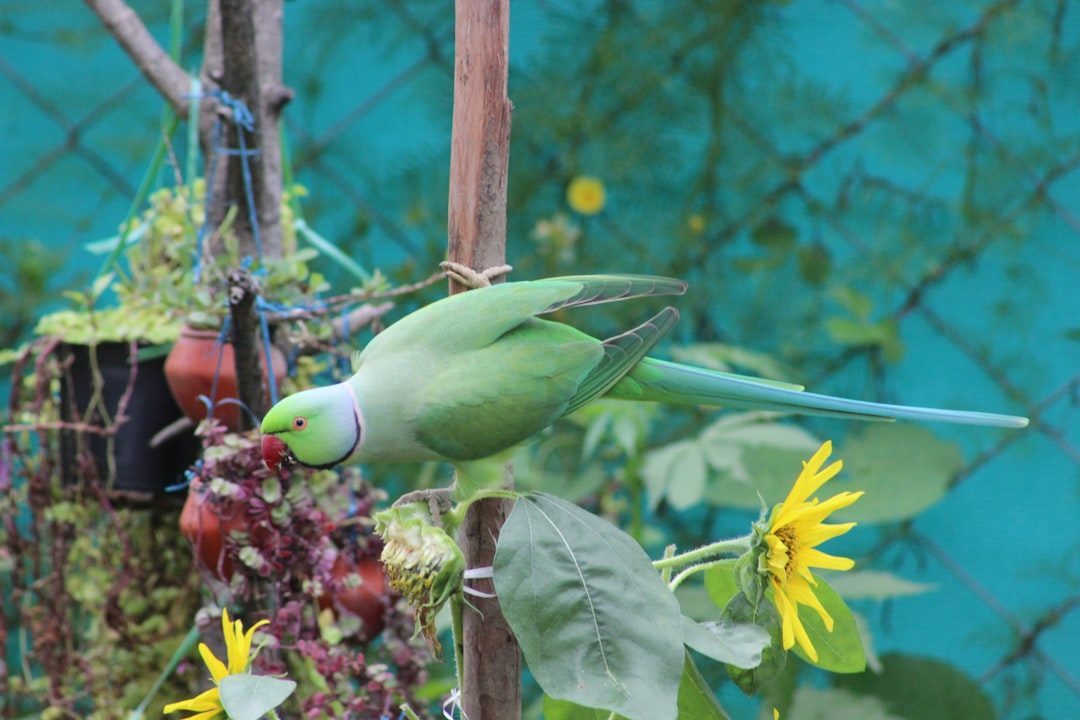
This principle is absolutely critical for bird health. Minimize pesticide use. They kill baby bird food–they are not so great for the birds, either. Think about it like this: you wouldn’t spray chemicals near your horse’s feed, so why would you do it where birds forage?
No pesticides. No herbicides. No exceptions. A thriving native garden isn’t just about what you plant – it’s also about what you don’t use. Pesticides and herbicides don’t just target weeds and pests; they wipe out essential food sources for birds, including caterpillars and insects.
Embrace a more natural approach to pest management. Allow beneficial insects to do their work, and remember that some “messy” areas actually benefit wildlife tremendously.
Create Wild Areas and Brush Piles
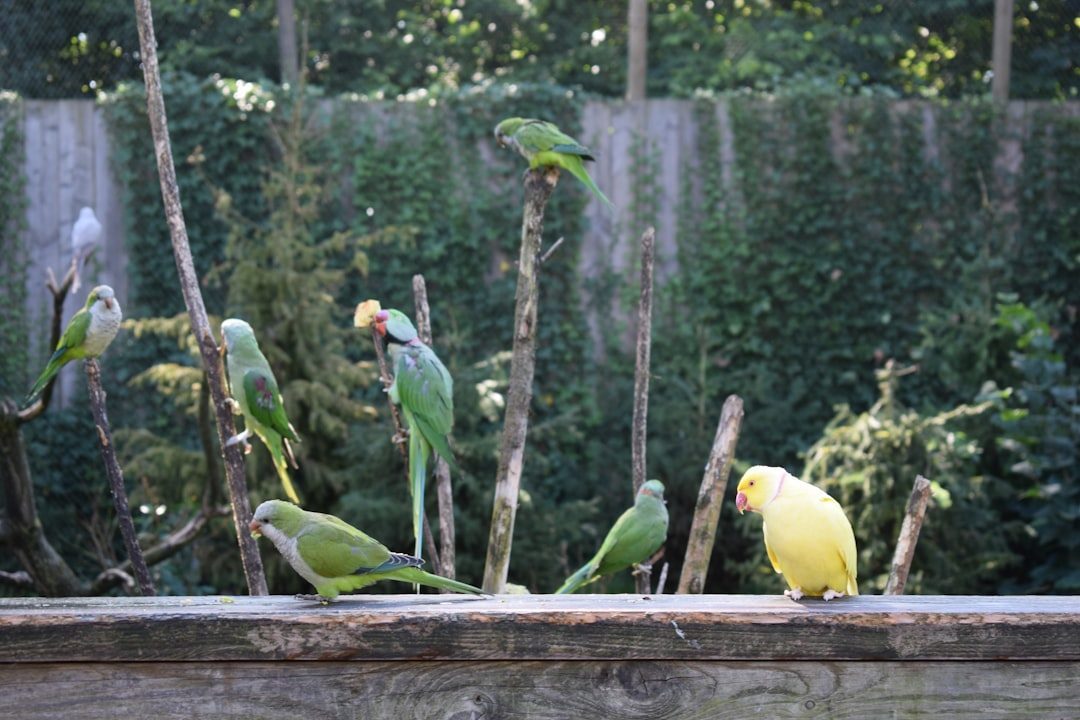
We all like to keep a well-maintained yard. But birds like things a little more on the wild side! Leave small piles of branches and leaves around your yard. These will attract ground-dwelling invertebrates – perfect for birds like American robins and northern flickers. The brush piles provide shelter for bird species like the Carolina wren.
Don’t worry about having a perfectly manicured space everywhere. Allow weedy areas to grow up at the back of the yard or wherever the homeowner and the neighbors will not see them. Weeds in the right places, usually far away from gardens, can be very useful for animal food and shelter.
Let leaf litter accumulate. Many birds find their food by scratching on the ground for bugs and other critters. Let some grassy areas grow into meadows to provide a good home for insects. These natural areas become incredibly productive bird habitats over time.
Plant Flowers That Provide Seeds Year-Round
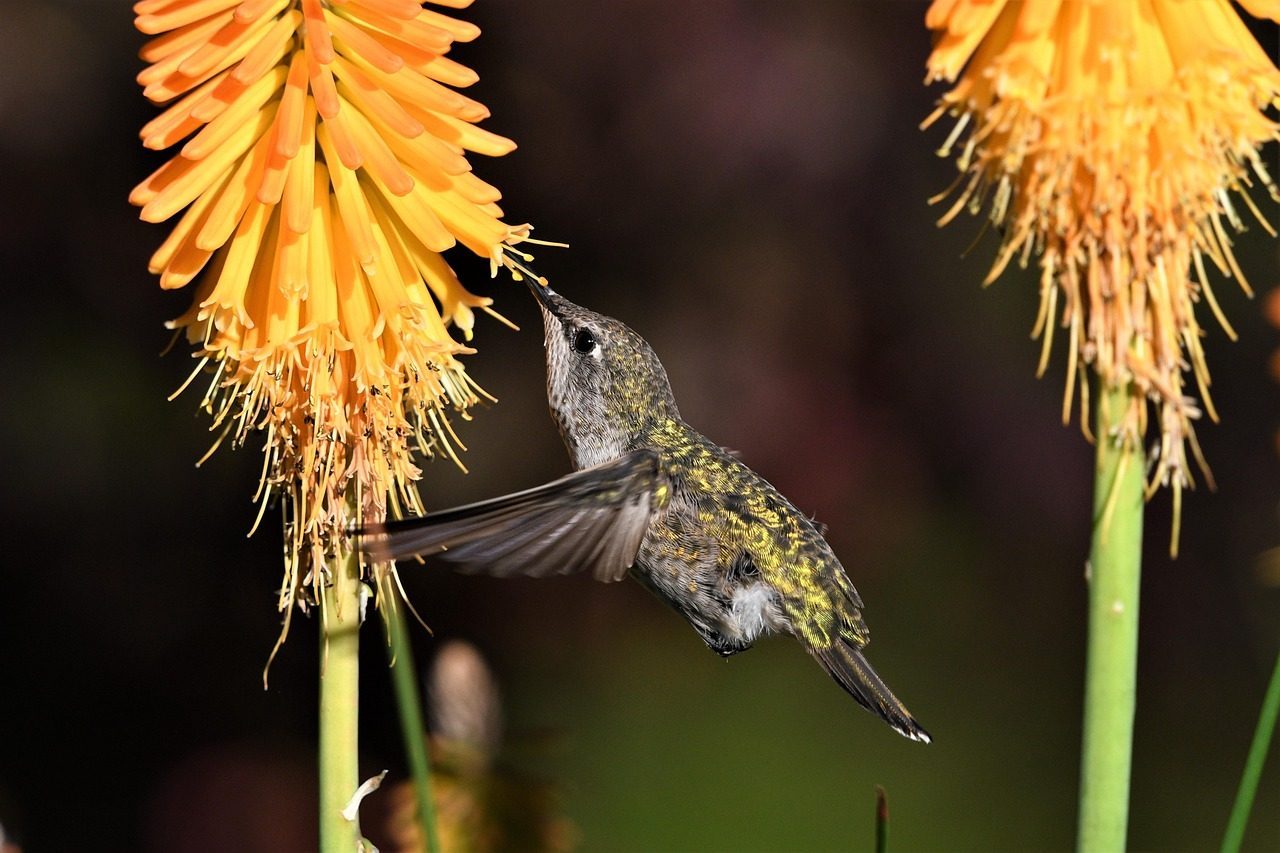
Smart gardeners think beyond just pretty blooms. Seed- and berry-bearing plants will attract hungry birds to your yard. Select plants that peak at different times of year for a long-lasting backyard buffet. This approach ensures your feathered visitors have food sources throughout the seasons.
Planting coneflowers and keeping their stalks through fall and winter almost guarantees a visit from bright yellow finches. Plant these flowers once and watch them come back year after year (they are perennials.) They are a gardening no-brainer.
Native sunflowers deserve special mention. While most of us are familiar with the towering sunflowers that produce tasty seeds enjoyed by both humans and birds, there are a variety of Helianthus species to explore. Ashy sunflower (Helianthus mollis) and swamp sunflower (Helianthus angustifolius) are container-loving varieties that aren’t as tall as their giant cousins, but produce beautiful flowers that feed birds.
Position Feeders Strategically for Safety
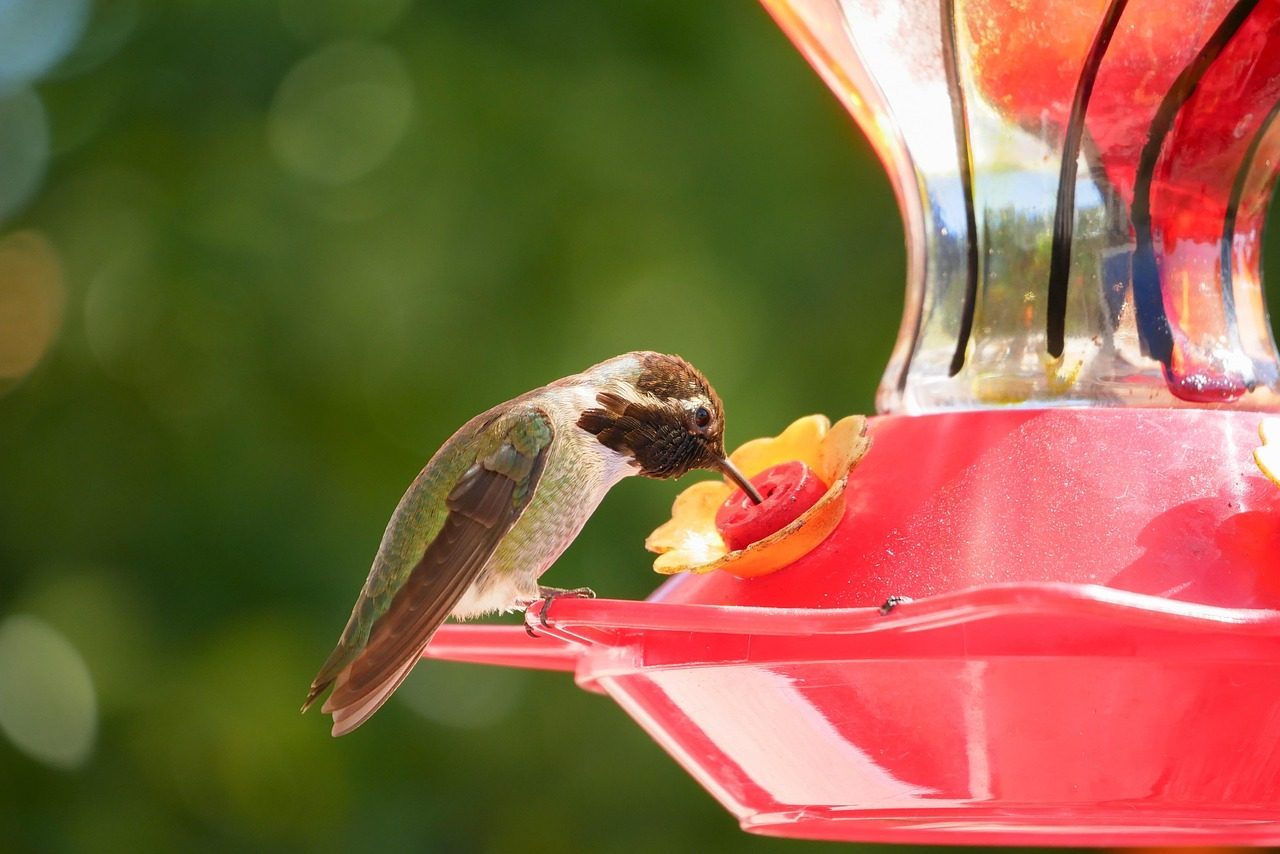
Location strategy makes all the difference in feeder success. Ideally the feeder should be either within 3 feet of cover or more than 10 feet away, to create a safer feeding station. Nearby vegetation can provide a lookout point for the birds and a place to dash to if disturbed. This setup mimics natural feeding patterns where birds prefer quick escape routes.
If you have problems with cats, electronic deterrents should repel them from bird feeding areas. Place feeders away from low cover that could conceal a cat – they are sit-and-wait predators and rely on cover to sneak up on their prey.
It’s also worth thinking about having more than one feeding station, to attract different species. If you a have tree in your garden it’s a great option to hang some bird feeders from its branches, or you could choose a freestanding feeder if not. Some birds like to feed from the ground, such as blackbirds and chaffinches, so you could provide them with a ground feeding tray.
Maintain Your Bird Habitat Year-Round
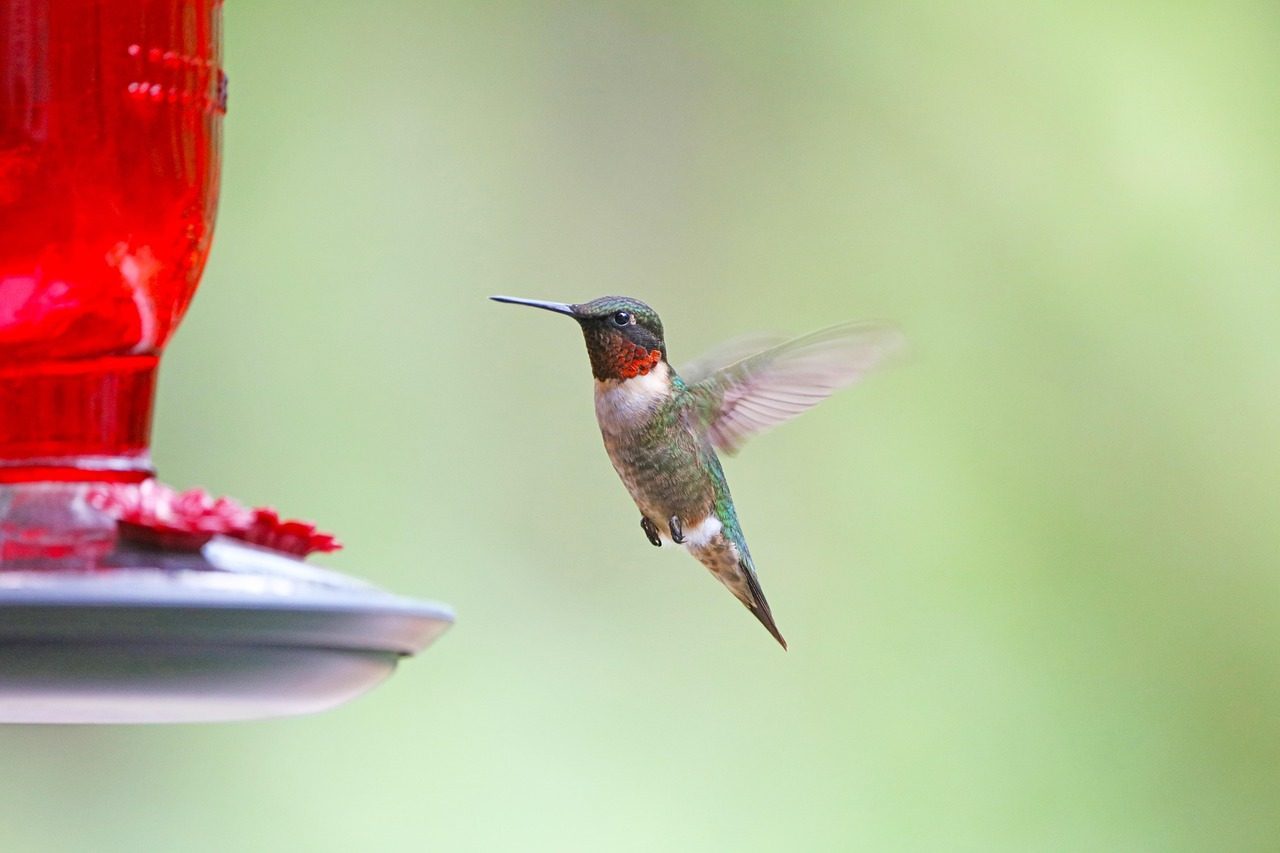
Consistency is key to building trust with your bird community. Stick to your feeding routine once you’ve started as the birds will become accustomed to it and rely on you. By feeding birds year-round you’ll give them a better chance of survival. Just like maintaining a routine with your horses builds trust and health, birds thrive with reliable care.
Regular maintenance prevents health issues. Remove mouldy seed from feeders and sterilise them regularly to reduce the risk of spreading diseases. Clean them more frequently when there are lots of birds in your garden and/or when you suspect that some are sick – keep an eye out for lethargic birds sitting around with their feathers fluffed up.
Seasonal adjustments keep your habitat relevant. Check your nestboxes each winter. Remove old nests and clean the boxes with hot water to kill parasites. Re-attach them securely – you don’t want the box to fall when it’s in use. Choose a diversity of nestbox types and move those that prove unsuccessful.
Conclusion
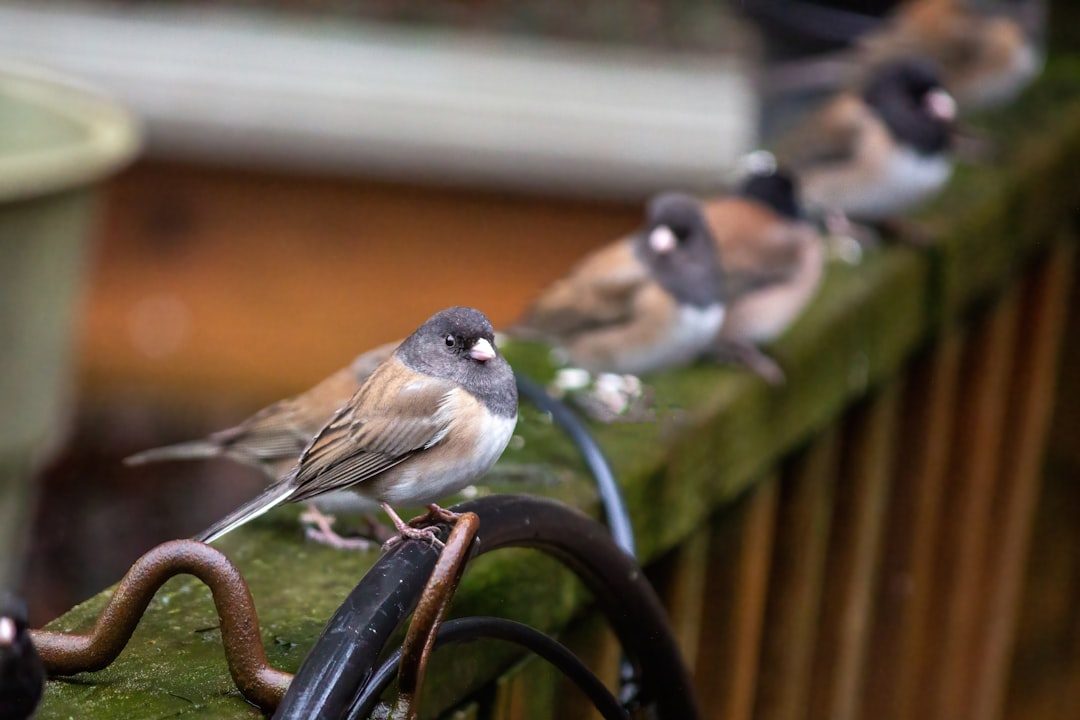
Creating a bird-friendly garden transforms your outdoor space into a living, breathing ecosystem that brings endless joy and wonder. Much like the satisfaction you feel watching a horse flourish under your care, nurturing birds creates a special connection with nature that enriches your daily life. These ten techniques work together to provide everything birds need: food, water, shelter, and safety.
Remember that building a thriving bird habitat takes patience and consistency. Start with one or two techniques that resonate with you, then gradually expand your efforts. Before long, you’ll find yourself looking forward to those morning coffee moments when your garden comes alive with the magical presence of your feathered friends. What surprised you most about creating bird-friendly spaces?
Worried about unexpected vet bills?
Pet insurance can cover thousands in unexpected vet costs. Get a free quote from Lemonade in under 2 minutes.
Get My Free Quote →Sponsored · Opens Lemonade.com
