

Picture this: the warm African sun filters through acacia trees as a majestic lion emerges from golden grass, its amber eyes meeting yours through your lens. You freeze, heart pounding, knowing this moment could transform an ordinary safari photo into something extraordinary. Yet when you review your images later, disappointment sets in. The shots feel flat, blurry, or simply fail to capture that breathtaking magic you witnessed firsthand.
African wildlife photography is both a privilege and a challenge that demands more than pointing your camera and hoping for the best. It requires understanding your subjects, mastering your equipment, and developing an eye for compelling storytelling. Whether you’re planning your first safari or you’re an experienced photographer seeking to elevate your craft, these essential techniques will help you capture the raw beauty and untamed spirit that makes African wildlife so captivating. So let’s dive in and discover how to bring home images that truly honor the magnificent creatures you encounter.
Master the Golden Hour Light
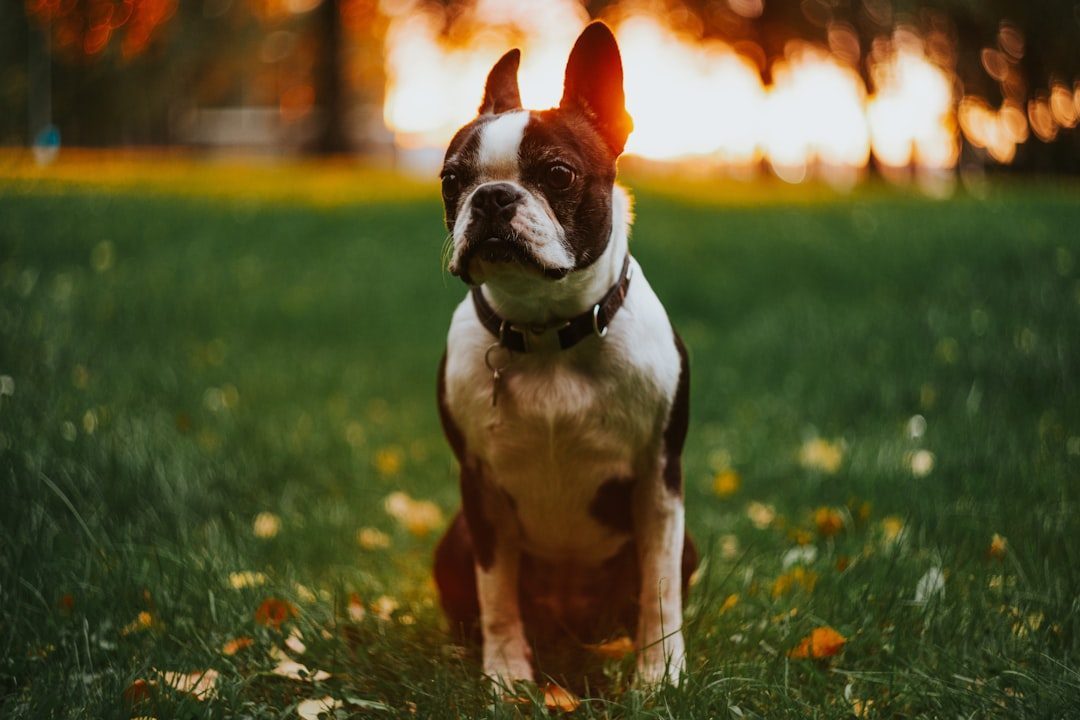
Early morning and late afternoon are commonly called the golden hours because of the soft, warm light they offer. The golden hours, which come just after sunrise and before sunset, provide a soft, natural light that beautifully enhances the colors and textures of your subjects. This magical lighting transforms ordinary wildlife encounters into extraordinary photographs by wrapping your subjects in warm, directional light that accentuates their natural beauty.
Also, at these times, animals are more active, giving you the chance to take some dynamic shots. Don’t shoot in harsh midday sun as it can create unwanted shadows and overexposed images. The harsh overhead light around noon creates unflattering shadows under animals’ faces and can lead to blown-out highlights on light-colored fur or feathers. Instead, use this time for equipment maintenance, travel between locations, or capturing environmental shots.
Choose the Right Camera Settings for Sharp Images
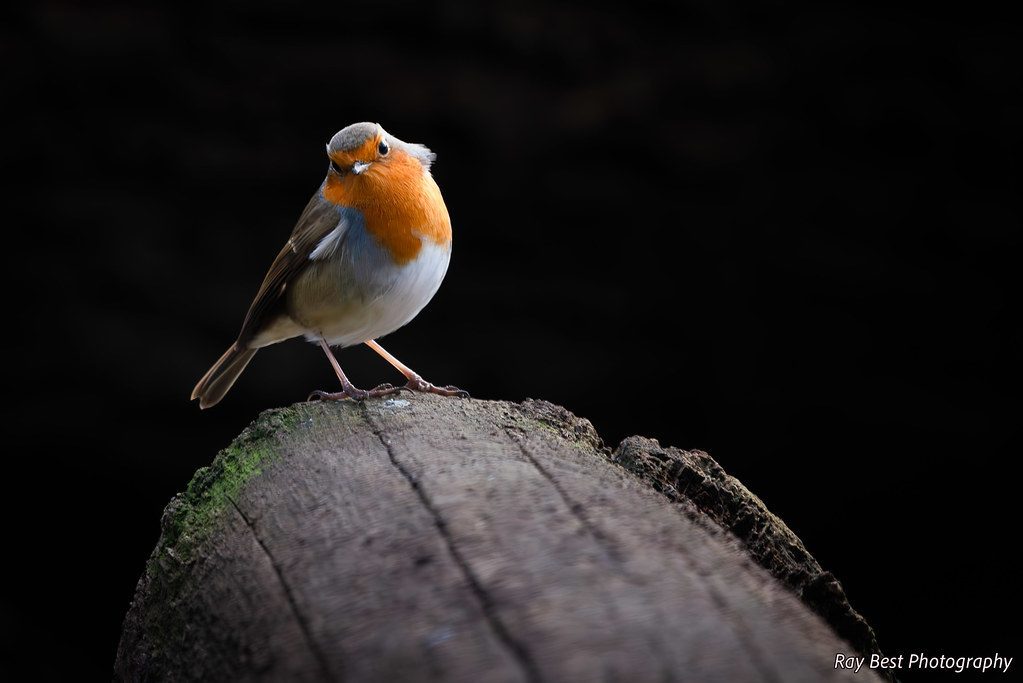
As a simple recommendation, set your shutter speed to 1/1000 second for most animals, 1/2000 second for large birds, or 1/3200 for small, fast birds. Shutter speed is the most essential camera setting for sharp wildlife photos. Wildlife is often on the move, and you need a fast shutter speed to freeze their motion. The key is balancing these settings with available light to maintain proper exposure without sacrificing sharpness.
The biggest mindset shift I’ve had in the last 2 years is this: stop compromising your shutter speed just to keep ISO low. In today’s world, high ISO is not the enemy. Motion blur is. Modern cameras handle high ISO remarkably well, so prioritize getting a sharp image over having perfect noise levels. Don’t be afraid to use higher ISO settings to achieve a shutter speed that is fast enough to freeze the action.
Use Manual Mode with Auto ISO for Maximum Control
Manual mode: I set shutter and aperture where I want them. Auto ISO: I let the camera choose the ISO based on ambient light. Max ISO limit: On the R5 and R3, I set it to 25,600. Exposure compensation: If the scene’s too dark or too bright, I dial in + or – and keep rolling. This setup gives you creative control over depth of field and motion while allowing the camera to adapt to changing light conditions automatically.
The solution for me was to set the camera in manual mode with auto-ISO. In wildlife photography, you are likely to use a telephoto or super-telephoto lens, and the general rule of thumb is to have your shutter speed be higher than the focal length of your lens. So, if you are using a 400mm lens, you would want your shutter speed to be at least at 1/400 s. You are also most likely going to need a shallow depth of field to isolate the subject, something like f/4 or f/6.3. Now that you have both the aperture and shutter speed locked in, all that’s left is to set the ISO to auto and fire away.
Master the Art of Focus and Eye Contact
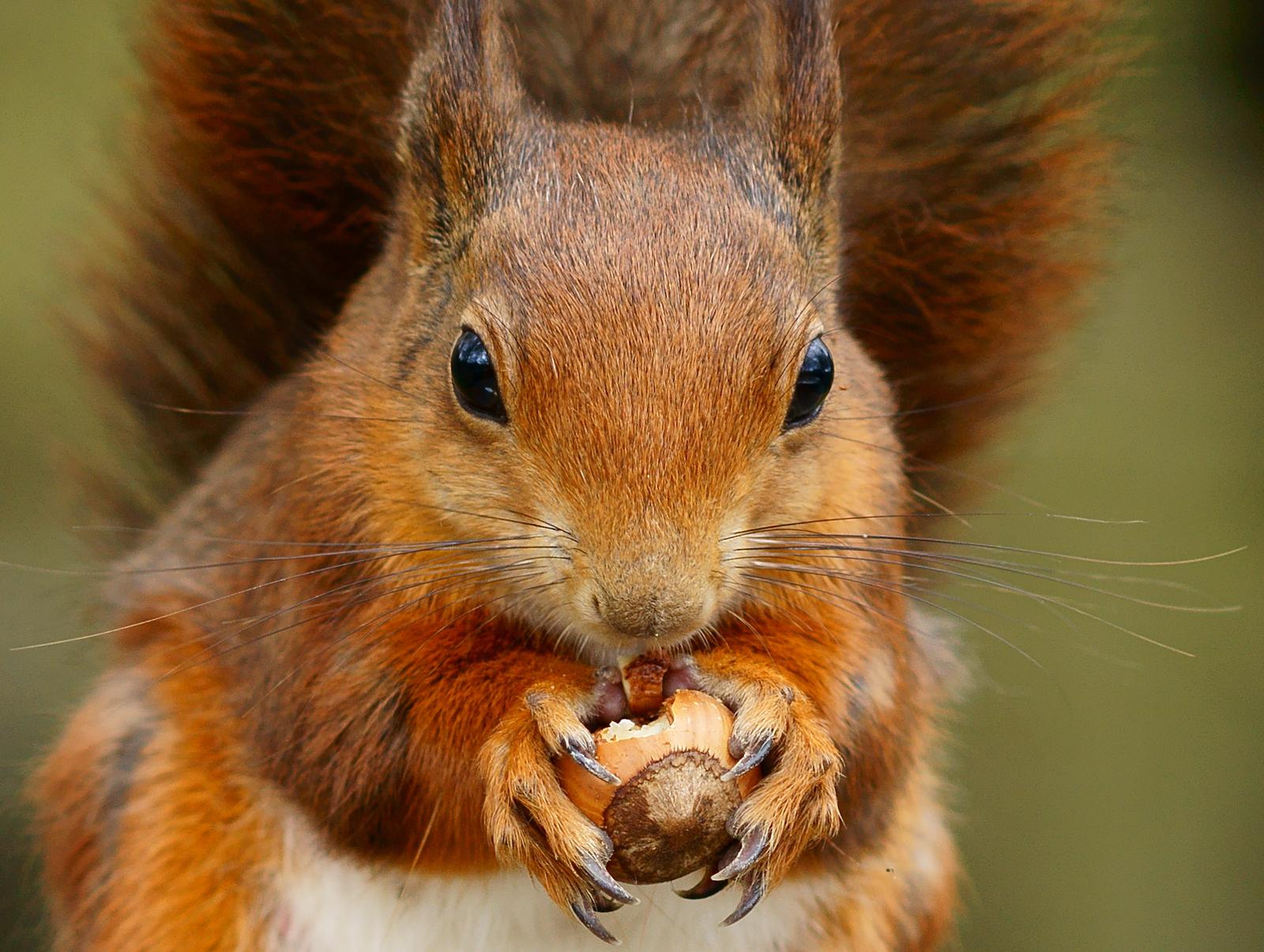
Do not get lost in composition alone. All of the wildlife photography tips discussed here are useless if the main subject in your image does not make eye contact. The head angle, the eye catch light, and the pose are critical elements of composition. Although each has equal weight in terms of ensuring an image with strong overall composition, eye contact ultimately draws viewers in and creates the connection. Sharp eyes are the foundation of compelling wildlife portraits that resonate with viewers.
We usually accept less sharpness in other parts of the body so long as the eyes are dead sharp. It is therefore crucial to always focus on the eyes. Speed of autofocus: The speed and accuracy of your autofocus is critical with wildlife photography (not to mention a moving vehicle). It needs to be quick, and be able to get really pinpoint focused on the right thing like the animal’s eye rather than surrounding vegetation.
Apply the Rule of Thirds Effectively
The rule of thirds is a commonly used compositional tool in photography and other art. It is a “rule of thumb” that discourages placing the subject at the center of the image, leading to more visually engaging images. An image is divided into nine equal parts, with two vertical and two horizontal lines. The subject is aligned with these lines or their intersections. The rule of thirds is useful and can provide a good guide or starting point when thinking about your final composition.
When photographing an animal, pay attention to the direction it is facing. Use the rule of thirds to allow the animal to “look into” the frame. Positioning the animal at an intersection or along one of the lines of the rule of thirds grid can create a balanced composition and lead the viewer’s gaze to the subject. Remember that rules are meant to be broken when it serves your creative vision, though understanding them first is essential.
Choose Your Equipment Wisely
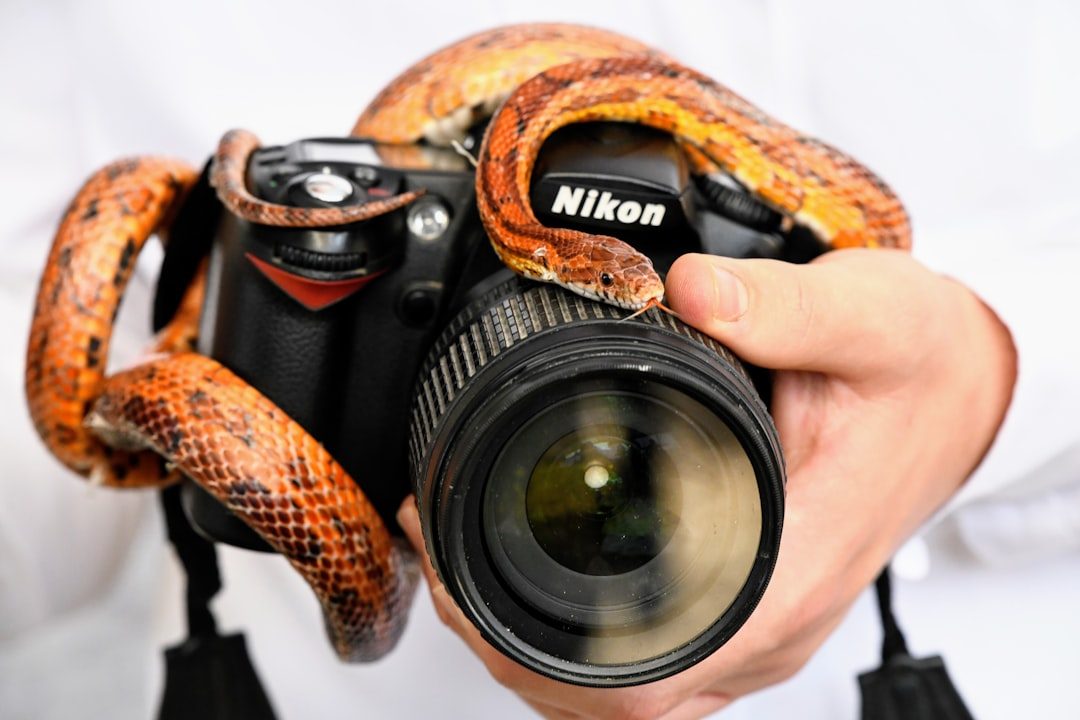
Invest in a good SLR camera and a couple of lenses. The best camera set up for wildlife photography includes at least a 300mm lens, because anything less will just be frustrating. Ideally you should have 2 cameras as changing lenses is time-consuming when you might be missing the action. A good telephoto lens is crucial for photographing distant subjects without disturbing them. This distance allows you to capture natural behavior without stress to the animals.
OIS (optical image stabilization): This is a must-have in my opinion. It reduces blur caused by camera shake so you can get sharper images (especially in lower-light situations). Consider bringing a sturdy tripod or monopod for stability during long shoots. Weather conditions can vary greatly across regions; therefore, packing protective gear like rain covers and dust-proof bags is advisable.
Exercise Patience and Study Animal Behavior
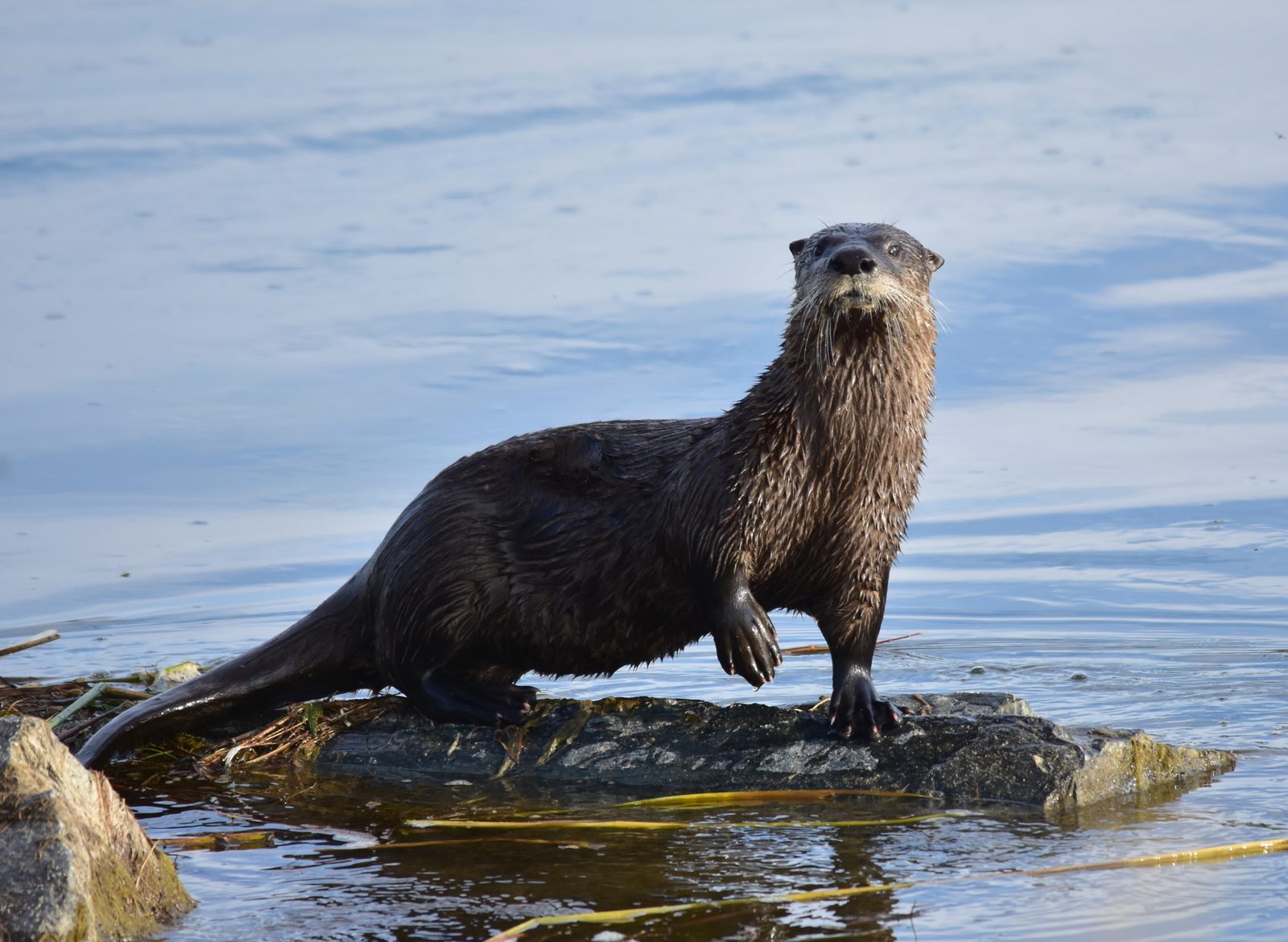
Wildlife photography requires patience. Animals may not always be present or active as soon as you reach a place. Spend time observing their behavior patterns; this will help you anticipate their movements and capture something unique, like interactions between species or playful antics among the young ones. Understanding your subjects’ habits dramatically improves your success rate and helps you anticipate compelling moments.
Instead of driving from animal to animal, it pays to stay with a potentially good sighting. Spending time will offer an opportunity to see some interesting animal behavior. The most rewarding photos of wildlife are usually those showing interaction or action, and this often requires anticipation and patience. Sometimes the most magical shots happen when you least expect them, during quiet moments of waiting.
Work with Your Guide and Environment
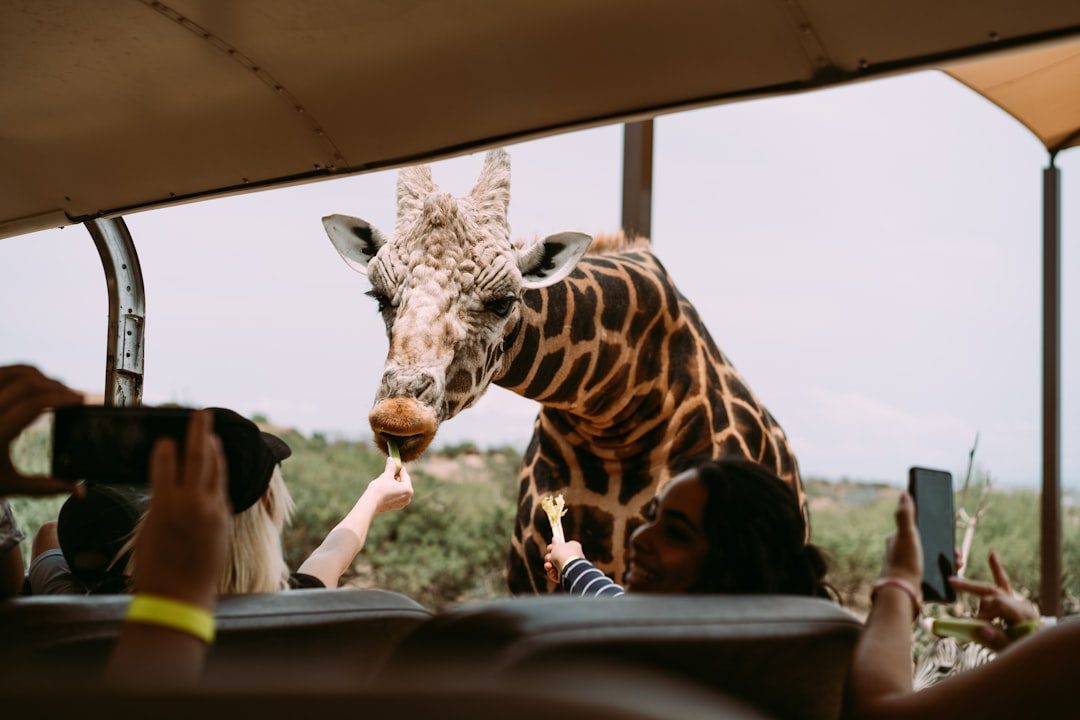
Your driver-guide is there to help you make the most of your African safari. Most guides are good at spotting animals and they can also offer interesting information relevant to the sightings. But many don’t really know how to take pictures on safari and might need some guidance when it comes to lining up the vehicle to get the perfect angles. Don’t be shy to communicate with the driver to get in the best position. Also make sure the engine is turned off at sightings.
Understanding cultural norms helps in building a rapport with guides and locals. They can offer valuable insights into animal behavior. Hiring experienced guides increases your chances of spotting elusive species by utilizing their knowledge on animal habits and habitats in specific regions they work in regularly. They also give safety tips while traversing hazardous terrains where predators roam freely.
Create Clean Compositions and Backgrounds
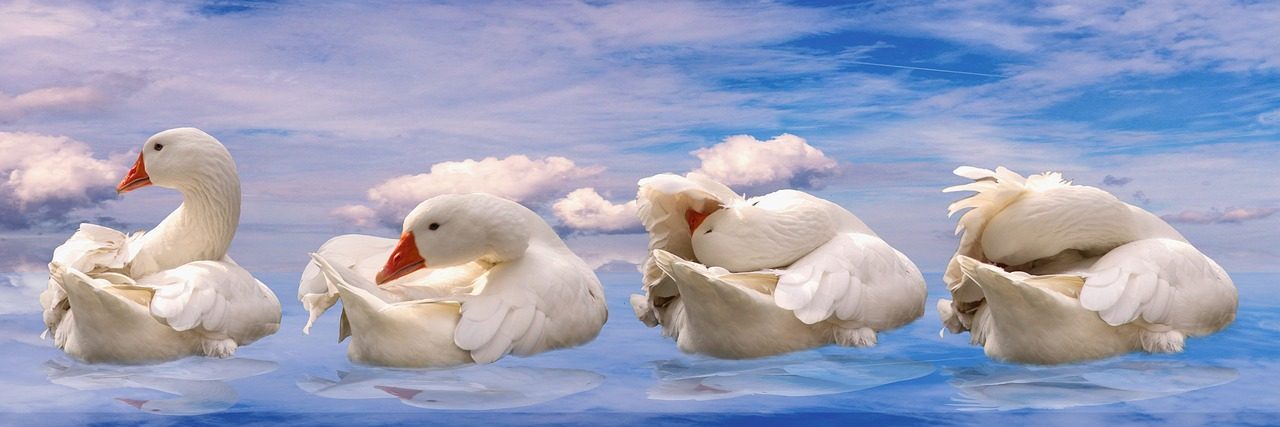
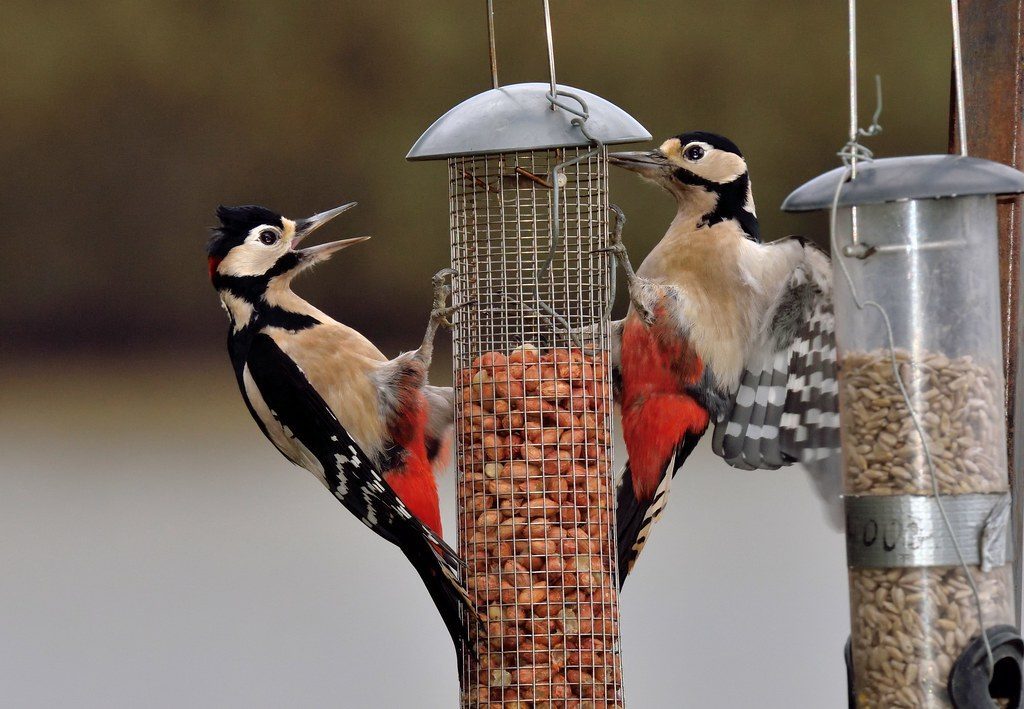
A distracting background can make your subject superfluous in the context of the whole frame. For example, in the image above, the birds’ interaction and feeding action stands out against a clean background rather than compete with it. This entails moving around, getting high or low, and finding uncluttered space. Simple, uncluttered backgrounds allow your subject to stand out and create more impactful images.
Check for background and foreground clutter and check the corners of the frame. Anything that’s not adding to the story will be a distraction. When photographing wildlife, we tend to shoot with a low depth of field (small f-stop) as this makes the animal stand out from distracting backgrounds and vegetation. This also enables us to use a higher shutter speed, which minimizes camera shake and freezes movement.
Respect Wildlife Ethics and Safety
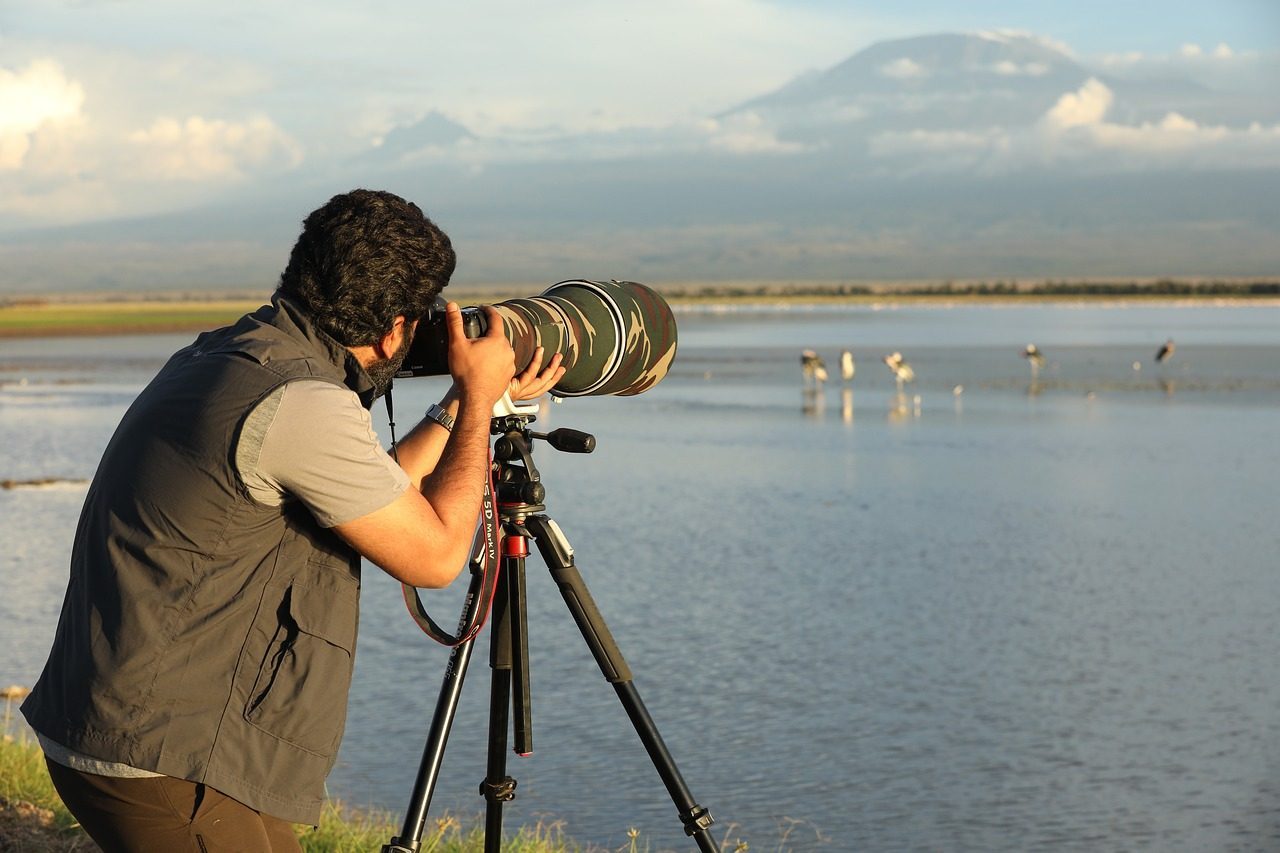
Respecting wildlife ethics keeps photographers safe and ensures minimal disruption to animals’ natural behavior on safari. Whether it’s elephants roaming the savannas or hippos lounging by sunlit riverbanks, maintaining a safe distance is key. Many reserves impose strict rules against off-road driving or getting too close to animals. Violating them can result in fines or expulsion from parks. These guidelines protect both wildlife and visitors.
Wildlife photography requires a lot of patience and stealth. One wrong move and you risk scaring the animals. Always move slowly and quietly while maintaining a safe distance from your subjects. Remember that getting the shot should never come at the expense of animal welfare or your own safety. Ethical photography practices ensure these incredible ecosystems remain pristine for future generations.
Conclusion
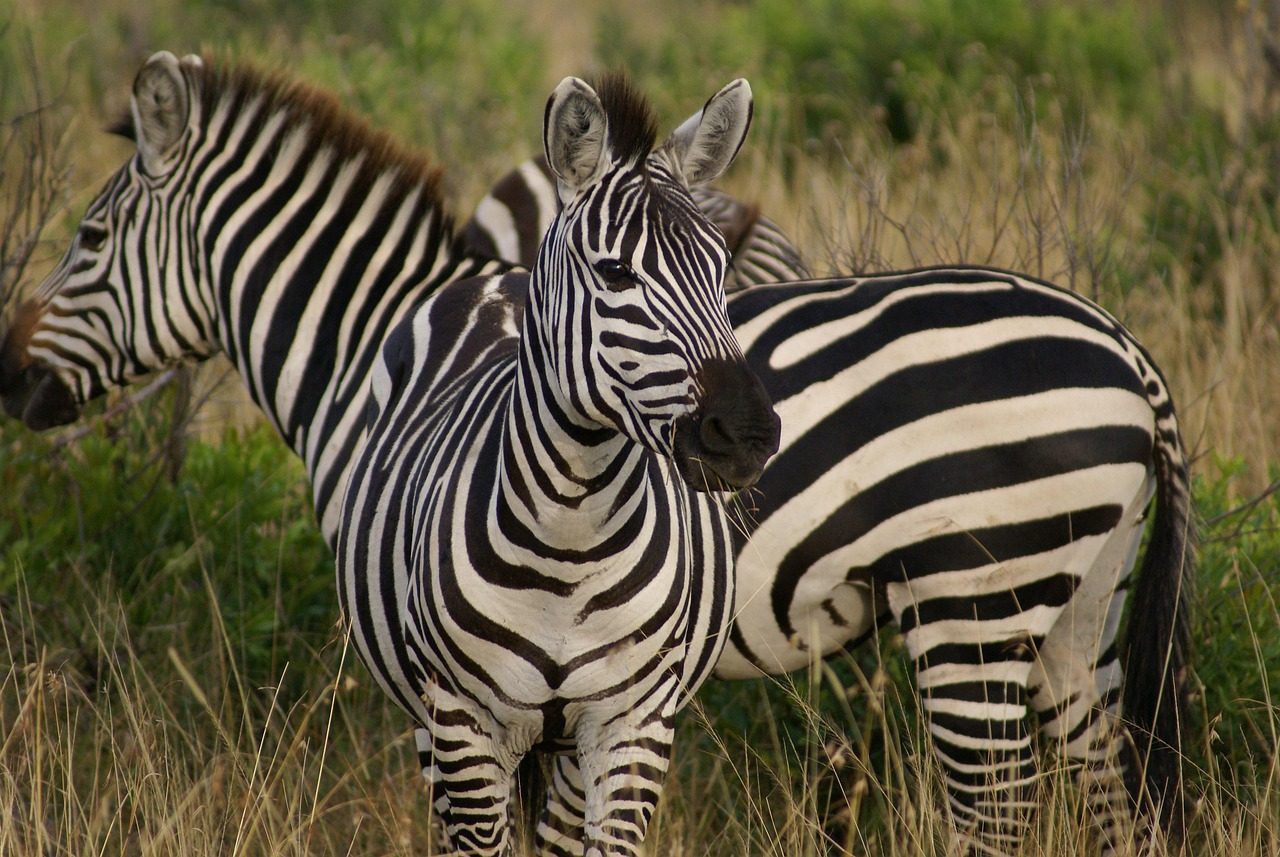
Capturing Africa’s magnificent wildlife through your lens is far more than technical mastery. It’s about patience, respect, and developing an intimate connection with the natural world around you. Each golden sunrise brings new possibilities, every patient moment by a waterhole could reveal extraordinary behavior, and each ethical approach to your subjects helps preserve these incredible ecosystems for generations to come.
The technical skills we’ve explored will undoubtedly improve your images, though the real magic happens when you combine them with genuine appreciation for the animals you’re photographing. Remember that every blurred shot teaches you something valuable, every missed opportunity refines your anticipation skills, and every perfect moment captured becomes a treasured memory that extends far beyond the photograph itself. What story will your next African adventure tell through your lens?
