
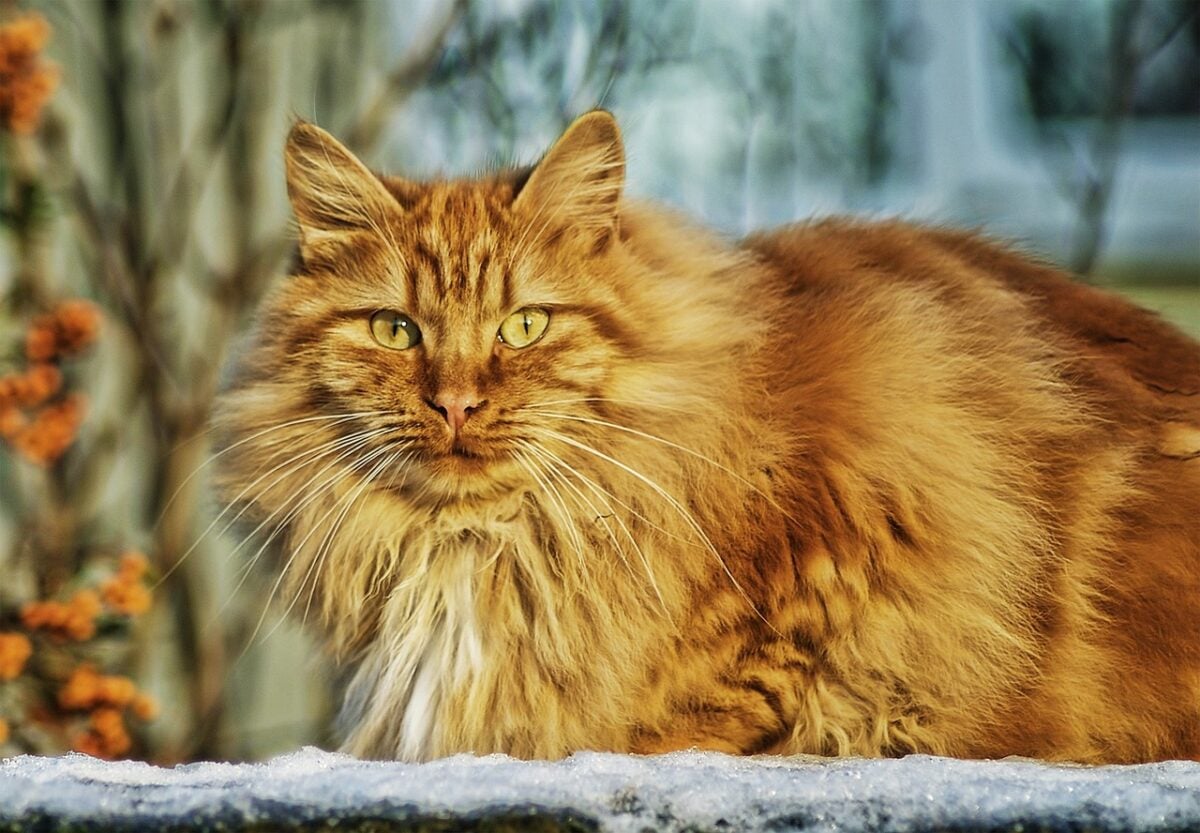
Cats and dogs have this reputation for being sworn enemies, but reality is a lot more nuanced. Some cats roll their eyes at canine chaos, some barely tolerate it, and a surprising few will actually curl up next to the family dog on the couch like it’s no big deal. The trick is knowing which breeds are more likely to handle a dog’s energy without turning every day into a turf war. I’ve lived with both species under one roof, and honestly, the difference between a cat that grudgingly coexists and one that genuinely accepts a dog is night and day. Let’s walk through ten breeds that, with the right introductions and environment, tend to handle dogs far better than most people expect.
Maine Coon: The Gentle Giant Who Shrugs Off Canine Drama
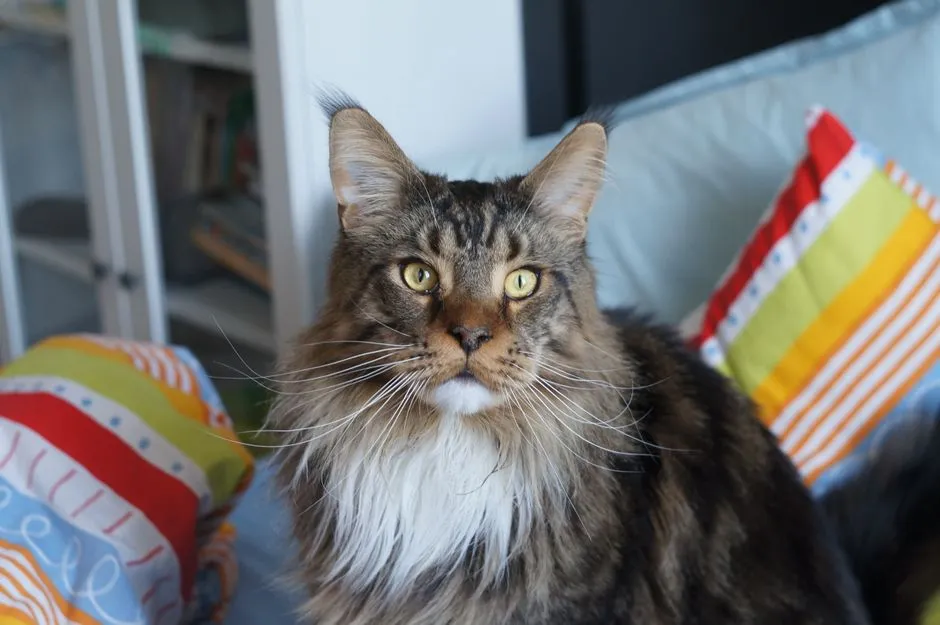
Maine Coons are famously big, fluffy, and almost dog-like themselves, which already gives them a head start in dog households. They tend to be confident, sturdy cats that are not easily intimidated, and that alone makes a massive difference when a bouncy dog comes barreling through the living room. Instead of bolting under the bed, a well-socialized Maine Coon is more likely to sit, stare, and silently judge the chaos like a furry referee. Their temperament is usually calm, curious, and affectionate without being clingy, so they often take a dog’s existence in stride as long as they have their own safe spots. Because they are playful well into adulthood, they may even engage in joint play with a respectful dog, especially if you use interactive toys or chase games that both can enjoy. Of course, even a chill Maine Coon still needs slow, controlled introductions and escape routes, but as a rule, this breed often becomes the unflappable anchor in a mixed-pet home.
Ragdoll: The Laid-Back Lap Cat That Rarely Loses Its Cool
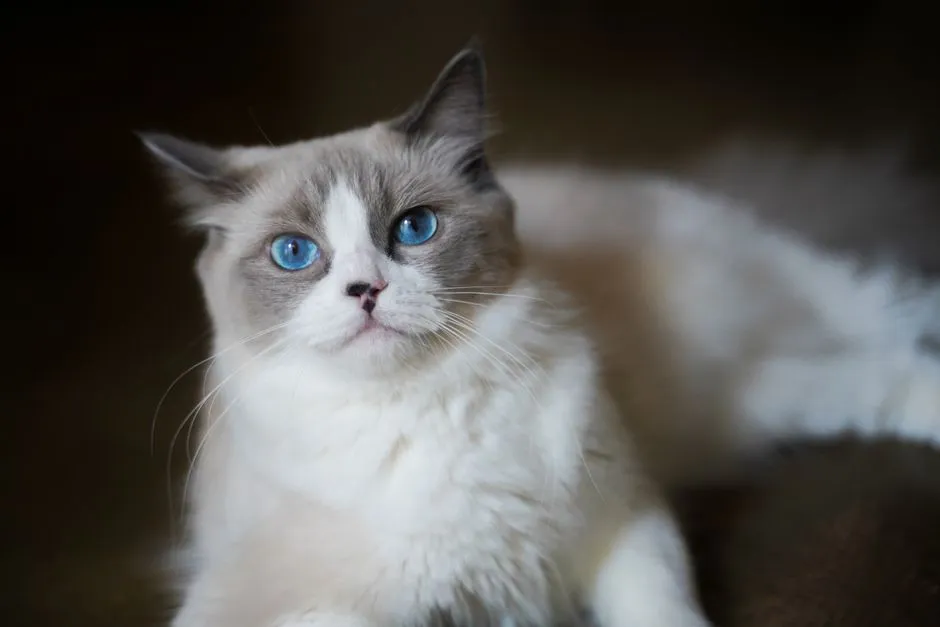
Ragdolls are known for being incredibly relaxed and people-oriented, often following their humans from room to room and flopping in laps like plush toys. That super-chilled temperament can translate well to dog life, because they’re less reactive than many other breeds when confronted with sudden movement or noise. Instead of lashing out, many Ragdolls will simply watch, blink slowly, and carry on with their day. They typically prefer harmony over confrontation, which is ideal when a dog is part of the picture. A polite, non-pushy dog often gets accepted as part of the “flock,” especially if the cat knows it can retreat to high shelves or quiet rooms when it has had enough. The risk with Ragdolls is actually the opposite: they can be so tolerant that they may not stand up for themselves, so it’s your job to make sure a playful dog doesn’t overwhelm or pester them beyond their comfort zone.
Birman: The Social Butterfly That Likes Company, Even If It Barks
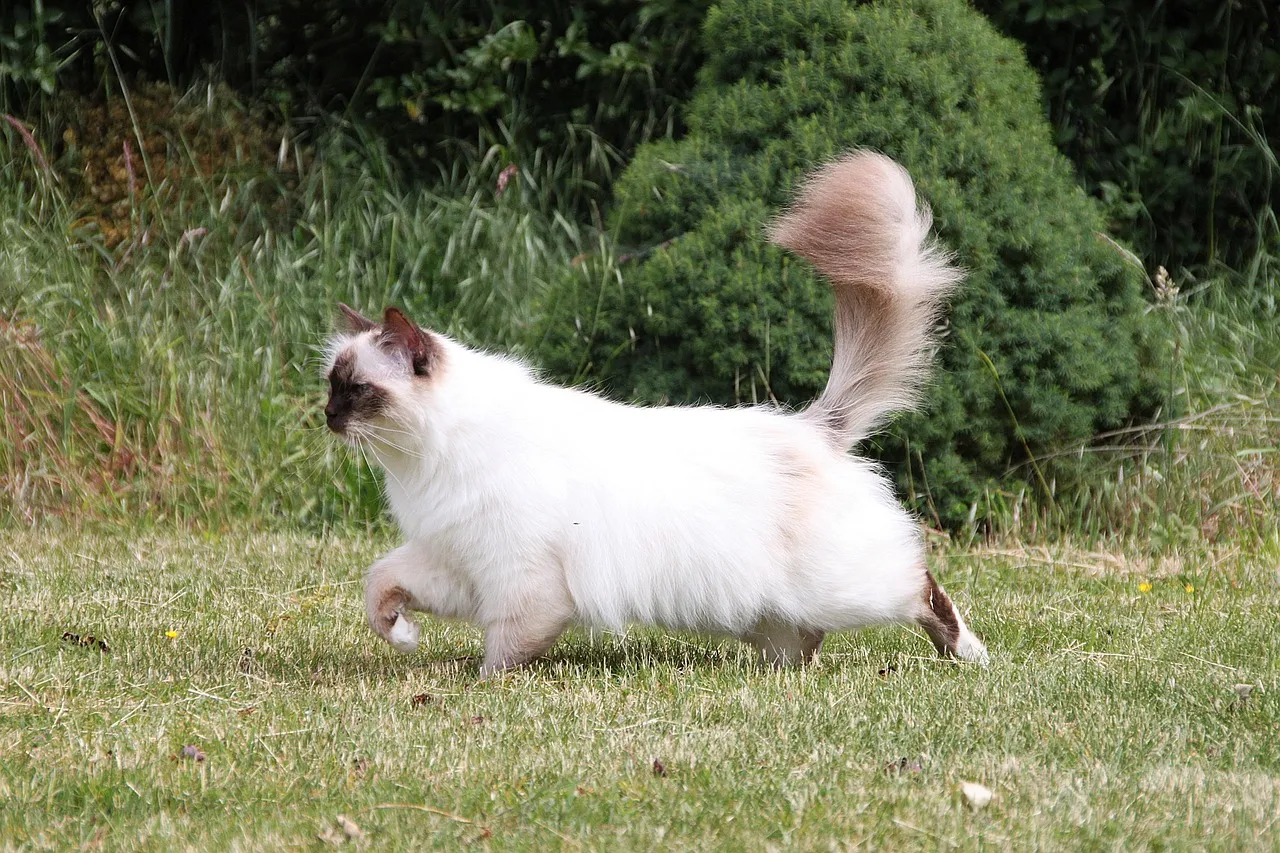
Birmans are often described as friendly, people-focused cats that enjoy being in the same room as their family rather than hiding away. That social streak can extend to other pets, including dogs, especially if they meet them while still young. Many Birmans are confident enough not to be easily intimidated, but not so intense or territorial that every new creature is treated as an intruder. They tend to be moderately playful and enjoy interaction, which can mesh nicely with a gentle dog that likes soft games or just hanging out. In a home where humans come and go and the environment is lively, a Birman can feel right at home sharing the space with a canine companion. The key is giving them vertical territory and quiet zones so they can choose companionship instead of being trapped in it.
Siberian: The Adventurous Athlete That Treats Dogs Like Teammates
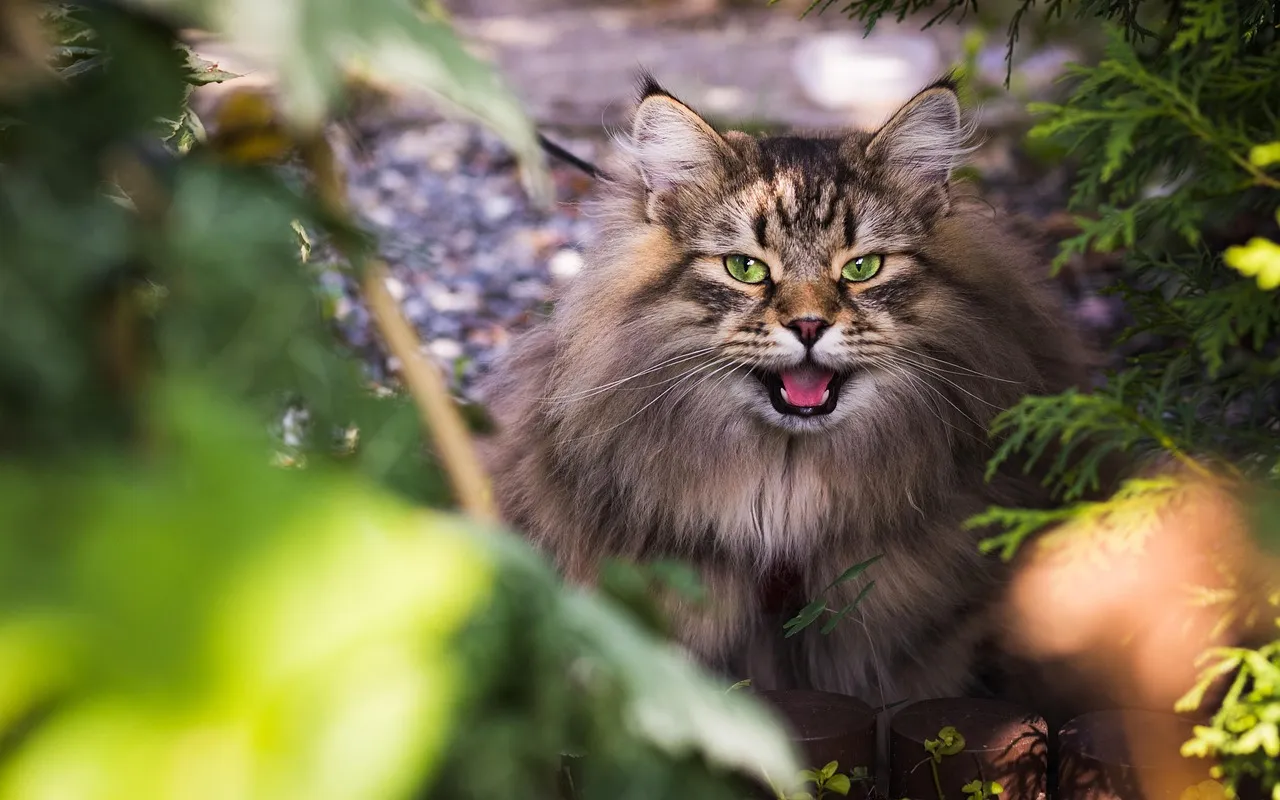
Siberian cats are athletic, curious, and generally pretty bold, which makes them better equipped than many breeds to handle living with an energetic dog. They were originally working and barn cats, so they’re not typically fragile, nervous types. A confident Siberian may actually see a dog as another play opportunity, especially if the dog can handle a bit of spirited chase. Because they are intelligent and adaptable, Siberians tend to thrive in busy households where there is a lot going on: kids, noise, activity, and yes, dogs. They usually appreciate mental stimulation and physical play, so puzzle feeders, climbing trees, and supervised playtime with a dog can keep everyone happier and less bored. If you want a cat that can keep up with a moderately active dog instead of being stressed by it, a properly socialized Siberian is often a smart choice.
Abyssinian: The Energetic Explorer That Keeps Up With High-Energy Dogs
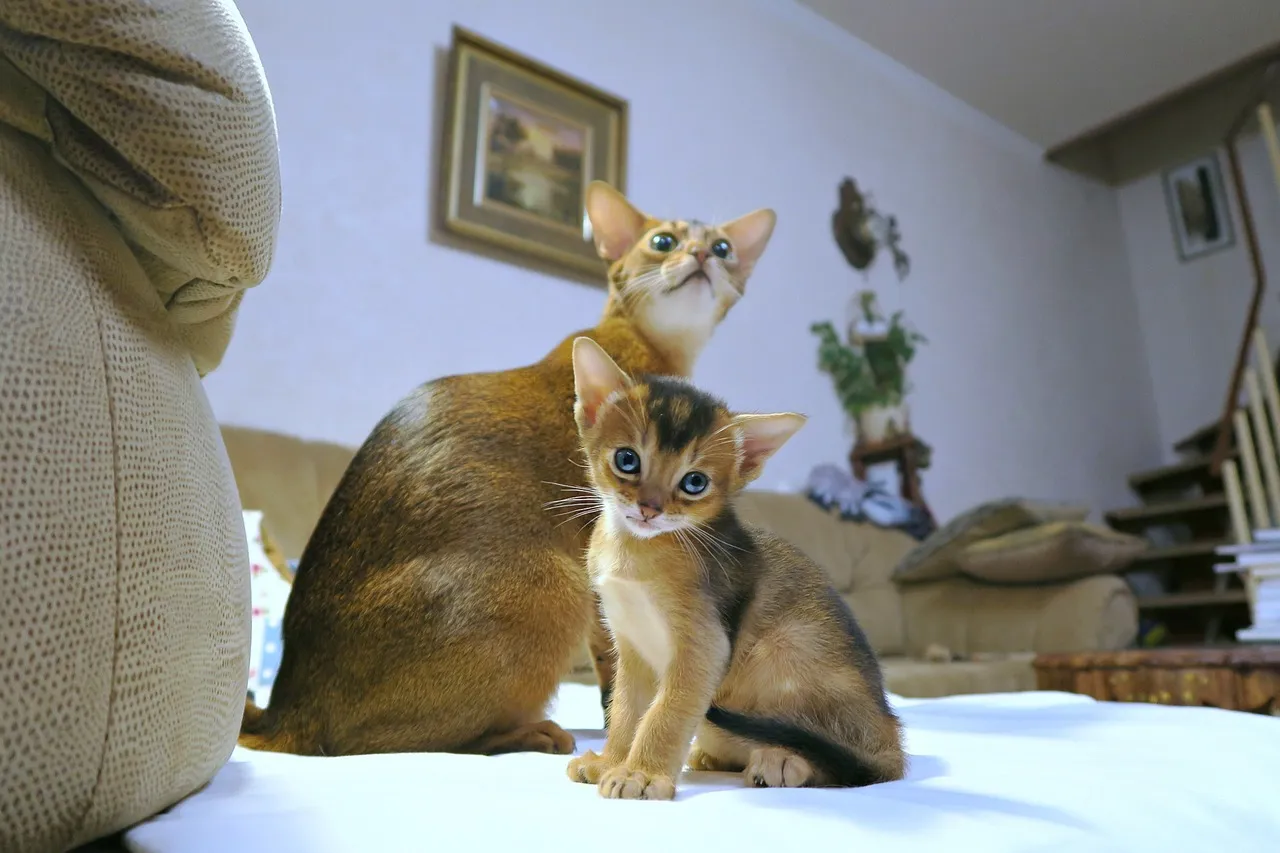
If there’s a cat that seems to run on the same kind of battery as many dogs, it’s the Abyssinian. They are famously active, inquisitive, and always in motion, jumping on shelves, investigating cupboards, and supervising every human task. That energy can pair surprisingly well with a playful dog that likes to move, as long as both animals have enough outlets and the play is supervised at first. Abyssinians are usually more interested in exploring their world than in defending a single spot, so they may be less territorial than some more sedentary breeds. They often enjoy interactive play and agility-type setups, which you can design in a way that allows both cat and dog to participate. The main thing to watch out for is overstimulation: an Aby and a high-energy dog can egg each other on, so you’ll need to step in and create downtime so that excitement doesn’t tip over into chaos.
British Shorthair: The Calm Traditionalist That Tolerates Quiet Dogs
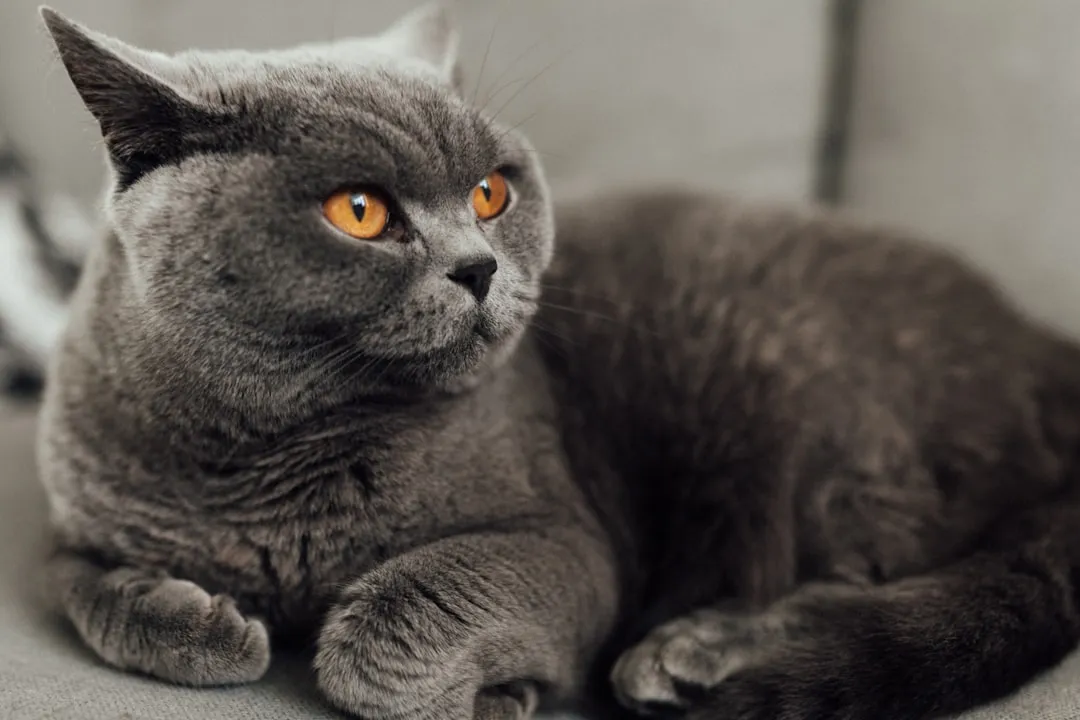
British Shorthairs are usually calm, steady, and not overly dramatic, which makes them surprisingly good candidates for homes with respectful, low-key dogs. They’re not typically lap-obsessed or clingy; instead, they like being nearby, observing, and enjoying predictable routines. That grounded temperament means they’re less likely to freak out at every bark or wag, as long as the dog isn’t constantly in their face. They also tend to be quite independent and value their personal space. If you set up clear zones, like cozy cat beds, window perches, and cat trees that are dog-free, many British Shorthairs will coexist peacefully. They may never become best friends with the dog, but in many homes they act like the unbothered roommate who shares the fridge but not the social life. For many people, that calm, neutral coexistence is exactly what they want.
Norwegian Forest Cat: The Robust Tree-Dweller With Dog-Level Confidence
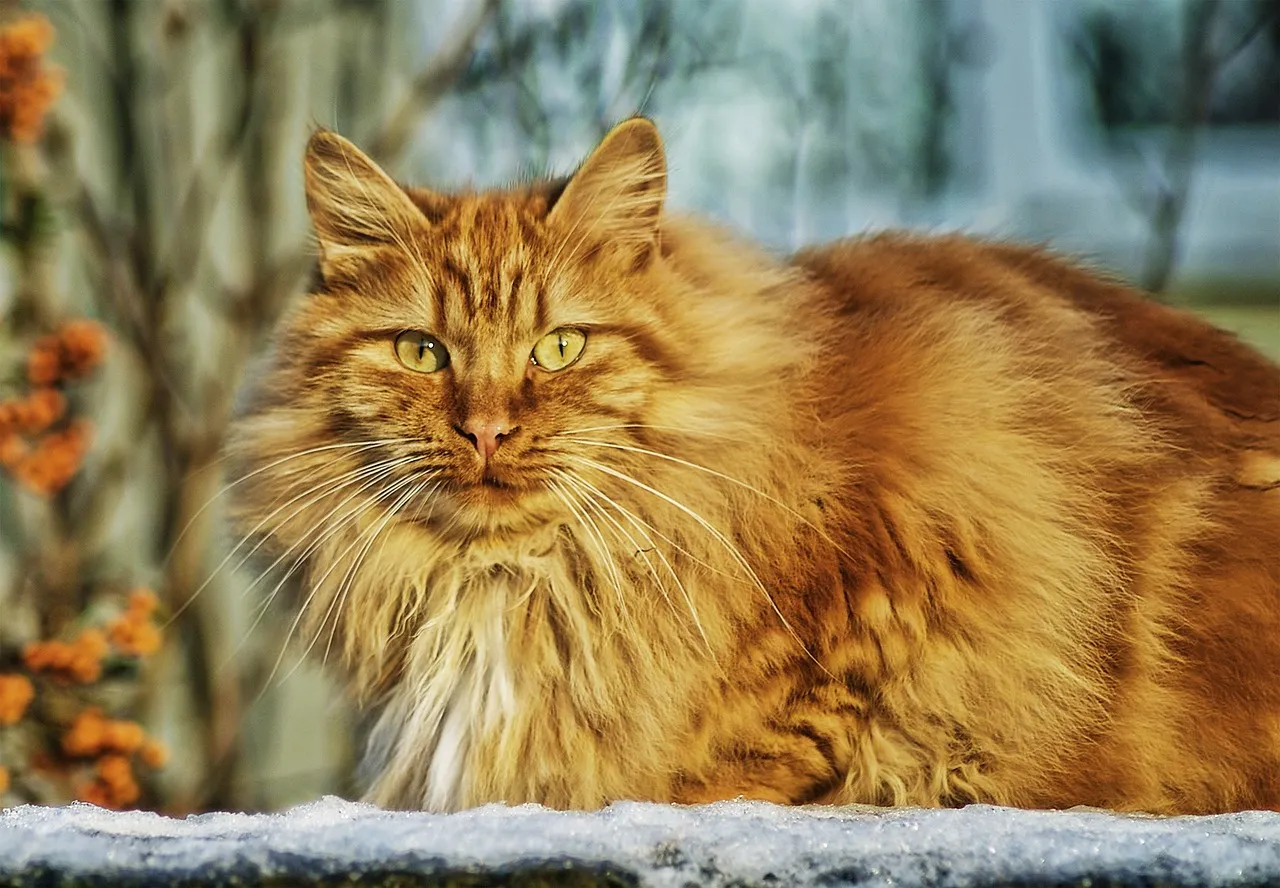
Norwegian Forest Cats have a sturdy build, thick coat, and a long history as outdoor and farm cats, which gives them a certain resilience. Instead of feeling fragile or threatened, many “Wegies” carry themselves with quiet confidence, and that really changes how they handle a barking, bouncing dog. A nervous cat may run; a confident Norwegian Forest Cat often just climbs higher, watches, and waits. They appreciate vertical territory more than most, so if you give them tall cat trees, shelves, and perches, they can coexist with dogs while literally living on a different level. Many are also sociable and curious, and they might approach a calm dog on their own terms once they feel safe. The combination of physical robustness, confidence, and love of climbing makes this breed particularly well-suited to lively mixed-pet households.
American Shorthair: The Easygoing All-Rounder of the Mixed-Pet Home
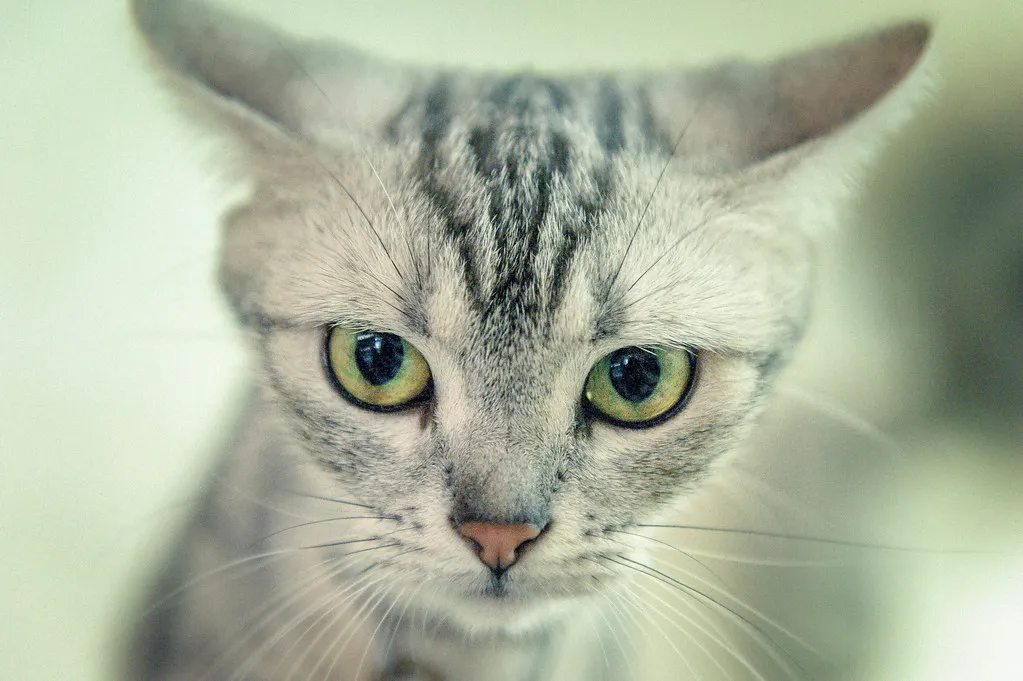
The American Shorthair is often described as adaptable and even-tempered, which is exactly what you want when you’re blending cats and dogs. They usually handle a variety of environments pretty well, from busy families to quieter apartments, and that flexibility often extends to living with other species. Many are playful without being hyper, friendly without being needy, and independent without being aloof. Because they are such a widely kept breed, you’ll find individuals across a spectrum, but overall their reputation is that of a solid, middle-of-the-road companion that tends not to be high drama. With a gentle introduction process, an American Shorthair can often learn to share space, resources, and even nap zones with a calm, respectful dog. If you want a breed that often just “rolls with it,” this one is frequently at the top of the list.
Bombay: The Confident Shadow Cat That Can Bond With a Dog
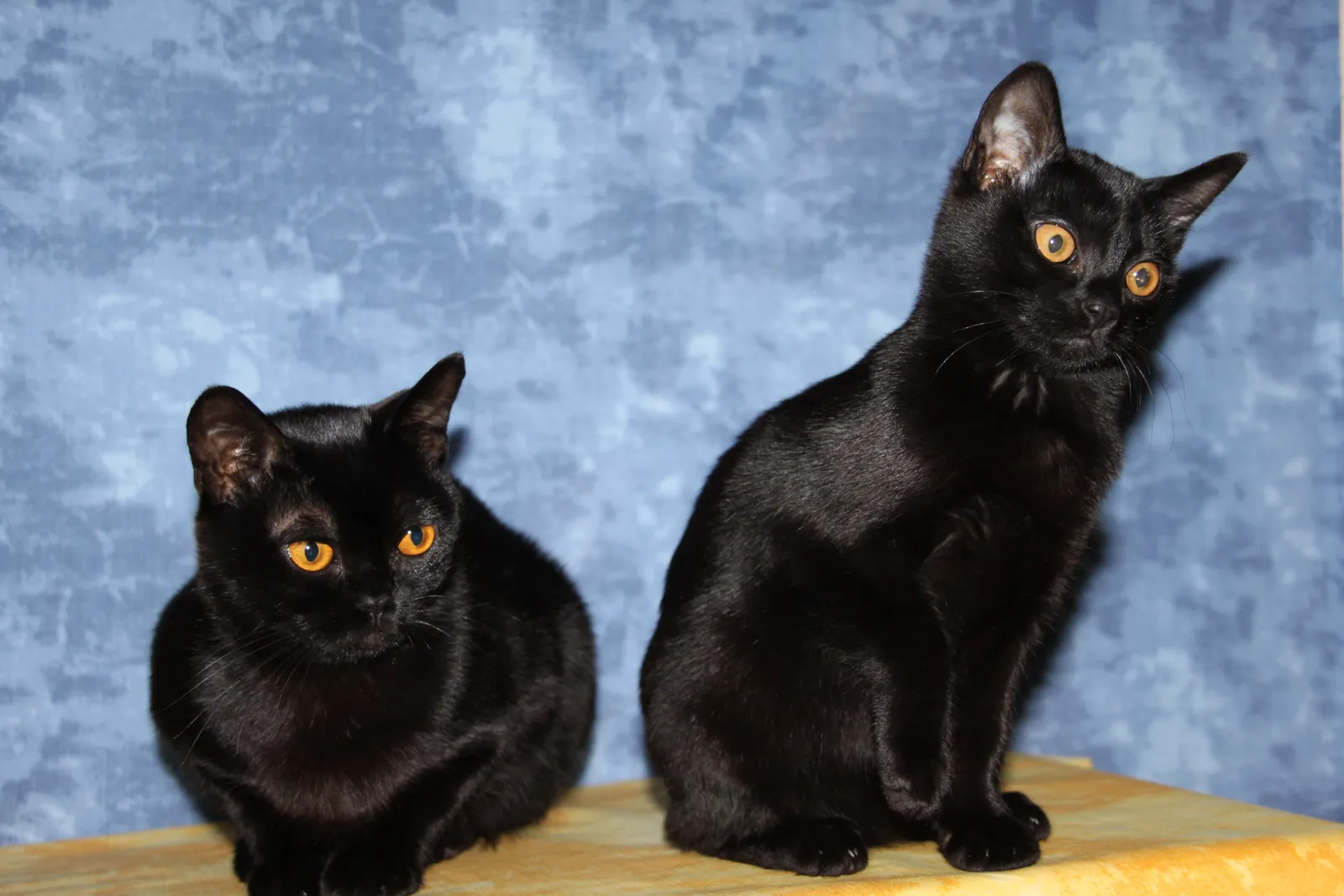
Bombays are sleek, people-oriented cats that often form close bonds with their humans and like to be involved in whatever is happening. Their confidence and social nature can help them tolerate, and sometimes even enjoy, living with a dog. Instead of hiding from movement and noise, many Bombays investigate it, which makes a big difference when you bring a dog into the picture. They can be playful and curious, and some will happily follow both you and the dog from room to room like a little shadow. Because they’re usually not shy about making their preferences known, a Bombay can actually help “train” a decent dog on boundaries with a well-timed swat or a firm stare. Still, it’s up to you to protect the cat from endless chasing or roughhousing; their tolerance is a gift, not an excuse to skip good management.
Sphynx: The Social Extrovert That Often Loves Any Company

Sphynx cats are well-known for being extremely social, affectionate, and people-focused, often wanting to be in the middle of the action at all times. That extroverted personality can make them surprisingly accepting of dogs, because they often crave companionship and warmth more than they care about species boundaries. Many Sphynx cats will happily share beds, blankets, and sunny spots with a gentle dog once trust is built. Because they lack a full coat, they tend to seek heat, and a dog’s body is basically a walking heated cushion from their perspective. They’re also highly interactive and usually enjoy play, so a compatible dog can become a built-in playmate and snuggle buddy. The one caution is that their boldness and lack of fear can make them vulnerable with rough or high-prey-drive dogs, so choosing the right canine partner and managing interactions is absolutely non-negotiable.
Conclusion: Breed Helps, But Your Choices Matter More Than You Think
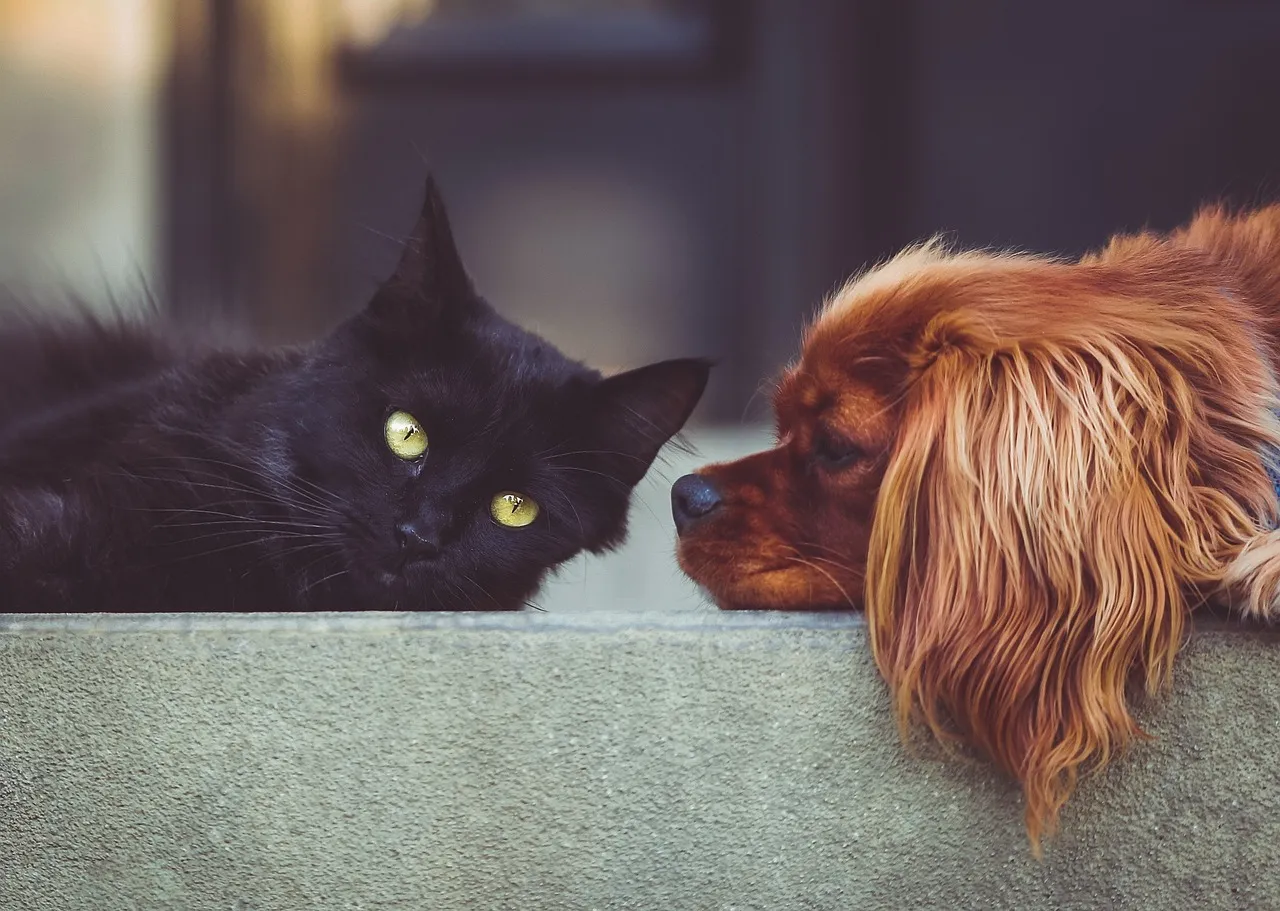
Looking at these breeds side by side, a pattern appears: cats that tolerate dogs well are usually confident, social, and not overly reactive. But here’s the uncomfortable truth a lot of people skip: even the “best” cat breed for dogs can be miserable if you rush introductions, ignore body language, or let a dog endlessly chase for entertainment. On the flip side, a so-called “difficult” breed can sometimes coexist beautifully with a calm, well-trained dog in a thoughtfully managed home. My honest opinion is that breed should be your guide, not your guarantee. Use lists like this to stack the odds in your favor, then do the real work: slow introductions, separate resources, vertical spaces, training the dog to respect the cat, and respecting the cat’s right to say no. In the end, peace between cats and dogs is less a matter of destiny and more a matter of design. Knowing that, how will you set up your home so both species can genuinely relax, instead of just barely tolerating each other?

- 10 Cat Breeds That Tolerate Dogs Surprisingly Well - August 14, 2026
- Which North American Flower Are You According to Your Zodiac Sign - August 14, 2026
- How to Attract Orioles to Your Garden - August 14, 2026