
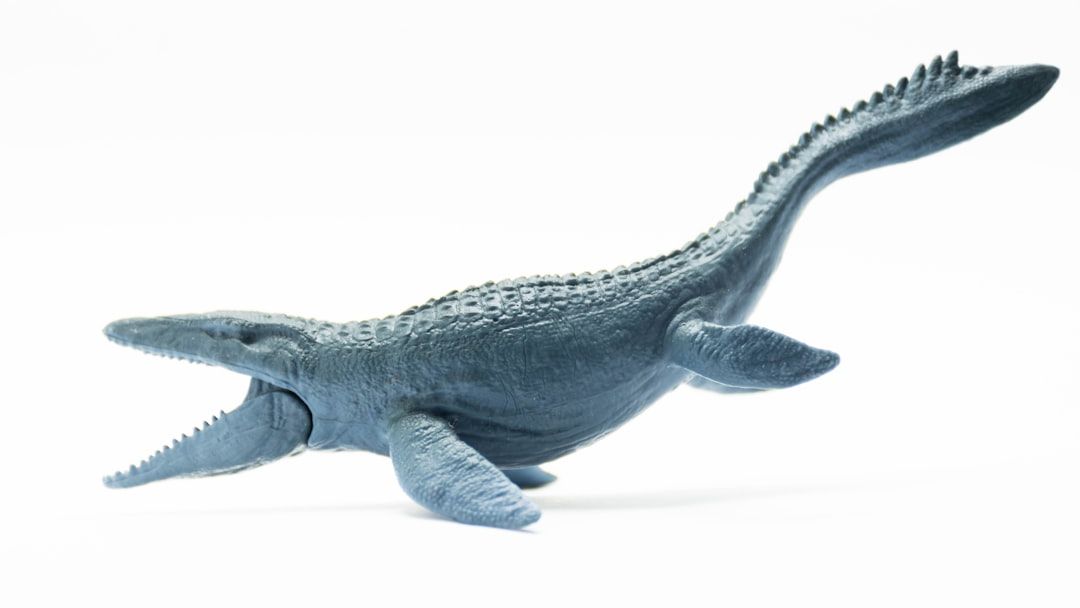
Picture the most terrifying creature you can imagine lurking beneath the waves. Now multiply that fear by ten. In the ancient Jurassic seas that once covered much of Europe, a true monster ruled the depths with unmatched ferocity. The Liopleurodon wasn’t just another marine reptile – it was nature’s perfect killing machine, engineered to dominate an ocean teeming with prehistoric giants.
This wasn’t your typical oversized sea snake or massive fish. We’re talking about an apex predator so formidable that even the fiercest dinosaurs would have trembled at the thought of venturing too close to the water’s edge. So let’s dive into the chilling world of this ancient leviathan and discover what made it one of the most fearsome creatures ever to grace our planet.
The Name That Strikes Fear Into Paleontologists’ Hearts
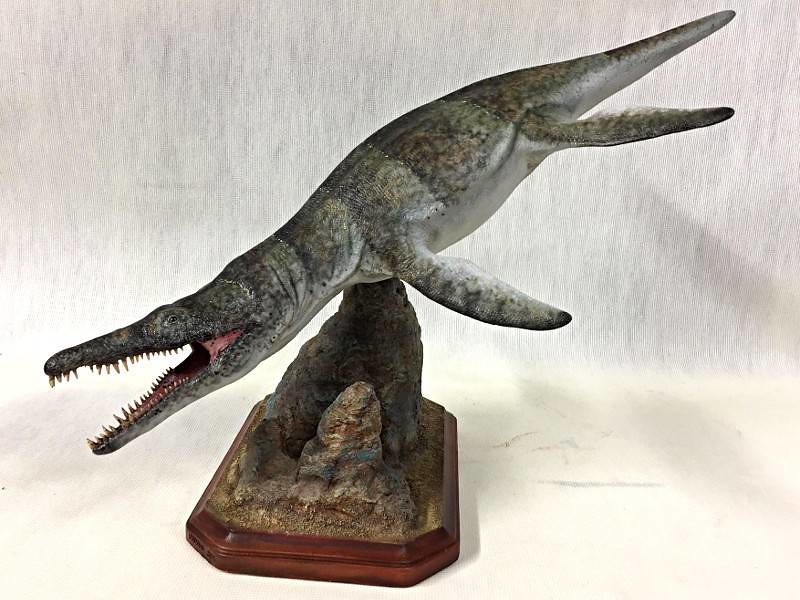
The very name Liopleurodon carries an ominous meaning that hints at its deadly nature. The name of this marine reptile means “smooth-sided teeth” in Greek, a seemingly innocent translation that masks the true horror behind these dental weapons.
Paleontologists assigned this name to the creature based on three smooth-sided teeth fossils recovered from a town in France in 1873. Each of the teeth was about three inches long, without any identifying characteristics. This is why scientists refer to it as smooth-sided.
A Monster of Truly Nightmarish Proportions
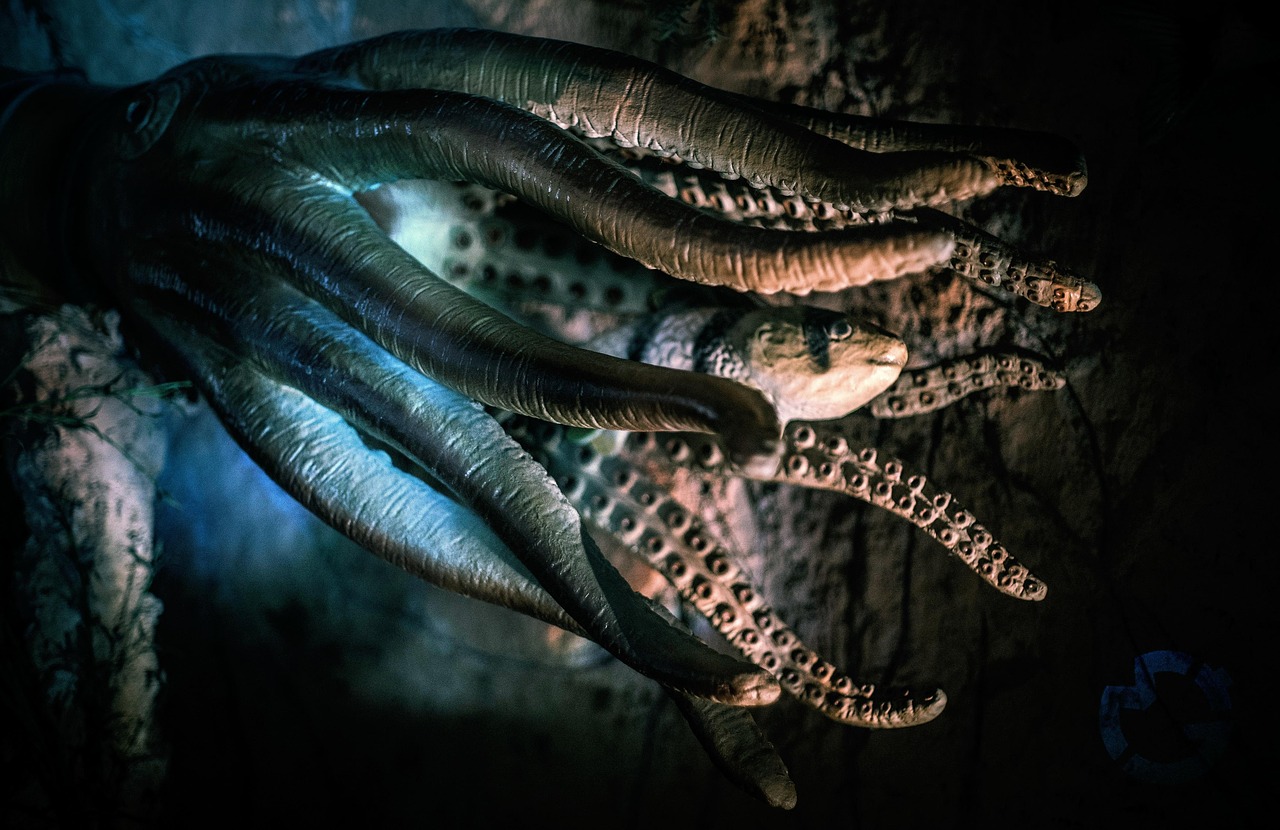
Forget everything you think you know about large marine animals. Based on this ratio, the length of the Liopleurodon has been estimated to be about 21-23 ft. However, most would have an average size of 16-23 ft. Even these “modest” estimates place it among the most massive predators ever to swim the Earth’s oceans.
The sheer bulk of this creature defies imagination. This massive sea beast has been measured to have been about 21-23 feet long. It weighed nearly 10 tons as a full-grown adult reptile. Imagine encountering something the size of a city bus with the hunting instincts of a great white shark, but infinitely more powerful.
Jaws of Destruction That Could Crush Metal
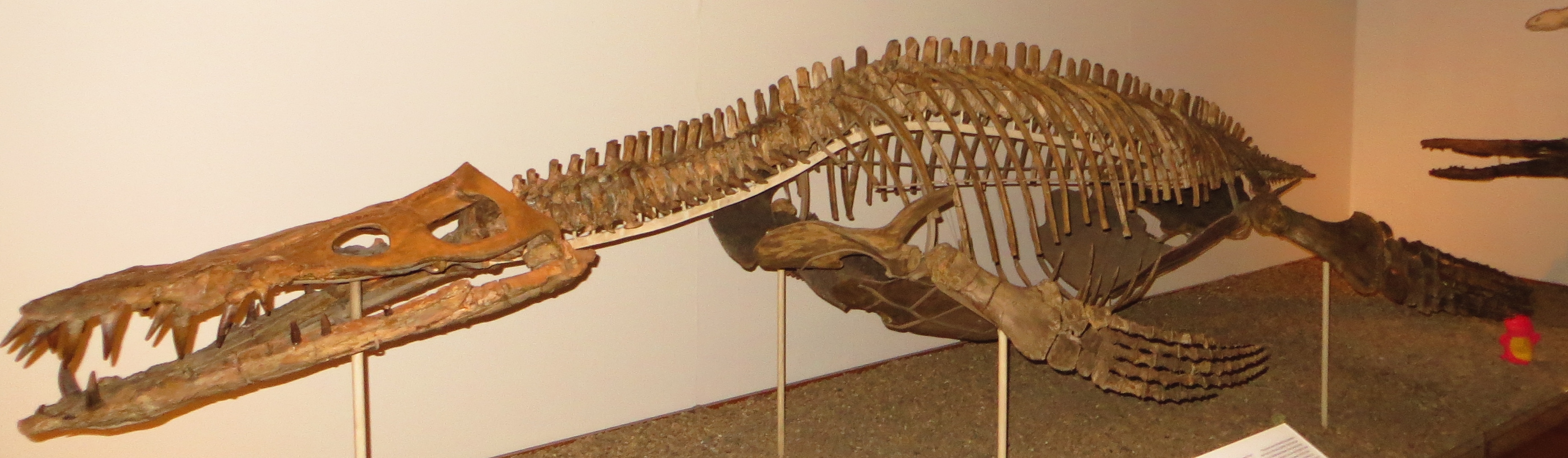
The business end of any predator is its mouth, and Liopleurodon’s jaws were nothing short of terrifying. Armed with teeth that could reach lengths of 8 inches, each one was perfectly designed for gripping and tearing flesh. These weren’t just oversized canine teeth – they were precision instruments of destruction, curved slightly backward to prevent prey from escaping once caught.
The crushing power of these jaws reaches almost mythical proportions. The bite force of Liopleurodon has been estimated at an absolutely crushing 33,000 pounds per square inch. When you have a bite capable of crushing metal, perhaps you don’t need to be that smart. To put this in perspective, this bite force could easily crumple a modern car like a tin can.
The Prehistoric Nightmare’s Hunting Grounds
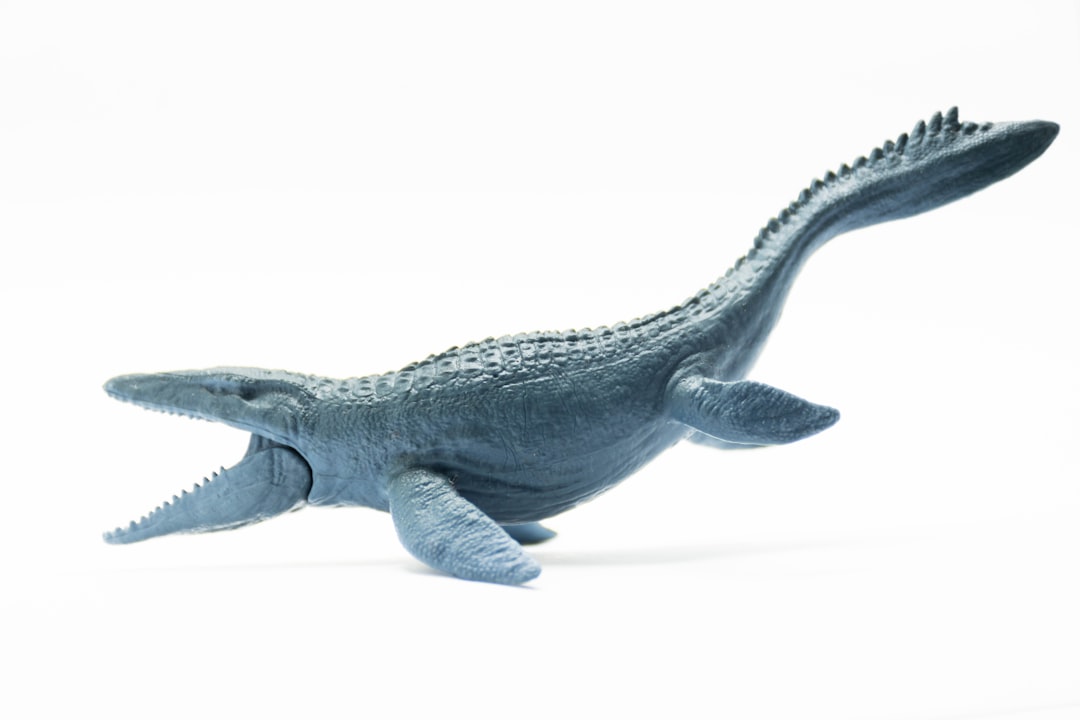
Liopleurodon was a predatory marine reptile that swam in the oceans that once covered Europe during the Jurassic Period 155 million years ago. These weren’t the crystal-clear tropical waters you might imagine from nature documentaries – they were murky, dangerous seas teeming with prehistoric monsters.
At the time, most of present-day western Europe was covered by a shallow body of water with a thriving population of plesiosaurs and pliosaurs. This environment created the perfect hunting grounds for an apex predator of Liopleurodon’s caliber, with abundant prey and ideal ambush locations.
A Killing Machine Built for Underwater Warfare
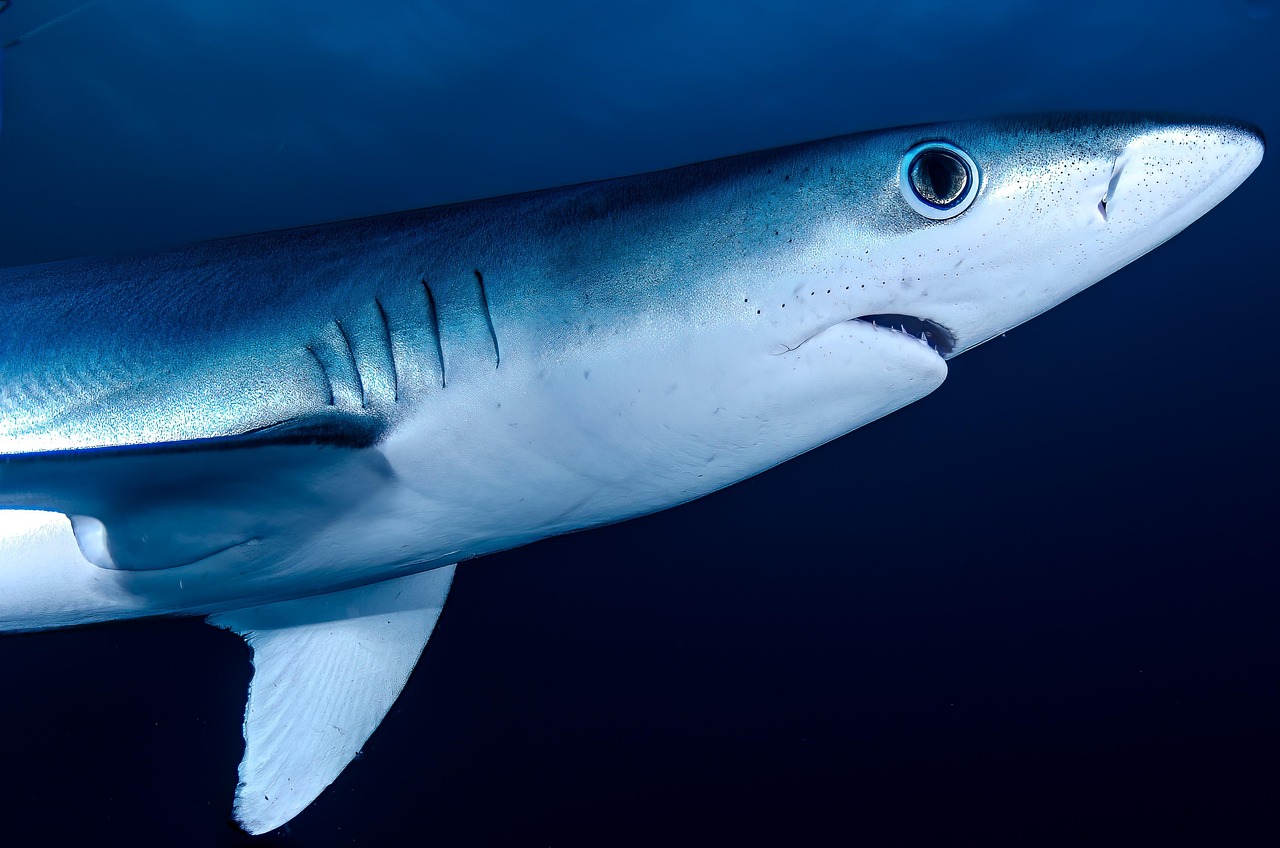
Evolution crafted Liopleurodon as the ultimate aquatic assassin. Four strong paddle-like limbs suggest that Liopleurodon was a powerful swimmer. Its four-flipper mode of propulsion is characteristic of all plesiosaurs. A study involving a swimming robot has demonstrated that although this form of propulsion is not especially efficient, it provides very good acceleration – a desirable trait in an ambush predator.
Picture a massive torpedo with flippers, capable of explosive bursts of speed that would leave its prey with no chance of escape. Liopleurodon probably used ambush tactics, lurking in deeper waters before launching surprise attacks on unsuspecting prey near the surface. Its powerful flippers would have allowed for devastating bursts of speed during these hunting strikes.
The Supernatural Sense That Made It an Unstoppable Hunter
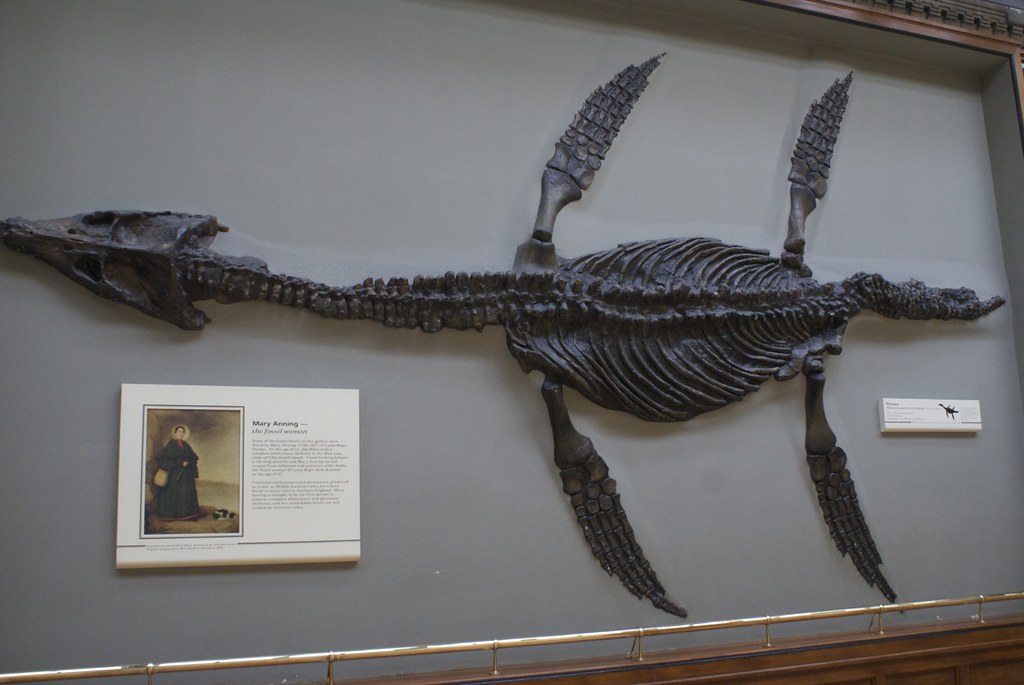
What made Liopleurodon truly terrifying wasn’t just its size or bite force – it was its supernatural ability to track prey. Studies of the skull have shown that it could probably scan the water with its nostrils to ascertain the source of certain smells. This wasn’t just a good sense of smell; it was an underwater radar system.
Paleontologists also think this creature was a well-adapted hunter because it had a great sense of smell. They came to this conclusion based on the arrangement of the Liopleurodon’s nostrils which suggests that they could smell prey even when it was still out of their visual range, just like sharks can do today. Imagine trying to hide from a predator that could literally taste your presence in the water from miles away.
A Menu of Terror From the Ancient Seas
The diet of Liopleurodon reads like a catalog of prehistoric nightmares. The Liopleurodon’s diet consisted of prehistoric marine reptiles like the Kimmerosaurus. It would have eaten fish, squids, and other smaller marine animals. However, “smaller” is a relative term when dealing with creatures that themselves measured dozens of feet in length.
Direct evidence of its predatory prowess comes from fossilized remains. A fragmentary specimen possibly belonging to a young individual, PETCM R.296, contained numerous hooklets of teuthoid cephalopods, fish bones and a single reptilian tooth in its stomach. This paints a picture of an opportunistic killer that would devour anything unfortunate enough to cross its path.
The Brutal Reality of Prehistoric Marine Combat
Life for Liopleurodon wasn’t all one-sided slaughter – these giants engaged in terrifying battles amongst themselves. Bite marks on Liopleurodon fossils indicate that these giants engaged in violent confrontations, possibly over territory or mating rights. Given their size and aggressive nature, such encounters would have been spectacular and brutal affairs.
These weren’t mere scuffles between marine reptiles. Given the massive size of the Liopleurodon, it’s doubtful if it would have had any natural enemies that were big enough to take it on except members of its own clade. Larger plesiosaurs most likely preyed on smaller ones quite frequently. The ancient seas witnessed battles between titans that would make any modern marine conflict look like a playground dispute.
The Air-Breathing Monster of the Deep
Perhaps one of the most unsettling aspects of Liopleurodon was its breathing pattern. Like many other marine reptiles of their time, Liopleurodon did not have a gill even though they lived entirely underwater. This means they had to break the surface once in a while to take a gulp of air like present-day marine mammals, such as whales.
Imagine the terror of ancient seas when this massive predator would suddenly surface for air, revealing its enormous bulk before disappearing back into the murky depths. Despite needing to breath air, Liopleurodon spent its entire life at sea and was unable to leave the water. It would surface to take a large gulp of air and then would lay low in wait of prey.
The End of an Era of Ocean Terror
Even the mightiest predators eventually face extinction, and Liopleurodon’s reign of terror came to an end during a period of intense marine competition. When the Cretaceous period began, about 145 million years ago, the progress of evolution and environmental changes and competition with other marine reptiles led to the extinction of the Liopleurodon species at the end of the Jurassic period, long before Mosasaurs would later evolve in the Cretaceous. They had existed from the Callovian Age to the Berriasian Age.
The extinction of this apex predator marked the end of one of the most fearsome chapters in Earth’s marine history. Yet even in death, Liopleurodon continues to inspire both fascination and terror, reminding us that our planet once harbored creatures that seem too monstrous to be real.
Conclusion
The Liopleurodon stands as a testament to nature’s ability to create the ultimate predator. From its bone-crushing jaws to its supernatural hunting abilities, this prehistoric leviathan redefined what it meant to be an apex predator in the ancient seas. Though millions of years have passed since the last Liopleurodon ruled the waves, its legacy continues to remind us of a time when truly titanic monsters called Earth’s oceans home.
What fascinates you most about this ancient ocean terror? Share your thoughts about which aspect of Liopleurodon’s predatory arsenal would have been most terrifying to encounter.

- 10 Ancient Ruins Hidden Deep Inside Dangerous Landscapes - August 12, 2026
- 15 Dog Breeds That Are Surprisingly Good with Cats (and 5 to Avoid) - August 12, 2026
- Why Some Dog Breeds Form Unbreakable Bonds with Their Human Families - August 12, 2026