

Dogs have lived alongside humans for tens of thousands of years, yet we still misread them constantly. We assume a wagging tail means pure happiness. We think a dog rolling in something disgusting is just being gross. We chalk up every bark to general noise-making. Honestly, our dogs have a lot more to say than most of us realize, and we’re just not fluent in the language yet.
The truth is, your dog is communicating with you every single day, through body language, sounds, and instinctual rituals that go back further than you can imagine. Some of these behaviors are rooted in ancient wolf ancestry. Others are a direct reflection of their emotional state right now, in this moment. Get ready to see your four-legged companion in a completely new light.
1. Tail Wagging: It’s Way More Complicated Than “Happy Dog”
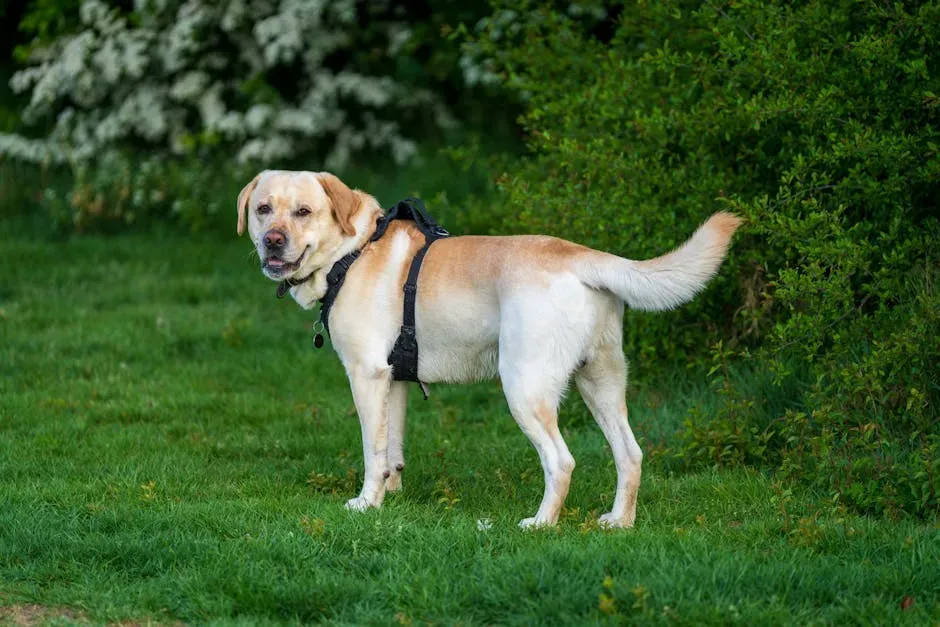
Most people assume a wagging tail equals a happy dog. That’s one of the most common misconceptions in the world of dog behavior. All a wagging tail actually means is that the dog is emotionally aroused. It could be excitement, but it could just as easily be frustration or something worse.
To truly interpret your dog’s emotions and intentions, you need to look at the speed and direction of the wag, as well as the position of the tail. Basically, the faster the wag, the more aroused the dog. Think of it like a volume dial, not an on-off switch.
Positive feelings within a dog are generally associated with the right side. If a dog is about to receive a treat, their tail will likely move with a bias towards its right. Negative feelings, on the other hand, are typically connected with a bias towards its left side. If a dog is being approached by another dog and feels threatened, the dog’s tail will usually move more to its left.
A tail lowered and between the legs could indicate fear, anxiety, or submission. A slow wag could mean that a dog is unsure and feeling insecure about a situation. So next time you see that tail moving, look at the whole picture, not just the motion itself.
2. The Head Tilt: Curiosity, Focus, or Both?
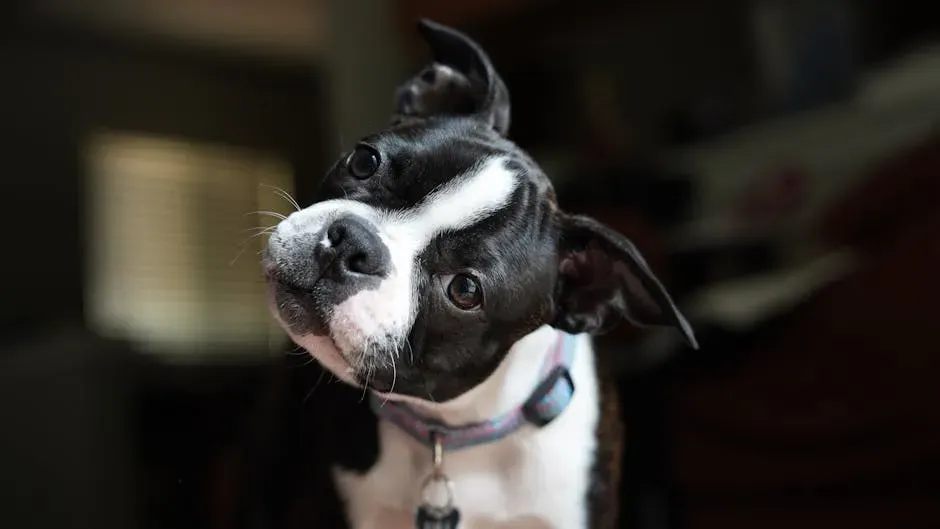
Few things melt a human heart faster than a dog’s head tilt. It’s practically irresistible. That adorable head tilt your dog does when you speak to them is not just for show. Dogs tilt their heads to understand better and focus on the sounds they hear, displaying a mixture of curiosity and attention.
They’re trying to identify what a sound is and where it’s coming from. When the dog tilts their head, sound reaches each ear at different times. A head tilt can also mean the dog is trying to tell the difference between familiar phrases like “Go for a ride” and “Go for a walk.”
A dog tilts his head if he’s uncertain about something he’s really interested in. He may also show this behavior when waiting for more information, especially from a trainer, or he may tilt his head to listen to a sound. It’s essentially your dog’s version of leaning in during an important conversation. Adorable? Yes. But also genuinely functional.
3. Barking: A Language With Many Dialects
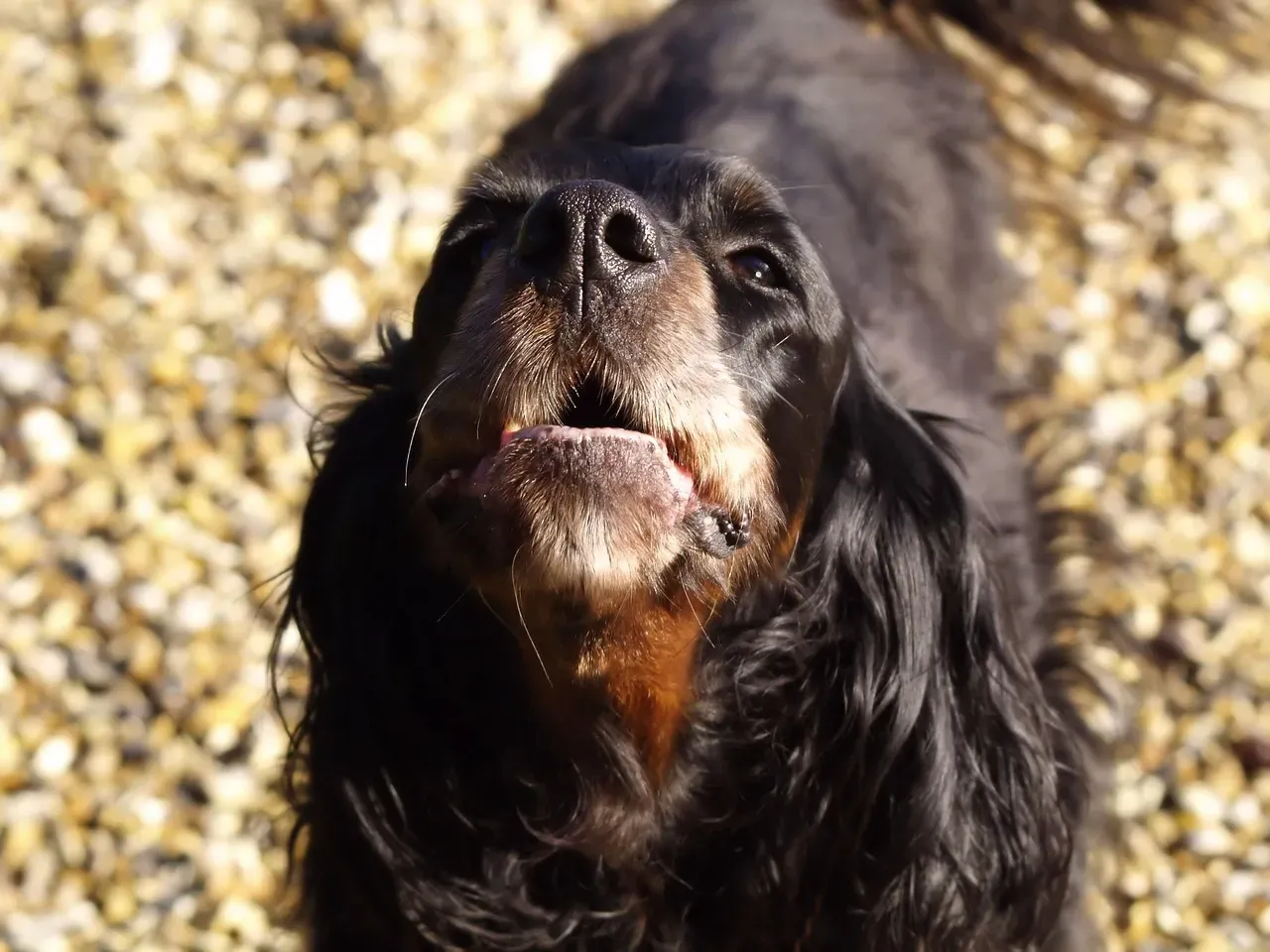
Dogs bark for various reasons, including communication, alerting their owners to potential threats, or expressing excitement. Understanding the context and pitch of the bark can help decipher what your dog is trying to convey. Think of it like reading tone of voice in a text message. Context is everything.
Dogs bark loudly and rapidly to express fear or anxiety, or it is a warning against potential intruders. A short bark means they are friendly and want to play. If they produce a sharp yelp, it’s a signal they are seeking help.
Many dogs are bred to bark. Think of working dogs like livestock herding dogs or guard animals. Barking can be friendly or unfriendly. It may mean your pup is excited and playful or alerting you that something’s wrong. The next time your dog erupts into a barking session, take a beat and actually listen to what kind of bark it is.
4. Licking: Affection, Communication, or a Stress Signal?
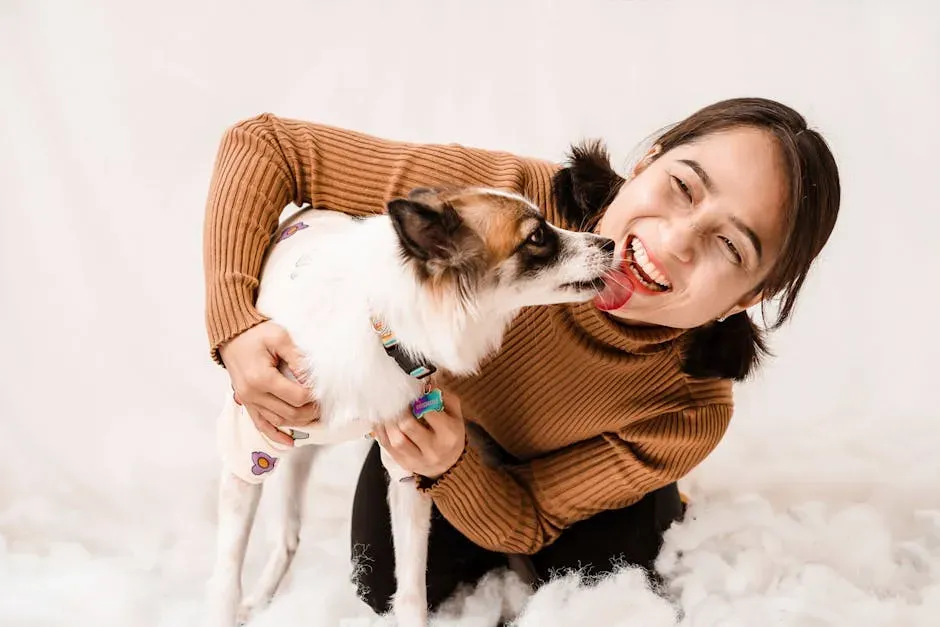
Your dog licking your face feels like a kiss. Sweet, right? It mostly is. Dogs lick for various reasons, including showing affection, grooming themselves, and as a calming mechanism. So yes, it can absolutely mean “I love you.”
Licking is a typical display of affection for humans and serves as a means of communication among dogs. Understanding the context and the areas your dog licks can provide insights into their emotions and needs. A dog licking their own paws obsessively, for example, tells a very different story.
Over-licking can indicate discomfort or stress, like if your dog is licking their paws raw. If that’s the case, consider providing an alternative for your dog to engage with. See if they stop when the obstacle is removed. I think of excessive licking as your dog’s way of biting their nails. A sign that something is off on the inside.
5. The Zoomies: Pure Joy, or a Cry for More Exercise?
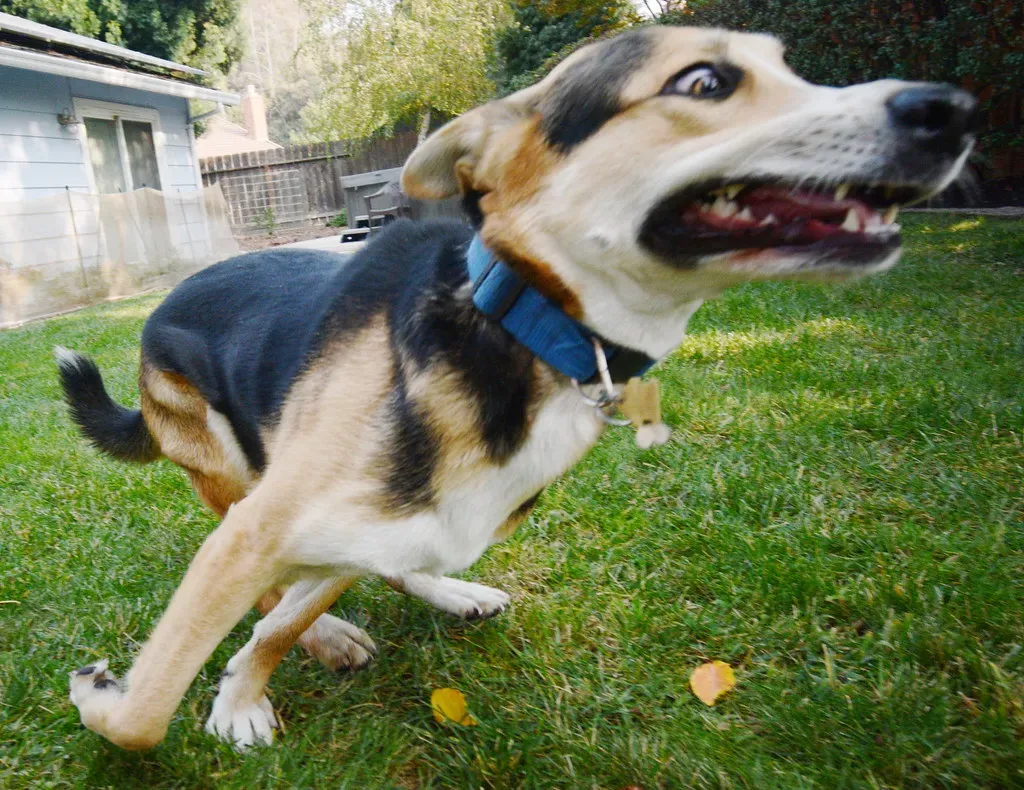
If you’ve ever watched your dog suddenly sprint in wild circles around the house for no apparent reason, you’ve witnessed what are officially called Frenetic Random Activity Periods, or FRAPs. It’s one of the most entertaining dog behaviors in existence.
Those sudden bursts of energy, often called “zoomies,” are a way for dogs to release pent-up energy and express their playful nature. It’s a normal and entertaining behavior that showcases your dog’s vitality. Think of it as the canine equivalent of a kid coming home from school and immediately sprinting to the backyard.
The zoomies appear to be a way to release pent-up energy, or perhaps to alleviate stress. A dog who has been home alone all day with nothing to do may feel the need to zoom around the house or yard to expend some of that energy and get some relief from hours of under-stimulation.
If your dog exhibits zoomies frequently or at inopportune times, they may be telling you that they need more exercise and mental stimulation. So while zoomies are usually delightful, they’re also a useful data point about your dog’s daily needs.
6. Rolling in the Grass (and Worse): Ancient Instinct at Work
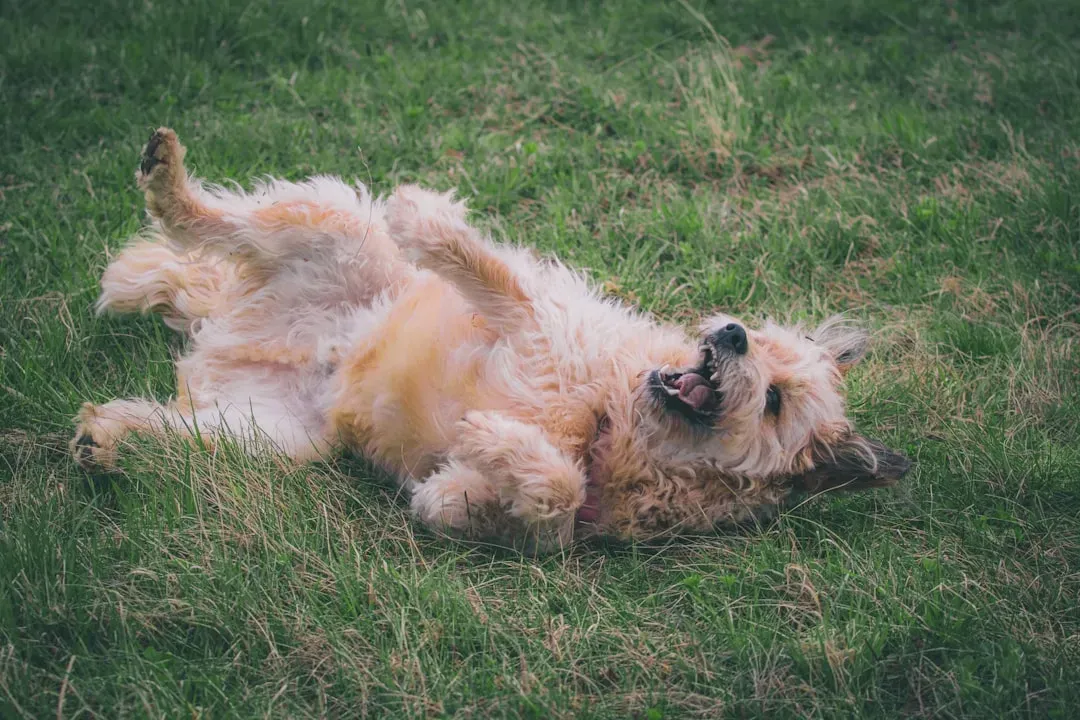
Here’s one that mystifies nearly every dog owner. Your freshly bathed, gloriously clean dog runs outside and immediately nose-dives into the smelliest patch of grass they can find. Why? Let’s be real, it can feel deeply personal.
The most commonly held theory as to why dogs love to roll in grass is to cover themselves with another animal’s scent as a means of disguise. Domestic dogs used to be wolves long before they were pampered pooches. However, they still hold this predatory instinct as a means of disguising themselves to hunt.
Dogs may roll in the grass in order to mask their natural scent with either the scent of the grass or that of another animal whose scent was present where the dog is rolling. This behavior would have assisted in hunting as the dog could then potentially get closer to their prey.
Dogs will often roll in grass because they don’t like how they smell following a bath or having been to the groomers. Essentially, your dog isn’t insulting your taste in dog shampoo. They’re just reclaiming their scent identity. It’s ancient, it’s instinctual, and honestly, it’s pretty fascinating.
7. Yawning: Not Just Tiredness
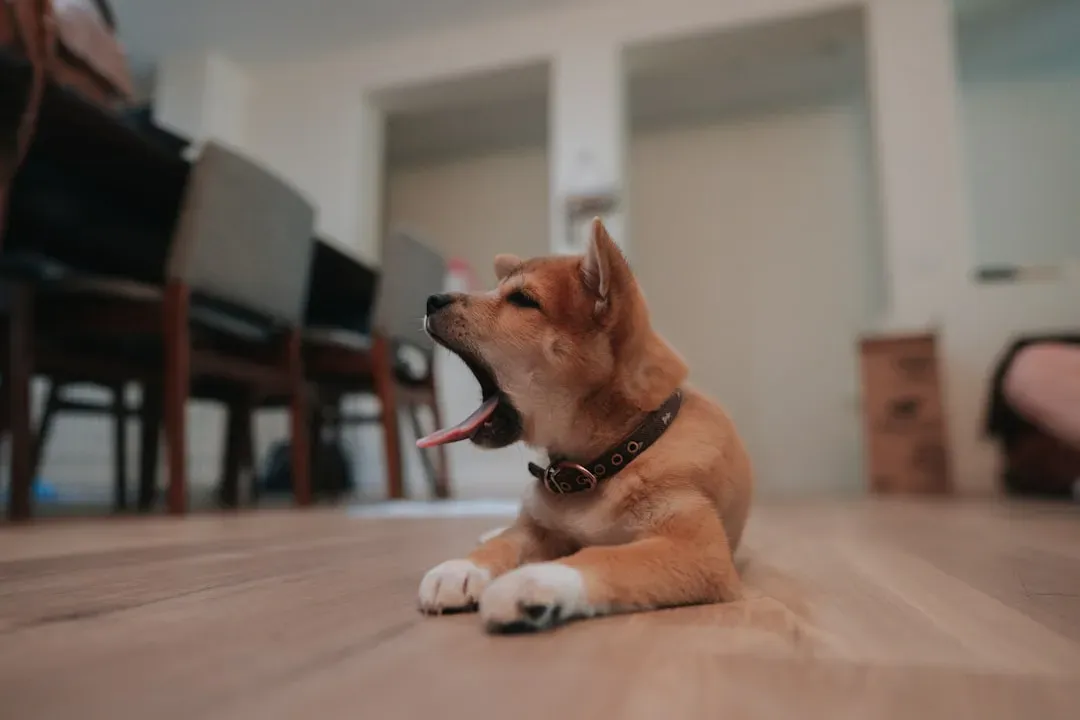
You’d be forgiven for thinking your dog yawning means they’re sleepy. It seems obvious, doesn’t it? The reality, though, is surprisingly different. People yawn when they’re tired or bored, but dogs yawn when they’re stressed. Dogs use yawning to calm themselves in tense situations and to calm others, including their owners.
Although yawning can indicate fatigue, it can also be a sign of stress, especially if they’re in an unfamiliar setting. So if your dog yawns at the vet’s office, that’s not boredom. That’s your dog actively trying to self-soothe.
Some experts suggest yawning at your dog can provide comfort during stressful moments, such as a vet visit. Don’t be surprised if your dog yawns back. Just as yawning is contagious in people, dogs can “catch” yawns too. It’s a tiny, quiet form of empathy shared between species, and I find that genuinely moving.
8. Sniffing Everything (Including Other Dogs): Their Version of Social Media
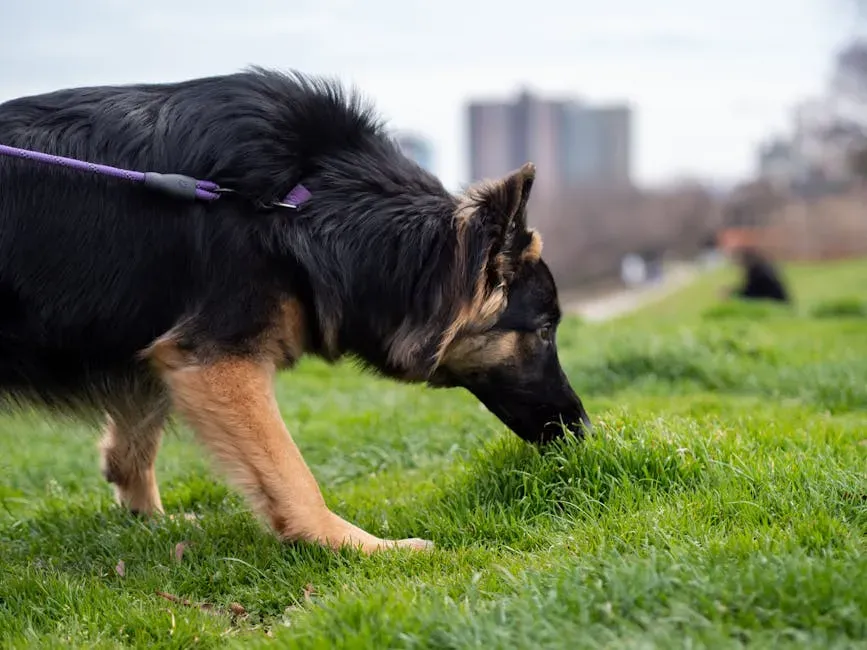
To a dog, their nose is everything. It’s hard to overstate just how powerful a dog’s sense of smell really is. While we navigate the world mostly through sight, dogs are reading a constant stream of scent-based information all around them.
Sniffing other dogs’ butts is a common way for dogs to gather information about each other through scent. Every dog has a unique smell, and by sniffing another dog’s rear end, they can determine if they have met before. Dogs have a significantly higher ability to smell than humans, thanks to a greater number of scent receptors in their noses.
Smell is your dog’s primary sense. A good sniffer is a dog’s best pair of eyes. If your dog is curious and poking around with their nose, it’s normal. Sometimes it can get up close and personal with other dogs or even people. It’s the dog equivalent of scrolling through someone’s profile before deciding if you want to be friends. Just significantly less subtle.
9. Pawing at You: The Gentle Demand for Attention
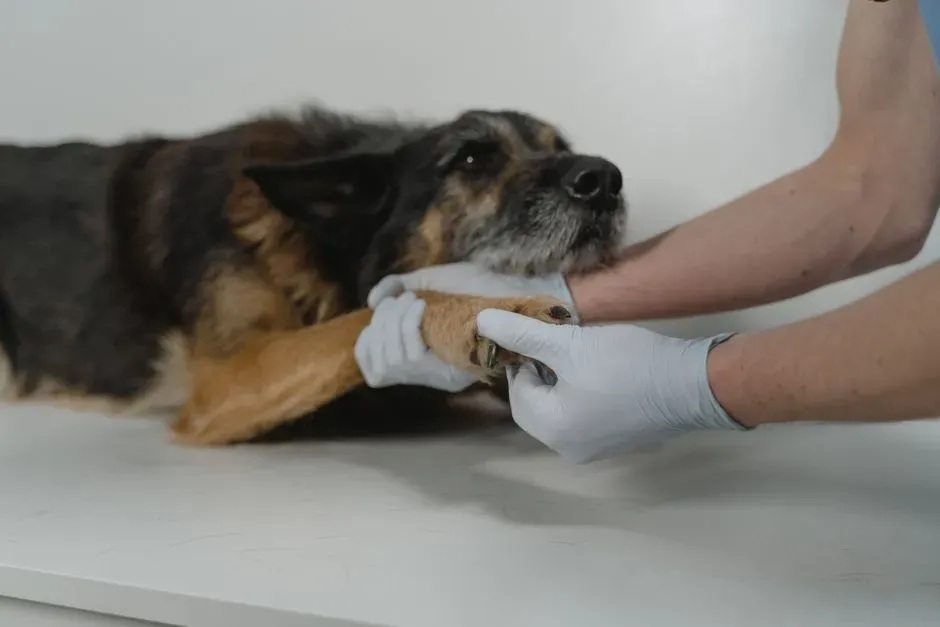
Your dog places a paw on your leg while you’re watching TV. Adorable? Absolutely. Whether it’s a gentle tap or an insistent pawing, dogs often use their paws to communicate and seek attention. It’s one of the more direct forms of canine communication, and it usually works on us humans without fail.
If your canine friend raises his paws, he’s asking for something or wants to play. This behavior is common with younger dogs. Older dogs tend to refine this into a more deliberate, pointed gesture, almost like a tap on the shoulder from a colleague who needs to talk to you.
A less easily understood version is the paw raise. In pointing breeds like the English Setter, the paw raise is part of pointing behavior, where the dog indicates nearby prey. Outside of this context, a raised paw often indicates that a dog is uncertain about a situation or perhaps feels a bit insecure. So context, as always, is everything with dogs.
10. Hiding or Seeking a Quiet Space: A Need for Comfort, Not Punishment
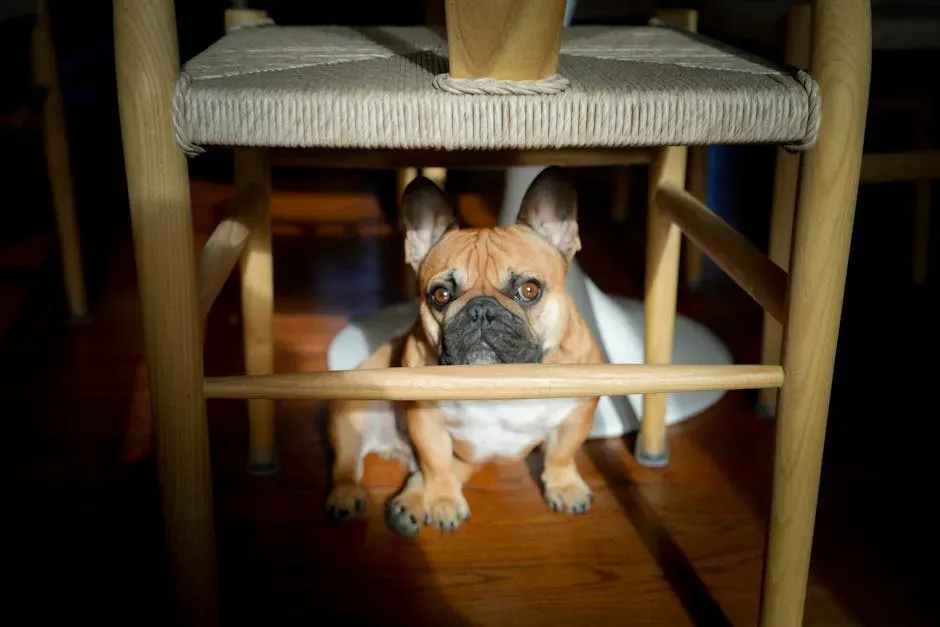
Some dogs retreat under the bed, behind the sofa, or into a dark corner during thunderstorms or after a stressful event. It can look concerning. When a dog hides, it may indicate fear, discomfort, or a desire for a quiet and secure space. Paying attention to the triggers and providing reassurance can help your dog feel safe and secure.
Your dog needs to be able to avoid things that scare them. They need constant access to a safe hiding place where they can escape when they feel afraid. Think of it like how some people need a walk alone to decompress. Your dog’s hiding spot is their version of that.
Dogs are more likely to behave badly if they’re scared or suffering. Being consistent in the way you, your family, and your friends react to your dog matters enormously. Never punish a dog for hiding. That quiet retreat is their coping mechanism, and respecting it builds deep trust between you and your pet.
Conclusion: Your Dog Has Been Talking. Time to Start Listening.
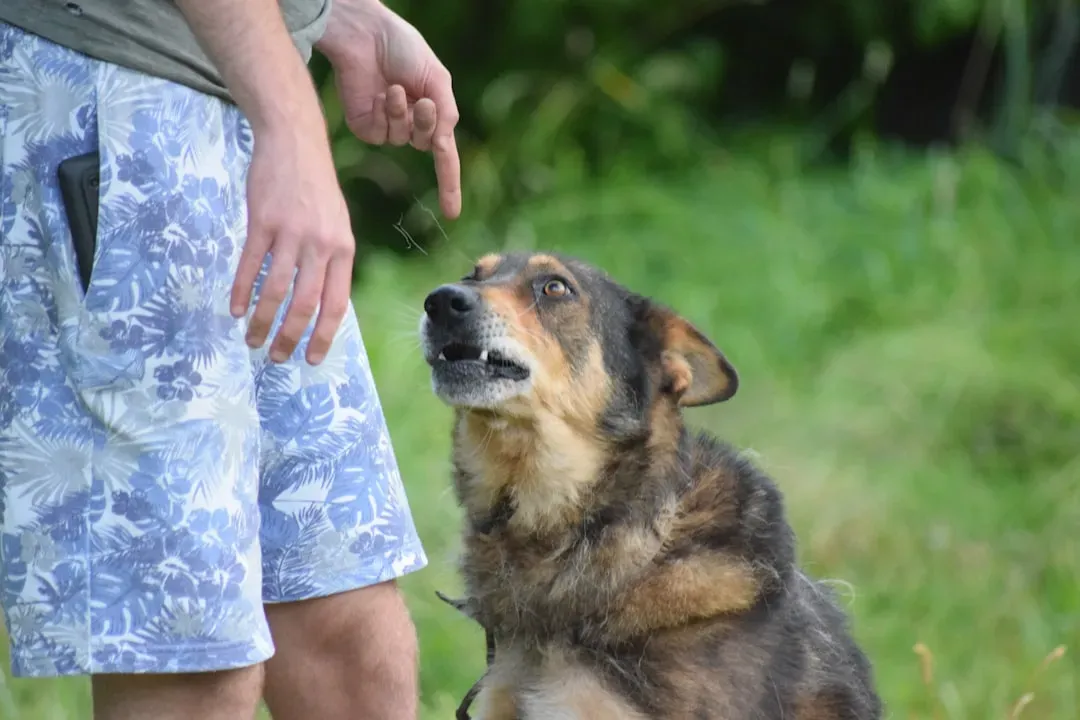
Dogs are endlessly communicative creatures. The more you understand their behaviors, the more you realize they have never been a mystery at all. They have simply been speaking a language we haven’t always taken the time to learn.
Every tail wag, every yawn, every rolling-in-something-awful moment is a window into your dog’s inner world. Paying attention to these signals doesn’t just make you a better pet owner. It makes you a better companion to an animal that has spent thousands of years evolving specifically to connect with us.
The relationship between humans and dogs is one of the most remarkable interspecies bonds in history. Dog behavior has been shaped by millennia of contact with humans and adaptation to human lifestyles. As a result of this physical and social evolution, dogs have acquired the ability to understand and communicate with humans. The least we can do is pay attention when they do.
Which of these behaviors surprised you the most? Drop it in the comments – there’s a good chance your dog has a story worth telling.
