

Picture this: you’re out in your garden, spotting what looks like a creepy intruder munching on your prized tomatoes. Instinct screams to grab the spray bottle. Yet hold on, because many of those so-called pests turn out to be unsung heroes keeping real threats at bay.
These misunderstood critters devour aphids, caterpillars, and worse, all while improving your soil or pollinating blooms. Let’s uncover the top ten that deserve a stay of execution. You might just rethink your next patrol.
1. Spiders: Web-Weaving Pest Patrol
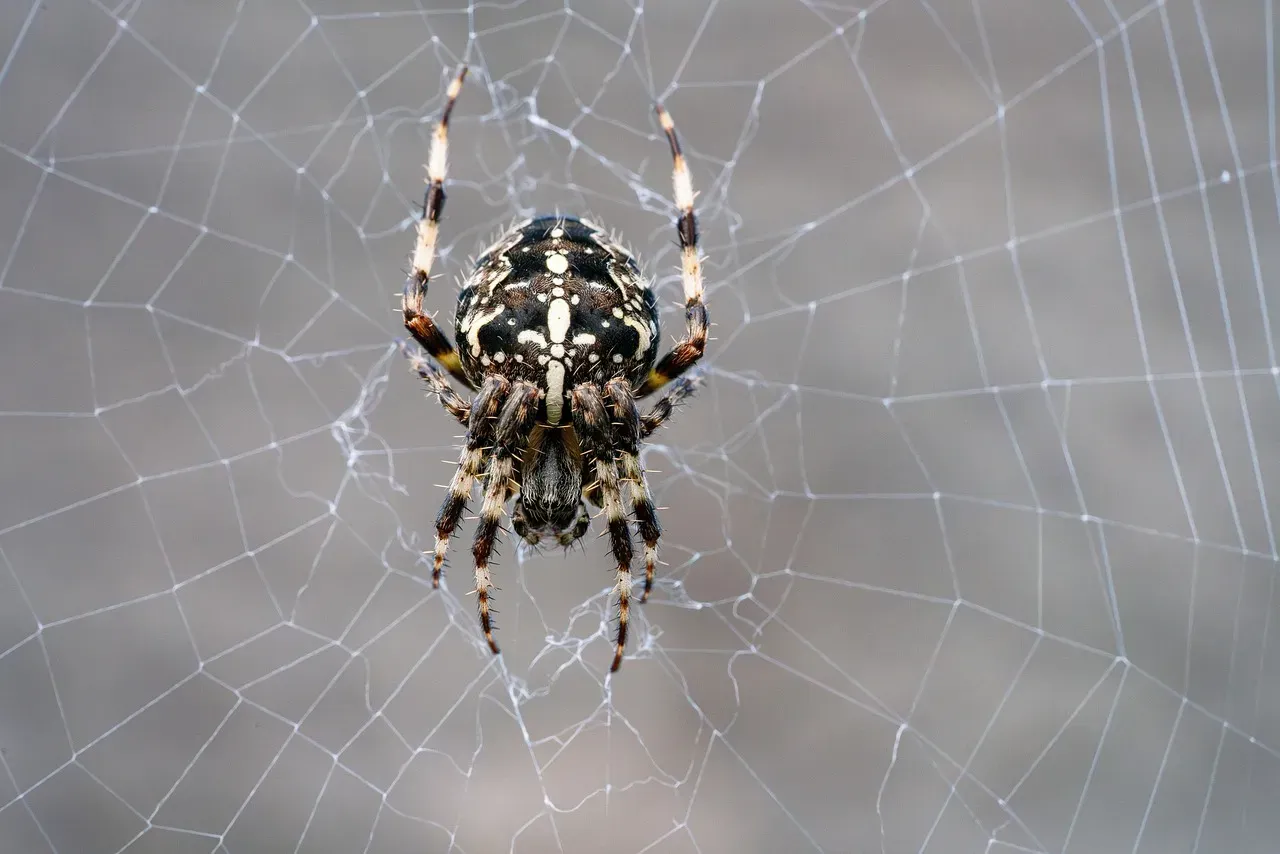
Spiders terrify many gardeners with their silky traps everywhere.[1][2] Truth is, they snag flies, beetles, and caterpillars drawn to your plants. Wolf spiders and jumping spiders hunt actively on the ground, devouring pill bugs and flea beetles without mercy.
Honestly, their webs act like free pest detectors. Remove them sparingly, as spiders eat far more bad guys than good. One garden can host dozens, quietly balancing the ecosystem overnight.
2. Earwigs: Nighttime Aphid Hunters
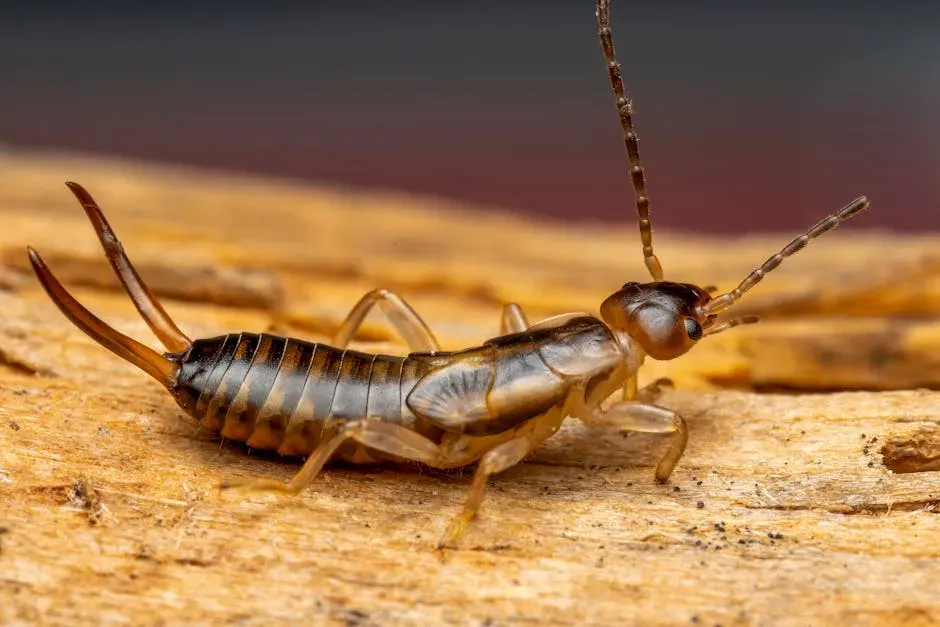
Those pincers make earwigs look villainous, especially curled in your lettuce.[3] They mostly feast on aphids, mites, and decaying matter at night. Gardeners often blame them for plant damage, but that’s usually slugs or drought.
Leave mulch piles for hiding spots. These omnivores control soft-bodied pests better than you think. I once ignored a cluster, and my aphid problem vanished weeks later.
They even munch insect eggs, preventing outbreaks. Pretty handy for organic setups.
3. Ground Beetles: Soil-Level Slug Slayers
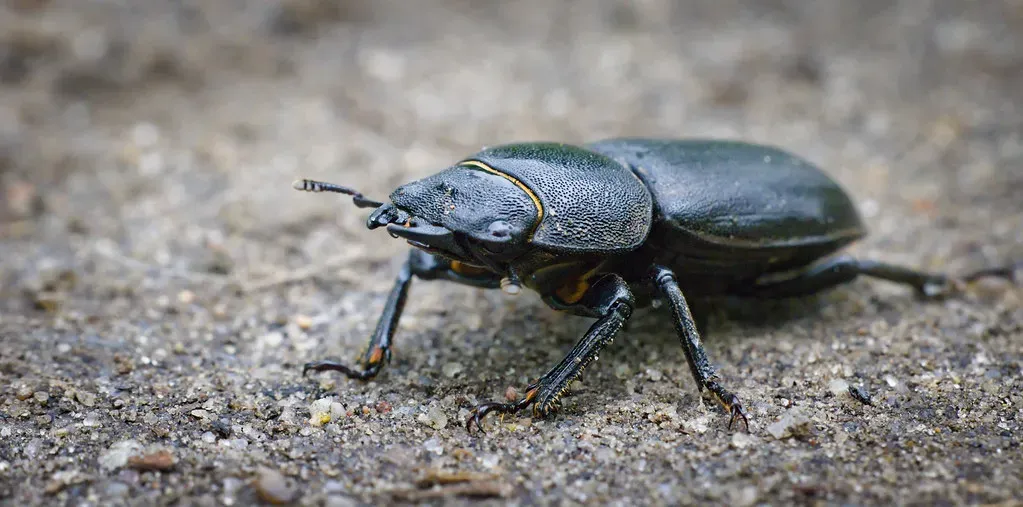
Shiny black beetles scurrying under pots scream intruder.[1] Adults and larvae tackle slugs, cutworms, root maggots, and caterpillars underground. Fast runners, they patrol soil like tiny tanks.
Provide rocks or logs for cover to boost numbers. They devour weed seeds too, a bonus for tidy beds. Without them, slug invasions would overwhelm veggies.
Dark with metallic sheen, they blend in harmlessly. Your garden thrives when they roam free.
4. Assassin Bugs: Stealthy Stinger Imposters
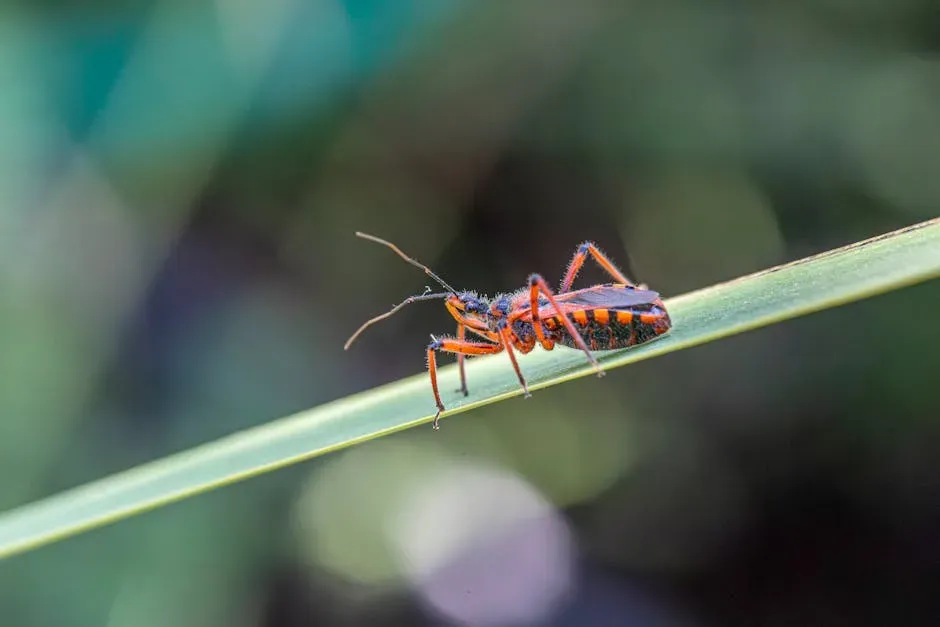
These lanky bugs mimic squash pests with their beaks.[1] They pierce beetles, caterpillars, and aphids, sucking them dry. Nymphs cluster visibly on prey, a gruesome but effective show.
Strong front legs grab victims mid-air. They camouflage too, fooling both pests and gardeners. Bit of a pinch if handled, so observe from afar.
Minute pirate cousins join the fray on thrips and mites.[4] Essential for beetle-heavy gardens.
5. Hoverflies: Wasp Lookalikes with Killer Kids
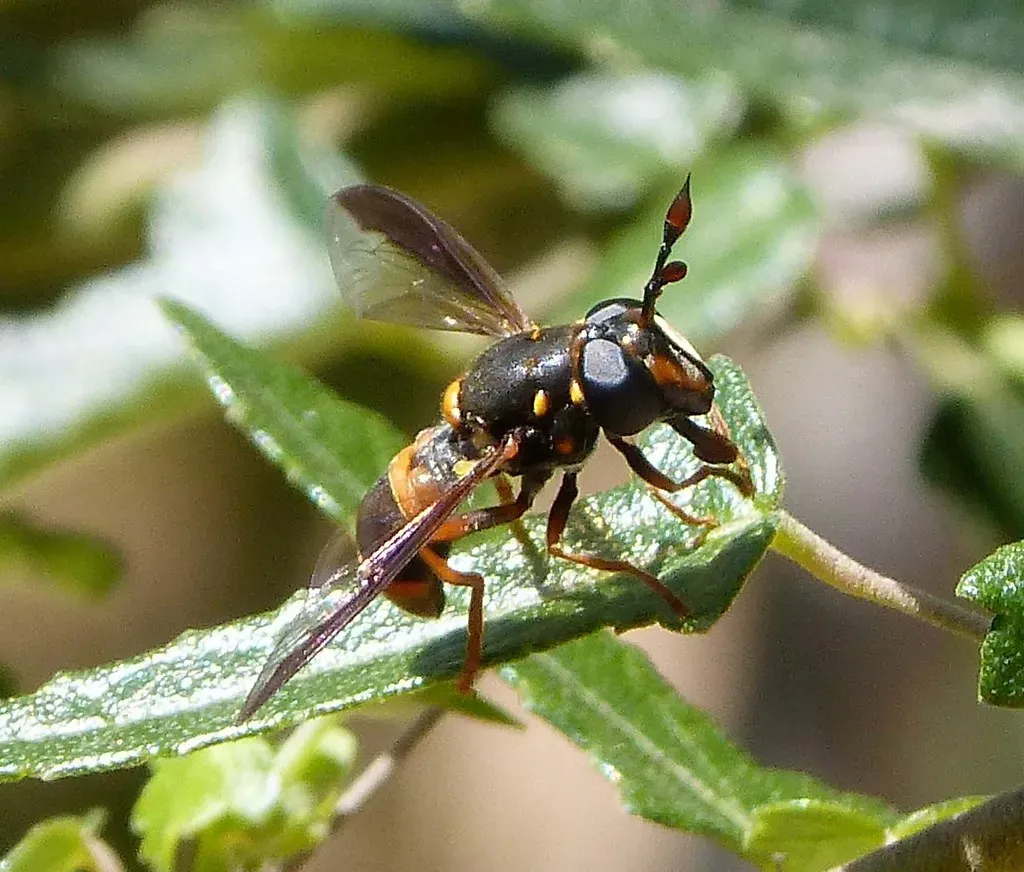
Hovering like mini wasps, adults buzz flowers harmlessly.[1] Larvae, slug-like, inhale hundreds of aphids weekly. No stinger, just pollination perks.
Yellow-black stripes fool predators. Plant dill or fennel to draw them. Aphid colonies collapse under their assault.
They hit thrips and caterpillars too. A garden staple you want hovering around.
6. Lacewings: Alligator Larvae in Disguise
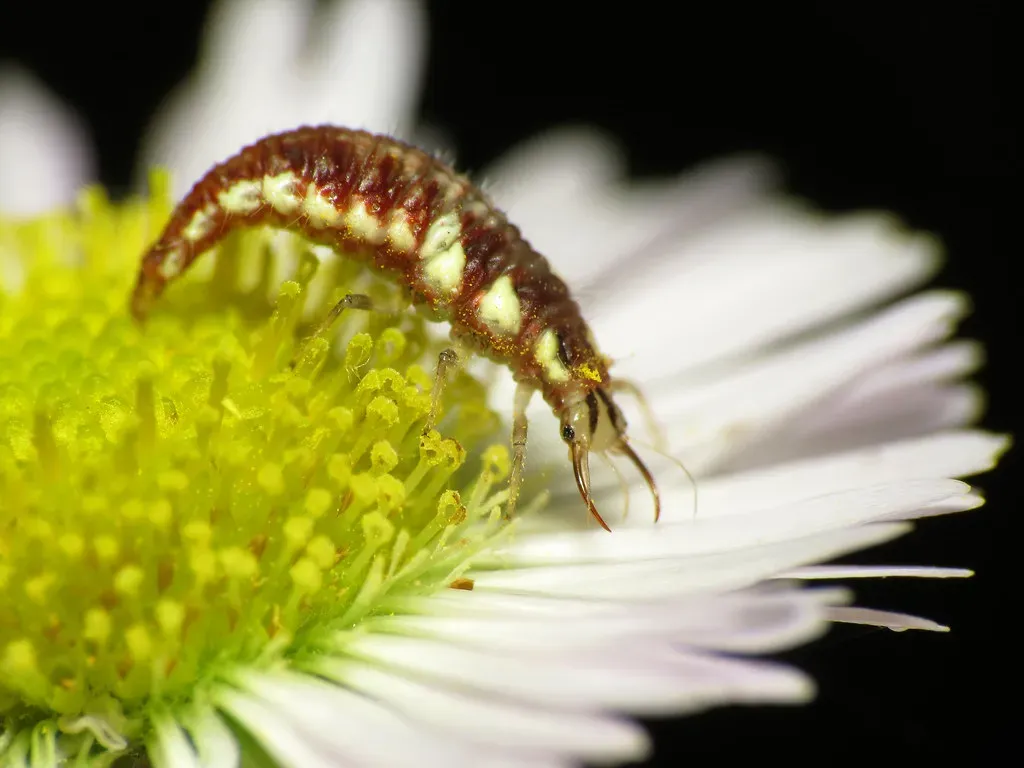
Delicate winged adults seem fragile.[1] Larvae pack jaws that shred aphids, mites, and mealybugs, earning “aphid lion” fame. Up to 200 aphids per week per larva.
They carry prey corpses as camouflage. Eggs on stalks prevent sibling cannibalism. Green or brown, they blend seamlessly.
Adults sip nectar, aiding blooms. Ignore the larvae’s creepy vibe; they’re gold.
7. Ladybugs: Spiny Larvae Surprise Heroes
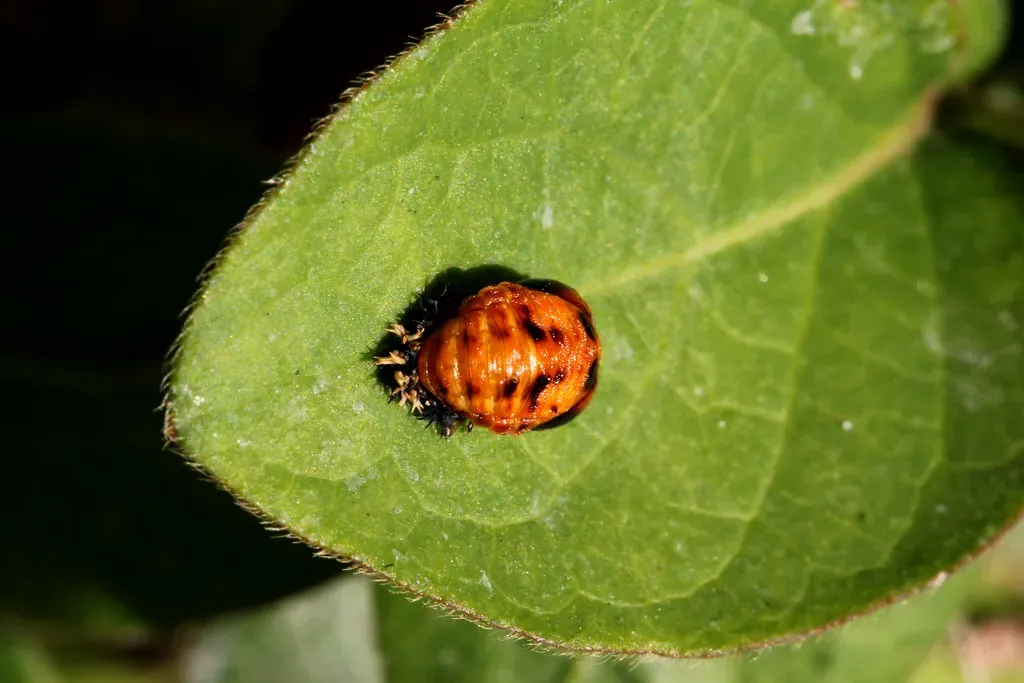
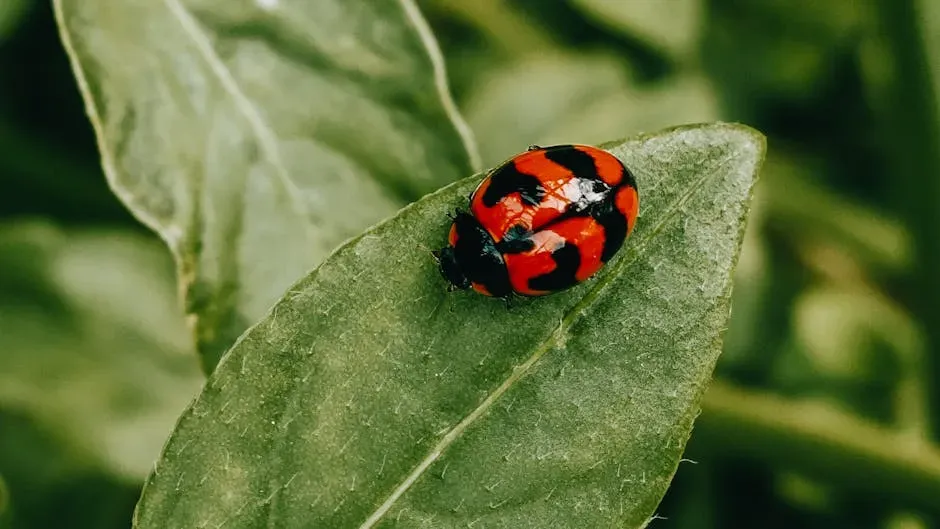
Everyone loves spotted adults, but larvae resemble tiny monsters.[2] They guzzle 50 aphids daily, plus scale and thrips. Lifetime tally hits thousands.
Alligator-shaped, soft-bodied eaters do the heavy lifting. Plant fennel or yarrow for more. Asian varieties pack punch too.
They overwinter in gardens, ready for spring battles. Crush at your peril.
8. Soldier Beetles: Golden Aphid Patrol
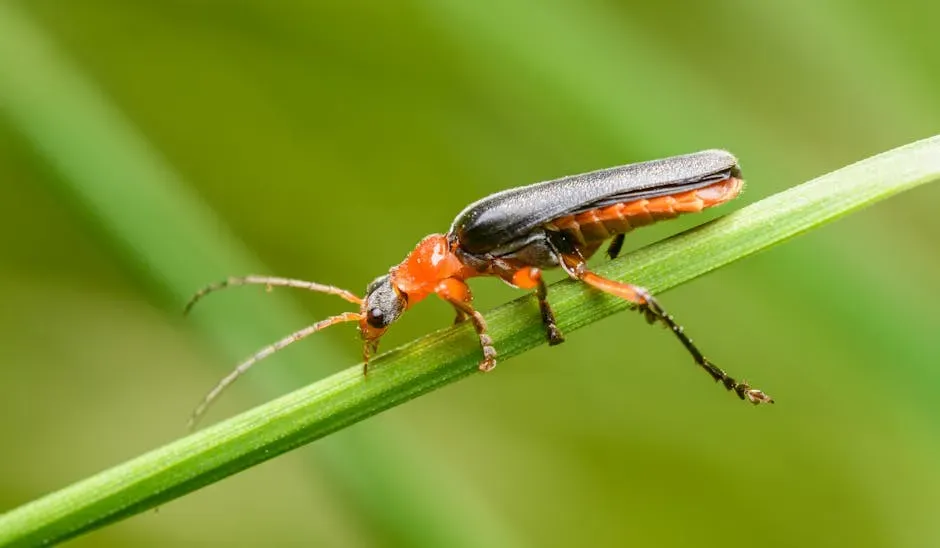
Soft-bodied, flying beetles cluster on blooms.[1] They prey on aphids, potato beetles, and caterpillars. Larvae hunt ground pests.
Golden hues make them noticeable. Compound flowers like goldenrod attract swarms. Pollinators by day, predators always.
Harmless to plants, vital for balance. Let them linger.
9. Damsel Bugs: Flower-Hiding Ambushers
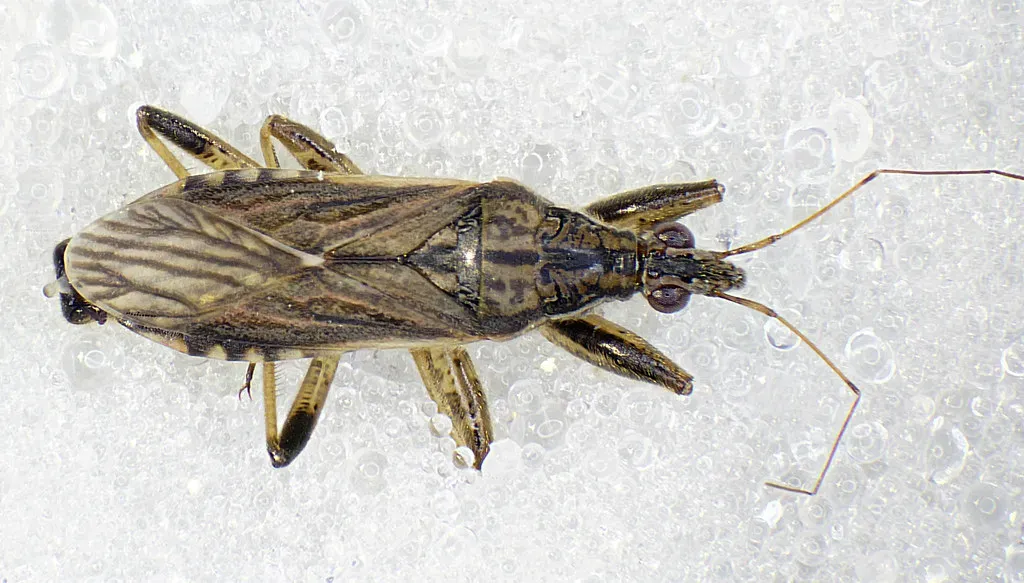
Slim, gray predators lurk in blossoms.[4] Front legs snatch aphids, leafhoppers, thrips, and caterpillars. Nymphs join the hunt.
They fly swiftly between targets. Diverse plants boost populations. Generalists keep small pests in check.
Often overlooked, but powerful allies. Your veggies thank them silently.
10. Tachinid Flies: Housefly Doppelgangers
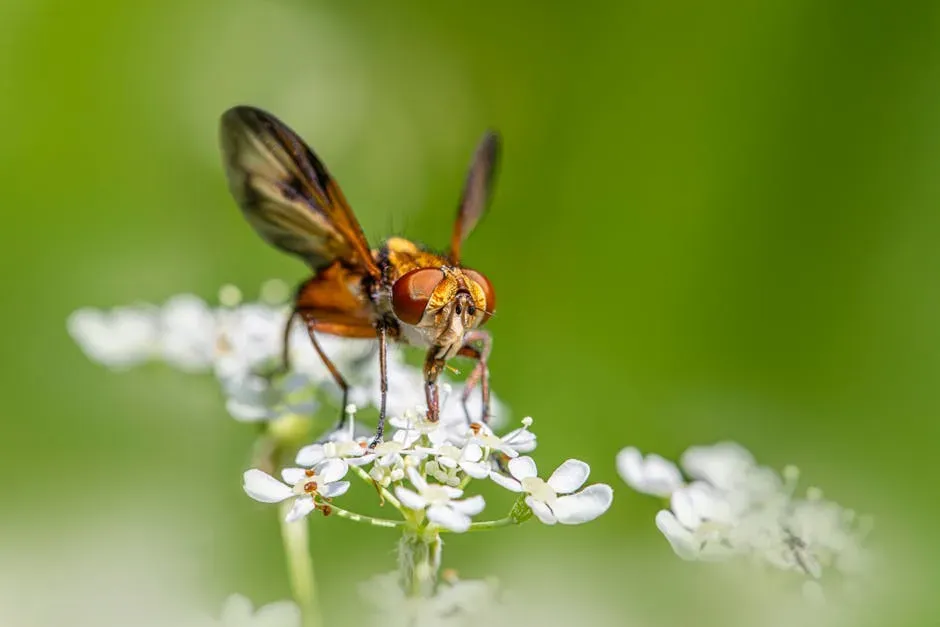
Plain flies buzz annoyingly.[2] Larvae parasitize hornworms, squash bugs, and beetles from inside. Hosts die as maggots emerge.
Adults need nectar flowers. They target grasshoppers and borers too. Unseen workhorse of pest control.
Mistake them for trash flies? Big error. Embrace the buzz.
Final Thoughts: Rethink the Squish
Next time you spot a suspect crawler, pause and identify. These ten transform chaos into harmony, often eating far more harm than they cause. Gardens flourish with natural allies.
Your plot becomes a thriving haven. What “pest” shocked you most? Share below and keep observing.
