

Most of us pick plants and mulch based on looks, price, or whatever was on sale at the garden center that weekend. Pests rarely figure into the decision. Yet many everyday yard habits quietly shape which insects, rodents, and other critters move in, and how much damage they can do once they arrive.
None of this means your yard is doomed if you recognize a few of these choices at home. It does mean small design decisions can add up over several seasons. Here are ten that deserve a second look.
Planting One Species in Large Blocks
🔥 Would you like to save this?
We'll email this post to you, so you can come back to it later!
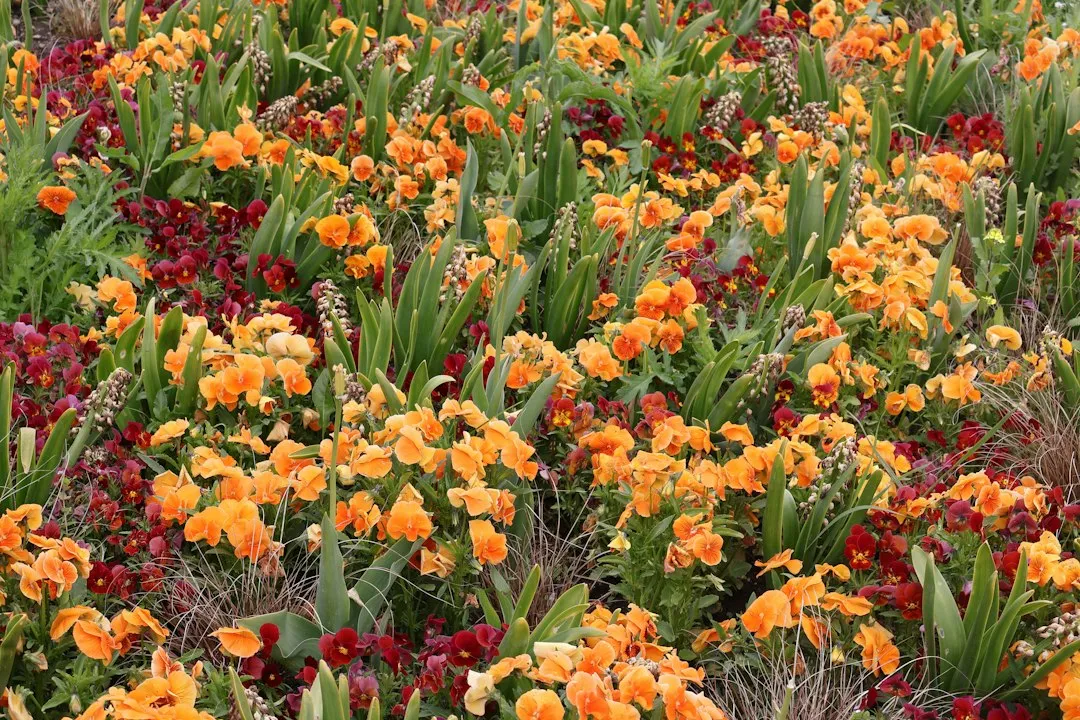
A tidy row of identical shrubs or a lawn made of a single grass type looks clean and intentional. For a pest, it’s a buffet with no gaps. When one plant species dominates, insects that specialize in it can spread from plant to plant with very little effort.
Mixing species breaks that pattern up. A varied planting also tends to attract more predatory insects, such as lady beetles and lacewings, which feed on common garden pests. You don’t need a wild meadow, just a bit more variety than a single repeating shape.
Piling Mulch Too Thick and Too Close to the House
🔥 Would you like to save this?
We'll email this post to you, so you can come back to it later!
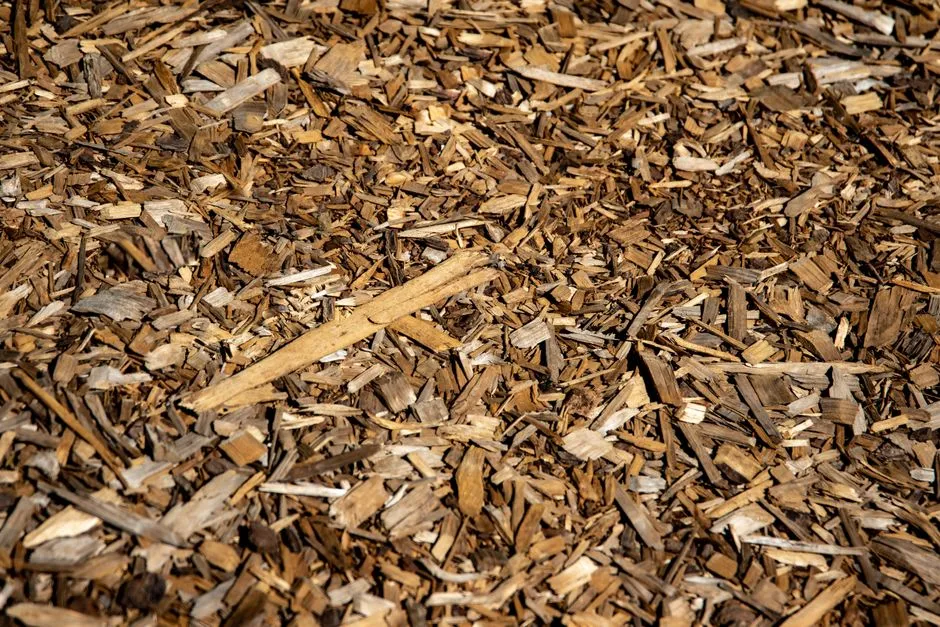
Mulch is helpful for holding moisture and suppressing weeds. Piled deep against a foundation, though, it creates a damp, sheltered strip that termites, ants, and other pests find appealing. Extension services commonly advise keeping mulch thin and leaving a gap between it and the home’s siding or foundation.
The classic mistake is the so-called mulch volcano around trees, which can also hold moisture against bark and invite trouble. A layer of a few inches, pulled back from trunks and walls, does the job without rolling out the welcome mat.
Letting Wood Touch Soil
🔥 Would you like to save this?
We'll email this post to you, so you can come back to it later!
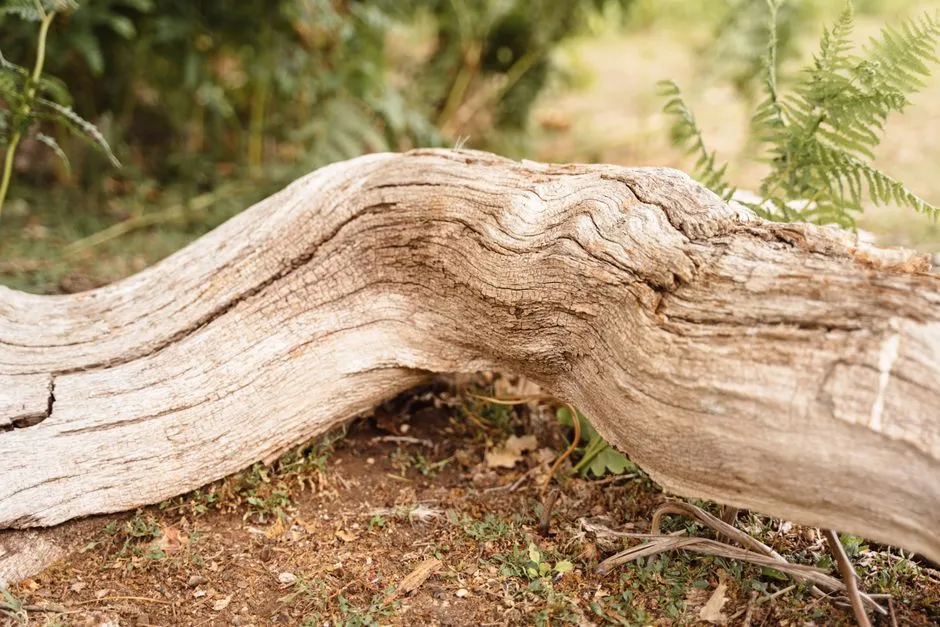
Wooden borders, raised beds, fence posts, and firewood stacks all seem harmless. When untreated wood sits directly on soil, it stays damp and becomes easy access for subterranean termites and carpenter ants. Those insects are drawn to moisture and softened wood in particular.
Consider rot resistant materials, stone, or metal for edging near the house. If you burn firewood, store it off the ground and a good distance from the building. It’s a small habit that removes a common bridge between soil and structure.
Overwatering the Lawn and Beds
🔥 Would you like to save this?
We'll email this post to you, so you can come back to it later!
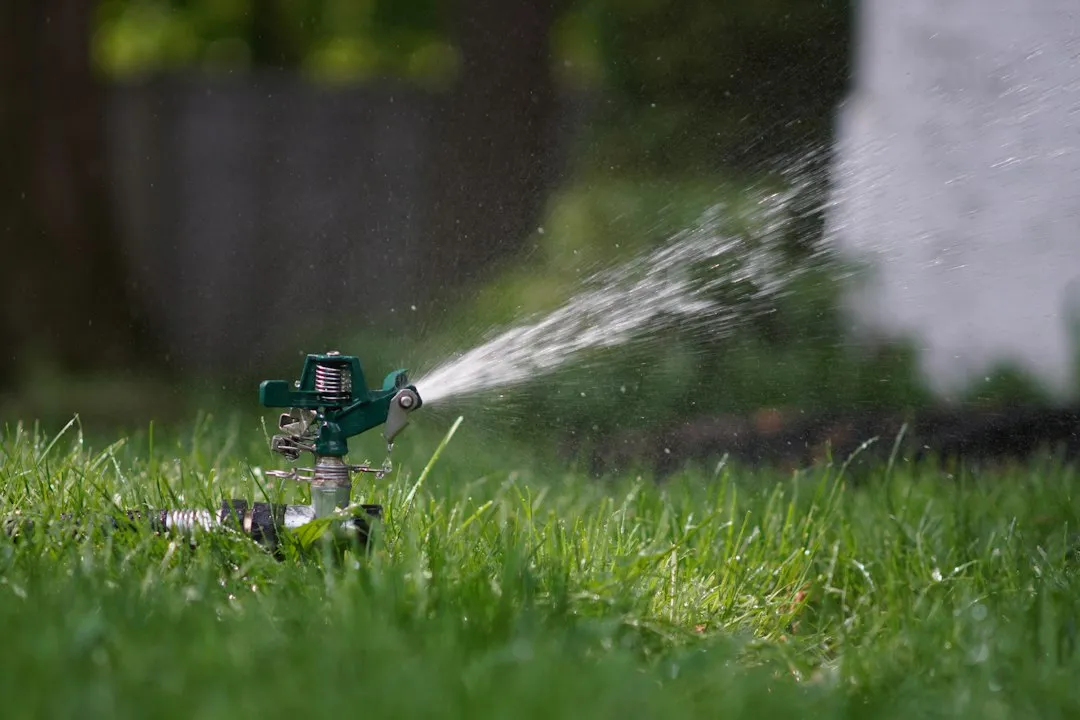
More water doesn’t always mean healthier plants. Constantly soggy soil stresses roots and creates the kind of conditions that favor mosquitoes, fungus gnats, and certain grubs. Standing water, even in a small low spot, can become a breeding site for mosquitoes in a matter of days.
Deeper, less frequent watering usually works better for most lawns. Fixing drainage problems and clearing clogged gutters helps too. Dry foundations are far less inviting to a whole range of pests.
Relying on Heavy Fertilizing and Constant Mowing Short
🔥 Would you like to save this?
We'll email this post to you, so you can come back to it later!
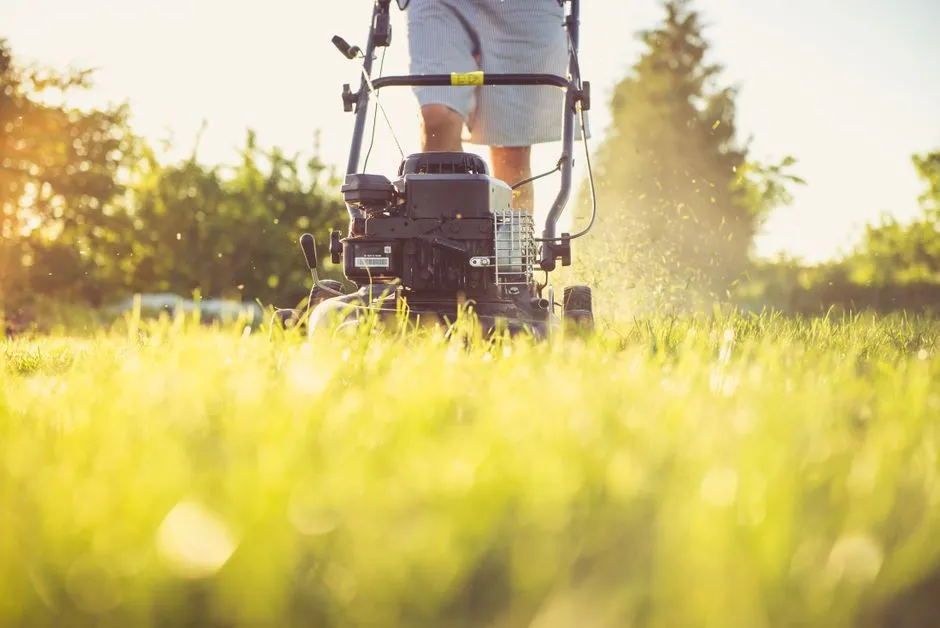
A lush, fast growing lawn can feel like a win. Too much nitrogen, however, can produce soft, tender growth that some sap feeding insects find especially appealing. Cutting grass very short also weakens it, leaving thin turf that struggles against chinch bugs, grubs, and weeds.
Taller mowing, generally in line with local extension guidance for your grass type, encourages deeper roots and shades the soil. Following soil test results rather than guessing keeps feeding balanced. A sturdy lawn is its own best defense.
Choosing Non Native or Poorly Suited Plants
🔥 Would you like to save this?
We'll email this post to you, so you can come back to it later!
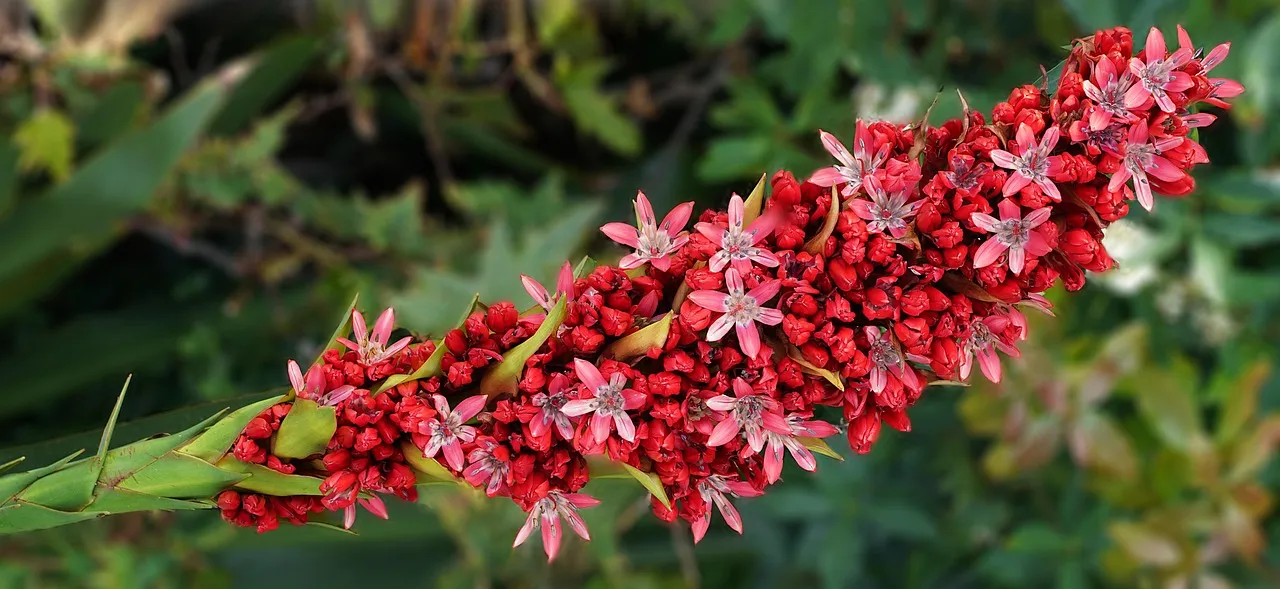
Plants that don’t fit your climate, soil, or sun exposure tend to struggle, and stressed plants are easier targets for borers and other insects. Some imported ornamentals also lack the natural checks that keep pests in balance in their home regions. The result can be recurring outbreaks that demand constant attention.
Native and regionally adapted plants usually need less coaxing and support more beneficial wildlife. That said, native isn’t automatically bulletproof, so it’s worth checking local lists of well performing species. Right plant, right place is old advice that still holds up.
Planting Known Problem Trees Without a Plan
🔥 Would you like to save this?
We'll email this post to you, so you can come back to it later!
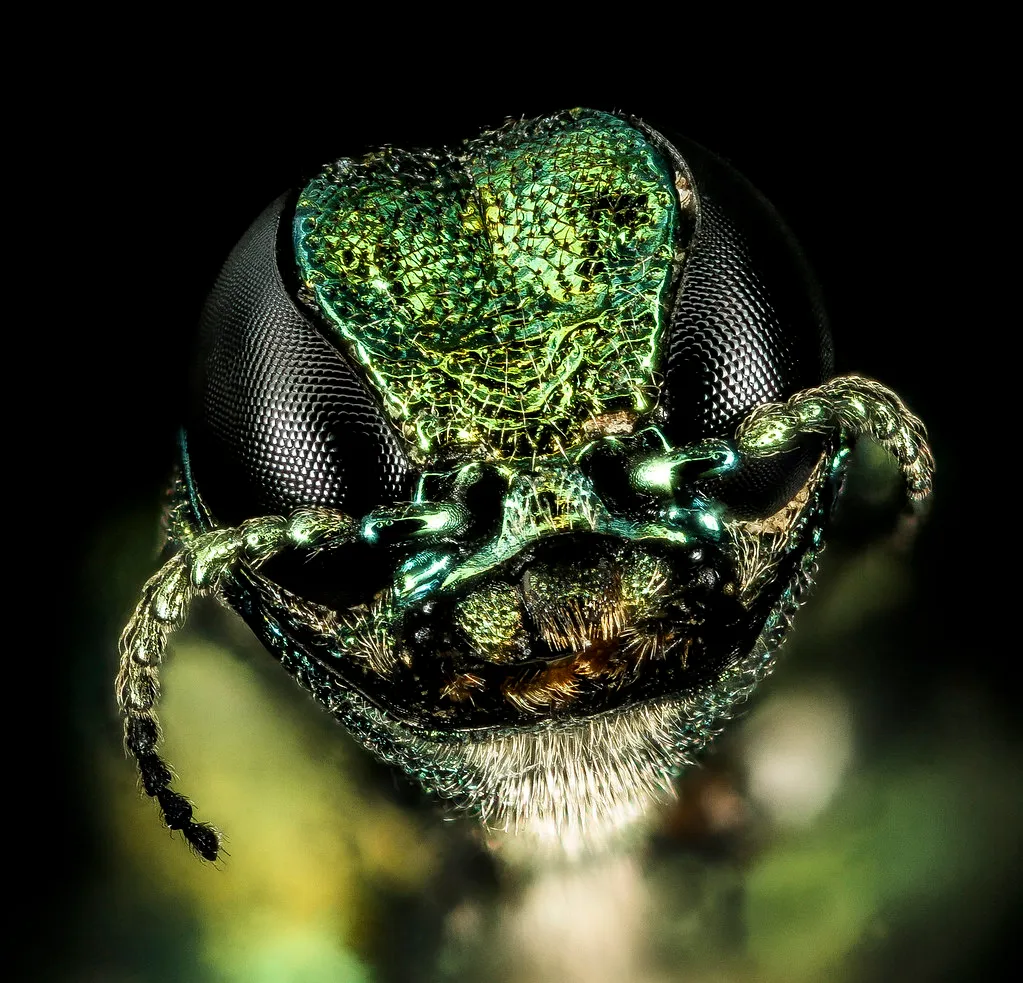
Certain trees come with well documented pest threats. Ash trees face the emerald ash borer, which has killed enormous numbers of ash across much of the country. Other regions deal with pests tied to specific species, such as bark beetles on stressed conifers.
Planting a diverse mix of trees is a hedge against losing everything to one invader. If you already have a vulnerable species, a local arborist can help you decide on monitoring or treatment. Waiting until the canopy thins often means options have narrowed.
Leaving Debris, Leaf Litter, and Brush Piles
🔥 Would you like to save this?
We'll email this post to you, so you can come back to it later!
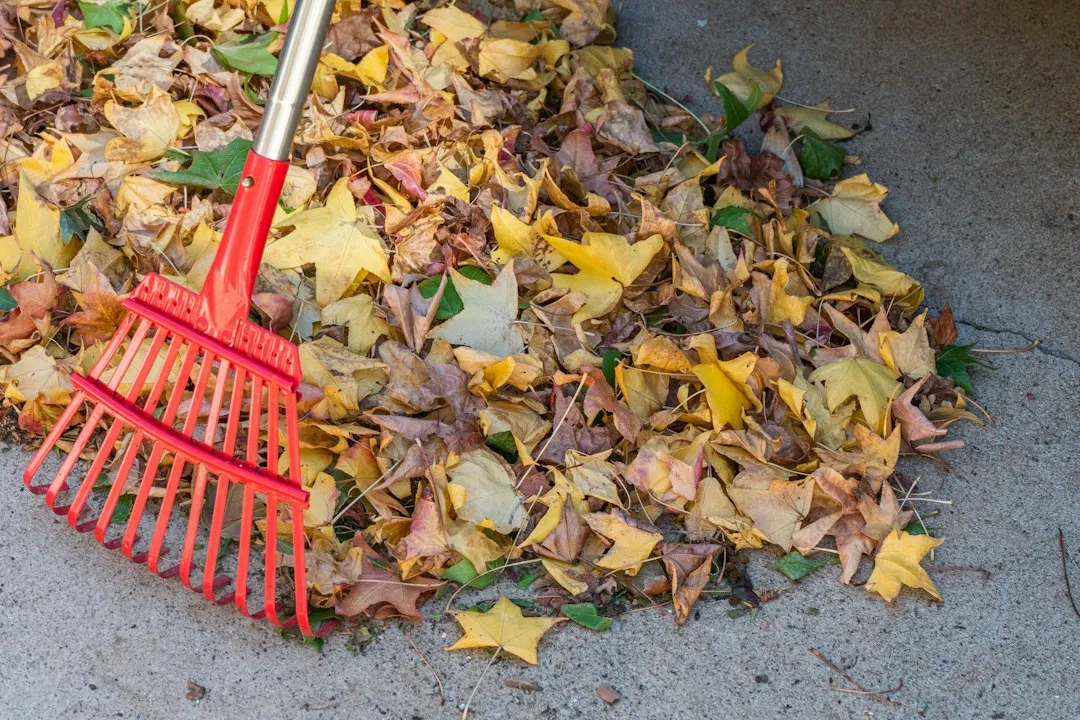
A little leaf litter helps wildlife and feeds soil, so this one is about balance. Large, permanent piles of debris against the house, though, can shelter rodents, ticks, roaches, and overwintering insects. Ticks in particular favor shaded, humid edges where lawn meets woods.
Keep brush piles and compost bins away from the home. Trimming back tall grass along edges and clearing leaves from foundations reduces hiding spots. You can still leave a wild corner, just not one that touches your siding.
Crowding Plants and Skipping Pruning
🔥 Would you like to save this?
We'll email this post to you, so you can come back to it later!
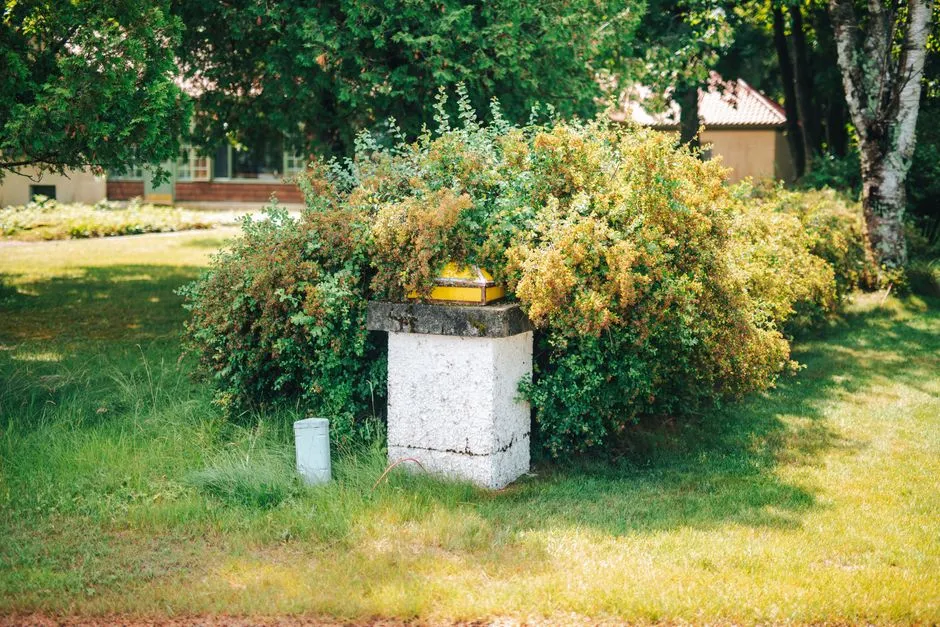
Dense, overgrown shrubs trap humidity and limit airflow, which encourages fungal disease and gives scale insects, aphids, and mites a calm place to settle. Branches that touch the house also act as ramps for ants, squirrels, and rodents heading for the roof or attic. Overcrowding makes it harder to notice early signs of trouble, too.
Proper spacing at planting time saves headaches later. Regular pruning keeps air moving and creates a visible gap between greenery and walls. It’s routine work, but it doubles as an inspection walk.
Ignoring Outdoor Food, Pet Bowls, and Trash
🔥 Would you like to save this?
We'll email this post to you, so you can come back to it later!
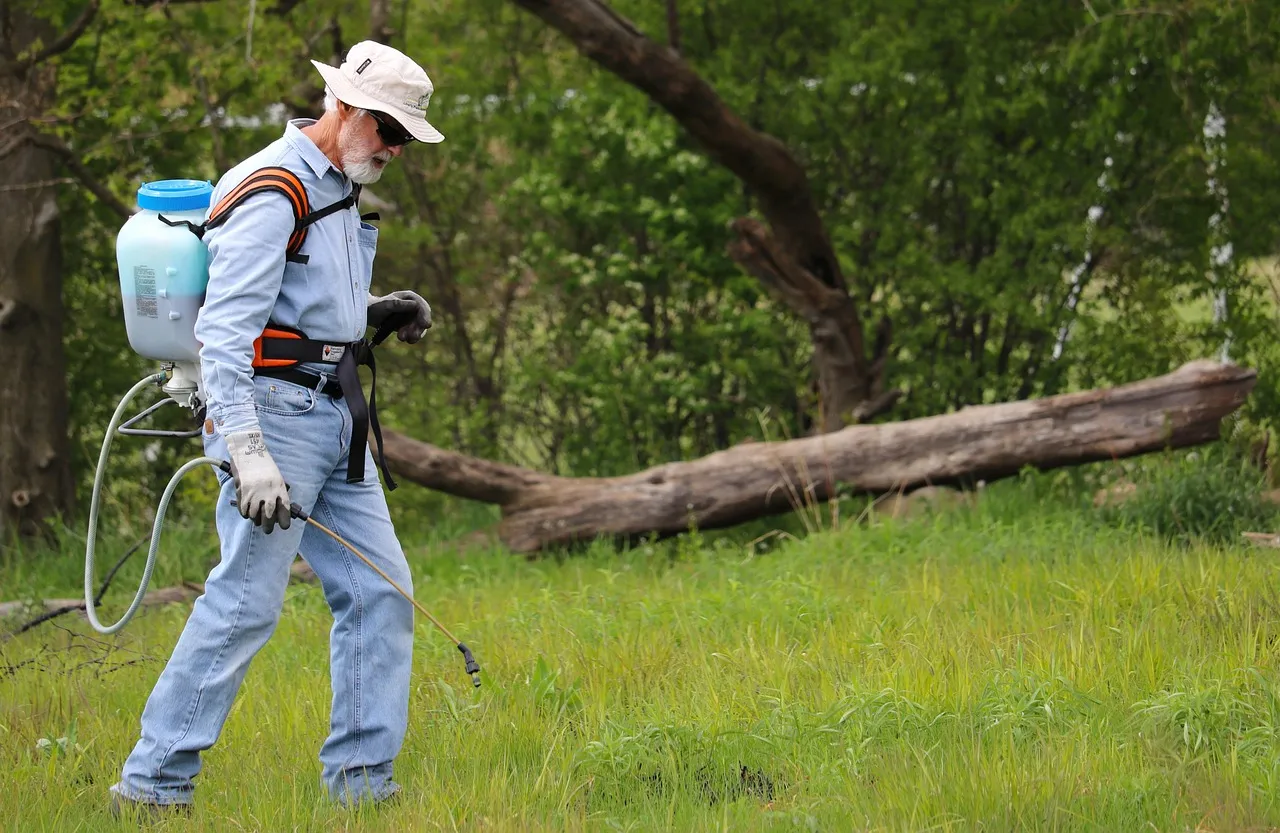
Landscaping isn’t only plants. Fallen fruit, bird seed spills, pet food left outside, and open trash bins draw rats, mice, raccoons, and ants. Once a reliable food source exists, those animals often stick around and explore nearby structures.
Picking up fruit, using sealed lids, and feeding pets indoors cuts the draw significantly. Bird feeders can be placed away from the house and cleaned beneath regularly. Cutting off the free meals is often the cheapest pest control there is.
Final Thoughts

🔥 Would you like to save this?
We'll email this post to you, so you can come back to it later!
I’d argue most yard pest problems are less about bad luck and more about invitations we didn’t realize we were sending. The good news is that the fixes are mostly unglamorous, such as thinner mulch, better spacing, smarter watering, and a little diversity. They cost far less than repairing a damaged home or replacing a dead tree.
If you only change one thing this season, walk your property with fresh eyes and look at where moisture, food, and shelter collect. Your local cooperative extension office can tailor advice to your region. A yard that’s built thoughtfully rarely needs to fight so hard.

- 7 Everyday Habits That Can Make Your Senior Dog Happier - November 5, 2026
- 10 Enigmatic Structures That Continue to Puzzle Scientists Today - November 5, 2026
- 10 Strange Ruins in the Americas That Challenge What We Know About Early History - November 5, 2026