

Imagine walking through a forest or swimming in the ocean, and suddenly, you come across a creature with a power so shocking, it can freeze its prey in an instant. Nature is full of wild surprises, but few are as jaw-dropping or as chilling as animals that can paralyze with just one touch, bite, or sting. These marvels of evolution are the real-life supervillains of the animal kingdom, armed with built-in chemical weapons. Whether it’s a spider dropping from above or a jellyfish lurking just out of sight, these ten creatures remind us that danger often comes in small—and sometimes beautiful—packages.
10. Blue-ringed octopus

The blue-ringed octopus is a true wonder of the ocean, but it’s also one of its most dangerous predators. Despite being no larger than a golf ball, this tiny cephalopod packs a venom strong enough to paralyze a human within minutes. Those mesmerizing electric-blue rings aren’t just for show—they’re a warning. When threatened, the octopus flashes these rings before it bites. Its saliva contains tetrodotoxin, a powerful neurotoxin that interferes with nerve signals, leading to rapid paralysis of its prey. Fish and crustaceans stand no chance, and even humans have to be extremely careful around these beautiful but deadly creatures.
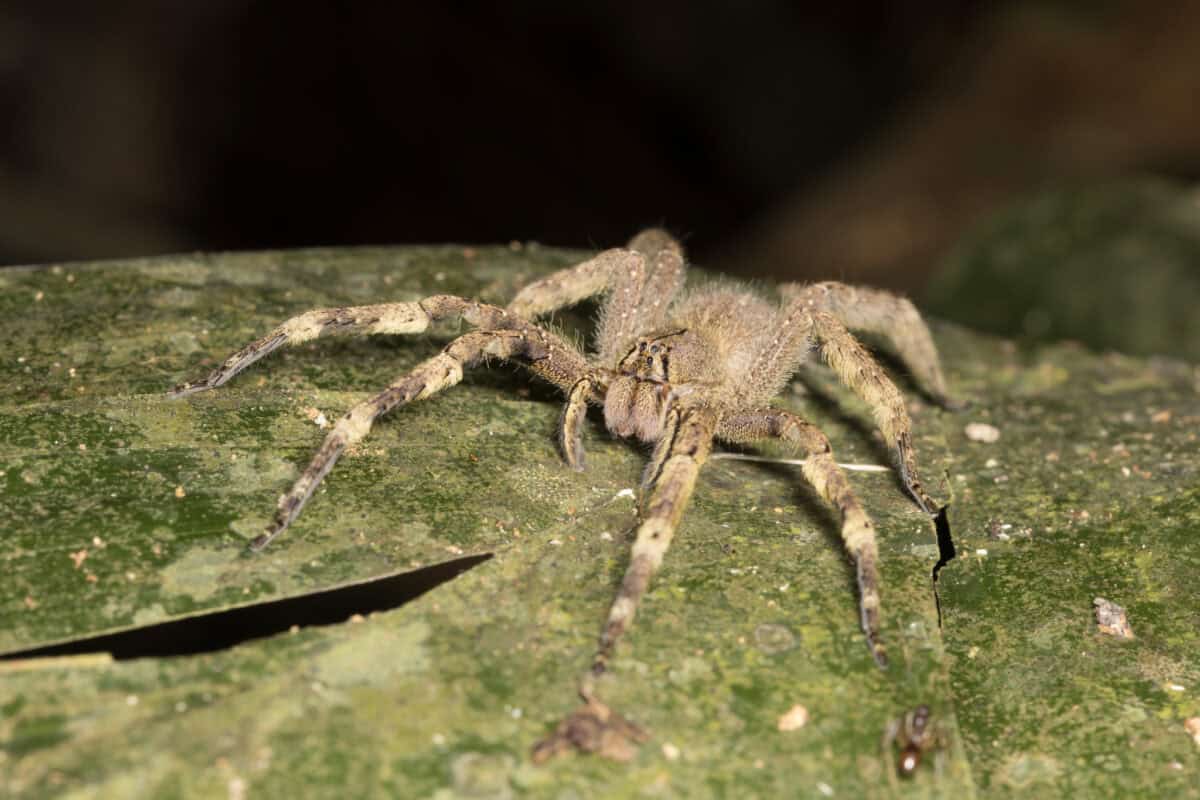
9. Brazilian wandering spider

Known as one of the world’s most venomous spiders, the Brazilian wandering spider doesn’t spin webs to catch its food. Instead, it prowls the forest floor at night, ready to pounce. Its venom contains a potent cocktail of neurotoxins that can instantly immobilize insects, amphibians, and sometimes small mammals. The spider’s bite can cause muscles to freeze up, making it impossible for prey to escape. It’s almost as if this spider has its own version of a stun gun, and it uses it to devastating effect.
8. Stonefish

The stonefish is a master of disguise, blending seamlessly into rocky sea beds and coral reefs. But this camouflage isn’t its only defense. When stepped on or threatened, the stonefish releases venom through its sharp dorsal spines. This venom acts fast, causing immediate pain and muscle paralysis in its victims. For small fish and other sea creatures, this means they’re quickly rendered helpless, making them easy pickings for the stonefish’s next meal. Swimmers beware—this fish’s sting is not only paralyzing but can be deadly.
7. Cone snail

Don’t let the pretty shell fool you—the cone snail is a slow-moving assassin. Hidden within its elegant shell is a harpoon-like tooth loaded with conotoxins, a group of neurotoxins that work almost instantly. When prey swims by, the snail fires its harpoon, injecting the toxins and causing immediate paralysis. Fish, worms, and even other snails can be immobilized in seconds. The cone snail’s venom is so powerful that even humans have been known to fall victim, with no antidote available for its sting.
6. Box jellyfish

The box jellyfish glides through tropical waters with long, nearly invisible tentacles trailing behind. But these delicate threads are deadly weapons. Each tentacle is lined with thousands of tiny nematocysts that, when brushed against, fire venom capable of paralyzing the heart and nervous system. Small fish and shrimp are instantly immobilized, unable to escape as the jellyfish reels them in. In humans, a sting can cause excruciating pain, paralysis, and even death in severe cases, making it one of the most feared creatures in the sea.
5. Inland taipan

The inland taipan, also known as the “fierce snake,” is found in the deserts of Australia and is considered the world’s most venomous snake. Its venom is a potent mixture of neurotoxins, hemotoxins, and myotoxins, which quickly disrupt nerve signals, blood clotting, and muscle function. When the taipan strikes, its prey—usually small mammals—can be paralyzed within minutes. The snake’s speed and the efficiency of its venom make it a truly formidable predator, despite its shy nature.
4. Tarantula hawk wasp

It’s hard to believe that a wasp could take down a tarantula, but the tarantula hawk wasp does just that. This large, vividly colored insect hunts tarantulas, delivering a sting that injects a paralyzing venom directly into the spider. The tarantula is left completely immobilized, alive but unable to move. The wasp then drags it to a burrow, lays an egg on it, and when the larva hatches, it feeds on the still-living but paralyzed spider. It’s a macabre but astonishing example of nature’s inventiveness.
3. Sydney funnel-web spider

Lurking in gardens and forests around Sydney, Australia, the Sydney funnel-web spider is infamous for its aggressive demeanor and powerful venom. Its fangs can puncture fingernails, and its venom contains a toxin that acts rapidly on the nervous system. Insects, frogs, and even small mammals can be paralyzed within moments of a bite. For humans, prompt medical treatment is essential, as the venom can cause life-threatening symptoms. It’s no wonder this spider is both feared and respected in its homeland.
2. Electric eel

The electric eel is not a true eel, but it certainly lives up to its name. Found in the murky waters of South America, this freshwater fish can generate electric shocks up to 600 volts. When hunting, the electric eel sends out a rapid series of pulses that stun and paralyze its prey, making capture effortless. It’s like a living taser, capable of knocking out fish, amphibians, and even small mammals. The eel’s unique ability to generate electricity is not just for hunting—it’s also a defense mechanism against predators.
1. Deathstalker scorpion

Topping the list is the deathstalker scorpion, whose very name sends shivers down the spine. Found in deserts across North Africa and the Middle East, this scorpion’s venom contains a mix of neurotoxins that can paralyze its prey in seconds. Its sting is designed to subdue insects and small animals, but it can also cause intense pain and even paralysis in humans. Despite its size, the deathstalker’s potent sting is a reminder that sometimes, the most fearsome weapons come in the smallest packages.
Conclusion
Nature never ceases to amaze with its array of creatures equipped with the power to paralyze in an instant. From the mysterious depths of the ocean to the dry sands of the desert, these ten animals use their unique abilities not just to survive, but to thrive as predators. Their methods may be chilling, but they are a testament to the creativity and danger lurking in the natural world. Makes you wonder—what other surprising powers are out there, hidden in plain sight?

As a little kid, I fell in love with nature, wildlife, and animals. Living in the USA, South Africa, Italy, China and Germany gave me the opportunity to discover the world's Wildlife. My favorite animals are Mountain Gorillas, Siberian Tigers, and Great White Sharks.
I'm a certified PADI Open Water Diver, went to Everest Base Camp and Trekked Gorillas in Uganda. I hold a Master of Science in Economics and Finance.
Please send any feedback to feedback@animalsaroundtheglobe.com
- 10 Most Powerful Earthquakes That Shook the US to Its Core - June 25, 2026
- New York Urban Raccoons Are Smarter Than Ever Scientists Are Shocked - June 25, 2026
- 15 Amazing Feats of Memory in the Animal Kingdom - June 25, 2026