


Exploring the majestic landscapes of America’s national parks is an adventure many nature lovers cherish. Yet, behind the breathtaking scenery, these parks can harbor deadly risks. Each year, visitors face unpredictable challenges that can transform a day of exploration into a perilous journey. From rugged terrains to wild inhabitants, these national parks demand respect and awareness. Let’s uncover the ten deadliest national parks in America and understand what makes them so dangerous.
Grand Canyon National Park
🔥 Would you like to save this?
We'll email this post to you, so you can come back to it later!
The Grand Canyon’s awe-inspiring vistas draw millions of visitors annually. Yet, its vast and rugged terrain can pose significant dangers. Dehydration and heatstroke are common threats, especially during the scorching summer months. The park’s steep, narrow trails and sudden elevation changes can also lead to serious falls. It’s crucial for hikers to stay on marked paths, carry ample water, and be prepared for rapid weather changes to ensure a safe visit.
Yosemite National Park

🔥 Would you like to save this?
We'll email this post to you, so you can come back to it later!
Renowned for its stunning granite cliffs and majestic waterfalls, Yosemite is another highly visited park that harbors hidden perils. Rockfalls represent a significant risk due to the park’s dynamic geology, and swift mountain waters add another layer of danger, with unsuspecting swimmers often caught off guard. Awareness of the current conditions and wearing appropriate footwear can greatly increase safety.
Great Smoky Mountains National Park

🔥 Would you like to save this?
We'll email this post to you, so you can come back to it later!
This densely forested park straddling North Carolina and Tennessee is a hotspot for outdoor enthusiasts, but it also sees its share of danger. Sudden weather changes, from dense fog to unexpected downpours, can disorient hikers miles into the trails. Wildlife, such as black bears, also contribute to its danger, necessitating knowledge of proper wildlife etiquette and precautions.
Zion National Park

🔥 Would you like to save this?
We'll email this post to you, so you can come back to it later!
Zion is famous for its staggering canyons and scenic vistas. However, flash floods pose a significant threat because of the narrow canyons where rain can lead to swift, rising waters. Hikers should always check weather forecasts before venturing into slot canyons and stay vigilant about any signs of changing weather patterns.
Yellowstone National Park

🔥 Would you like to save this?
We'll email this post to you, so you can come back to it later!
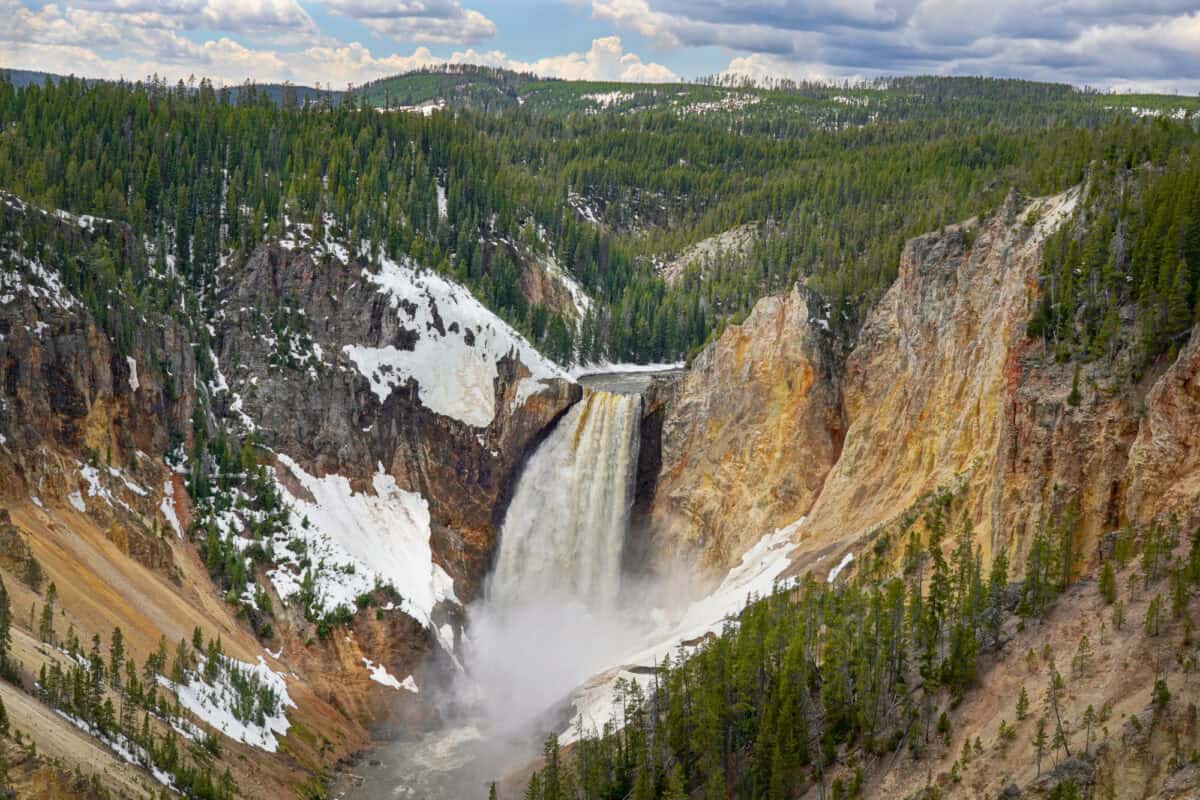
America’s first national park is not only famous for its geothermal wonders but also fraught with danger. Venturing off the boardwalks near geothermal areas can lead to severe injuries from boiling water and unstable ground. Additionally, encounters with wildlife, such as bison and grizzly bears, challenge visitors to respect these creatures’ space to avoid dangerous confrontations.
Denali National Park

🔥 Would you like to save this?
We'll email this post to you, so you can come back to it later!
The allure of Alaska’s Denali lies in its vast wilderness and the towering presence of Mount Denali, North America’s highest peak. This remote park’s harsh weather conditions and rugged terrain present significant hazards. Climbers face severe cold, rapidly changing weather, and the threat of avalanches. Proper preparation and respecting local guidelines are essential for a safe experience.
Rocky Mountain National Park

🔥 Would you like to save this?
We'll email this post to you, so you can come back to it later!
Located in Colorado, Rocky Mountain National Park’s high elevations can catch visitors unprepared, leading to altitude sickness and exposure to extreme weather. Sudden thunderstorms can quickly turn beautiful days into a dangerous situation, particularly above the tree line. Preparing for variable weather and understanding the risks of high-altitude hiking is crucial.
Sequoia and Kings Canyon National Parks

🔥 Would you like to save this?
We'll email this post to you, so you can come back to it later!
Home to some of the world’s largest trees, these parks also present significant risks. Remote wilderness areas make rescuing injured hikers challenging. Sudden snowstorms and rugged terrains can quickly lead to hypothermia and get visitors lost. Proper preparedness and navigation skills are essential to staying safe in these majestic parks.
Glacier National Park

🔥 Would you like to save this?
We'll email this post to you, so you can come back to it later!
Glacier National Park in Montana is known for its dazzling mountainous landscapes. However, bear encounters are a genuine concern, along with the dangers posed by the park’s icy, rugged terrains. Variable conditions demand that hikers carry bear spray, travel in groups, and understand the unpredictable mountain weather.
Mount Rainier National Park

🔥 Would you like to save this?
We'll email this post to you, so you can come back to it later!
This iconic Washington state park centers around its namesake, Mount Rainier. The volcanic terrain is unpredictable, with crevasses and avalanches posing significant threats. Climbers and hikers must contend with severe weather changes and possess a solid knowledge of mountaineering to navigate safely.
Acadia National Park

🔥 Would you like to save this?
We'll email this post to you, so you can come back to it later!
Maine’s coastal gem, Acadia, presents its own set of dangers. From strong Atlantic currents to slippery cliffside trails, visitors face a variety of risks. Footing is precarious on its rocky, uneven surfaces, and fog can suddenly reduce visibility. Caution and attention to the terrain are vital to prevent accidents on these coastal pathways.
Death Valley National Park

🔥 Would you like to save this?
We'll email this post to you, so you can come back to it later!
As the name suggests, Death Valley is synonymous with extreme conditions. Known for its record-breaking temperatures, the park is a test of endurance. Lack of water and shelter from the relentless sun can quickly lead to heatstroke and dehydration. Visitors must take heat warnings seriously and carry plenty of water to survive this harsh, arid landscape.
Conclusion:

🔥 Would you like to save this?
We'll email this post to you, so you can come back to it later!
In conclusion, America’s national parks are treasures of natural beauty and adventure. However, they also require vigilance, preparation, and respect. Each park’s inherent dangers highlight the vital need for awareness and safety. By understanding the risks and preparing appropriately, these stunning landscapes can be enjoyed safely, leaving visitors with memories of wonder rather than misfortune.

As a little kid, I fell in love with nature, wildlife, and animals. Living in the USA, South Africa, Italy, China and Germany gave me the opportunity to discover the world's Wildlife. My favorite animals are Mountain Gorillas, Siberian Tigers, and Great White Sharks.
I'm a certified PADI Open Water Diver, went to Everest Base Camp and Trekked Gorillas in Uganda. I hold a Master of Science in Economics and Finance.
Please send any feedback to feedback@animalsaroundtheglobe.com
- 12 Common Mistakes Pet Owners Make and How to Fix Them - November 5, 2026
- 11 Creatures That Can Survive a Nuclear Blast - November 5, 2026
- 10 Things That Attract a Bald Eagle And 3 That Drive It Away - November 5, 2026
Leave a comment
You must be logged in to post a comment.