
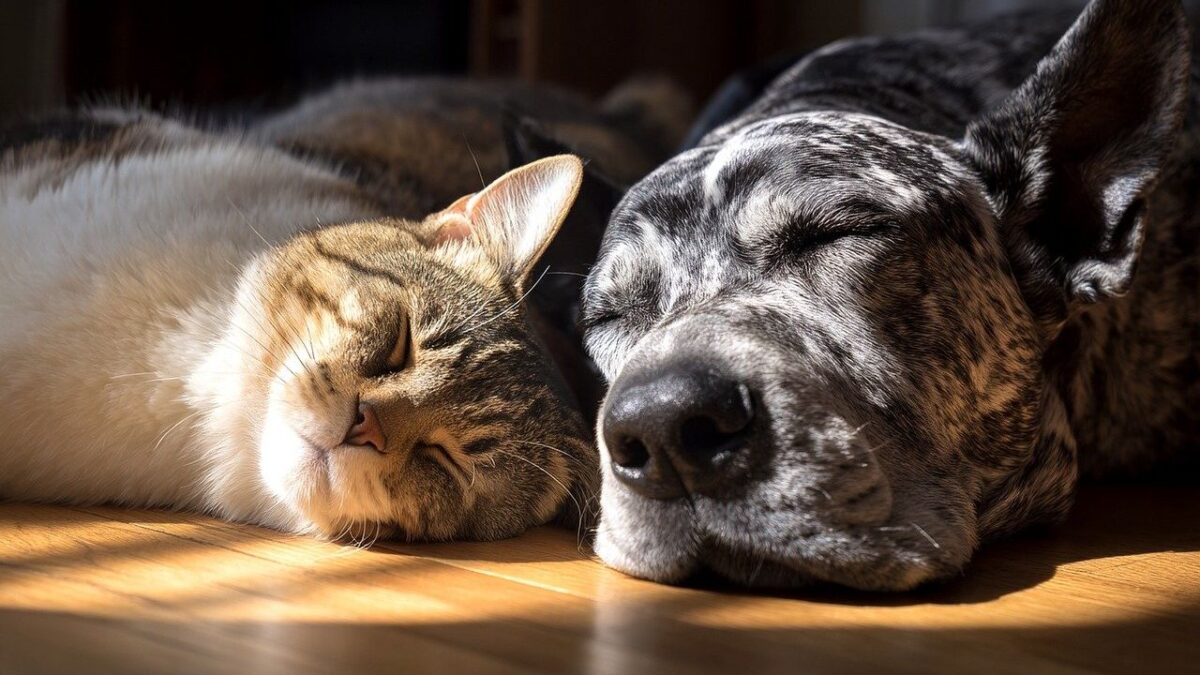
The idea that dogs and cats are natural enemies is one of those cultural myths that reality has a habit of quietly disproving. Millions of households across the world keep both species under the same roof, often with surprisingly warm results. Still, not every dog is wired for peaceful cohabitation with a feline, and choosing the right breed can make the difference between daily chaos and a genuinely harmonious home.
Certain breed groups are more likely to get along with cats than others. The Toy Group, for instance, consists of breeds that are affectionate and sociable, having been developed specifically to be companions and lap warmers. On the flip side, spirited Terriers were developed to hunt and kill vermin, and a fast-moving cat could trigger those feisty, predatory instincts. Knowing where a breed sits on that spectrum is a reasonable starting point for any prospective multi-pet owner.
Golden Retriever

Golden Retrievers are one of the best dogs for cats, and “golden” is a fitting word to describe this classic breed. Kind and empathetic, Golden Retrievers accept cats readily as part of the family.
Golden Retrievers are widely loved for their affectionate nature and gentle personality. They are patient, tolerant, and extremely adaptable, making them excellent companions in multi-pet households. Their playful demeanor ensures they get along well with other animals, while their calm temperament helps them coexist peacefully with cats.
Golden Retrievers often have a low prey drive, which removes one of the biggest friction points when a dog first encounters a cat. This breed should be trained early not to chase after the cat, and once that foundation is in place, the happy-go-lucky Golden Retriever and cat make a near-perfect match.
Labrador Retriever

Labrador Retrievers are kind and outgoing and are known to get along with everyone they meet, regardless of species. They are gentle, intelligent, and eager to please.
Labrador Retrievers are bundles of joy who thrive on companionship. Known for their high energy and friendly disposition, Labs quickly bond with other pets and adjust well to different environments. Their love for play makes them an instant hit with other animals, and their balanced temperament allows them to live peacefully with cats when introduced properly.
Labs are among the smartest dogs, easily trained and gentle enough to give another animal space when it needs it. It’s always best to introduce cats to Labs when they are still puppies, so everyone gets off on the right foot.
Cavalier King Charles Spaniel

Cavaliers are sweet, gentle dogs who enjoy spending time with their pet parents and tend to get along with just about everyone they meet, whether human or animal, cats included. These toy spaniels are far enough removed from their bird-hunting ancestors that they no longer have much of a prey drive, and they are calm and well-mannered little pets.
Cavalier King Charles Spaniels are affectionate lap dogs that thrive on companionship. They rarely show aggression and have an easy-going temperament, making them one of the best breeds for multi-pet households. Their smaller size and gentle demeanor ensure they get along well with cats, other small dogs, and even rabbits or guinea pigs when introduced properly.
Many owners find that Cavaliers can easily live with cats, especially if they have been introduced at a young age. Cavalier King Charles Spaniels are not only adaptable and affectionate but also tend to enjoy the company of both people and animals.
Beagle

The amiable Beagle seems to enjoy feline company, perhaps because it was bred to hunt in packs. It views a cat sibling as a fellow member of the group. That pack mentality is a genuine advantage in a multi-pet home.
Beagles love to play outside but know that indoors, it’s time to calm down. They also play well with other animals, using both energetic and gentle moves. Having a companion at home helps prevent boredom in Beagles, even if it’s just the judgemental eye of a feline.
One word of warning: they howl. So if your cat spooks easily at loud noises, keep that in mind. With proper socialization, Beagles can develop great friendships with cats and learn to live harmoniously, especially when raised together from a young age.
Pug

The Pug is something of a couch potato in canine form. Loving nothing more than a snack, a sleep, and a belly rub, the Pug has been cultivated over centuries as one of the world’s most quintessential lap dogs. As such, they are docile, friendly, and aren’t inclined to go zooming after their feline friend. Sure, they like the odd bit of mischief, but it doesn’t last long.
Pugs are undoubtedly full of love, and cats can make for their perfect, unlikely friend that matches their size. Pugs are usually calm and easy to please, but able to stand their ground firmly against their bossy cat friends. Being such social dogs, Pugs can get along well with most any pets.
Bichon Frise
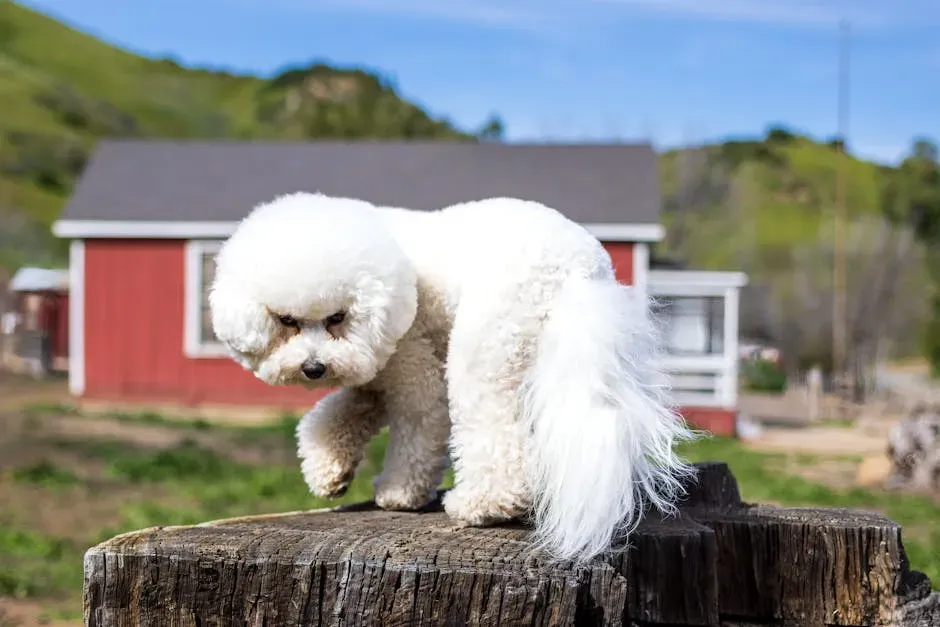
The Bichon Frise breed can be extremely sociable with both humans and other animals and will often get on well with other pets. If you’re considering adding a cat-friendly dog breed to your family, this breed is definitely worth considering, but bear in mind that Bichons love to play, so it’s worth keeping an eye on them to make sure they don’t become too boisterous.
They are small and thus less intimidating to cats and smaller pets. Most Bichons will gladly play, sleep, or just sit around other pets without causing any disturbance. They do best in social homes where they are not left alone too often. With gentle introductions, they usually settle comfortably into multi-pet families.
These smart and easy-to-train dogs crave human company, which makes the prospect of a cat friend all the more appealing when owners need to leave the house for extended periods.
Maltese

The Maltese is kind toward the cat, especially because this mellow dog breed is often preoccupied with lying on the couch rather than meddling in the cat’s business. The cat can sometimes be the one to take advantage of a Maltese’s sweet and gentle personality. On that note, these two can live peacefully as long as the kitty agrees not to tease the Maltese.
These tiny pups know how to make friends and really enjoy being lazy. Like Cavalier King Charles Spaniels, they can adapt to different schedules and energies and don’t need much outdoor physical activity. Stubborn like a cat and content to lounge around the house, a Maltese is an independent breed perfect for families with older cats or cats who prefer sunbathing to chasing laser pointers.
Basset Hound
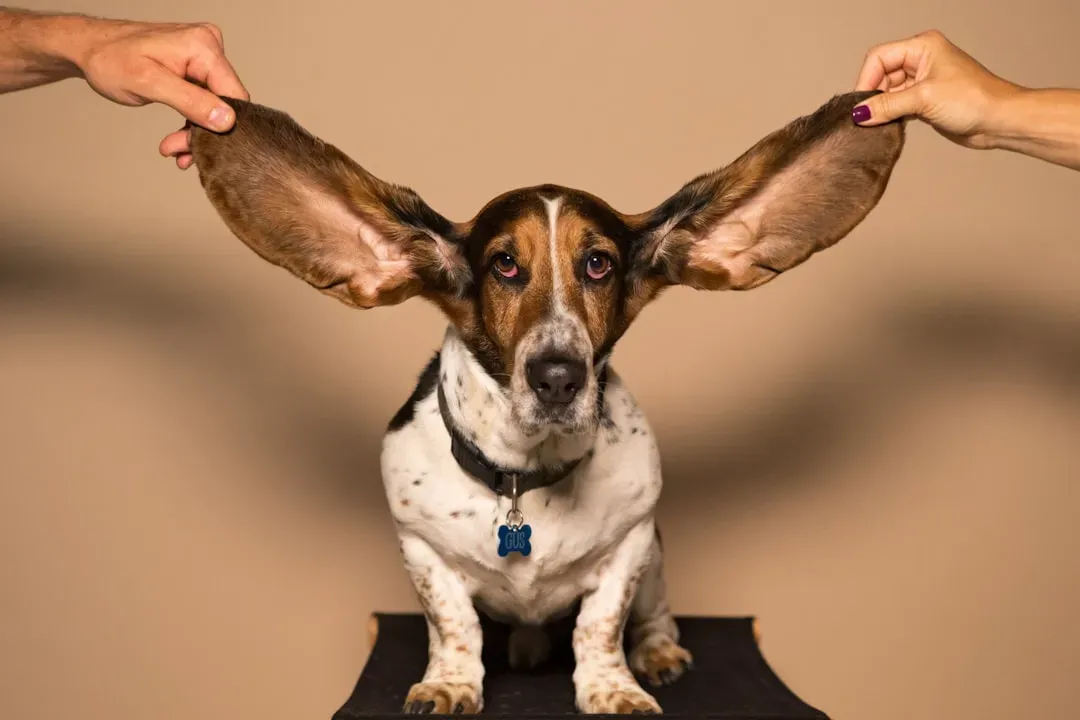
The Basset Hound is loyal, patient, and low-key. Training may be a bit of a challenge because they have a hound’s stubborn streak, but their mild-mannered attitude makes them friendly and tolerant of other animals.
This breed is known for its laid-back and easygoing nature, which is naturally helpful with skittish cats. Their low energy levels make them less likely to chase or insist on playing if the cat is not so inclined. Basset Hounds also tend to respect space and boundaries, which is important for successful integration with cats. Though bred for hunting, Basset Hounds tend to be calm and non-aggressive on their own.
The Basset Hound was originally used for hunting, but unlike some hounds with high prey drives, Bassets are more laid-back and unlikely to chase the family cat. Basset Hounds are friendly and accept all in the household as part of the pack, feline family members included. Cats will appreciate their slow-moving and relaxed personalities.
Boxer

It may be surprising to discover that Boxers are some of the best dogs for cat households, perhaps because they are known for being wildly energetic and strong. However, these qualities work well with kittens and younger cats who like to flop around and play. Boxers are also notoriously good with kids and other dogs, as long as they are introduced to them early in life.
Boxers are known for their playful and energetic personalities. When they are socialized early, they can learn to live peacefully with cats. Boxers often love to play, so they might try to wrestle or chase your cat. It is important to make sure your cat feels comfortable with this behavior.
Boxers need plenty of exercise to burn off energy, which will help them have more calm interactions with the household kitties. A well-exercised Boxer is a far calmer and more manageable housemate for any feline.
Papillon

These butterfly-eared dogs are about the size of a cat, but their happy and curious nature means they could see your cat as a friend. Papillons like to join in on whatever fun the family is having, even if it involves a cat.
Papillons are small, friendly, and smart. Their social nature often makes them fast friends with cats, especially with early introductions. As an added bonus, their small size and playful disposition make them less intimidating to kitties on the shy side.
Though small in size, many Papillon owners don’t see them as lapdogs due to their high energy and athletic capabilities. That said, Papillons are super-smart and love a job, so teaching them to respect a kitty’s way of life shouldn’t be a tall order.
A Few Things Worth Remembering
While successful integration largely depends on the individual personalities of the pets involved, certain dog breeds have traits that make them more likely to get along well with cats. Breed is a useful guide, not a guarantee.
Most dog breeds can live calmly with a cat if they are socialized as puppies and trained to leave the cat alone. Teaching your dog a “leave it” cue and a strong “stay” can help keep the peace. Proper introductions will also help, and it’s a good idea to make sure the cat always has an escape route.
You should always make sure your cat has the space to get away from your pup if they want to, as cats are generally less sociable than dogs, and will need time to themselves, especially if they feel overwhelmed or threatened. Respecting that need is just as important as choosing the right breed.
Conclusion
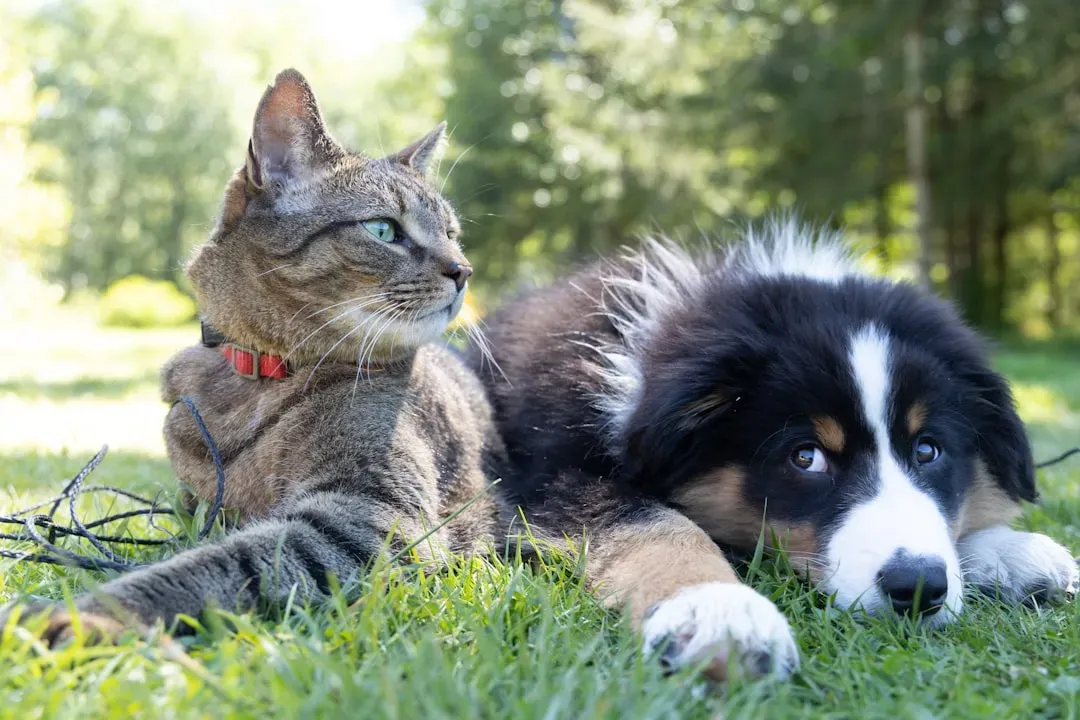
The good news for anyone dreaming of a household filled with both paws and purrs is that it’s entirely achievable. Choosing a breed with a naturally calm, social, and low-prey-drive temperament removes a significant amount of friction from the process.
Choosing a dog breed known for its compatibility with cats can make a world of difference in creating a harmonious multi-pet household, but it isn’t a guarantee. Patience, proper training, and gradual introductions are key to helping your dog and cat become the best of friends, or at least learn to tolerate each other.
What matters most in the long run isn’t just the breed you bring home. It’s the time, care, and patience you invest in helping two very different animals understand that they’re on the same team. Get that part right, and you might be surprised just how quickly the rivalry becomes a friendship.

- What Happens to Your Brain in the Final 60 Seconds Before Death – Neuroscientists Just Mapped It - August 13, 2026
- The Most Dangerous Myths About Tornadoes at Night - August 13, 2026
- How To Ride A Horse Safely - August 13, 2026