
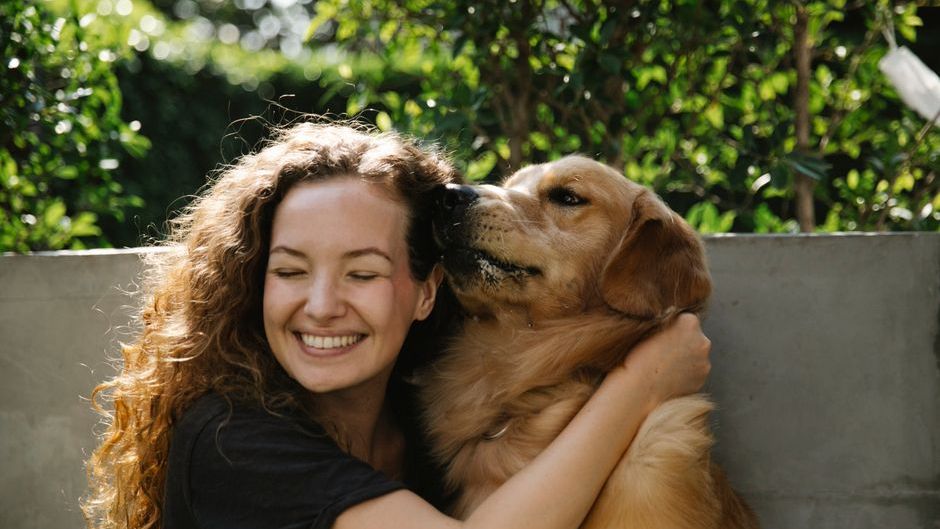
Labrador Retriever
Labrador Retrievers grew up working alongside fishermen and hunters, which shaped their strong desire to stay close and helpful. They pick up on household rhythms quickly and often position themselves where they can keep an eye on everyone at once. Their steady temperament makes them reliable partners for families who want a dog that joins in rather than watches from the sidelines.
Many owners notice how Labs mirror energy levels, calming down when the house is quiet and perking up for walks or play. This adaptability comes from generations of selective breeding for cooperation. The result is a dog that feels like part of the daily flow instead of an addition to it.
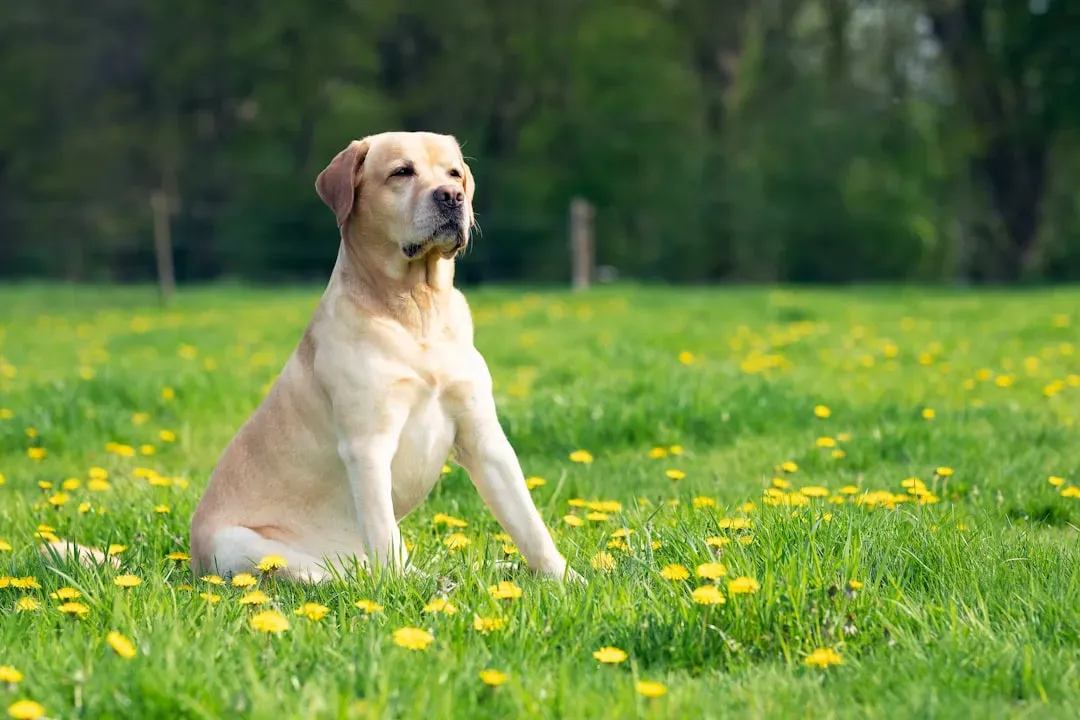
Golden Retriever
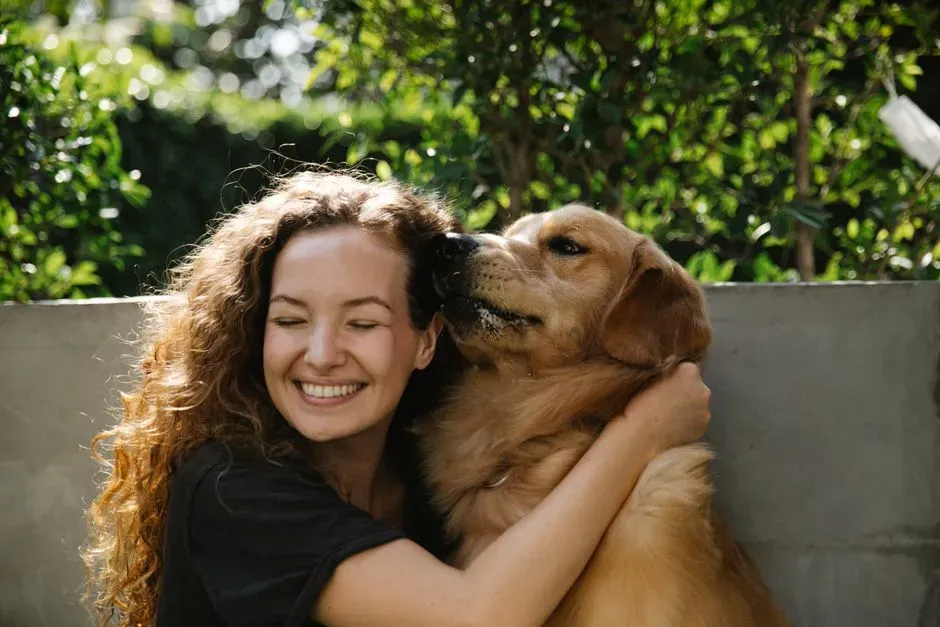
Golden Retrievers carry a reputation for warmth that traces back to their origins as gun dogs in Scotland. They tend to lean into affection, resting a head on a knee or following from room to room without demanding attention. Their patience shows up in how they handle children or older family members with gentle persistence.
These dogs often learn family schedules fast, appearing at the door when someone is due home. Their coat and expression invite touch, which reinforces the daily closeness many people describe. Over time the bond feels mutual rather than one sided.
German Shepherd
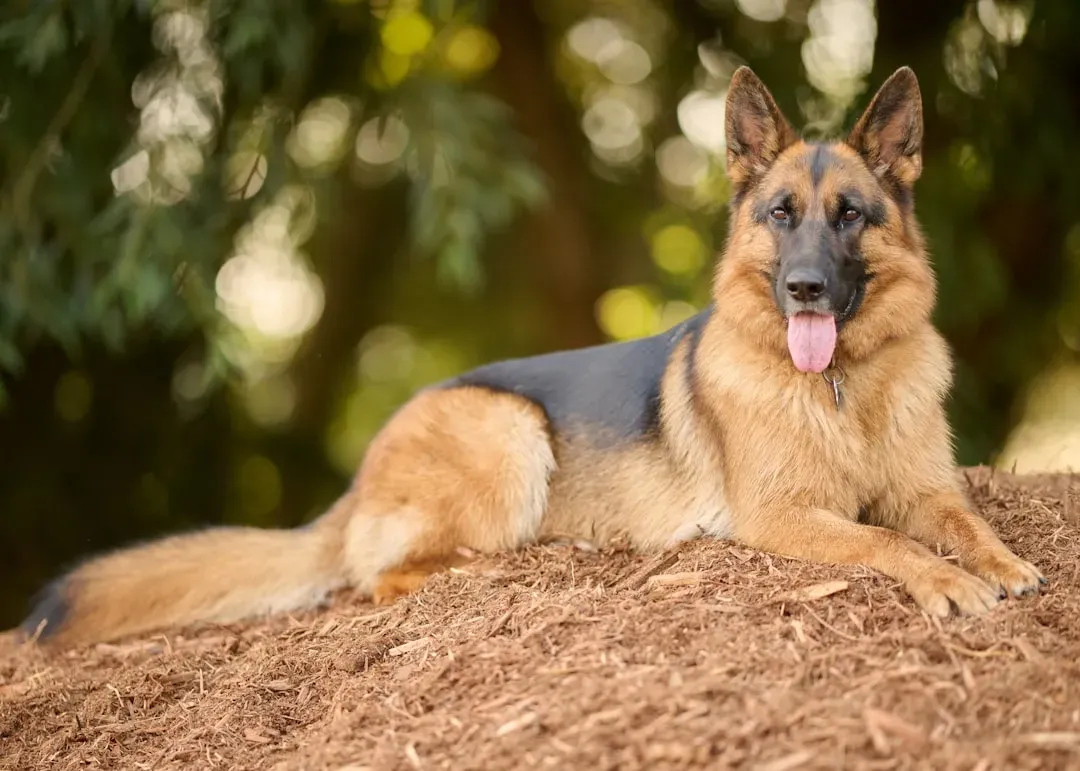
German Shepherds were developed for herding and protection work that required constant awareness of their handler. That background leaves them tuned to subtle cues like posture or tone of voice. They often choose one or two people as their primary focus while still remaining polite with the rest of the household.
Training sessions become shared projects rather than chores because these dogs seem to enjoy the teamwork. They settle into routines with little fuss once they understand expectations. The loyalty shows in quiet vigilance more than dramatic displays.
Cavalier King Charles Spaniel
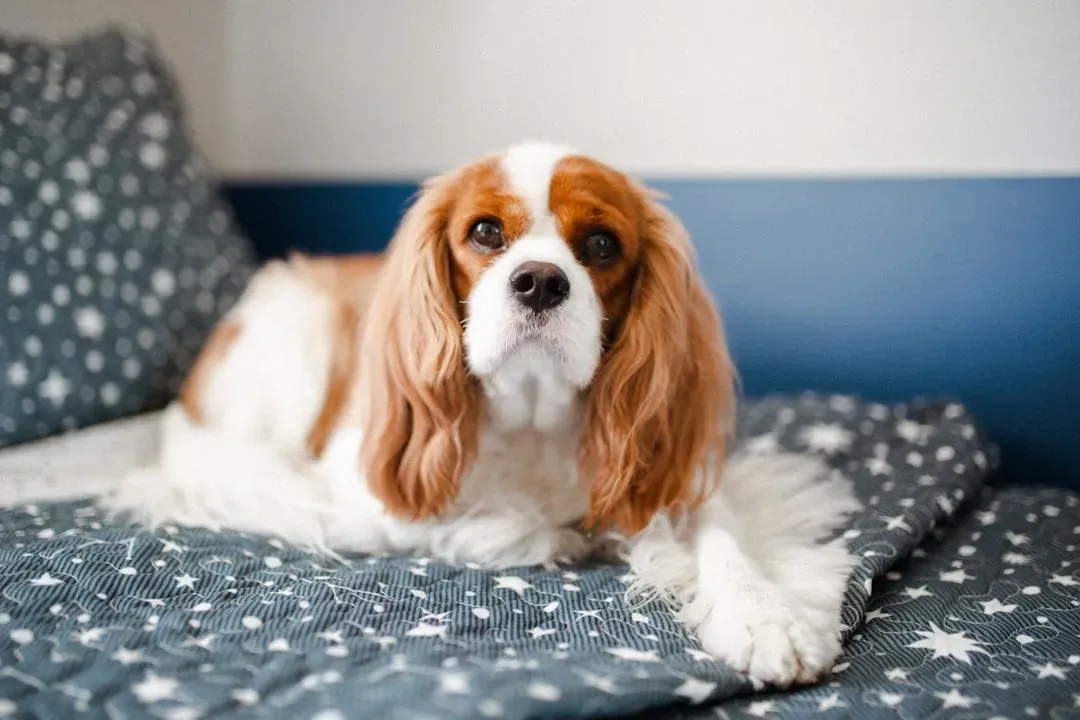
Cavaliers were bred as lap companions for European nobility, a role that still shapes their preference for close contact. They fit easily into small living spaces and rarely stray far from their person during the day. Their size makes it simple to include them in everything from couch time to short errands.
These spaniels often mirror their owner’s pace, slowing down for relaxed evenings and showing enthusiasm for gentle outings. Health considerations mean many owners keep a closer watch, which in turn deepens daily interaction. The result is a steady presence that feels woven into ordinary life.
Beagle
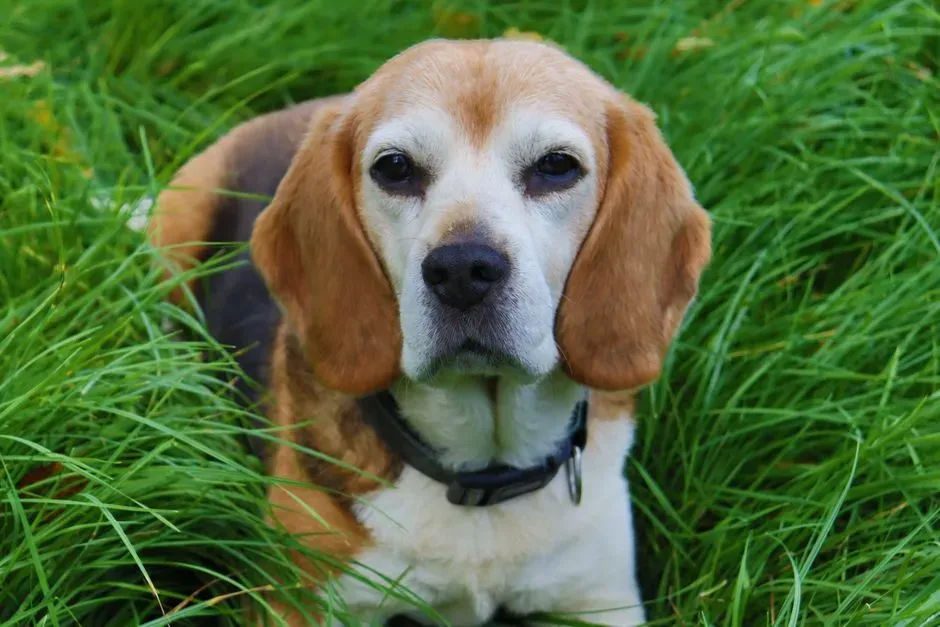
Beagles spent centuries hunting in packs, which gave them both independence and a need for social connection. At home they tend to check in frequently, following scents around the yard yet returning to confirm everyone is accounted for. Their expressive faces make it easy to read when they want company or a change of scene.
Food motivation helps during training, turning lessons into shared games rather than drills. Many owners find the breed’s curiosity keeps walks interesting and creates regular opportunities for interaction. The bond grows through these small shared adventures.
Poodle
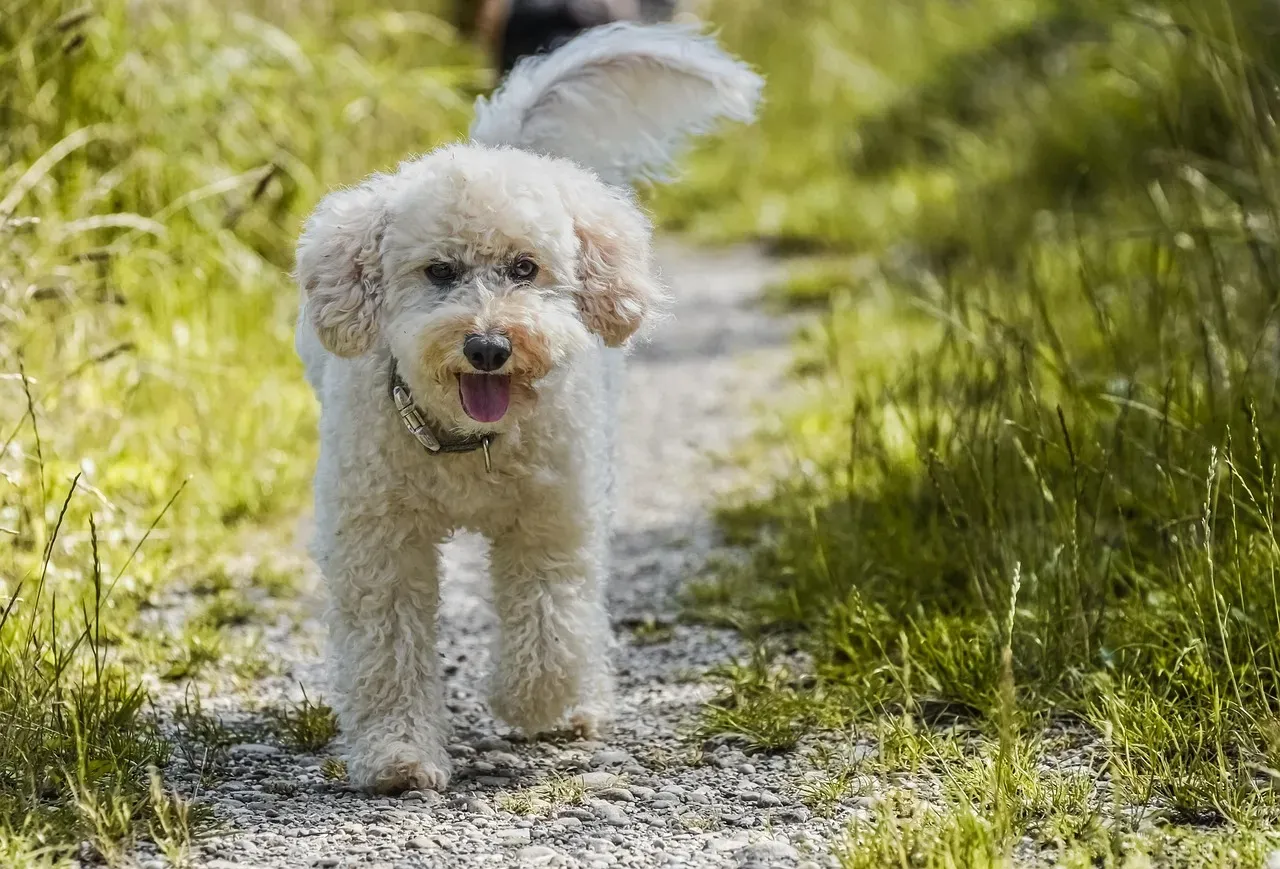
Poodles come in three sizes yet share a history of water retrieval and circus work that rewarded quick learning and closeness with handlers. Their intelligence shows in how fast they pick up household patterns and adjust their behavior accordingly. Regular grooming sessions become another point of contact that strengthens the relationship.
These dogs often prefer to stay near their people rather than wander off, even in larger yards. Their coat variety means owners spend time maintaining appearance, which adds another layer of routine togetherness. The result is a dog that feels both capable and attached.
Boxer
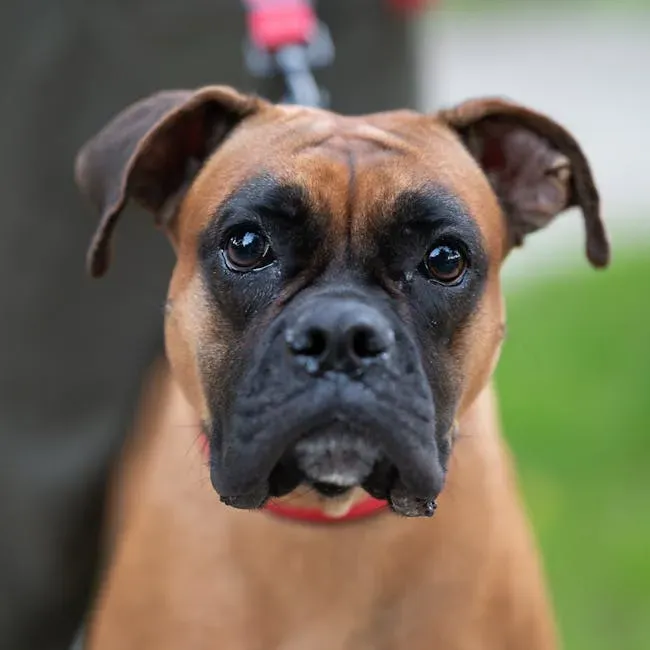
Boxers were originally developed in Germany for working and guarding roles that kept them near their handlers. Their playful streak makes them eager participants in family activities, from backyard games to simple morning routines. They tend to lean against legs or rest a paw on a lap when they want reassurance or attention.
Despite their muscular build, many Boxers show surprising sensitivity to changes in the home atmosphere. They settle into evening quiet time as readily as they join daytime energy. This balance keeps the connection steady across different moods and schedules.
Australian Shepherd
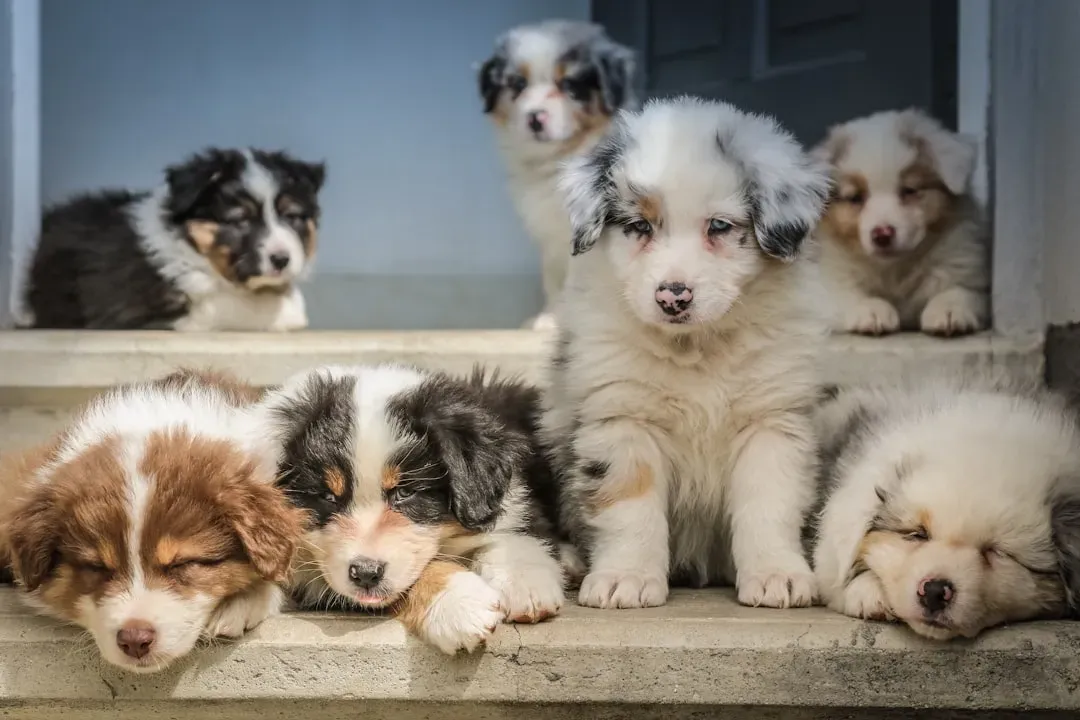
Australian Shepherds were shaped by ranch work that demanded constant attention to both livestock and the person giving directions. That heritage leaves them alert to movement and voice, often positioning themselves for the best view of household activity. They thrive when given small jobs like carrying a toy or following a simple command during daily tasks.
Exercise needs create regular opportunities for shared time outdoors. Many owners describe the breed as happiest when included in plans rather than left behind. The mental engagement required keeps interactions varied and ongoing.
Bulldog
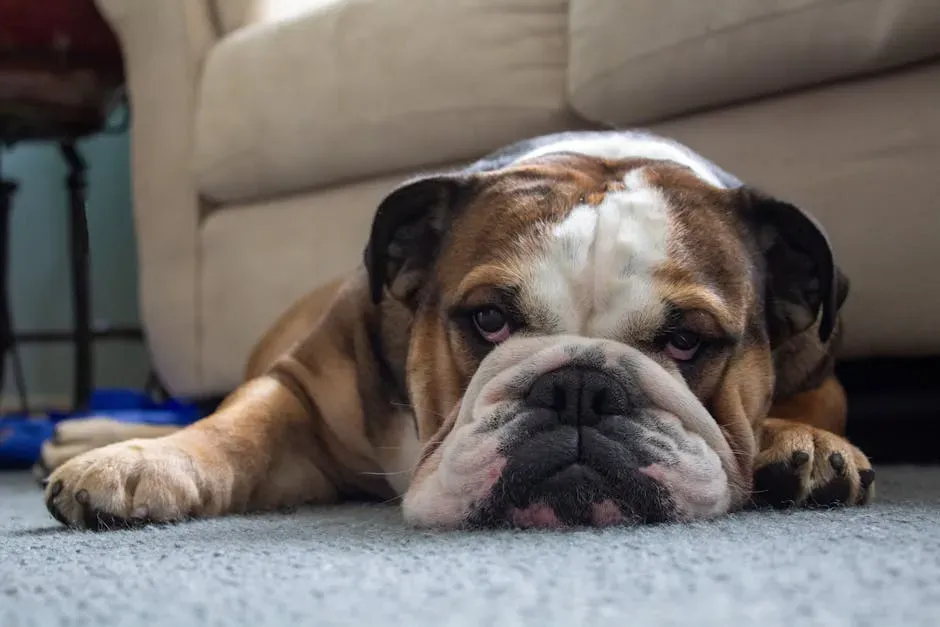
Bulldogs carry a calm presence that developed from their earlier working roots and later role as steady companions. They move at their own deliberate pace yet still manage to stay near their favorite person throughout the day. Short bursts of play followed by long stretches of relaxed company suit households that value low key presence.
Their expressive wrinkles and steady gaze invite casual interaction without requiring constant activity. Many owners appreciate how the breed adapts to apartment living while still seeking closeness. The bond forms through quiet consistency rather than high energy displays.
Shih Tzu
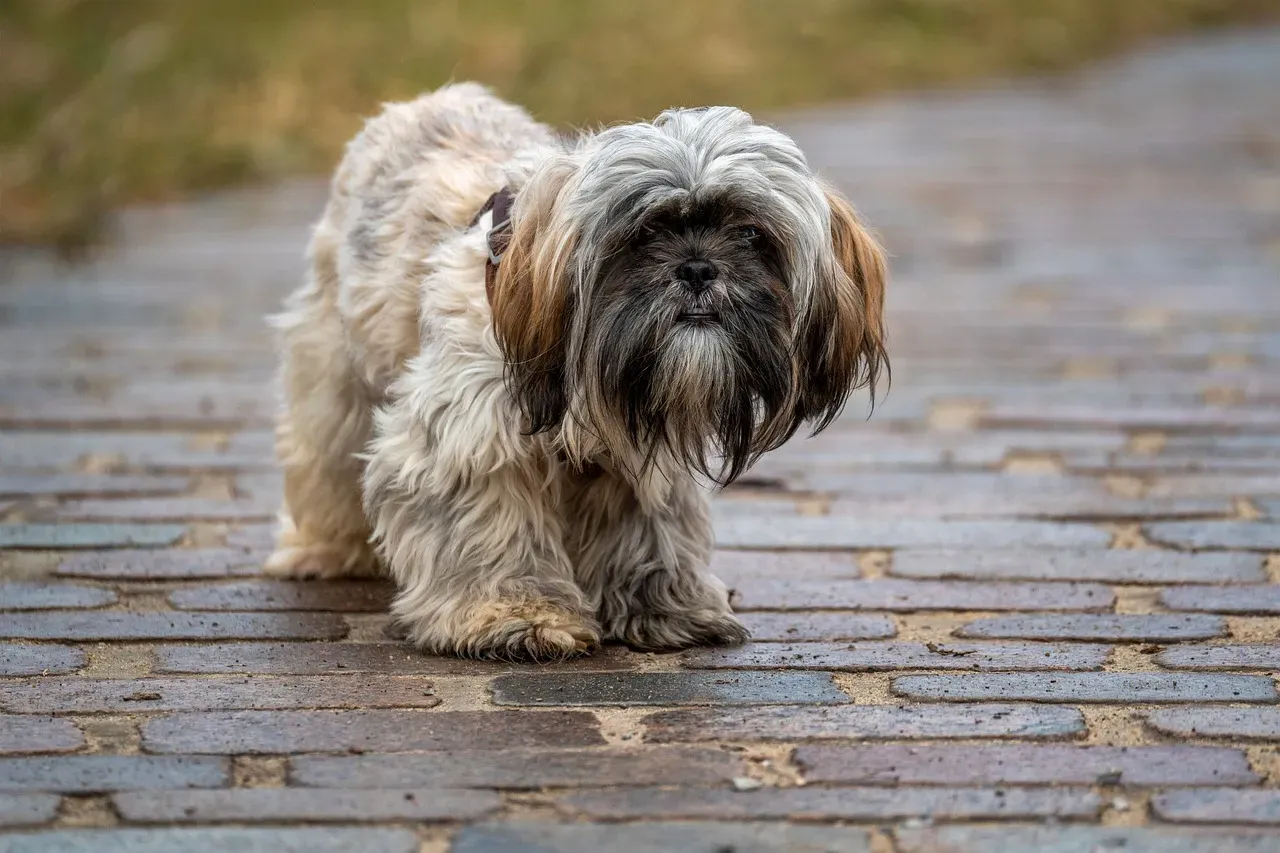
Shih Tzus were palace companions in ancient China, bred specifically for close human contact. Their small size and flowing coat make them easy to keep nearby during reading, working, or relaxing. They often choose a favorite spot within sight of their person and stay there contentedly for hours.
Grooming routines become regular moments of handling that reinforce trust. These dogs rarely demand intense exercise, which allows the relationship to develop through simple shared stillness. The attachment shows in how quickly they settle once their person is home.
Choosing one of these breeds does not guarantee an instant connection, yet their backgrounds make deep attachment more likely when time and consistency are offered. The real reward appears in the small daily moments when the dog simply chooses to stay close. Over years that choice becomes its own quiet language.
- 16 Ways Senior Dogs Try to Comfort Their Families in the Weeks Before They Go - August 5, 2026
- 15 Things Dogs Do in Their Final Weeks That Most Owners Only Understand in Hindsight - August 5, 2026
- 10 Powerful Guard Dog Breeds Known For Their Unwavering Loyalty And Protective Instincts - August 4, 2026