
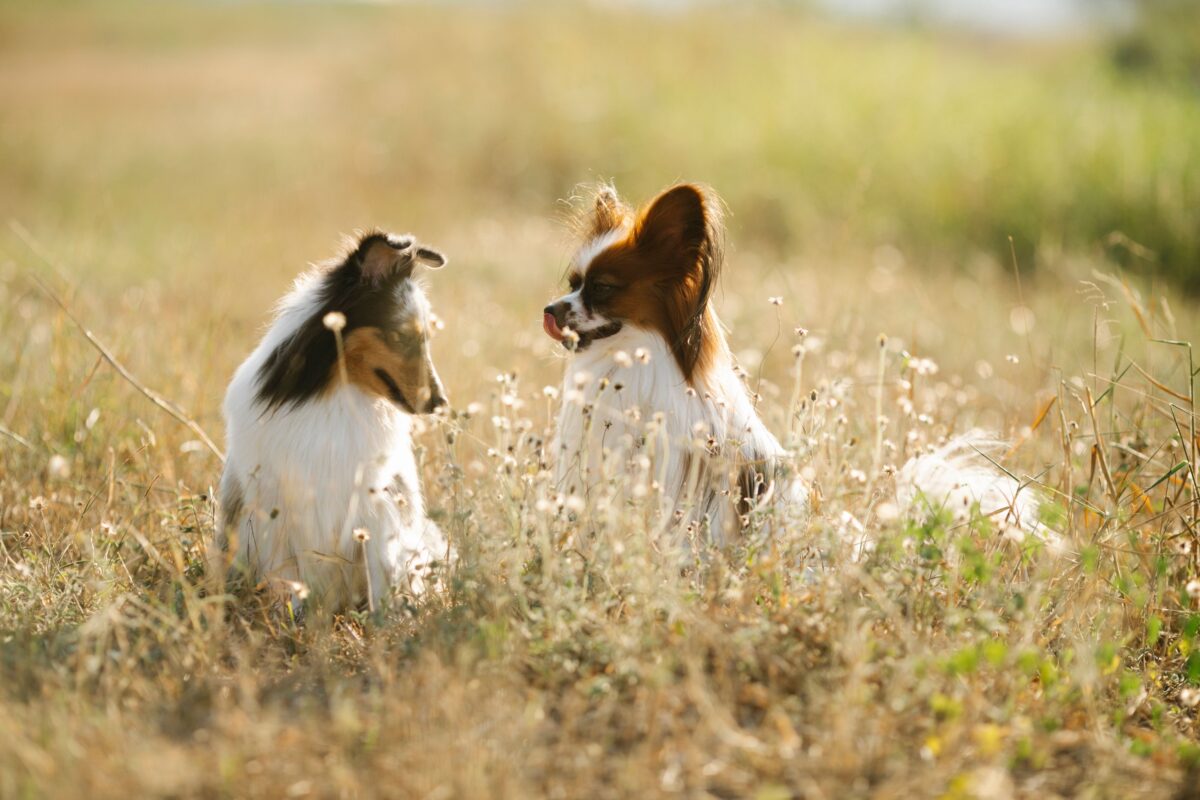
Imagine living next to a busy highway, a school playground, or in a city apartment where sirens scream at all hours and neighbors think 2 a.m. is a great time to drag furniture. Now imagine being a dog in the middle of that. Some breeds can shrug it off like background music. Others unravel so fast you can almost see their stress levels rise in real time.
Noise sensitivity in dogs is not just a “quirk” or a sign of a dramatic personality. It can be rooted in genetics, early socialization, and even brain chemistry. I still remember watching a friend’s Border Collie freeze and shake every time a distant thunderstorm rolled in while my scruffy mixed-breed snored through it like it was nothing. This article dives into ten breeds that often struggle when the volume gets turned up, and five that seem oddly built for chaos, so you can match the right dog to your real, noisy life.
1. Border Collie: Brilliant Mind, Fragile Nerves
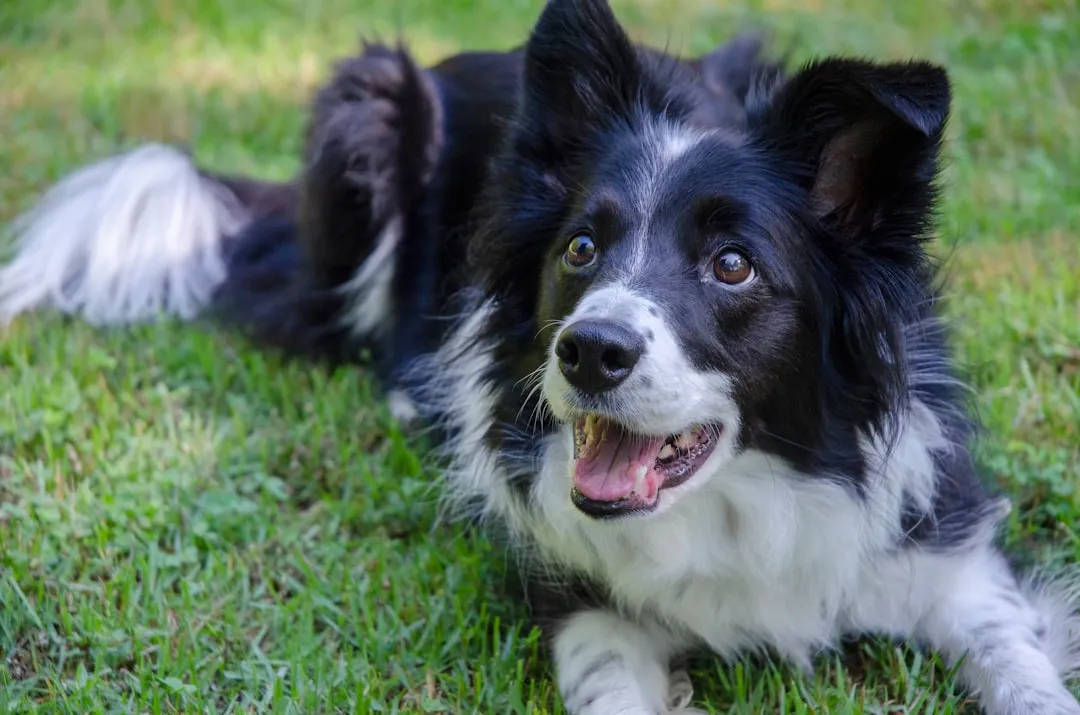
Border Collies are often called the brainiacs of the dog world, bred to read tiny cues from shepherds and respond instantly. That same ultra-sensitive wiring that makes them incredible workers can also make them vulnerable to loud, unpredictable soundscapes. In many households, you’ll see them flinch at dropping pans, fireworks, or kids shrieking down the hallway.
Think of a Border Collie like a high-performance race car: amazing when conditions are controlled, not so fun in a demolition derby. They tend to do best in calmer environments, with clear routines and structured mental work, rather than chaotic, noisy homes. If life is full of surprise visitors, loud parties, and constant construction outside, this is a breed that can quickly tip from “focused” to “frazzled.”
2. Shetland Sheepdog: Sensitive Soul in a Small Package
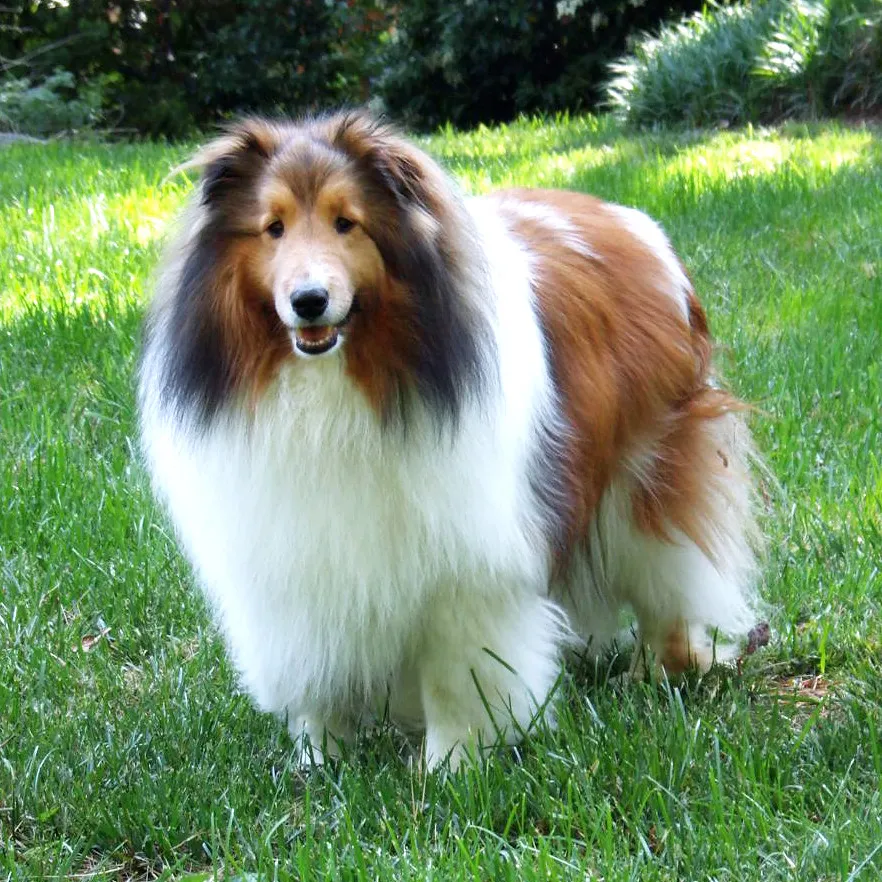
Shetland Sheepdogs, or Shelties, share a herding background with Border Collies, and they often share the same noise sensitivity. Many Shelties are naturally cautious and highly tuned to motion and sound, which made them excellent at managing skittish livestock on windy, noisy hillsides. In a modern city, that same sensitivity can translate into reactivity and anxiety.
In practice, a Sheltie in a loud environment might bark at every hallway noise, startle at slamming doors, and cling desperately during thunderstorms. They’re often happier in quieter households where sounds are more predictable and less intense. If someone wants a gentle, devoted companion for a calm lifestyle, Shelties can shine, but they’re a rough fit for constant urban noise and endless commotion.
3. Greyhound: Racing Heart, Startled Easily
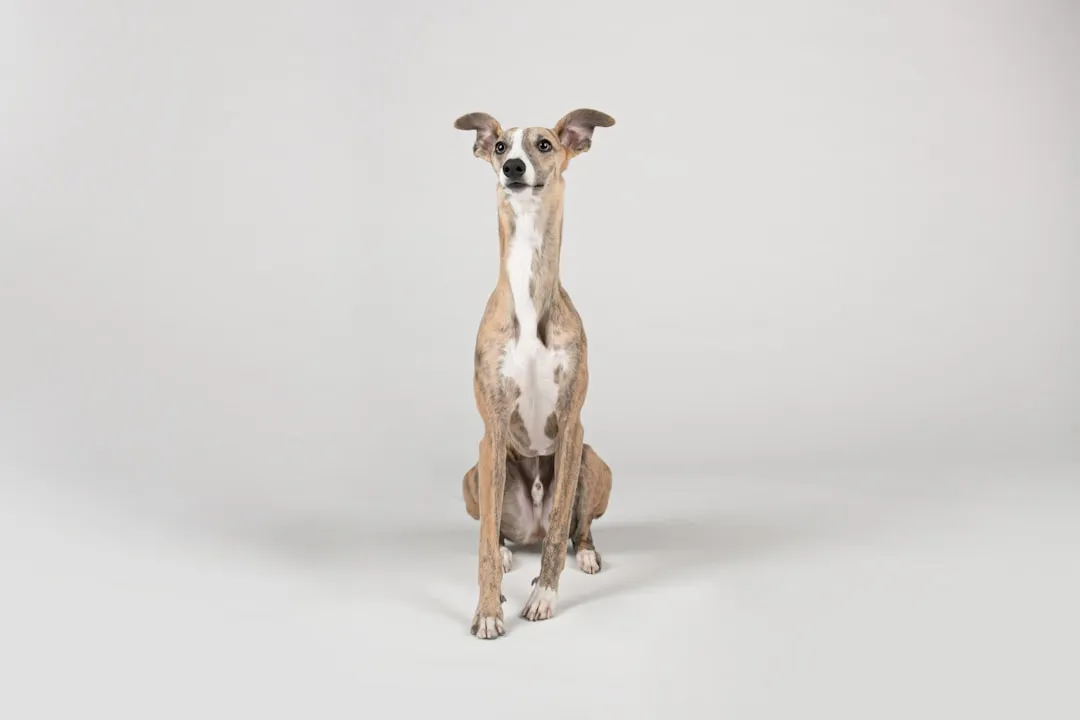
Greyhounds are surprisingly sensitive dogs despite their athletic past. Many retired racers are used to very specific track sounds but get rattled by the chaotic, random soundtrack of everyday life: traffic, vacuum cleaners, or a neighbor’s sudden drill. Their natural startle response can be strong, and they can seem almost cat-like in how quietly they prefer to move through the world.
Because of their thin skin, calm demeanor, and often reserved personalities, Greyhounds tend to flourish in peaceful homes where loud surprise noises are the exception, not the rule. Put them in a high-energy, noisy home with constant shouting, slamming, or blasting music, and they may spend most of their time hiding or trembling. They’re a great match for people who value quiet evenings and a more low-key lifestyle.
4. Cavalier King Charles Spaniel: Velcro Dog, Not a Fan of Thunder

Cavalier King Charles Spaniels are usually affectionate, gentle, and eager to be near their humans. But many Cavaliers also lean toward soft temperaments, which can mean they struggle with loud or sudden sounds. Fireworks, loud arguments, party music, or even a blender can be enough to send some Cavaliers scurrying for cover.
They were bred primarily as companion dogs, more for couch cuddles than for chaotic, noisy work. It’s no surprise that many Cavaliers do best in relatively calm homes with considerate noise levels. They can adapt to city life, but if the lifestyle includes frequent parties, yelling, or constant booming bass from next door, expect a nervous, clingy little shadow rather than a relaxed, confident companion.
5. Maltese: Tiny Body, Big Reaction to Noise
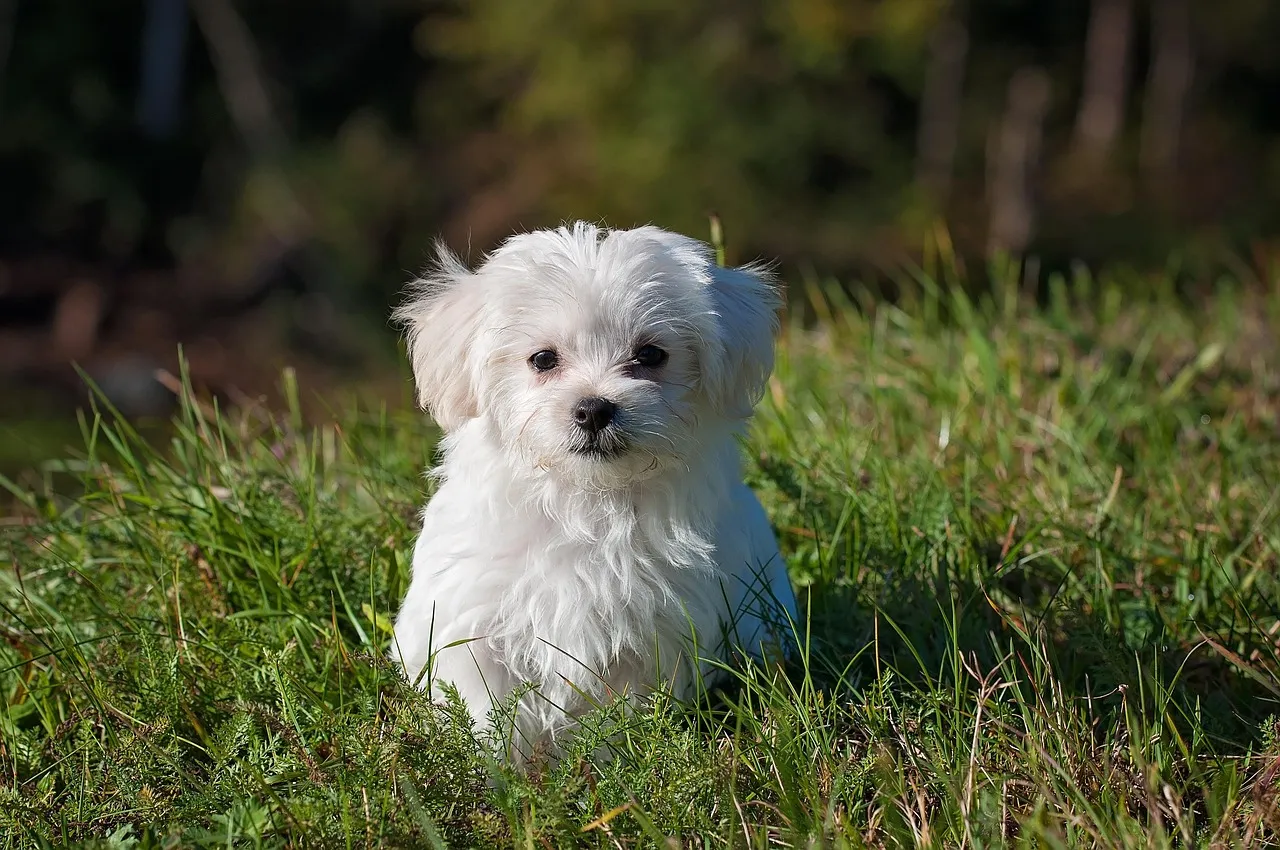
The Maltese is a small companion breed with a long history of life in human laps and on soft beds, not on busy farms or in loud factories. Many Maltese dogs are quick to react to loud sounds with barking, shaking, or running for safety. Because they are so small, the world can feel literally bigger and more overwhelming to them, and intense noise makes that even worse.
Imagine being knee-high to a vacuum cleaner that roars like a jet engine in your living room. For some Maltese, prolonged exposure to loud environments can turn into chronic anxiety or constant alert barking. A quieter apartment or home, where noise can be somewhat controlled, lets their sweet, playful nature show through without the constant backdrop of fear.
6. Shih Tzu: Lapdog Origins, Low Tolerance for Chaos

Shih Tzus were developed as palace lapdogs, bred to spend their days in relatively serene, protected environments. Many still carry that preference for calm into modern life. While a Shih Tzu can certainly live in a city, a never-ending barrage of car horns, construction, and shouting can leave them on edge.
These dogs often prefer predictable routines and consistent, gentle handling. If they spend too much time in noisy chaos, some Shih Tzus become clingy, reactive barkers, or simply shut down and hide. In a more peaceful environment, though, their affectionate, clownish, and steady personalities are much more likely to shine.
7. Papillon: Sharp Ears, Sharp Reaction

Papillons are small, smart, and energetic toy spaniels with those famous butterfly ears that catch every sound. Historically, they were companions and alert dogs, quick to notice anything unusual in the environment. This can mean they’re naturally prone to reacting intensely to noise, especially if their energy is not properly directed.
In a loud home, a Papillon can quickly become a nonstop alarm system, barking at every bump, clang, or shout. Over time, this is stressful for the dog, not just the humans. They do better in homes that channel their bright minds into training and games, with some effort put into sound desensitization and keeping the atmosphere from becoming a permanent roller coaster of volume.
8. Italian Greyhound: Delicate by Nature, Overwhelmed by Noise
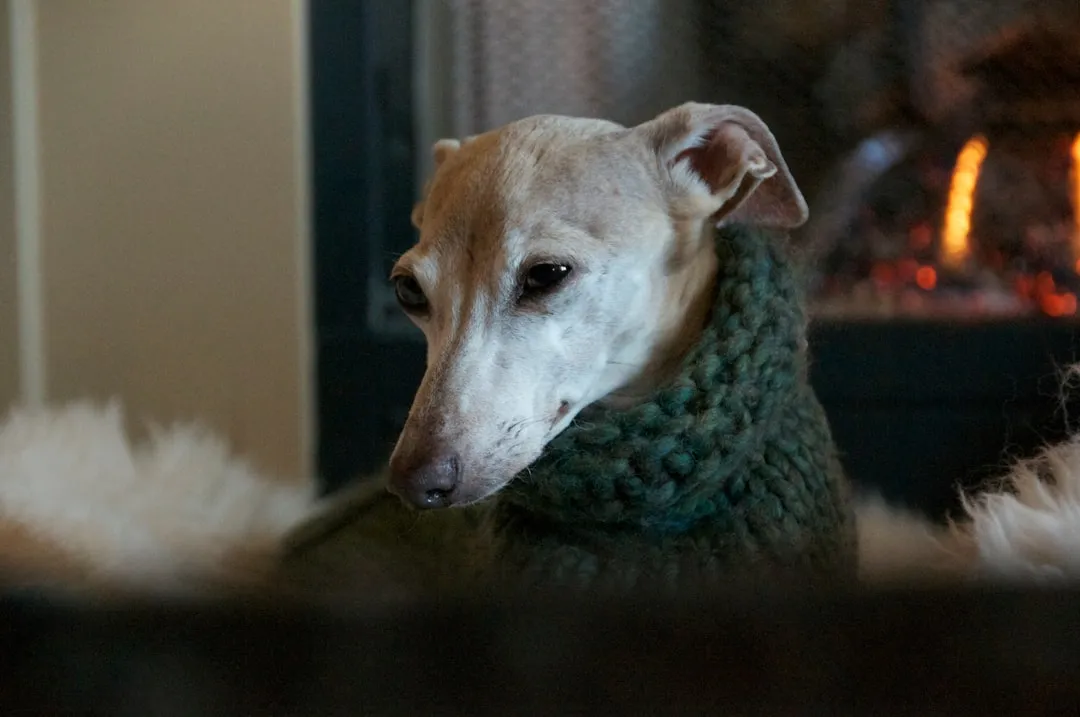
Italian Greyhounds are even more fragile and sensitive than their larger Greyhound cousins. They’re often shy, reserved, and very tuned into their owner’s emotions. Explosive noises like fireworks, thunderstorms, or even loud kids playing tag around them can send them into a panic.
Because they also have fine bones and minimal body fat, they’re physically delicate as well as emotionally sensitive. A loud, high-energy home can be almost too much stimulation, causing them to retreat and become fearful. Slower-paced, quieter households allow their playful, affectionate side to come out without constant fear of the next big sound.
9. Cocker Spaniel (American): Soft-Tempered and Sound Reactive

American Cocker Spaniels were originally hunting dogs, but over time many lines were bred more for companionship and appearance. In some modern Cockers, this has come with softer temperaments and a tendency toward fearfulness, including fear of sudden or loud sounds. They may startle easily and have difficulty settling if the environment is constantly noisy.
In real life this can look like trembling during storms, hiding from the vacuum, or barking obsessively at street noise. With careful training and calm, patient owners, Cockers can build more resilience. But they’re not the breed most likely to thrive in a high-volume environment where chaos is constant and noise never stops.
10. Bichon Frise: Cheerful, But Not Built for Sonic Warfare

The Bichon Frise is usually outgoing and cheerful, but it’s still very much a companion breed designed to live close to people, not in the middle of a construction site. Many Bichons are noise alert, and without careful training they can develop a pattern of nervous barking at loud or random sounds. This is especially common in busy apartment buildings where unfamiliar noises echo through hallways.
They’re social, playful, and adaptable up to a point, but endless unexpected bangs, shouts, and crashes can be too much. Bichons really shine in homes where people are around, but the overall soundtrack is more laughter and conversation than jackhammers and sirens. A bit of sound-proofing and routine can help immensely for this breed.
11. Labrador Retriever: Happy-Go-Lucky in the Middle of Mayhem

Now we shift to the chaos specialists, and Labradors are near the top of that list. Bred as working gundogs, they were designed to tolerate loud gunfire, splashing, shouting, and all kinds of unpredictable outdoor sounds. Most well-bred Labs show a remarkable level of noise resilience, often looking more curious than alarmed when something crashes to the floor.
In a noisy family home with children, guests, and endless activity, a typical Lab just sees more potential for fun. That doesn’t mean every single Lab is bombproof, but as a breed they have a strong reputation for bouncing back from startling sounds quickly. If your life looks like a permanent kids’ birthday party, a Labrador is one of the dogs most likely to take it in stride.
12. Golden Retriever: Gentle, Social, and Surprisingly Noise-Tolerant

Golden Retrievers are often seen as soft and sweet, yet many are tough when it comes to sound. Like Labradors, they were bred as hunting companions, expected to stay calm around gunshots, excited voices, and splashing in rough terrain. In modern life, this typically translates into dogs that are less likely to melt down over vacuum cleaners, doorbells, or backyard barbecues.
They are usually people-focused and eager to join whatever is happening, which helps them adapt to busy, noisy households. Of course, some individual Goldens can be sound-sensitive, especially if poorly bred or undersocialized, but as a general rule they are among the friendlier, more noise-tolerant breeds. If you want a dog who can handle kids’ sleepovers and loud movies without emotionally collapsing, a Golden is a solid bet.
13. Staffordshire Bull Terrier: Tough Exterior, Sound-Stable Core

Staffordshire Bull Terriers were developed in rough working-class environments where calm, steady temperaments were prized. Many modern Staffies are robust, confident dogs that do not spook easily at loud sounds. They’re often unfazed by city traffic, construction, or the usual chaos of a busy household, as long as they are properly socialized.
What really helps them thrive is their intense human focus and zest for life. If their people are laughing, moving, and talking loudly, Staffies are typically ready to join in, not run away. They’re not the best match for someone who wants a very quiet shadow, but for families whose homes sound like energetic group chats come to life, a Staffie often fits right in.
14. German Shepherd: Working Drive in a Noisy World
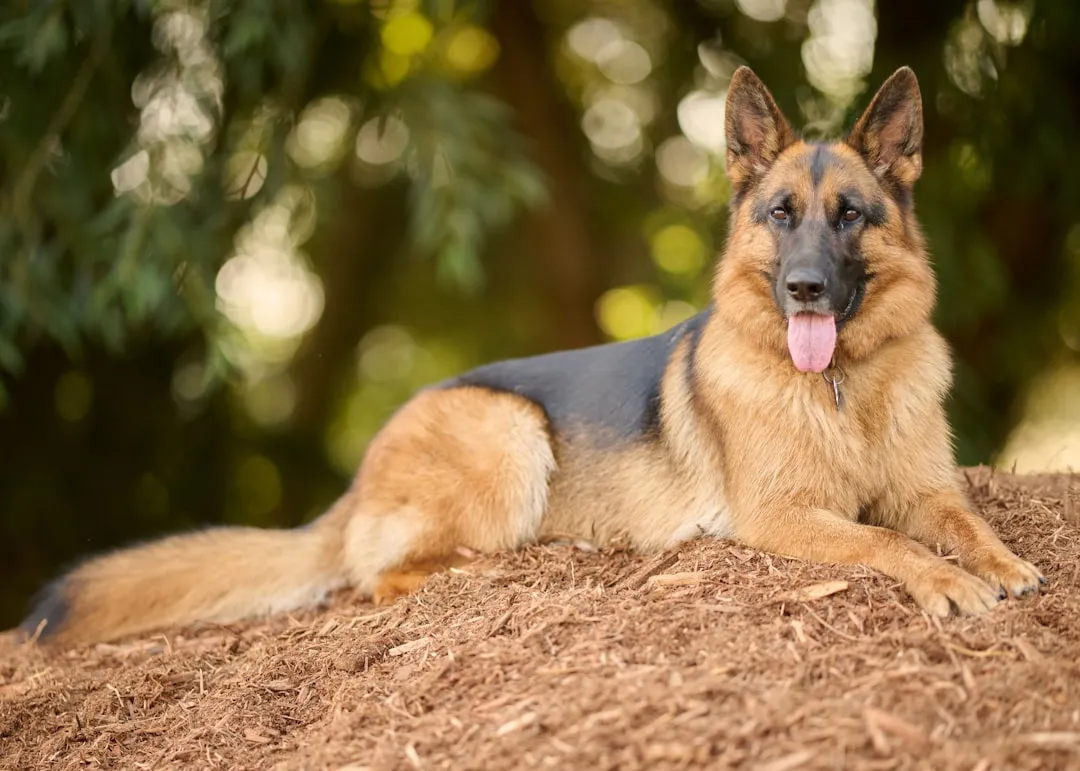
German Shepherds are widely used in police, military, and search-and-rescue work, all of which involve sirens, shouting, machinery, and sudden loud events. The dogs that succeed in these roles are specifically bred and selected to be resilient to noise, able to continue working even with high decibel chaos around them. That steady nerve has carried into many lines of the breed.
In a civilian home, a well-bred, properly socialized German Shepherd usually won’t crumble at fireworks, heavy traffic, or loud TV. They may react and investigate, but they tend to recover quickly and focus on the task or their handler. That said, poorly bred Shepherds can be anxious and sound-sensitive, so if you want that hallmark stability in a noisy environment, breeding and early training matter a lot.
15. Mixed-Breed “Street Dogs”: Built by Survival, Not by Design

Many mixed-breed dogs, especially those with backgrounds as street or village dogs, have been naturally selected for resilience, including noise tolerance. Dogs that panic at every loud sound simply do not cope well in busy urban or rural environments filled with traffic, markets, and human activity. Over time, more stable, adaptable temperaments tend to do better and survive longer.
Adopted mixed-breed dogs from city shelters often come pre-exposed to a wide range of urban noises. While some may still be fearful depending on their individual history, many show impressive ability to shrug off sirens, shouting, and banging. If you want a dog that can navigate dense, noisy city life, a well-chosen mixed-breed with a calm temperament can be every bit as resilient as a carefully selected purebred, sometimes more.
Conclusion: Match the Dog to the Life, Not the Fantasy

It’s tempting to fall in love with a breed based on looks or a viral video, then drag that dog into a life that simply doesn’t fit its wiring. A noise-sensitive Italian Greyhound in a thumping downtown loft will live a very different life than a robust Lab in the same space. Neither dog is “wrong,” but the match might be. The most compassionate choice is to be brutally honest about the soundtrack of your daily life before you ever bring a dog home.
My own bias is clear: I think we underestimate how exhausting constant noise can be for dogs and overestimate how much they can just “get used to it.” Some breeds can roll with chaos almost like professional festival-goers, while others are built more like artists who need quiet studios to do their best work. If you had to live with your own noise levels as a dog, would you thrive or fall apart – and which kind of canine roommate deserves to share that world with you?

- What Eagle Are You According to Your Zodiac Sign - August 15, 2026
- 8 Things Secretary Birds Do to Snakes That Make Them Extraordinary Hunters - August 15, 2026
- 7 Reasons Wolverines Survive in Places Most Predators Cannot - August 15, 2026