
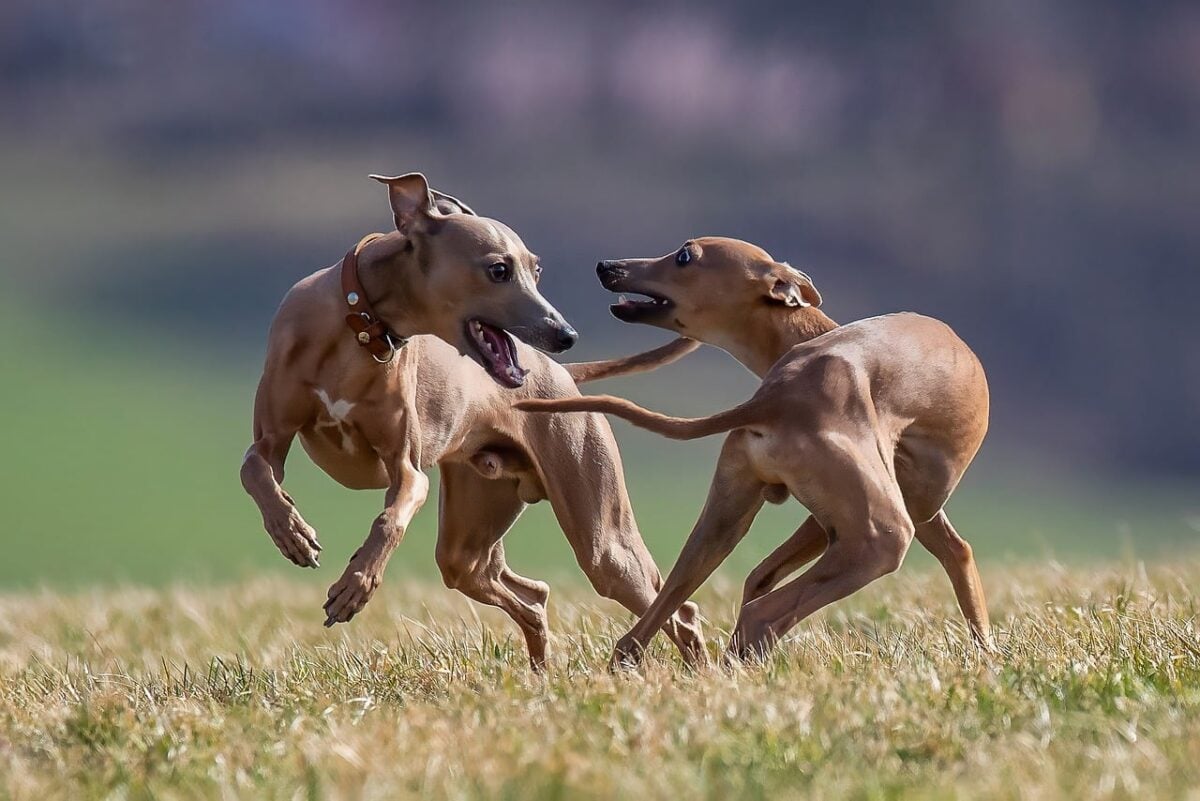
Most people think a dog’s behavior comes down to how you raise it. That’s only half the story. Centuries of selective breeding built instincts that training can manage but rarely erase, and some of the most popular breeds were designed to chase, catch and hold small animals. That’s a real problem if your home already has cats, rabbits, birds or a smaller dog.
Plenty of individual dogs surprise their owners in the best way. But the ten breeds below start with the odds stacked against a peaceful multi-pet household, and a couple of them look so harmless you’ll want to double-check the name. The one waiting at #1 is a dog most people would trust in a heartbeat.
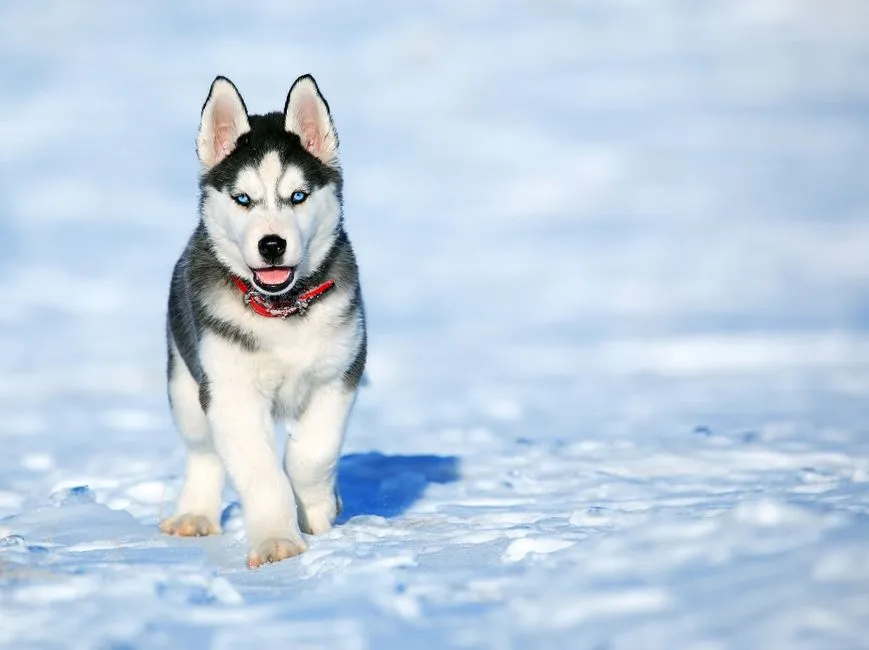
#10 – Siberian Husky: The Escape Artist With a Chase Reflex
🔥 Would you like to save this?
We'll email this post to you, so you can come back to it later!
Huskies were bred to pull sleds over long distances, and that history comes with a strong prey drive many owners underestimate. A cat or rabbit darting across the room can set off a chase reflex in seconds. Being sweet with people doesn’t switch it off.
They’re also notorious escape artists. One unlatched gate or one weak spot in a fence, and a husky can be gone within minutes, digging, jumping or squeezing its way out. Even a husky that tolerates the family cat indoors may act like a completely different dog outside, and all that energy turns into boredom and mischief fast.
The husky is only the start, because the next dog is built for pure speed.
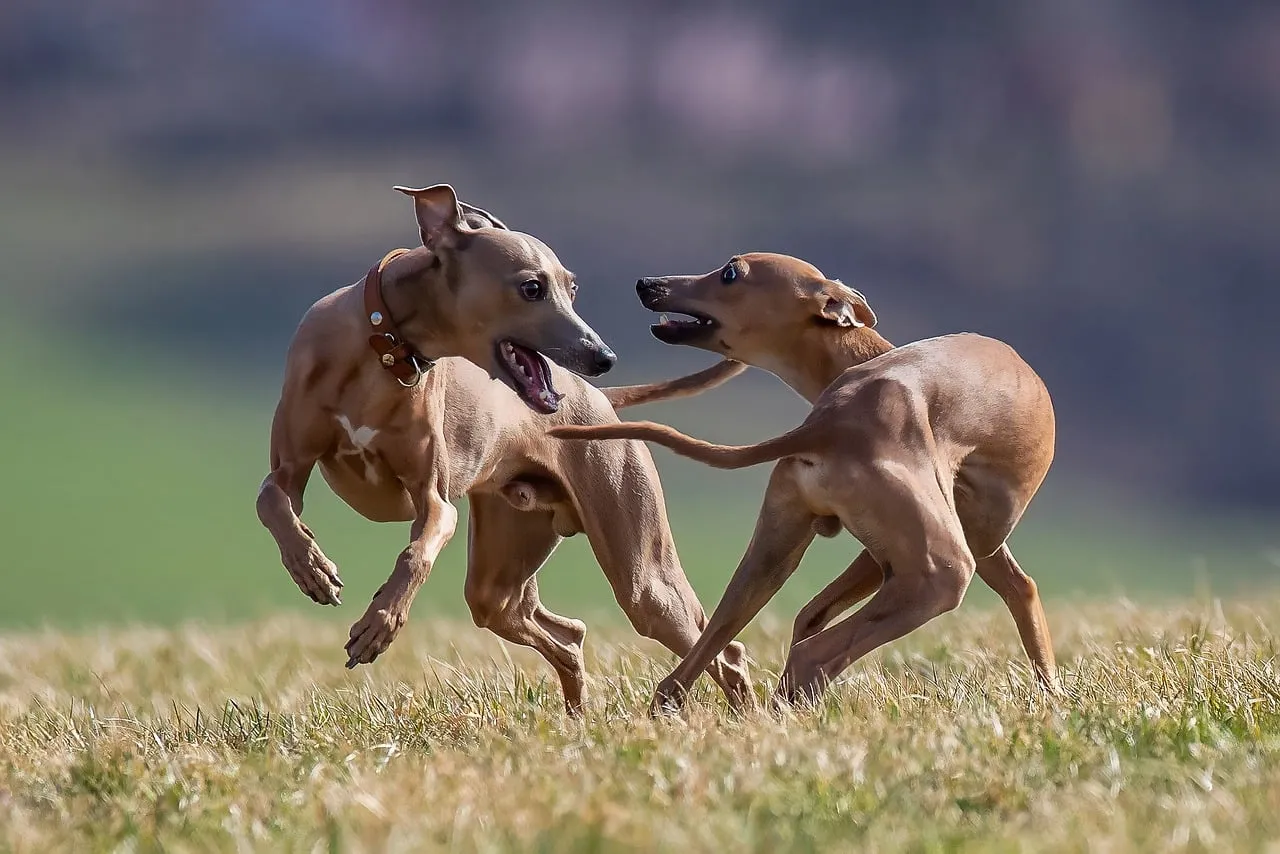
#9 – Greyhound: The Couch Potato That Can Snap in a Second
🔥 Would you like to save this?
We'll email this post to you, so you can come back to it later!
A greyhound can look like the calmest dog in the room, right up until something small runs past. Greyhounds are sighthounds, bred to spot movement and run it down. Indoors they’re often quiet and couch-loving, which fools plenty of first-time owners.
Some retired racers are assessed by adoption groups for how they react to cats and small dogs. Those results can help, but they aren’t a guarantee in every setting. A dog can pass a calm test and still react when it’s excited, off-leash or startled, and sight triggers the chase, not training level.
But speed isn’t the only way a dog’s past can cause trouble at home, as the next breed proves.
#8 – Jack Russell Terrier: Small Body, Big Hunting Agenda

🔥 Would you like to save this?
We'll email this post to you, so you can come back to it later!
Small size fools people into thinking a Jack Russell is a low-risk pet around other animals. This breed was developed for fox hunting and for going after quarry underground, which left a dog that’s fearless, fast and determined. Hamsters, guinea pigs, rats and even pet birds can look like prey to a terrier, and size doesn’t soften that.
Jack Russells are also bold with other dogs, sometimes picking fights with dogs much bigger than they are. Many owners describe them as stubborn and relentless. Experts often say this isn’t a beginner’s dog, even though it looks like a compact, cheerful starter pet.
Next up is a dog whose elegant looks hide a very old hunting instinct.
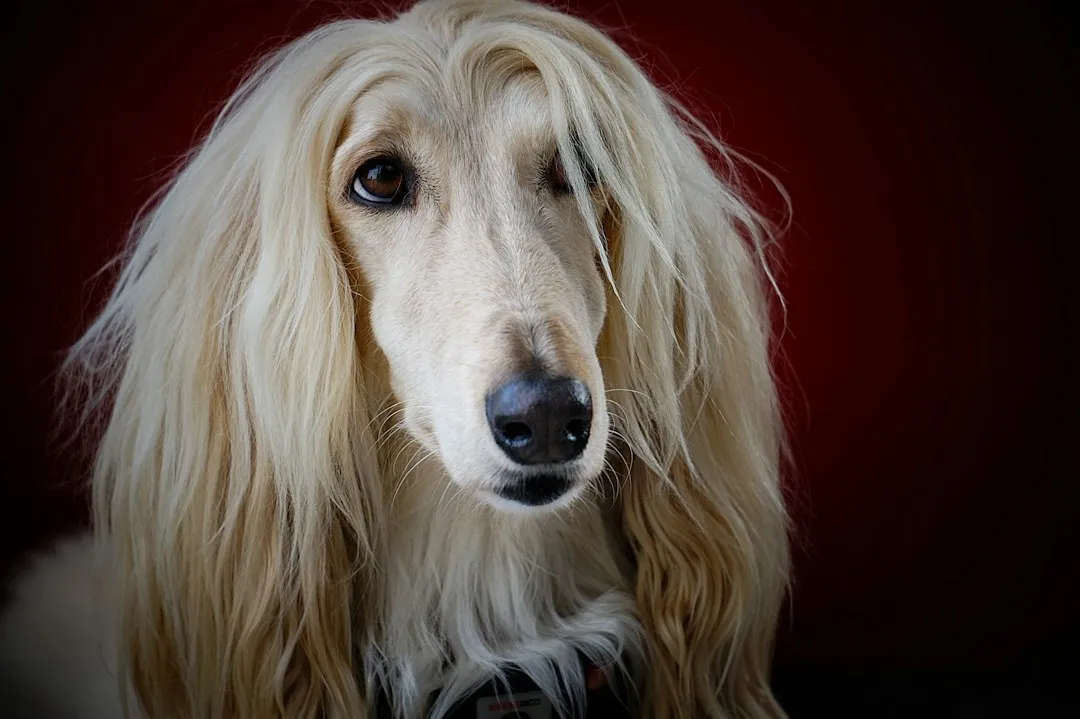
#7 – Afghan Hound: Runway Looks, Runaway Instincts
🔥 Would you like to save this?
We'll email this post to you, so you can come back to it later!
That glamorous coat belongs to a dog built to run down game across rough terrain. Afghan Hounds are sighthounds, so they share the chase wiring of other coursing breeds. They’re also independent thinkers, which means recall can fall apart the moment something catches their eye.
A dog that ignores your voice mid-chase is a serious problem around cats and small animals. Afghans can be gentle and dignified with their own family, but they aren’t known for eager obedience. Add a coat that demands serious grooming time, and a busy multi-pet home can get overwhelmed quickly.
Fast Facts
- Origin: Afghanistan, where the breed hunted over rugged, open ground
- Size: typically about 24 to 27 inches tall and roughly 50 to 60 pounds
- Wiring: a sighthound, so moving targets trigger the chase
- Upkeep: that long, silky coat needs regular, serious brushing
Few breeds look this elegant while being this hard to manage around other animals. And the next one has a reputation that surprises even seasoned dog people.
#6 – Akita: Loyal to You, Not Always to Your Other Dog
🔥 Would you like to save this?
We'll email this post to you, so you can come back to it later!
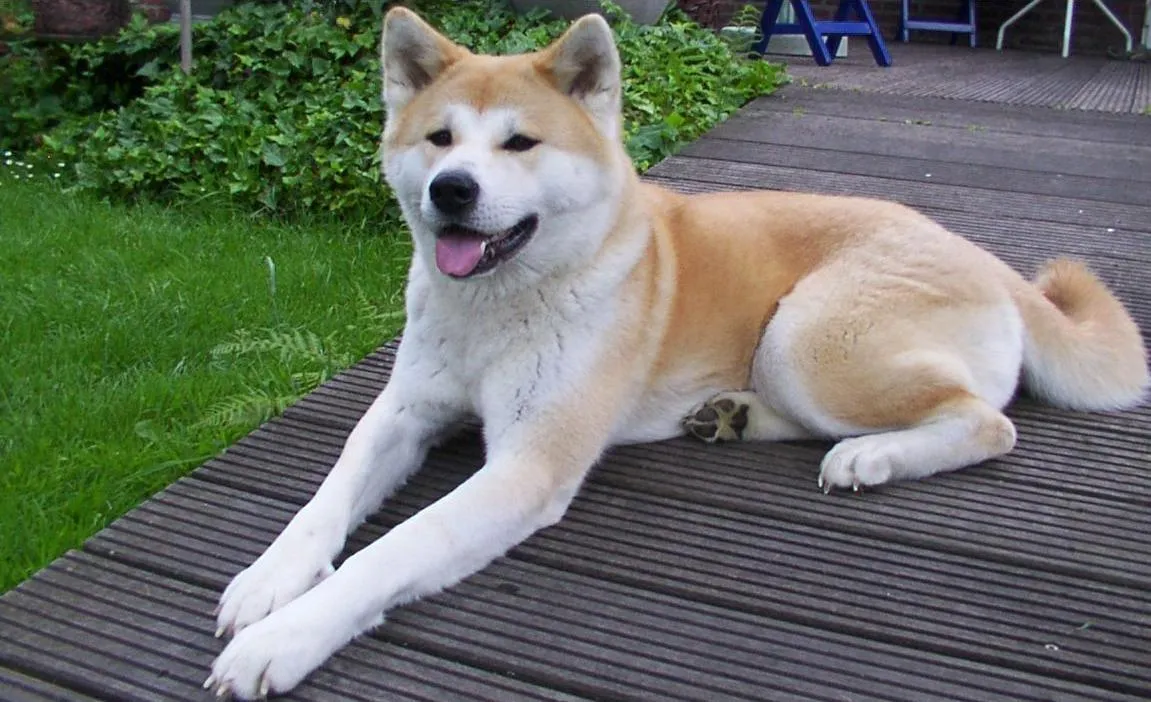
Loyal to a fault, the Akita can also be selective, and sometimes intolerant, about other dogs. Akitas were developed in Japan as powerful, dignified guardians and hunters. They tend to be devoted to their people, but many are known for tension with other dogs, especially of the same sex, which makes a second dog in the house a gamble.
They’re also large, strong and independent, so a conflict can cause real injuries before you can step in. Responsible breeders and rescue groups often advise experienced owners only, with early socialization and clear management. Even then, an Akita may never become a social butterfly at the dog park.
If you think the Akita is demanding, the next dog adds extra strength and stamina.
#5 – Alaskan Malamute: Power That Raises the Stakes
🔥 Would you like to save this?
We'll email this post to you, so you can come back to it later!
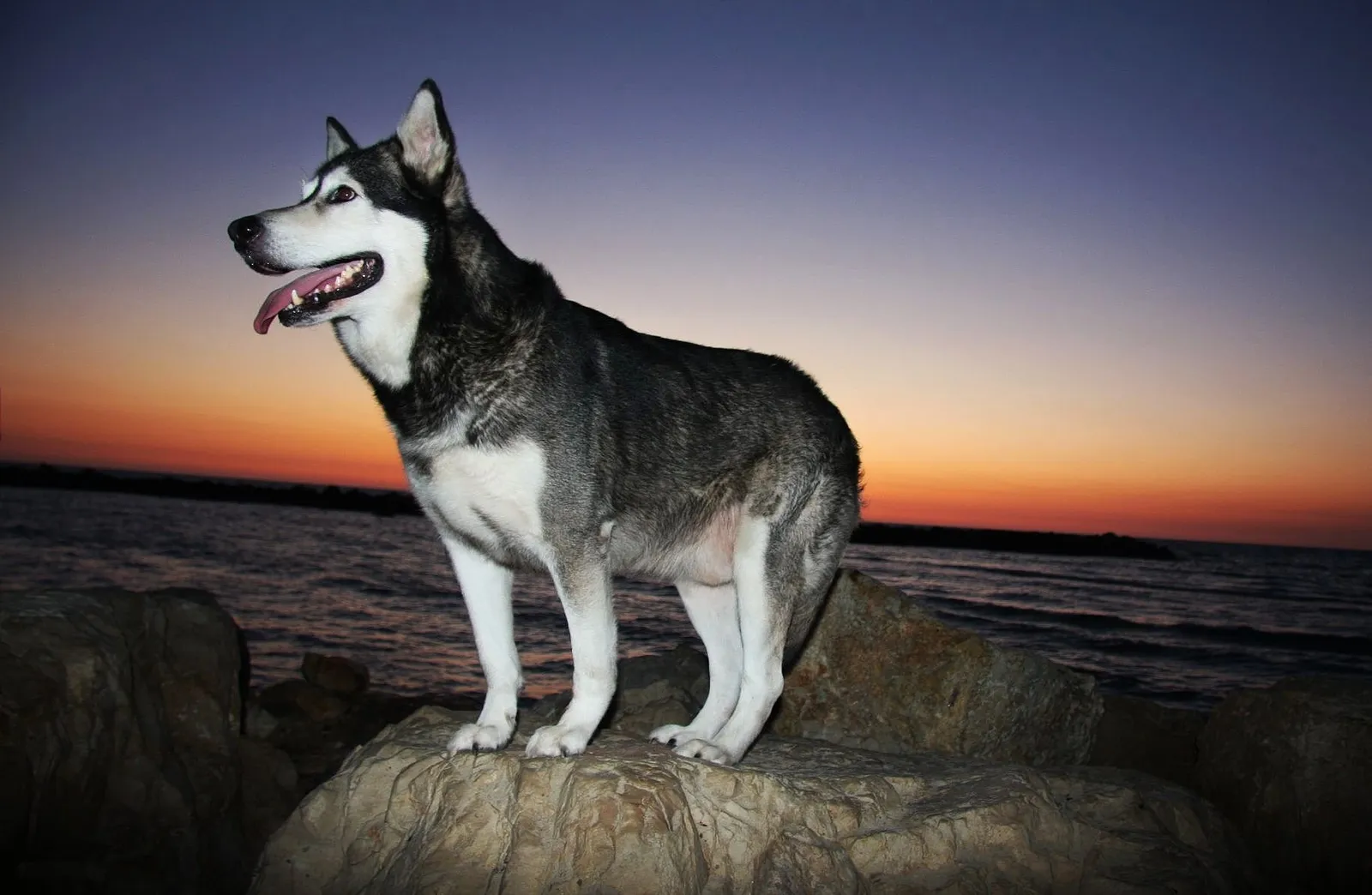
Malamutes are among the strongest dogs on this list, and strength raises the stakes in every conflict. Bred to haul heavy loads in harsh conditions, they’re powerful and persistent. Many have a strong prey drive and can see smaller animals as something to chase, and they can be bossy with other dogs if boundaries aren’t clear.
That combination is tough in a house with cats or small dogs, because even a playful Malamute can injure a smaller pet by accident. Add the breed’s love of digging, roaming and testing its owner, and you get a dog that needs structure, space and experience, not just affection. Those wolf-like looks are a big reason first-time owners fall for them without knowing what they’re signing up for.
Quick Compare: Malamute vs. Husky
- Husky: usually about 35 to 60 pounds, bred for speed over long distances
- Malamute: often 75 pounds or more, bred for hauling heavy freight
- The takeaway: similar chase instincts, but a Malamute’s extra muscle makes any mistake costlier
But the next breed is even more demanding.
#4 – Weimaraner: The Gray Ghost Your Hamster Never Saw Coming
🔥 Would you like to save this?
We'll email this post to you, so you can come back to it later!
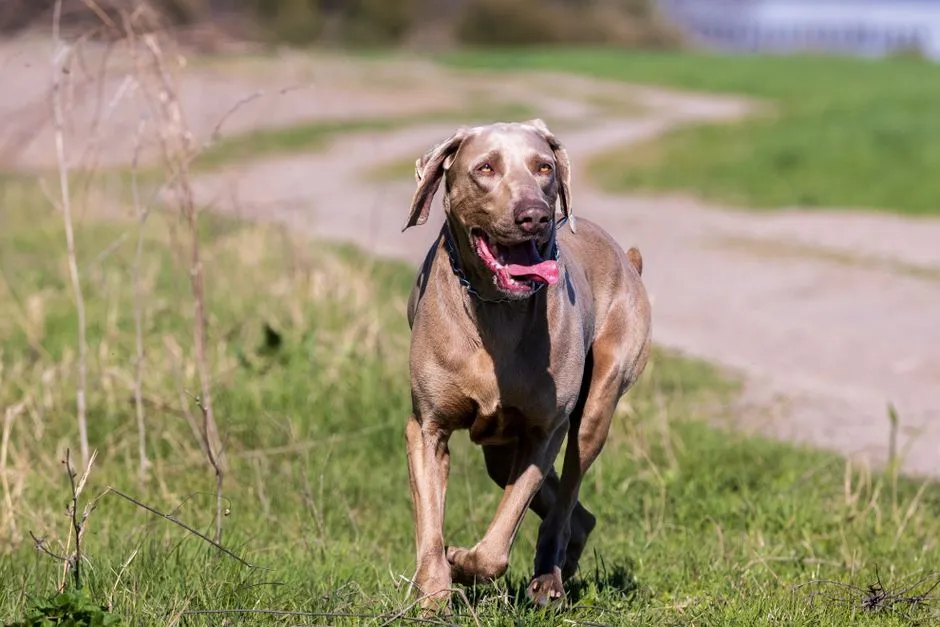
The “gray ghost” is a hunting machine, and your hamster doesn’t know the difference. Weimaraners were bred to hunt, and they carry high energy and serious drive. Birds, rabbits and rodents can set off that instinct, and so can a cat that darts around the house. A bored Weimaraner can turn destructive and unpredictable fast.
They’re also deeply attached to their people, and many struggle when left alone. That can mean anxiety, chewing and frantic behavior, and in a multi-pet home that stress can spill onto the other animals. Experts usually recommend plenty of daily exercise and mental work before even considering one.
Still, the next dog was bred for something far more intense than bird hunting.
#3 – Rhodesian Ridgeback: Bred for a Job Most Dogs Couldn’t Handle
🔥 Would you like to save this?
We'll email this post to you, so you can come back to it later!
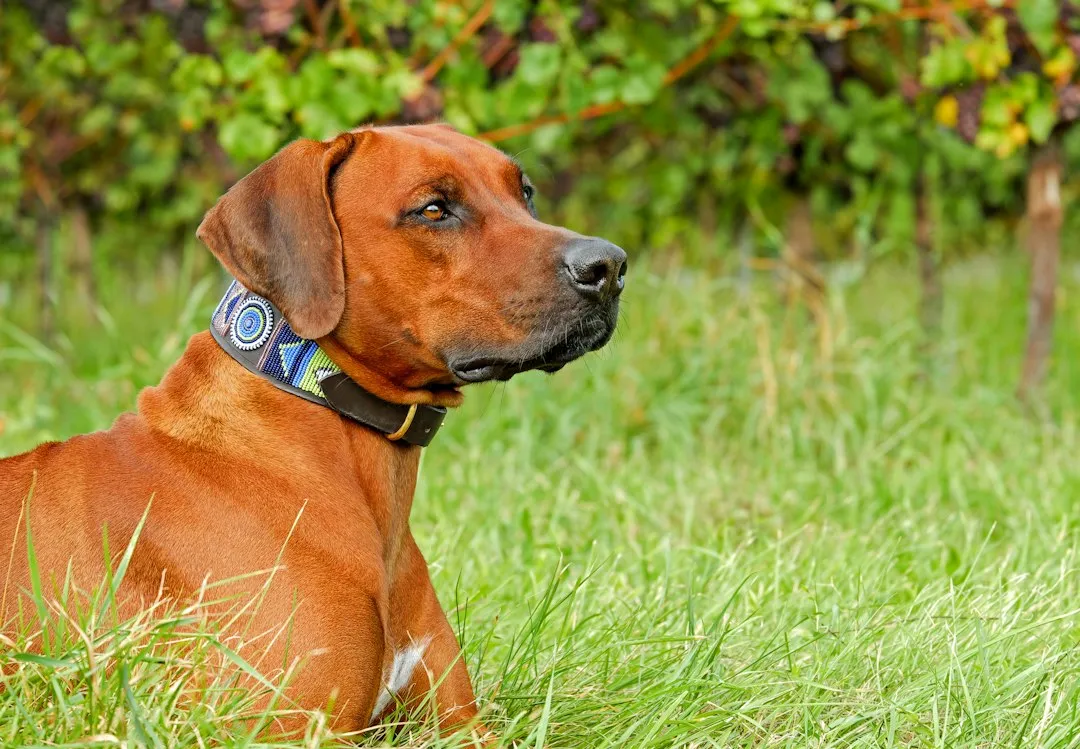
Few dogs have a job description as extreme as the Ridgeback’s. The breed’s origins are tied to hunting large, dangerous game in southern Africa, and it’s often linked to tracking lions. That history produced a strong, confident dog with real independence, loving at home but often reserved with strangers and strong-willed in training.
With other pets, early socialization matters a lot. Some Ridgebacks live peacefully with cats they grew up with, while others treat unfamiliar small animals as targets. “Raised with the cat” doesn’t automatically cover the neighbor’s cat, a visiting rabbit or a brand-new pet.
Next is a dog that looks like a teddy bear and doesn’t always act like one.
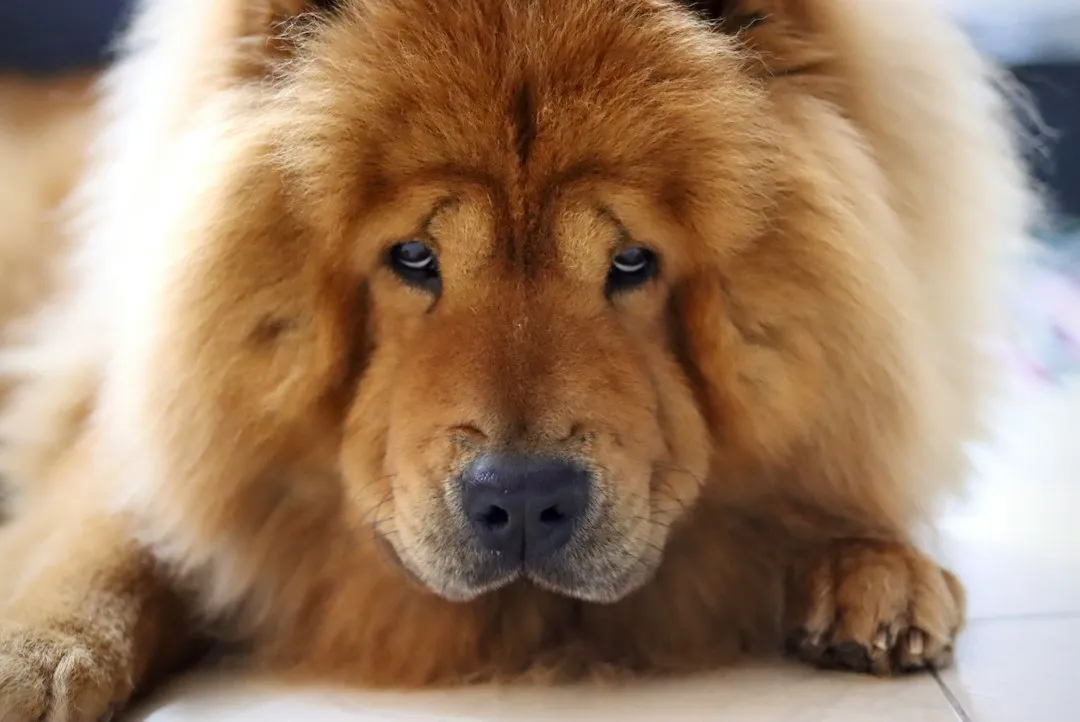
#2 – Chow Chow: The Teddy Bear With a Territorial Streak
🔥 Would you like to save this?
We'll email this post to you, so you can come back to it later!
The Chow’s fluffy look hides a famously aloof and sometimes territorial personality. Chow Chows are an ancient breed, and many are reserved, independent and protective. They’re often described as cat-like in attitude, but that doesn’t make them easygoing with other animals, and some are wary of unfamiliar dogs and pets.
Early and ongoing socialization is critical. Without it, a Chow may guard space, toys or people in ways that create tension with other pets. A thick coat and a stoic expression can also hide warning signs, so experts often recommend this breed for experienced owners who can read subtle body language.
Worth Knowing
- Origin: China, one of the oldest recognized dog breeds
- Signature trait: a blue-black tongue that makes the breed instantly recognizable
- Size: typically around 45 to 70 pounds under all that fluff
- Watch for: stiff posture, a fixed stare or guarding of a favorite spot, since a calm face can hide tension
Quiet isn’t the same as relaxed, and that’s an easy mistake to make with a Chow. But the dog at #1 may surprise you most, because it looks completely harmless.
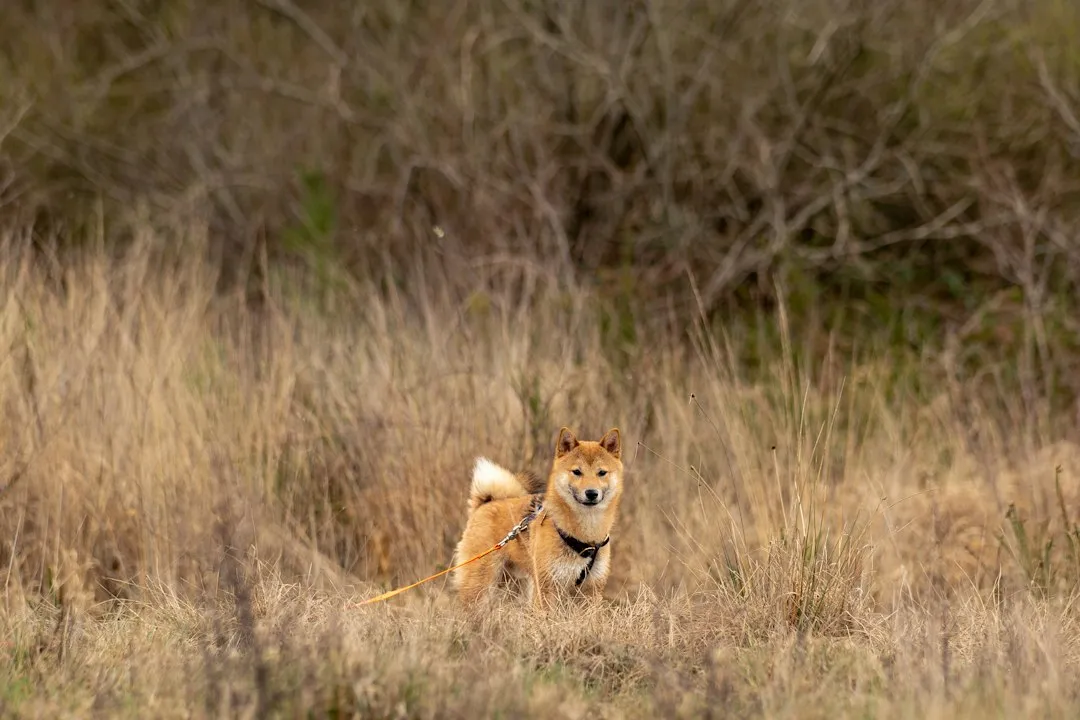
#1 – Shiba Inu: The Internet Darling With a Hunter’s Brain
🔥 Would you like to save this?
We'll email this post to you, so you can come back to it later!
The dog that looks like an internet meme may be the most misjudged breed on this list. Shibas are compact, fox-like and hugely popular online. But they were developed in Japan to hunt small game and flush birds, and that instinct is very much alive in many modern Shibas. Hamsters, rabbits, birds and cats can all trigger it, and the small frame makes that easy to forget.
They’re also independent, strong-willed and sometimes selective about other dogs. Recall can be unreliable, and many owners keep them on leash in public for good reason. A dog that does things its own way is charming in a viral video. It’s much harder in a home full of other animals.
No breed is doomed, and no breed is guaranteed. Individual dogs vary, and training and socialization matter. But the pattern is hard to ignore: dogs bred to chase, hunt or guard carry those instincts straight into your living room.
If you share your home with cats, rabbits, birds or smaller dogs, choosing one of these breeds means signing up for daily management, not occasional training. In our view, the biggest mistake is picking a dog for its looks and hoping its instincts will fade. Choose for temperament first, and your other pets will thank you. Would you add a breed to this list, or take one off?

- 7 Everyday Habits That Can Make Your Senior Dog Happier - November 5, 2026
- 10 Enigmatic Structures That Continue to Puzzle Scientists Today - November 5, 2026
- 10 Strange Ruins in the Americas That Challenge What We Know About Early History - November 5, 2026