

Picture this: you’re sipping your morning coffee, gazing out your kitchen window, when a flash of brilliant crimson catches your eye. A male cardinal lands on your feeder, his vibrant red plumage almost glowing against the winter landscape. There’s something almost magical about these birds, isn’t there? They’re the official state bird of more states than any other bird – seven in all, and honestly, it’s not hard to see why they’ve captured so many hearts.
If you live practically anywhere in the U.S. east of the Rocky mountains, you’re likely within their territory, which means you have the chance to welcome these stunning songbirds into your own backyard paradise. The best part? Northern Cardinals are not migratory, so once one or two begin coming to your yard, they’ll return all year long – even in the winter. Ready to transform your garden into a cardinal haven? Let’s dive into these ten simple upgrades that will have these beloved birds flocking to your space.
Create the Perfect Feeding Station with Platform Feeders
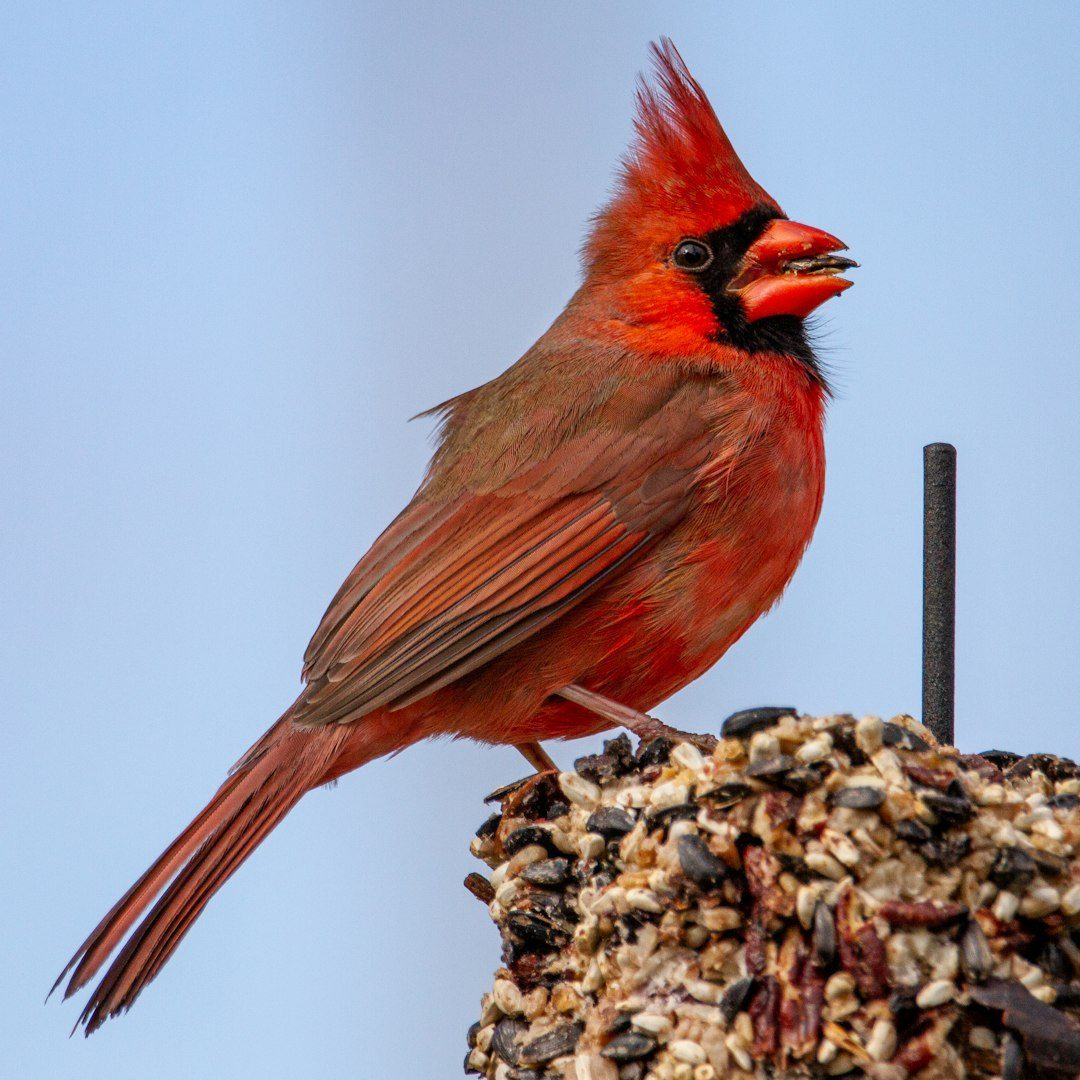
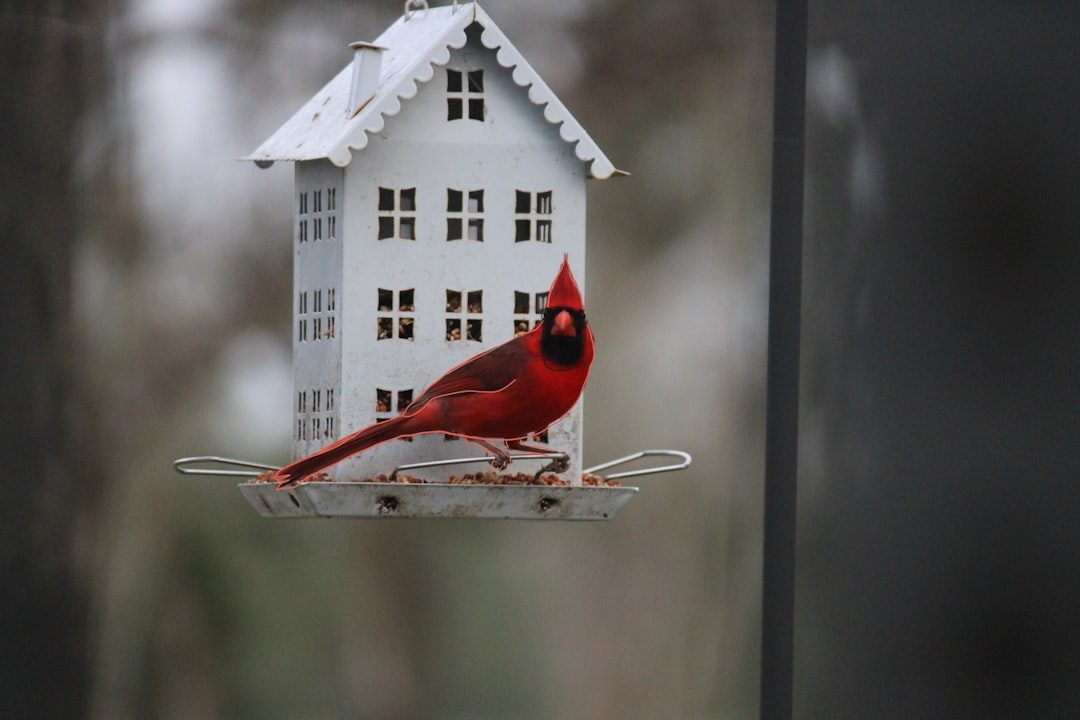
Cardinals aren’t your average backyard visitors when it comes to feeders. Cardinals are a medium-sized bird, so they need larger feeders. Standard tube feeders are too small and they don’t like the sway the feeder makes when they land. Think of it like this: would you want to eat dinner while standing on a wobbly chair?
Try a platform or tray with a longer perch where they can land and eat facing forward. These sturdy feeding stations give cardinals the stability they crave. Northern Cardinals are happy to munch from a variety of feeders, including “large tube feeders, large hopper feeders, and platform feeders,” says Grant. “They will also come to food sprinkled around on the ground.”
Stock Up on Cardinal-Favorite Seeds
Here’s where things get exciting. While Northern Cardinals are happy to feast on a wide variety of bird foods, they seem to prefer black oil sunflower seeds and safflower seeds in particular, as well as peanuts – shelled or unshelled. Their beaks are perfectly designed for this type of feast.
The next time you see a cardinal, pay attention to their beaks – their design provides the necessary power and leverage to open hard shells and get the seed inside. In addition to large seeds, Cardinals enjoy eating crushed peanuts, cracked corn, and berries. During winter months, consider adding suet to give them that extra energy boost they need.
Position Feeders Near Natural Cover
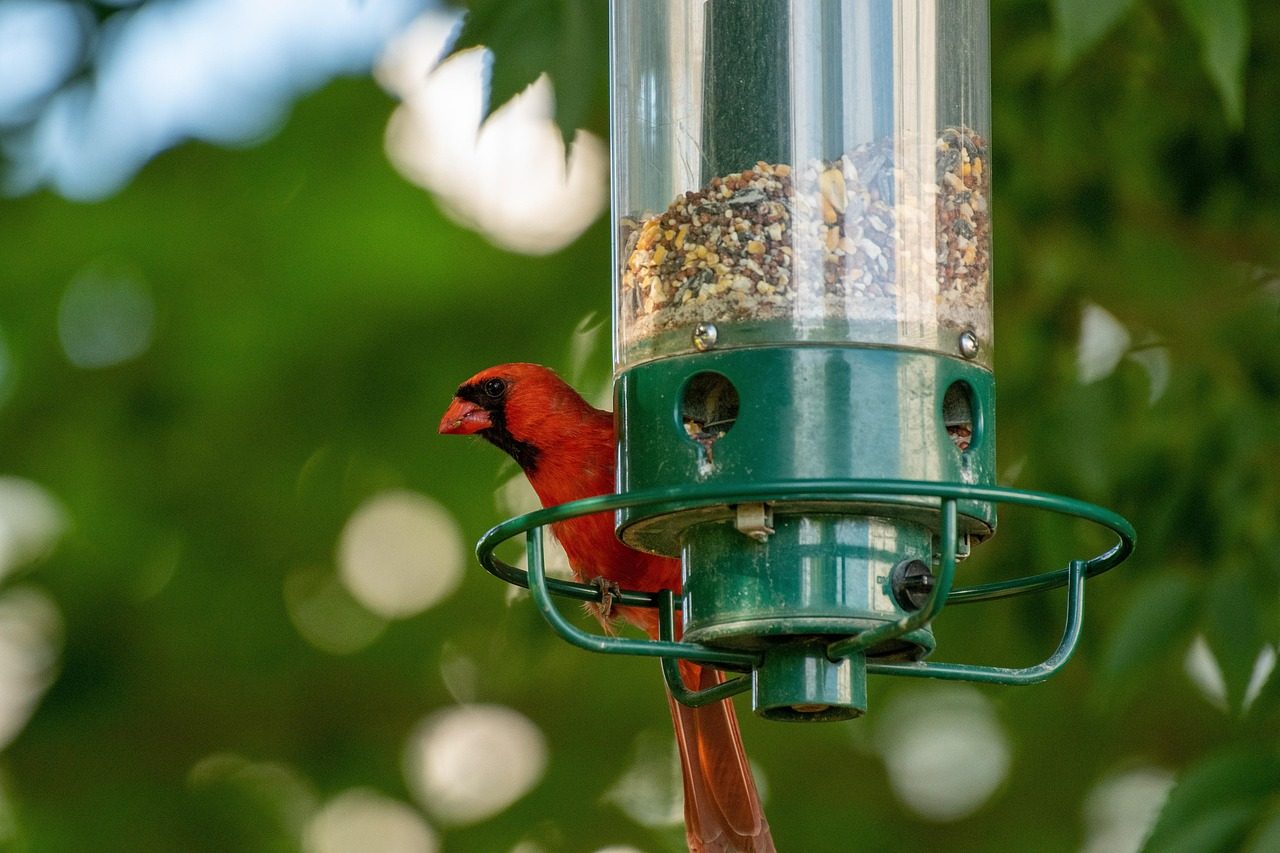
As with all living things, Cardinals need food, water, and shelter to survive. By meeting all of these needs and appealing to Cardinals’ specific preferences for each, you can make your backyard a favorite habitat. Location really matters when it comes to feeder placement.
Because cardinals like the safety of cover, placement of your bird feeder is important. Feeders should be close enough to trees and shrubs to provide protection from predators (but not so near that squirrels have easy access). Place feeders near shrubs and trees to provide Cardinals with a sense of security. If a threat appears, they can disappear into the foliage quickly.
Install a Reliable Water Source
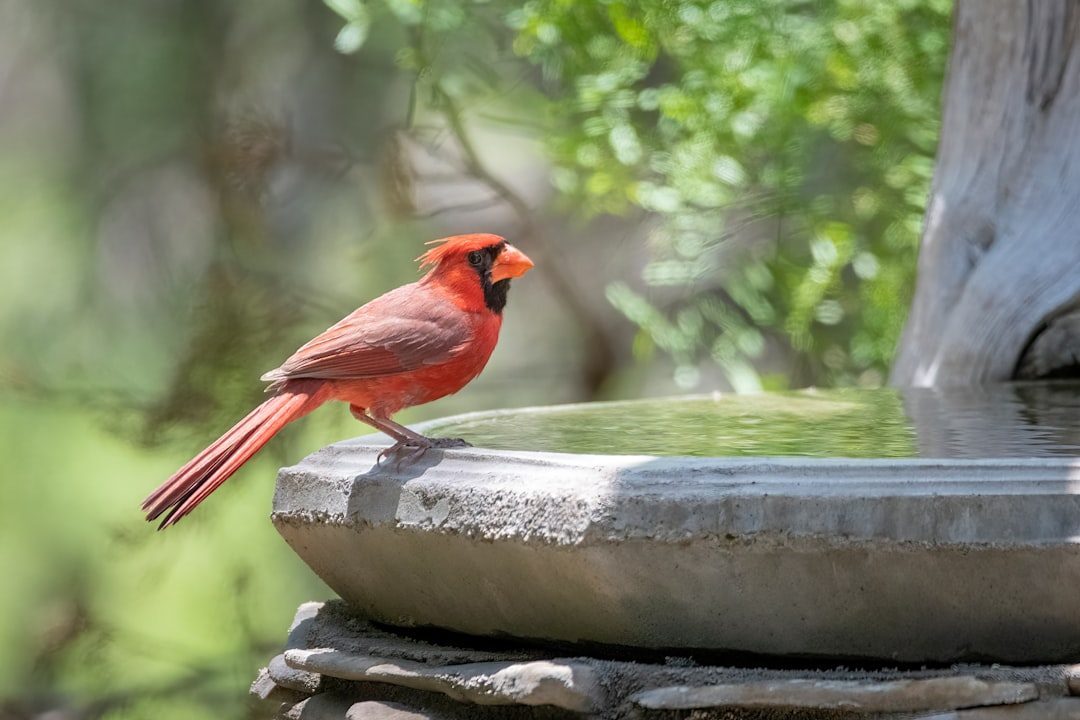
Water is absolutely essential, yet it’s often overlooked. Cardinals love a good birdbath. It’s not only a great source of drinking water, but they’ll also use it to occasionally wash off, and keep themselves clean. Think of it as their personal spa day!
Baths with a depth of 1 to 2 inches at the deepest point are usually best. Be sure to keep the water clean – you’ll want to plan to change the water every other day during warm months, or more often if it looks cloudy or dirty. And because they’ll use it all winter, if you live where it’s likely to freeze over, consider installing a warmer or a fountain to keep it from icing over.
Plant Dense Shrubs for Nesting Security
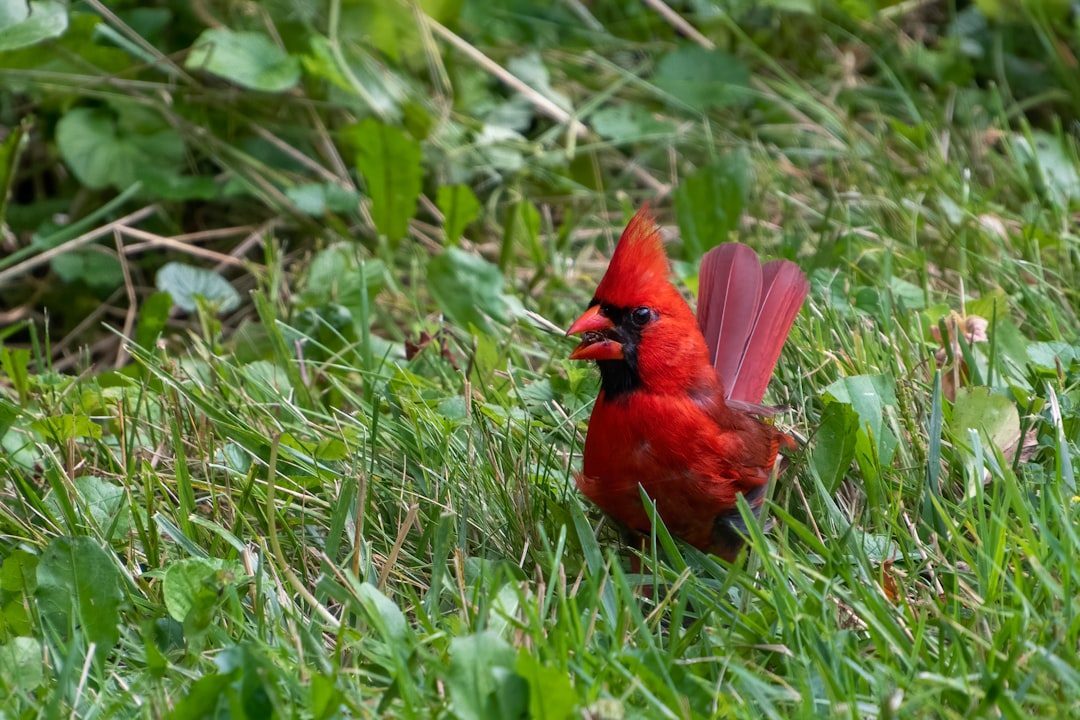
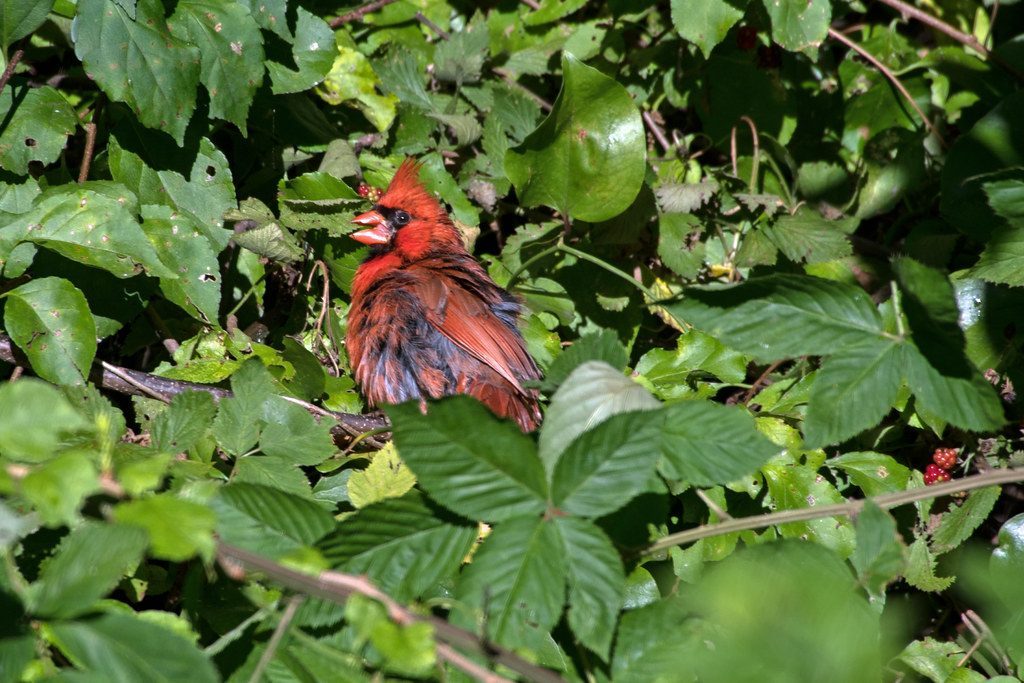
Here’s something fascinating: While they love bird baths and bird feeders, Northern Cardinals do not care for bird houses – they won’t use them. Instead, they tend to build their nests in dense brush or low-growing shrubs, sometimes just a few feet off the ground, using twigs, bark, and even grass.
Grapevines, tall trees, and shrub thickets are ideal options for nest sites. Compared to other birds, their nests are low, only 3 to 10 feet off the ground, and when building they look for dense shrubs and trees to hide from predators. Creating these layered landscaping zones gives them options throughout your garden.
Add Berry-Producing Plants
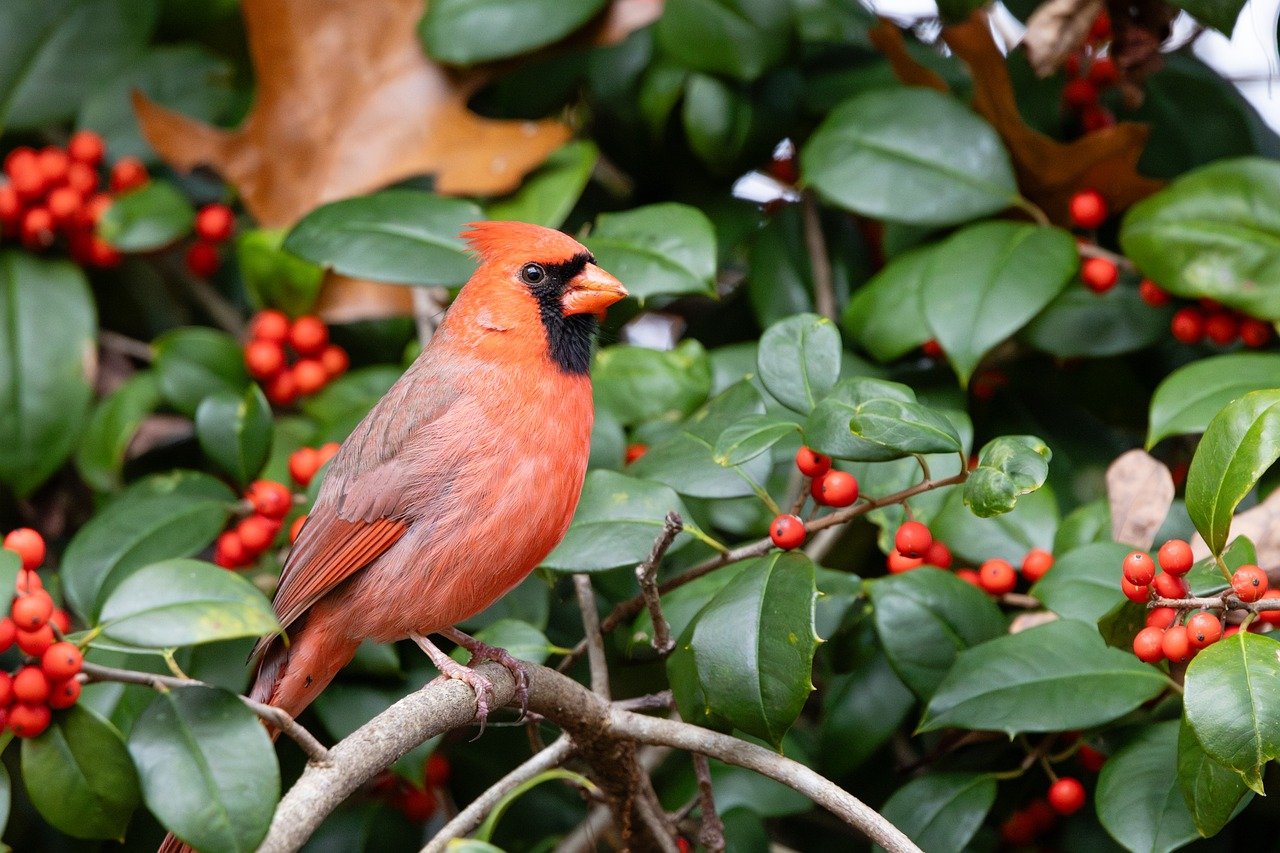
Cardinals absolutely adore berries, and planting the right varieties can turn your garden into an all-you-can-eat buffet. Cardinals are attracted to dark colored berry bushes. To attract cardinals, try sumac, dogwood, hackberry, northern bayberry, winterberry, hawthorn and serviceberry.
If you only plant one shrub, make it a serviceberry. Cardinals cannot resist them and you’ll enjoy the white spring blooms. Serviceberry is known for its thick branching which is a perfect location for a mama cardinal to hide her nest. Natural fruits that attract these birds include blueberry bushes, mulberry trees, and other dark-colored berries.
Provide Natural Nesting Materials
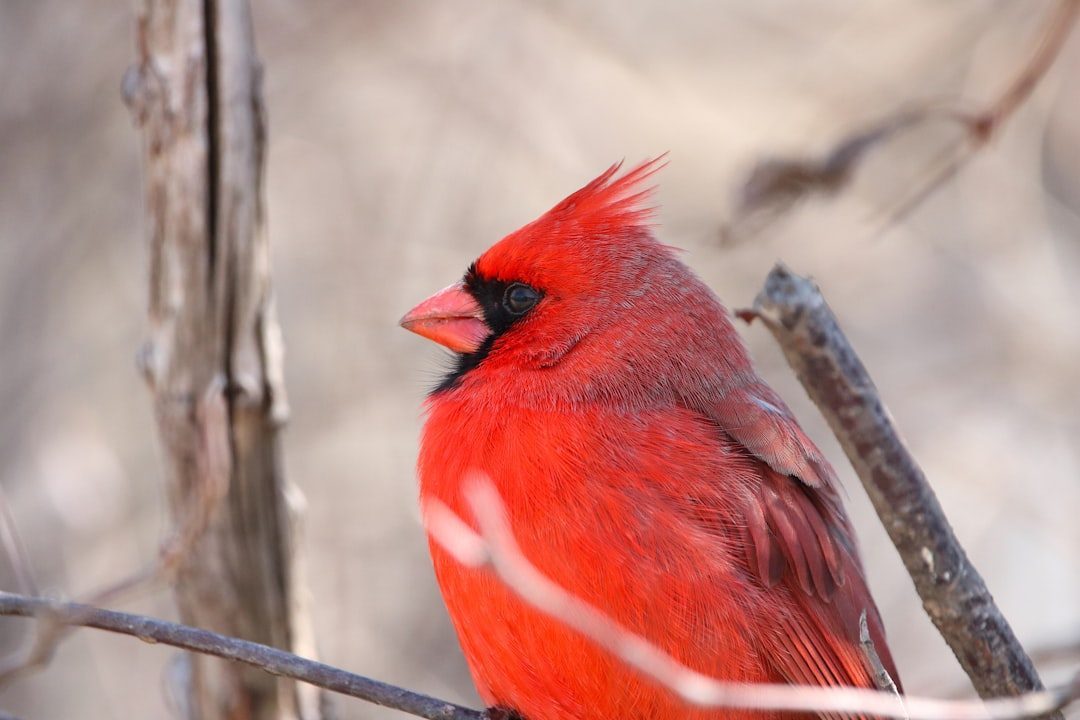
Cardinals are industrious nest builders, and you can lend them a helping hand. The easiest way to help cardinals build their nests is to put straw, dryer lint, pet hair, twigs, blades of grass, or pine needles on the platform of your feeders or close by. It’s like setting up a hardware store for birds!
These birds often have more than one brood per year but seldom reuse a nest, so they need a surplus of nesting material. In addition to planting shrubs in your yard to provide them a habitat, you can place things like yarn or pet fur in a suet cage hung near a popular feeder so they can pluck pieces for use in constructing their nests.
Create Ground Feeding Opportunities
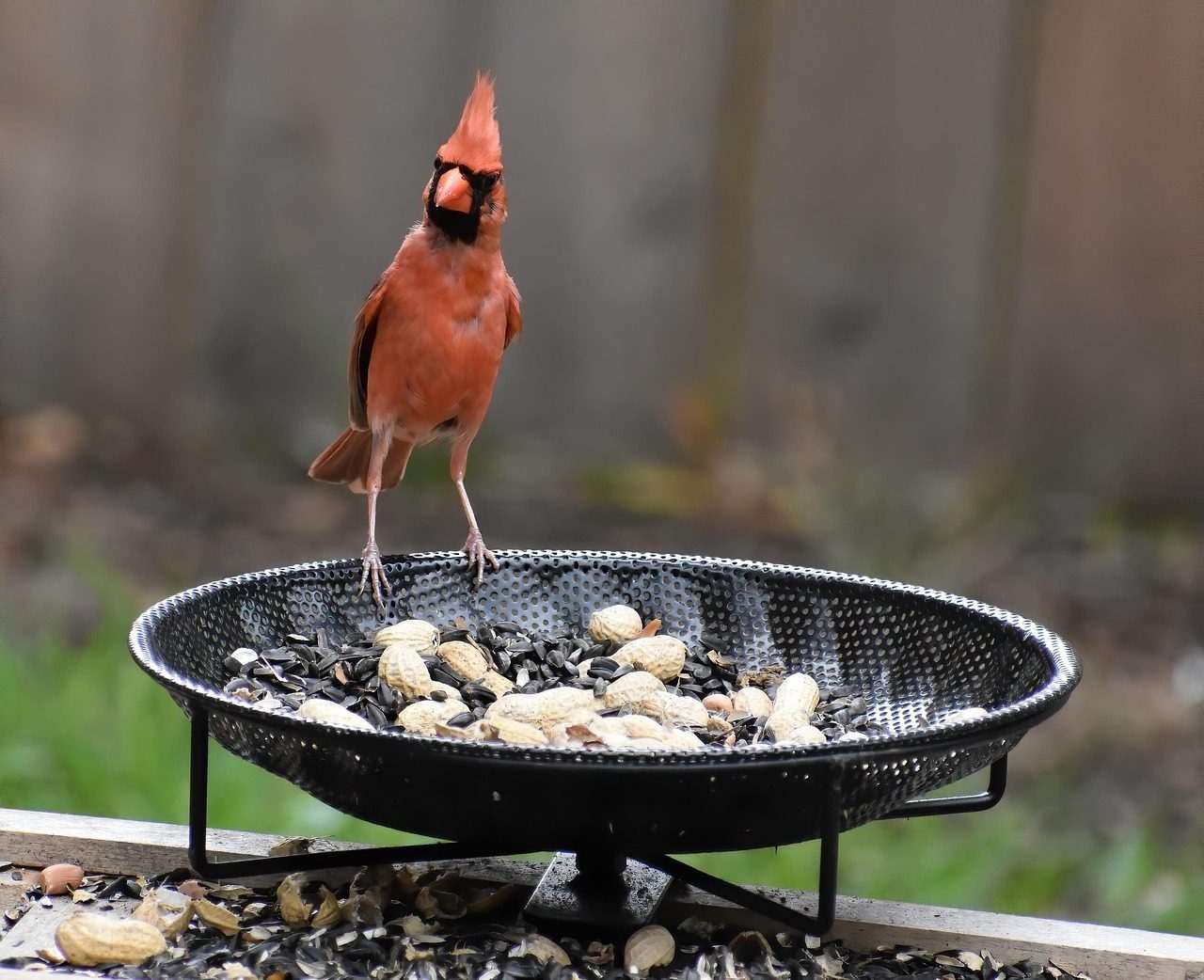
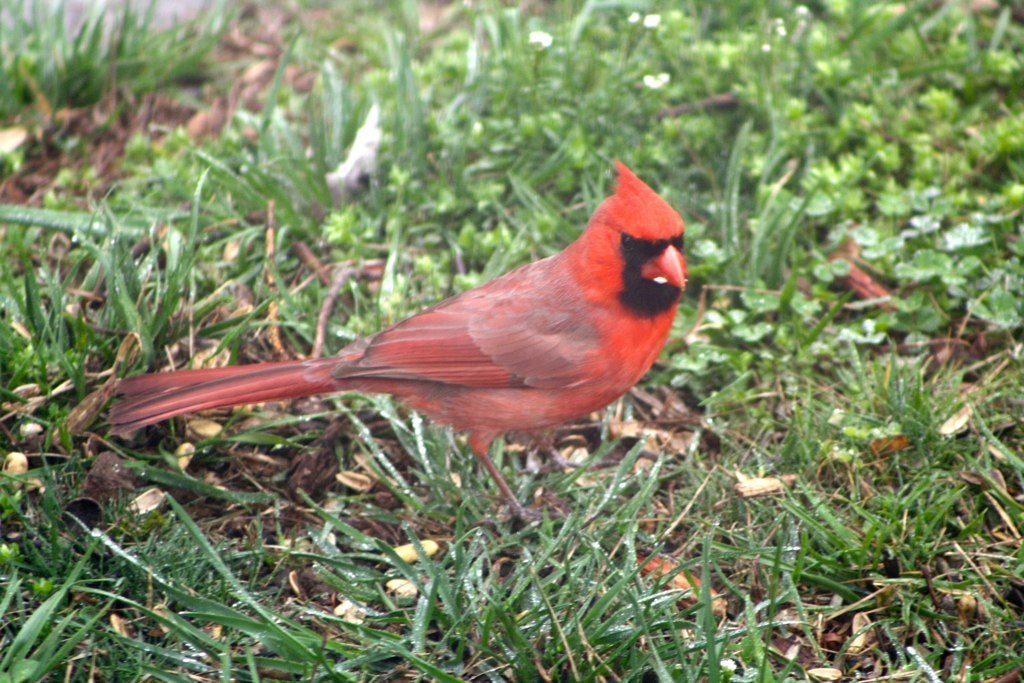
Don’t forget about the ground level! Cardinals will continue to be attracted to fallen seed under and around a hanging feeder. Ground feeders near shrubbery can provide a sense of security for these redbirds who like to forage. This mimics their natural foraging behavior beautifully.
Another tip for creating a welcoming environment is to put some seeds on the ground below a new feeder. Doing this will help Cardinals flying overhead find the feeder in your yard. It’s like putting up a billboard that says “Cardinals Welcome Here!”
Maintain Year-Round Food Sources
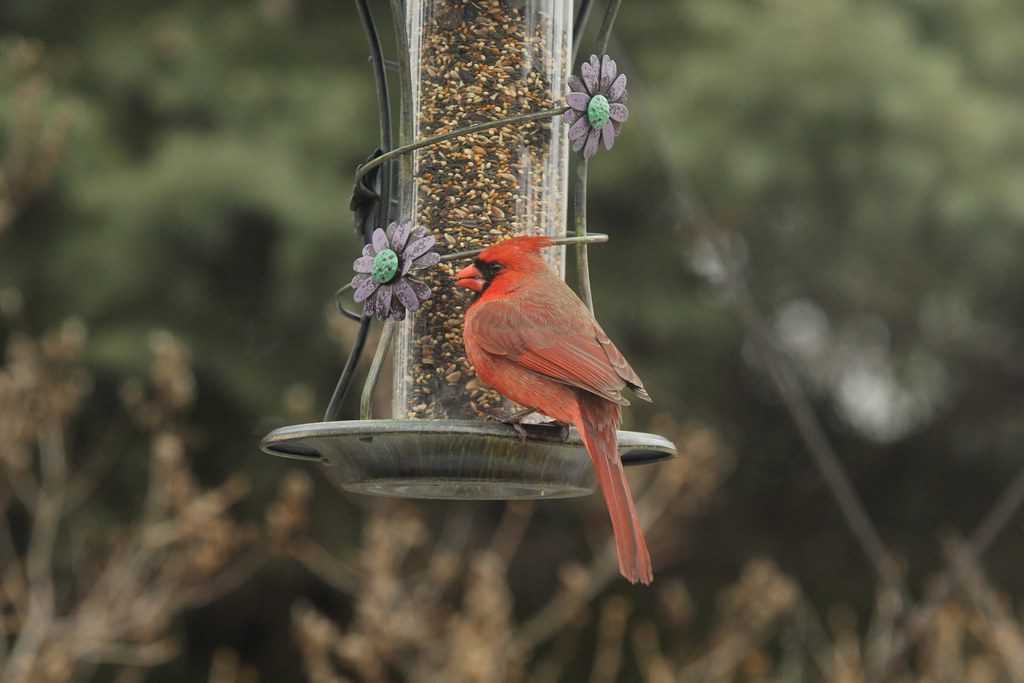
Here’s a crucial point many people miss: consistency is key. Northern Cardinals are not migratory, so once one or two begin coming to your yard, they’ll return all year long – even in the winter. So don’t stop filling the feeder when it turns cold out! That’s when they’ll be looking for food more than ever.
Be sure to check regularly that your feeders are filled, particularly during the early morning and late evening when Cardinals prefer to eat. Once Cardinals realize that your backyard offers a year-round, reliable food source, they will likely take up a permanent residence. Think of yourself as their personal chef!
Keep Feeders and Water Sources Clean
This might seem obvious, but it’s absolutely critical for bird health. This includes keeping your feeder clean and clear of mold, mildew, or anything else that has accumulated. Feeders can become messy places and, if not cleaned regularly, quickly become breeding grounds for disease and bacteria. Feeders should be cleaned approximately every two weeks, more often during heavy use or poor conditions, to prevent the spread of avian diseases.
Be sure to keep any bird baths, fountains, or other water containers clean and free of algae and bacteria growth in order to prevent illnesses in birds. A simple routine of cleaning with mild soap and hot water every couple of weeks will keep your feathered friends healthy and happy.
Conclusion
Creating a cardinal-friendly garden isn’t just about attracting birds; it’s about building a living ecosystem that brings joy to your daily routine. These ten upgrades work together to create the perfect cardinal habitat, offering everything from food security to safe nesting spots. The beauty of attracting cardinals is that once they discover your garden, they become year-round residents, bringing that splash of red color and cheerful song to even the dreariest winter days.
Remember, patience is part of the process. It might take a few weeks for cardinals to discover and trust your new setup, but once they do, you’ll be rewarded with front-row seats to one of nature’s most delightful shows. What’s your favorite upgrade to start with? Share your cardinal success stories in the comments below!
