

There are birds, and then there is the Philippine Eagle. One look at this extraordinary creature and you immediately understand why locals have long called it “Haring Ibon” – the King of Birds. It is massive, mysterious, and unlike anything else soaring over the rainforest canopy.
Yet, despite being one of the most spectacular animals on Earth, most people outside the Philippines have never even heard of it. That is a shame, honestly. Because the facts surrounding this bird are so extraordinary, they sound almost fictional. So buckle up. Let’s dive in.
It Is One of the Largest Eagles on Earth – and the Numbers Are Staggering
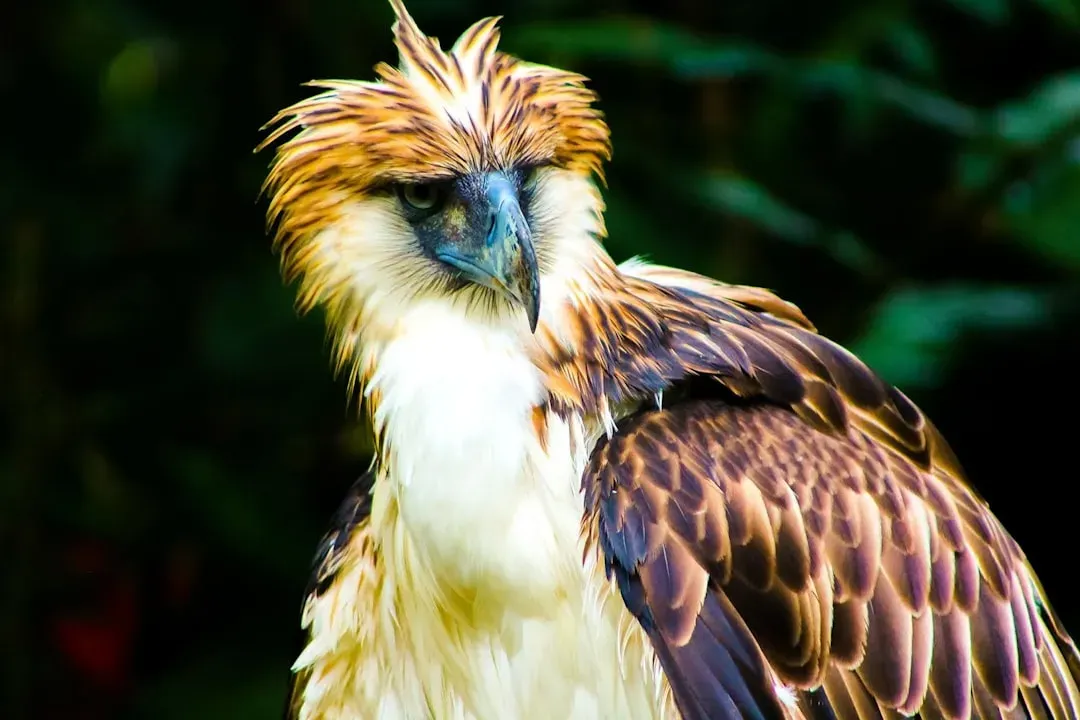
Most people picture an eagle as something impressively large. The Philippine Eagle absolutely obliterates those expectations. It is considered the largest of the extant eagles in the world in terms of length and wing surface area, with only Steller’s sea eagle and the Harpy eagle being larger in terms of weight and bulk.
It generally measures 86 to 102 cm in length and weighs 4.04 to 8.0 kg. To put that in perspective, that is roughly the weight of a large house cat – but with wings the span of a grown adult lying flat. The wingspan of this magnificent raptor is particularly impressive, extending up to 2.2 meters, approximately 7.2 feet.
Not only notable for their massive body size and wingspan, Philippine eagles also possess giant, curved talons that are larger than, and arguably as sharp as, those of a tiger or lion. Think about that the next time you admire a house cat’s claws.
It Has Eerily Blue-Grey Eyes – and Vision Eight Times Sharper Than Yours
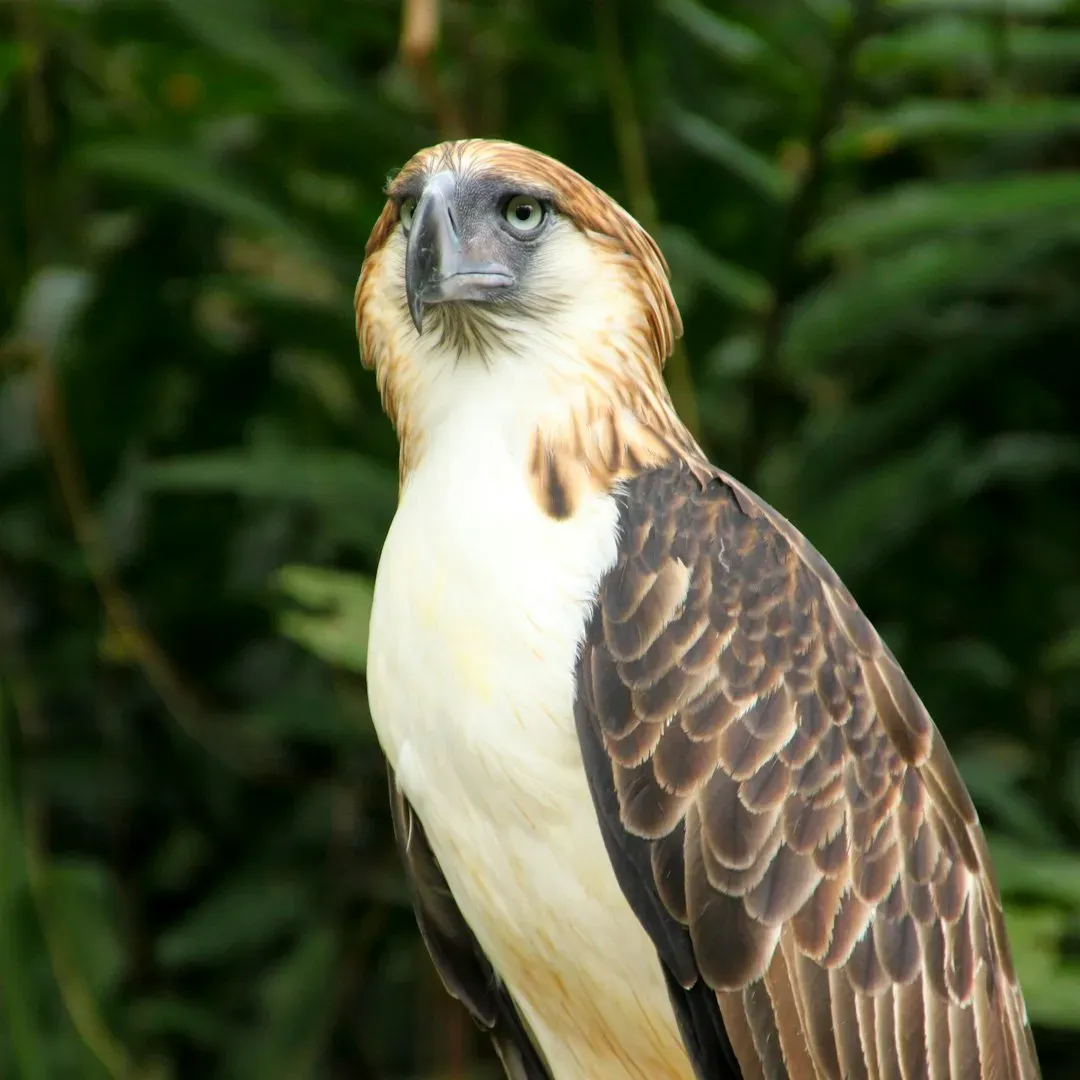
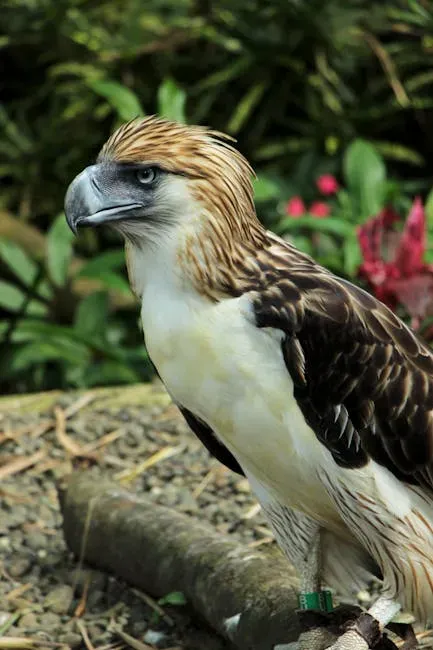
Here is something that will genuinely surprise you. While most eagles in the world have bright yellow eyes, the Philippine Eagle is a glaring exception. Unlike other eagles in the world that have yellow eyes, the Philippine Eagle has blue-grey eyes, making it the only blue-eyed eagle.
The Philippine eagle is the only blue-eyed bird of prey in the world, and these hunters have a very sharp vision that is eight times better than that of humans. Imagine scanning a dense rainforest canopy and spotting a small civet hiding among the branches from hundreds of meters away. That is just a regular Tuesday for this bird.
It Was Wrongly Named the “Monkey-Eating Eagle” for Decades
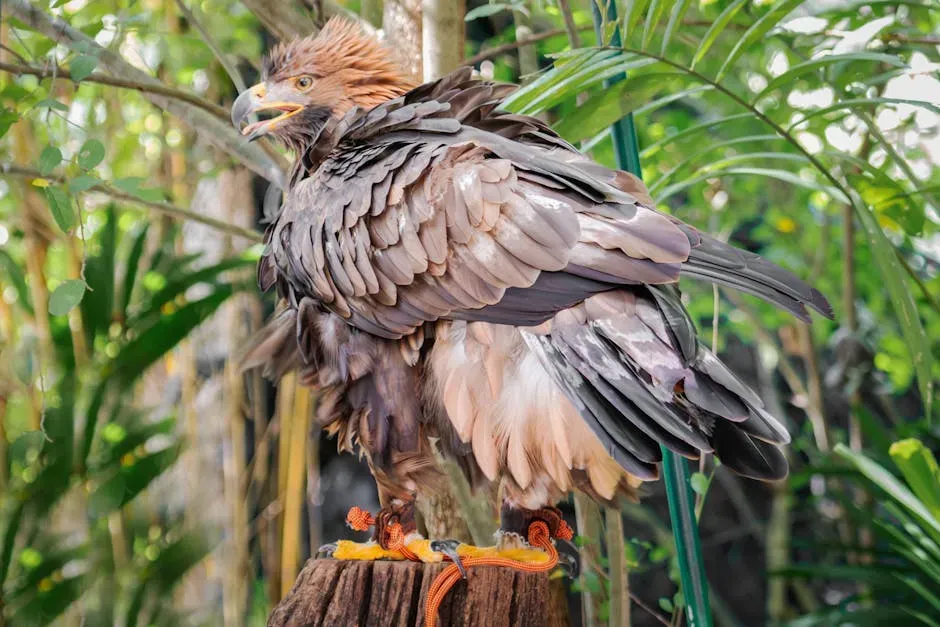
The Philippine Eagle carried a rather dramatic nickname for much of its known history, and it was not entirely accurate. Upon its scientific discovery, the Philippine eagle was first called the ‘monkey-eating eagle’ because of reports from natives of Bonga, Samar, where the species was first discovered, that it preyed exclusively on monkeys.
The reality is far more diverse and fascinating. Their diet includes monkeys, birds, flying foxes, giant cloud-rats, Asian palm civets, flying squirrels, tree squirrels, fruit bats, reptiles including large snakes and lizards, and even other birds of prey. They will also feed on flying lemurs in some locations and have been reported to capture even young pigs and small dogs.
A 1978 proclamation by the Philippines’ then-President Ferdinand Marcos officially gave the bird its present name. A rebranding that was long overdue, if you ask me.
It Hunts Using Clever Teamwork – Like a Strategic Military Operation
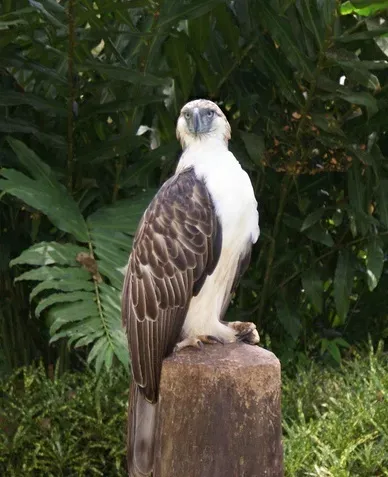
Solo hunting is impressive enough. But the Philippine Eagle sometimes goes one better by teaming up with its partner to execute a coordinated ambush. Eagle pairs sometimes hunt troops of monkeys cooperatively, with one bird perching nearby to distract the primates, allowing the other to swoop in from behind, hopefully unnoticed, for the kill.
Even though Philippine Eagles are large, powerful hunters, any time they go after prey, they are putting themselves in danger. Fast flight through dense forests can result in bumps and scrapes, but even more importantly, prey animals can and do fight back. Since the native macaque is aggressive and often around the same size as the eagle itself or even larger, up to 9 kg in adult males, it is a potentially hazardous prey, and an eagle has been reported to suffer a broken leg after it struggled and fell along with a large male monkey.
It Mates for Life – and Raises Only One Chick Every Two Years
Let’s be real: this bird is not exactly a productivity powerhouse when it comes to reproduction. Philippine Eagles are monogamous, which means they mate for life. During breeding season, usually between September and March, they build large nests high up in the trees. The female usually lays one egg every two years, and both parents take turns caring for it.
The egg is incubated alternately by both eagle parents for about 58 to 60 days, with the male eagle doing most of the hunting during the first 40 days of the eaglet’s life while the female stays with the young. That is an extraordinary level of parental dedication. It also means that losing even one breeding adult is a catastrophic blow to the species.
With an infrequent breeding cycle and each Philippine eagle pair needing 4,000 to 11,000 hectares of territory to thrive properly, the population is decreasing at a rapid rate.
It Can Live for Up to 60 Years in the Wild
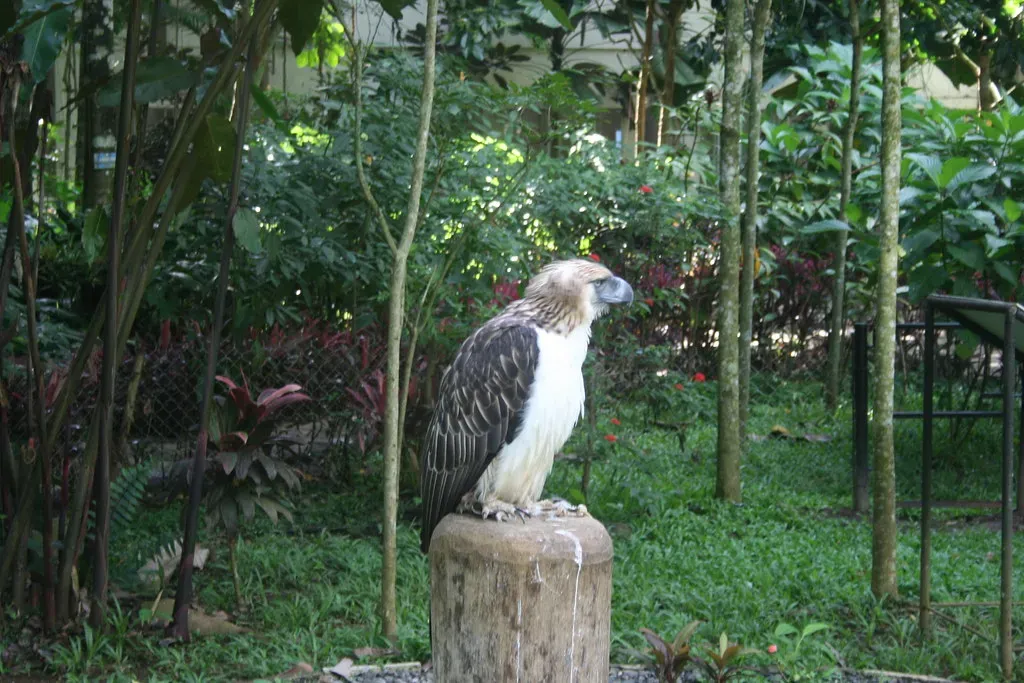
Here is a fact that stops most people in their tracks. This is not a bird that burns bright and fades fast. Life expectancy for a wild eagle is estimated to be from 30 to 60 years. A captive Philippine eagle lived for 41 years in Rome Zoo, and it was already an adult when it arrived at the zoo. Another captive Philippine eagle lived for 46 years at the Philippine Eagle Center in Davao City.
A 60-year lifespan rivals that of many humans in developing nations. Yet the species faces extinction within decades if deforestation continues. It’s hard to say for sure which is more shocking – that this bird can outlive most dogs by five times, or that we are this close to losing it forever.
It Is Found on Only Four Islands – Nowhere Else on the Planet
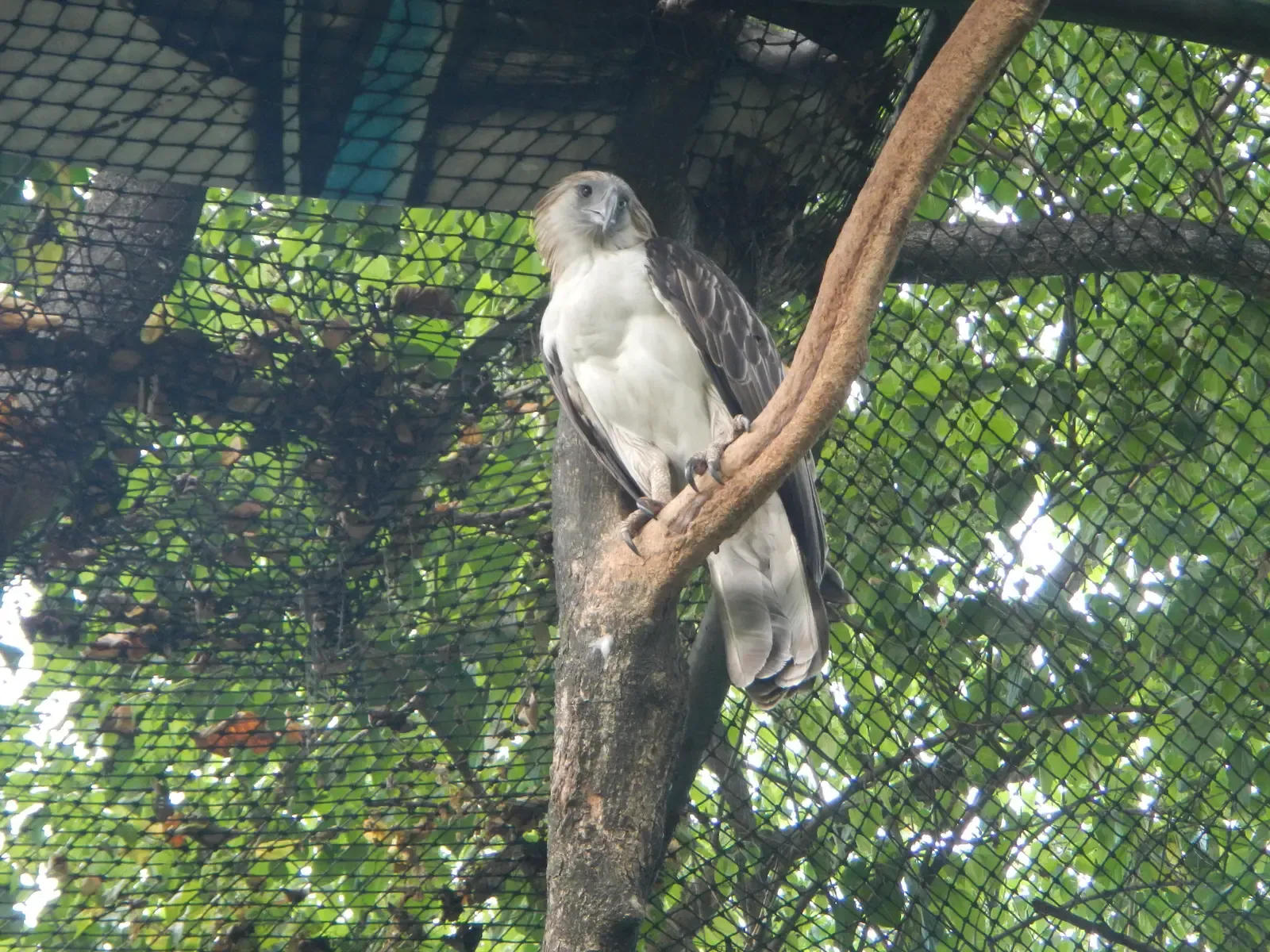
With over 7,000 islands making up the Philippine archipelago, you might assume the eagle has plenty of room to roam. Not quite. While the Philippines consists of more than 7,000 islands, the Philippine Eagle is found on only four of them, all within the northern and eastern regions of the country.
This species is a true forest raptor and relies on pristine primary forest in which to hunt, build its nest and raise its young. It can be found in habitat as low as sea level to around 5,900 feet. However, much of this species’ lowland habitat is being destroyed, mainly due to logging and conversion of forest land into agricultural fields. That is a shrinking home in every direction.
Killing One Is a Criminal Offense That Can Send You to Prison for 12 Years
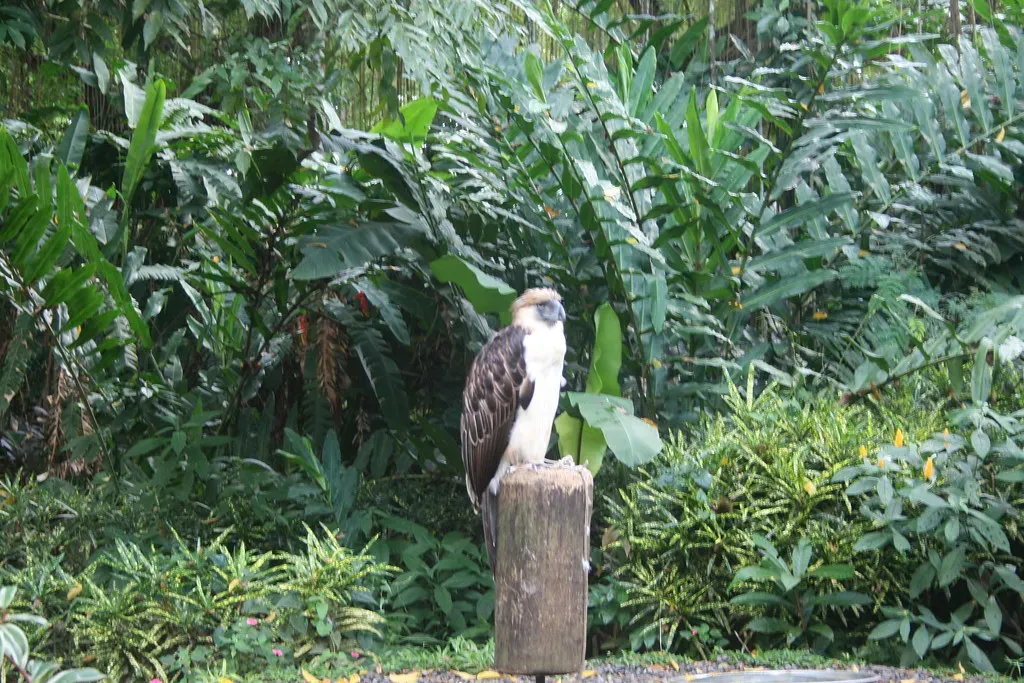
The Philippine government takes the protection of this bird extraordinarily seriously – and rightfully so. Killing this critically endangered species is punishable under Philippine law by 12 years in jail and heavy fines. That is a longer sentence than many countries hand out for serious financial crimes.
Despite the strict law, the threats have not disappeared. At least one Philippine eagle is killed every year because of shooting. As more of the forest is lost, Philippine eagles go farther from their usual hunting grounds in search of prey to hunt. This usually brings them towards human settlements and their livestock, which often results in conflict, with the Philippine eagle on the losing end.
It Is an “Umbrella Species” – Protecting It Saves an Entire Ecosystem
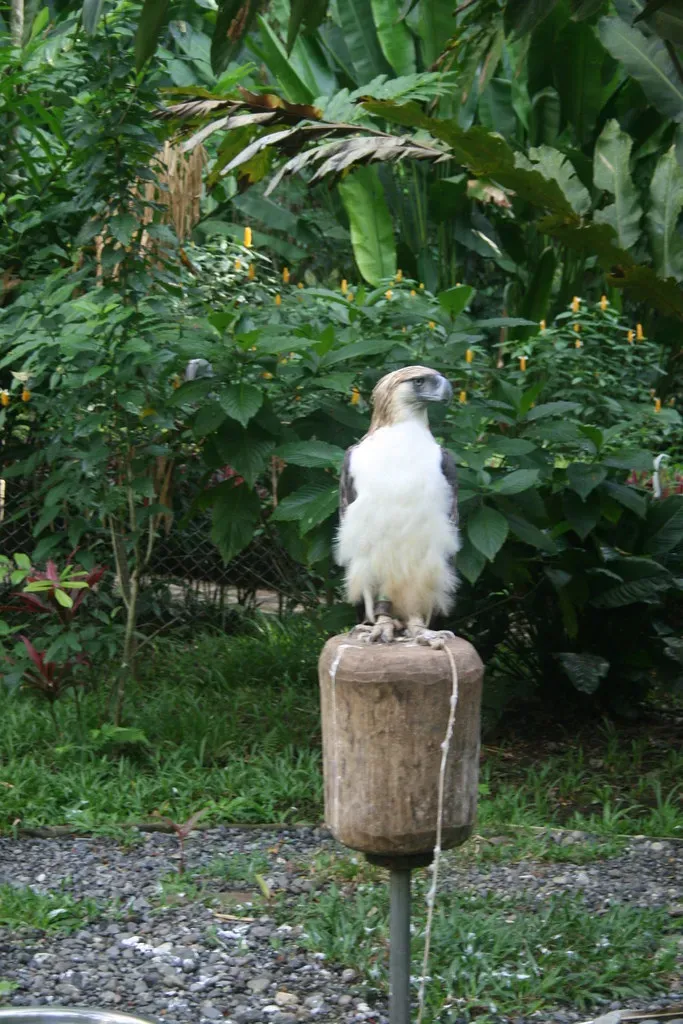
The Philippine Eagle is not just a magnificent bird. It is essentially the guardian of the entire Philippine rainforest. Philippine Eagles, like all top predators, play a very important role in their environment. They are what is known as an umbrella species. Just as several people can stand under one large umbrella and be protected from the rain, so too can many species of wildlife be protected by conserving one species like the Philippine Eagle.
As the species on top of the food chain, the Philippine eagle has a crucial role to play in keeping the gentle balance of the ecosystem in check. It helps naturally regulate species population and provide an umbrella of protection to all other life forms in its territory. An abundant Philippine Eagle population signifies a healthy forest. Saving this eagle essentially means saving thousands of other species at the same time.
Its Wild Population Has Dwindled to a Shockingly Small Number
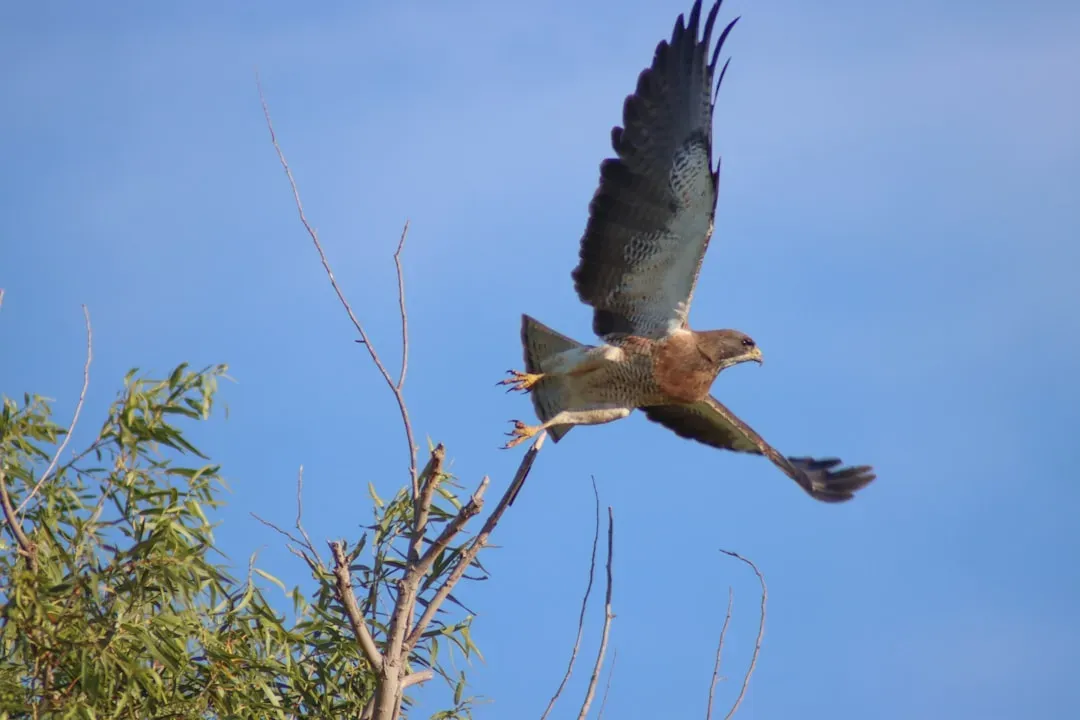
Perhaps the most sobering fact of all is just how few of these birds remain. Its numbers have slowly dwindled over the decades to the current population of 180 to 600 eagles. To put that in perspective, there are cities with more people in a single city block than there are Philippine Eagles left on the entire planet.
The Philippine Eagle Foundation has successfully bred Philippine eagles in captivity for over a decade and conducted the first experimental release of a captive-bred eagle to the wild. As of 2025, the foundation has bred 31 eagles in captivity, though breeding has slowed in recent years. The race to save this species is real, urgent, and deeply human in its determination.
Should there be no actions and interventions done to protect these majestic raptors, experts projected that the species may go extinct by 2050. That is not a distant hypothetical. That is within most of our lifetimes.
Conclusion: The King of Birds Deserves Our Attention
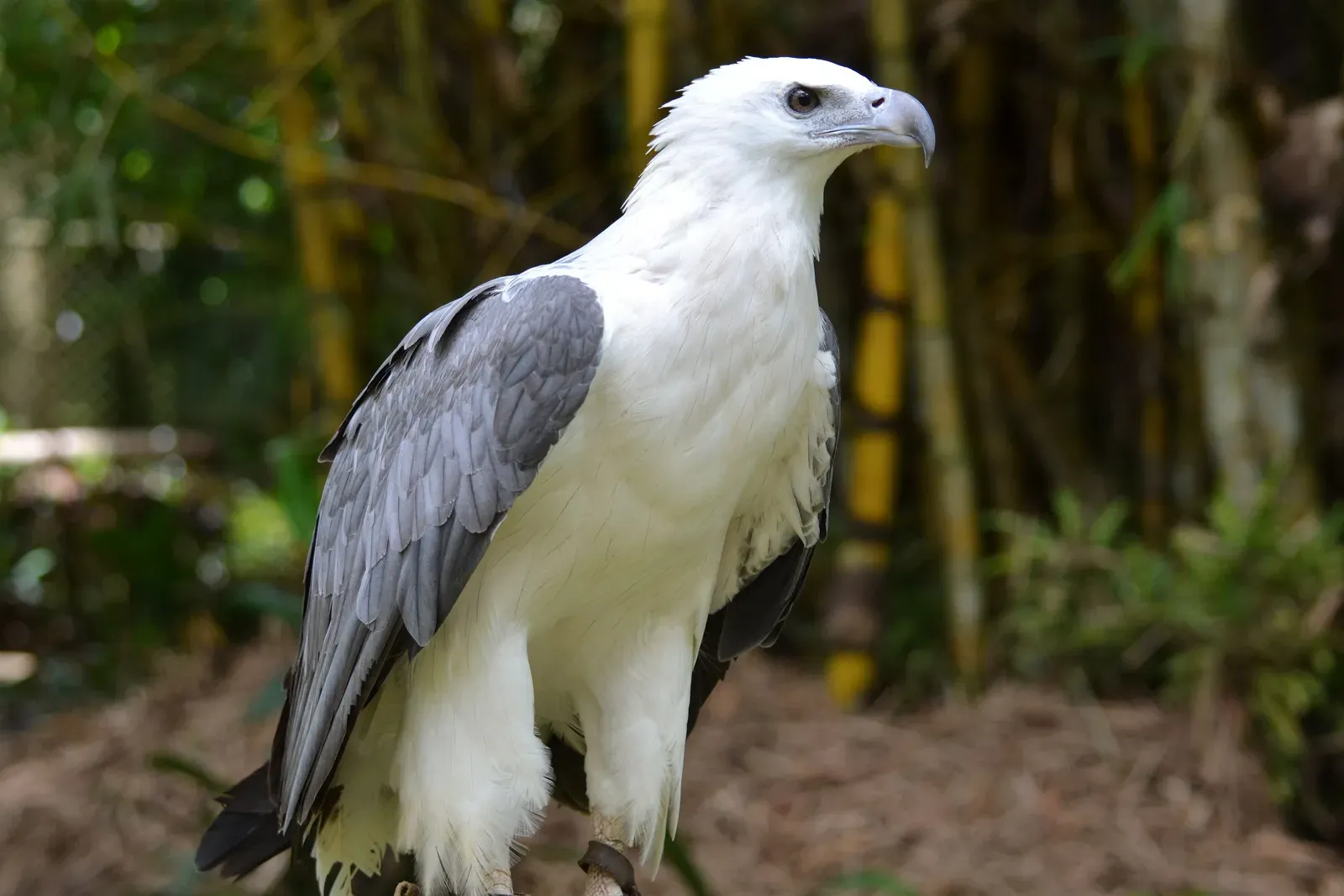
The Philippine Eagle is, without question, one of the most extraordinary animals alive today. It mates for life, coordinates hunts like a tactical team, sees eight times better than us, and can live for six decades. It is both the apex predator of the Philippine rainforest and its most fragile symbol.
What makes this bird’s story so gripping is the tension at its heart. Here is a creature of almost mythical power and beauty, reduced to a few hundred individuals clinging to disappearing forests. Conservation efforts are ongoing and genuine, but the clock is ticking.
The Philippine Eagle does not just represent the Philippines. It represents what we stand to lose when we stop paying attention to the natural world. So the real question is this: now that you know, what will you do with that knowledge?

- 15 Emotional Signs You’ve Formed a True Bond With Your Dog - July 28, 2026
- What Is the Symbolism of the Bear as a Totem Animal - July 28, 2026
- 5 US States With the Most Lynx - July 28, 2026