
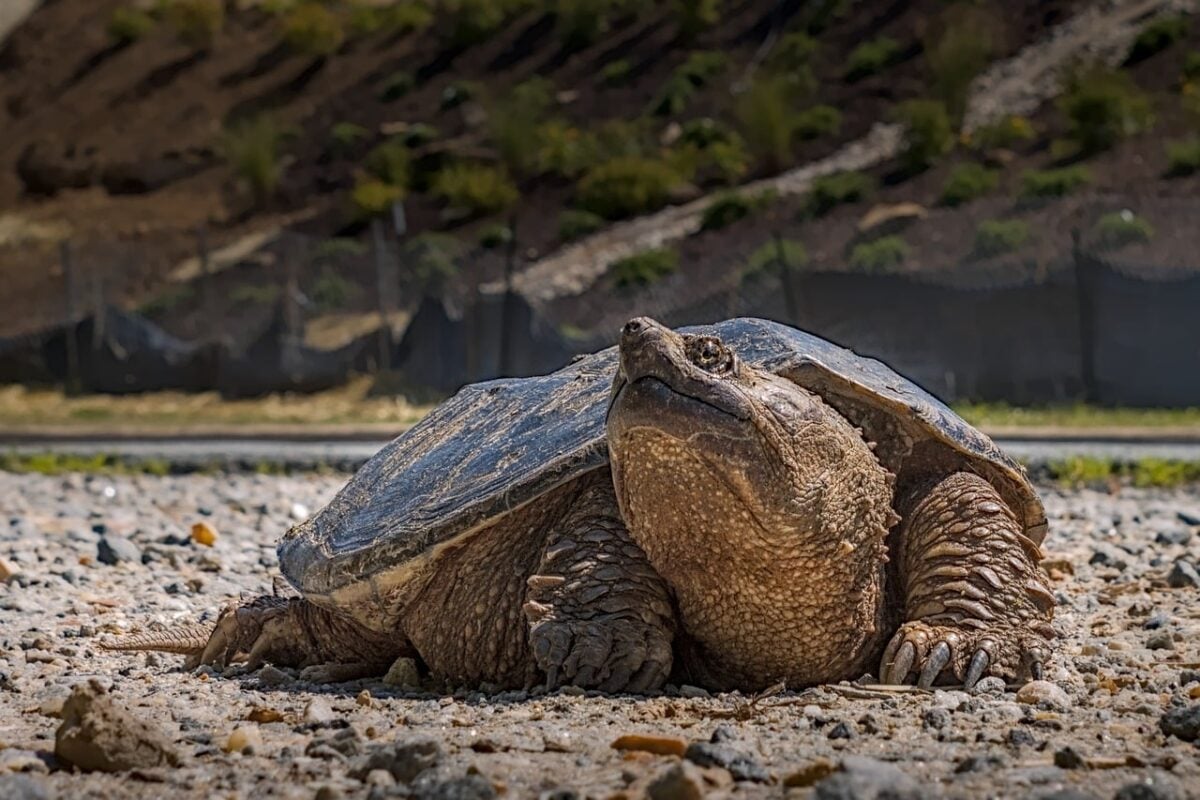
Picture a animal that can sit motionless on a riverbed for long stretches, mouth wide open, looking more like a mossy rock than a predator. Then a small pink flap inside its mouth begins to wiggle. A curious fish drifts closer, and that’s usually the end of the story for the fish.
That small flap belongs to the alligator snapping turtle, one of North America’s most unusual freshwater reptiles. Its trick has fascinated biologists for a long time, and the details are stranger and more interesting than the simple “fishing lure” label suggests.
1. The Lure Is a Modified Part of the Tongue
🔥 Would you like to save this?
We'll email this post to you, so you can come back to it later!
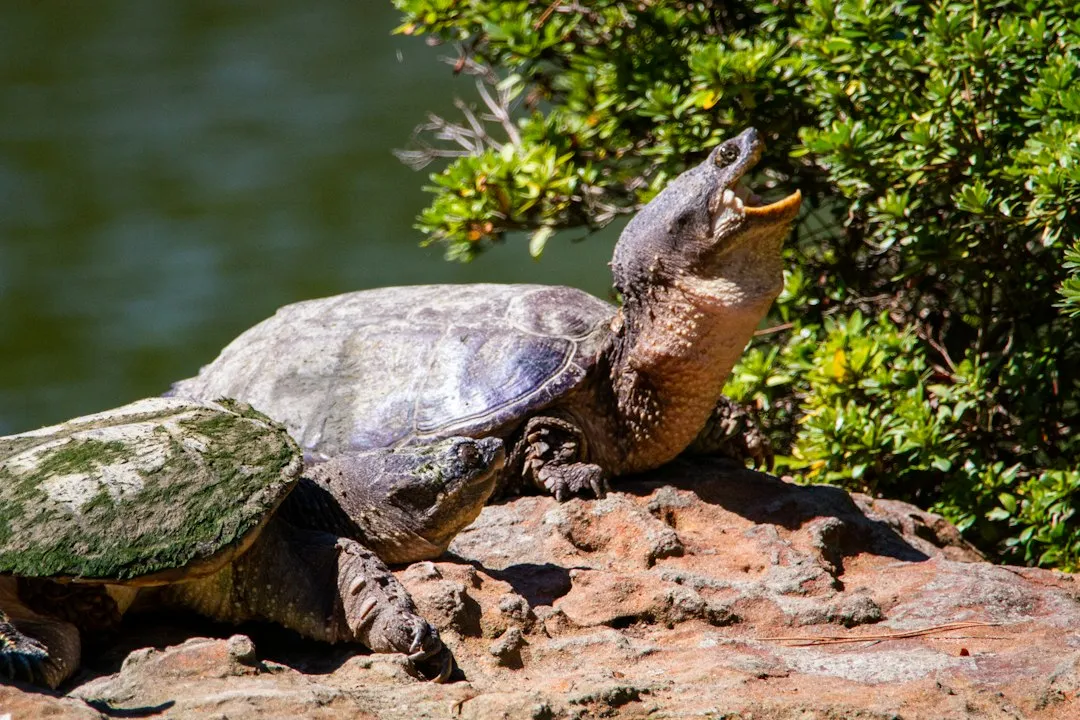
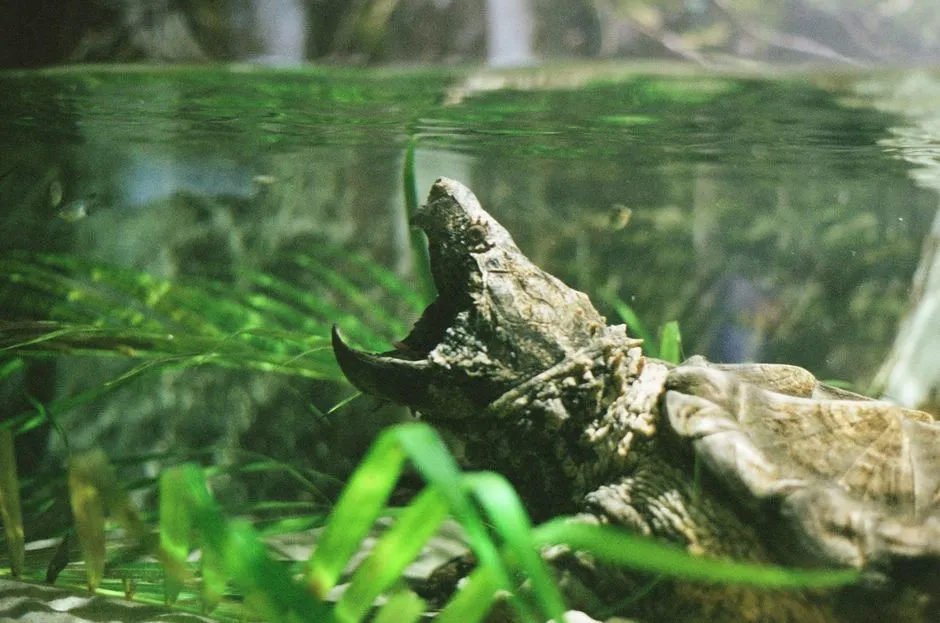
The lure isn’t a separate organ. It’s a small, fleshy projection on the tongue that looks a lot like a worm. When the turtle opens its jaws, the bit of tissue sits right in the middle of the mouth, easy to spot.
Because it’s attached to the tongue, the turtle can move it at will. The bright, reddish pink color stands out against the darker, camouflaged mouth lining, which helps it catch attention underwater.
2. The Turtle Is an Ambush Predator, Not a Chaser
🔥 Would you like to save this?
We'll email this post to you, so you can come back to it later!
Alligator snapping turtles aren’t built for speed. They’re heavy, slow on the bottom, and they save their energy for the moment prey comes within reach. The lure is what brings prey to them.
This is a classic sit and wait strategy. Instead of burning calories hunting, the turtle lets curiosity or hunger do the work for it.
3. Camouflage Makes the Trap Work
🔥 Would you like to save this?
We'll email this post to you, so you can come back to it later!
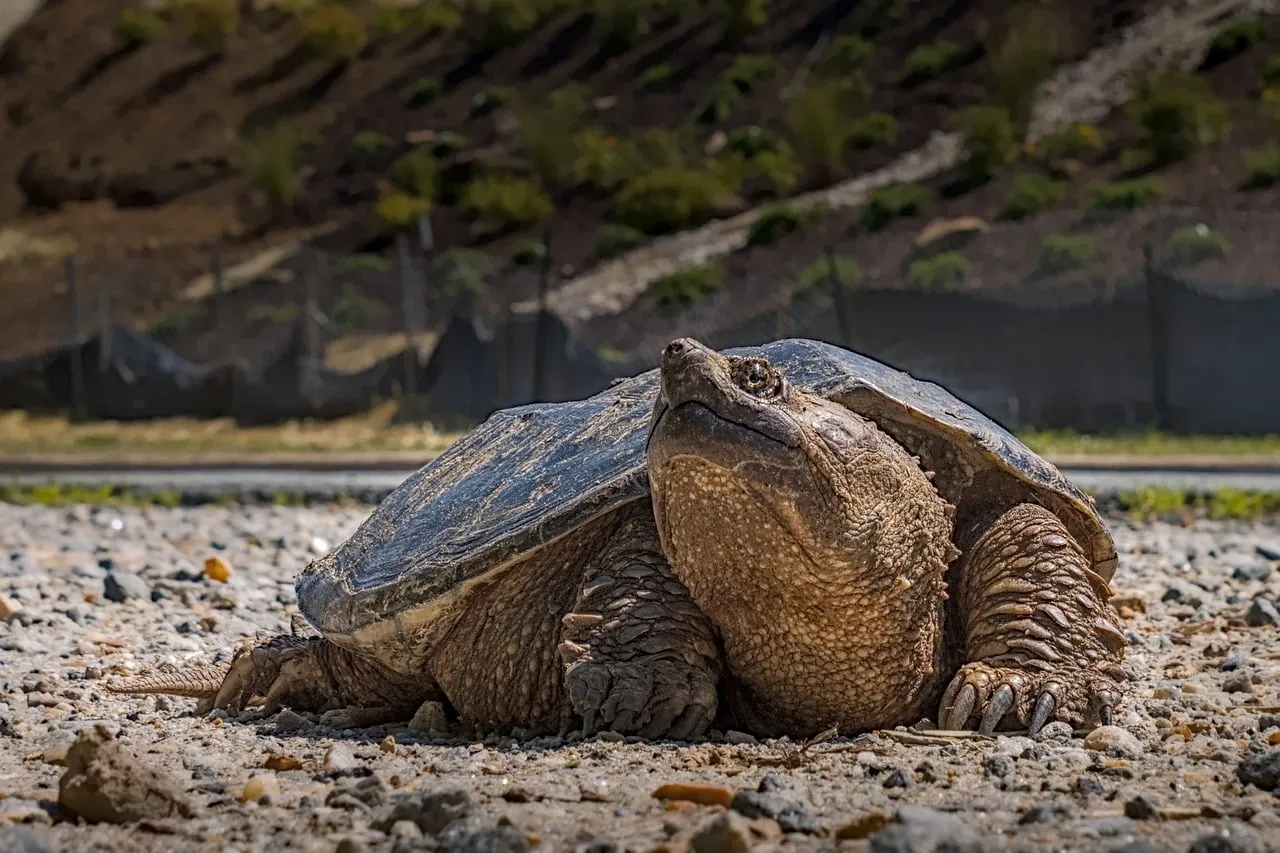
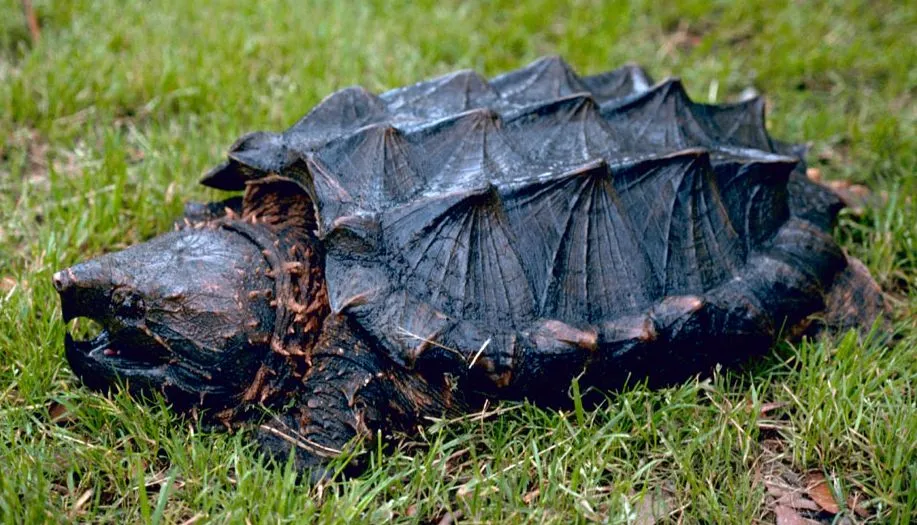
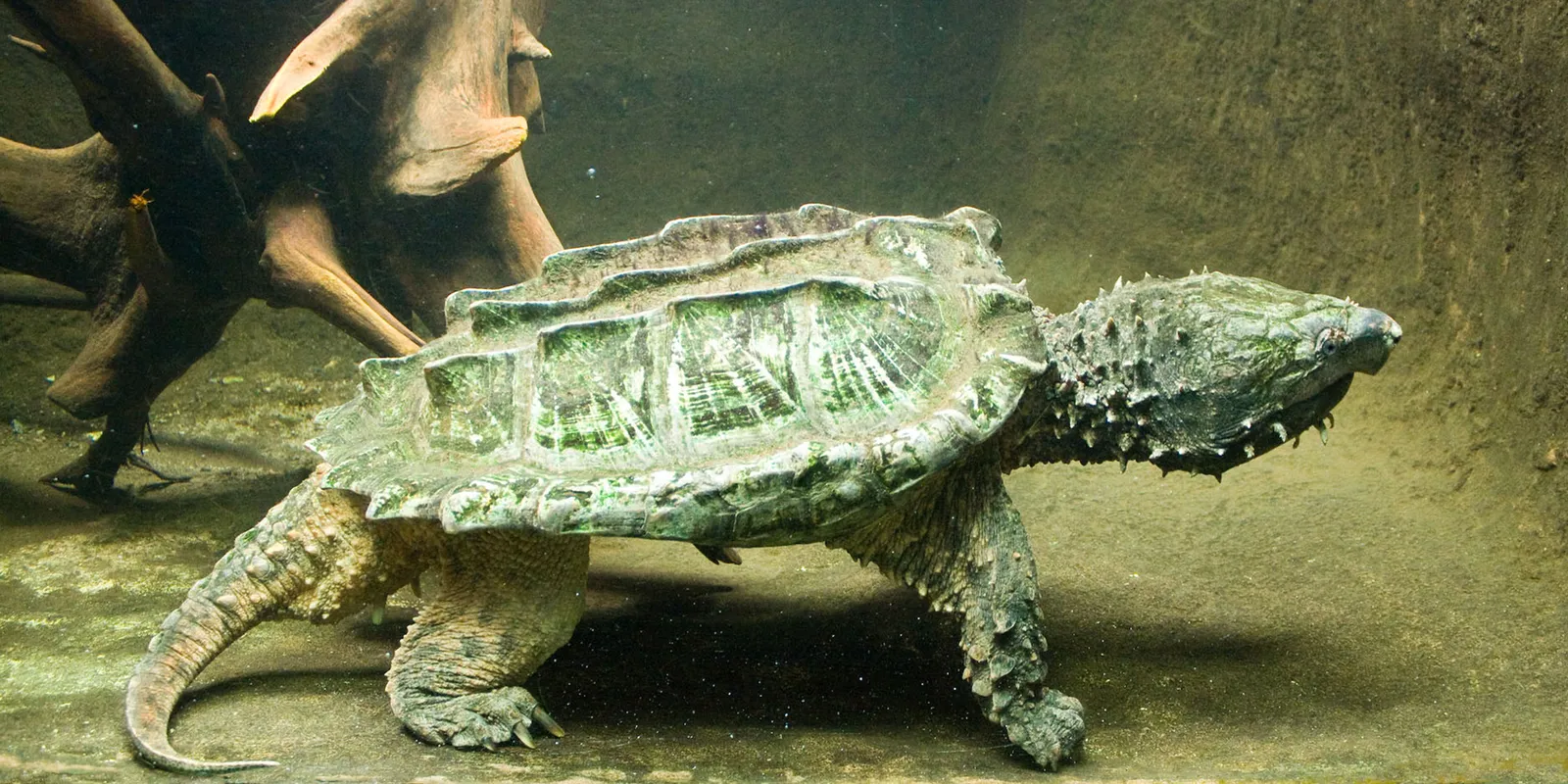
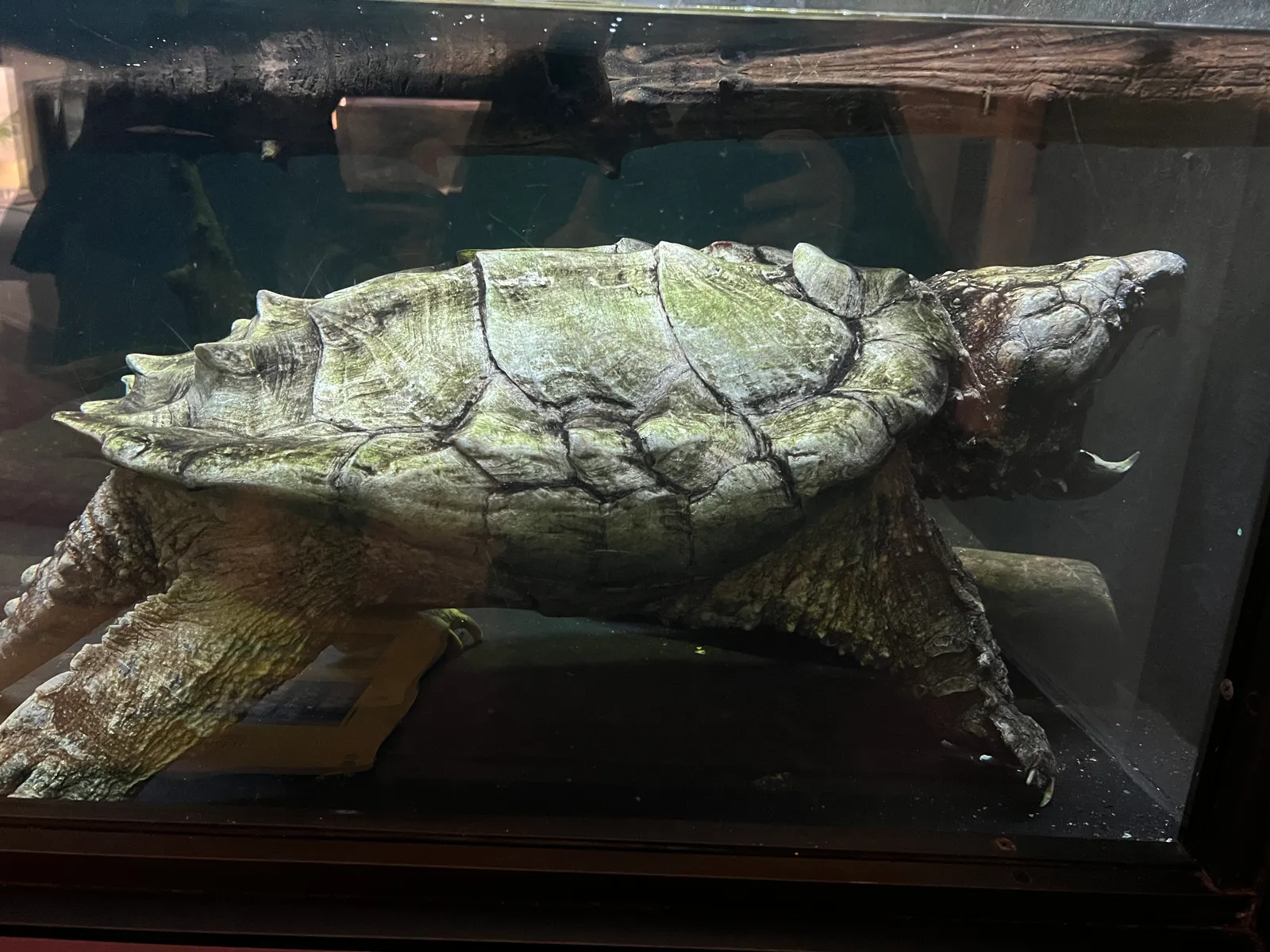
The turtle’s shell is rough, ridged, and often coated with algae. Against a muddy bottom, it blends in remarkably well. A fish sees little more than debris, plus one tempting little worm.
That contrast matters. The lure only works because the rest of the animal fades into the background, so the one moving, colorful thing gets all the attention.
4. The Wiggling Is Deliberate
🔥 Would you like to save this?
We'll email this post to you, so you can come back to it later!
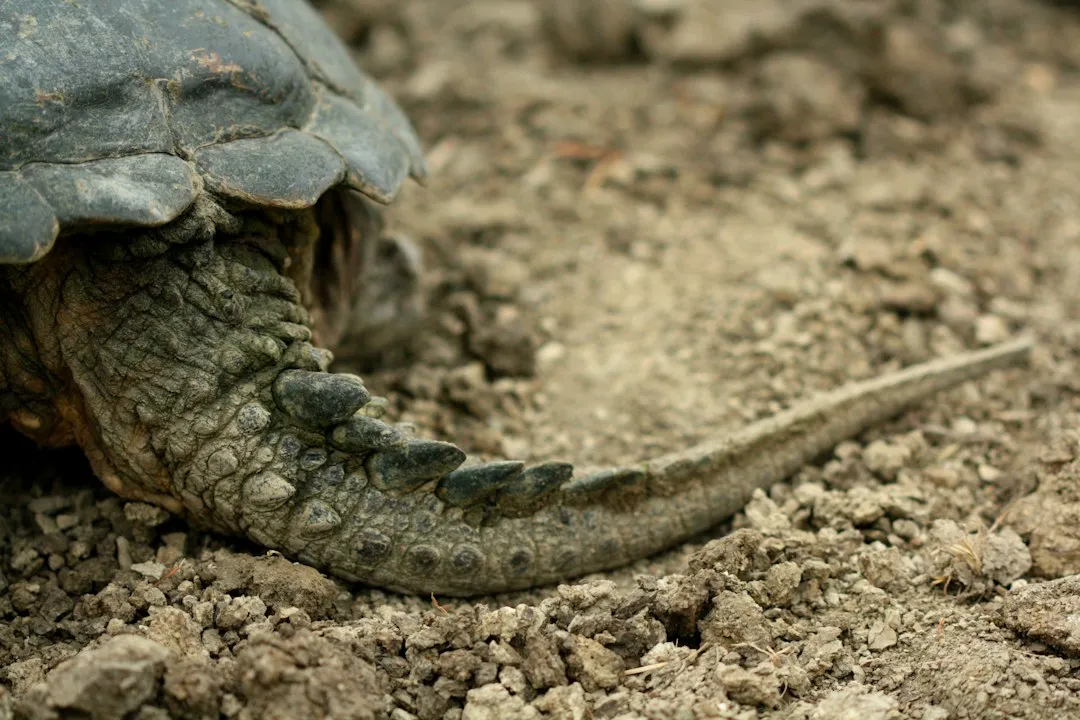
Researchers describe the lure as being actively moved, not simply floating in the current. The wriggling imitates the motion of a small worm, which many fish would happily eat.
A still lure would be much less convincing. The movement is what turns a piece of tissue into something that looks alive and edible.
5. This Behavior Is Called Aggressive Mimicry
🔥 Would you like to save this?
We'll email this post to you, so you can come back to it later!
Biologists use the term aggressive mimicry when a predator imitates something harmless or appealing to lure prey. The alligator snapping turtle is a textbook example among reptiles. Some anglerfish and certain snakes use comparable tricks in their own ways.
It’s a reminder that evolution often lands on similar solutions in unrelated animals. Different bodies, same basic idea: look like food, then strike.
6. The Bite Is Fast and Powerful
🔥 Would you like to save this?
We'll email this post to you, so you can come back to it later!
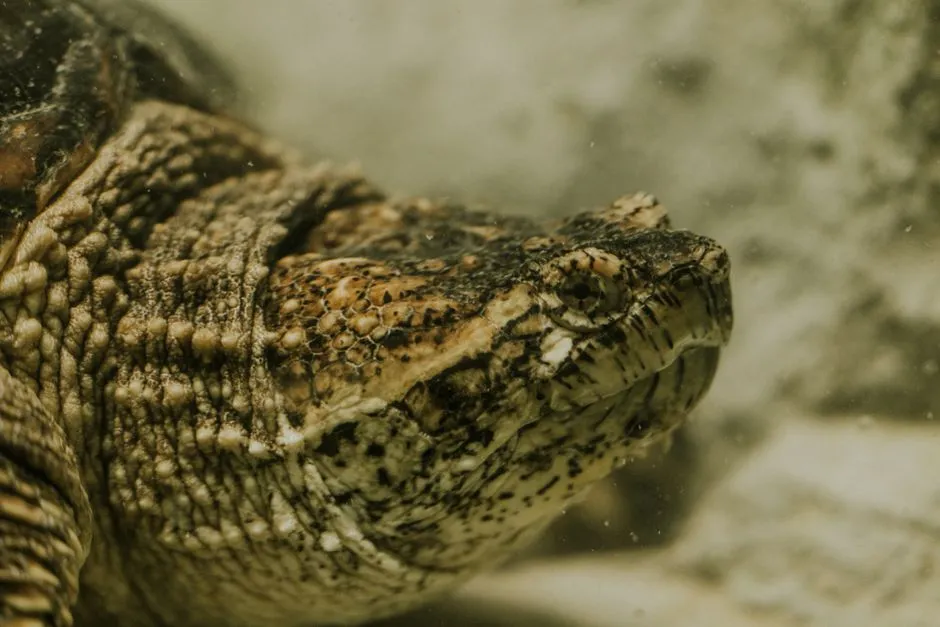
Once prey comes close enough, the jaws snap shut quickly. The species has a strong bite and a hooked beak, which helps it hold slippery prey. That combination makes the lure far more effective than it would be on a weaker animal.
The lure only gets the meal within range. The jaws finish the job in a fraction of a second.
7. Young Turtles Appear to Use the Lure Too
🔥 Would you like to save this?
We'll email this post to you, so you can come back to it later!
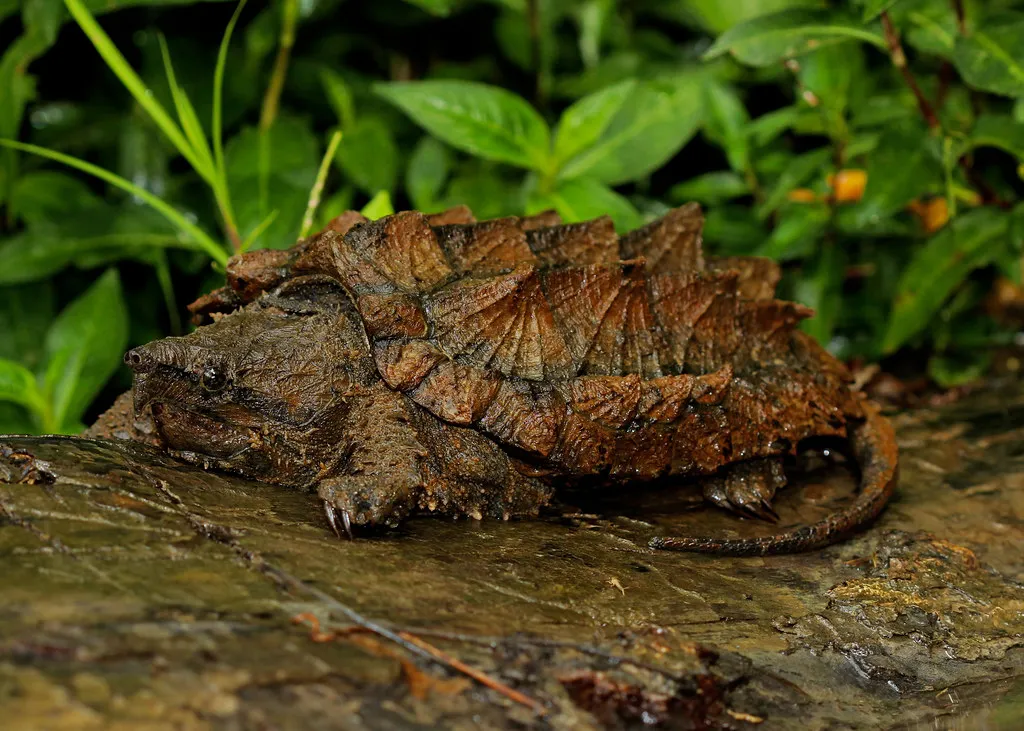
Hatchlings and juveniles also have the tongue lure, and they can use it while still small. That’s useful, since young turtles need to feed while avoiding being eaten themselves.
Details such as exactly how often young turtles lure compared with adults are less well documented. It’s safest to say the trait is present early and likely helps them feed efficiently.
8. The Diet Goes Well Beyond Fish
🔥 Would you like to save this?
We'll email this post to you, so you can come back to it later!
The lure is famous, but these turtles aren’t picky. Their diet includes fish, along with other animals such as amphibians, snails, crustaceans, and even some plant material. They’re opportunistic feeders and will also scavenge.
So the lure is one tool, not the whole toolbox. It adds a dependable source of food on top of whatever else the turtle finds in its habitat.
9. Their Habitat Shapes the Strategy
🔥 Would you like to save this?
We'll email this post to you, so you can come back to it later!
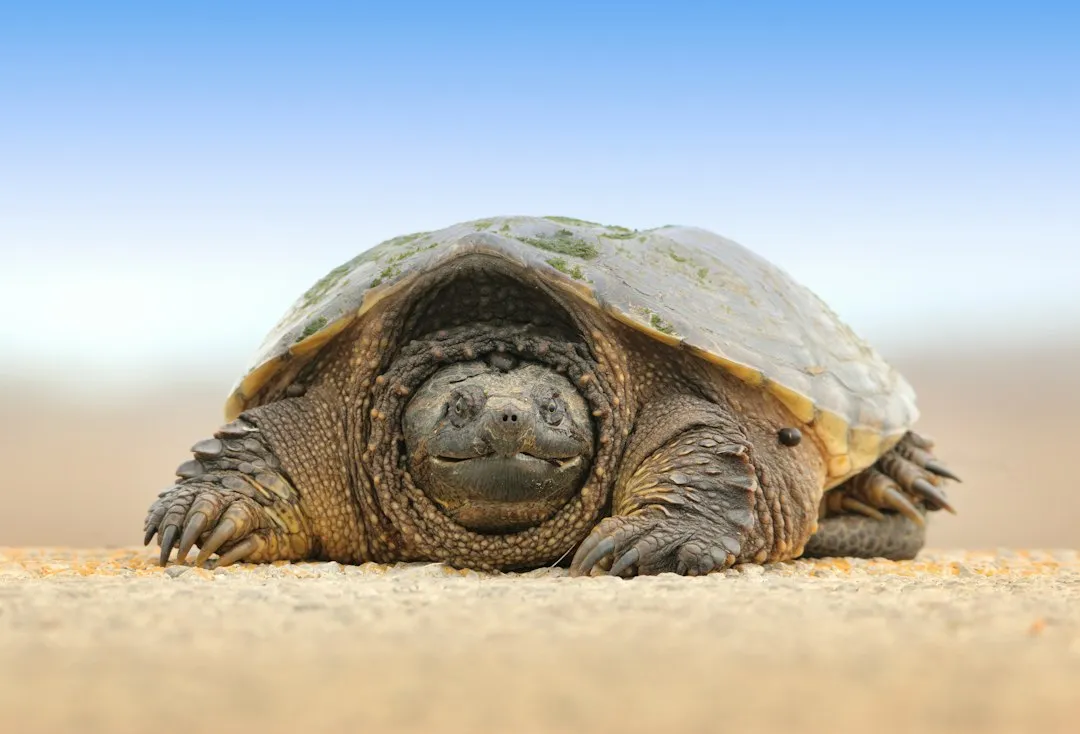
Alligator snapping turtles live in rivers, swamps, and other deep, slow moving waters in the southeastern United States, draining toward the Gulf of Mexico. Murky water and cover like logs and roots suit an ambush hunter perfectly.
In clear, open water, a lure would be less useful because prey could see the turtle clearly. The cloudy, shadowy places they favor help hide the trap.
10. Conservation Matters for This Strange Hunter
🔥 Would you like to save this?
We'll email this post to you, so you can come back to it later!
The species has faced pressure from past harvesting and habitat loss, and protections now exist in various forms across its range. Rules vary by state, and the legal situation can change, so it’s worth checking current regulations if you need specifics.
Because they grow slowly and take years to mature, populations recover slowly too. Losing them would mean losing one of the most inventive hunters in freshwater ecosystems.
Final Thoughts
🔥 Would you like to save this?
We'll email this post to you, so you can come back to it later!
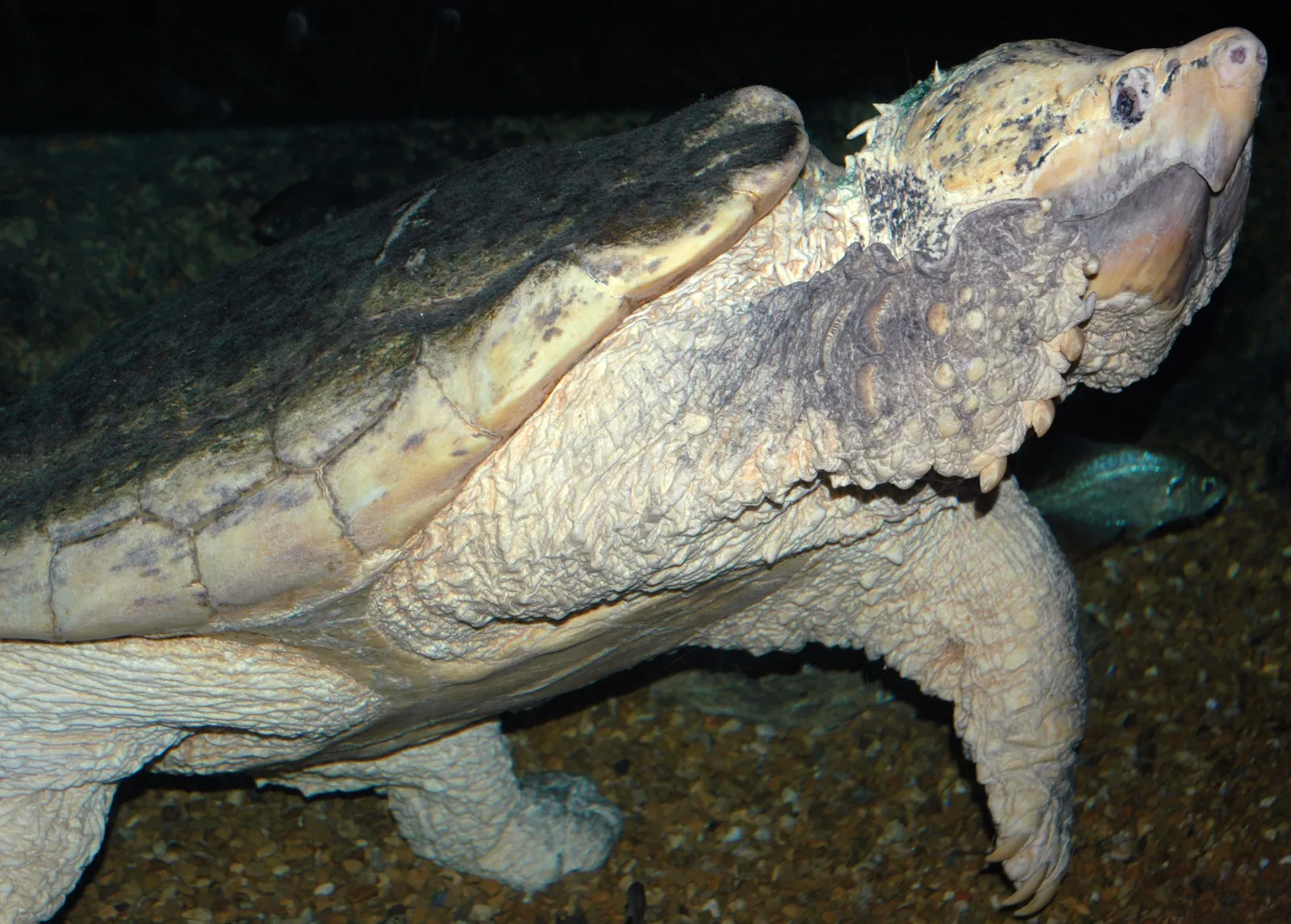
I think the alligator snapping turtle deserves more credit than it gets. It’s easy to dismiss a patient, lumpy reptile as primitive, yet that tiny wiggling tongue is a sophisticated bit of deception that has clearly worked for a very long time.
If anything, it’s proof that doing less can be a winning strategy. Sit still, look like part of the scenery, and let the fish make the mistake.

- 7 Everyday Habits That Can Make Your Senior Dog Happier - November 5, 2026
- 10 Enigmatic Structures That Continue to Puzzle Scientists Today - November 5, 2026
- 10 Strange Ruins in the Americas That Challenge What We Know About Early History - November 5, 2026