
If you had to pick the unluckiest animal in North America, the black-footed ferret would be near the top of the list. Once declared extinct in the wild, it clawed its way back from the brink thanks to a mix of last-chance luck, science that feels almost sci-fi, and a tiny army of conservationists who refuse to give up.
Yet even now, this ferret’s survival hangs by a thread thinner than a prairie dog whisker. Its story is messy, emotional, and still unfolding – and it forces a very uncomfortable question: how far are we willing to go to save a species that most people have never even seen?
The Black-Footed Ferret Was Once Declared Extinct – Twice
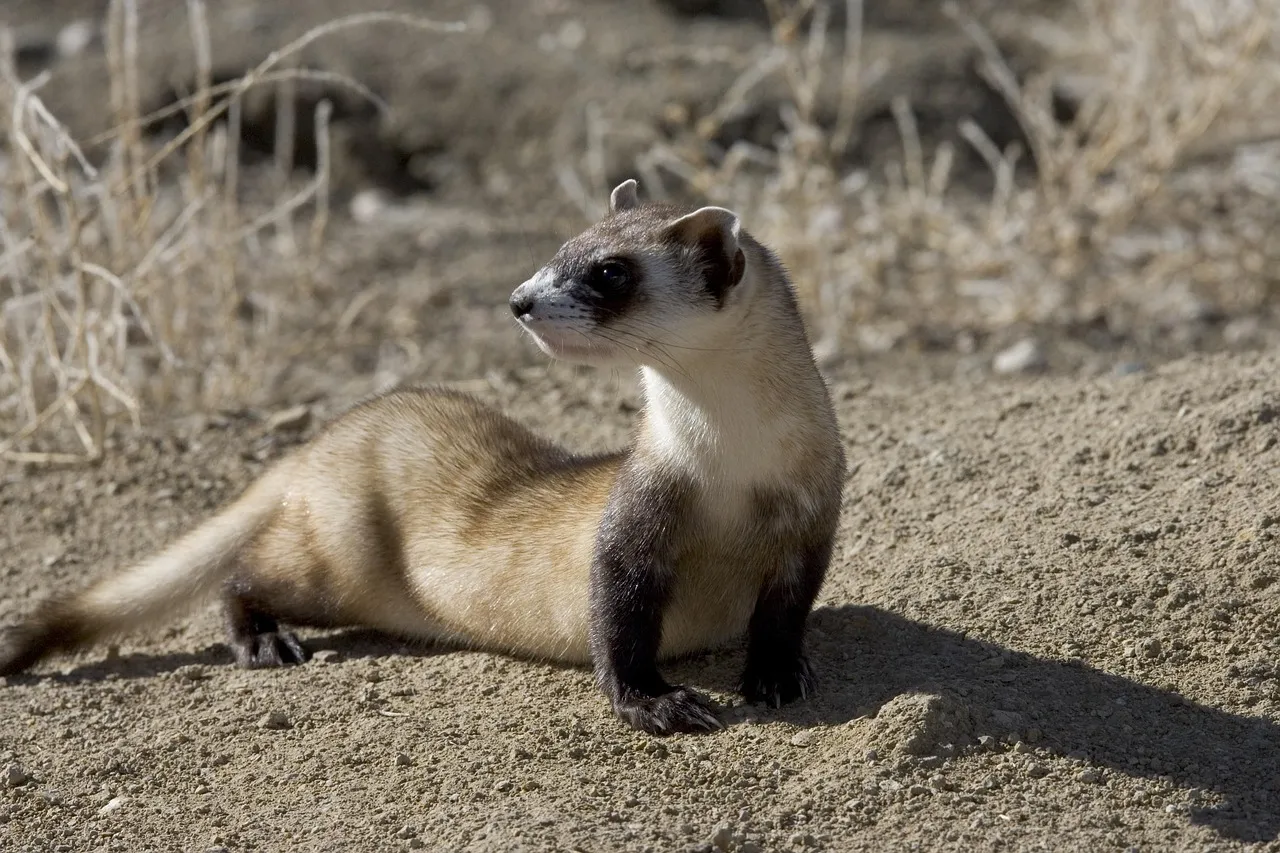
Imagine writing an obituary for a species, not once but twice, and still being wrong. That is exactly what happened with the black-footed ferret. In the 1970s, after decades of habitat loss and mass poisoning of prairie dogs, biologists believed there were no ferrets left in the wild and listed the species as extinct.
A small wild population was then rediscovered in South Dakota, only to disappear again, leading many to assume the animal was essentially gone for good. The real twist came in 1981, when a ranch dog in Wyoming dropped a strange-looking animal on a porch – this turned out to be a black-footed ferret, and surveys soon revealed a tiny, overlooked colony. The species had effectively come back from the dead twice, a reminder that nature sometimes hides survivors in the margins where no one is looking.
Every Black-Footed Ferret Alive Today Traces Back to Just Seven Founders
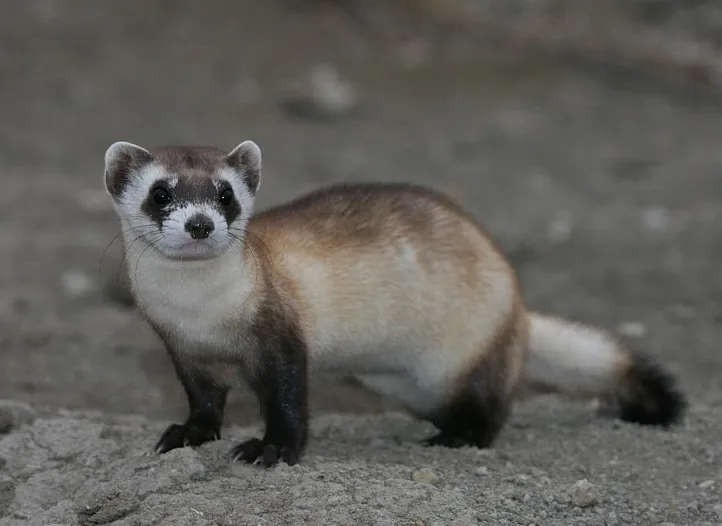
In conservation biology, you never want to say your entire species is based on a handful of animals – but that is the reality here. When disease nearly wiped out the last known Wyoming population in the 1980s, biologists captured the remaining ferrets for a last-ditch captive breeding program. Of those, only seven produced offspring that survived and passed on their genes.
That means every black-footed ferret alive today is a descendant of those seven founders, which is an astonishingly narrow genetic bottleneck. This limited diversity increases the risk of inbreeding, health problems, and poor resilience to future disease or environmental change. In simple terms, the ferret’s family tree looks less like a branching oak and more like a broomstick – and that makes its recovery both a scientific marvel and a long-term gamble.
They Are Prairie Dog Specialists – And That’s a Blessing and a Curse
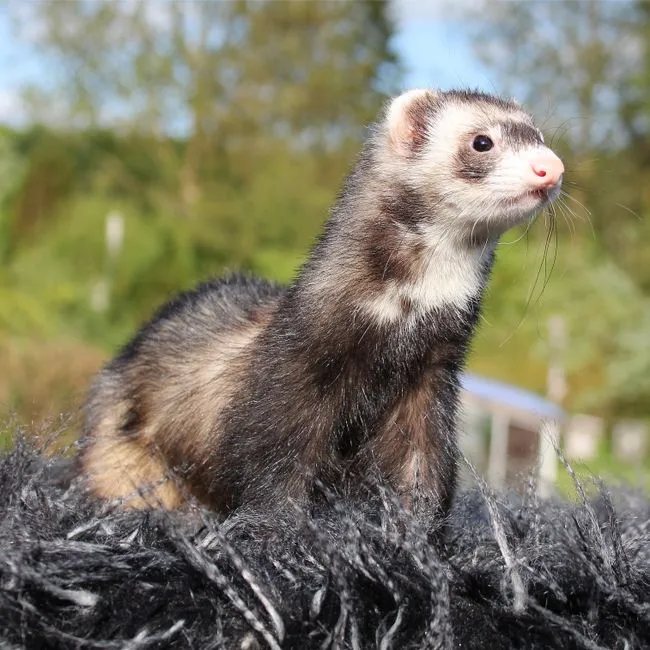
Black-footed ferrets are incredibly specialized hunters. They rely heavily on prairie dogs for both food and housing, eating them as their main prey and living in their burrows. If you think of prairie dogs as architects, the ferrets are the stealthy nighttime tenants who move in and turn the neighborhood into a hunting ground.
This specialization is efficient in a stable ecosystem, but it becomes a massive liability when prairie dogs are wiped out. For more than a century, prairie dog colonies have been poisoned, shot, and plowed under, often labeled as pests. When the prairie dogs disappear, ferrets lose their grocery store and their home in one blow, leaving them almost nowhere to go. You can’t save black-footed ferrets without also saving the very species many landowners have been taught to destroy.
Plague Is One of Their Biggest Killers – and It Is Not Even Native
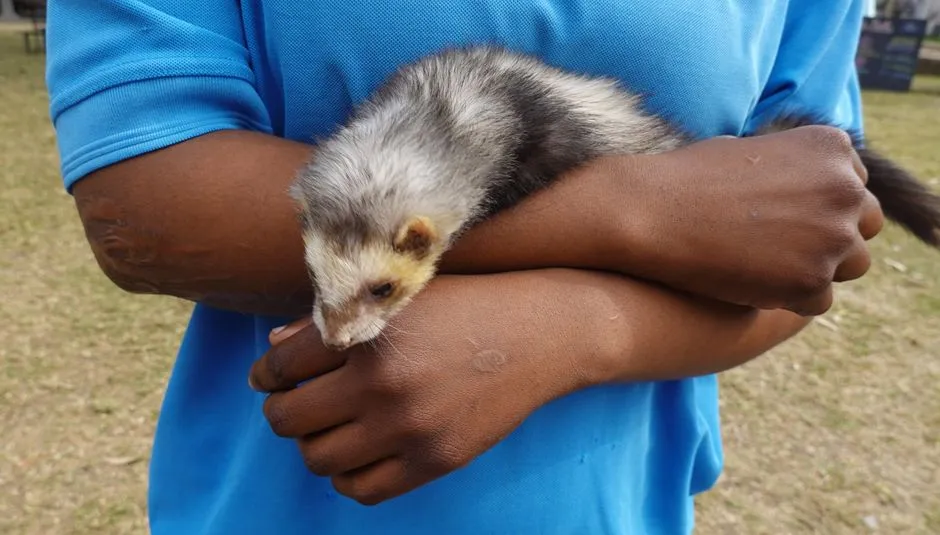
As if habitat loss and shrinking prey were not bad enough, black-footed ferrets face a microscopic enemy: sylvatic plague, a form of the same disease that caused the historic Black Death in humans. This plague is not native to North America; it arrived relatively recently and swept across prairie dog towns and ferret populations with brutal efficiency. When plague hits a prairie dog colony, it can wipe out nearly all of the animals, and the dependent ferrets soon follow.
Because ferrets are so tied to prairie dogs, plague acts like a double strike. Conservation teams now spend enormous effort vaccinating ferrets and sometimes dusting prairie dog burrows with insecticides to control plague-carrying fleas. It is a strange, slightly surreal image: people crawling across grasslands, delivering vaccines and flea treatments, just so an endangered ferret has a chance to keep hunting in the dark.
Captive Breeding Turned Zoos into Emergency Life-Support
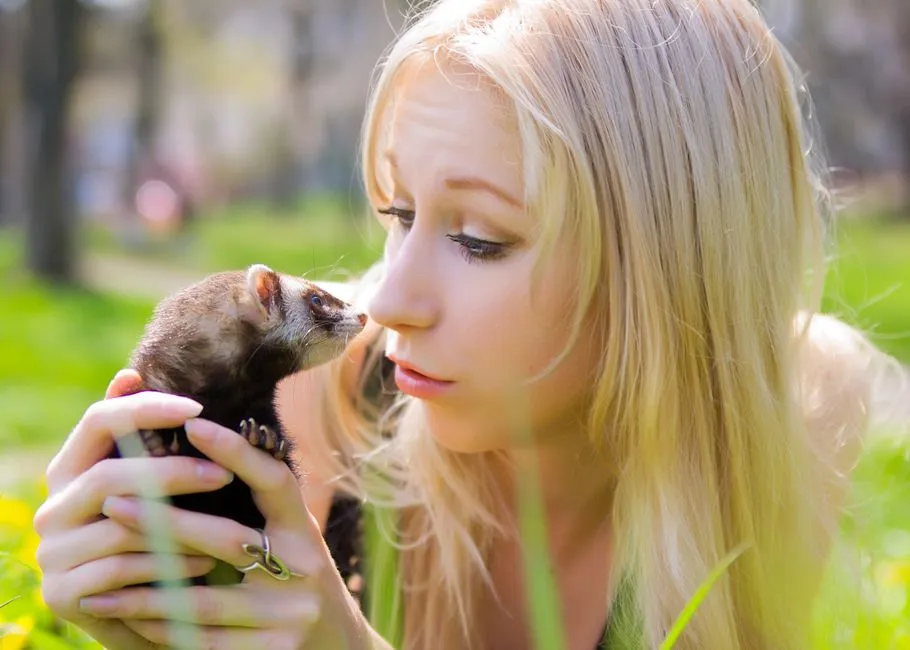
Once the last wild Wyoming colony was captured, zoos and breeding centers became something like intensive care units for an entire species. Facilities in places like Colorado, Wyoming, and several major zoos began to manage every pairing carefully, tracking genetics like a complex family puzzle. This was not casual breeding; it was data-driven, meticulously planned, and constantly adjusted to avoid inbreeding as much as possible.
Over time, captive programs produced enough kits (baby ferrets) to begin reintroducing them to the wild. Watching animals that had never set foot on natural prairie suddenly learn to hunt, avoid predators, and navigate burrows was both nerve-racking and hopeful. The fact that many of these zoo-born ferrets survived and bred on their own is one of the quiet miracles of modern wildlife management – and proof that, under the right conditions, instincts run deep.
Reintroduction Sites Stretch Across Several States but Remain Fragile
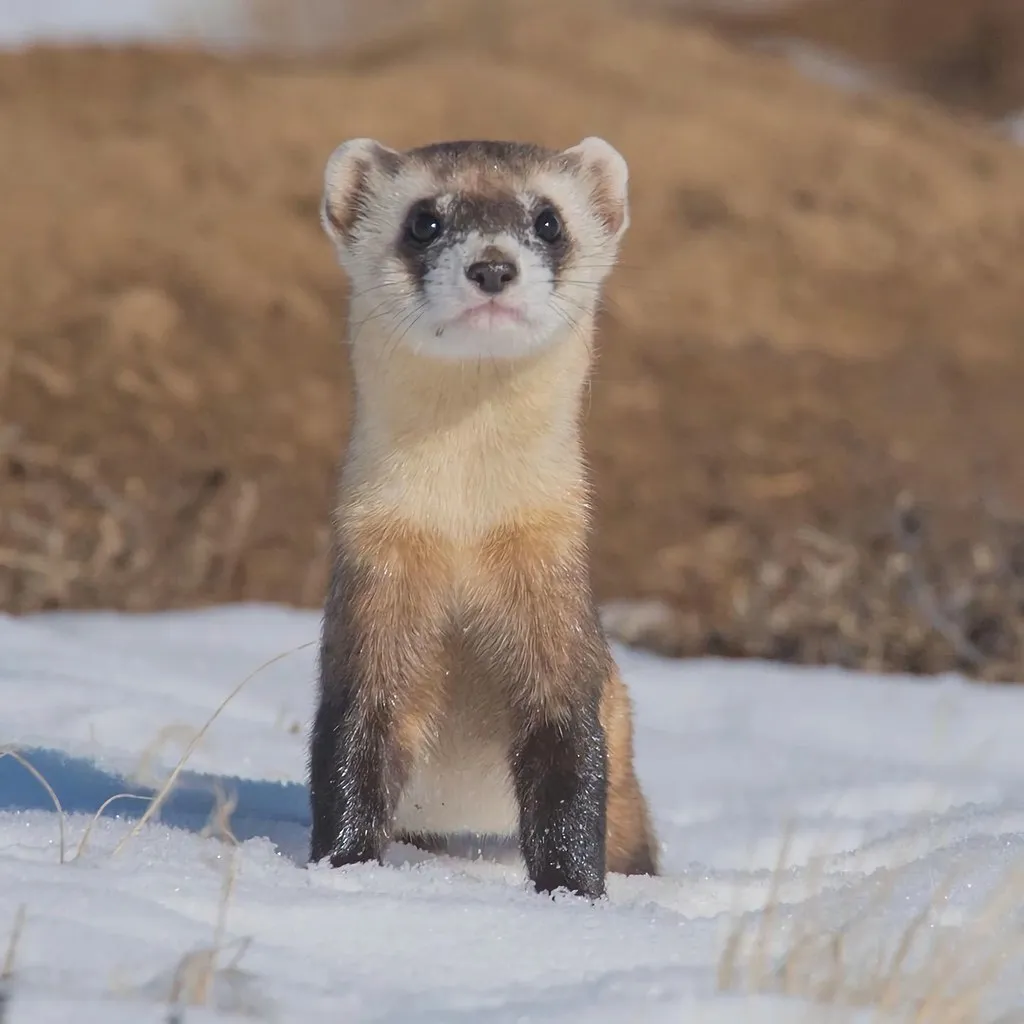
Today, black-footed ferrets have been reintroduced to sites across the Great Plains and parts of the West, in states like Wyoming, Montana, South Dakota, Colorado, and even into parts of northern Mexico. Each site is chosen where prairie dog colonies still exist in large enough clusters, and where landowners and local communities are at least cautiously supportive. On paper, it sounds like a broad comeback story: multiple wild populations scattered across the landscape.
Look closer, though, and the picture is more shaky. Many sites hold relatively small numbers of ferrets, with populations that can crash if plague arrives or if prairie dog numbers are reduced. Some locations see ferrets disappear and then get restocked with new releases, in a kind of ongoing life-support cycle. It is recovery, but it is not yet secure, and it raises a hard question about what “wild” really means when human intervention is constantly needed.
Genetic Rescue Is Moving from Theory to Reality
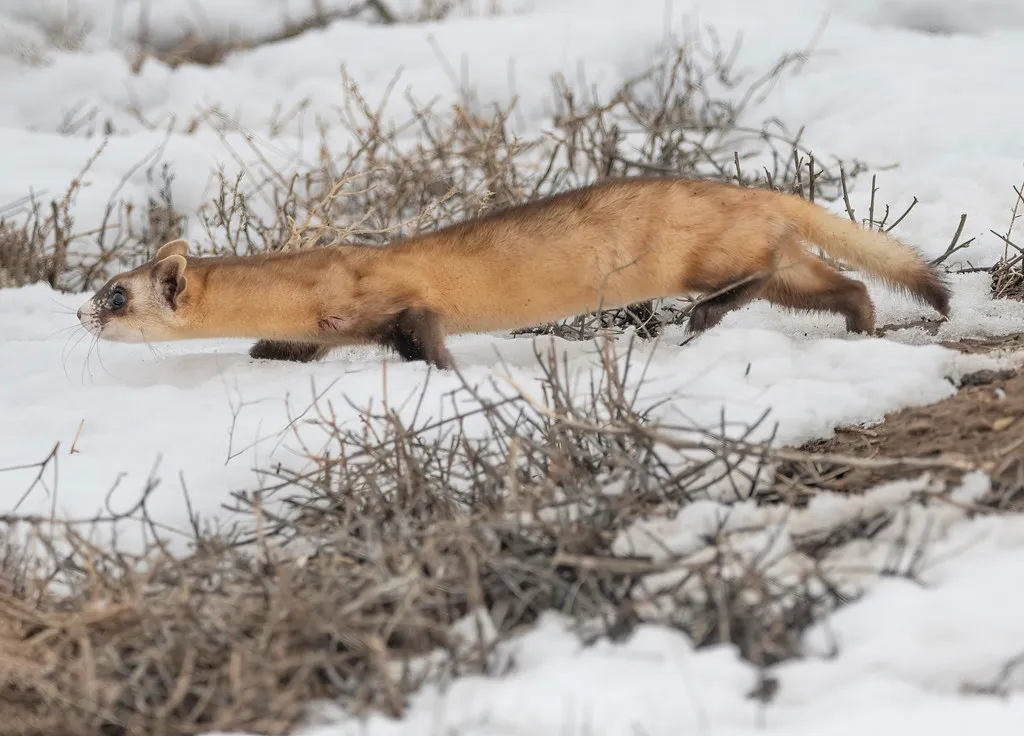
Because all modern ferrets come from such a tiny founder group, scientists have started experimenting with genetic rescue – essentially trying to widen the gene pool using preserved DNA. One of the most talked about examples is a cloned black-footed ferret created from the cells of an individual that lived decades ago and was never part of the breeding program. This animal, genetically distinct from the usual founder lines, represents a possible infusion of much-needed diversity.
This is where the story edges into territory that feels almost futuristic. Conservationists are beginning to combine old-school field work – trapping, vaccinations, habitat work – with cutting-edge technologies like cloning and gene banking. There is debate, of course, about how far to push these tools, but in a species this boxed in by genetics, many argue that not using every option on the table would be the bigger ethical failure.
Ranchers, Tribes, and Conservationists Often Clash – But Also Collaborate
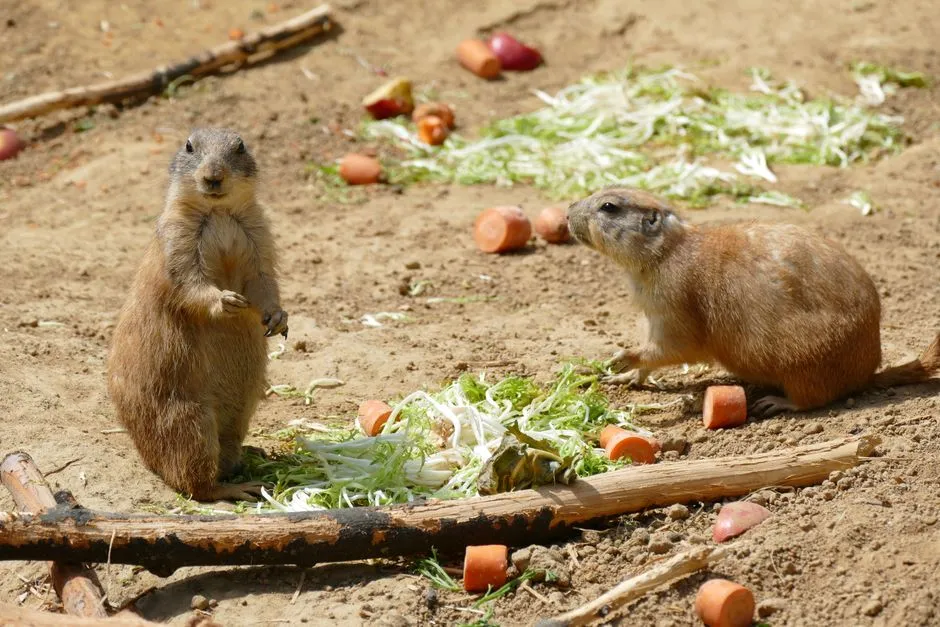
The landscape where black-footed ferrets live is not empty; it is working land for ranchers and home for Indigenous communities who have deep cultural ties to prairie ecosystems. Prairie dogs can compete with livestock for forage and are sometimes seen as a threat to income, which has driven extensive efforts to control or eradicate them. On the other hand, several Native nations view prairie dogs and ferrets as part of an interconnected system that holds spiritual and ecological importance.
Out of this tension, some of the most interesting partnerships have emerged. Tribal-led reintroduction efforts, voluntary agreements with ranchers, and incentive programs that reward landowners for hosting prairie dog and ferret habitat are slowly changing the tone. It is far from perfect, and there are still fierce arguments, but these collaborations show that the ferret’s survival is not just a science problem – it is a social and political one too, playing out in kitchens, council meetings, and on dusty back roads.
The Ferret Has Become a Symbol of How Complicated “Saving Nature” Really Is
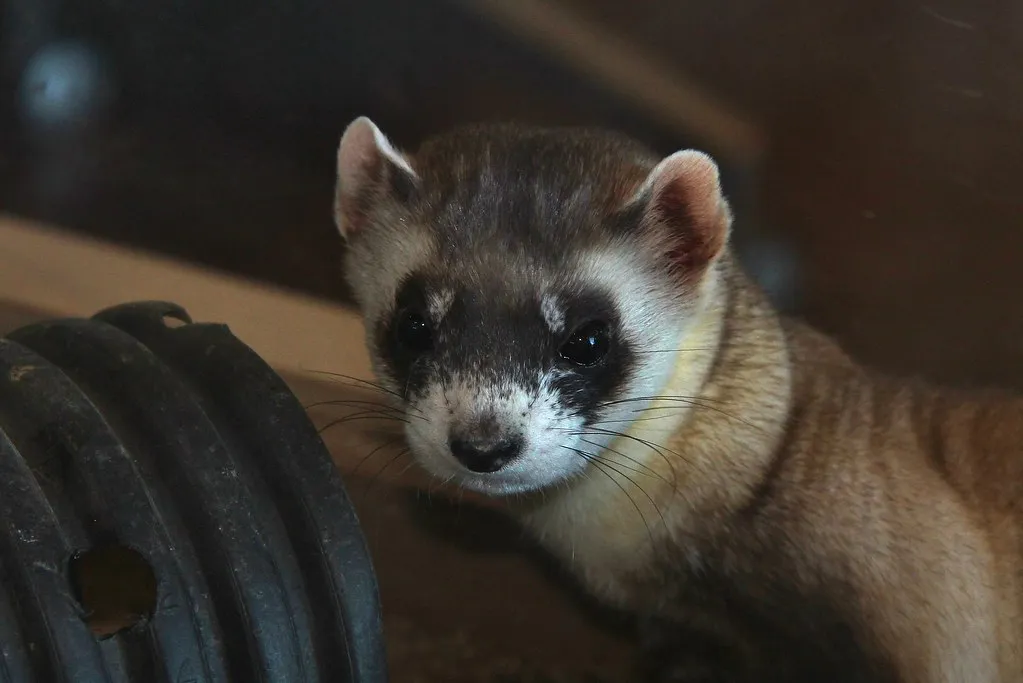
When people picture conservation, they often imagine simple fixes: protect a park, pass a law, release some animals, and watch them thrive. The black-footed ferret’s story is the opposite of simple. It involves captive breeding, genetic dilemmas, recurring disease, conflicted land use, and a dependency on another controversial species. At every step, saving this one predator pulls on a whole web of ecological and human relationships.
In that sense, the ferret has become a kind of case study in twenty-first-century conservation. It forces us to reckon with uncomfortable realities: we cannot restore the past perfectly, we rely heavily on intensive management, and we must negotiate between wildlife needs and human livelihoods. Rather than a neat success story, the black-footed ferret is more like a long, messy group project – one that will never be fully finished but is still worth doing.
Despite Everything, There Is Real Progress – and Real Risk of Complacency
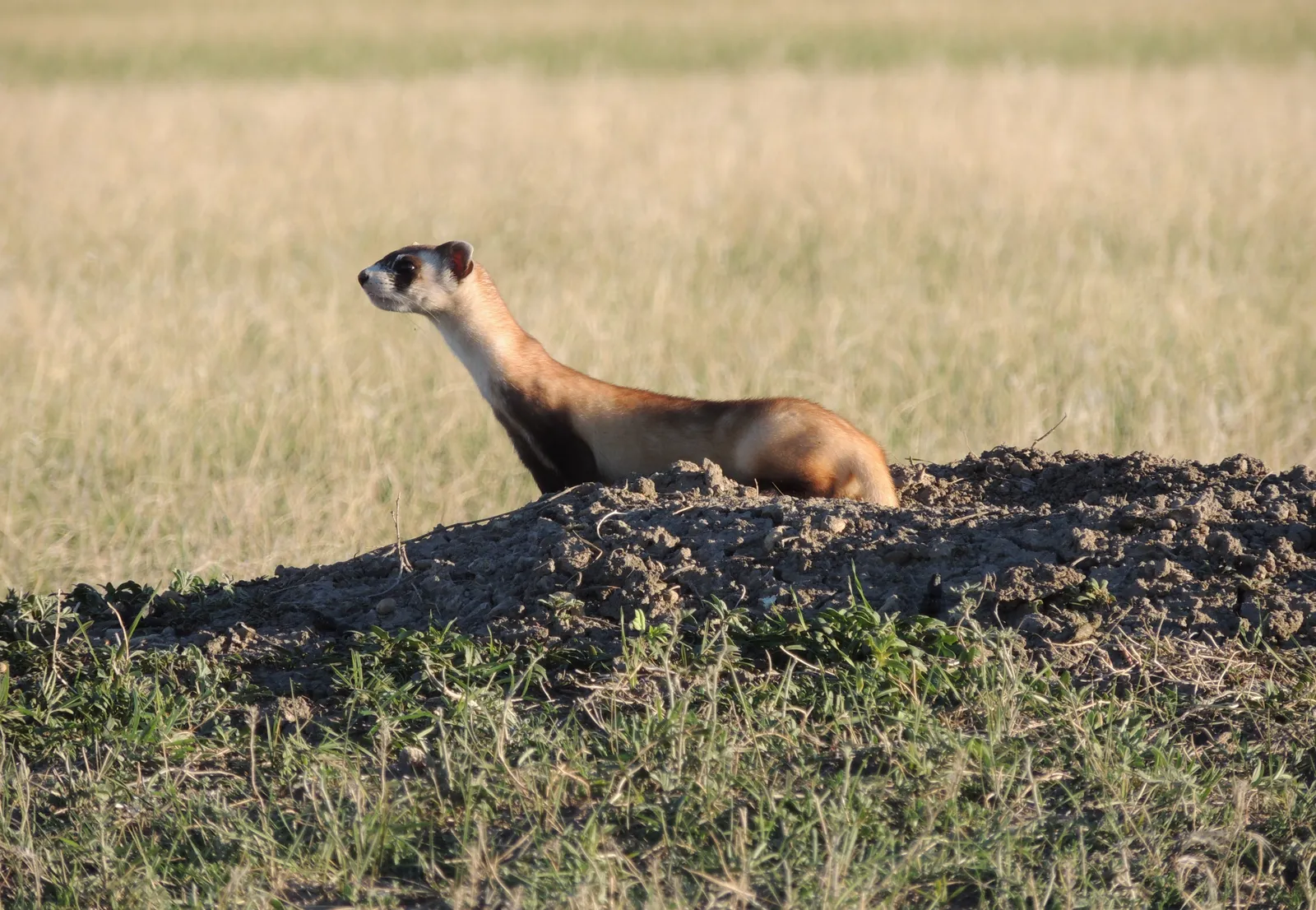
Here is the paradox: the black-footed ferret is simultaneously a major success and still in deep trouble. A few decades ago, there were none left in the wild; now, there are multiple reintroduced populations and a global captive program that actually works. More people know the species exists, more institutions are involved, and the tools for helping it – from vaccines to genetic techniques – are far more advanced than they used to be.
Yet that very sense of progress can lull us into thinking the crisis is over when it absolutely is not. The species remains vulnerable to disease, dependent on ongoing human management, and constrained by a landscape that is still losing prairie habitat. Personally, I think the most dangerous thing we could do now is treat the black-footed ferret as a box checked, a problem solved. Its continued existence will demand long-term commitment, not a brief burst of funding and applause.
Conclusion: A Tiny Predator Asking a Giant Question
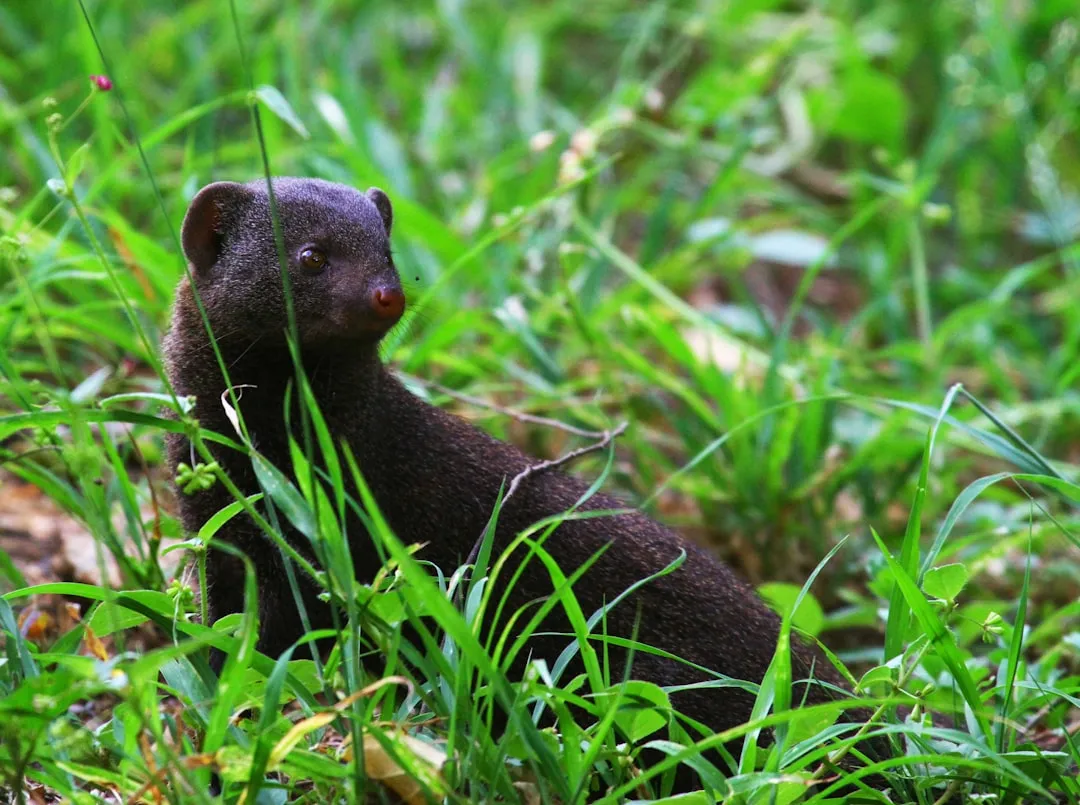
I find the black-footed ferret weirdly humbling. Here is a small, nocturnal hunter that most of us will never see, whose fate has been shaped by our decisions to poison prairie dogs, plow grasslands, deploy vaccines, and even dabble in cloning. It is not charismatic in the way a polar bear or a wolf is, but it has quietly become one of the clearest mirrors of how complicated, messy, and hands-on modern conservation has to be.
If we are honest, saving this ferret is not just about loving cute animals; it is about deciding that even the obscure and inconvenient parts of nature deserve a place alongside our farms, our towns, and our ambitions. My opinion is that if we are unwilling to fight for something as small and particular as the black-footed ferret, our promises about protecting the planet are mostly just talk. In the end, this little predator is asking a giant question: how serious are we, really, about sharing the world we have so thoroughly remade – and what does your answer look like in practice, not just in words?

- 10 Facts About the Black-Footed Ferret's Fight for Survival - July 27, 2026
- 8 Ways Wildlife Corridors Help Mountain Lions Cross Fragmented Landscapes - July 27, 2026
- Which Zodiac Signs Understand Shy Cats Without Saying a Word - July 27, 2026