
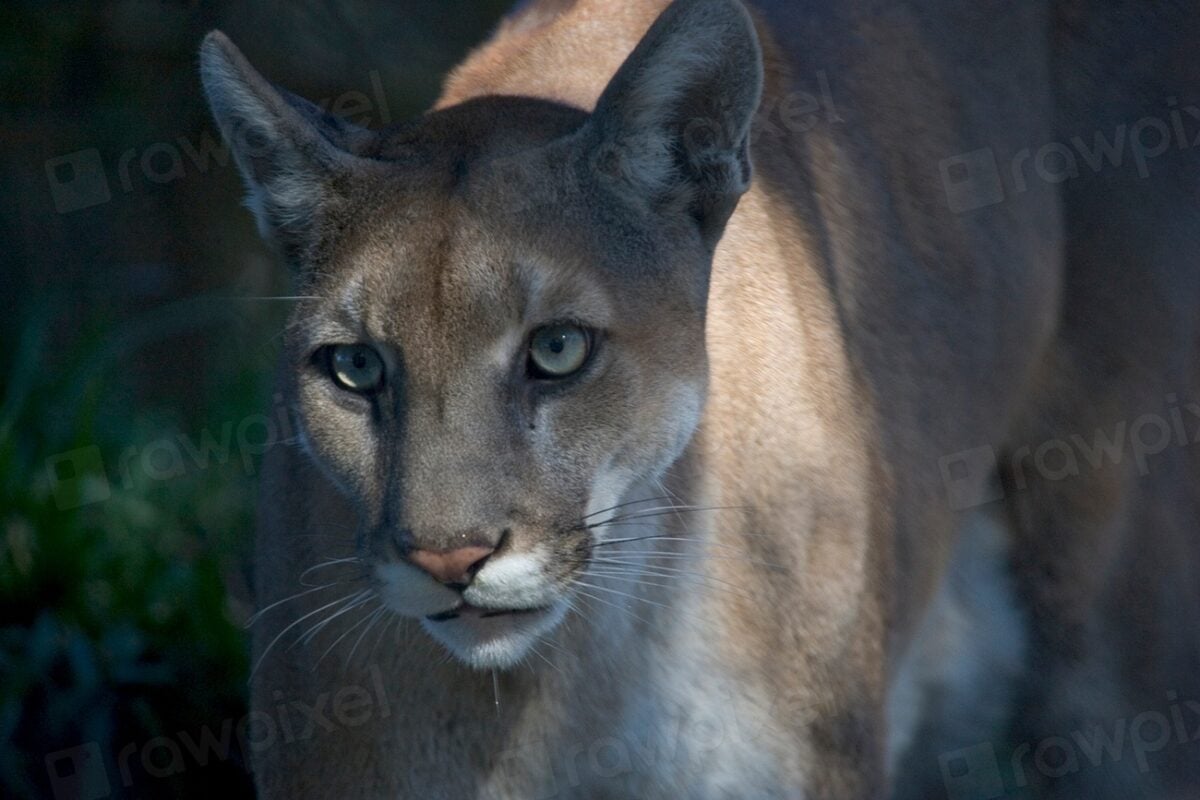
#1 The population crashed to fewer than 30 cats before anyone sounded the alarm
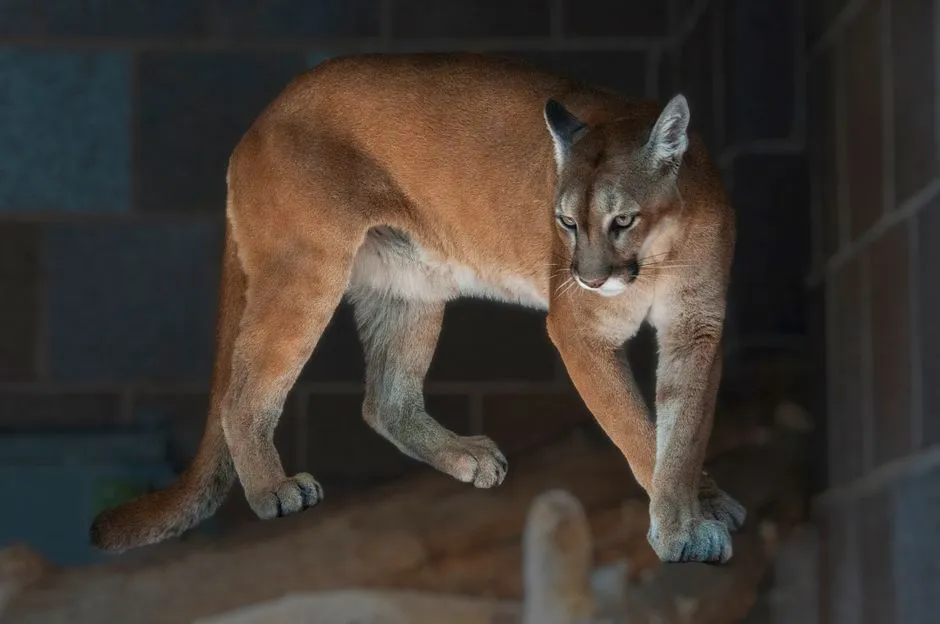
By the early 1990s, the Florida panther had become a ghost of its former self. In 1992, the Florida panther had an estimated 40 years left before extinction, with the population having dwindled to roughly 30 and inbreeding causing genetic deficiencies and health issues. Some accounts put the low point even closer to the edge, with wildlife officials at the time watching a population that had shrunk to around twenty animals.
The panthers, a mountain lion subspecies, nearly went extinct in the 1990s, when the population dwindled to 20, which would have been embarrassing for Florida, since a 1981 vote by schoolchildren had designated the panther as the official state animal. That combination of symbolic importance and biological crisis is part of why the rescue effort that followed became such a defining moment for American wildlife management.
#2 A bold experiment brought Texas cougars to Florida in 1995
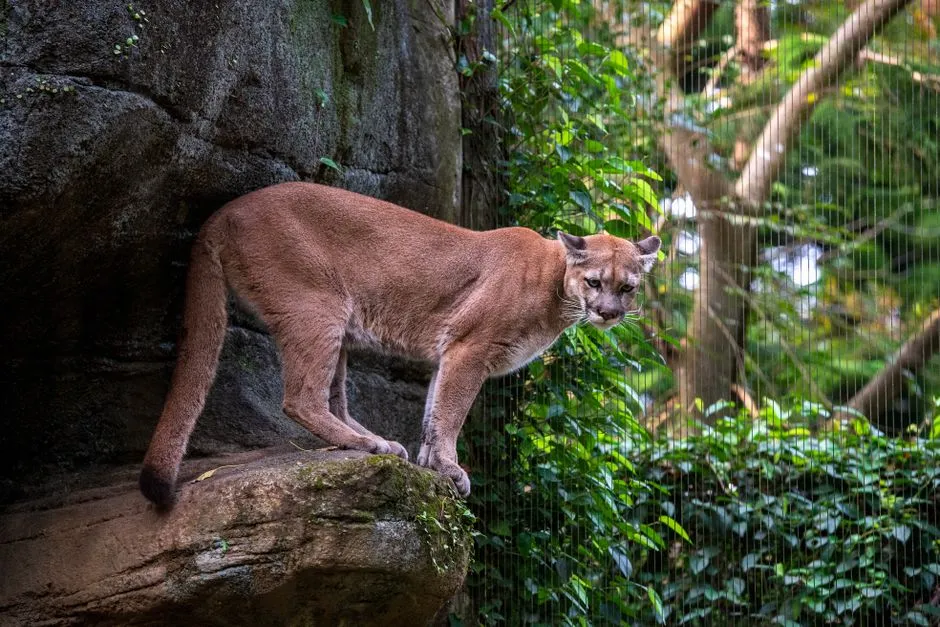
Faced with a population collapsing under the weight of its own genetics, biologists made an unconventional call. To bolster the population’s genetic diversity, scientists brought eight female panthers from Texas into Florida in 1995. The Texas subspecies was chosen deliberately, not at random.
USFWS initiated the Florida Panther Genetic Restoration Plan, introducing eight female Texas cougars from a genetically diverse wild Texas population that were selected as the nearest living subspecies and whose mitochondrial DNA most closely matched pre-bottleneck Florida panther samples. It was a calculated gamble on genetics rather than a random import, and it set the stage for everything that followed.
#3 The genetic rescue worked, at least for now
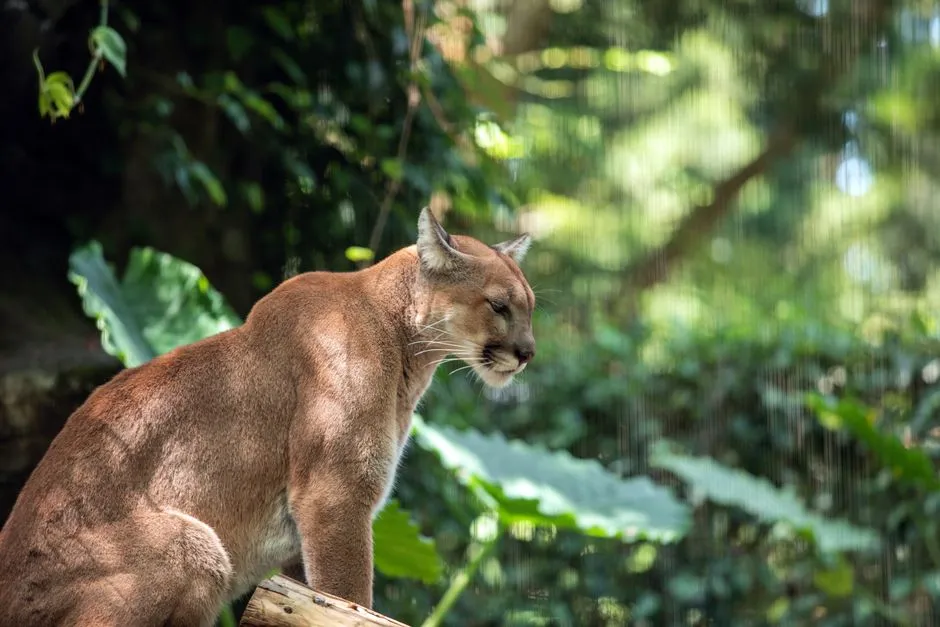
The results came quickly and were hard to argue with. The experiment worked, with five of the eight females producing kittens whose new genetic material countered the defects and sparked a baby boom. Kittens born after the introduction showed far fewer of the physical problems that had plagued the population for decades.
The first mixed-ancestry kittens showed dramatically lower rates of kinked tail, cryptorchidism, and cardiac defects, survival rates improved markedly, and the population began to grow. Scientists later confirmed the effect at a genetic level, and researchers found that the rescue was successful with observed improvements due to increased heterozygosity rather than a reduction in the number of deleterious variants.
#4 The recovery has a ceiling, and researchers know it
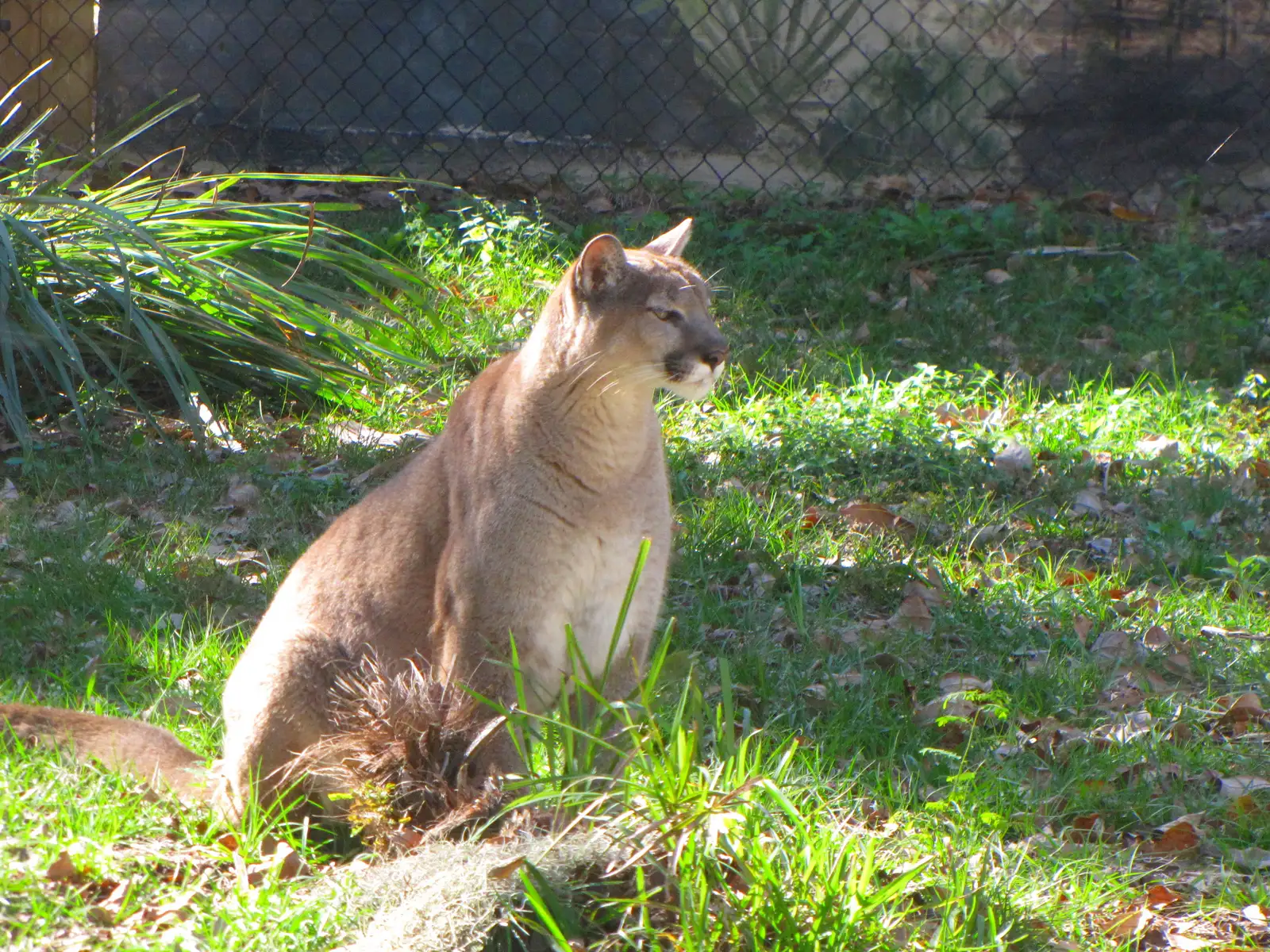
Nobody involved in the project treats this as a permanent fix. A team of biologists who studied four decades of data found real gains, but they were careful about the caveats. The findings highlight the success of the genetic rescue, but also that its effects might be transient and continued management of the panthers is needed.
Newer modeling work makes the same point with a bit more urgency. The benefits from the increased genetic diversity will likely be temporary, the researchers said. In other words, the 1995 intervention bought time and improved odds, but it didn’t solve the underlying problem of a small, geographically isolated population.
#5 The panther now lives on roughly one twentieth of its historic range
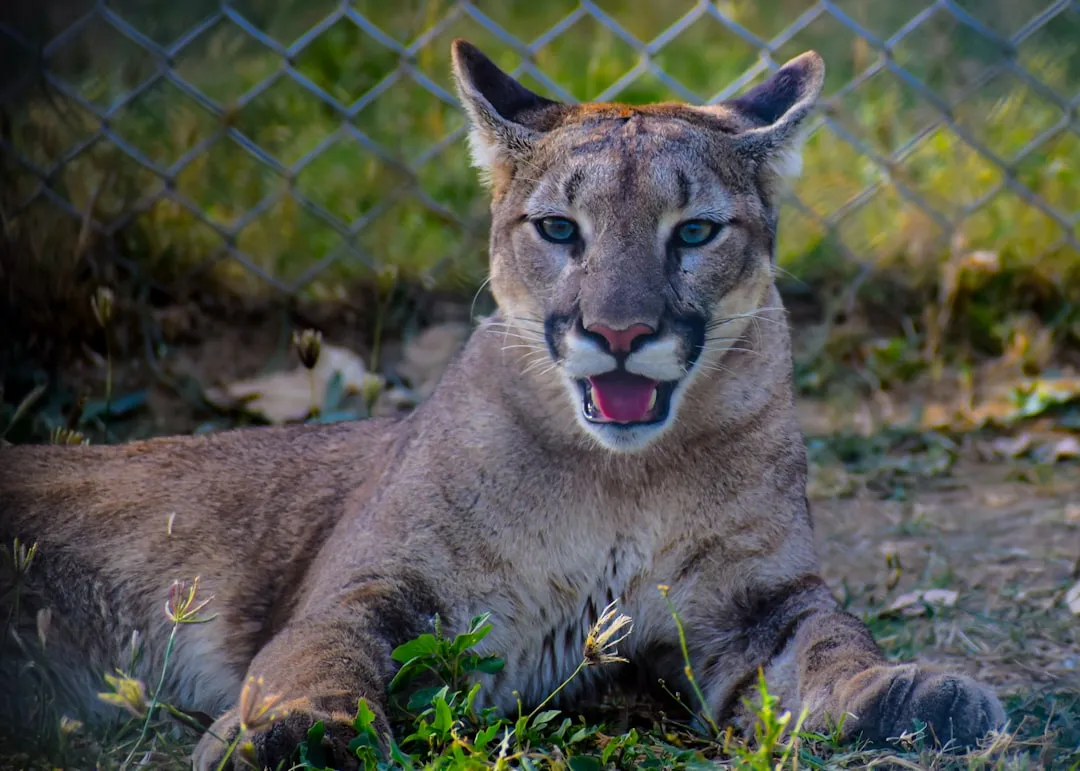
It’s easy to forget how far this cat used to roam. Before European settlement and the centuries of hunting and land conversion that followed, the panther’s territory stretched across nearly the entire American Southeast. Pre-1900 Florida panther range encompassed the entire US Southeast, from Arkansas and Louisiana east through Tennessee, the Carolinas, Georgia, and all of Florida, before hunting, habitat loss, and prey depletion contracted the range southward through the 19th and early 20th centuries.
What’s left today is a fraction of that footprint. These Florida panthers now occupy less than 5% of their original territory due to hunting and habitat loss. That squeeze into a corner of South Florida is central to almost every challenge the species faces now, from genetics to traffic to available prey.
#6 A single male panther needs an enormous amount of space
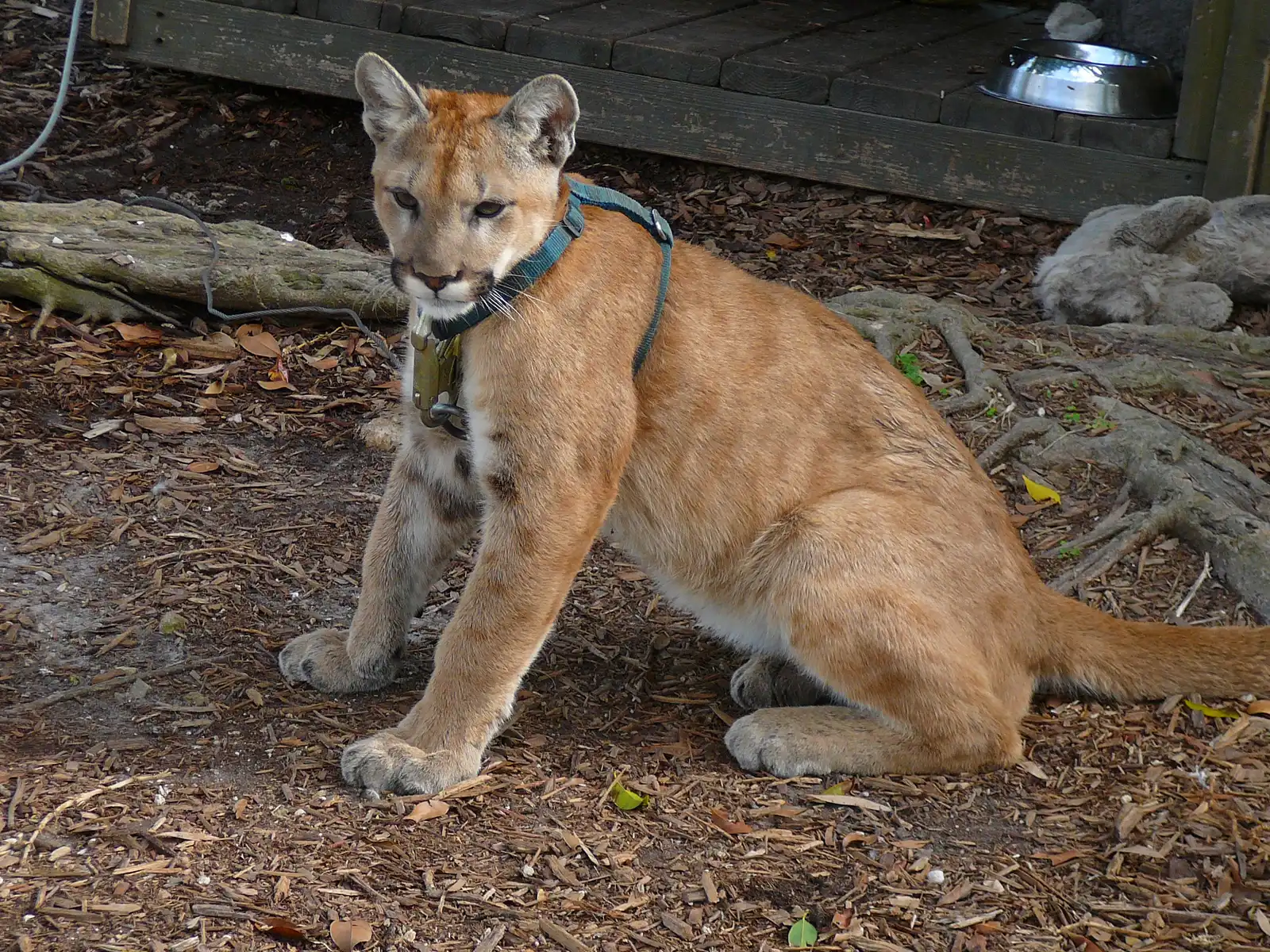
Big cats are not efficient users of land, and panthers are no exception. Adult males in particular require territories that would seem almost absurd for an animal this size. Adult males roam territories of 200 to 500 square kilometres, while females range over smaller areas, typically 75 to 200 square kilometers.
That spatial demand is precisely why habitat fragmentation hits panthers so hard. When roads, subdivisions, and agricultural conversion chop up the landscape, a male panther simply cannot fit his life into what remains. Wildlife groups have pointed out that this need for room is not a minor detail but the core obstacle to full recovery, since a species built to roam widely cannot thrive on shrinking, disconnected parcels.
#7 Vehicle strikes have become the leading cause of death
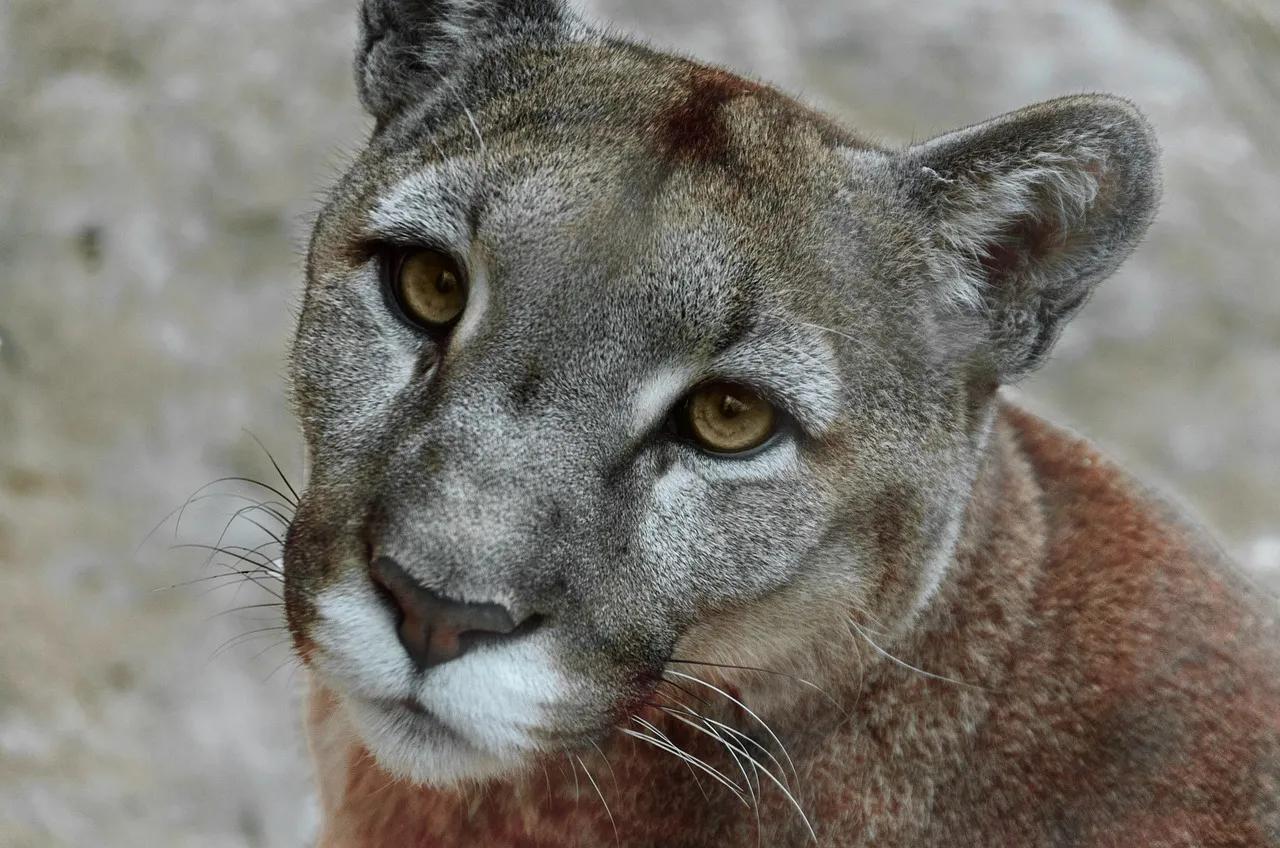
It’s a strange twist that a predator built to survive hunting pressure and habitat loss is now most often killed by something as mundane as traffic. Cars are now the leading danger to panthers, accounting for 466 deaths since 1978, according to data from the Florida Fish and Wildlife Conservation Commission. That number has climbed steadily as South Florida’s roads and population have both grown.
The timing makes things worse, not better. As car travel increases during the spring and summer, Florida panthers simultaneously enter their most active breeding season, meaning the risk of vehicle strikes is higher. Wildlife crossings and underpasses have helped in certain corridors, but they cover only a portion of the roads that cut through panther habitat.
#8 Federal recovery goals call for three separate populations, and there’s still only one
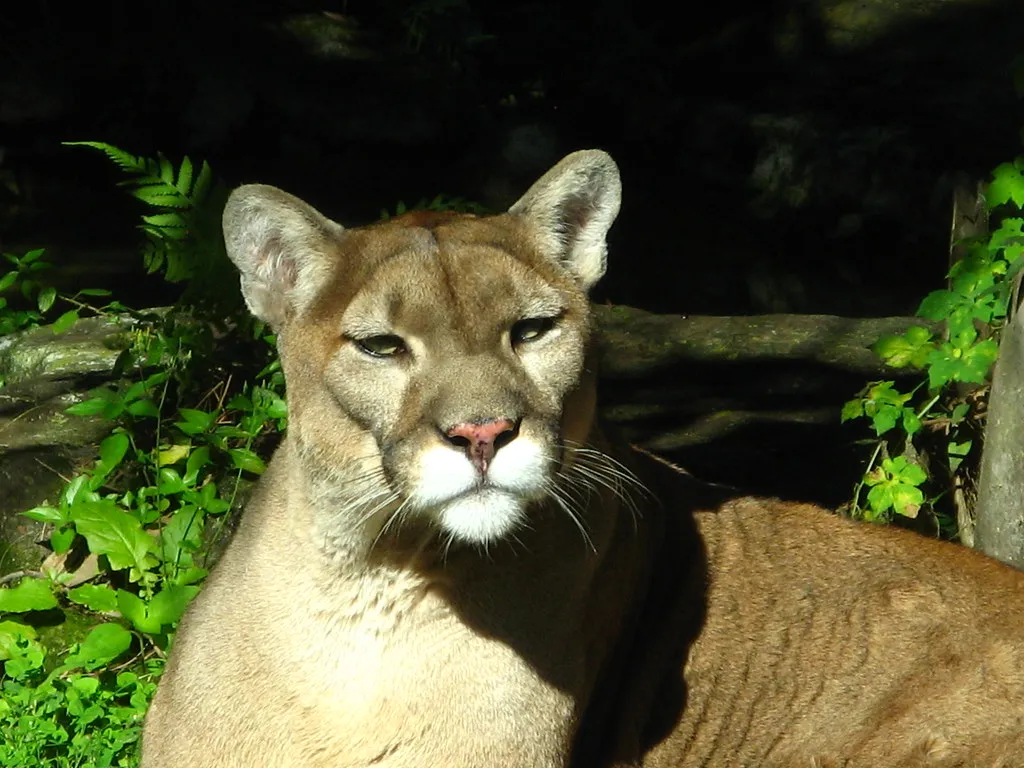
The bar for declaring the panther recovered is set high, and it hasn’t moved much in years. There must be three separate breeding subpopulations of at least 240, with animals intermingling among the subpopulations to maintain genetic diversity, and there must also be enough habitat to sustain the subpopulations. That’s the official standard, and it has been for a long time.
Right now, the species is nowhere close. For now, the panther remains confined to a single breeding population. Establishing a second and third population would mean finding new suitable habitat somewhere in Florida or the broader Southeast, moving panthers there, and hoping they establish territories and breed, a project that has been discussed for years without a clear path forward.
#9 Development keeps eating into the only habitat panthers have left
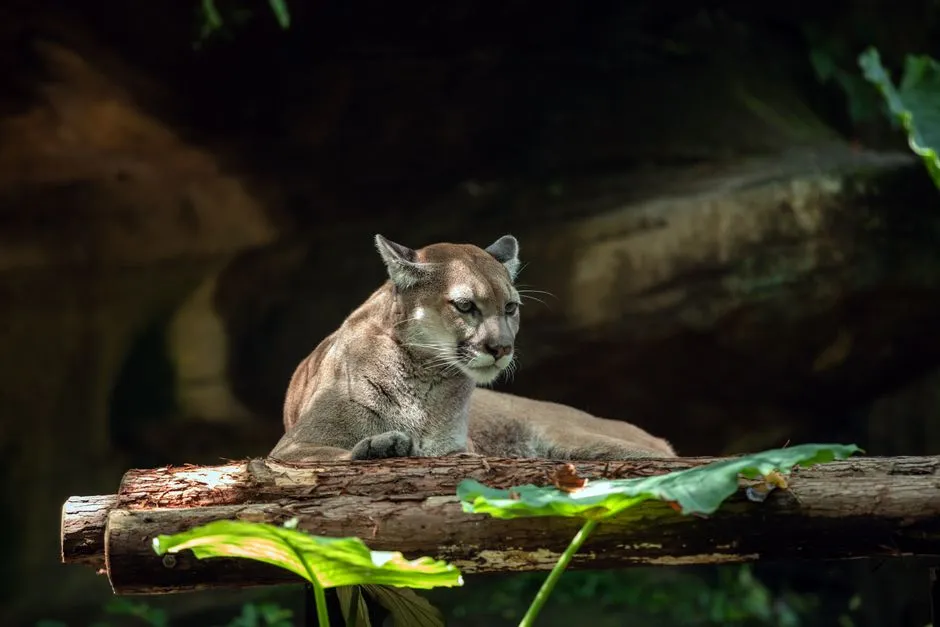
Even as the population has grown, the land underneath it hasn’t kept pace. When the FWS issued a recovery plan in 2008, it cited habitat as a major concern and said there was not enough land available to sustain the species, and since then, more than 30,000 acres of the animal’s range have been developed. That’s a striking number for a species already squeezed into a small corner of the state.
Large-scale projects continue to move forward despite objections from conservation groups. Construction on the Rural Lands West Project, situated on the edge of the Everglades in southwest Florida, is already underway, with half of the development’s footprint involving agricultural lands. Legal challenges have followed, with several 2025-2026 lawsuits in Collier County involving proposed development within or adjacent to designated critical habitat.
#10 Diet is quietly shifting as deer numbers decline
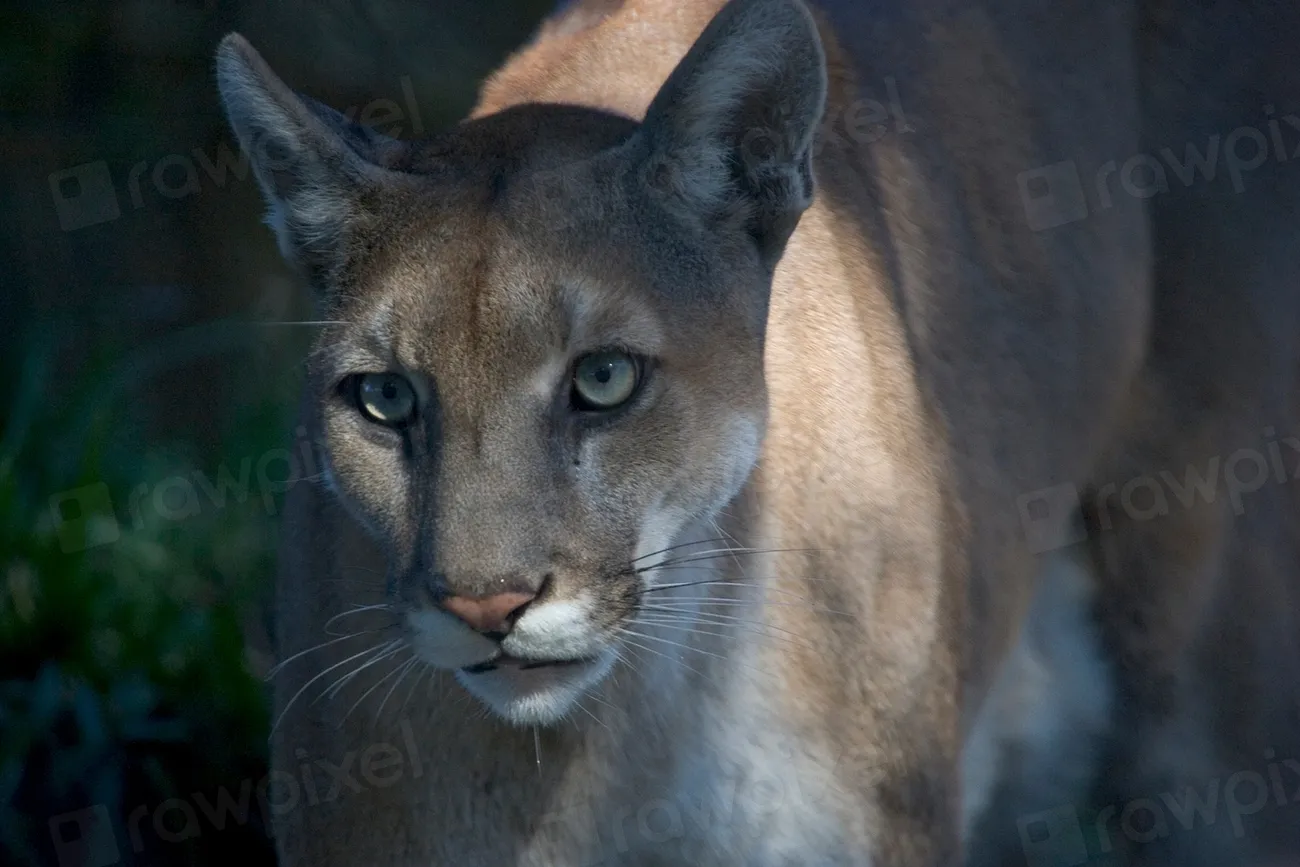
Panthers didn’t evolve to be picky eaters, and that flexibility is being tested right now. Florida panthers depend primarily on white-tailed deer and feral pigs, but deer populations have declined in parts of panther range due to habitat changes and hunting pressure. That decline forces the cats to adapt their hunting habits in real time.
GPS tracking has given researchers a clearer picture of how panthers are responding. Panther diet studies using GPS-collared individuals show increasing reliance on feral pigs and smaller prey when deer are scarce. It’s a workable adaptation for now, though it adds one more variable to a recovery effort that already has plenty of moving parts.
The Bottom Line

- 10 Facts About the Florida Panther's Fragile Recovery - August 7, 2026
- The Andean Condor: King of the High Altitudes - August 7, 2026
- Exploring the Mythology Behind Capricorn: The Sea Goat - August 7, 2026