
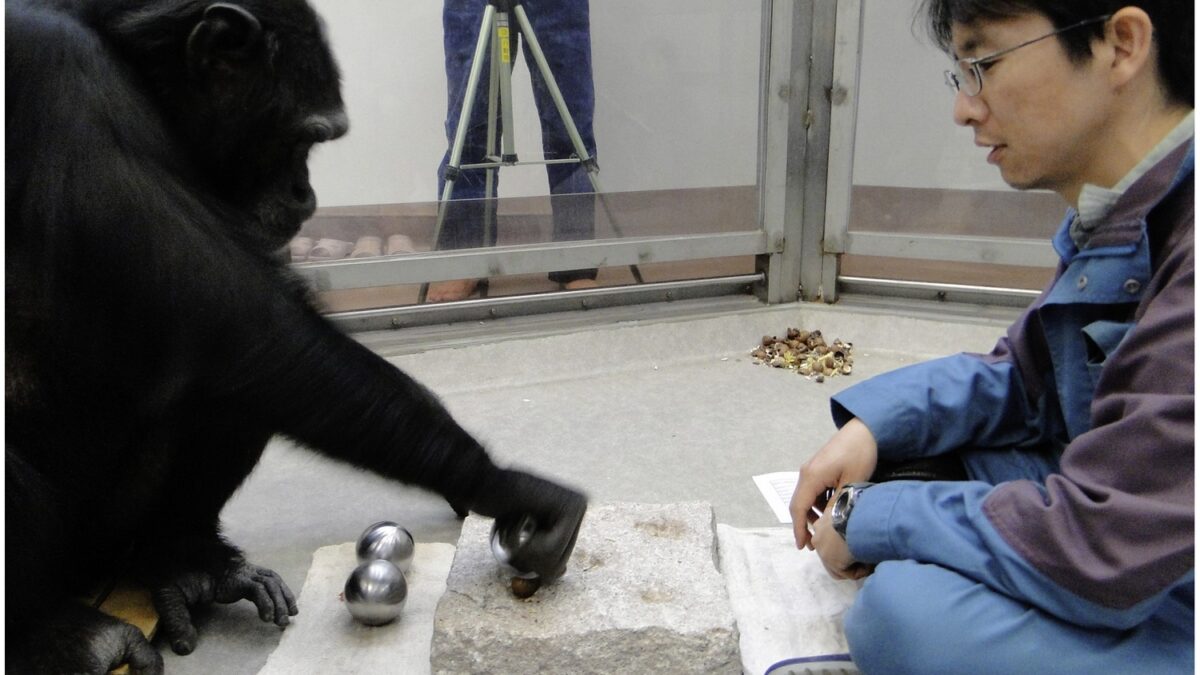
We’ve all grown up with this idea that animals are born knowing exactly what to do. A bird knows how to fly south. A spider spins a perfect web. A shark hunts. Nature does all the work, right? Well, not quite. The truth is far more surprising, and honestly, a lot more beautiful.
One of the central goals of behavioral biology is to distinguish between innate behaviors, which have a strong genetic component and are largely independent of environmental influences, from learned behaviors, which result from environmental conditioning. That boundary, it turns out, is blurrier than most people ever imagined. Many behaviors we’ve long assumed were hardwired into animals are actually picked up, practiced, refined, and even passed down through generations like cultural traditions. Let’s dive in.
1. Killer Whale Intentional Stranding: A Deadly Skill That Must Be Taught
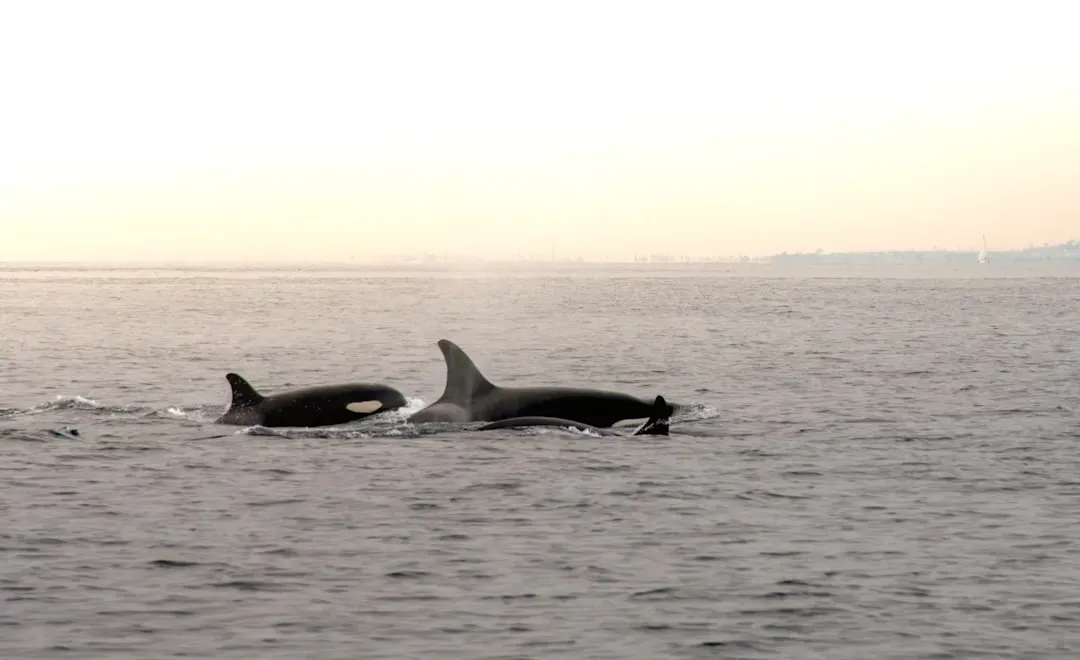
Few things in nature are as jaw-dropping as watching a massive orca hurl itself onto a beach to catch a seal. It looks terrifyingly instinctive. But here’s the thing: it’s not.
Killer whales in the Valdes Peninsula, Argentina, and the Crozet Islands in the Indian Ocean are famous for intentionally stranding themselves in pursuit of seals and sea lions. The pursuing whales exploit the thrust of waves, supplemented by their own momentum, to lunge at seals sunbathing on gravel beaches, then thrash their bodies and wait for the next wave to carry them back into deeper waters.
The orca must learn to push itself back into a sufficient depth of water to swim away, and it takes years to master the technique. Young orcas don’t attempt to practice intentional stranding on their own until they are four or five years old. Before that, they are always accompanied by an adult, often their mother.
Three significant factors contribute to the development of this technique in killer whale calves: high parental investment in the teaching-learning process, low reproduction rates among females in these populations compared to elsewhere, and the social transfer of skills through alloparental apprenticeship. Think about that. This is not just a behavior; it’s an apprenticeship program run by whales.
2. Chimpanzee Nut Cracking: Culture, Not Nature
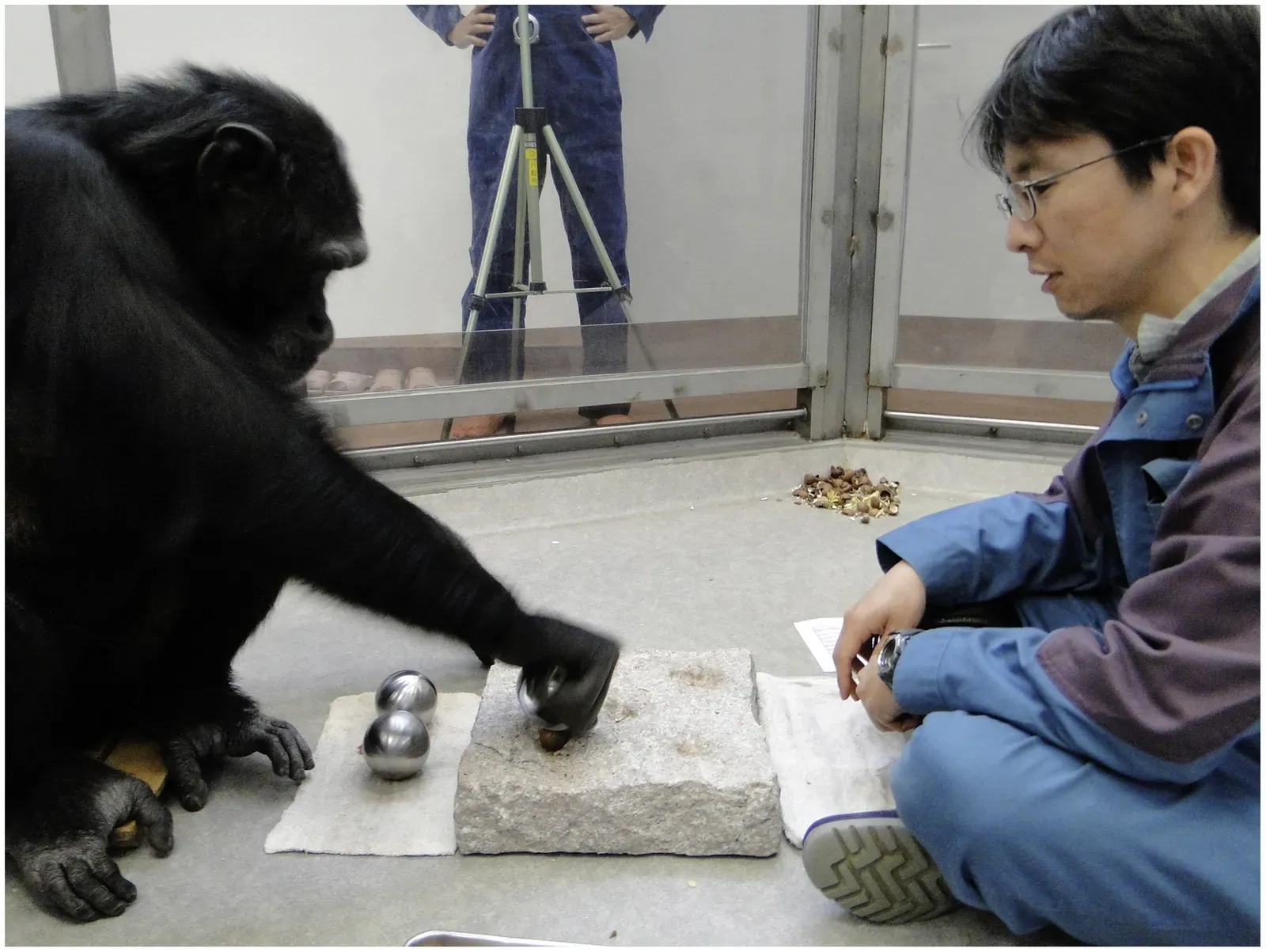
Ask most people whether chimpanzees crack nuts by instinct, and they’d probably say yes. It seems so natural, so primal. The reality is far more fascinating.
Researchers have used field experiments to show that chimpanzees do not simply invent nut cracking with tools, but need to learn such complex cultural behaviors from others. It’s not a skill they’re born with. It’s something that has to be witnessed, practiced, and passed down.
Extensive surveys of chimpanzee communities have shown that population-specific details of tool use, such as the selection of species of nuts as targets for cracking, cannot be explained purely on ecological differences. A 16-year longitudinal record tracing the development of nut-cracking in individual chimpanzees highlighted the importance of a critical period for learning between three and five years of age.
Cumulative tool-based culture underwrote our species’ evolutionary success, and tool-based nut-cracking is one of the strongest candidates for cultural transmission in our closest relatives, chimpanzees. I honestly find that remarkable. The line between human culture and animal culture looks thinner every year.
3. Songbirds Learning Their Songs: Practice Makes Perfect
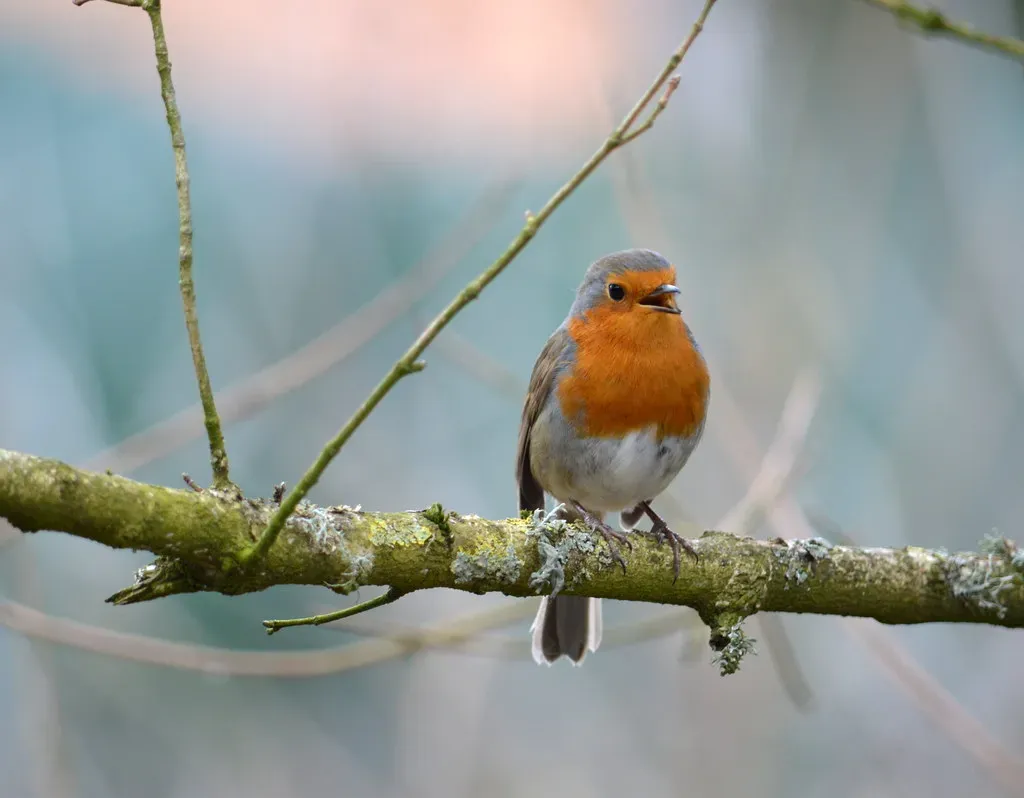
You’d think a bird is simply born singing its song. Turns out, that’s only partially true. The melody they grow up with? That part is very much learned.
Many species of songbirds learn their songs through imitation, and it has been hypothesized that chimpanzees’ understanding of intentionality of action in other members of a social group influences their imitative behaviors. Young birds essentially eavesdrop on their elders and copy what they hear, much like a child picking up an accent from their parents.
Southern pied babblers, birds native to southern Africa, school their young to associate a specific purr call with getting food. Superb fairy wrens even teach a kind of password to their chicks before they hatch, which the chicks will later use to call for food. That detail, teaching before birth, is the kind of fact that makes your brain do a double take.
4. Dolphins Using Sponges as Tools: A Tradition Passed Through Mothers
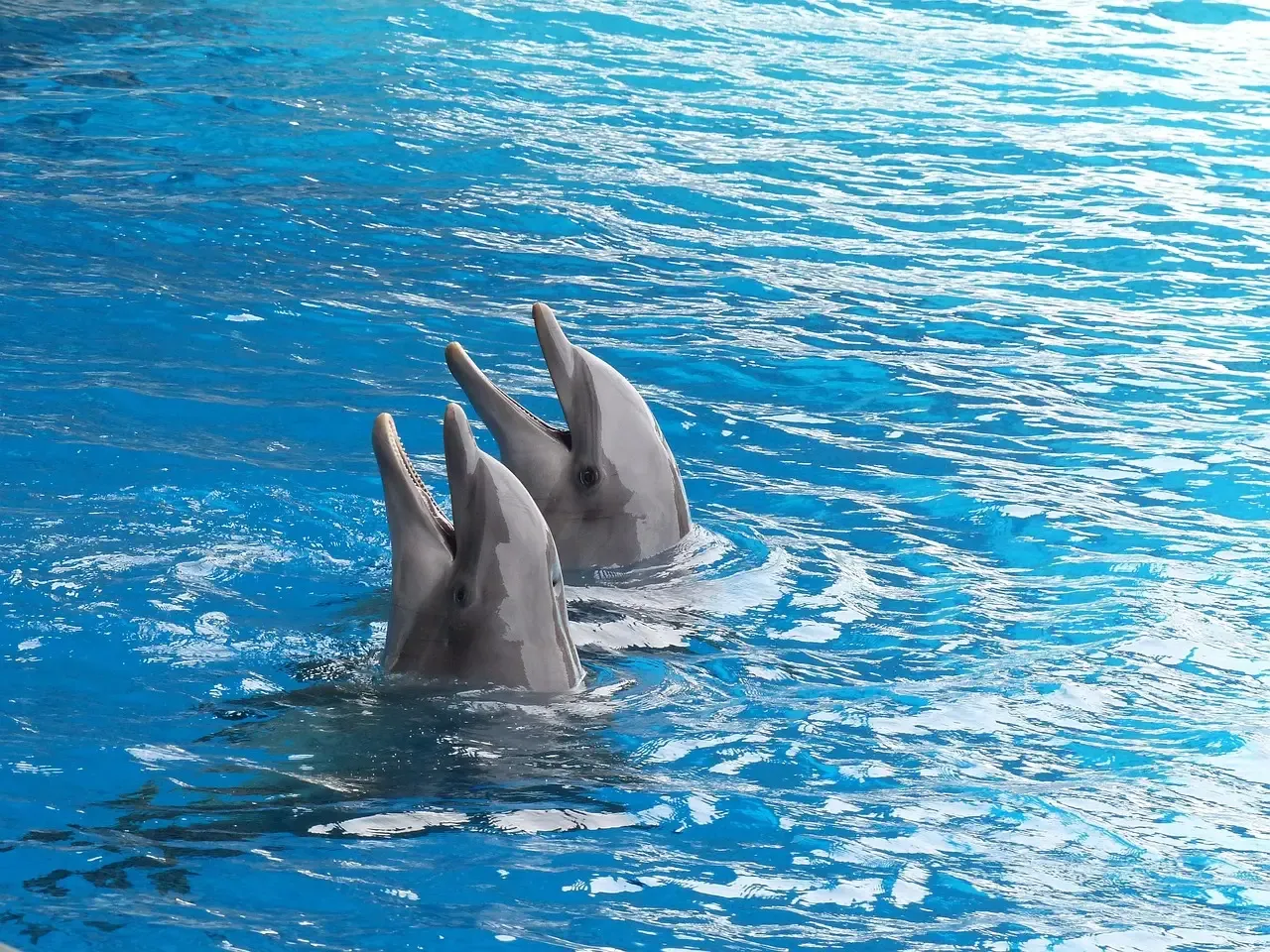
Here’s a behavior that sounds almost too clever to be real. In Shark Bay, Australia, a group of bottlenose dolphins has developed a habit that no animal textbook from fifty years ago would have predicted.
One group, known as the spongers, grab a sea sponge and dive down to the seabed with it. Holding the sponges tightly in their mouths, they poke them into the sandy seabed to disturb fish in hiding. The fish emerge, the sponge is dropped, the meal is eaten, and the tool is picked up for further foraging.
Surprisingly, not all bottlenose dolphins in Shark Bay use sponges this way. How do some dolphins pick up the skill? They are taught. Females appear to act as instructors, teaching the skill to their daughters and occasionally to their sons.
This is tool use. In dolphins. Passed from mother to daughter like a family recipe. It’s a behavior that would never appear without social learning, which is almost poetic when you think about it.
5. Meerkats Teaching Their Young to Handle Scorpions
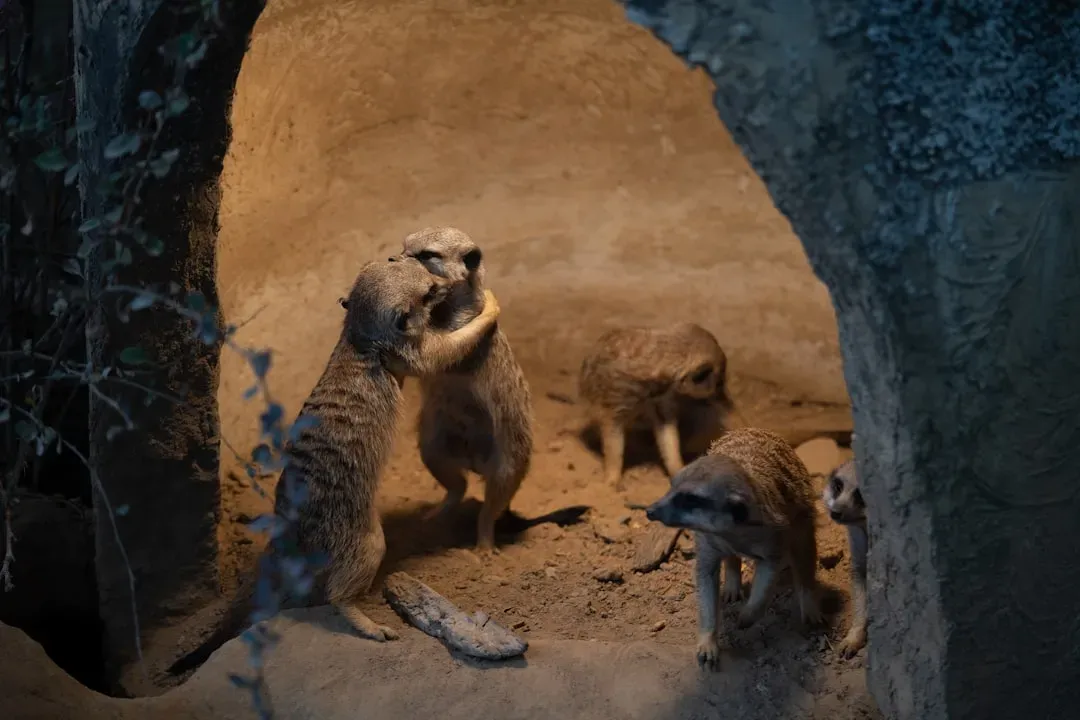
Meerkats look adorable. But their parenting style when it comes to teaching survival skills? It’s surprisingly methodical, and a little ruthless.
Adult meerkats have been shown to teach pups essential prey-handling skills. Meerkats often consume dangerous prey such as venomous scorpions that inexperienced pups appear unable to safely subdue and consume without assistance from older individuals. Adults only display teaching behavior in response to pup begging calls, and they modify their specific teaching behaviors based upon the age of the pup begging, providing more assistance to younger, presumably less experienced pups.
Instead of teaching their young by letting them loose on dangerous prey, meerkat adults bring back dead or nearly dead scorpions for practice. As the pups get better at subduing them, the parents bring back scorpions that get progressively livelier, until the younger ones are skilled enough to hunt themselves.
It’s essentially a graduated training curriculum. In the desert. Run by meerkats. Let’s be real, that’s more structured than some human educational systems.
6. Japanese Macaques Washing Food and Bathing in Hot Springs
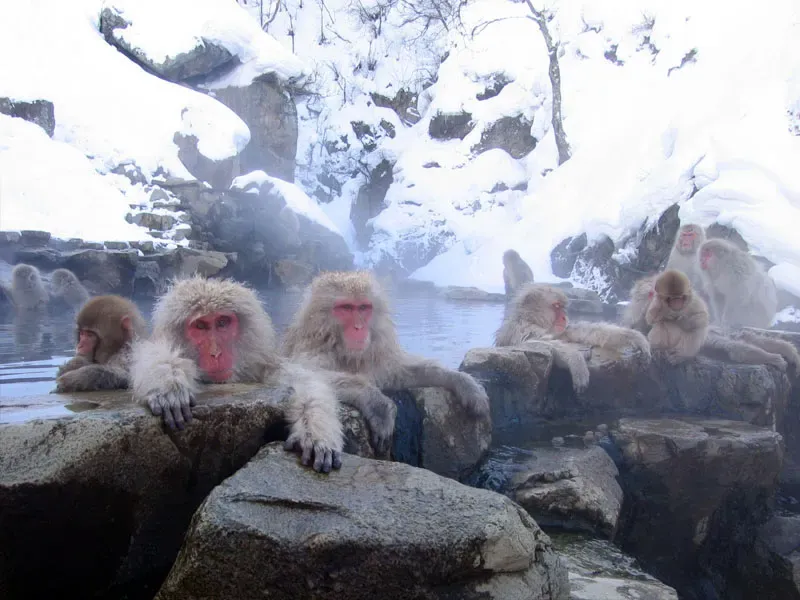
This is one of the most famous examples of a spontaneously invented and culturally transmitted behavior in the animal kingdom. It started with one monkey and a curious mind.
In Koshima, Japan, macaques are often seen washing sweet potatoes and other food before they eat it. This behavior was not observed until the early 1950s, when one macaque started washing the sand off its food. Other macaques witnessed the new behavior and started doing it themselves, and it became ingrained within the group.
Another group of Japanese macaques is now famous for swimming in local hot springs during the winter. This wasn’t a natural behavior: the monkeys typically avoided water until 1963, when a lone macaque walked into the springs to retrieve an apple. It found the warm water soothing and took another dip shortly after. Curious juvenile macaques watched and decided to give it a try themselves. Within months, young macaques were bathing regularly and teaching their young to swim as well.
One brave monkey with an apple changed the entire cultural tradition of an entire group. There’s an inspiring metaphor somewhere in there for all of us.
7. Sperm Whale Dialects: Learned Vocal Traditions of the Deep
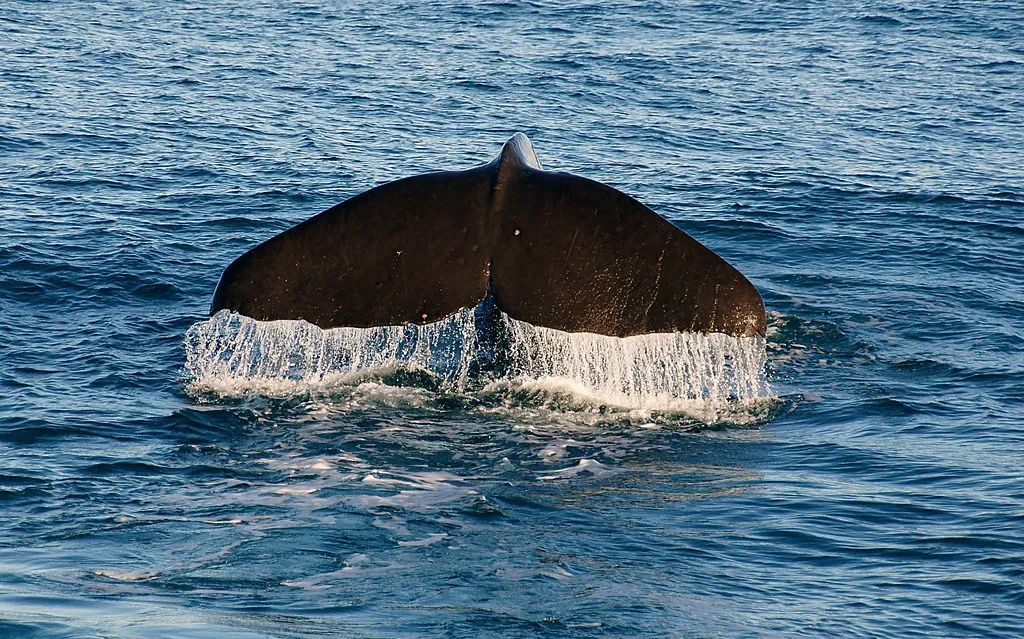
We often think of whale calls as purely instinctual sounds, something built into their biology like a factory setting. The real picture is far richer than that.
Sperm whale adults share information, like when to socialize and if a calf is in danger. Calves learn their dialect, or coda, which is a specific sequence of clicks unique to their regional group, from mothers and other whales in their social unit.
Wild cetaceans seem to teach each other everything from new songs to creative hunting and defense strategies. These traditions are passed from generation to generation, and new customs can be invented and spread quickly through a population. It’s hard not to draw parallels to human language and culture when you put it that way.
Beluga whales, for example, travel more than 3,700 miles every year, following ancestral migration routes passed down from mother to child. These routes aren’t encoded in their DNA. They’re cultural knowledge, stored in memory and relationships, not genes.
8. Duckling Imprinting: When Learning Happens Before Birth
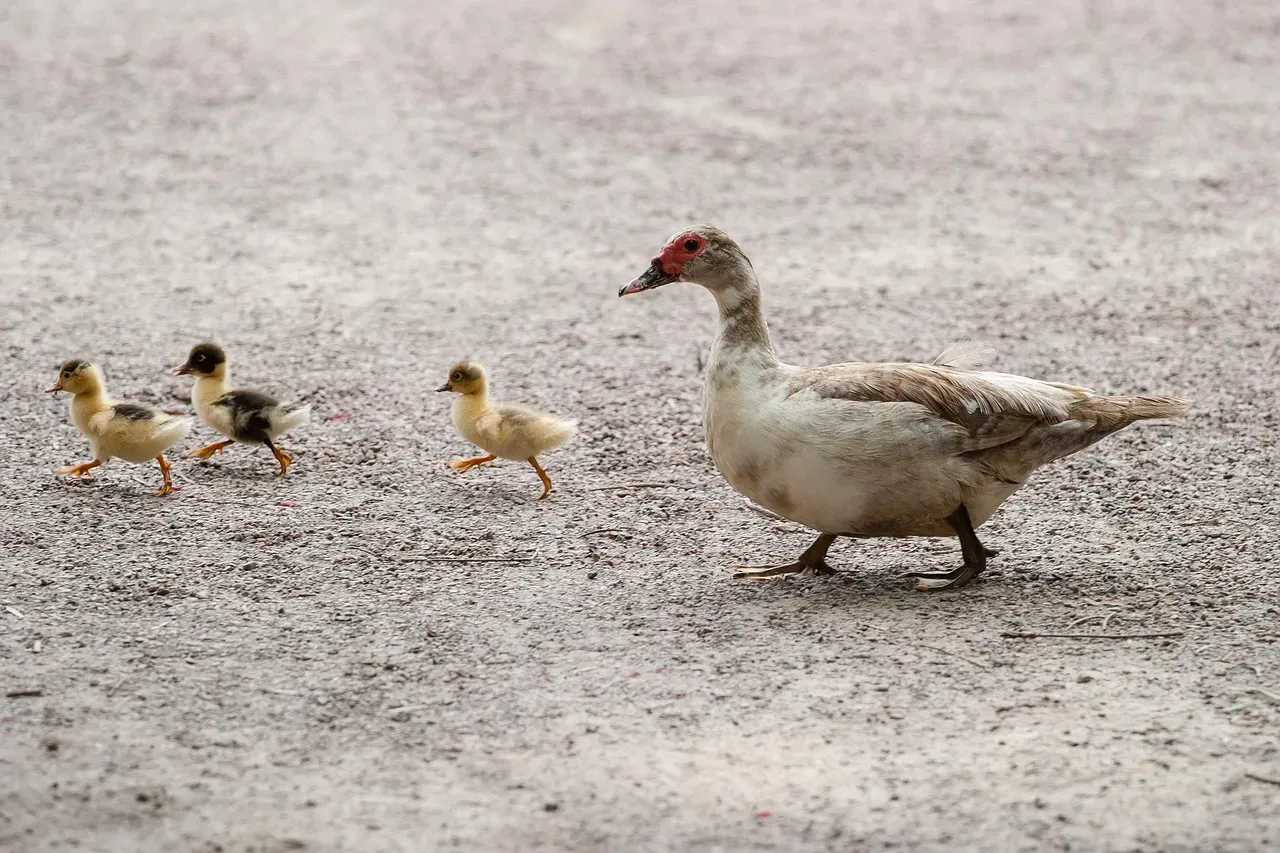
Most people know that ducklings imprint on their mother shortly after hatching. What most people don’t know is that this process actually begins before they even break out of the shell. Yes, you read that right.
Gottlieb discovered that duck hatchlings are attracted to their mother’s vocalization because they make their own vocalizations inside the egg as an embryo. It is like priming their auditory systems before they are even born.
If newborn ducks see a human before they see their mother, they will imprint on the human and follow it in just the same manner as they would follow their real mother. That quirk reveals something profound: what looks like pure instinct is actually a learning process that can be redirected by experience, even in the first moments of life.
It’s a bit like showing up to your first day of school and bonding with the janitor instead of your teacher. The brain doesn’t really care who teaches it, just that someone does.
9. Orca Vocal Dialects: Pods That Speak Their Own Language
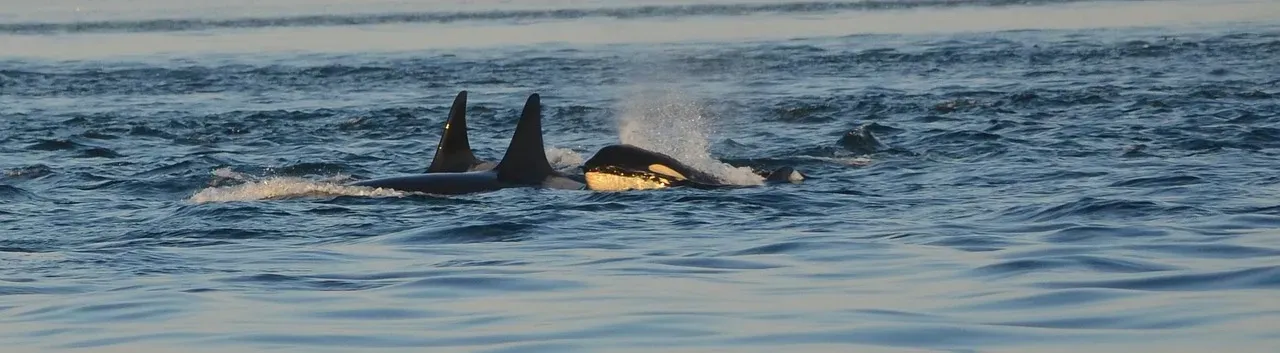
If you’ve ever heard that orca pods communicate differently from one another, you might have assumed it was genetic. Different populations, different biology. It’s not that simple, and that’s what makes it so stunning.
Young orcas learn from their elders the identity of their clan and how to hunt and travel. The vocal signature of a pod, essentially their group identity, is taught, not inherited. It’s a language passed down through social bonds.
Along the Alaskan and British Columbian coasts, pods of resident orcas call in patterns so distinctive that researchers can tell instantly by sound which group of whales they are hearing. Orca dialects are as different from each other as Oxbridge English and Texas drawl.
Killer whales appear to be splitting up into several species because of the vast cultural and strategic differences between populations. Think about that. Learned behaviors, not genetics, may actually be driving evolutionary divergence. Culture, shaping species. That’s not something most biology lessons ever cover.
10. Ant Tandem Running: Teaching Navigation, One Step at a Time
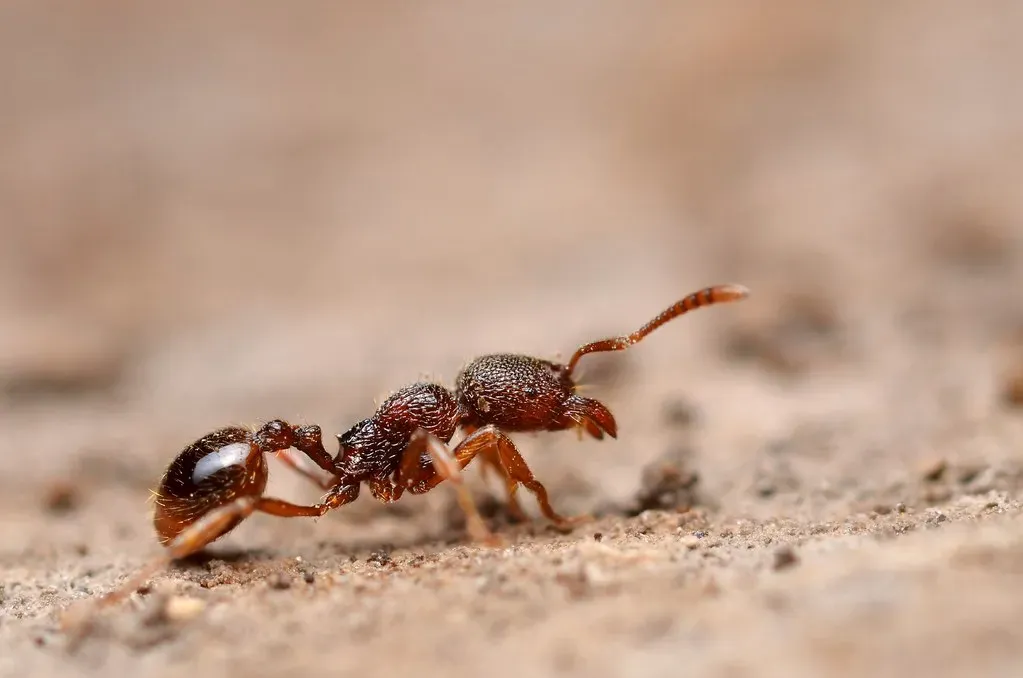
You might not expect ants to make this list, but honestly, they deserve a place right at the top when it comes to deliberate, structured teaching behavior in the animal world.
Europe’s Temnothorax albipennis ants practice what’s called tandem running, in which one ant shows another the way to a new food source, even slowing down to let the newbie keep up and note helpful landmarks. It’s not swarming or following a chemical trail. It’s genuinely one ant teaching another, adjusting pace, waiting patiently, guiding the route.
Teaching is present in bees, ants, babblers, meerkats and other carnivores but is absent in chimpanzees, a bizarre taxonomic distribution that makes sense if teaching is treated as a form of altruism. That finding alone upends a lot of assumptions about which animals are intelligent enough to teach.
Learned behaviors, although riskier than instinct, are flexible, dynamic, and can be altered according to changes in the environment. For ants living in a world where food sources constantly shift, having the ability to teach and update navigation skills is invaluable. It’s adaptive intelligence at its smallest, and most impressive, scale.
Conclusion: The Line Between Instinct and Learning Is Wonderfully Blurry
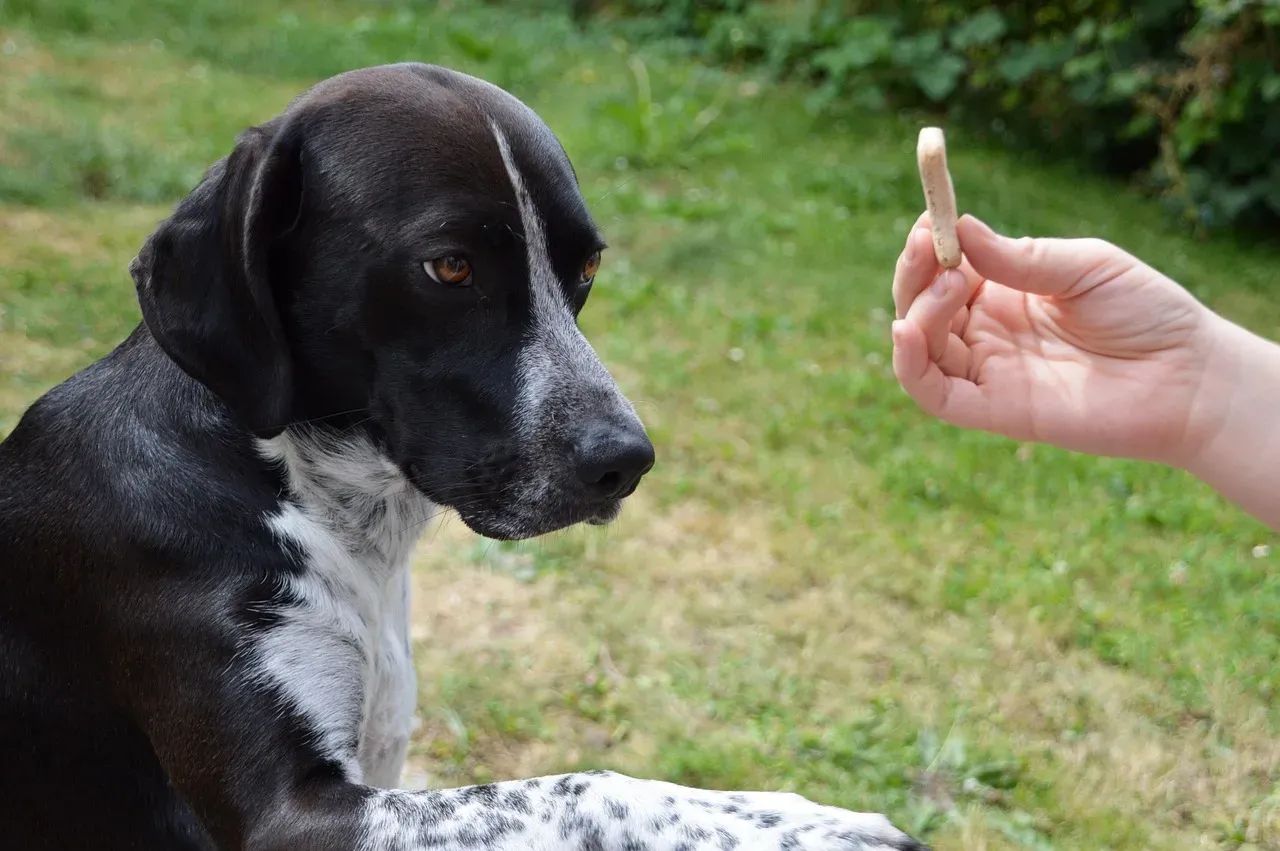
Here’s the big takeaway. Like humans, the majority of species learn by observing their parents and others of their kind. This is known as social learning, and it’s found across almost all species, whether they walk, fly, or swim. That’s not a small footnote in biology. That’s a revolution in how we understand animal minds.
The animals we’ve always assumed were running purely on autopilot are actually watching, learning, practicing, and teaching. Killer whales run apprenticeship programs. Dolphins pass down tool use like family heirlooms. Ants slow their pace so a friend can keep up. Learned behaviors, even though they may have instinctive components, allow an organism to adapt to changes in the environment and are modified by previous experiences.
The more science looks, the more it finds that the animal world is full of cultures, traditions, and knowledge passed down through generations. In a way, they’re not so different from us after all. The next time you watch a nature documentary and think “that’s just instinct,” maybe pause for a second. There might be a whole education happening right in front of you. Which of these surprised you the most? Drop your thoughts in the comments below.

- 7 Easy Ways to Make Your Home Pet-Friendly - July 11, 2026
- Why Does Death Valley Sit Below Sea Level? - July 11, 2026
- Why Does Your Cat Sleep on Your Chest The Comfort Signal Hidden in This Behavior - July 11, 2026