
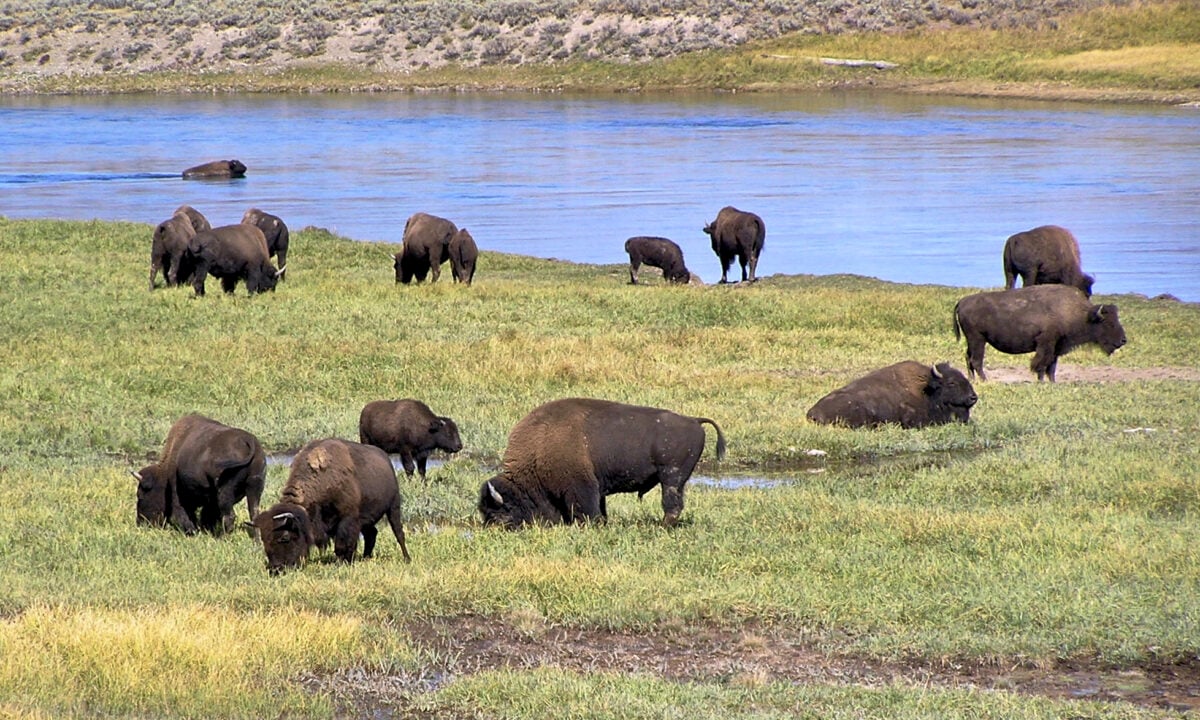
Yellowstone National Park draws millions of visitors each year, many of them hoping for a glimpse of its famous bison. Yet few realize just how singular this herd truly is compared with every other group of American bison still roaming the continent.
The differences run deeper than size or location. They touch on genetics, behavior, history, and even the way these animals shape the land around them. Understanding those distinctions reveals why this population stands alone.
Fact 10: An Unbroken Wild Lineage Reaching Back Thousands of Years
🔥 Would you like to save this?
We'll email this post to you, so you can come back to it later!
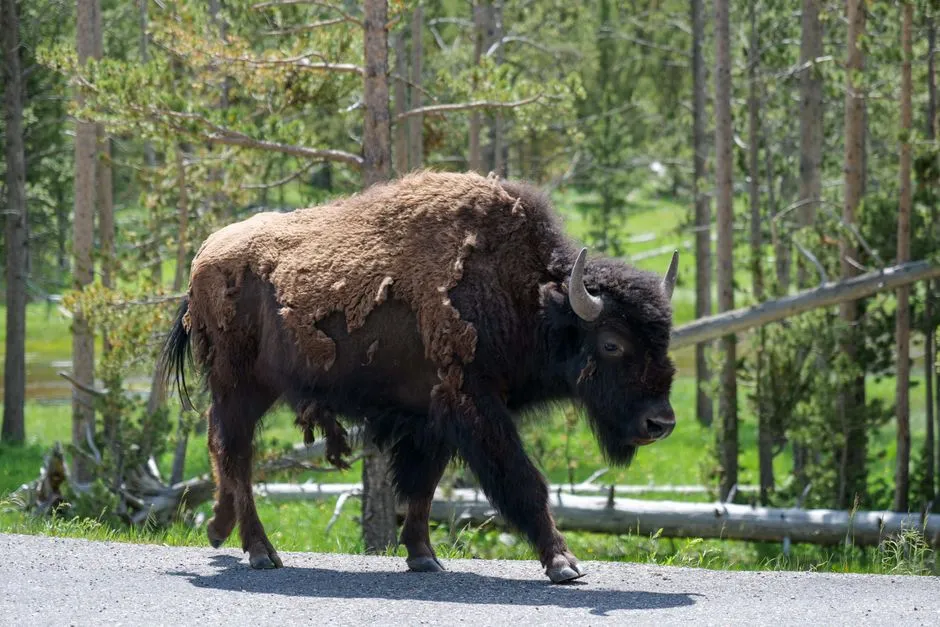
Yellowstone bison represent the only population in the United States that has lived continuously in the wild on the same landscape since prehistoric times. Other herds across the country trace their origins to animals that spent time in captivity before being released again.
This continuity means the Yellowstone animals never experienced the complete break in natural selection that captive breeding imposes. Their behaviors and adaptations reflect thousands of years of living alongside predators, harsh winters, and vast open spaces without human intervention resetting the clock.
Fact 9: The Largest Free-Roaming Herd on Public Land
🔥 Would you like to save this?
We'll email this post to you, so you can come back to it later!
Current estimates place the Yellowstone population between roughly four thousand and six thousand animals, making it the biggest wild bison group managed on public lands in America. Most other conservation herds number in the hundreds and often live within fenced boundaries or smaller reserves.
That scale allows natural processes like seasonal movements and social dynamics to play out across hundreds of square miles. Visitors sometimes see groups of several hundred animals gathered during the summer rut, a sight that echoes the massive herds of the past more closely than anywhere else today.
Fact 8: Remarkable Genetic Purity With Minimal Cattle Influence
🔥 Would you like to save this?
We'll email this post to you, so you can come back to it later!
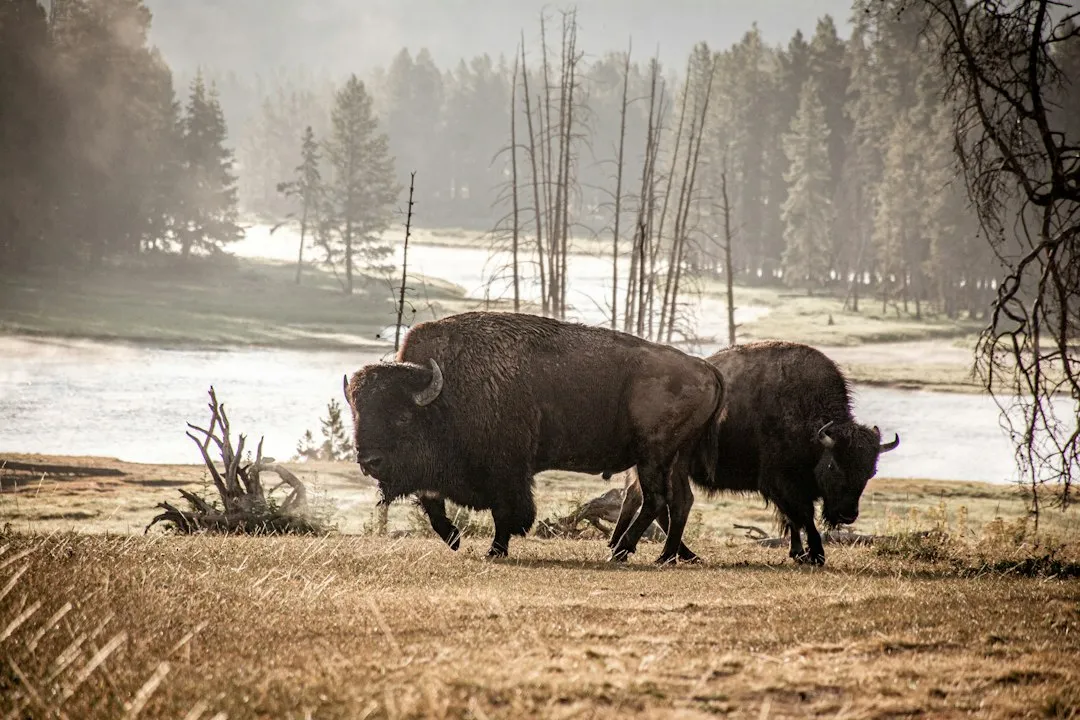
Genetic testing shows Yellowstone bison carry little to no detectable cattle ancestry, a distinction shared by only a handful of other herds. Most American bison populations contain at least some domestic cattle genes introduced during the late nineteenth and early twentieth centuries when private breeders experimented with hybridization.
This purity matters for long-term conservation because it preserves the original plains bison genome. Scientists continue to monitor the herd closely to ensure that legacy remains intact even as animals occasionally move beyond park boundaries.
Fact 7: Full Expression of Ancient Migration and Social Patterns
🔥 Would you like to save this?
We'll email this post to you, so you can come back to it later!
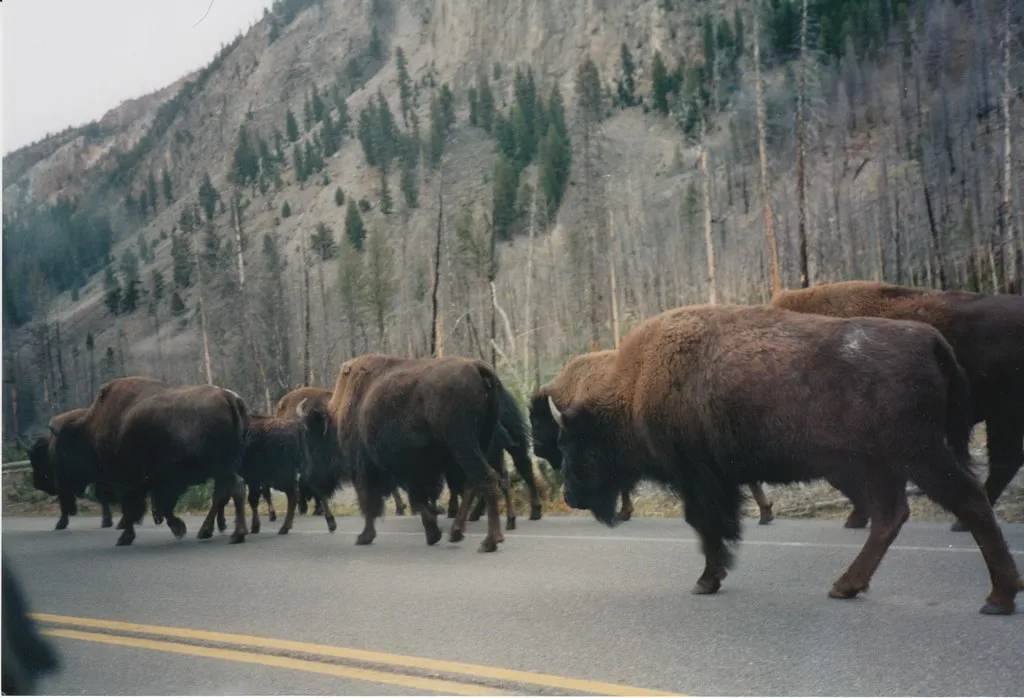
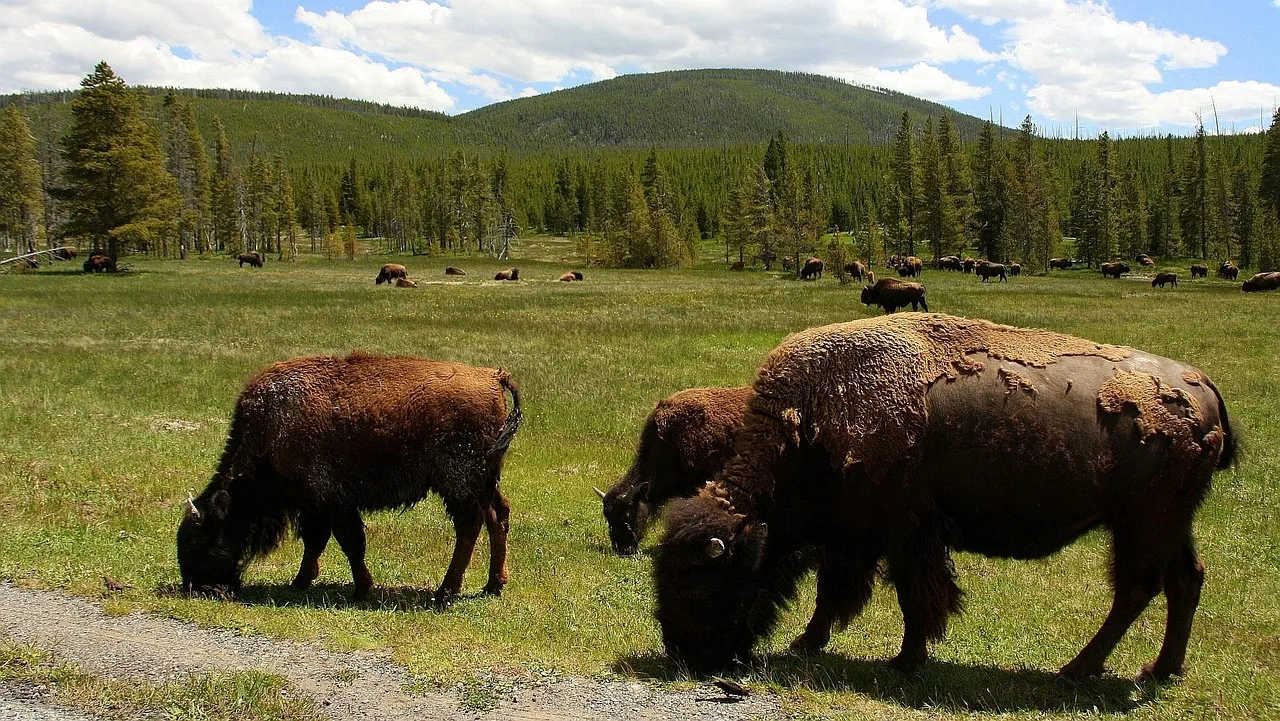
Yellowstone bison travel up to seventy miles between summer and winter ranges, covering roughly a thousand miles over the course of a year as they return to familiar areas. Few other herds enjoy the space or tolerance to maintain such extensive movements.
During the breeding season, bulls compete in dramatic displays while older females guide group decisions. These behaviors remain intact because the animals have never been confined or selectively bred for docility, allowing instincts honed over millennia to persist.
Fact 6: Ecosystem Engineers That Reshape the Landscape
🔥 Would you like to save this?
We'll email this post to you, so you can come back to it later!
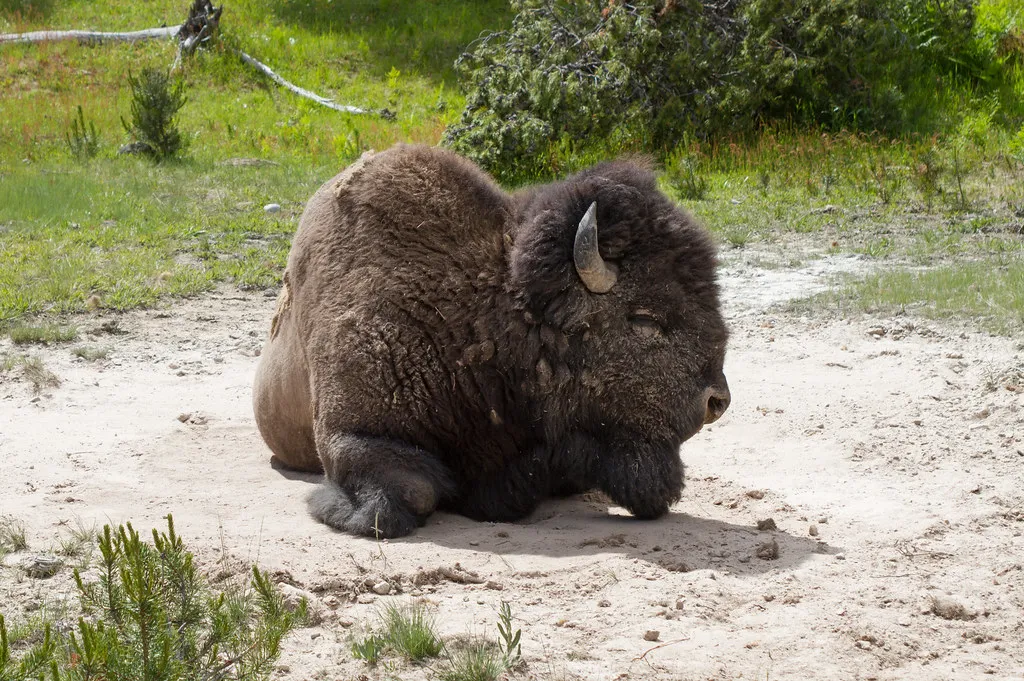
Bison wallows create small depressions that collect water and support unique plant and insect communities. Their grazing patterns recycle nutrients, accelerate nitrogen turnover, and help maintain grassland diversity in ways that smaller or more restricted herds cannot replicate at scale.
Studies in the northern range show how their presence stabilizes plant production while improving soil conditions over time. This role as a keystone species sets them apart from bison in more managed settings where such large-scale ecological effects are limited.
Fact 5: Survival From a Tiny Founder Group of Just Two Dozen Animals
🔥 Would you like to save this?
We'll email this post to you, so you can come back to it later!
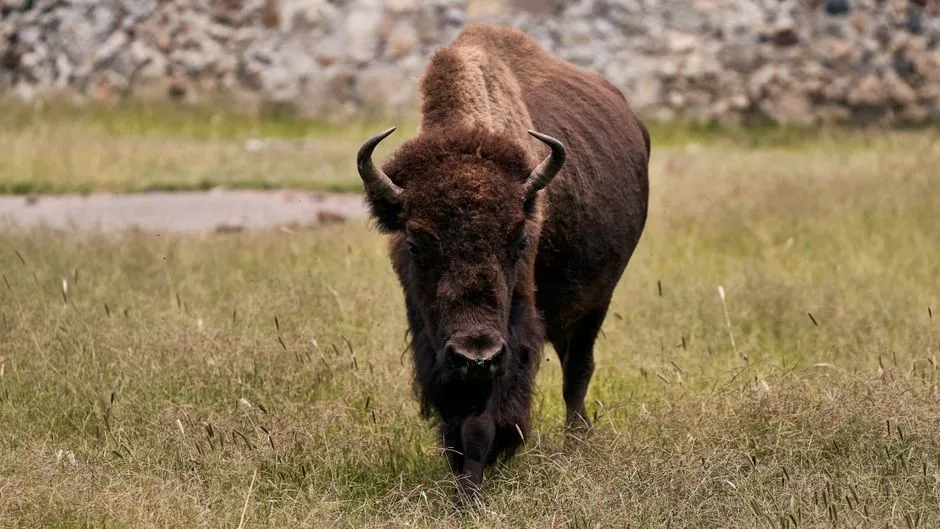
By the early twentieth century, only about twenty-three bison remained in Yellowstone after widespread hunting nearly wiped out the species. A small number of animals from private herds were added in 1902, yet the core wild lineage endured and mixed with those newcomers.
From that narrow genetic base the population rebounded dramatically. The fact that such a small remnant could recover without losing essential wild traits speaks to the resilience built into this particular group over generations.
Fact 4: Deep Cultural Ties and Active Tribal Restoration Efforts
🔥 Would you like to save this?
We'll email this post to you, so you can come back to it later!
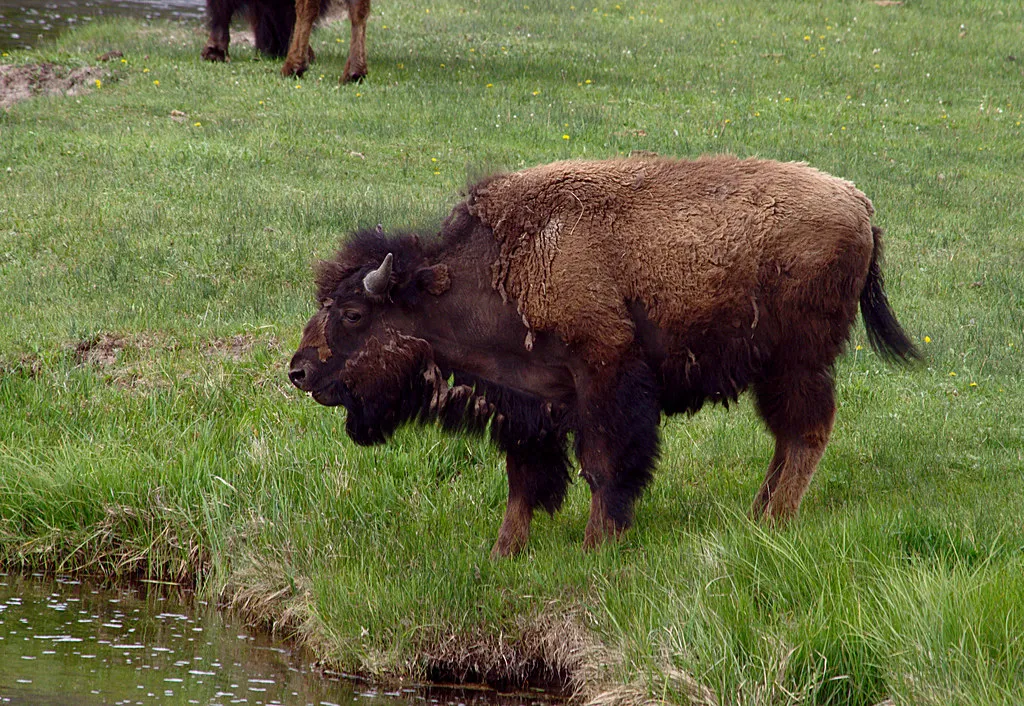
Many Native American tribes view Yellowstone bison as direct descendants of the animals central to their traditional lifeways. Recent years have seen hundreds of healthy animals transferred to tribal lands through dedicated conservation programs, reconnecting communities with their heritage.
These transfers represent more than population control. They carry forward living connections that other herds, often descended from different founder lines, cannot fully embody in the same way.
Fact 3: Complex Management Shaped by Unique Boundary Realities
🔥 Would you like to save this?
We'll email this post to you, so you can come back to it later!
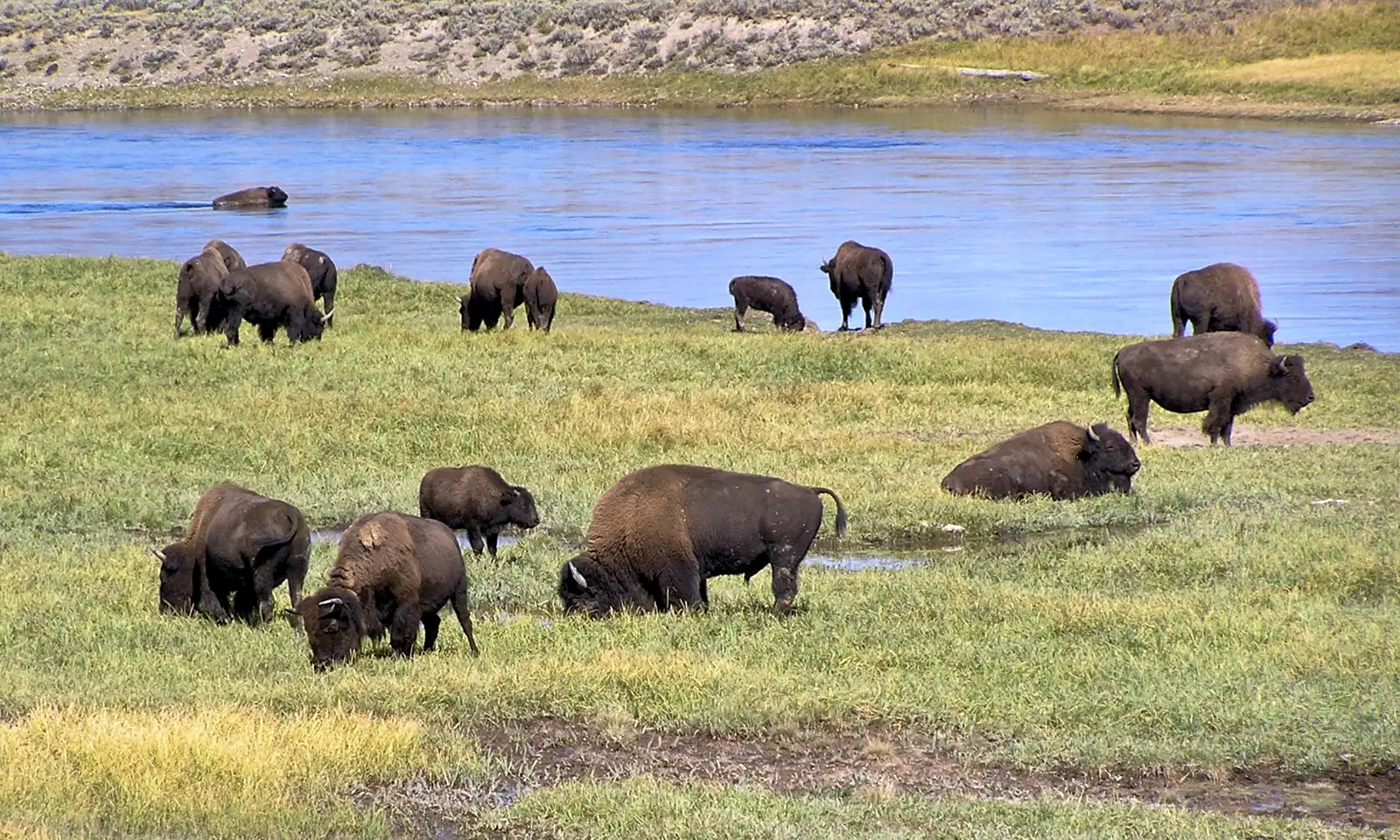
Yellowstone bison face management challenges tied directly to park borders and concerns over disease transmission to livestock. Brucellosis exposure remains present in parts of the herd, requiring careful coordination among federal, state, and tribal partners that no other bison population encounters at this scale.
Recent policy shifts emphasize tribal harvests and live transfers over large-scale removals. This evolving approach reflects the herd’s singular position at the intersection of wilderness protection and surrounding land-use realities.
Fact 2: Recent Genetic Evidence of a Single Interbreeding Population
🔥 Would you like to save this?
We'll email this post to you, so you can come back to it later!
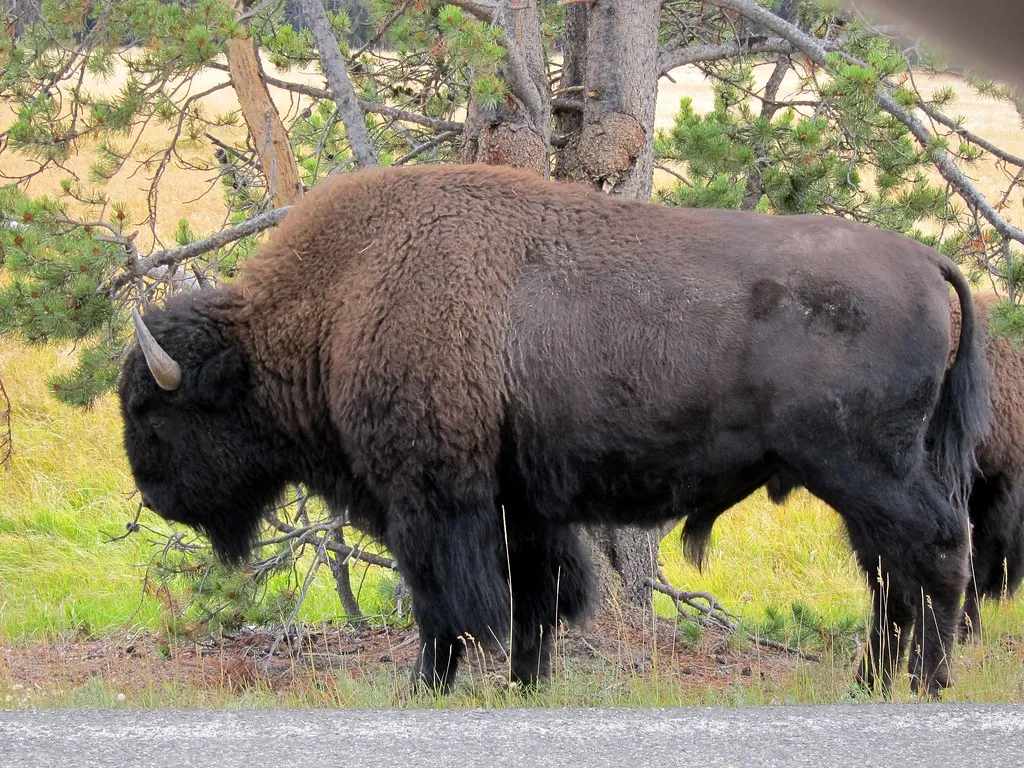
Earlier research identified two somewhat distinct breeding groups within the park, yet newer genetic studies show the animals now function as one large, interconnected population. Gene flow has increased over recent decades as individuals move between traditional summer ranges.
This development strengthens overall genetic health and simplifies long-term planning. It also underscores how dynamic the herd remains even after more than a century of protection and occasional augmentation.
Fact 1: A Living Window Into America’s Ecological Past and Future
🔥 Would you like to save this?
We'll email this post to you, so you can come back to it later!
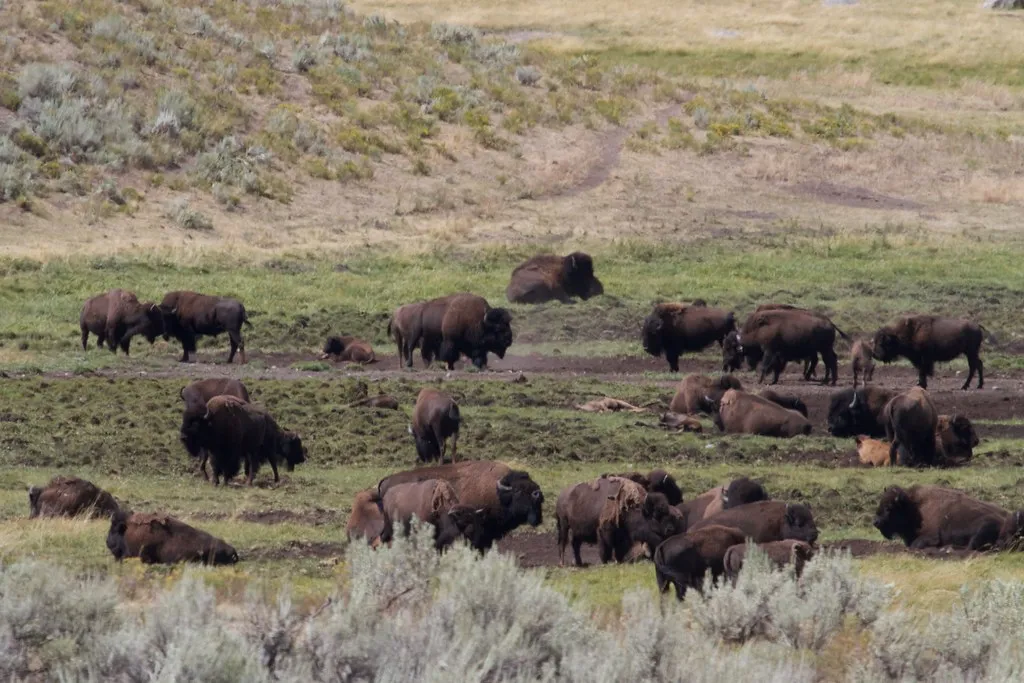
Yellowstone bison offer the closest modern parallel to the vast wild herds that once shaped the continent. Their combination of genetic continuity, behavioral freedom, and ecological influence creates a reference point that captive or reintroduced groups simply cannot match.
Every other American bison herd carries some degree of human-mediated history that altered its trajectory. Only here does the thread remain unbroken, offering scientists and visitors alike a rare chance to witness what wild bison truly were and still can be.
Why Yellowstone Bison Deserve Our Continued Attention
🔥 Would you like to save this?
We'll email this post to you, so you can come back to it later!
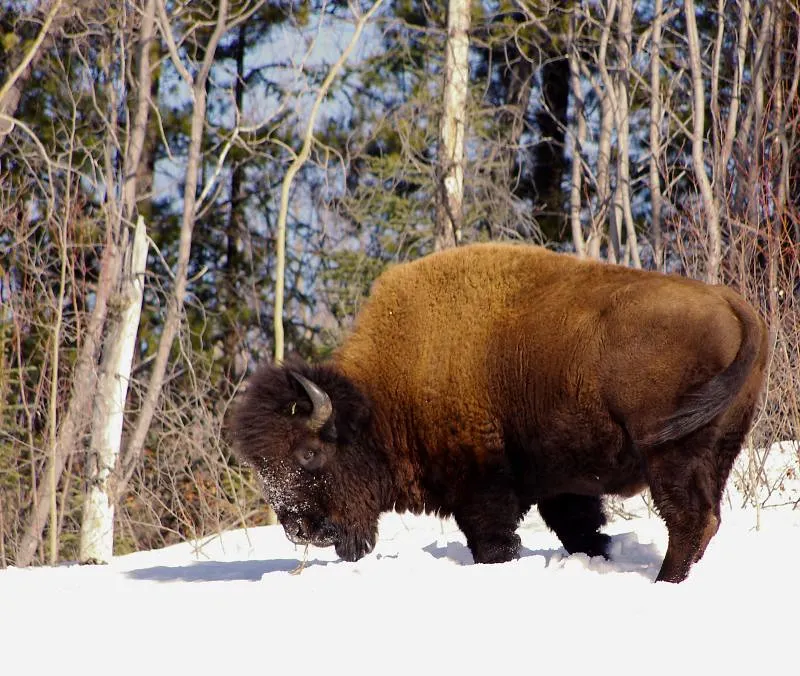
These animals embody both remarkable resilience and ongoing vulnerability. Their story reminds us that conservation success depends on more than numbers. It requires space, tolerance, and respect for natural processes that extend far beyond park boundaries.
Protecting this herd means safeguarding a living connection to a continent that once supported millions of bison moving freely across the landscape. In a time of rapid environmental change, that connection feels more valuable than ever.

- 8 Fascinating Facts About Owls You Never Knew - November 5, 2026
- 10 Plants That Repel Mosquitoes in Texas - November 5, 2026
- What Egyptian God Are You According to Your Zodiac Sign - November 5, 2026