

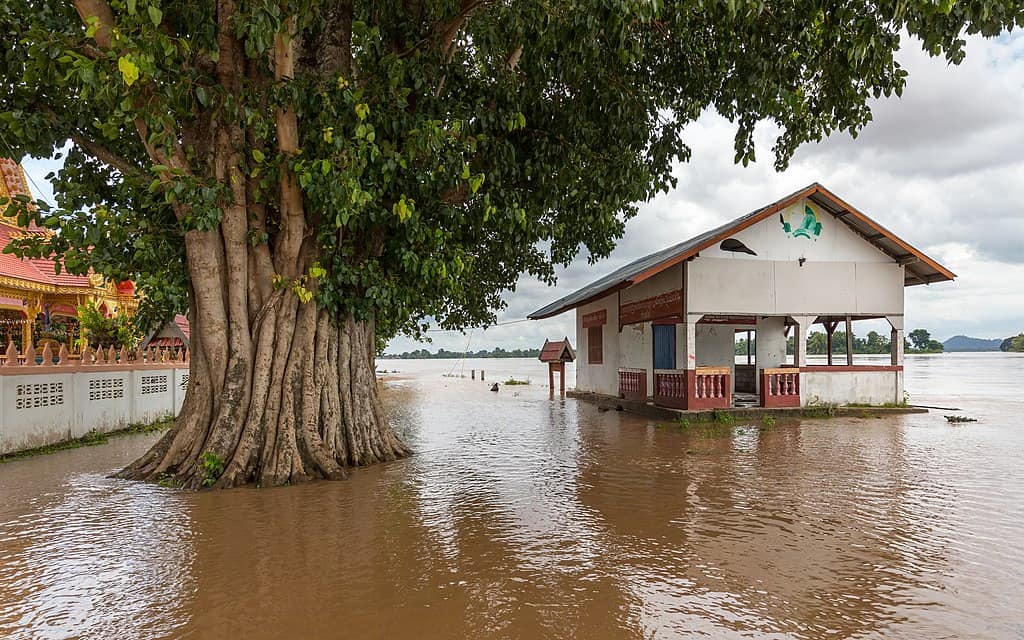
Floods have been a recurring force of nature shaping landscapes, ecosystems, and human settlements. Not every flood simply rises and recedes; some leave an indelible mark on the course of rivers, altering them permanently and impacting the regions around them. From ancient times to modern-day, these events not only changed geography but also history, culture, and the environment.
Introduction to River-Altering Floods

Rivers are dynamic bodies of water, constantly shaped by forces of erosion and sediment deposits. However, there are instances when sudden and severe flooding events cause rivers to carve new paths entirely. These floods don’t just alter landscapes; they redefine ecosystems, change political boundaries, and remind us of the immense power of nature.
The Ancient Yellow River Floods
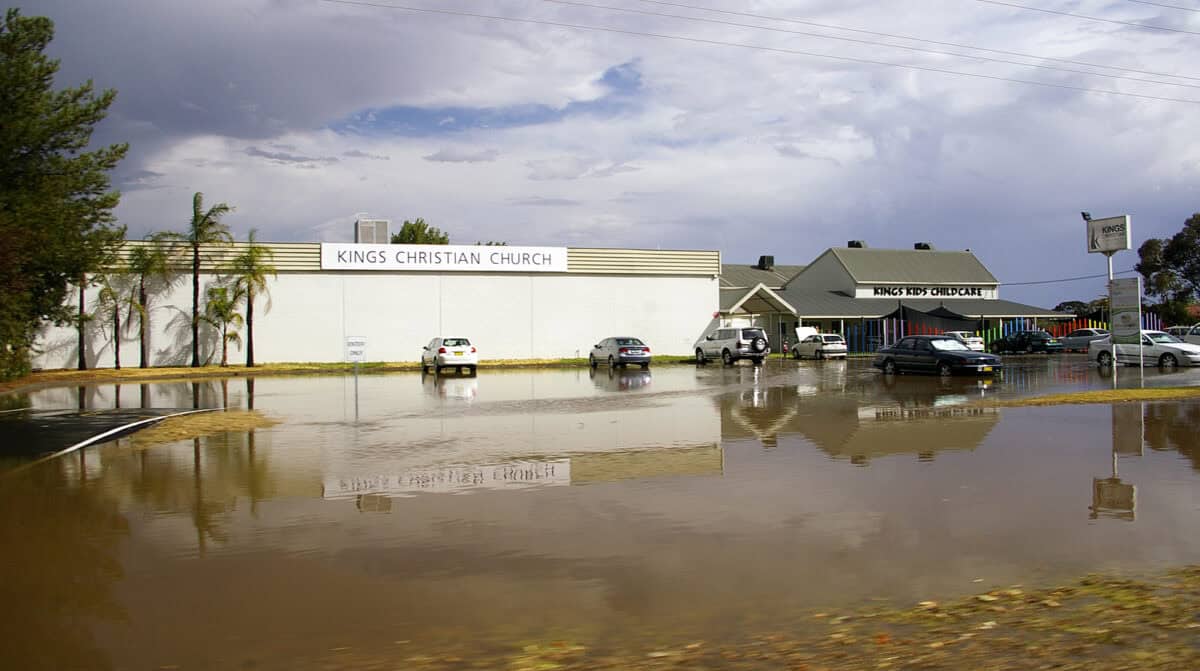
The Yellow River, known as the ‘River of Sorrow’ in China, has changed course several times due to catastrophic floods. These shifts have displaced millions over the centuries and significantly impacted Chinese civilization. With a bed that has risen due to sedimentation, anytime the river overflowed, it could cut through levees and change course unpredictably.
The 1887 Huang He Flood
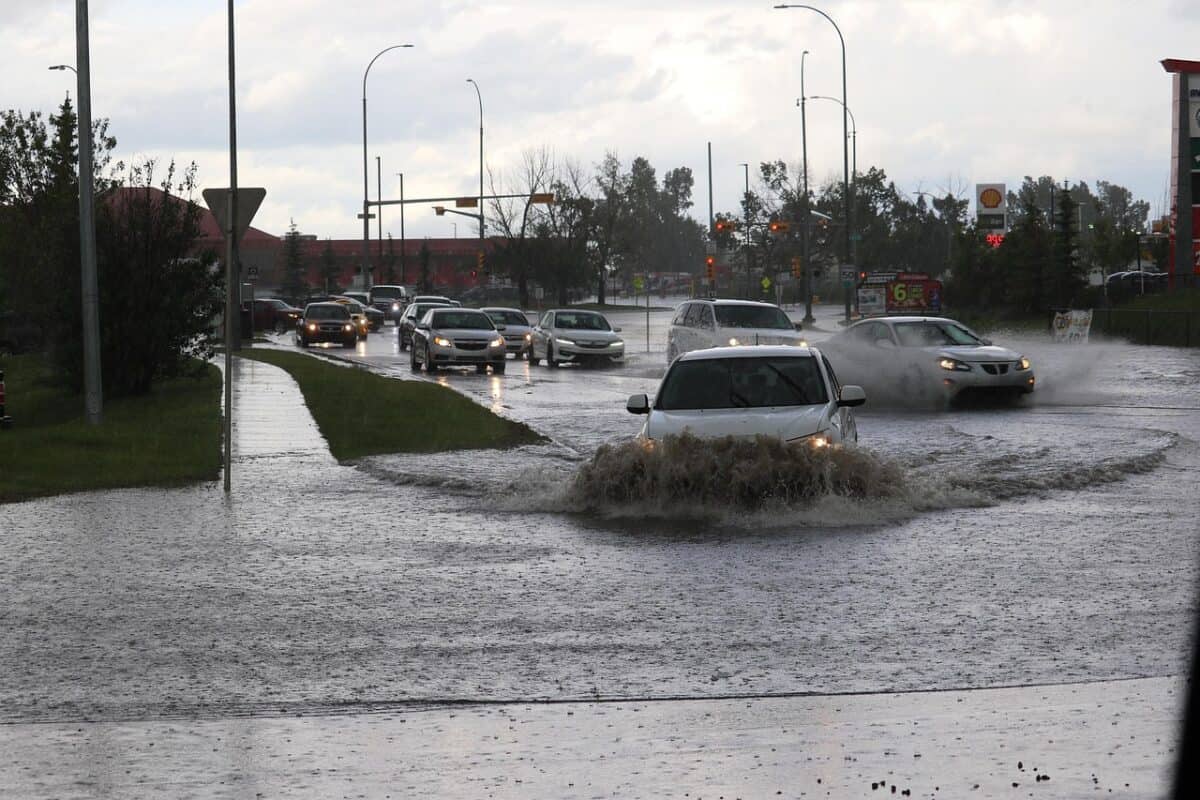
The 1887 flood of the Yellow River was one of the most devastating in recorded history. Occurring in late September, the floodwaters broke through the dikes in Henan Province, creating a new path and causing untold destruction. This calamity led to the deaths of an estimated 900,000 to 2 million people, highlighting the river’s notorious unpredictability.
The Mississippi River Flood of 1927

In the spring of 1927, the Mississippi River flood wreaked havoc across a broad swath of the United States. The flood was a result of unprecedented rainfall that overwhelmed the levee system, leading to widespread destruction. This event also resulted in the creation of a host of federal flood control measures, permanently altering how the river was managed.
The 1953 North Sea Flood

Though not a river flood in the conventional sense, the North Sea flood of 1953 transformed the course of several rivers across Europe. In the Netherlands, where rivers and sea intertwine intricately, floodwaters reshaped waterways and led to the reinforcement of dikes, giving rise to the Delta Works, a series of construction projects aimed at preventing such disasters in the future.
The Bhola Cyclone and Flood

The Bhola cyclone of 1970 caused catastrophic flooding in the Ganges Delta, significantly altering the river systems in Bangladesh. The cyclone, combined with tidal waves, led to the reconfiguration of river courses while also triggering one of the deadliest natural disasters of the 20th century, with a death toll reaching up to 500,000.
The Incomparable 1983 Elbe Flood

In Eastern Germany, the Elbe River flood of 1983 was a monumental event that changed river courses due to heavy rainfall and melting snow. This forced the river into new channels, creating numerous oxbow lakes and influencing regional urban planning significantly in the wake of the disaster.
The 1993 and 1995 Mississippi-Missouri Floods
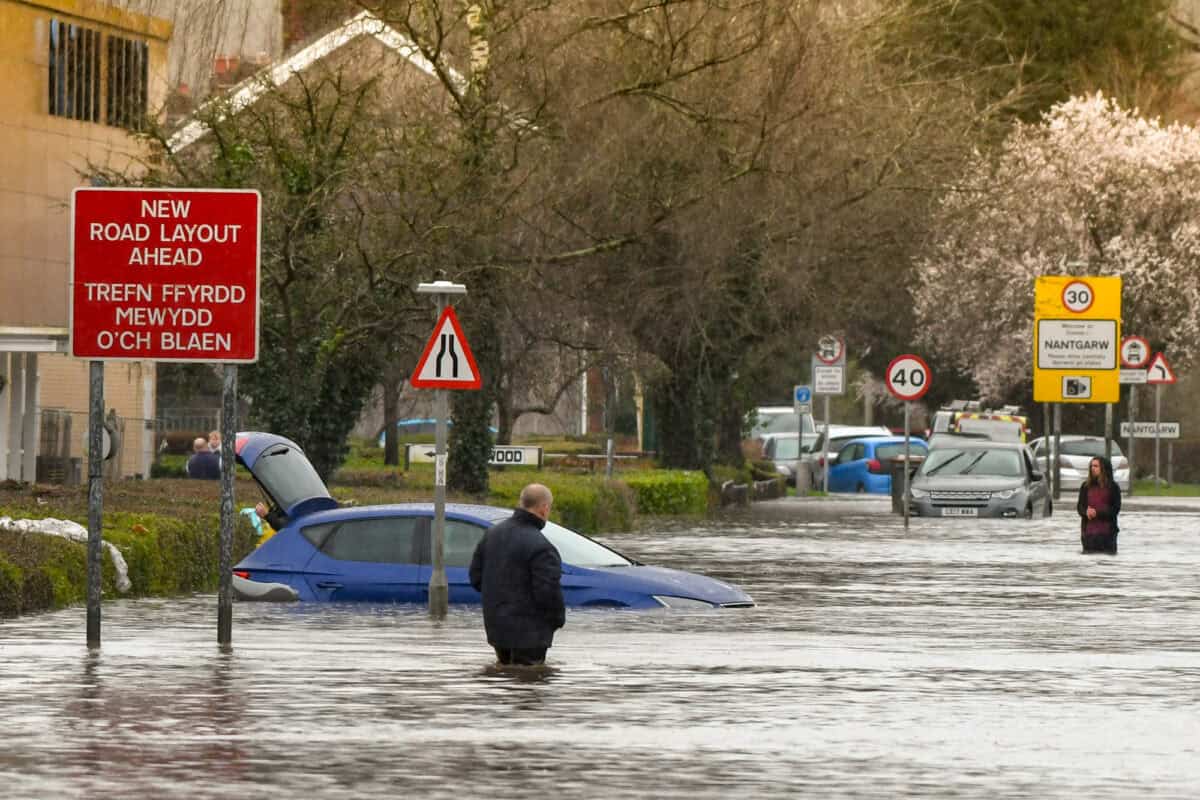
The Great Flood of 1993, followed by another high-water event in 1995, changed the courses of the Mississippi and Missouri Rivers. These floods destroyed infrastructure and demanded the reevaluation of floodplain management, emphasizing preventive approaches rather than mere responsive ones.
Pakistan Floods of 2010

The 2010 floods in Pakistan are remembered for their extraordinary impact on the Indus River system. Monsoon rains caused flooding far exceeding the carrying capacity of the Indus, changing some of its channels permanently. The disaster affected over 20 million people, with longstanding changes to the agricultural and economic landscape of the region.
2011 Brisbane Floods

In Australia, the 2011 Brisbane flood caused by intense rainfall left a significant mark on the river and the city. The unexpected inundation overflowed the banks, leading to an altered river course and serious urban infrastructure concerns about managing future flood risks amid changing climate patterns.
The 2013 Indian Floods in Uttarakhand
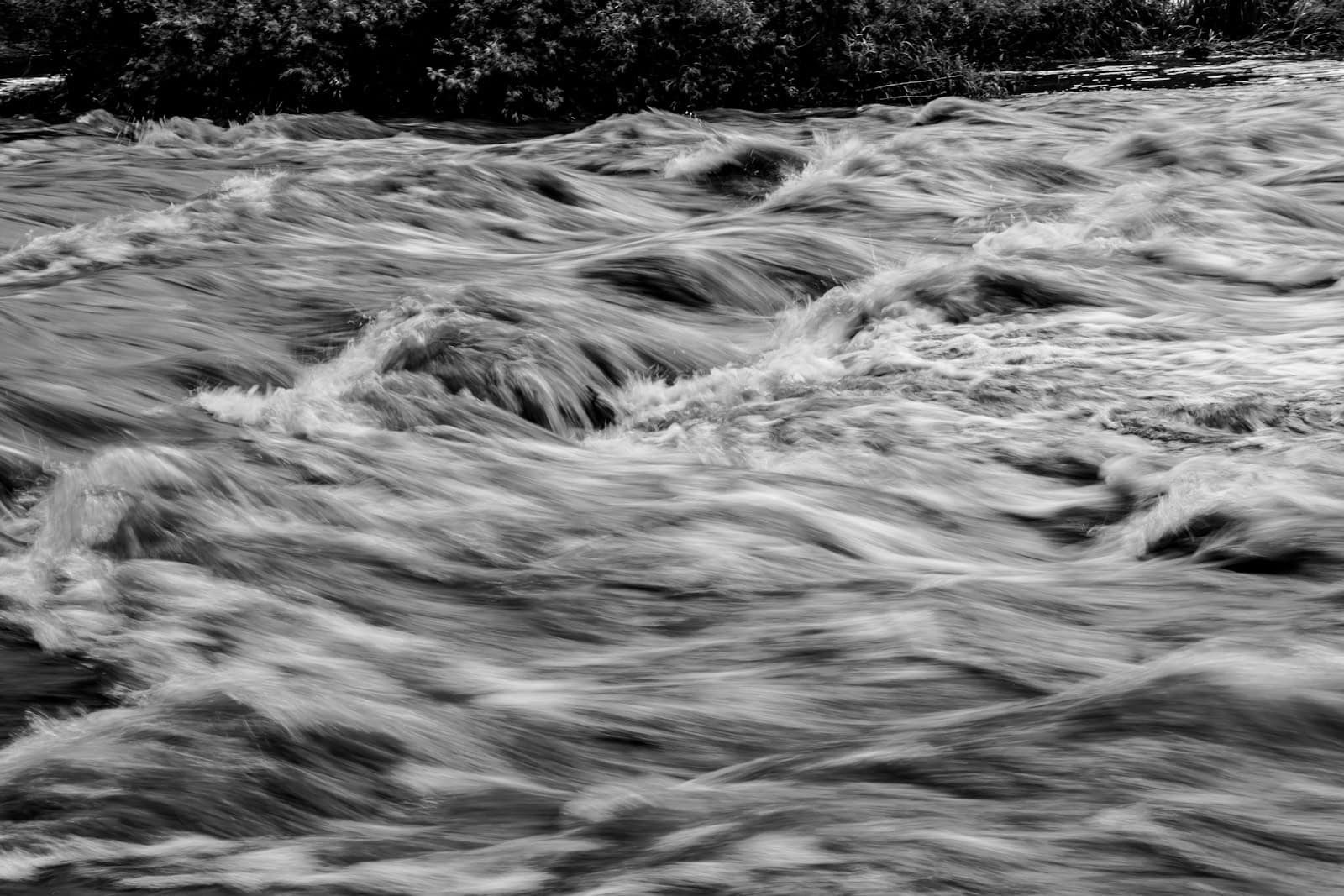
The 2013 floods in India’s Uttarakhand were partly a result of glacial melting alongside heavy rains. It led to newfound river routes while devastating villages and towns in its path. The flooding underscored the fragile balance between natural systems and human settlements in mountainous regions.
Conclusion: The Lasting Impact of Floods
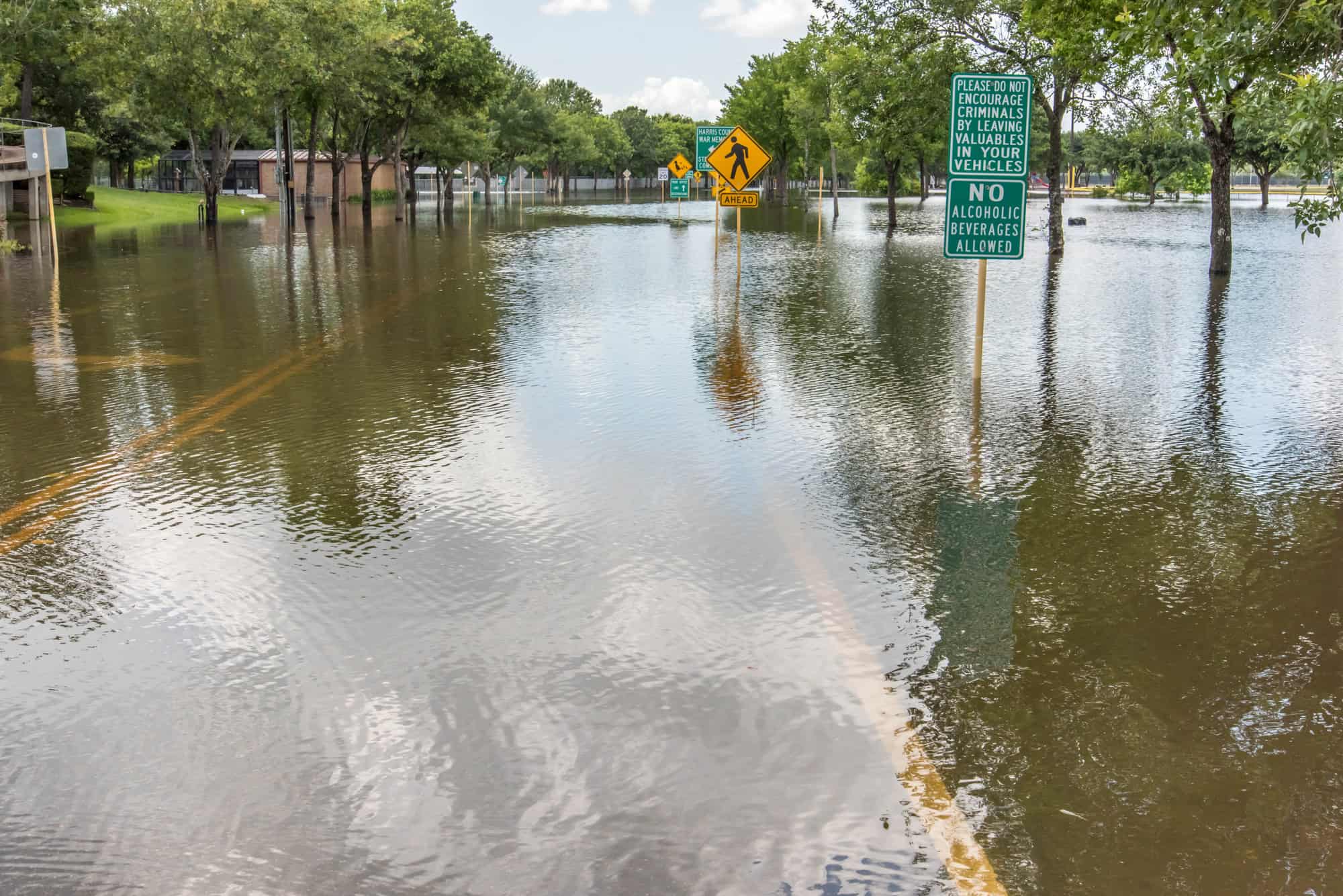
Throughout history, floods that have transformed river courses remind us of the intricate connection between natural events and human society. They emphasize the need for adaptive measures in disaster management and urban planning, especially with the growing concerns of climate change-induced extreme weather events. Understanding these historical events helps us prepare better and live more harmoniously with nature’s unpredictable forces.

As a little kid, I fell in love with nature, wildlife, and animals. Living in the USA, South Africa, Italy, China and Germany gave me the opportunity to discover the world's Wildlife. My favorite animals are Mountain Gorillas, Siberian Tigers, and Great White Sharks.
I'm a certified PADI Open Water Diver, went to Everest Base Camp and Trekked Gorillas in Uganda. I hold a Master of Science in Economics and Finance.
Please send any feedback to feedback@animalsaroundtheglobe.com
- The 10 Rarest Dog Breeds Making a Comeback in America - July 19, 2026
- 13 Creatures That Survived Mass Extinctions - July 19, 2026
- 12 Pets That Are Perfect for Seniors - July 19, 2026