
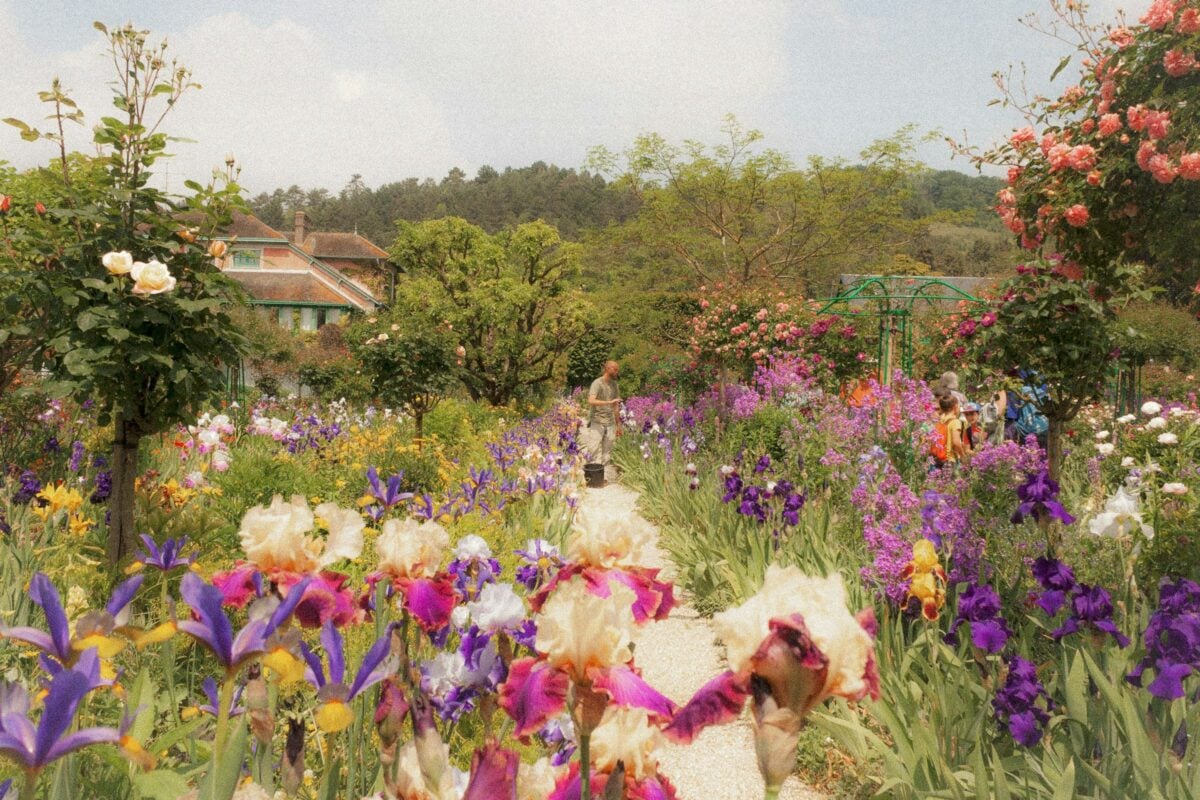
Walk through almost any old village garden in Europe or Asia and you’ll notice something odd. The plants aren’t arranged only for looks. Many were placed by the door, along the fence, or under a window for reasons that had little to do with design.
People once believed a flower could keep trouble out, call good fortune in, or stay on good terms with the dead. Some of these beliefs were written down centuries ago, others survive as folk habits. Here are ten flowers with the richest stories, and what’s actually known about each.
10. Marigold: The Flower of the Dead
🔥 Would you like to save this?
We'll email this post to you, so you can come back to it later!
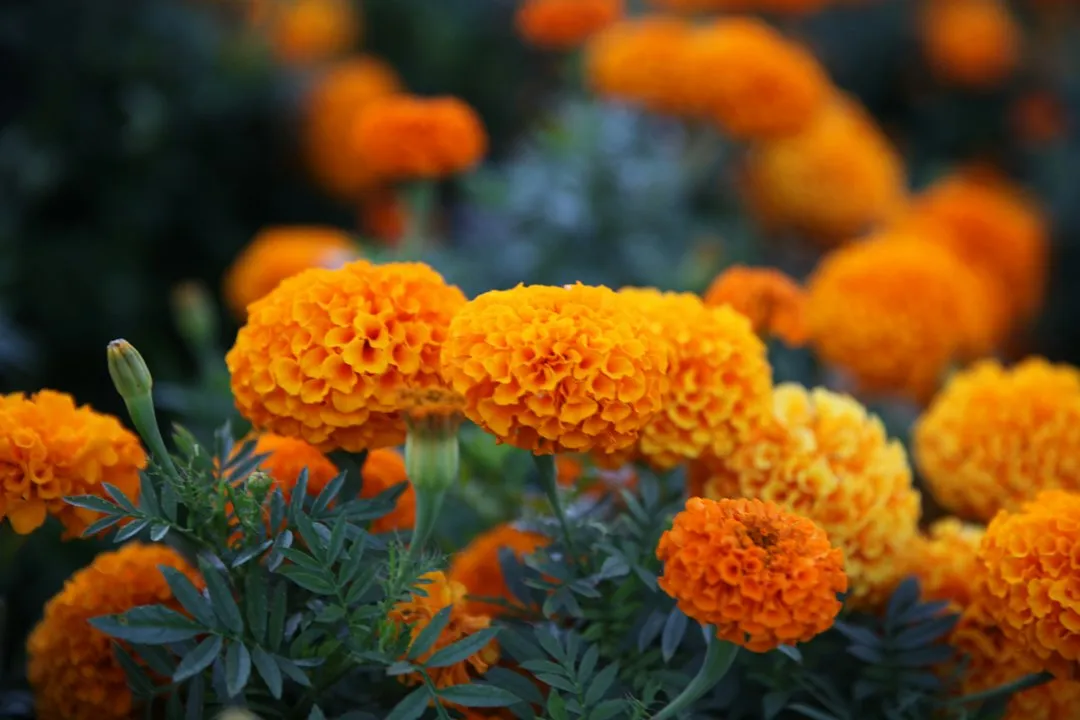
In Mexico, marigolds, called cempasúchil, are central to Día de Muertos. Their bright orange petals and strong scent are traditionally said to guide the spirits of the departed back to their family altars. Petals are often scattered in paths from the street to the home.
The tradition has roots in Aztec practice, where the flower was already tied to death and remembrance. Over time it blended with Catholic observances in early November. Today the flower is grown in huge quantities each autumn for the holiday.
Marigolds also have a practical side. Gardeners have long planted them near vegetables, and the plants produce compounds that can deter some soil pests. It’s a nice reminder that folk belief and garden sense often overlap.
In India, marigold garlands hang over doorways and decorate shrines, welcoming guests and deities. Same flower, different culture, similar instinct: mark the threshold as a place that matters.
9. Lavender: Cleansing and Calm
🔥 Would you like to save this?
We'll email this post to you, so you can come back to it later!
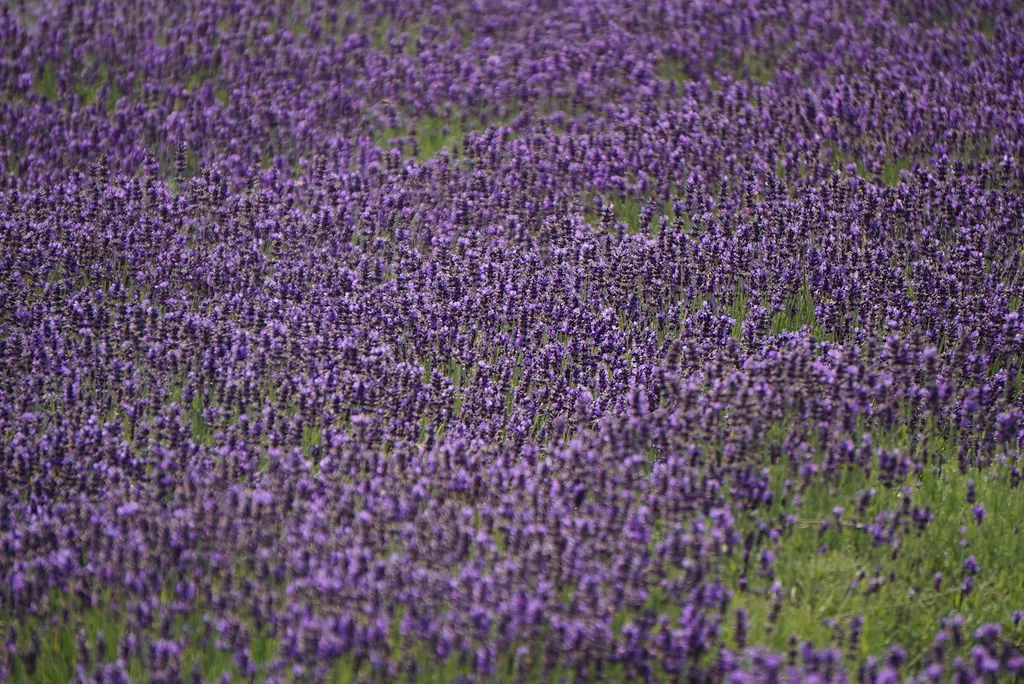
Lavender’s name likely comes from the Latin for washing, and Romans did use it in baths and laundry. Over the centuries it picked up a reputation for purifying a space. In medieval and later Europe, bundles were tucked into linens and strewn on floors.
Folk traditions also linked lavender with protection from illness and ill will. Some households hung it near doors, and sachets were kept in bedrooms to encourage peaceful sleep. Whether people believed in the spiritual angle or just liked the smell, the habit lasted.
There’s modest scientific interest in the scent too. Small studies have explored lavender aroma and relaxation, though results are mixed and it’s not a cure for anything. Still, a drawer full of dried lavender does make a room feel settled.
8. Rosemary: Remembrance and Doorway Guard
🔥 Would you like to save this?
We'll email this post to you, so you can come back to it later!
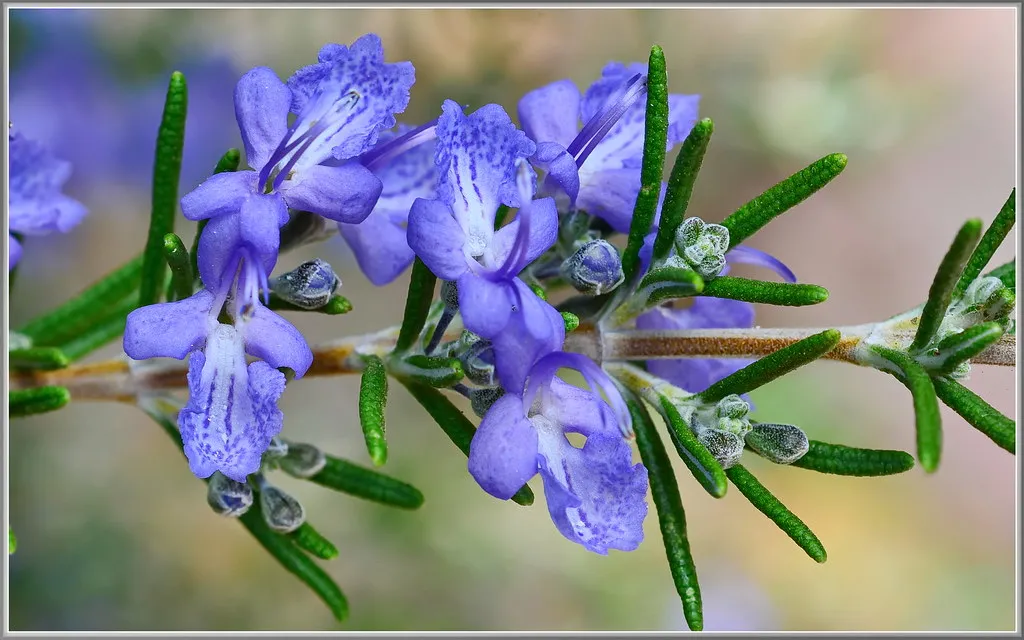
Rosemary is an herb, but its small blue flowers earn it a place here. Ancient Greeks and Romans associated it with memory, and the link to remembrance carried through to weddings and funerals in later European tradition. Sprigs were carried at both.
In parts of Britain, folklore held that rosemary growing thickly by a house signaled that the woman of the home was in charge. Others planted it by the entrance to ward off harm. These are folk sayings rather than documented facts, but they show how widely the plant was trusted.
It was also burned as incense in sickrooms and rituals, since the smoke was thought to clear the air. Modern research has looked at rosemary’s aroma and attention, with preliminary findings. Treat the older claims as culture, not medicine.
7. Chrysanthemum: Longevity and Auspicious Homes
🔥 Would you like to save this?
We'll email this post to you, so you can come back to it later!
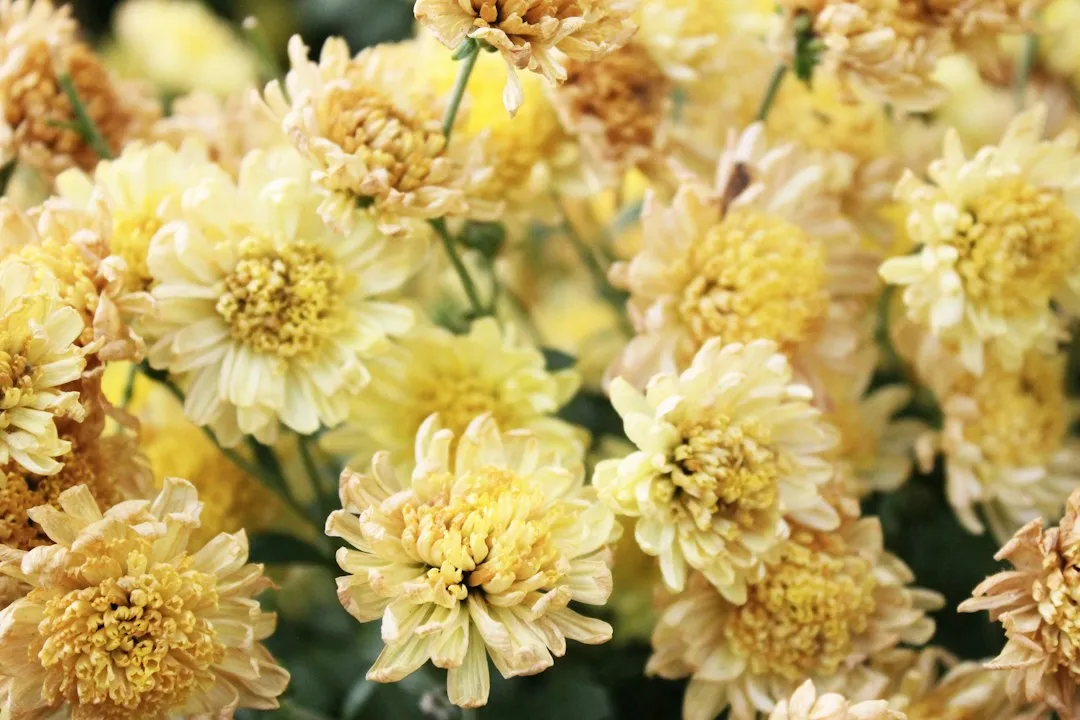
In China, chrysanthemums have been cultivated for well over two thousand years. They’re tied to longevity and are central to the Double Ninth Festival, when people traditionally drink chrysanthemum tea and climb hills. The custom is associated with warding off misfortune.
Japan adopted the flower too, and a stylized chrysanthemum became a symbol of the imperial family. It’s a flower of status as much as superstition. In Japan it’s also strongly linked to autumn and long life.
Context matters, though. In several European countries, including France and Italy, chrysanthemums are mainly used for graves and All Saints’ Day, so giving them as a cheerful gift can land badly. Same plant, very different mood depending on where you stand.
6. Jasmine: Spirits, Offerings, and Sweet Nights
🔥 Would you like to save this?
We'll email this post to you, so you can come back to it later!
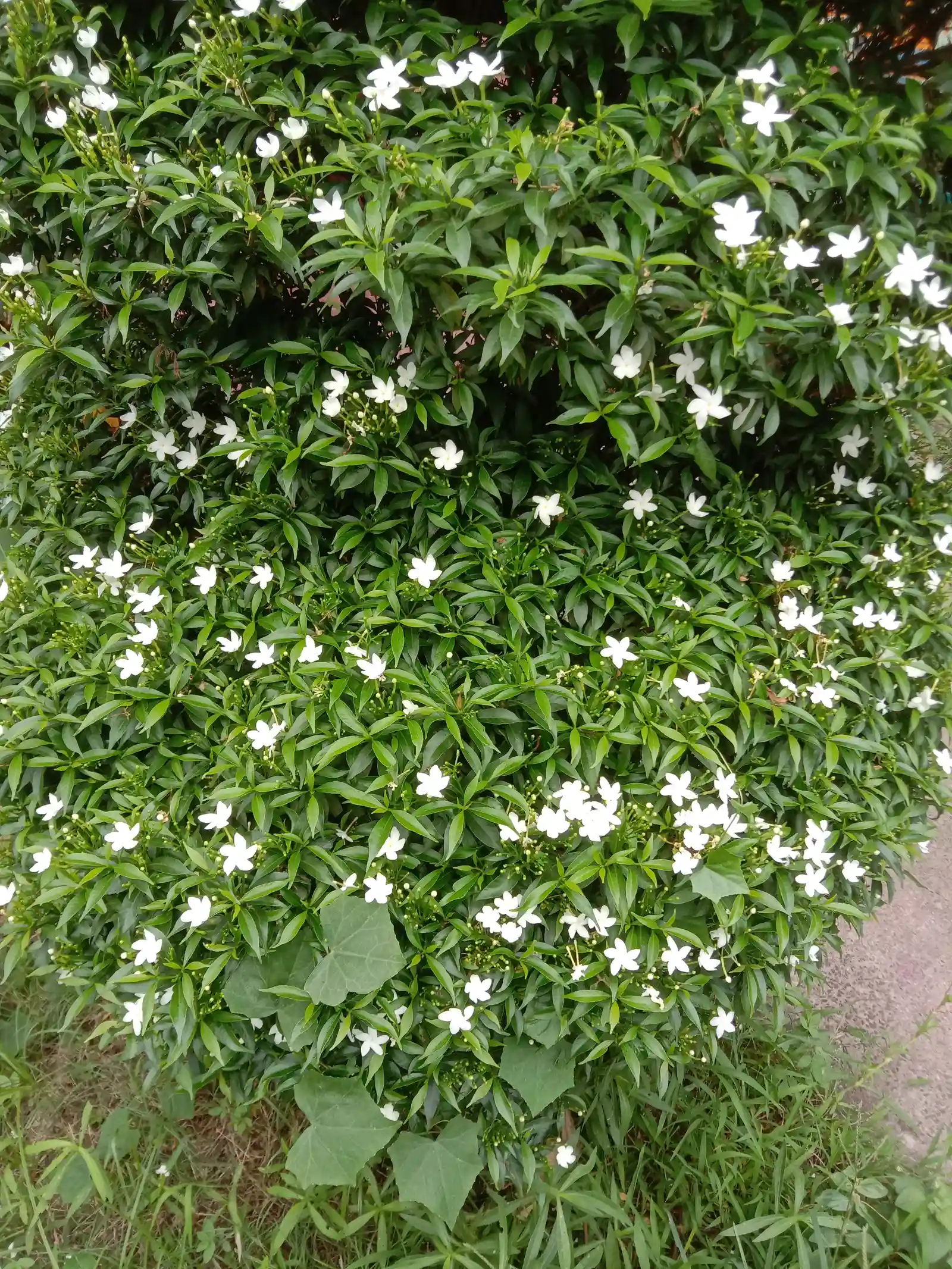
Jasmine’s heavy evening fragrance made it a natural fit for ritual. In India, it’s woven into garlands for deities and worn in hair, and it appears in weddings and temple offerings. Its scent is considered pleasing to the divine.
In many Muslim cultures, jasmine is associated with love and is widely grown in courtyards. In Southeast Asia, such as the Philippines and Indonesia, jasmine varieties hold national or ceremonial importance. Specific meanings vary, so it’s best not to flatten them into one rule.
Some folk traditions say jasmine near the home draws luck and calm dreams. That’s belief, not evidence. What’s certain is that its night scent has made it a garden favorite for centuries.
5. Lotus: Purity Rising From Mud
🔥 Would you like to save this?
We'll email this post to you, so you can come back to it later!
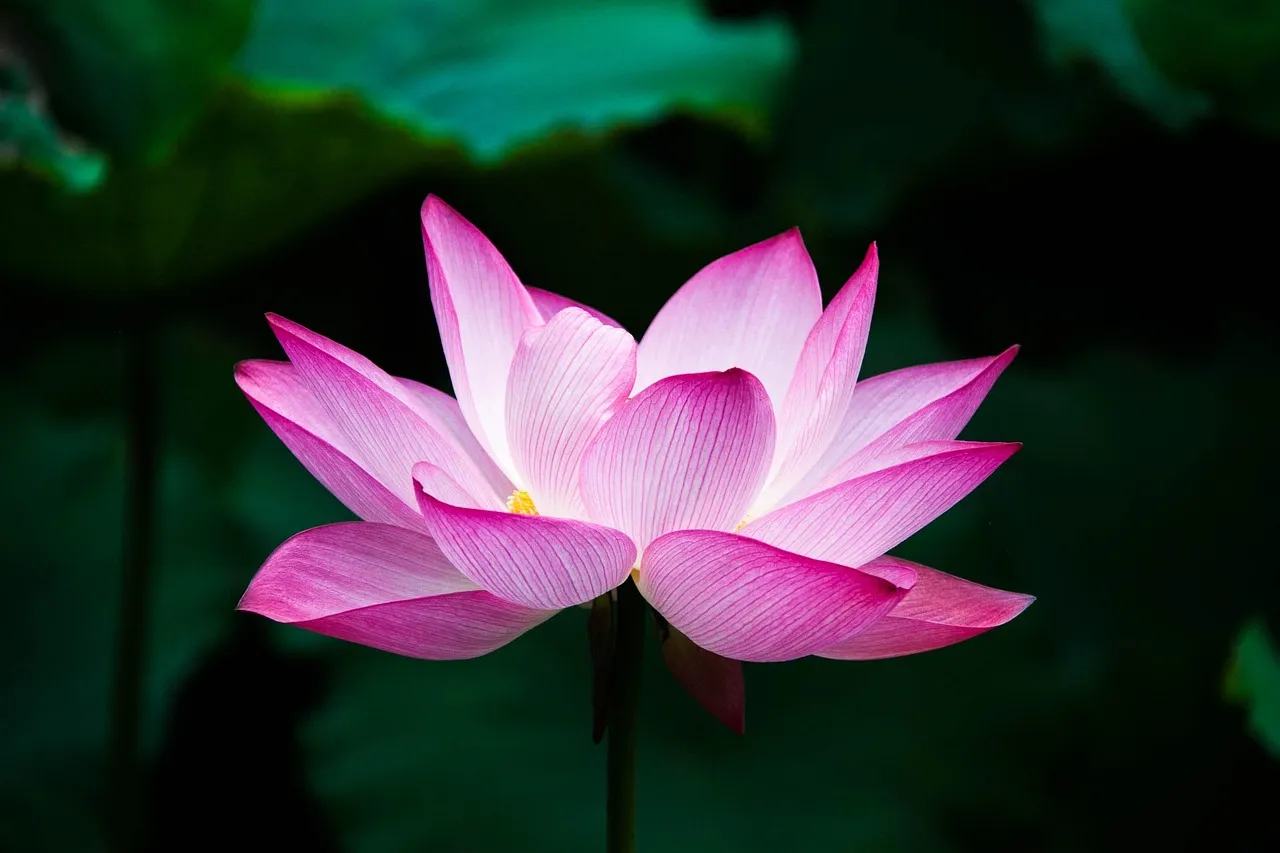
The lotus grows from muddy water yet opens clean and bright, and it’s easy to see why cultures took it as a symbol. In Buddhism and Hinduism, it represents purity and spiritual awakening. Deities are often shown seated on one.
Ancient Egypt held the blue water lily sacred as well, linking it to creation and rebirth, and it appears in tomb art. Strictly, the Egyptian flower is a water lily and not the Asian sacred lotus, a distinction people often blur. Both rise and close with the sun, which probably fed the symbolism.
In homes across Asia, lotus imagery appears on altars, doorways, and decor as a sign of good fortune and clarity. It’s less about charms and more about aspiration.
4. Rose: Secrets, Safety, and Sacred Gardens
🔥 Would you like to save this?
We'll email this post to you, so you can come back to it later!
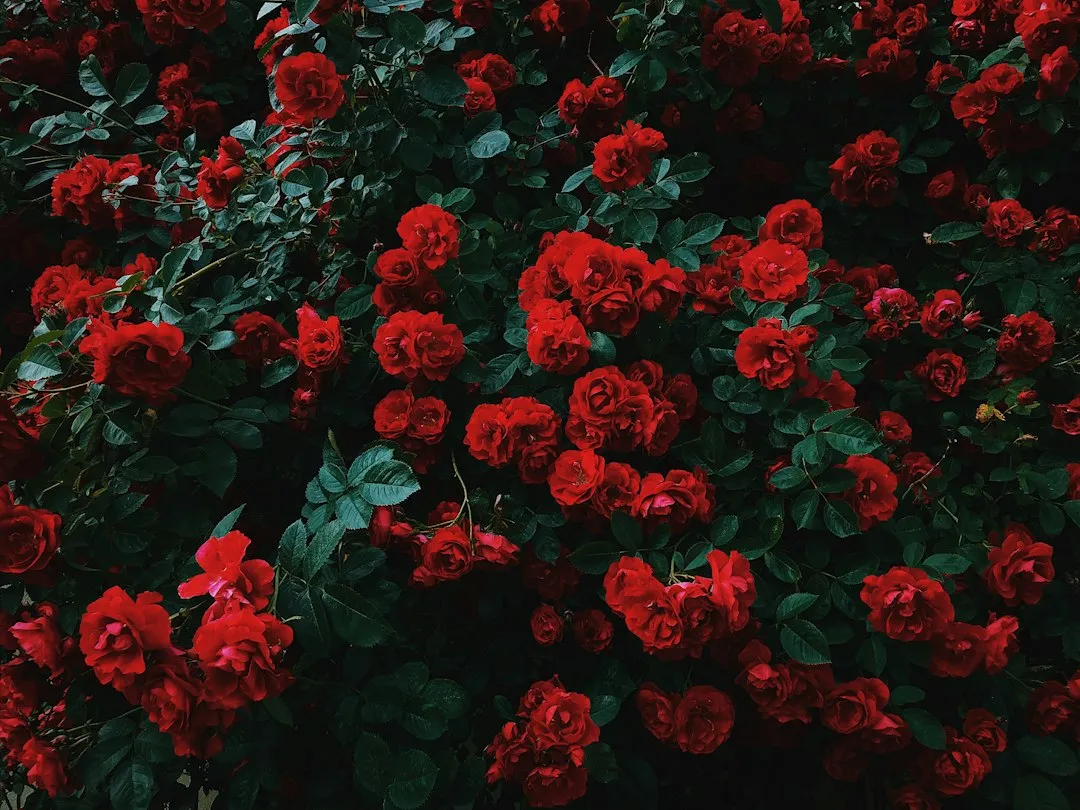
Roses are a deep part of ritual across many faiths. The Latin phrase sub rosa, meaning under the rose, reflects the old Roman idea of a rose signaling secrecy. Roses were sometimes hung over meeting tables as a reminder to keep confidences.
In Christian tradition, the rose is linked with the Virgin Mary, and the rosary’s name connects to it. In Islamic and Persian cultures, rose gardens and rosewater carry strong spiritual and poetic meaning. Rosewater is still used in some shrines and ceremonies.
Thorny roses planted below windows were also considered a natural barrier, which is true in a very practical sense. Burglars do dislike them. Folk wisdom, meet common sense.
3. Hawthorn: The Fairy Tree
🔥 Would you like to save this?
We'll email this post to you, so you can come back to it later!
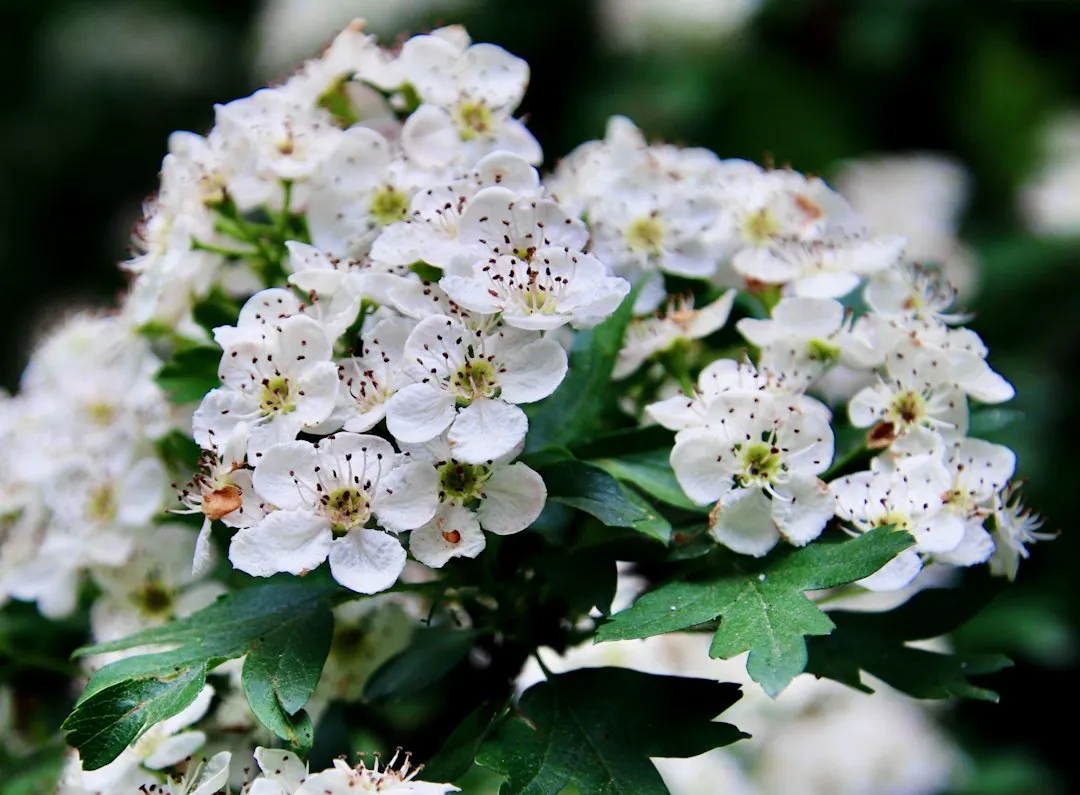
In Celtic and wider British and Irish folklore, hawthorn is a tree tied to fairies and the boundary between worlds. Lone hawthorns in fields were often left alone, and stories warn of bad luck for anyone who cuts one down. Reports of roads or developments being adjusted around such trees in Ireland have circulated for years.
Its white blossoms appear around May, and there’s an old belief that bringing the flowers indoors invites misfortune or even death. The superstition is widely recorded in British folklore. It may stem from the blossom’s scent, which has been said to resemble decay.
Yet hawthorn was also a protector. Hedges of it kept livestock in and trouble out, in a literal sense, and sprigs were hung for blessing on May Day. It’s a plant that was both feared and respected.
2. Elder: Guardian of the Household
🔥 Would you like to save this?
We'll email this post to you, so you can come back to it later!
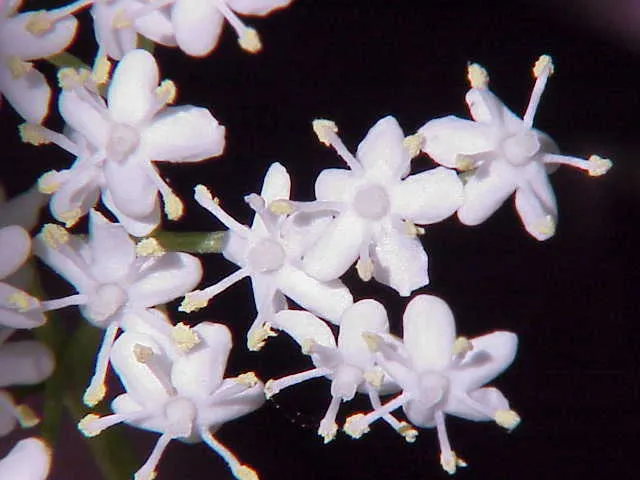
Elder trees were long thought to have a resident spirit in parts of Northern Europe, sometimes called the Elder Mother. People were cautious about cutting one without asking permission. Planting an elder near the house was said to shield the family from lightning and evil.
The creamy flower clusters bloom in early summer and have a long culinary and medicinal history. Elderflower cordial remains popular today. Cooked properly, the flowers are safe, though raw parts of the plant, such as unripe berries, can upset the stomach.
Folklore also connects elder to the threshold between life and death, and it shows up in tales around Midsummer. The mix of pantry staple and spirit tree makes it one of Europe’s more interesting plants.
1. Chamomile and Other Doorway Flowers: Luck, Wards, and Everyday Magic
🔥 Would you like to save this?
We'll email this post to you, so you can come back to it later!
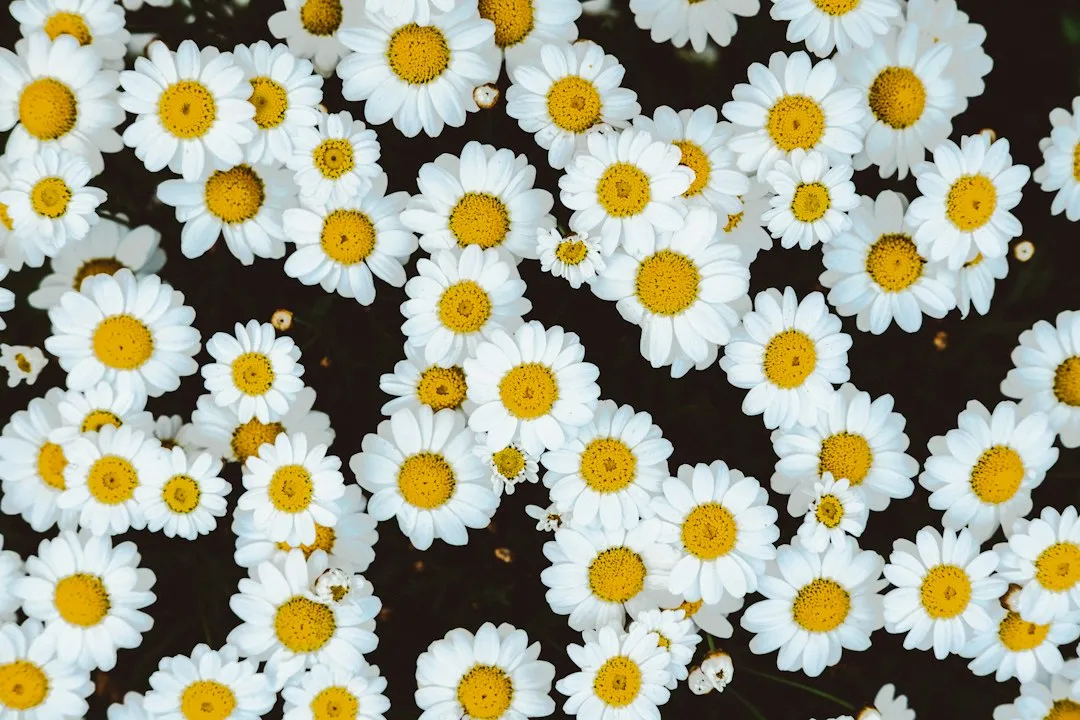
Chamomile earns the top spot for sheer household usefulness. Ancient Egyptians dedicated it to the sun god, and later European folk practice used it in gardens and charms for luck. Some old traditions say sprinkling chamomile tea around a home draws prosperity, though that’s lore and not proof.
Its daisy-like blooms also appear in medieval herbals as a cure for many complaints. Modern evidence supports mild calming uses of chamomile tea, but claims beyond that are limited. It’s gentle, and mostly safe, though people allergic to ragweed relatives can react.
The bigger pattern is worth noticing. Across continents, people put flowers at the door, the grave, the altar, and the bed. They were marking places where life feels uncertain, which is something we still do.
Final Thoughts
🔥 Would you like to save this?
We'll email this post to you, so you can come back to it later!
I’d argue the magic was never really in the petals. It was in the habit of paying attention: tending something by the door, noticing the season, remembering the people who came before you. Most of the protective powers claimed for these flowers can’t be tested, and that’s fine.
What can be tested is how a garden changes a home. Plant one of these by your entrance this spring, and you’ll probably feel a little luckier. That might be the oldest charm of all.

- 7 Everyday Habits That Can Make Your Senior Dog Happier - November 5, 2026
- 10 Enigmatic Structures That Continue to Puzzle Scientists Today - November 5, 2026
- 10 Strange Ruins in the Americas That Challenge What We Know About Early History - November 5, 2026