
Most travelers assume you need a park ranger badge and a three-hour line at the gate to see something extraordinary. Yellowstone, Acadia, the Great Smokies – they’re the “of course” answers when someone asks where to go birding in America. But ask the birders who actually chase feathers for a living, and you’ll get a different answer, usually delivered in a lower, almost conspiratorial voice.
Because quietly, a different map has taken shape. Some of the wildest migrations, rarest sightings, and closest bird encounters in the country are happening far from the gift shops and tour buses of the national park system – in refuges, bogs, and marshes most tourists have never even heard of. Here are ten of them, ranked by the birders and eBird checklists that already know better. By the time you hit #1, you may never look at a “famous” park the same way again.
#10 – Valle de Oro National Wildlife Refuge, New Mexico
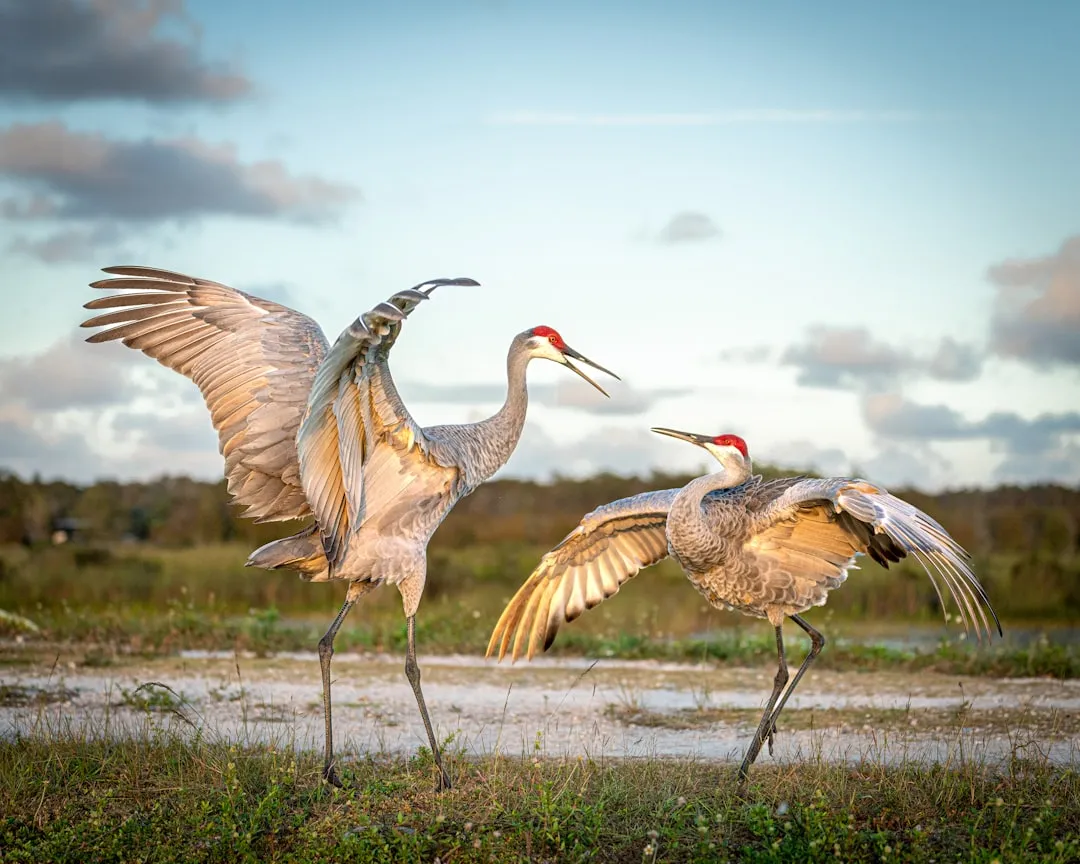
Most people picture hours of empty desert highway before they picture serious Southwestern birds. Valle de Oro breaks that assumption completely – it sits minutes from downtown Albuquerque and still feels genuinely wild. Built on former farmland, it blends riparian, grassland, and agricultural habitat into a compact space that pulls in a ridiculous range of species.
In winter, huge flocks of Sandhill Cranes, Snow Geese, and ducks swirl over the fields at sunrise, rivaling scenes people usually associate with Bosque del Apache, minus the long drive. Spring and fall bring warblers, sparrows, and raptors riding the Rio Grande corridor. Gravel roads and flat trails make it easy for beginners and older birders, yet diehards still quietly chase rarities here – unusual gulls, wayward shorebirds, the occasional surprise. Best part: you can bird all morning and be eating a taco fifteen minutes later.
Fast Facts
- Area: 570 acres (230 ha) of restored former dairy farmland along the Rio Grande
- Located about 7 miles (11 km) south of Albuquerque, New Mexico
- Established: 2012 as the Southwest’s first ground-up Urban National Wildlife Refuge
- Habitat mix: riparian bosque, grassland, and working agricultural fields
#9 – Horicon Marsh, Wisconsin
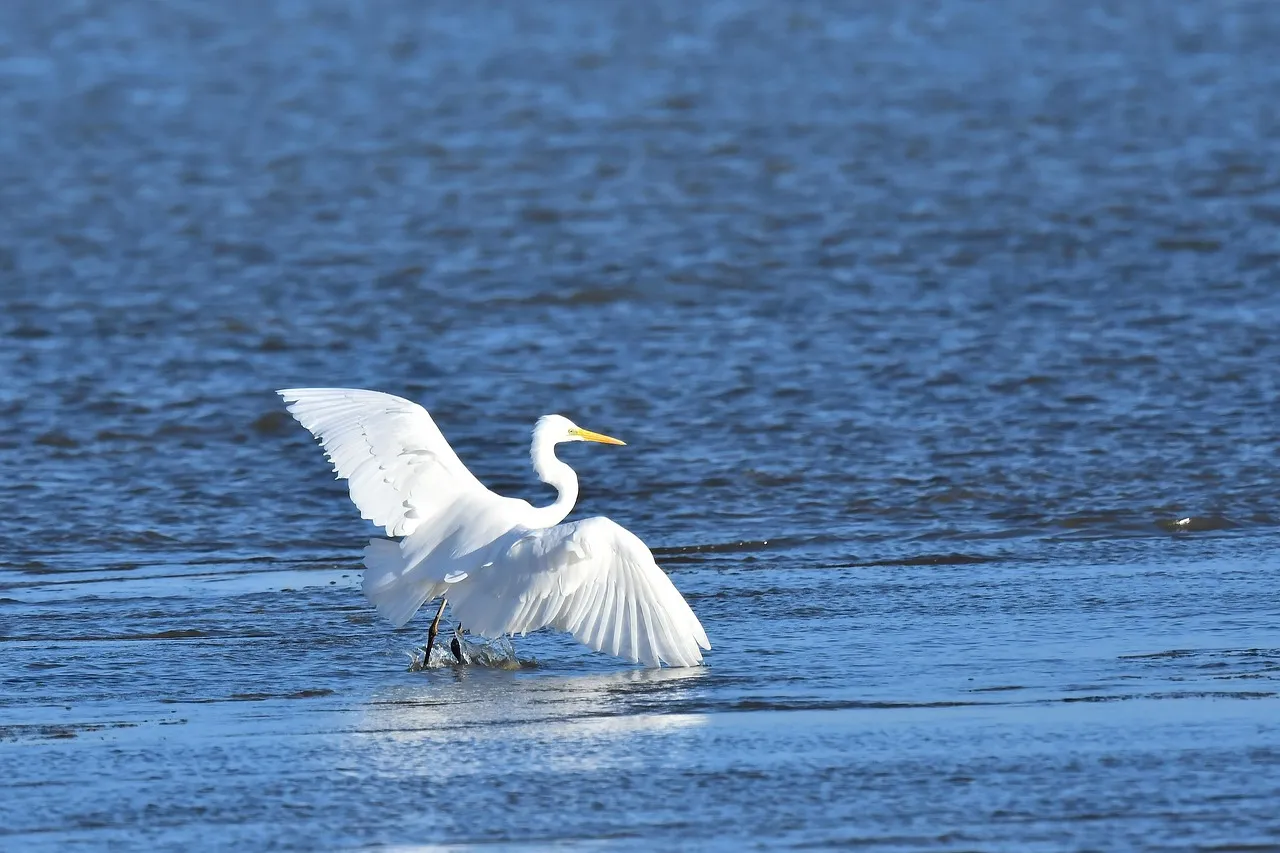
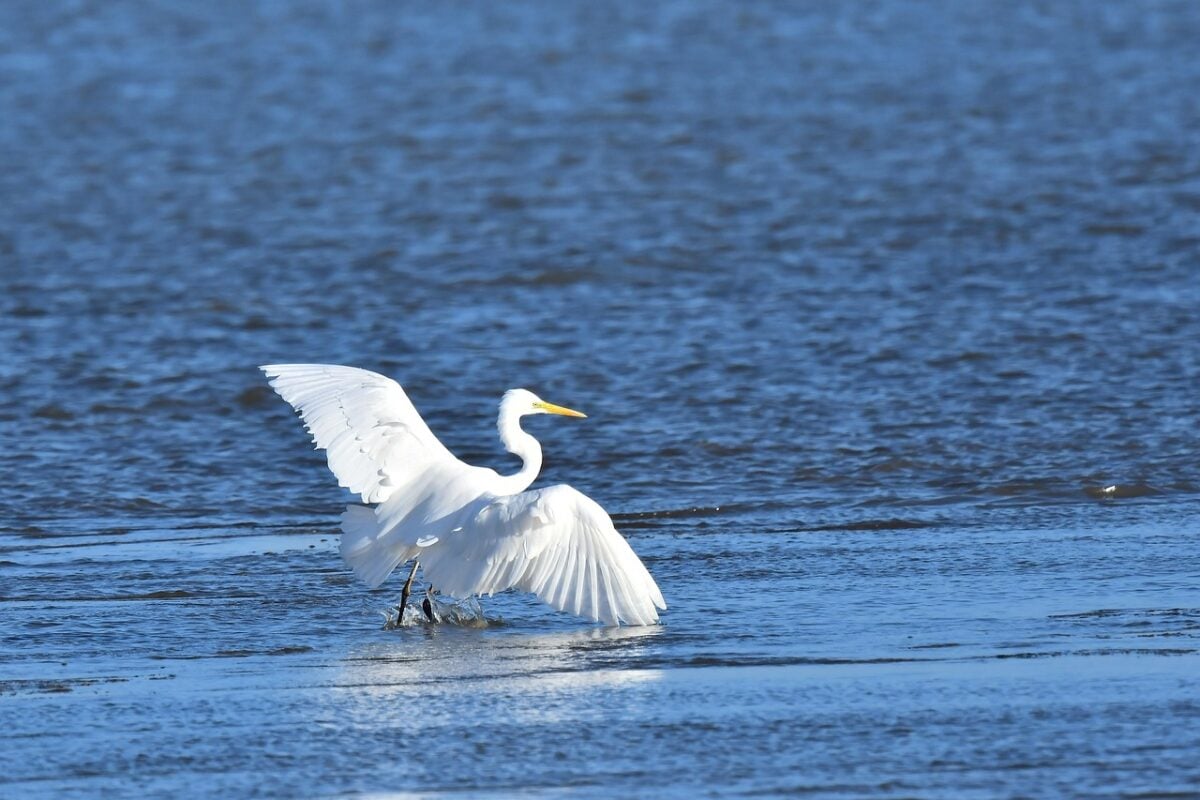
Most tourists drive straight past it, cornfields blurring by on the way to “real nature” up north. Big mistake. Horicon Marsh quietly hosts one of the most dramatic bird spectacles in the entire Midwest, acting like a magnet for migratory waterfowl every spring and fall.
Hundreds of thousands of ducks, geese, and swans funnel through here, often filling the sky so densely you hear the wings before you see the birds. Great Egrets, Black Terns, American White Pelicans, and cattail-loving wrens turn every marsh edge into its own soundscape. You’ll rack up more sheer biomass in one morning here than in some national parks all week – and you can take it in by car, boardwalk, observation tower, or pontoon boat, eye-level with rafts of diving ducks. Ask a Midwest birder for their real must-see stop, and it’s rarely the lake resort.
#8 – Bombay Hook National Wildlife Refuge, Delaware
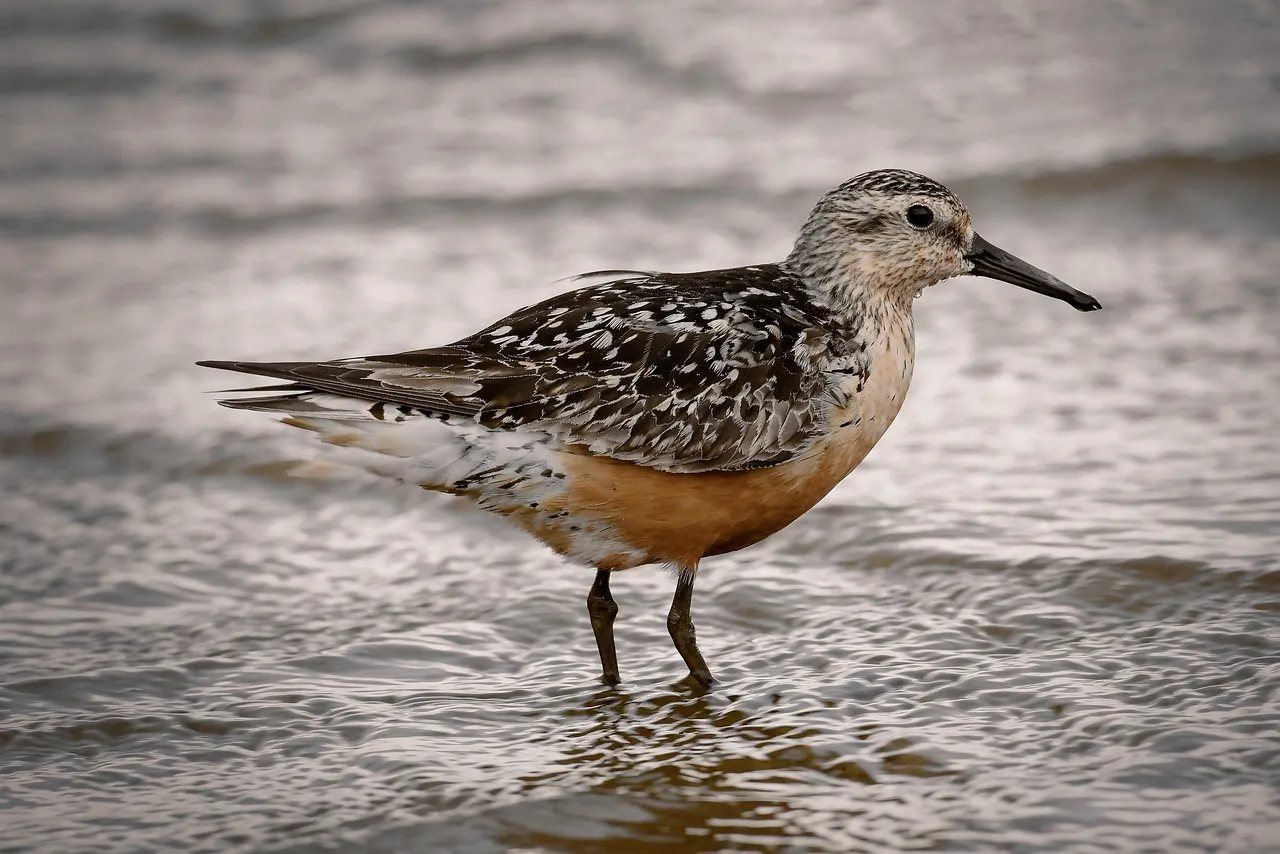
Say “Delaware” to most people and they think tax shelters, not shorebirds. Serious birders know better. Bombay Hook sits on Delaware Bay, one of the most important shorebird stopovers in the entire Western Hemisphere, and in late spring it turns into raw migration theater.
Red Knots, Dunlins, and other sandpipers arrive by the thousands to gorge on horseshoe crab eggs. On the right May tide, the mudflats look genuinely carpeted with feeding birds – a scene that rivals some of the world’s most famous coastal reserves. Snowy Egrets, Glossy Ibises, and diving Peregrine Falcons round out the show, and a one-way auto loop lets you scan it all without leaving your car if the weather turns. While East Coast crowds pack Ocean City and Rehoboth, Bombay Hook stays strangely, wonderfully quiet.
#7 – Laguna Atascosa National Wildlife Refuge, Texas
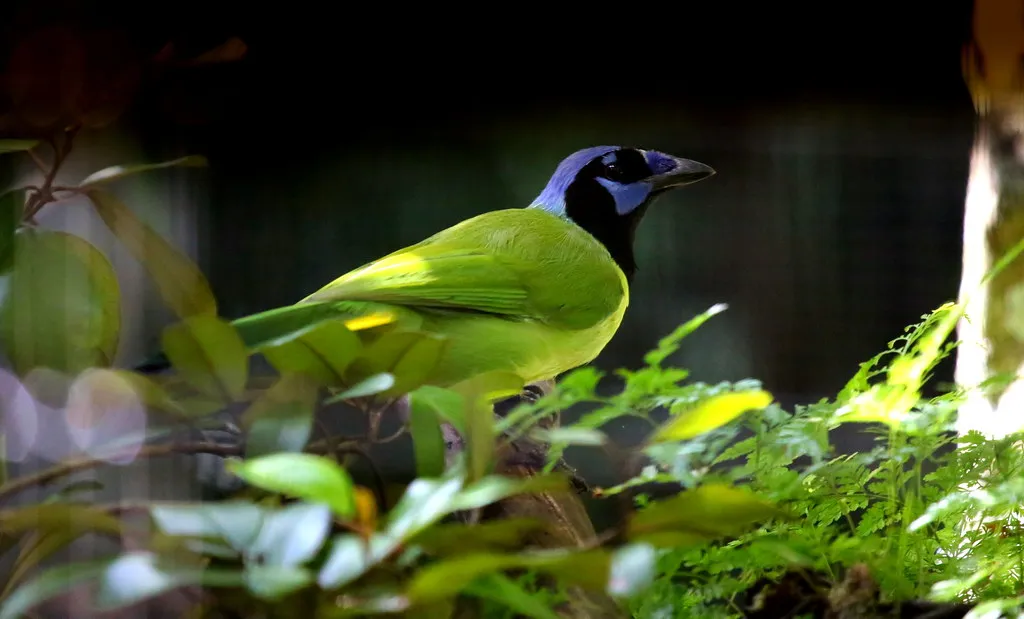
Most bird tourists in Texas stampede through Hill Country and Big Bend’s overlooks, then fly home thinking they’ve “done” the state. That’s like watching one episode and claiming you finished the series. Laguna Atascosa, hugging the Laguna Madre near the Mexican border, is where Gulf Coast wetlands, thornscrub, and coastal prairie collide into something entirely different.
Green Jays, Altamira Orioles, Plain Chachalacas, Great Kiskadees, and Groove-billed Anis can all turn up in a single morning here. In winter, huge numbers of waterfowl and shorebirds crowd in, while White-tailed Hawks and Harris’s Hawks patrol the skies overhead. It’s also one of the last U.S. strongholds for the endangered ocelot, which adds a genuine current of wild possibility to every dawn walk. Hardcore photographers quietly rank this refuge above some marquee parks for point-blank songbird and raptor shots.
#6 – Sax-Zim Bog, Minnesota
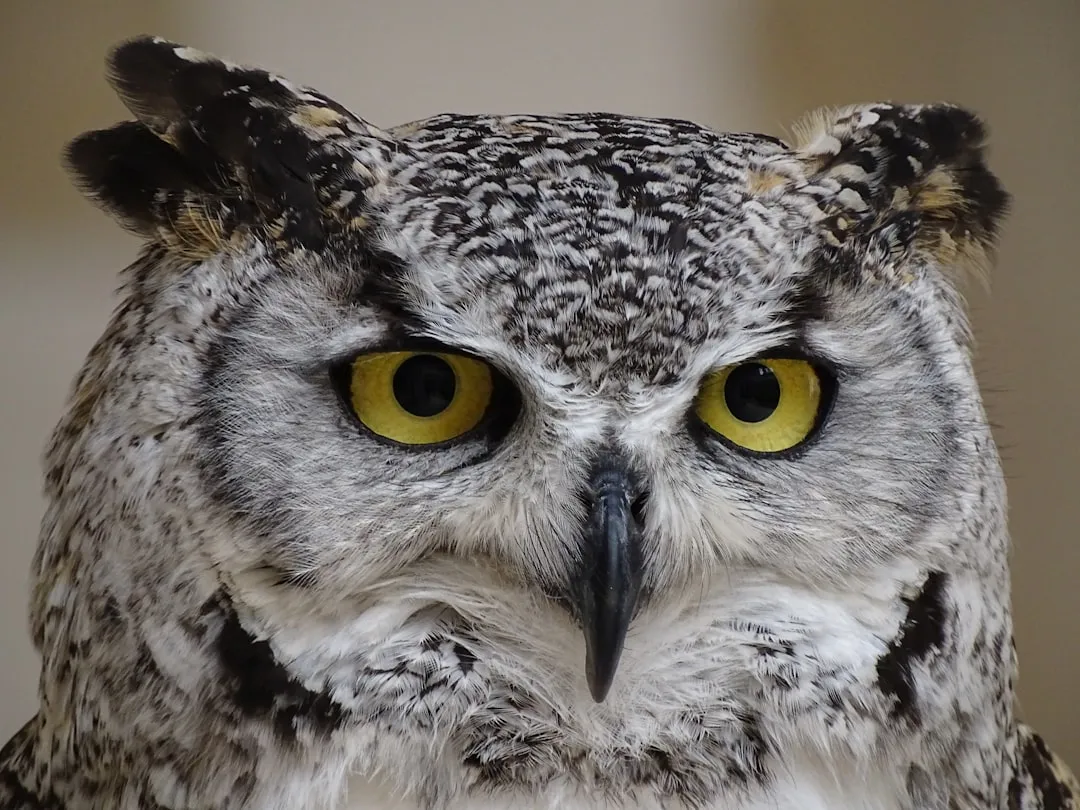
Most people think birding peaks with spring flowers and warm mornings. Sax-Zim Bog laughs at that idea and hands you owls in subzero temperatures instead. This stretch of bog, black spruce, aspen, and old farmsteads northwest of Duluth has become legendary for one thing: winter specialties that make lower-48 birders lose their minds.
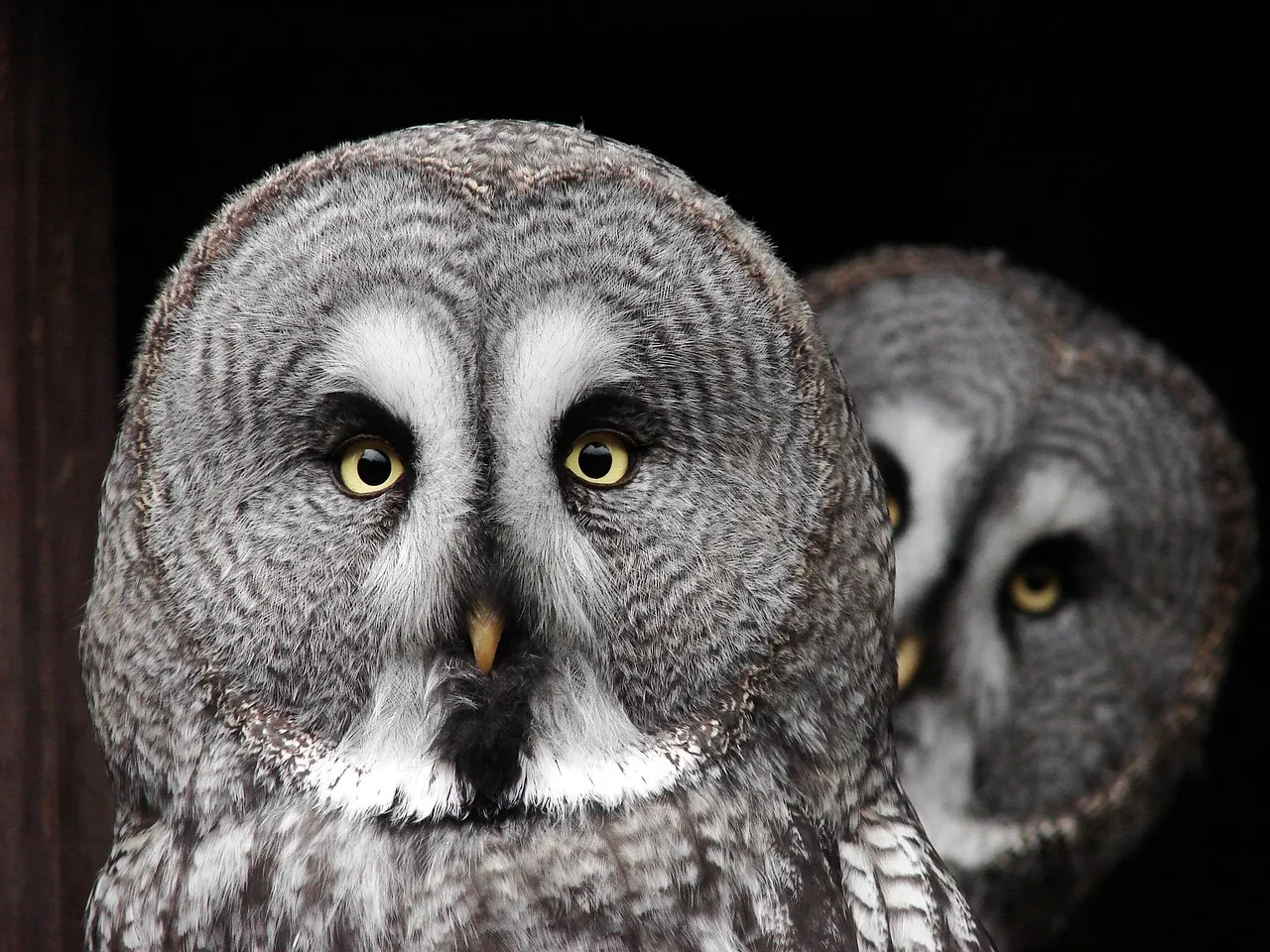
When conditions line up, Great Gray Owls, Northern Hawk Owls, and Boreal Chickadees show up with a regularity most people can’t believe. Add Rough-legged Hawks, crossbills, and Common Redpolls swarming the feeding stations, and you’ve got a colder, weirder, better cast than most alpine national parks offer. There’s no shuttle bus, no gift shop – just public roads, simple trails, and local reports telling you where the owl of your life might be perched. Dress right, bring a thermos, and you’ll understand why some birders now pick this over Yellowstone in January.
At a Glance
- Footprint: covers more than 300 square miles of bog, forest, farmland, and small towns
- Drive time: located an easy 50-minute drive north west of Duluth
- Species count: ideal habitat for more than 240 species of migrant and breeding birds
- Signature birds: Great Gray Owl, Northern Hawk Owl, Boreal Chickadee, Rough-legged Hawk
#5 – Merritt Island National Wildlife Refuge, Florida
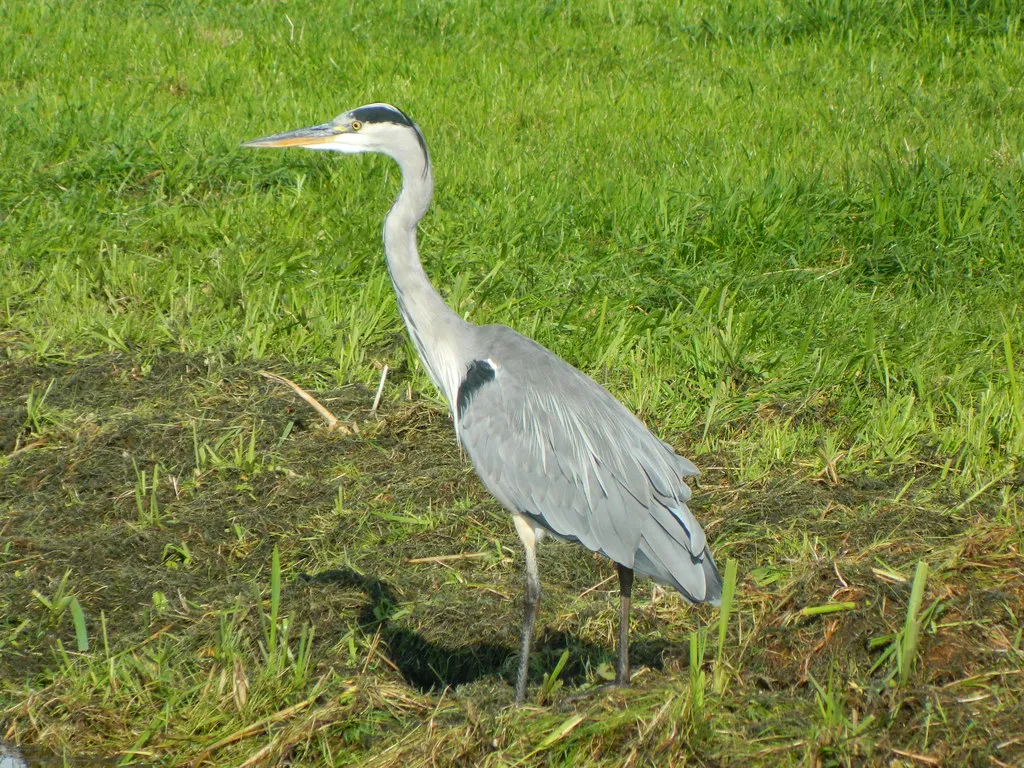
Disney World gets the headlines. Merritt Island gets the birds. Sitting right beside the Kennedy Space Center, it’s a strange, wonderful mix of rocket launches and prime coastal habitat, and its impoundments, mangroves, and scrubby uplands hold some of Florida’s richest bird diversity.
The famed Black Point Wildlife Drive alone can deliver dozens of heron, egret, shorebird, and duck species in a single pass, plus spoonbills, Reddish Egrets, and hunting Ospreys. Winter packs the pools with pintails, teal, and shovelers while rails call from the reeds. Unlike the Everglades, where crowds and logistics can get intense in high season, Merritt Island feels relaxed and unchoreographed – bird from a pullout, then watch a Bald Eagle cross the path of a distant rocket gantry. More than a few Floridians will tell you, quietly, that if you only get one birding day in the state, it belongs here.
#4 – Malheur National Wildlife Refuge, Oregon
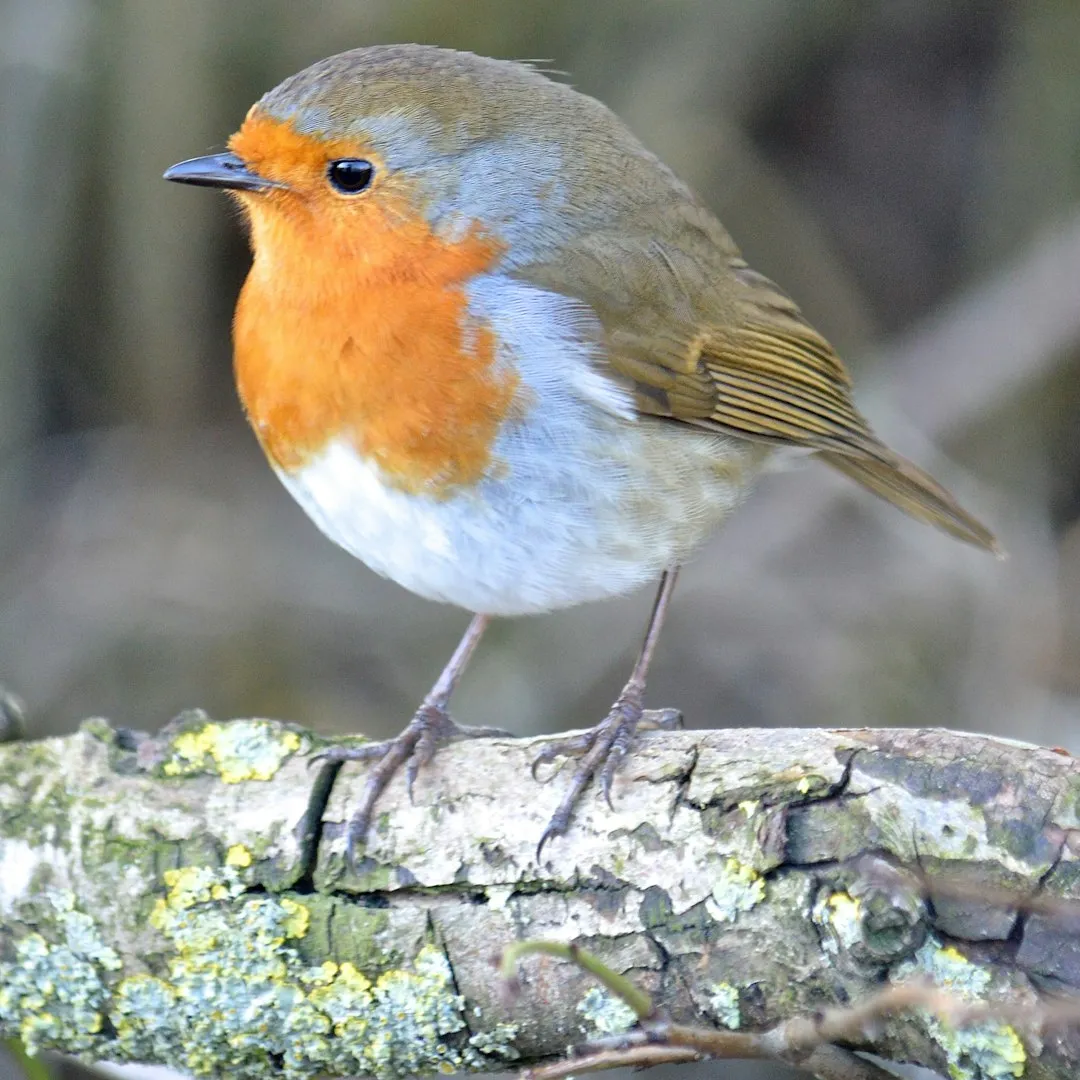
Most travelers blast across southeastern Oregon assuming it’s just empty sagebrush between the coast and the Rockies. Birders know that “empty” region hides one of the West’s greatest migration bottlenecks. Malheur sits at the edge of the Great Basin, a genuine oasis where desert, wetlands, and riparian corridors collide.
In spring and early summer, it can feel like every bird in the Pacific Flyway decided to stop here at once. Sandhill Cranes dance in the meadows, curlews call from the sagebrush, and trees drip with warblers and flycatchers that seem wildly out of place in such a dry landscape. Gravel roads, dikes, and quiet campgrounds let you bird slowly and immersively – the opposite of hustling between overlooks. The refuge also carries real controversy in its history, which has only made many birders more determined to support its restoration.
#3 – Santa Ana National Wildlife Refuge, Texas
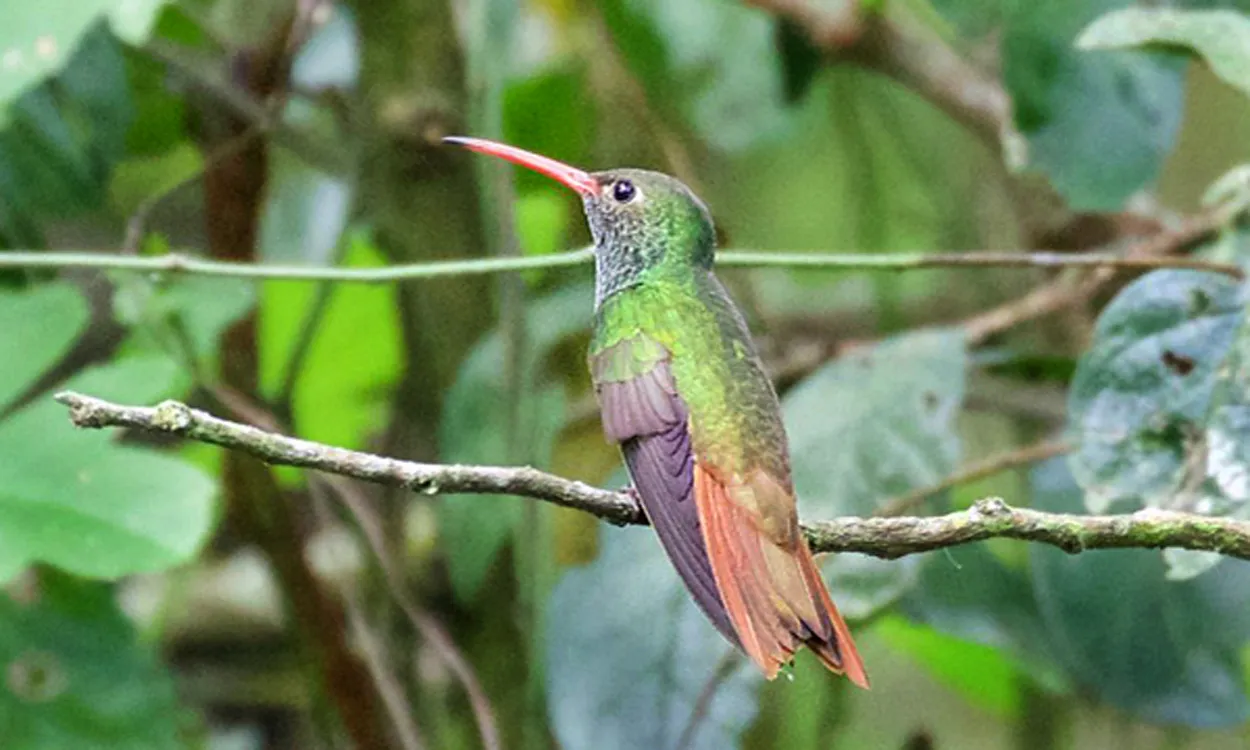
Most Americans have never heard of Santa Ana. International birders treat it almost like a pilgrimage site. Wedged along the Rio Grande in the Lower Rio Grande Valley, it sits at the crossroads of North American and Neotropical bird ranges, where species that barely creep into the U.S. show up right on the trail.
Hook-billed Kites, Green Jays, Buff-bellied Hummingbirds, Clay-colored Thrushes, and Great Kiskadees turn an ordinary walk into a checklist that feels more like northern Mexico than Texas. During migration the canopy explodes with warblers, tanagers, and orioles, while Common Pauraques call from the roadsides after dark. Political debates about the border wall have swirled around this refuge for years, but on the ground the reality is simple: ask a U.S. birder where to go for the fastest shot at “lifers,” and Santa Ana often beats out entire national park systems.
Worth Knowing
- Sits directly on the Rio Grande, where U.S. and Neotropical bird ranges overlap
- One of the most reliable U.S. spots to catch the secretive Hook-billed Kite
- Peak season runs during spring and fall migration, when warblers, tanagers, and orioles crowd the canopy
- Treated as a bucket-list “lifer” stop by out-of-state and international birders chasing Rio Grande Valley specialties
#2 – Cape May Point & Cape May Meadows, New Jersey
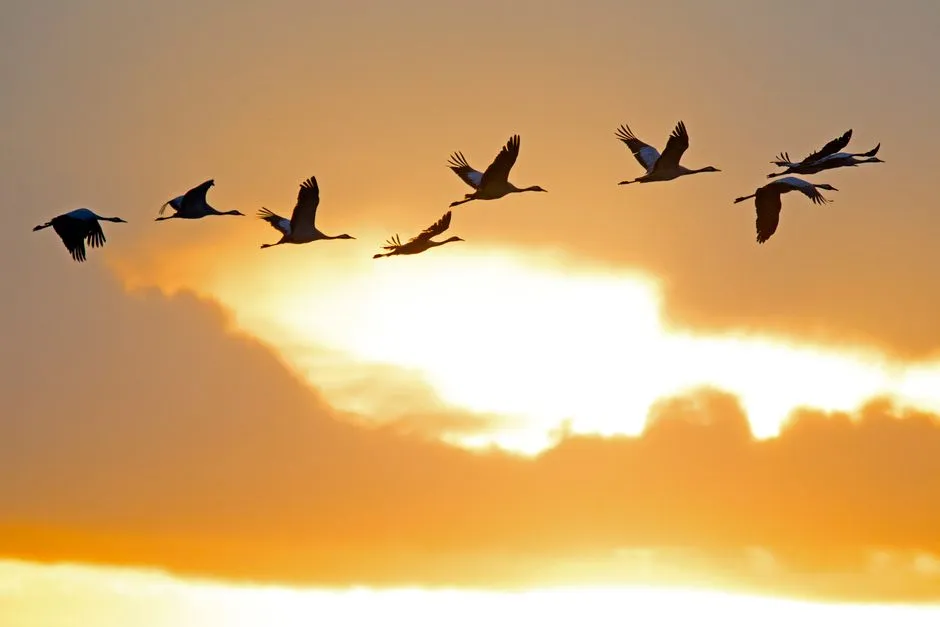
If national parks crowned a single “migration capital,” Cape May would have a very strong case – despite not being a park at all. At the southern tip of New Jersey, birds funnel down the peninsula and hesitate before crossing Delaware Bay, and that geographic trap creates wild concentrations of migrants, especially in fall.
Hawks, falcons, and eagles stream overhead by the thousands on good days, while warblers, sparrows, and kinglets swarm the trees and dunes below. Offshore you can scan for shearwaters, jaegers, and gannets. What really sets Cape May apart is the culture around it: seasonal hawk watches, morning flight counts, seawatches, and festivals that turn the whole town into a temporary birding village. Some old-school birders will flat-out tell you: if migration thrills you, skip a western national park and put your money into a week here instead.
#1 – Point Reyes National Seashore, California
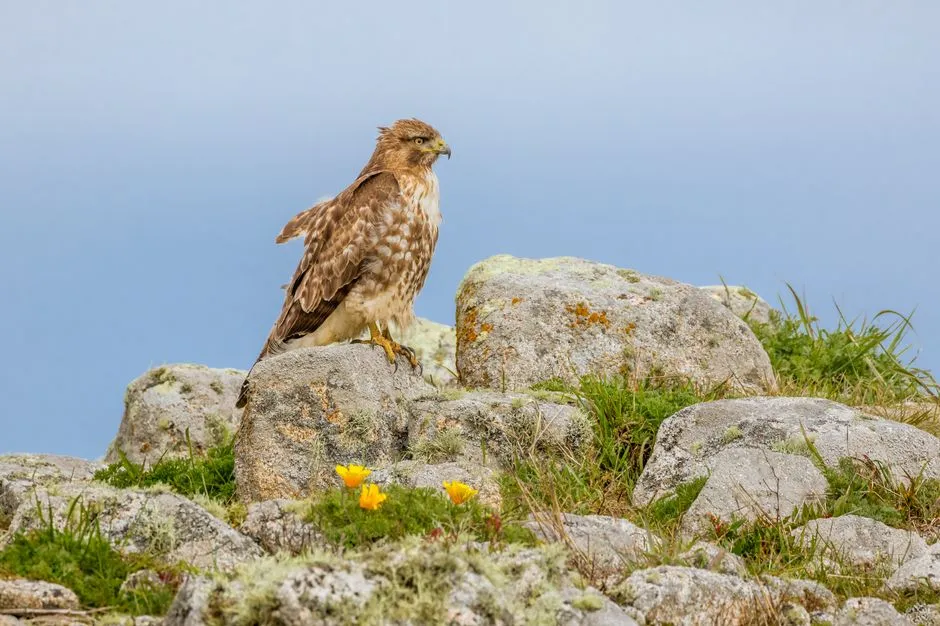
Yes, it technically has “national” in the name – but most park tourists bypass it entirely on their rush from San Francisco to Yosemite, which is a massive mistake if you care about birds. Jutting into the cold, productive waters of the Pacific, Point Reyes is a geographic bullseye for migrants, seabirds, and vagrants blown wildly off course.
Its mix of coastal scrub, dunes, estuaries, dairy pastures, and forest edges has produced more recorded bird species than many marquee national parks combined, including a notorious roster of Asian and Arctic strays. Spring and fall bring warblers, flycatchers, and shorebirds; winter loads the ocean with loons, scoters, and alcids; raptors patrol the ranchland almost year-round. Stand on a bluff scoping murres and shearwaters with only wind and surf for company, then drop into a cypress grove where a rare warbler has drawn a small knot of thrilled locals. Many California birders quietly rank it above big western parks like Zion for pure birding value – proof that a lesser-hyped unit can absolutely surpass America’s “famous” ones.
Why It Stands Out
- Nearly 490 bird species recorded – the greatest avian diversity of any unit in the National Park System
- Roughly 50 percent of North America’s birds have been spotted on the narrow peninsula
- Location on the Pacific Flyway alongside the 15-mile-long Tomales Bay creates a natural magnet for migrants
- A regular stage for rarity chases, with Asian and Arctic strays turning up in most seasons
The Bottom Line
The dirty secret of American birding is that the most famous parks aren’t always the best places to actually see birds. Urban refuges like Valle de Oro and coastal hotspots like Bombay Hook and Merritt Island deliver denser flocks, easier access, and wilder migration spectacles than many crowded, scenic parks ever will.
Winter owling at Sax-Zim Bog or rarity-hunting at Santa Ana and Point Reyes offers an intensity you simply don’t get from a roadside overlook in a postcard park. Meanwhile, plenty of travelers are still burning vacation days chasing the same brand names – Yellowstone, Yosemite – while the birders who actually know better are quietly building entire trips around the ten places above instead. Once you’ve stood in a cold Minnesota bog waiting for a Great Gray Owl to blink, or watched a mudflat come alive with thousands of Red Knots, it’s hard to go back to fighting for a parking spot at a scenic overlook.
Did we miss a spot you think absolutely blows the big-name parks out of the water? Drop your favorite under-the-radar birding refuge in the comments.
