
Motherhood doesn’t come with a manual, does it? You figure it out as you go, making decisions that you hope will somehow lead your offspring to thriving adulthood. It turns out this universal truth doesn’t just apply to humans. Across the animal kingdom, mothers face extraordinary challenges while raising their young, often under conditions that would make even the most devoted human parent pause. Some mothers go years without eating. Others carry their babies across frozen wastelands or through treacherous ocean depths.
The lengths to which animal mothers will go for their offspring can be staggering, sometimes even fatal. Think about your own mother for just a moment and the sacrifices she made. Now multiply that by environments where predators lurk, food is scarce, and temperatures can kill within minutes. These mothers don’t have hospitals, grocery stores, or safe nurseries. What they do have is an unshakeable instinct that drives them to protect, teach, and nurture their young no matter what. Let’s dive into the stories of ten remarkable animal moms whose devotion puts a whole new spin on the concept of maternal love.
Elephant Mothers: The Matriarchs Who Never Forget
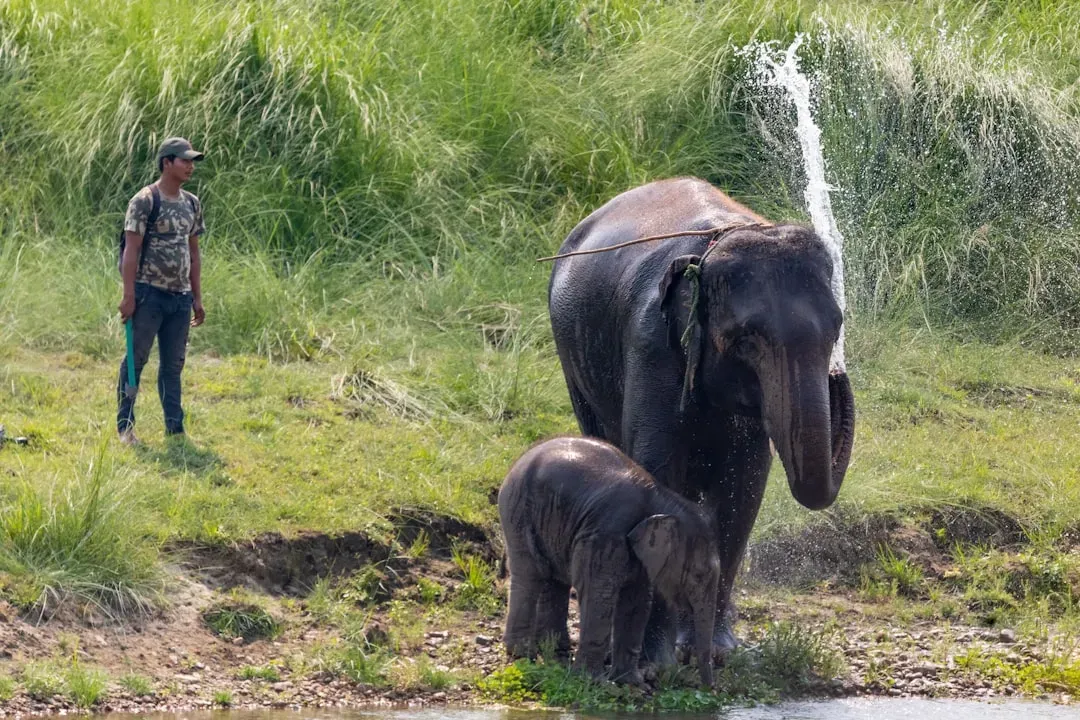
Elephants may be the most protective moms on the planet. Walking beneath their mothers for shade during those critical first months, elephant calves learn everything they need to survive from the matriarch who guides them. Elephant mothers are pregnant for 20 to 23 months, which is among the longest gestations of any mammal.
After enduring nearly two years of pregnancy, these mothers don’t get to rest. They nurse frequently throughout the day and are entirely dependent on their mother for all of their nourishment for the first year of life. Elephant mothers are very indulgent and fuss over their calf, fondling them, and allowing them to suckle on demand. Honestly, when you watch an elephant mom with her baby, you can see the tenderness in every trunk touch.
In their natural habitat, elephant calves will typically stay with their mothers for up to 16 years, or even their entire lives. This enduring bond provides essential learning and protection for the calf. Female elephants often never leave their mothers, creating multigenerational families where grandmothers, mothers, aunts, and sisters all participate in raising the youngest members. While elephants usually do not raise their calves alone, calling on other females in the herd, known as “allomothers”, to help protect and guide their young, elephants form deep bonds with their calves, caring for them for years and guiding them as they grow.
Octopus Mothers: The Ultimate Sacrifice Beneath the Waves
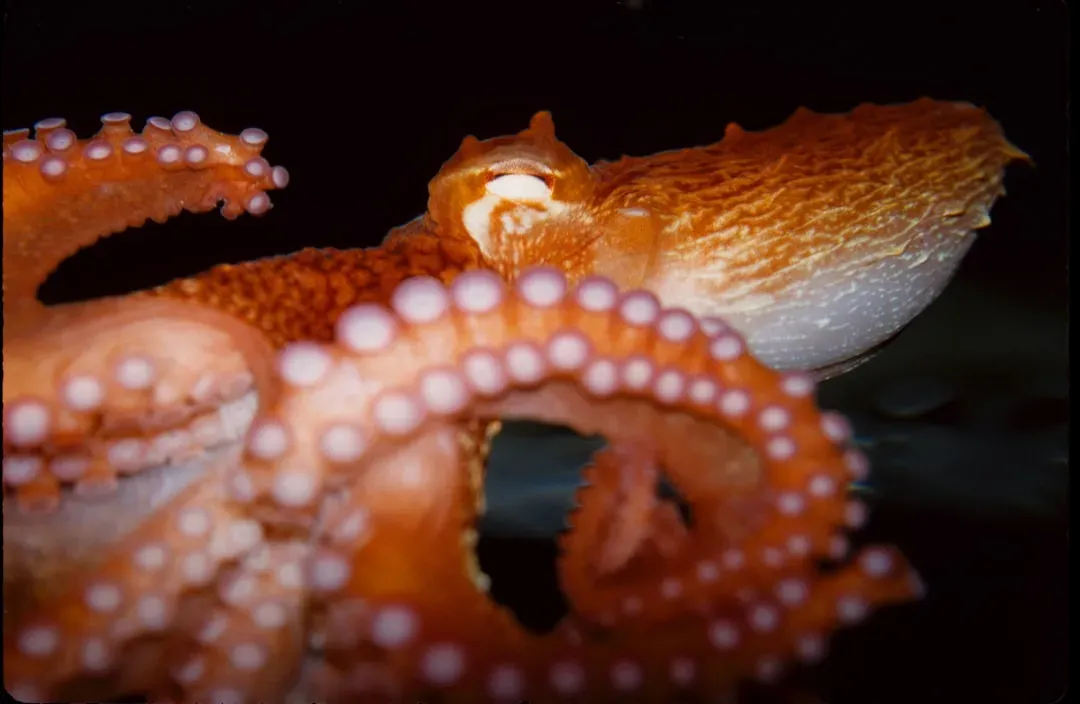
Picture yourself sitting in one spot for over four years without a single bite of food, watching over your children until the moment they’re born. That’s exactly what some octopus mothers do. Graneledone boreopacifica, which researchers have recently observed guarding its eggs for four-and-a-half years (53 months), before likely succumbing to starvation soon after.
For four and a half years, they returned to the same spot and found the same octopus, “clinging to the vertical rock face, arms curled, covering her eggs”. She never left, and it’s possible that she didn’t eat for the whole time. When researchers offered her food through a robotic arm, she turned it down every single time.
The sacrifice doesn’t end there. In the mysterious depths of the ocean, octopus mothers exhibit unparalleled sacrifice. Once she lays her eggs, the mother dedicates her life to protecting them from predators, often without eating. Her vigilance ensures their safety until they hatch, even if it means her own demise. She constantly squirts fresh water over the eggs to keep them oxygenated and clean. When the eggs hatch, she dies, starving and exhausted. As biologist Jim Cosgrove says, “No mother could give more”.
Polar Bear Moms: Surviving the Arctic Freeze
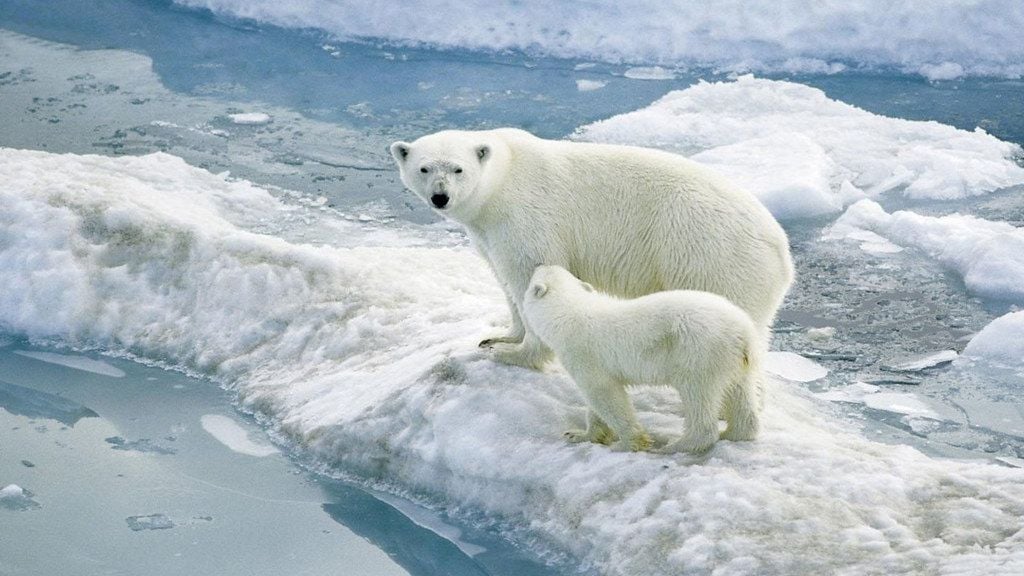
All moms work hard, but polar bear moms are some of the hardest working of all, with no help from dad and a fasting period that can last 8 months Imagine digging a den in the snow, giving birth to cubs weighing barely more than a guinea pig, and then staying put through the brutal Arctic winter without eating or drinking.
Polar bear cubs are born November through January in a den. Mother and cubs emerge from their den in late March or April. Most adult females give birth once every three years. During those months in the den, the mother’s body heat keeps temperatures around freezing even when the world outside plummets to terrifying lows. In the icy silence of the Arctic, baby polar bears are born blind, deaf, and weighing less than a pound. In the seclusion of their snowy den, cubs are nurtured by their mother’s unwavering care, relying entirely on her protection, her warmth, and milk potent enough to spur rapid growth.
When they finally emerge, the real teaching begins. Cubs stay with their moms for just over two years, learning as much as possible including how to navigate sea ice, when and where to migrate, how to hunt seals, how to avoid danger, and how to use their innate curiosity to learn new things. Mother polar bears are extremely protective of their young, even risking their own lives in their cubs’ defense. They’ve been known to take on adult males who threaten their cubs, fighting with everything they have despite the size difference.
Orangutan Mothers: The Longest Childhood in the Wild
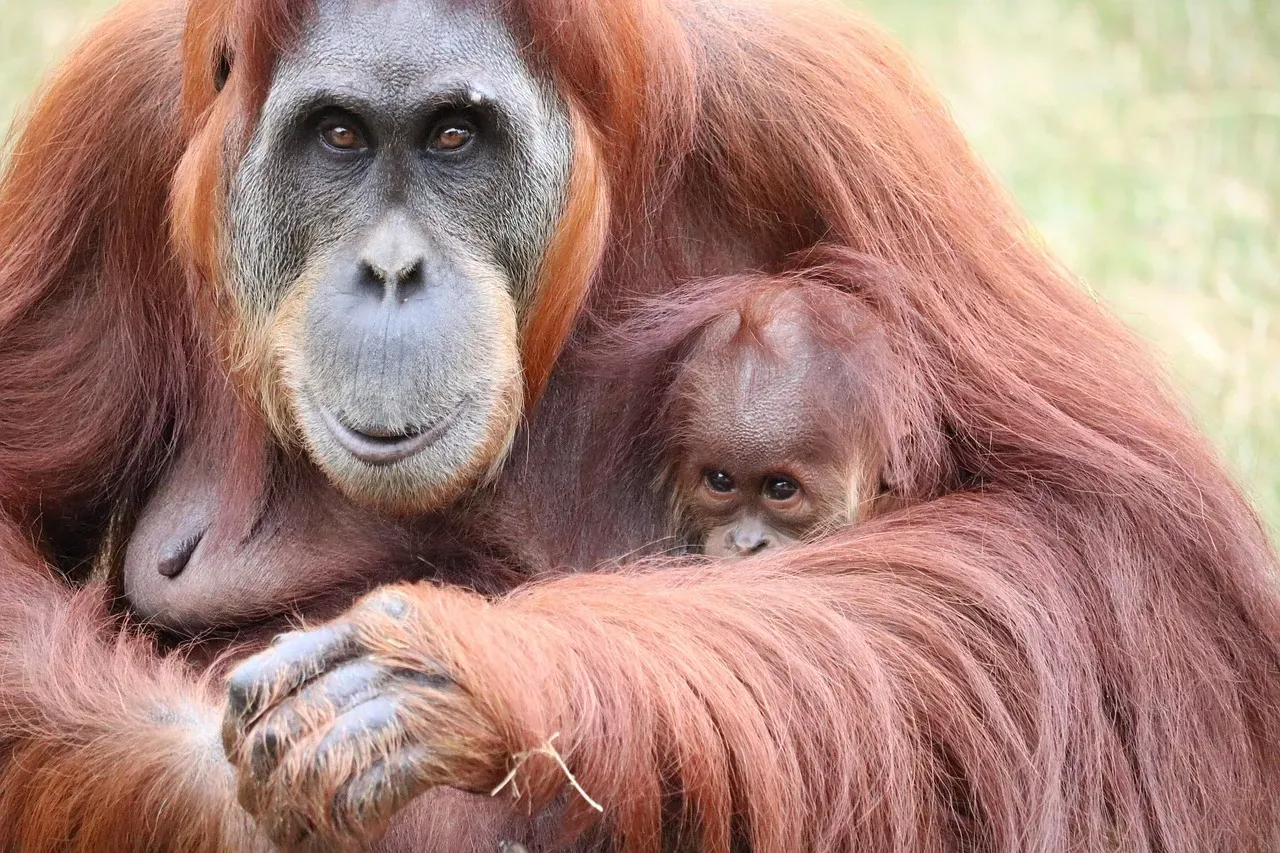
If you think raising human teenagers is exhausting, consider the orangutan mother. Orangutan mothers are among the most dedicated in the animal kingdom. They nurse their babies for up to seven years, creating incredible, long-lasting bonds and teaching them everything they need to survive in the wild, from finding food to using tools and building nests.
They discovered that these incredible primates nurse their babies for a whopping 8 – 9 years, the longest of any mammal. That’s nearly a decade of breastfeeding. Let’s be real, that’s commitment on a whole different level. For instance, one Bornean orangutan weaned at 8.1 years of age, and a Sumatran orangutan was still suckling at the staggering age of 8.8 years old when it died.
Sumatran orangutan mothers are among the most patient and devoted in the animal world. Unlike many mammals, orangutans have an incredibly long period of maternal care – lasting up to eight or even nine years. During this time, mothers teach their offspring which trees fruit during different seasons, how to build elaborate sleeping nests high in the canopy, and how to use tools to extract food. As orangutans are typically solitary animals, the mother-child bonds are especially significant. The young orangutan learns by watching mom’s every move, absorbing knowledge that will keep them alive when they’re finally on their own.
Orca Mothers: A Lifetime Bond in the Ocean
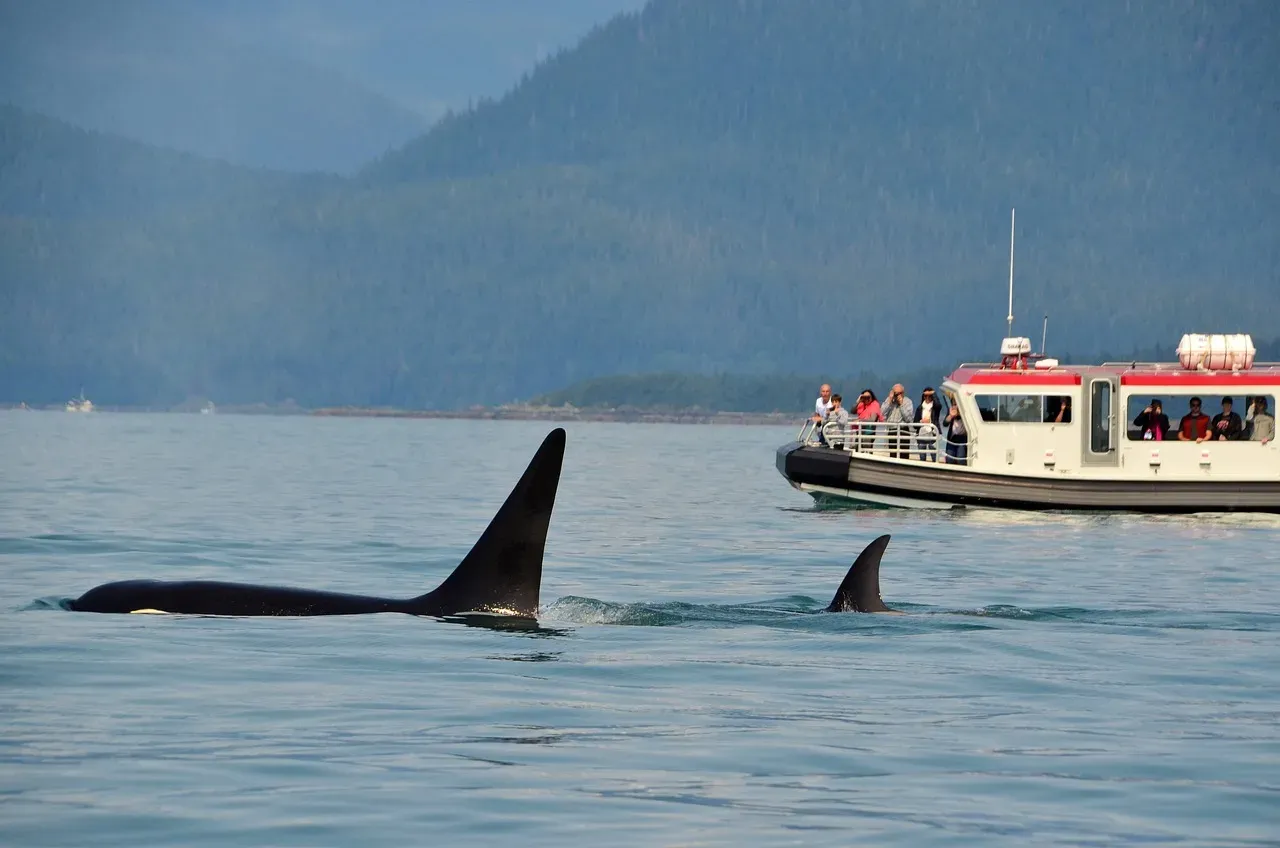
Resident Orca mothers and their children stay together their entire lives, even after they have offspring of their own. Throughout its life, a Resident Orca will only separate from its mother for a few hours at a time to forage and mate. I think that’s one of the most beautiful maternal bonds in nature. Imagine never truly leaving your mom’s side for your whole life.
The early days are particularly grueling. Mothers have just one calf every five years, and mothers watch over their young 24/7. Calves don’t sleep for the first month of their lives, so mothers go without sleep, too. Picture going an entire month without proper sleep while also nursing a massive baby in the open ocean. It sounds exhausting just thinking about it.
Sperm whales, for example, nurse their young for over two years, a lengthy commitment in the animal kingdom. Meanwhile, humpback whales make different sacrifices. They travel far to give birth in warm tropical waters, then embark on long migrations while nursing their young on rich, fatty milk. A mother humpback whale can lose up to one-third of her body weight while nursing her calf. These massive creatures literally pour themselves into their offspring, and the devotion shows in every mile they swim together.
Lioness Mothers: Fierce Hunters and Protectors
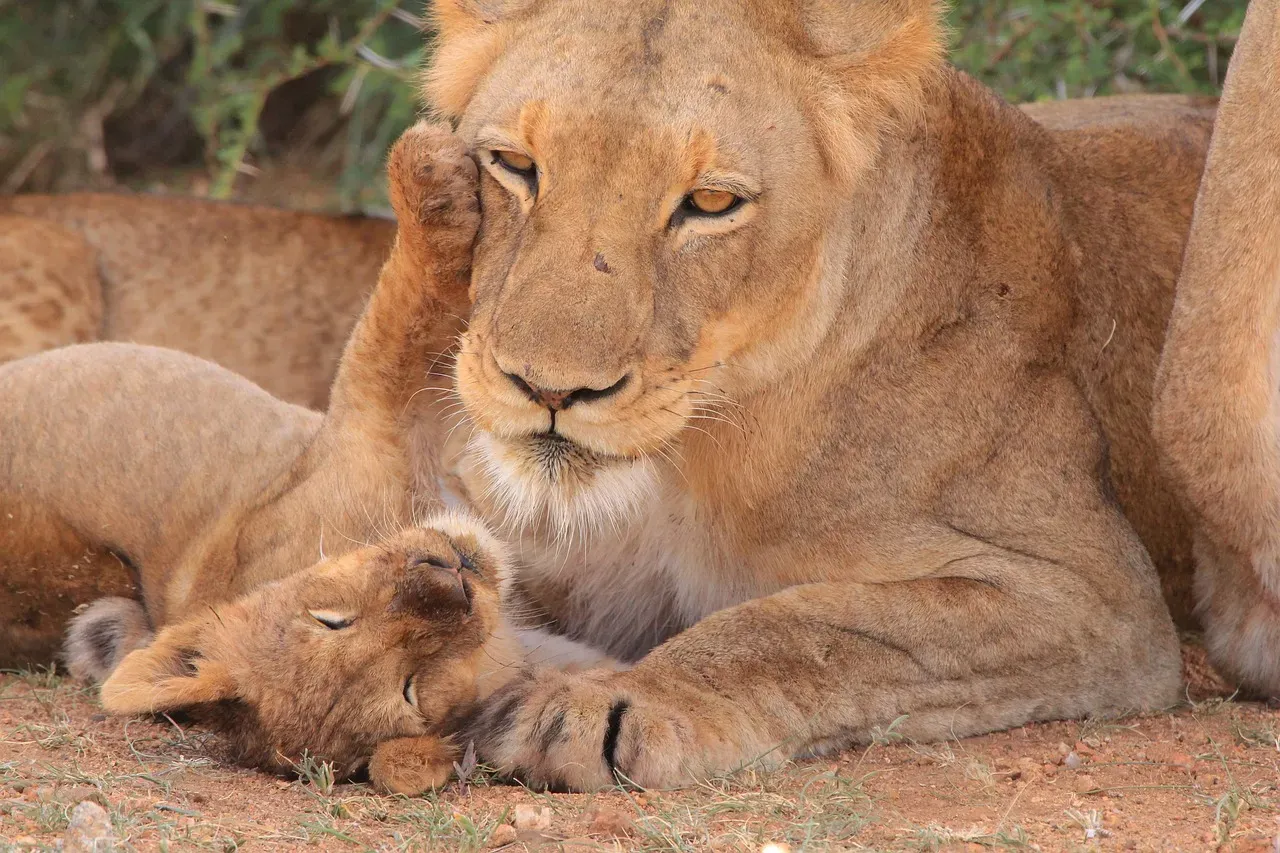
All mothers are protective of their children, but no mother is more protective of their child than the lioness. Lions get a lot of attention for being kings of the jungle, yet it’s the lionesses who do almost all the real work. They hunt cooperatively, raise cubs communally, and defend their pride with ferocity that few predators dare to challenge.
Mothers and their young cubs will spend most of their time away from the pride, with the cub relying entirely on their mother for this period. Remaining dependent on their mother for up to two years, or until the cub is able to look after itself, there’s nothing the lioness wouldn’t do to protect her cubs from harm. During this vulnerable period, mothers keep cubs hidden from potential threats, including males from other prides who might kill them to bring females back into breeding condition.
Lions symbolize strength, bravery, and protection – all qualities mirrored in their role within the pride. Lionesses are the primary hunters and they also share the communal responsibility of rearing and defending the cubs. Female lions also teach their young the skills needed for survival. Cubs learn to hunt by watching their mothers in action, starting with playful pouncing and eventually graduating to actual hunting attempts. The pride structure means that aunts and older sisters also help raise the youngest generation, creating a support network that human mothers might envy.
Crocodile Mothers: Gentle Giants with Razor-Sharp Teeth
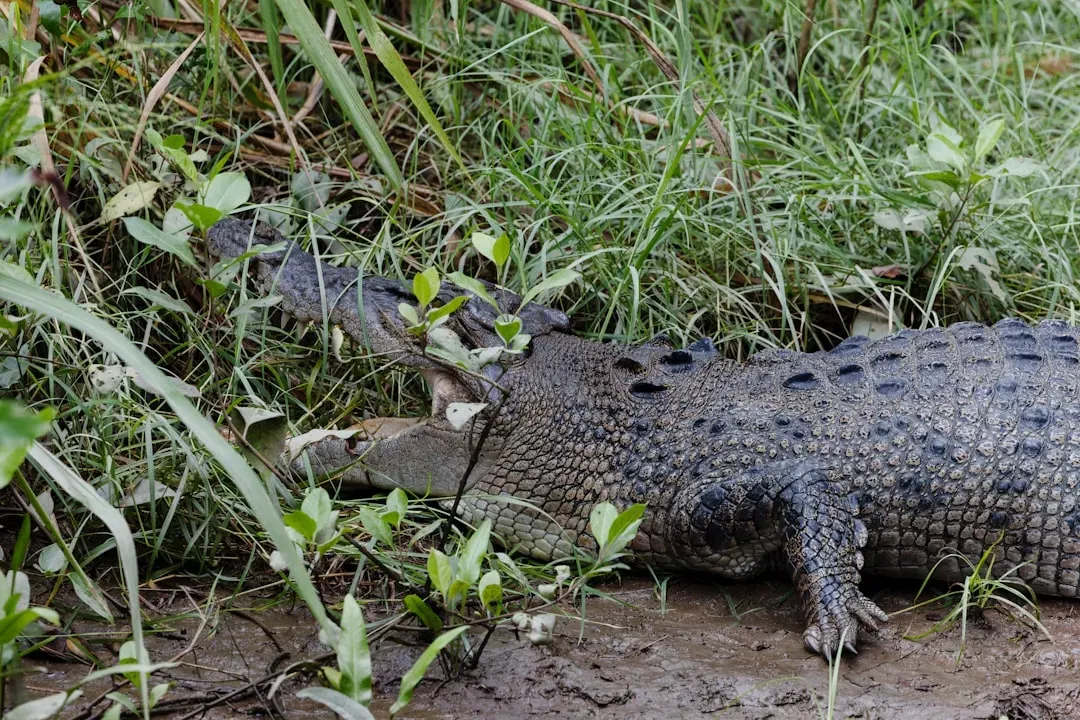
Most people wouldn’t consider giving a crocodile a Mother of the Year award. Yet despite their fierce reputations – a 20-foot Nile croc will take down everything from a zebra to a human – these reptiles are actually devoted mothers. Here’s the thing about crocs that most people don’t realize: beneath that armored exterior beats a surprisingly maternal heart.
Most reptiles lay their eggs and then disappear forever. But a crocodile mom keeps a close watch on her nest after she’s buried her eggs, guarding it for three months from potential predators. She doesn’t wander off for a snack or take breaks. She stays vigilant the entire time.
When the babies are ready to hatch, something remarkable happens. Her babies will make high-pitched squeals when they’re about to hatch, and Mom will quickly dig up the eggs. Once hatched, the babies ride in Mom’s mouth as she carries them to the water, where they’ll live under her protection for about two years. A mother crocodile is the exception, like she will charge you, she will come right after you, particularly if you’re near her nest and so she’ll defend that nest. That massive mouth filled with teeth becomes the safest place on earth for her hatchlings.
Emperor Penguin Mothers: Antarctic Endurance
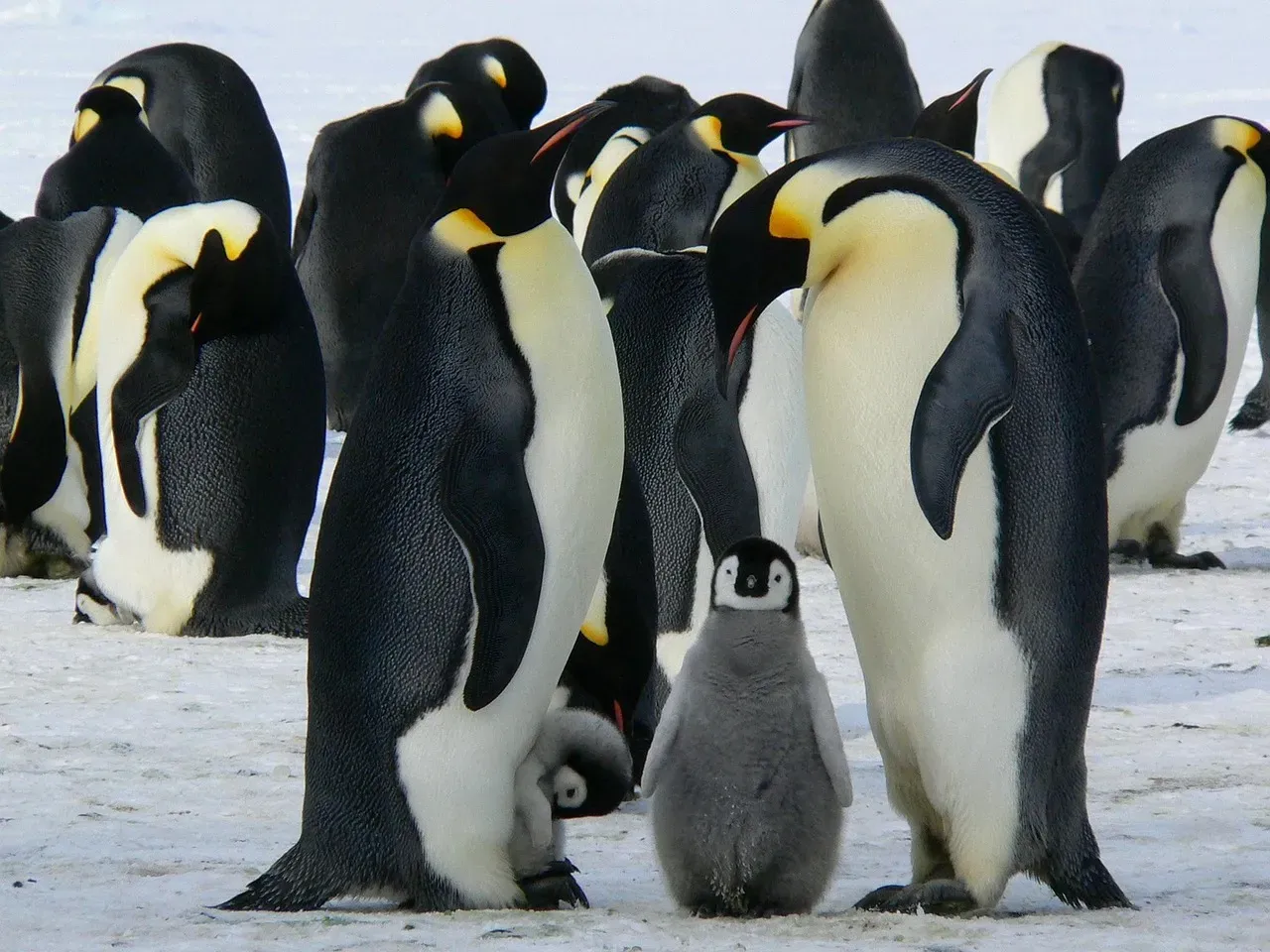
The Antarctic is one of the harshest environments on our planet, and emperor penguins have evolved a remarkable co-parenting strategy to survive it. The parental care of emperor penguins is fascinating from both perspectives. The mother lays a single egg and then passes it over to the father to keep warm. While the father protects the egg, the mother journeys for miles to feed for about nine weeks, preparing to regurgitate food for the chick when she returns.
That journey is no casual stroll. She treks across brutal ice and frigid waters to reach feeding grounds, all while her mate huddles in subzero temperatures with the egg balanced on his feet. Emperor penguin mothers return from the sea, replenishing their chicks with nutrients. Their synchronized care ensures the chicks’ survival in harsh conditions. Remarkably, the mother’s journey across icy expanses to feed her young exemplifies persistence and love, traits that fortify their family bonds.
Both parents share the responsibility after this, but the dedication of the mother, who braves the harsh Antarctic cold to ensure her chick’s survival, earns her a well-deserved place among the best mothers in the wild. Watching emperor penguin mothers waddle back to their colony after weeks away, calling out to locate their specific chick among thousands of nearly identical babies, shows just how powerful the maternal bond can be.
Giant Panda Mothers: Devoted Despite the Odds
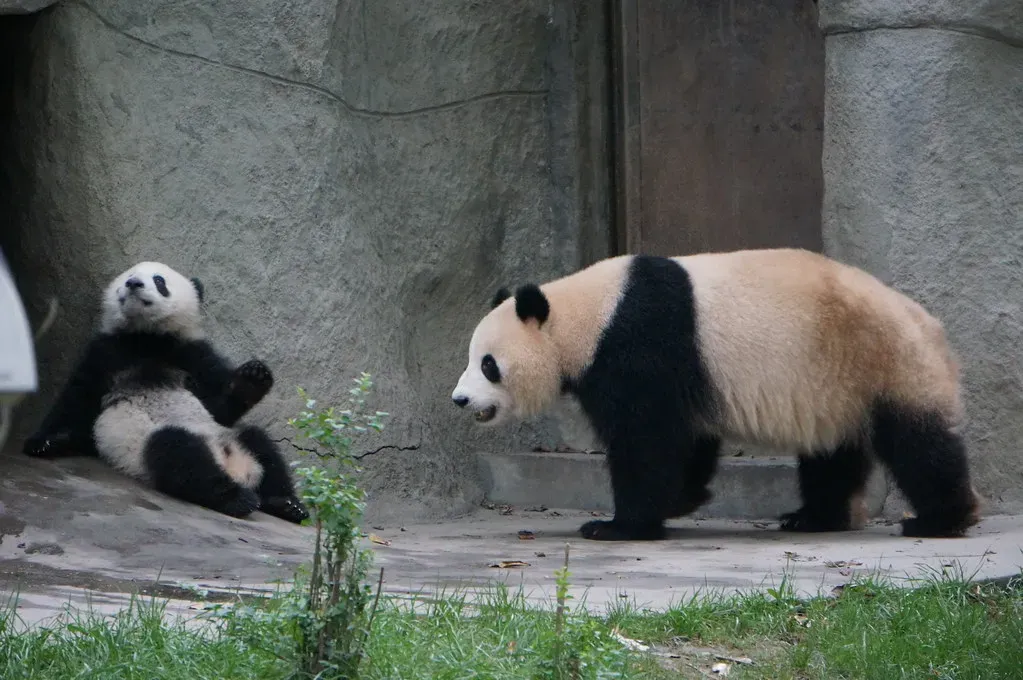
Newborn pandas are incredibly vulnerable, blind, and tiny, weighing in at just three to five ounces, almost as small as newborn kangaroos. Panda Moms, at an average of 300 pounds, have to take a lot of care in protecting their tiny, helpless infants, which is why they cradle them almost constantly until it is big enough to move around on their own, at about three months old.
The size difference between mother and baby is staggering. Imagine being responsible for a newborn that weighs roughly what a stick of butter does while you yourself weigh hundreds of pounds. One careless move and it’s over. Newborn pandas are incredibly vulnerable, blind and tiny, weighing in about 375 to 625 grams, which is 1/900 the size of their mothers. Panda Moms have to take a lot of care in protecting their tiny, helpless infants, which is why they cradle them almost constantly until it is big enough to move around on its own, at about three months old.
The panda mother’s devotion is reflected in her attentive grooming and protection. Panda mothers can only care for one cub at a time, making her choice of care a poignant testament to her dedication. Her quiet strength ensures the cub’s growth and survival in the lush forest. When twins are born, mothers typically choose to raise only one, unable to provide adequate care for both. It’s a heartbreaking reality that underscores just how demanding panda motherhood truly is.
Alligator Mothers: Protective Jaws of Love
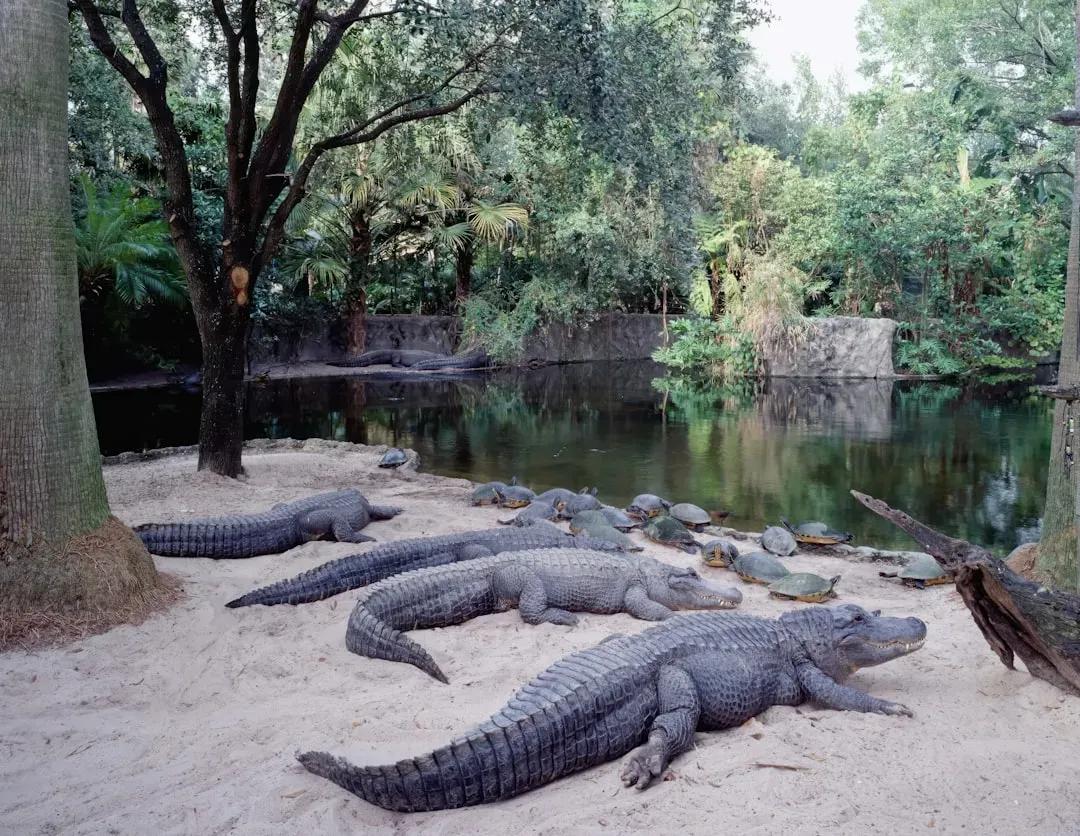
Not only an expert gardener, capable of making compost so good it can warm her eggs without her having to, the female alligator is able to one-up the comfort of a mother’s hug. Placing her new born hatchling in her mouth, the mother alligator will keep them here to protect them from predators. It might seem counterintuitive, but those powerful jaws become a mobile sanctuary.
In the murky swamps, the alligator mother defies expectations with her gentle care. After her eggs hatch, she carefully transports her young in her mouth to the water. Her fierce reputation belies a nurturing side that ensures her hatchlings’ safety. She can carry multiple babies at once, their tiny bodies safe between teeth that could crush bone.
And then when those babies start hatching, they start making these really sweet little chirping noise. And she’ll go and actually help undig the nest and very, very gently open those eggs sometimes if the baby’s stuck, and then put them in her mouth and carry them down to the water, because that’s a period where there’s a lot of potential predation, you know, where those babies are very vulnerable. She continues guarding them for at least their first year, teaching them to hunt and avoid danger. Who knew alligators had such a soft side?
Conclusion: A Mother’s Love Knows No Bounds
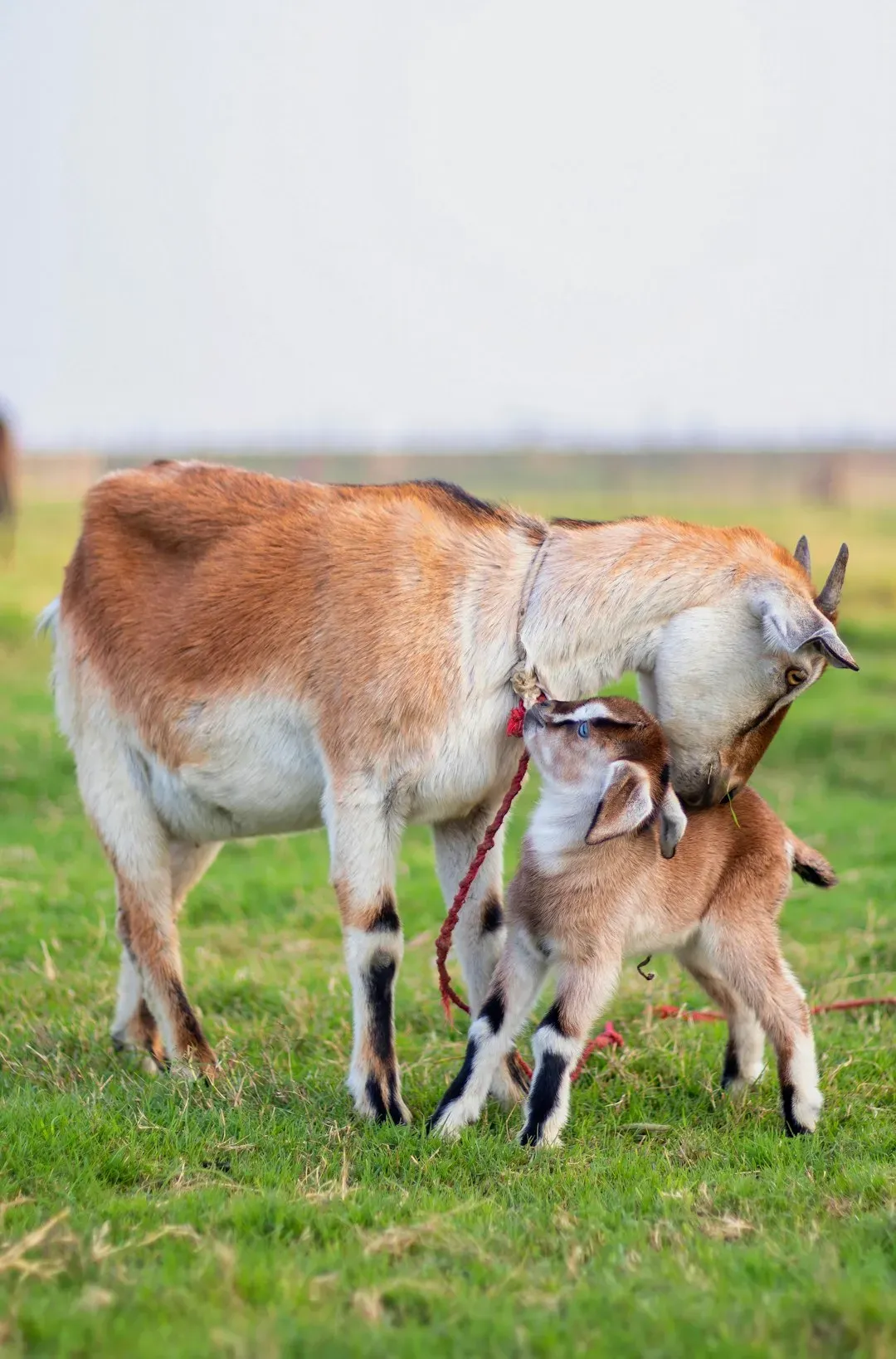
From the frozen Arctic to the darkest ocean depths, animal mothers demonstrate devotion that defies logic and survival instinct. They starve themselves, face down predators twice their size, carry their young for years, and teach complex skills with patience that would put most humans to shame. These mothers don’t receive awards or recognition. They don’t get breaks or help from modern conveniences.
What drives them is something primal and powerful, an instinct that ensures the next generation survives even when the odds are stacked impossibly high. Whether it’s an elephant calf learning to use its trunk or a polar bear cub taking its first steps on sea ice, every young animal owes its survival to a mother who gave everything she had. The next time you see footage of wildlife, pay attention to the mothers. Their stories are some of the most incredible tales of sacrifice and strength you’ll ever witness.
What surprised you most about these amazing animal moms? Which story resonated with you?

- 10 Plants That Repel Mosquitoes in Texas - July 24, 2026
- 8 Facts About the Ute People and Their Historic Ties to the Rocky Mountains - July 24, 2026
- 14 Tender Things Hummingbirds Do That Show They Have Learned to Trust You - July 24, 2026