
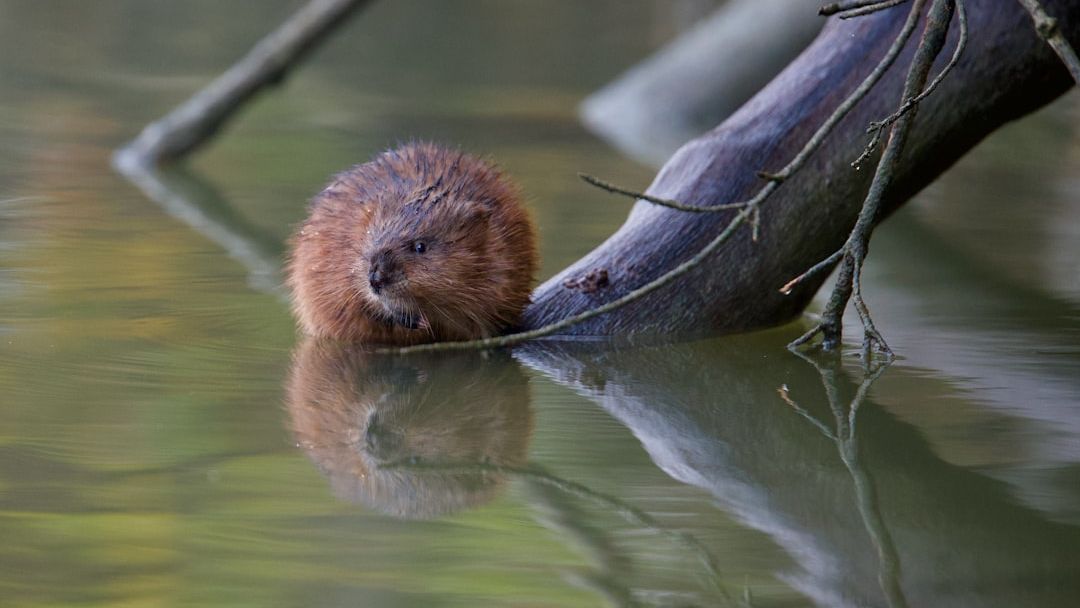
Most people walk right past them. You hear a sudden splash at the edge of a cattail marsh, catch a quick ripple fanning out across the water, and then nothing. Whatever made it is already gone, slipped back beneath the surface or tucked into a tangle of reeds before you had a real chance to look. That small, vanishing creature is almost certainly a muskrat, and it’s been living in the margins of North American wetlands for a very long time.
They’re easy to dismiss as just another water rodent, a lesser version of the beaver or a souped-up river rat. That assumption sells them short in almost every way. Muskrats are architectural engineers, cold-water athletes, ecological architects, and surprisingly complex social animals, all rolled into a compact, mud-soaked package. Here are ten facts that make them far more remarkable than their reputation suggests.
They Are the Sole Survivors of an Ancient Lineage
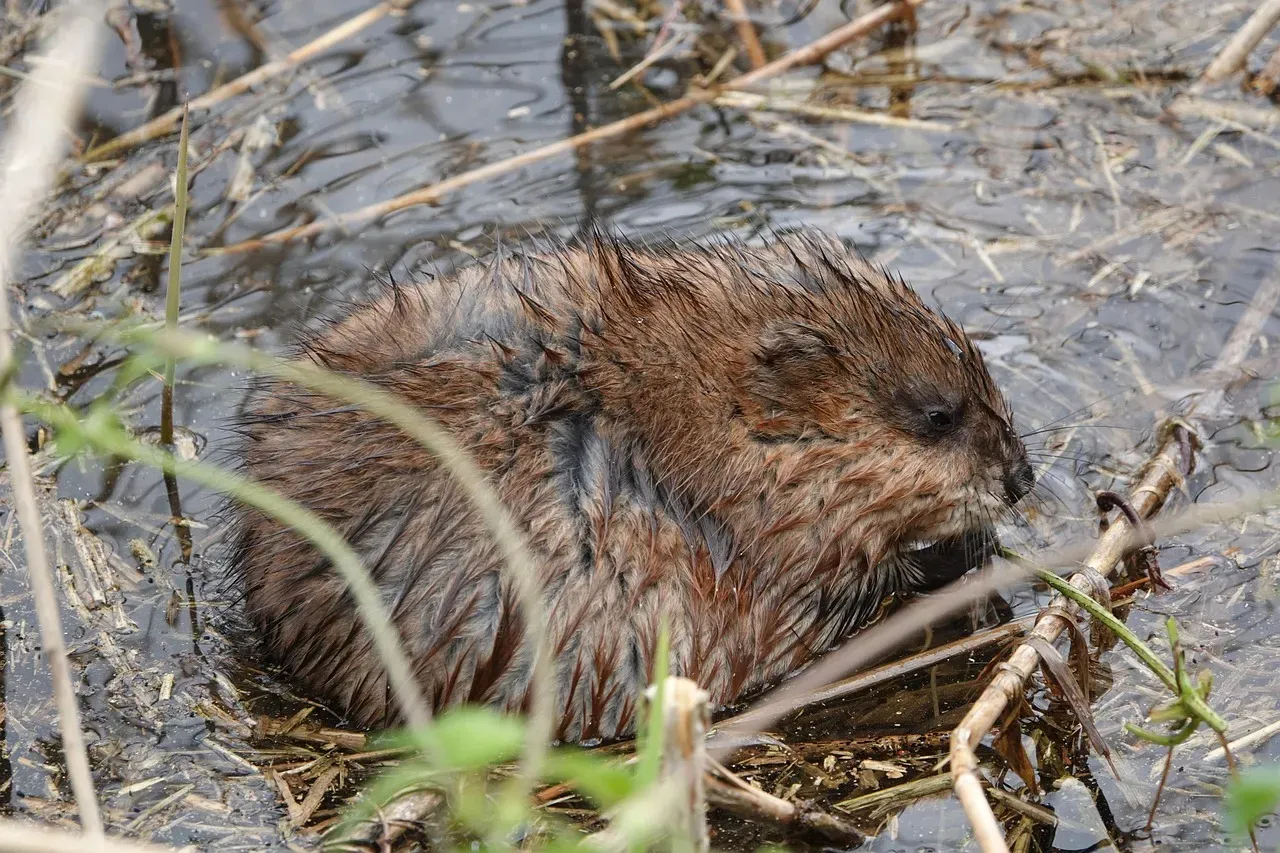
The muskrat, or Ondatra zibethicus, is a member of the rodent family Cricetidae and the only surviving member of the genus Ondatra. That’s a striking distinction. Every other branch of its genus has died out, leaving this single species to carry the whole lineage forward.
Their evolutionary origins trace back to the Pliocene epoch, roughly five million years ago, and fossil evidence suggests that early muskrats were more terrestrial than their modern counterparts. Over time, they adapted to a semi-aquatic lifestyle, developing specialized features such as webbed feet and a flattened tail. That long arc of adaptation, from land to water over millions of years, makes every muskrat you glimpse in a roadside ditch a kind of living relic.
Their Diving Ability Rivals Purpose-Built Aquatic Animals
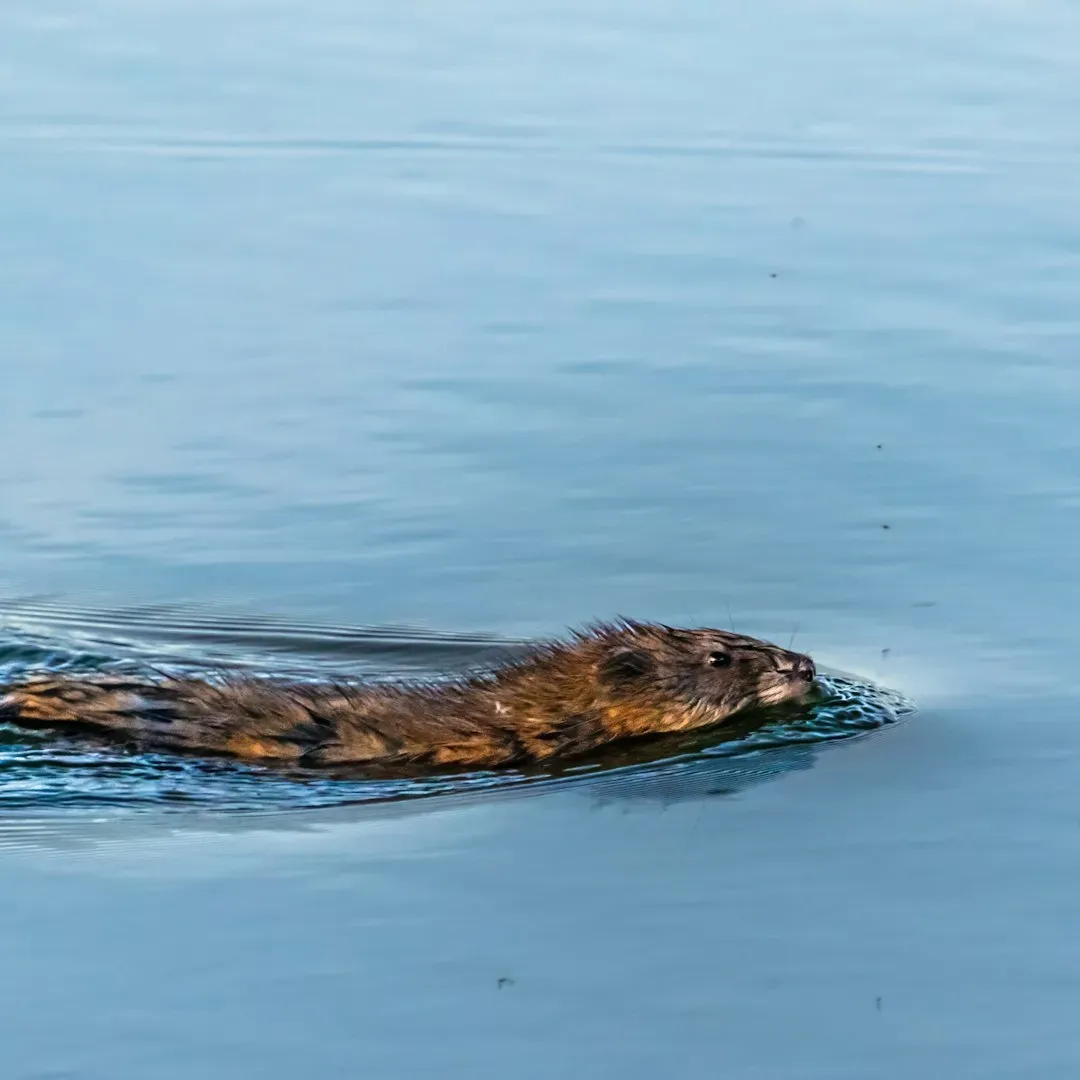
Muskrats spend most of their time in the water and can swim underwater for 12 to 17 minutes. For a small rodent, that’s a genuinely remarkable feat. Most mammals of comparable size would be in serious physiological distress long before reaching that threshold.
Their bodies, like those of seals and whales, are less sensitive to the buildup of carbon dioxide than those of most other mammals. On top of that, this diving ability is enhanced by specialized lips, which close behind their front teeth, allowing them to chew plants underwater without inhaling water. That last detail is worth sitting with for a moment: they can literally browse and eat while completely submerged.
Their Fur Is a Marvel of Natural Engineering
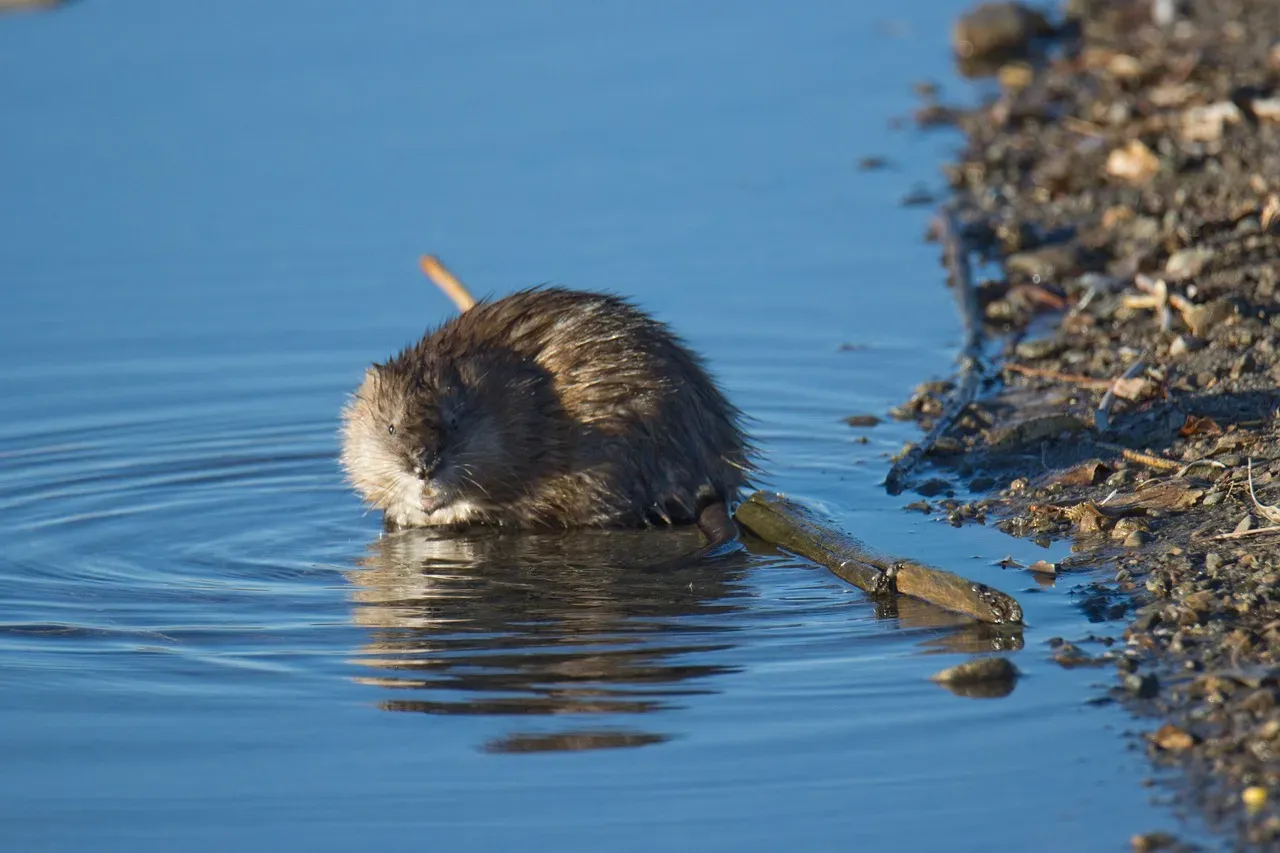
Muskrats are covered with short, thick fur, which is medium to dark brown or black in color, with the belly a bit lighter, and as the animal ages, it turns partly gray. The fur has two layers, which provide protection from cold water. That double-layered coat isn’t just warm; it’s very nearly waterproof, keeping the animal’s core insulated even during extended dives in freezing temperatures.
Muskrat fur is quite warm, particularly in the winter, when the animals need to protect themselves from frigid water temperatures. This quality made them enormously valuable historically. In the United States during the early 20th century, muskrats were specially treated and sold as Hudson Seal Fur, and the fur also gained popularity throughout Europe and Asia. The animal underneath that glamorized pelt, of course, was just quietly going about its life in the marsh.
They Have a Unique Blood-Flow Adaptation for Cold Extremities
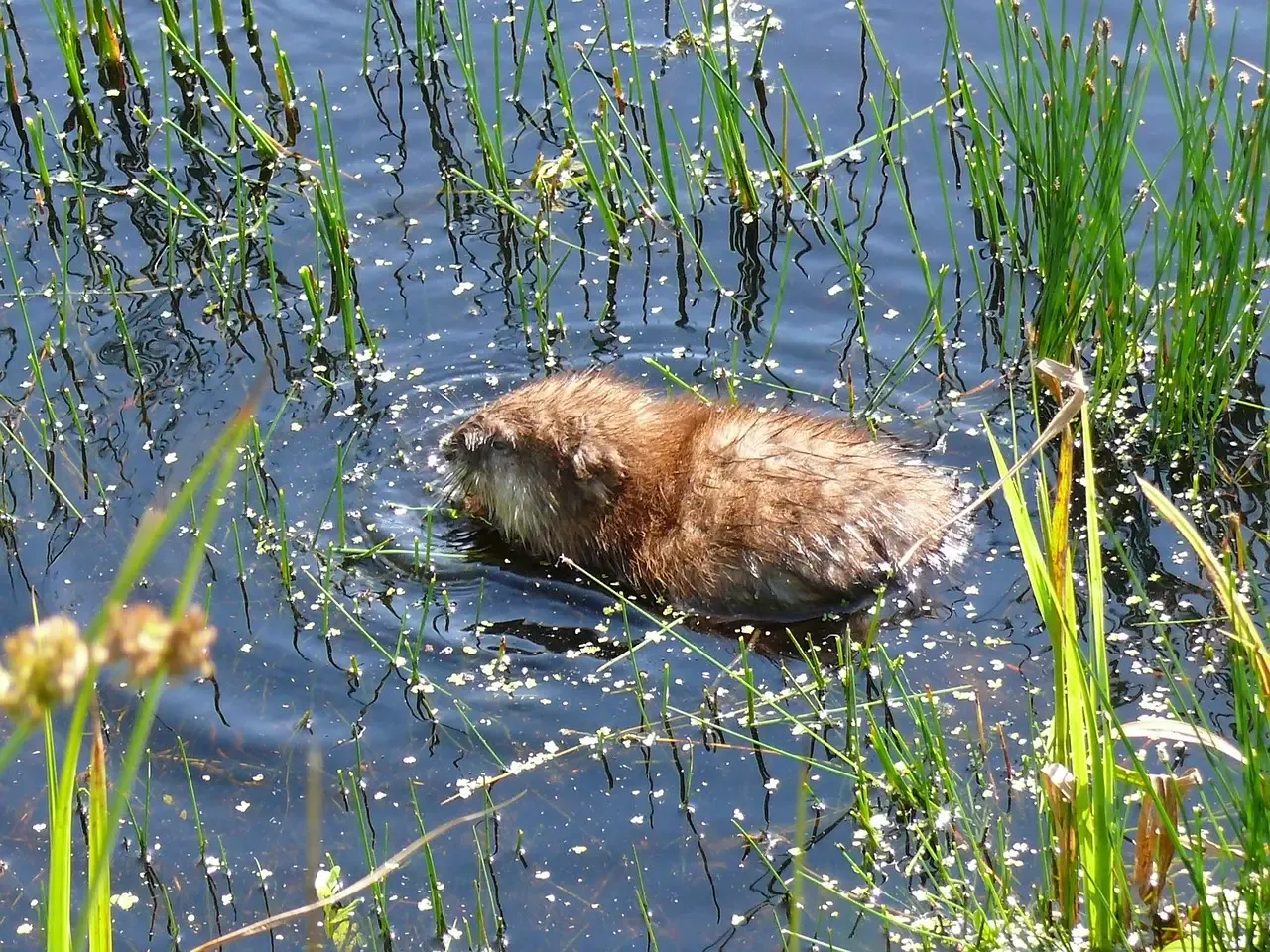
Due to so-called regional heterothermia, a special adaptation that regulates the blood flow to their limbs and tail, these parts of their body usually remain cooler than the core of the body. This matters enormously in cold climates, where losing too much body heat through exposed extremities could be fatal.
Hot, dry weather is bad for muskrats, which is why they prefer wet areas and cool burrows dug on the banks of water sources. They even have a special mechanism called regional heterothermia that regulates the flow of blood to the feet and tail, keeping them cooler than the body’s core. It’s the kind of physiological fine-tuning that most animals simply don’t possess, and it’s one reason muskrats can remain active year-round in some of the harshest wetland climates on the continent.
They Build Two Completely Different Types of Homes
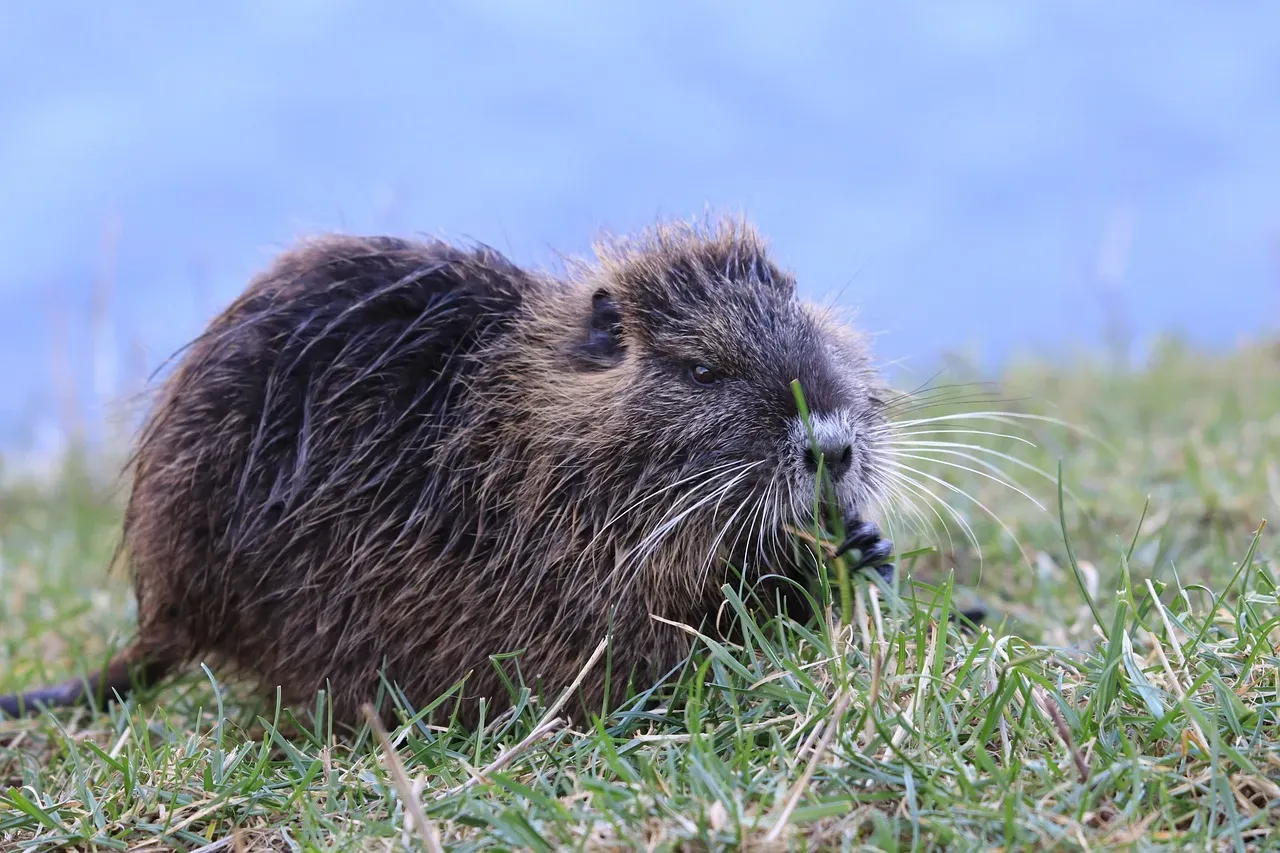
For shelter, muskrats will either dig tunnels or construct lodges, depending on the immediate habitat. In areas with steep banks or dams, muskrats will dig tunnels that begin underwater and lead up above the water level, where the chamber can remain dry. In other areas without steep walls or dams, muskrats build dome-shaped lodges out of nearby vegetation and mud. The choice of architecture is entirely situational, which speaks to a level of environmental problem-solving that’s easy to underestimate.
Muskrats excavate dens by burrowing into the banks of slow-moving streams with their sharp front claws, and the dens are complete with dry chambers and underwater tunnels, with ventilation holes hidden at the surface by shrubs, branches, and thick vegetation. The underwater entrance is the key security feature. Predators that can’t swim, or won’t, are effectively locked out, making the muskrat’s home genuinely defensible in ways that a simple burrow in open ground never could be.
Their Lodges Become Homes for Dozens of Other Species
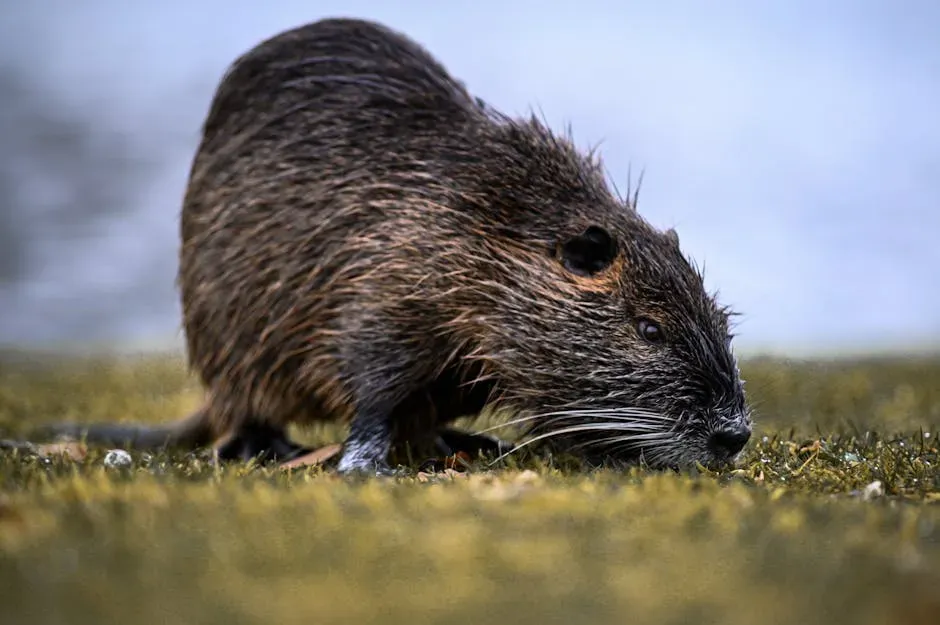
Those piles of vegetation become unexpected real estate for other creatures. Birds may perch or nest on top, amphibians and insects use the tangle as shelter, and the underwater parts provide hiding places for fish and invertebrates. A single muskrat lodge, built for one family’s survival, quietly expands into a micro-habitat for an entire neighborhood of wetland species.
Their burrowing activities create channels and pools, providing habitat for other aquatic species. Muskrat lodges also provide nesting and refuge sites for waterfowl, amphibians, and reptiles. This is what ecologists mean when they talk about a keystone influence: one species, through its ordinary daily behavior, reshapes the environment in ways that benefit many others. The muskrat does this without any apparent intention, and that makes it all the more impressive.
They Are Surprisingly Voracious Eaters With an Unusual Diet Range
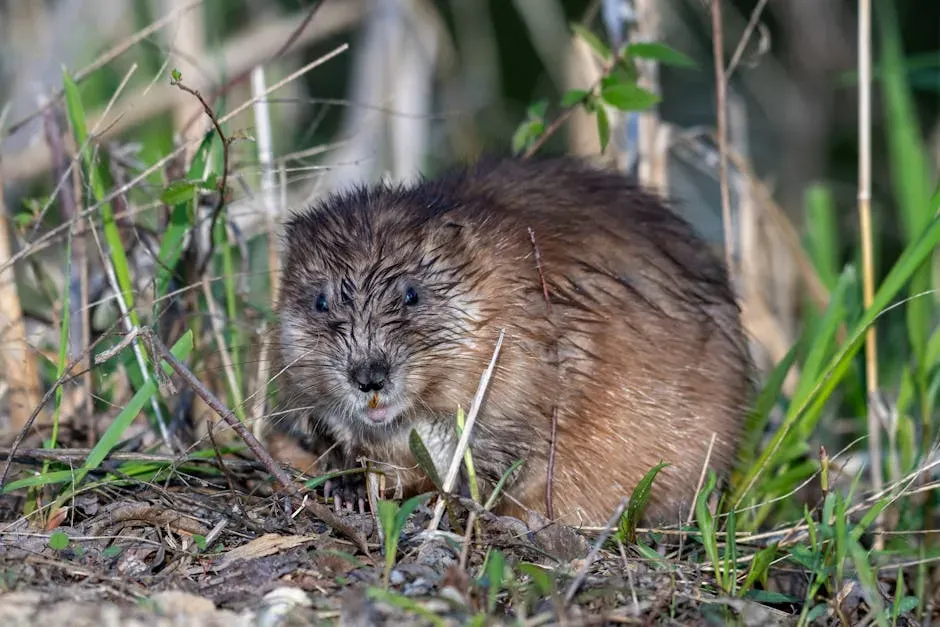
Muskrats are mainly herbivorous, with aquatic plants forming the bulk of their diet. They consume the roots, stems, and leaves of vegetation like cattails, water lilies, and pondweeds, often eating about one-third of their body weight daily. For an animal that might weigh only a few pounds, that’s an enormous daily intake that requires constant foraging effort.
Muskrats are omnivores, but they mainly enjoy a plant-based diet consisting of the roots, stems, leaves, and fruits of aquatic vegetation. As local plant food becomes scarce, muskrats will feed on small aquatic animals such as insects, fish, and amphibians. Freshwater mussels often become a dietary staple in the wintertime. Their willingness to shift dietary strategy with the seasons is part of what makes them such resilient survivors. They don’t wait for conditions to improve; they simply eat what’s available.
They Can Reshape an Entire Wetland Landscape
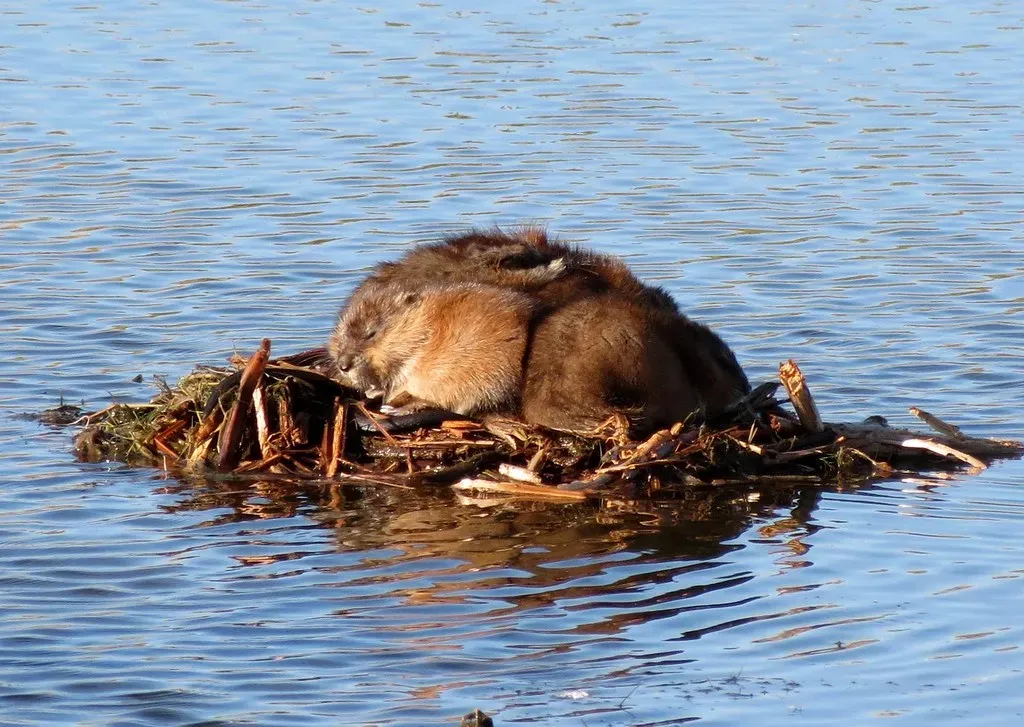
When a muskrat moves into a wetland, it does not just nibble a few leaves and quietly blend in. It’s a heavy browser on aquatic plants, especially stems and roots of cattails, rushes, and water lilies. Over time, a group of muskrats can thin out dense patches of vegetation, carving open pools of open water in places that once looked like an unbroken green carpet. This transformation, quiet and incremental, alters water flow, light penetration, and available nesting space for entire communities of wetland species.
By foraging and building their lodges, they help create a patchy pattern of open water within dense marshes, which benefits nesting waterfowl and other aquatic species. Their populations naturally fluctuate in cycles, and when numbers are high, their intense grazing can lead to “eat-outs,” where large areas of wetland vegetation are completely removed. It’s a two-sided ecological story. At moderate numbers, muskrats diversify the landscape. At high numbers, they can strip it bare. The wetland either thrives or tips, depending on where the population sits in its natural cycle.
They Reproduce at a Remarkable Rate
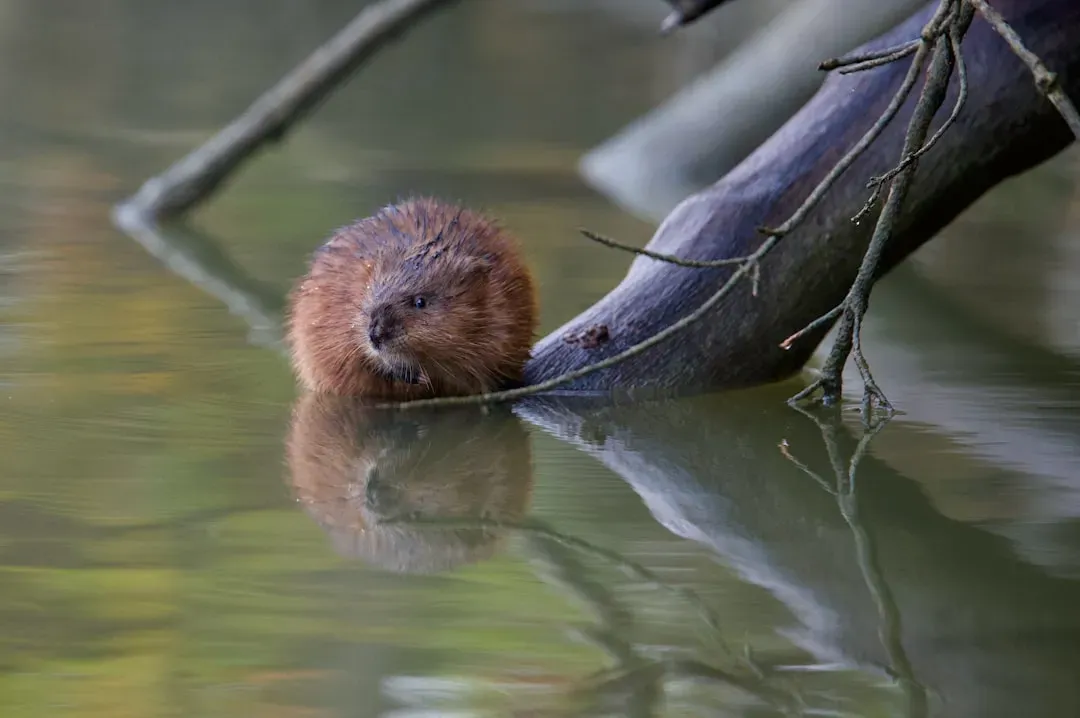
Muskrats have a high reproductive rate, producing up to three litters per year, each with six to seven young. They are polygamous and breeding takes place from late March through July. After a gestation period of 28 to 30 days, the young are born blind, helpless, and almost naked. That combination, short gestation, multiple annual litters, and fast development, means muskrat populations can rebound quickly from losses caused by predators, flooding, or drought.
Baby muskrats are called kits. At 30 days old, kits can swim, dive, and feed themselves. One month from helpless and blind to fully independent swimmer is a stunning developmental pace. On average, muskrats live up to three or four years in the wild, while in captivity, they may extend their lifespan to around eight years. Their strategy is to reproduce abundantly, develop fast, and let population numbers do the work of long-term survival.
They Are a Critical Link in the Wetland Food Web
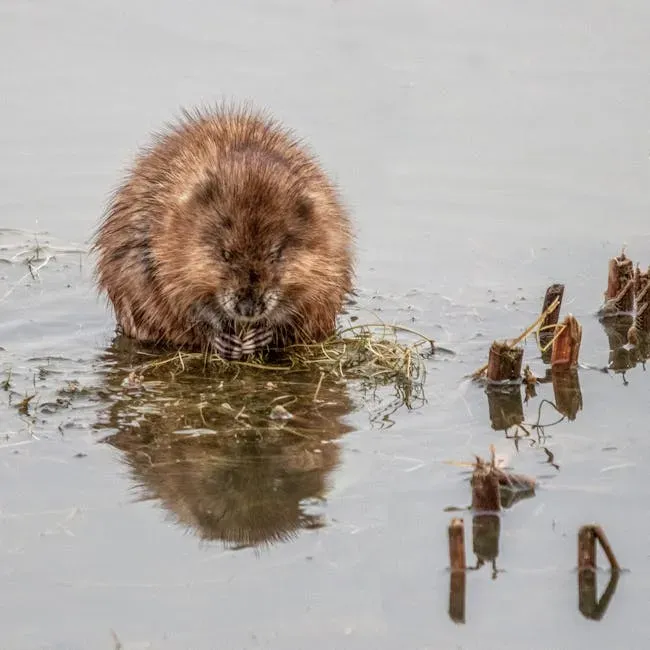
Every time a muskrat paddles across open water, it is taking a gamble, because a long list of predators is watching for exactly that moment. Foxes, coyotes, mink, otters, large raptors, and even snapping turtles see muskrats as a solid meal. That means muskrats are not just plant eaters; they’re also a reliable energy source handed upward through the food web. Remove them from a wetland and the ripple effects move surprisingly far up the predator chain.
Their presence or absence can be an indicator of wetland health. That’s a quiet but telling statement. Ecologists pay attention to muskrat populations precisely because these animals integrate so much of what’s happening in a wetland ecosystem, from vegetation density to water quality to predator activity. While much wetland habitat has been eliminated due to human activity, new muskrat habitat has been created by the construction of canals or irrigation channels, and the muskrat remains widespread. Their ability to adapt, colonize new corridors, and persist in altered landscapes is, ultimately, what keeps them thriving where many species have not.
A Final Thought
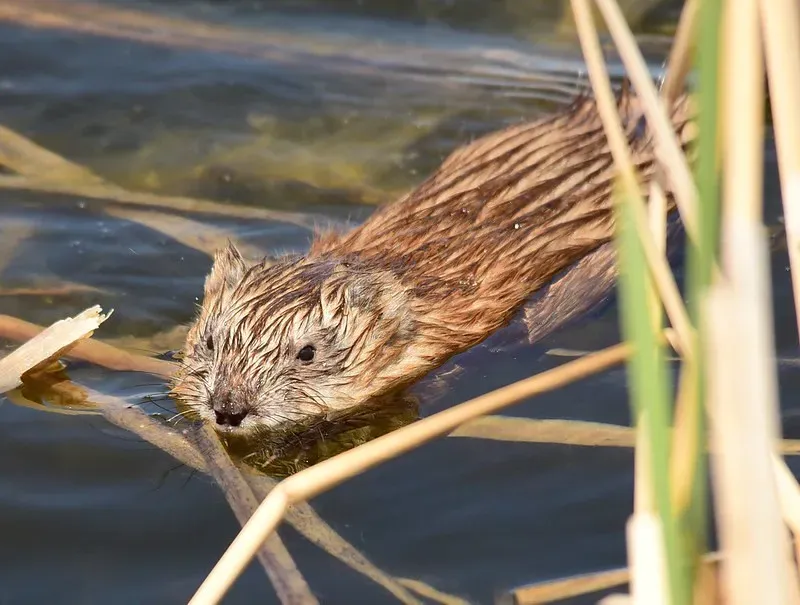
Muskrats don’t demand your attention. They don’t have the dramatic profile of an eagle or the mythological status of a wolf. They are, by most casual observations, simply small wet animals moving quietly between the reeds. Yet the more you understand what they actually do, the harder it becomes to see a wetland without thinking about them.
They breathe like marine mammals, build like architects, eat like champions, and hold entire ecosystems together with their daily habits. In my view, the muskrat deserves a far bigger place in our ecological imagination than it currently occupies. The next time you hear that unexplained splash at the edge of a marsh, don’t walk away. Watch the ripples. Something genuinely extraordinary just disappeared beneath them.
